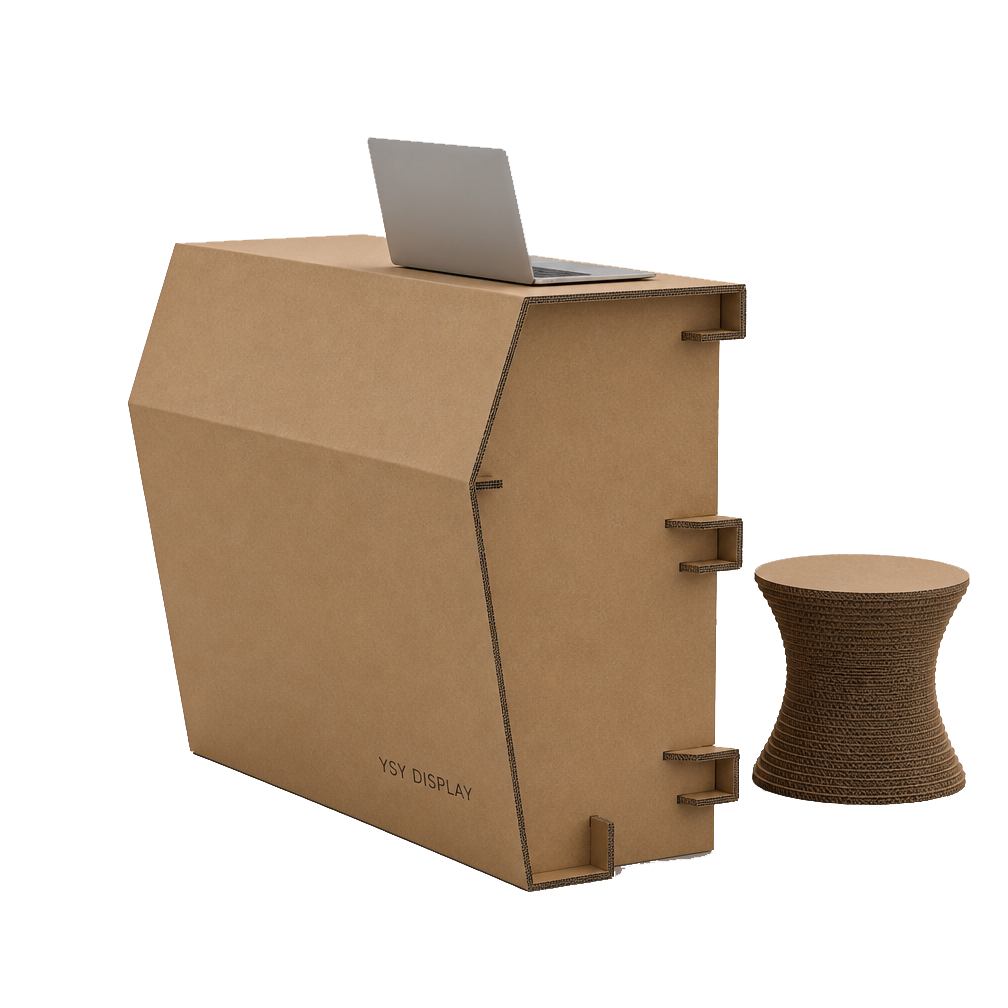
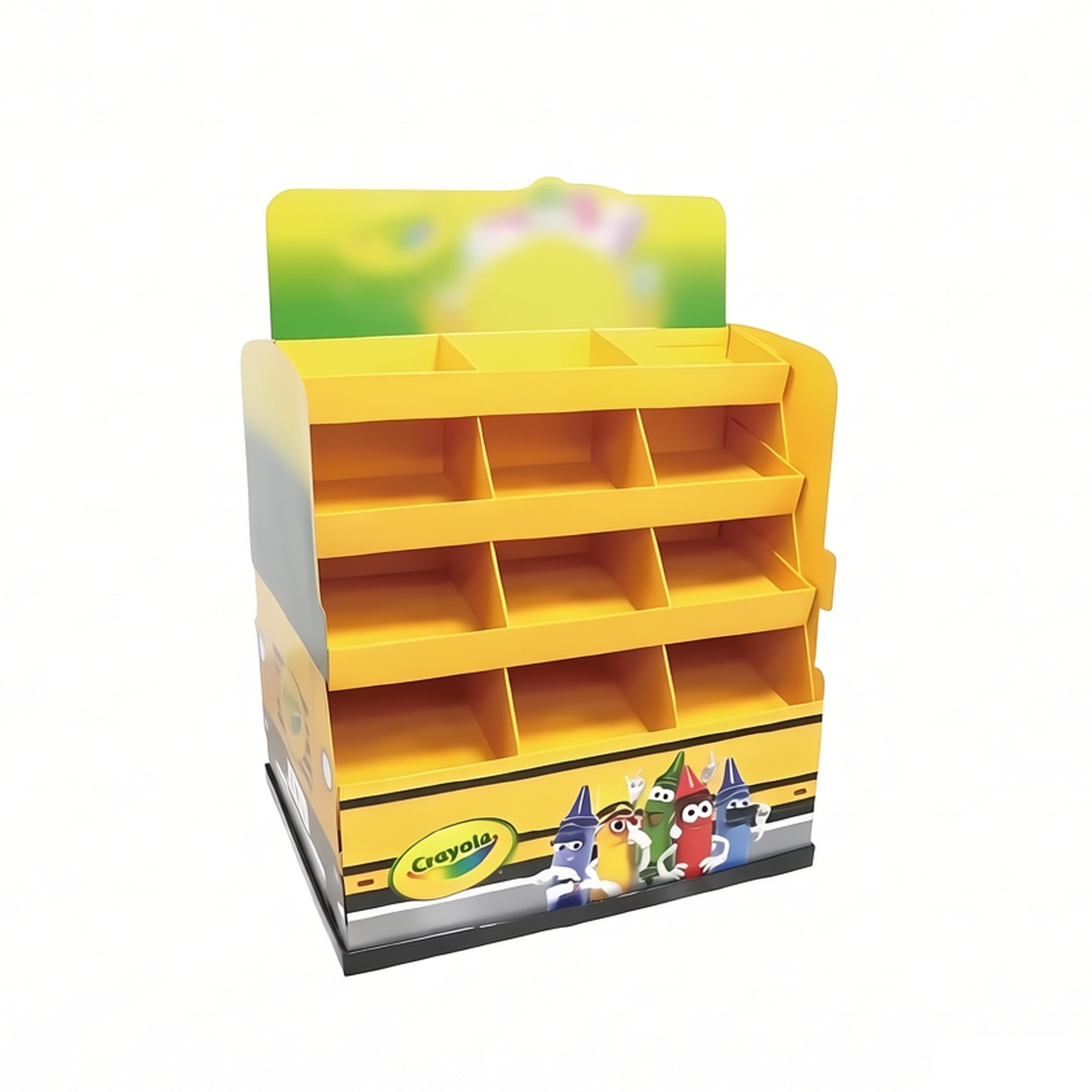
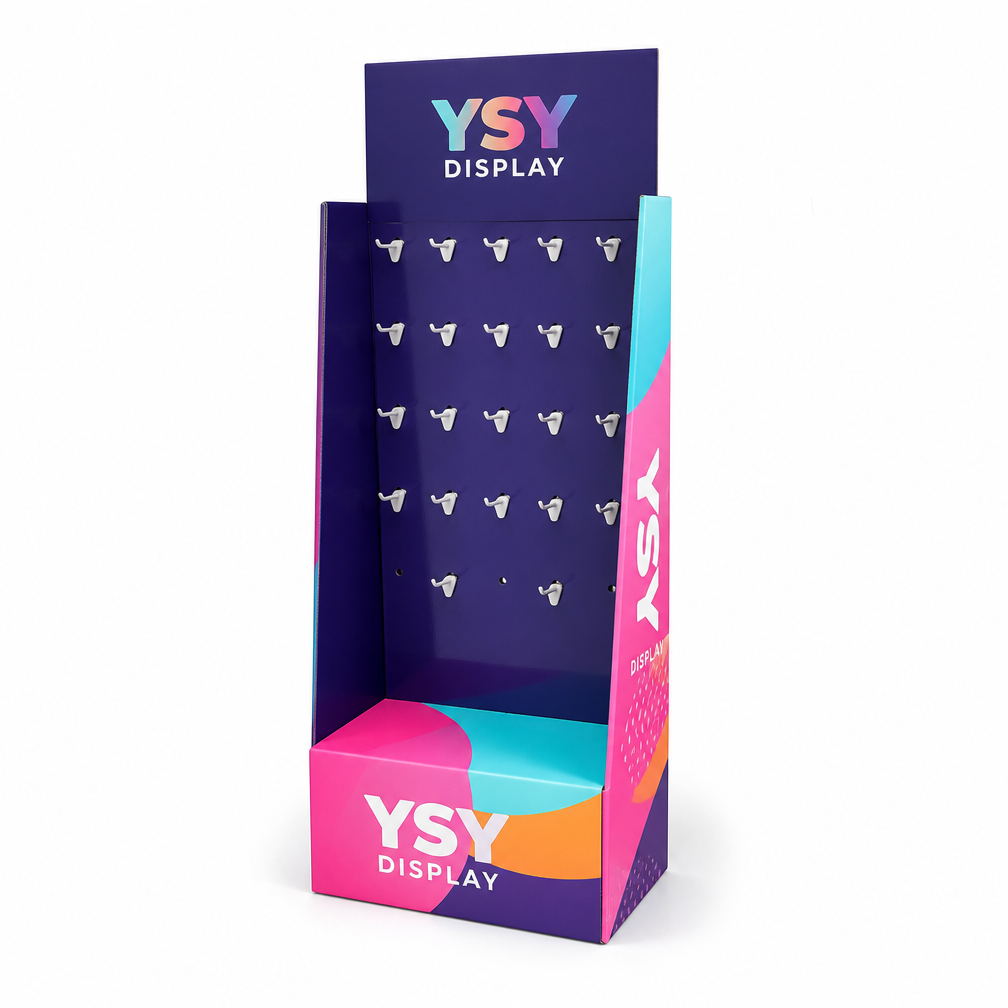
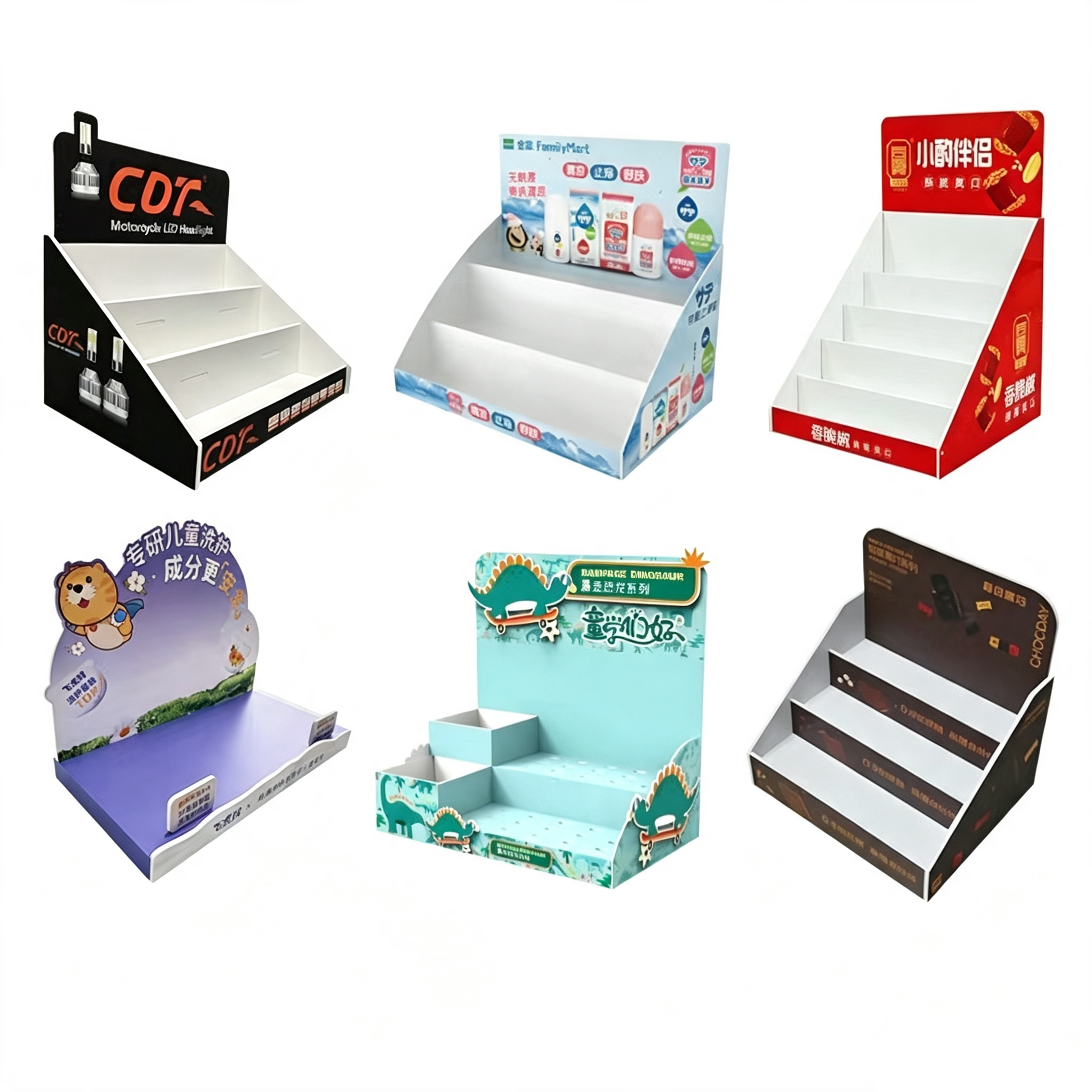
What Are Cardboard Displays?
Cardboard displays are purpose-built retail merchandising structures made from corrugated or solid cardboard — a lightweight, cost-effective material that supports full-color custom printing while remaining fully recyclable at end of use. As a procurement specialist who has sourced display materials across multiple trade shows and retail environments, it's clear how the right cardboard displays format can make or break a brand's visual presentation at point of purchase.
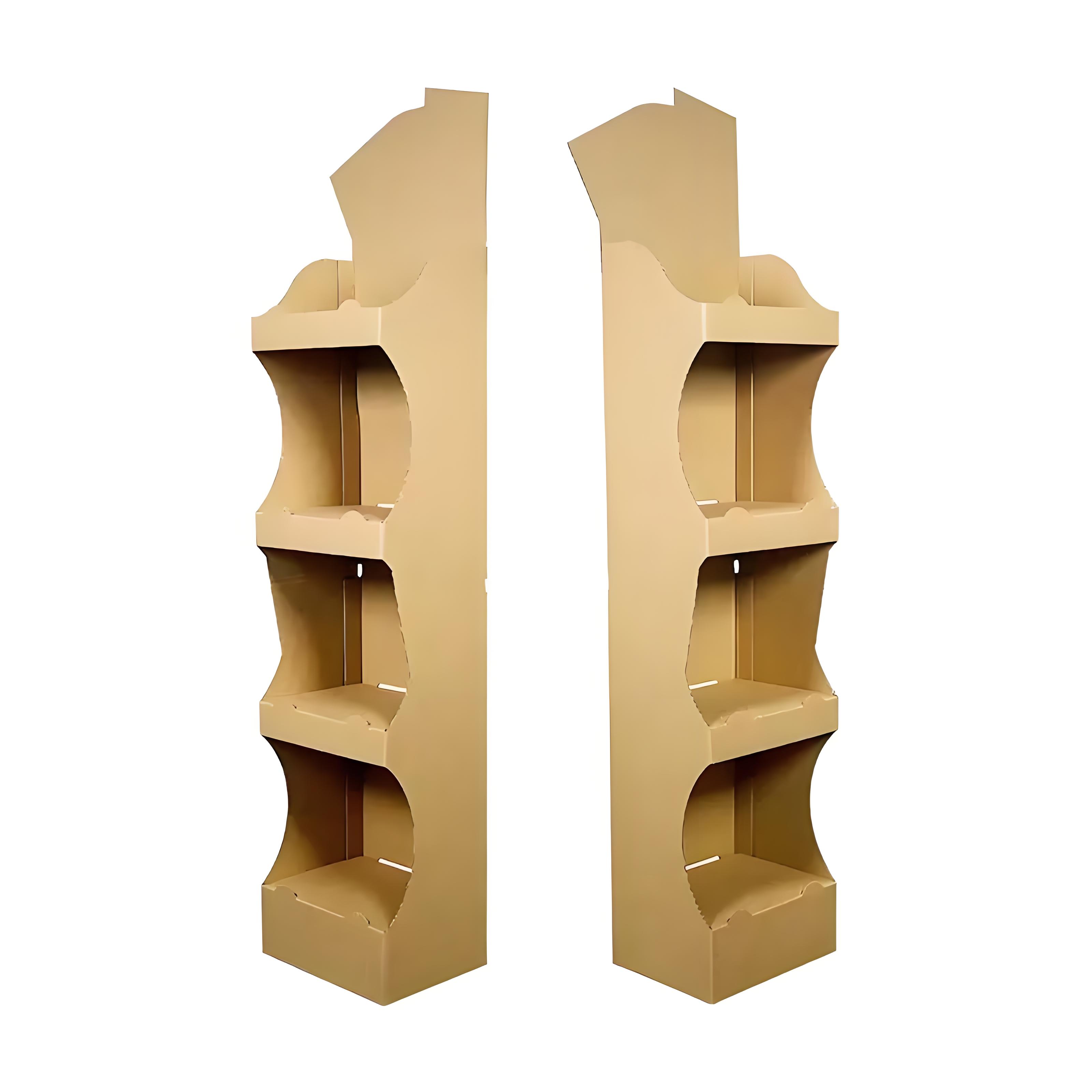
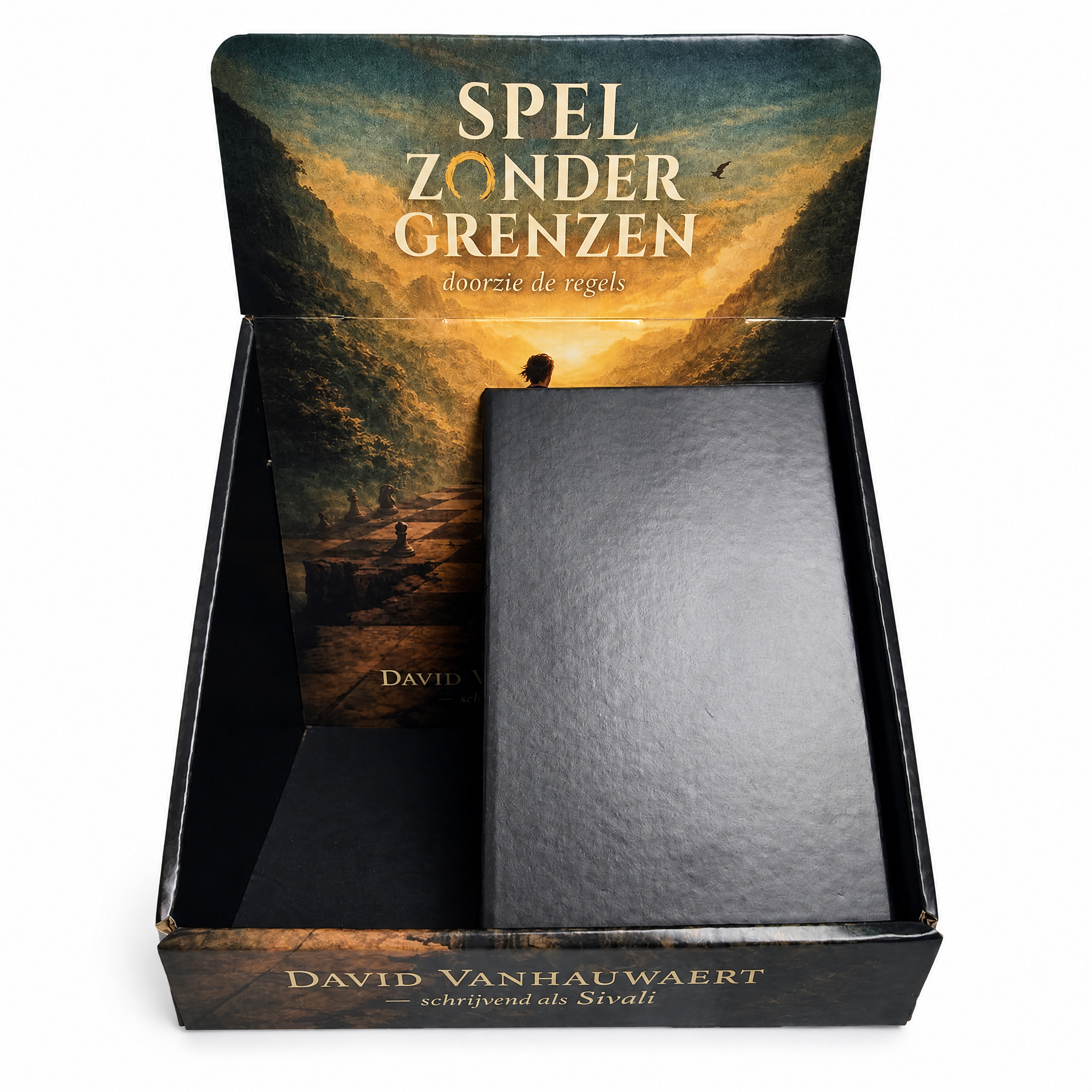
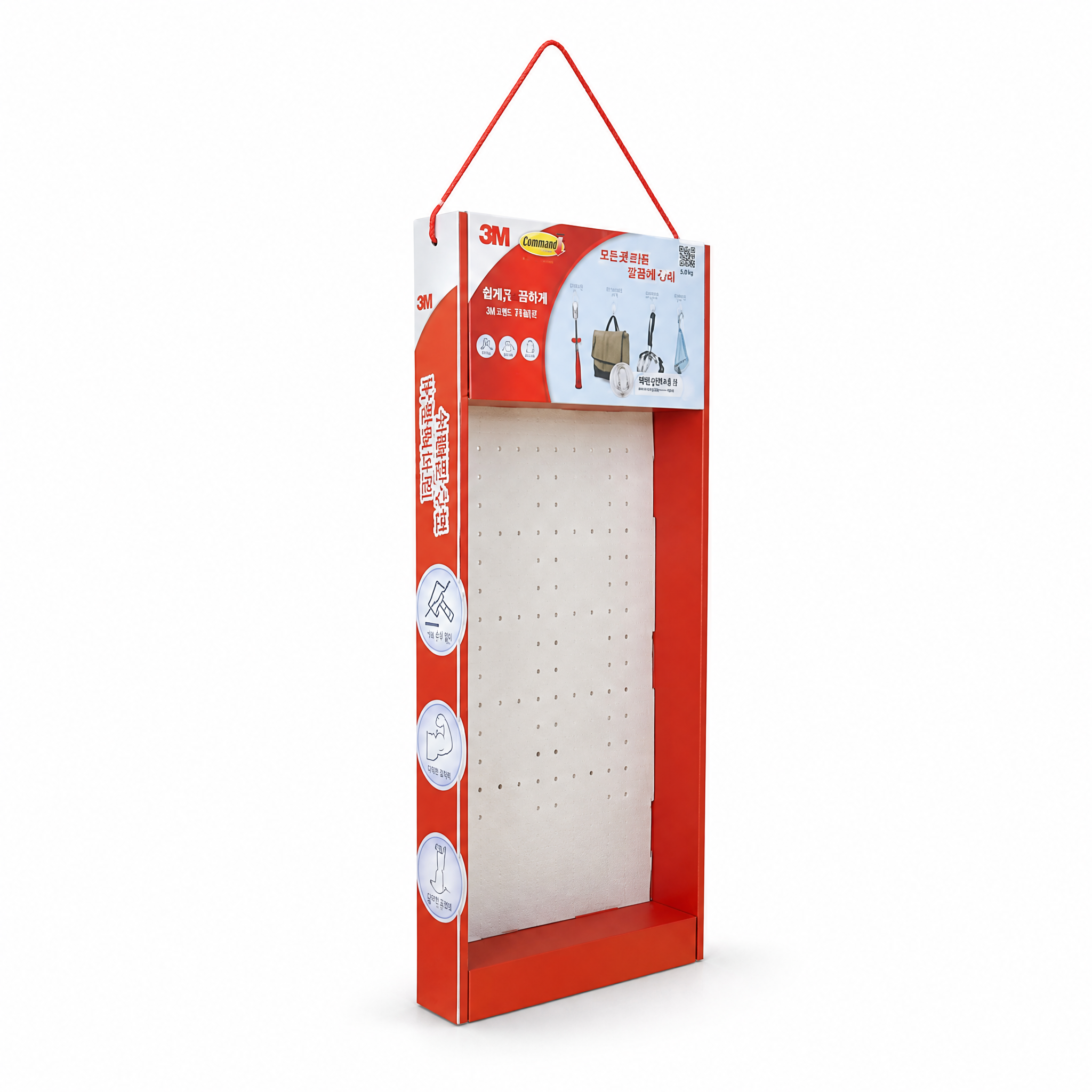
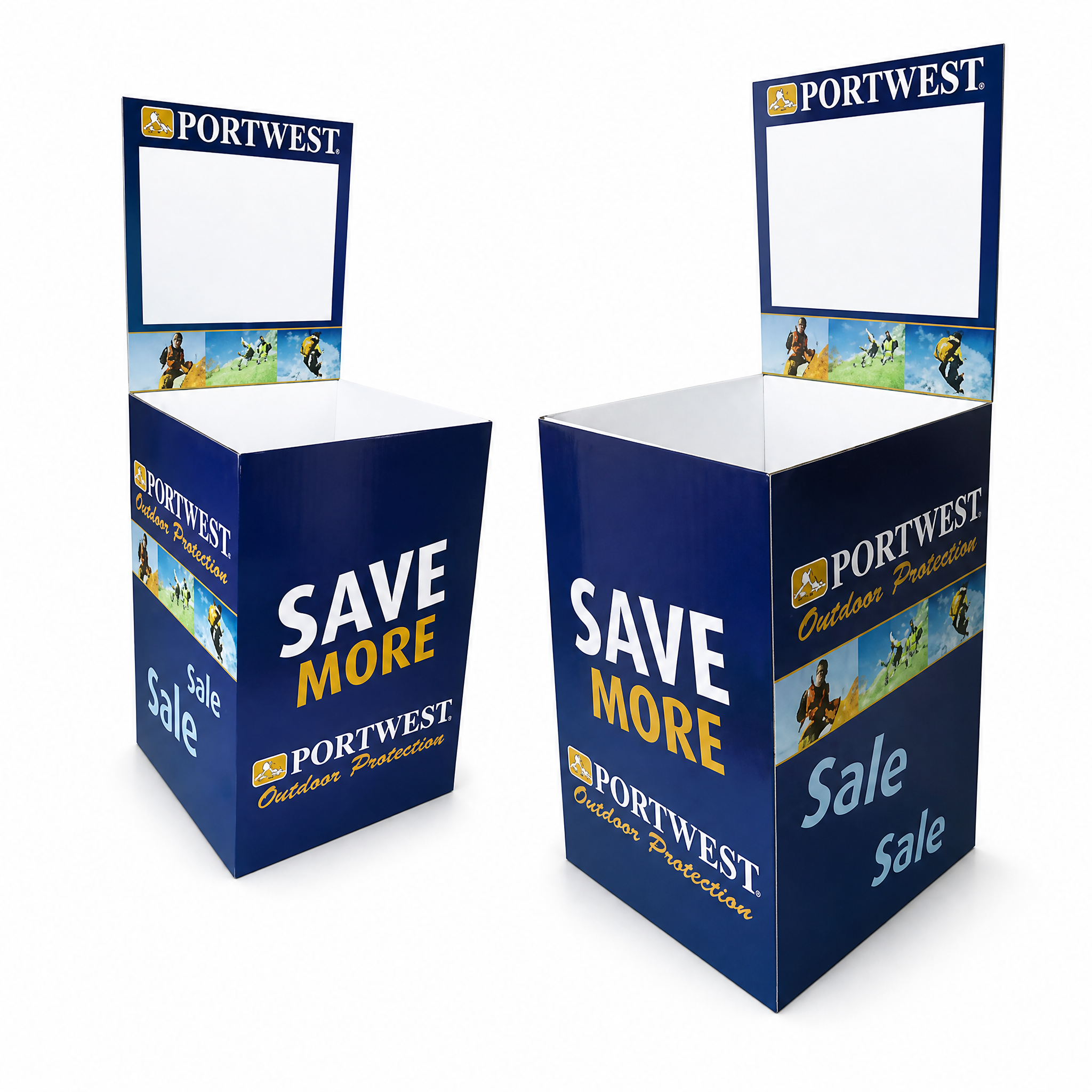
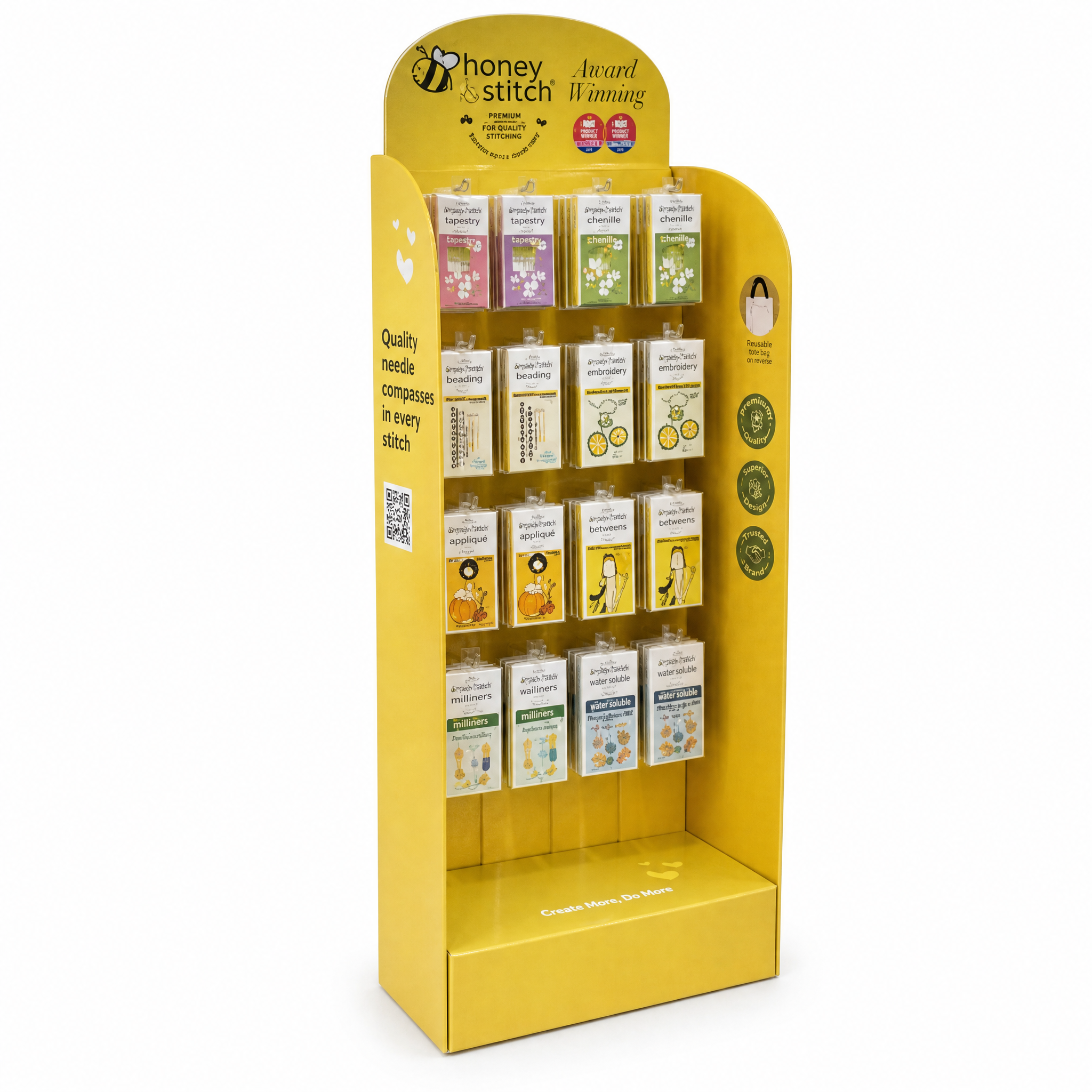
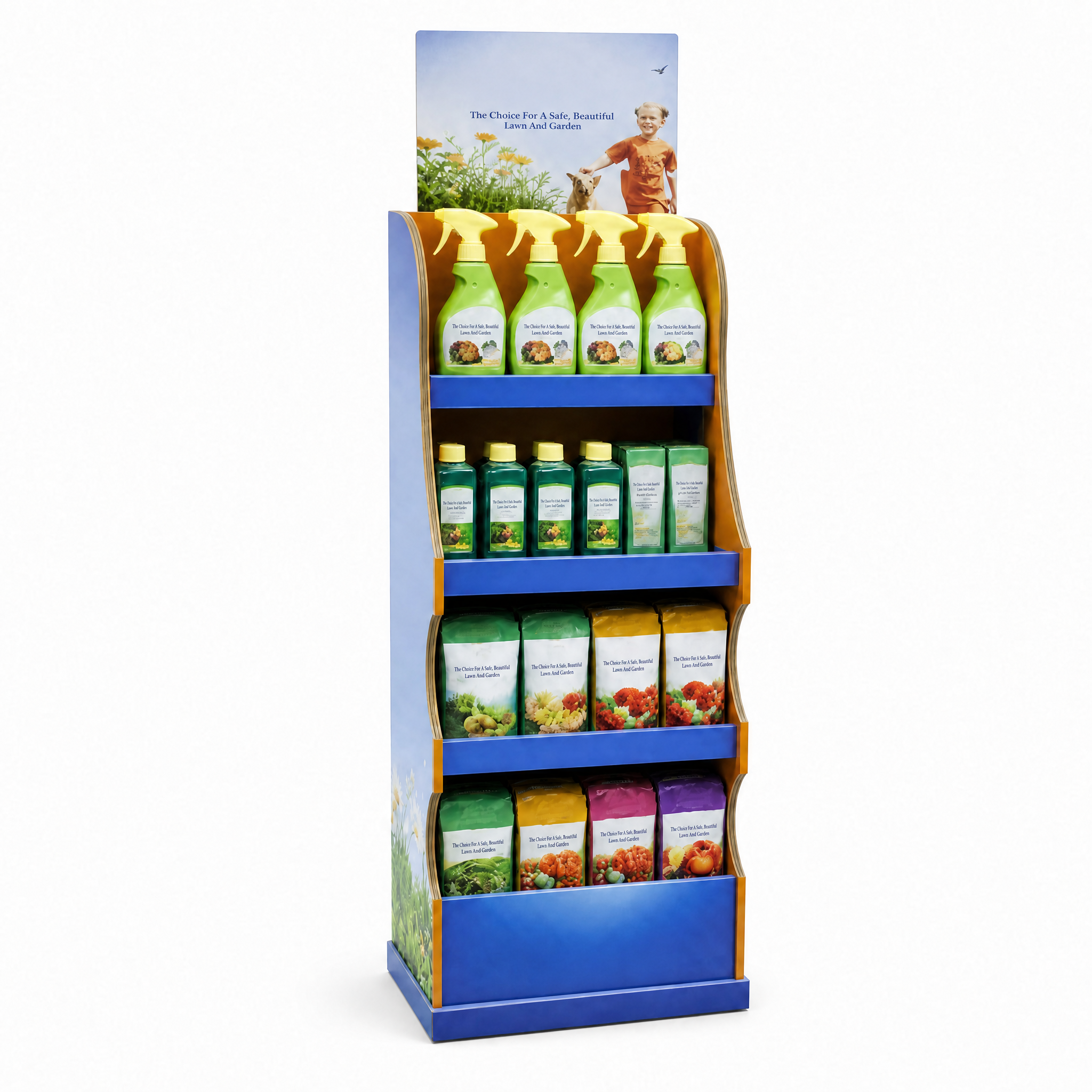
Cardboard displays come in a range of formats including floor standing displays, countertop displays, pallet displays, end cap displays, power wing (sidekick) displays, dump bins, and brochure holders. Each cardboard displays format serves a specific retail environment and product category, and understanding these distinctions is the first step toward a sound procurement decision. The format choice affects not only visual impact but also structural requirements, assembly complexity, and total logistics cost — factors that are easy to overlook when evaluating price alone.
Key Characteristics of Cardboard Displays
-
Lightweight flat-pack design: Cardboard displays are engineered to ship flat and assemble on-site, significantly reducing freight costs compared to rigid fixtures. This is a practical advantage for brands managing large-scale retail rollouts across multiple store locations, where per-unit shipping weight directly affects campaign budget. Flat-pack construction also simplifies warehouse storage between seasonal campaigns.
-
Full-color custom printing: Cardboard displays support digital, flexographic, and lithographic printing processes, enabling complete brand identity expression including Pantone-matched colors, gradient overlays, and custom header card messaging. Print substrate choice — coated, uncoated, or laminated — affects both the visual output and the surface durability of finished cardboard displays in-store.
-
Structural load behavior: What's harder to predict before deployment is how cardboard displays hold up when stacked with heavy product SKUs — particularly after two to three weeks in a warm or humid retail environment. Corrugated grade, flute profile, and coating specification all affect load performance in ways that a unit price alone will not reveal. Specifying these parameters before production is essential for campaigns involving heavier consumer goods categories.
-
Recyclability and sustainability credentials: Choosing recycled materials for cardboard displays aligns with sustainability messaging, but it requires accepting reduced structural strength in humid retail environments — a trade-off worth naming explicitly rather than glossing over. For buyers with European retail partners or brand ESG commitments, material documentation including recycled content percentages and recycling stream compatibility is increasingly part of the supplier onboarding process for cardboard displays.
-
Assembly and deployment readiness: Cardboard displays are designed for retail staff self-service setup without specialist tools. However, assembly instructions that are unclear or designed for someone already familiar with the format can cause setup errors, delays, or damage during deployment. Confirming that clear, localized assembly instructions are included before bulk production is a worthwhile step — particularly for nationwide rollouts where on-site supervision is not feasible.
Common Applications for Cardboard Displays
Cardboard displays are widely used across grocery and FMCG retail, convenience stores, supermarkets, shopping malls, pharmacies, gift and specialty stores, and exhibition halls. They are particularly suited to seasonal campaign promotions, product launches, and point-of-purchase placements where visual differentiation drives shopper engagement and impulse purchase behavior.
In trade show and exhibition settings, cardboard displays serve as temporary product presentation stations, brochure holders, and collateral structures. Most sourcing managers evaluating display suppliers for the first time end up prioritizing sample turnaround speed early in the process — not because price is unimportant, but because slow sampling cycles compress already tight campaign timelines.
For brands operating across both physical retail and event marketing contexts, cardboard displays offer a format purpose-built for high-frequency, campaign-driven procurement cycles. Buyers of cardboard displays typically reorder four to six times per year on campaign schedules, which creates a different supplier relationship dynamic from buyers managing long-cycle durable acrylic or LED fixture programs. This reorder cadence makes supplier responsiveness, consistency across production runs, and reliable lead times particularly important evaluation criteria.
Specific product categories that align well with cardboard displays include food and beverages, cosmetics and personal care, electronics accessories, seasonal gift items, and stationery. The display format should match both the product dimensions and the retail shelf environment — floor standing cardboard displays for aisle promotions, countertop units for checkout placements, and end cap cardboard displays for gondola-end product launches.
How to Choose the Right Cardboard Displays
Selecting the right cardboard displays requires matching structural specifications, print requirements, and logistics realities to specific campaign objectives. The following steps provide a structured approach to the sourcing decision:
-
Define your retail environment and product load: Floor standing cardboard displays are suited to high-traffic aisle deployments and heavier product categories; countertop units are designed for smaller SKUs at checkout positions. If your campaign involves frequent handling or a high-humidity store environment, then a higher corrugated grade — such as double-wall board — typically delivers better results over the display lifecycle. If it is a short-duration, single-location seasonal promotion, a lighter-grade cardboard displays option may serve equally well at lower per-unit cost.
-
Build a realistic production and delivery timeline: It's easy to underestimate lead time for custom cardboard displays when a supplier quotes standard production time — the quoted window often doesn't account for graphic printing approval rounds, structural sampling iterations, and freight consolidation delays for cross-border orders. Building at least two to three additional weeks beyond the quoted production time into campaign planning significantly reduces last-minute procurement risk for cardboard displays.
-
Specify print quality and surface finish requirements: Full-color offset or digital printing on coated paperboard delivers sharper graphics and better durability for cardboard displays compared to uncoated alternatives. The dwell time (meaning how long a shopper spends in front of a display before making a product decision) is directly affected by whether the graphic quality is legible and engaging from a distance. Surface lamination and varnish specification affect both tactile quality and print durability under retail conditions.
-
Confirm sustainability documentation requirements: For buyers whose brands have European retail partners, corporate sustainability policies, or retailer approval processes that include environmental compliance checks, confirming recycled content percentages and material origin documentation before ordering cardboard displays avoids compliance issues and supplier re-evaluation delays.
-
Request a structural sample before bulk production: A lower unit cost on cardboard displays can make sense if the campaign is short-duration and product weight is manageable, but the total cost of ownership changes when replacement units are required mid-campaign due to structural failure. Sample review is not optional for first-time cardboard displays formats, new product categories, or suppliers not previously used for similar specifications.
Why Cardboard Displays Are a Practical Choice for B2B Buyers
For procurement managers sourcing display materials at scale, cardboard displays offer a combination of cost efficiency, customization flexibility, and logistics simplicity that permanent fixture categories cannot match for campaign-driven retail deployments.
The price gap between standard corrugated grades and premium-specification cardboard displays typically reflects differences in structural performance, print substrate quality, and surface durability — not simply material markup. Understanding what each tier actually delivers in a specific deployment context allows buyers to right-size their specification to campaign duration and retail environment, rather than defaulting to either the lowest available price or an over-engineered solution.
Cardboard displays produced using materials compliant with standard recycling streams support buyers whose brands communicate sustainability commitments to retail partners and end consumers — an increasingly important factor in European and North American markets where brand ESG positioning forms part of the retail chain approval process.
Working with a supplier that brings structural design knowledge for cardboard displays — including load distribution planning, assembly ease optimization, and retail floor stability considerations — reduces buyer reliance on external structural consultants and simplifies the brief-to-production workflow. This is particularly relevant for buyers developing non-standard cardboard displays formats for brand-specific campaigns or sourcing for the first time without in-house display engineering capability.
Suppliers with demonstrated experience serving European and North American brand buyers bring an understanding of quality standards, export documentation requirements, and lead time expectations that apply specifically to cardboard displays ordered at campaign scale — reducing specification misalignment during order confirmation and lowering the risk of delivery failures that cannot be recovered once a campaign launch date is fixed.

 EN