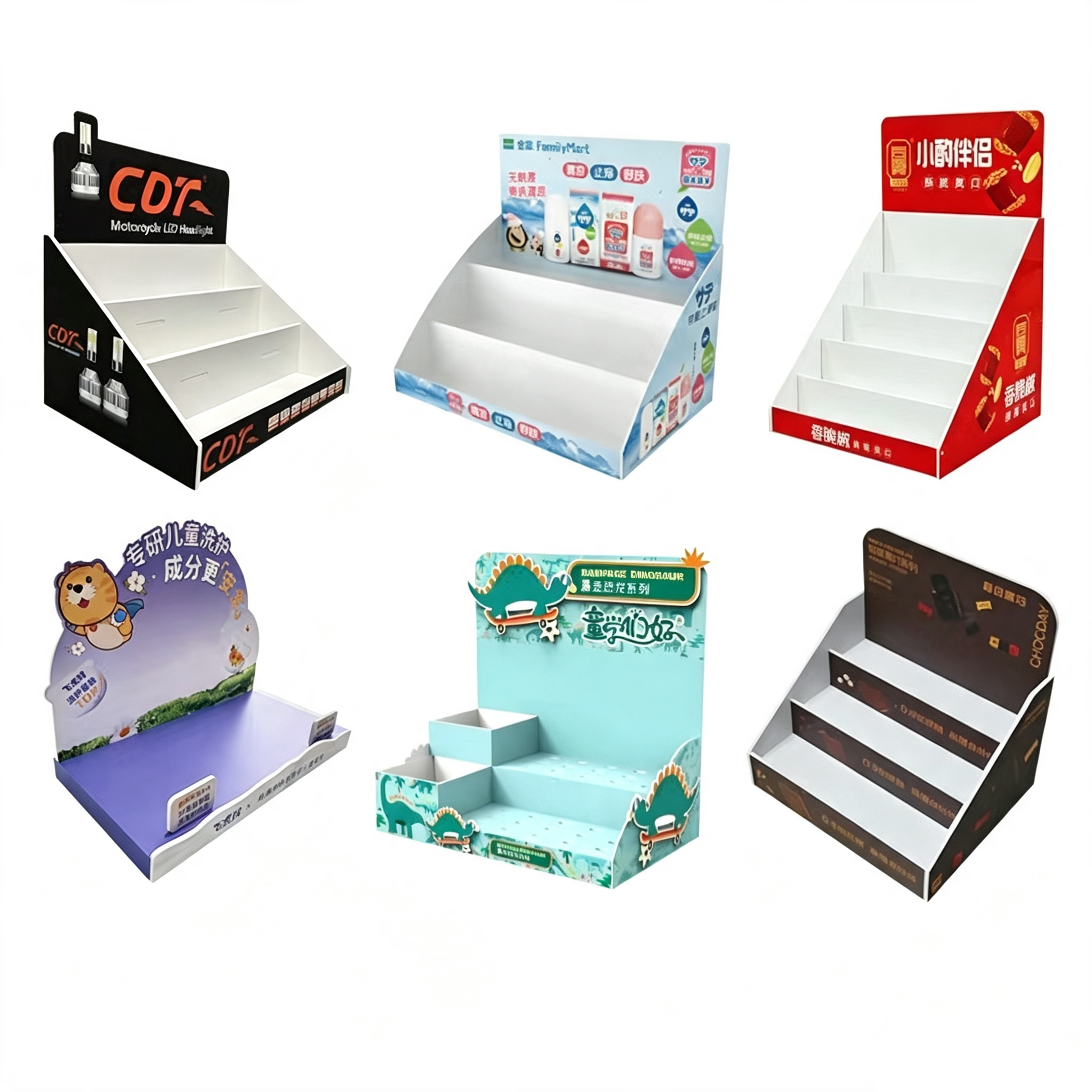
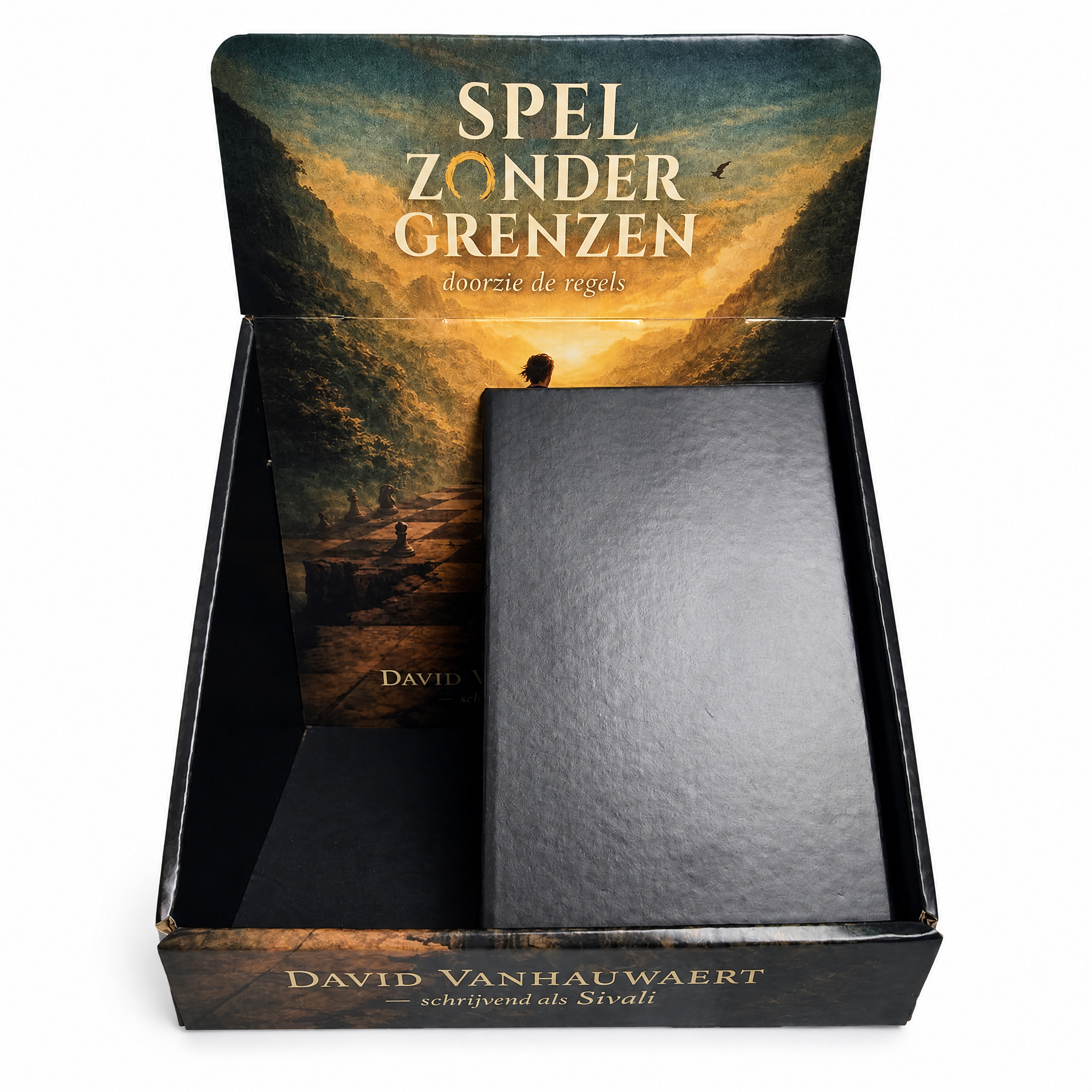
What Are PDQ Counter Display Boxes?
PDQ Counter Display Boxes — where PDQ stands for "Pretty Darn Quick" (a term widely used in the retail packaging industry to describe pre-packed, ready-to-place display units) — are corrugated cardboard display solutions designed for placement on retail countertops, checkout registers, and point-of-sale surfaces. Unlike floor-standing displays that require dedicated retail space, these counter display units occupy a compact footprint close to the point of purchase, making them particularly effective for impulse-buy categories such as confectionery, cosmetics accessories, electronics accessories, and packaged snacks.
As a procurement specialist sourcing display materials across grocery, pharmacy, and specialty retail channels, the value of well-specified PDQ Counter Display Boxes lies in two equally important dimensions: the structural integrity to hold product weight through a full campaign cycle, and the brand communication surface to drive shopper attention at the moment of decision. A display that excels at one but fails at the other rarely delivers the commercial outcome a brand manager is planning for.
Key Product Characteristics
PDQ Counter Display Boxes in this category are manufactured from corrugated cardboard and engineered for flat-pack shipping — meaning units arrive as flat, die-cut blanks that fold into assembled display form on-site. This construction approach addresses one of the most consistent challenges in retail display procurement: the freight cost and logistical complexity of shipping pre-assembled structural units at volume.
-
Flat-Pack Construction: These display units ship in flat form to reduce freight volume, enabling more units per pallet without sacrificing structural performance after on-site assembly.
-
Quick On-Site Assembly: Designed for assembly by retail store staff without specialist tools or training. Assembly reference markings on the panels help guide correct setup even in high-staff-turnover retail environments.
-
Custom Size Options: PDQ Counter Display Boxes are available in dimensions calibrated to the product they will hold — counter display size is a functional procurement criterion, since oversized units waste retail counter space and undersized units fail to hold the planned product quantity.
-
Custom Logo, Color, and Graphics: Full surface printing supports branded presentation aligned with campaign artwork, planogram color standards, or retailer co-branding requirements. The print surface serves as the primary brand communication channel in a counter display context.
-
Corrugated Cardboard Material: The structural substrate provides adequate load capacity for typical counter-display product categories. What is harder to predict before deployment is how these display units hold up when loaded with denser-than-expected product SKUs — particularly after two to three weeks in a warm retail environment. Specifying the correct corrugated board grade upfront reduces this risk significantly.
Common Retail Applications for PDQ Counter Display Boxes
PDQ Counter Display Boxes are deployed across a broad range of retail formats. Buyers managing point-of-purchase display campaigns commonly position these units at checkout counters to capture last-minute purchase decisions. The physical placement — within arm's reach at transaction completion — makes this counter display format one of the more conversion-efficient options available to brand managers with limited in-store real estate.
Typical deployment environments include:
-
Supermarkets and Grocery Retailers: Counter display units used for confectionery, snacks, health supplements, and seasonal promotional items near checkout lanes or service counters.
-
Pharmacy and Drug Store Chains: PDQ Counter Display Boxes for cosmetics, personal care accessories, OTC health products, and promotional gift sets at pharmacy service counters.
-
Convenience Stores: Compact counter display units for high-turnover FMCG products where counter space is premium and display changeover happens on a campaign-by-campaign basis.
-
Specialty and Independent Retail: Branded counter display units supporting product launches, seasonal campaigns, or co-branded retail programs where visual differentiation at the counter surface drives brand recall.
This counter display format is also a common component in broader grocery retailer POS programs and supermarket campaign rollouts, where brands coordinate PDQ Counter Display Boxes with floor-standing and shelf-edge display elements as part of a unified campaign execution.
How to Choose the Right PDQ Counter Display Boxes
If you are evaluating PDQ Counter Display Boxes for the first time, the following considerations will help you align specifications to your actual deployment requirements — reducing the risk of receiving units that look correct on a spec sheet but underperform in the retail environment.
Structural Type and Load Capacity: These corrugated cardboard display units are designed for campaign durations of two to twelve weeks. If your product is heavier than standard impulse-buy items — for example, bottled goods, glass-packaged products, or dense packaged foods — specifying the corrugated board grade (B-flute, E-flute, or double-wall) early in the design brief will reduce structural failures during live deployment.
Customization Scope: The extra cost for custom-cut PDQ Counter Display Boxes with full-surface graphic printing often feels like a negotiating point, but it usually reflects precision tooling for the die-cut blank and print plate setup for branded artwork — and skipping these steps typically shows up as misaligned panels or graphics that do not register correctly on the assembled structure. For campaign-critical branded programs, this investment is generally justified by display performance at the point of sale.
Lead Time Planning: It is easy to underestimate lead time for corrugated counter display units when a supplier quotes a standard production window — the production timeline alone often does not account for graphic artwork approval rounds, sample confirmation, and international freight consolidation before delivery to your distribution center or retail chain warehouse. If your program has a fixed campaign launch date, building adequate lead time from brief to in-store placement is a procurement discipline that protects the schedule.
Retailer Compliance Requirements: If your PDQ Counter Display Boxes program is for placement in a major retail chain, confirm retailer-specific display compliance specifications — including maximum counter footprint dimensions, load-bearing requirements, and graphic content standards — before finalizing the design brief. You do not need to be a display engineering specialist to manage this: confirming these criteria with your retail partner before placing a production order is usually sufficient to avoid post-production redesign.
Assembly and Retail Staff Setup: Counter display units intended for self-service assembly by retail store staff benefit from clear panel markings, numbered assembly sequences, or included instruction cards. In nationwide rollout programs where on-site supervision is not feasible, display units that assemble intuitively reduce setup errors and incomplete assemblies that diminish visual impact at the point of sale.
Why PDQ Counter Display Boxes Fit Modern Retail Programs
PDQ Counter Display Boxes occupy a distinct position in the retail display ecosystem — they combine the structural function of product containment with the brand communication function of printed retail presentation at a price point appropriate for campaign-frequency procurement cycles. Brands managing seasonal promotions or quarterly display rotations typically reorder these corrugated counter display units multiple times per year, making supplier consistency, print color repeatability, and structural reliability ongoing priorities rather than one-time requirements.
For European and North American brand buyers sourcing counter display programs, working with a supplier experienced in these target markets — including familiarity with quality documentation standards, export lead time expectations, and retail-ready packaging requirements — reduces the coordination overhead on cross-border display procurement orders.
The combination of flat-pack shipping efficiency, rapid on-site assembly, and full-surface custom branding makes PDQ Counter Display Boxes a practical and commercially effective format for brands seeking to increase product visibility at the point of purchase without the investment associated with permanent fixture programs. Before requesting a quote, it is worth confirming your campaign duration, product weight, and retailer footprint requirement so you are comparing supplier options on equal terms — these three inputs usually determine the right corrugated board specification and custom print scope for a counter display program.

 EN