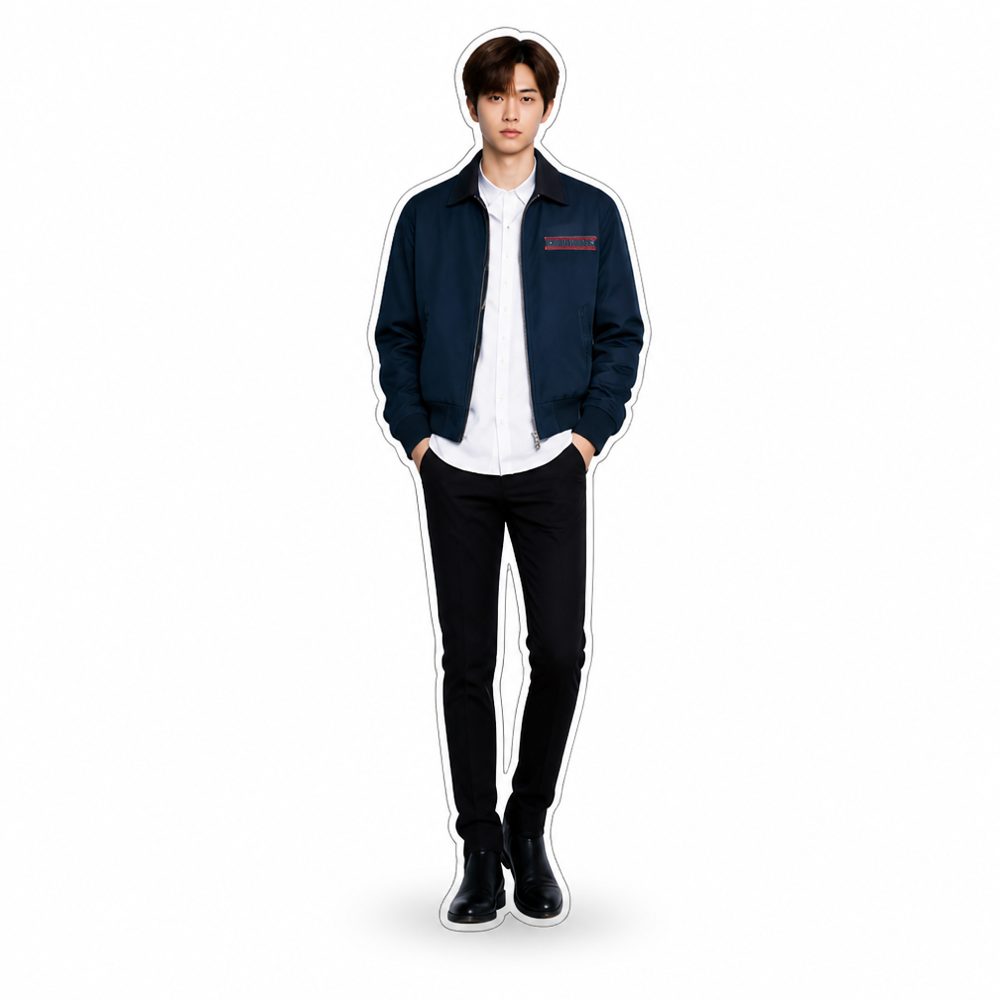
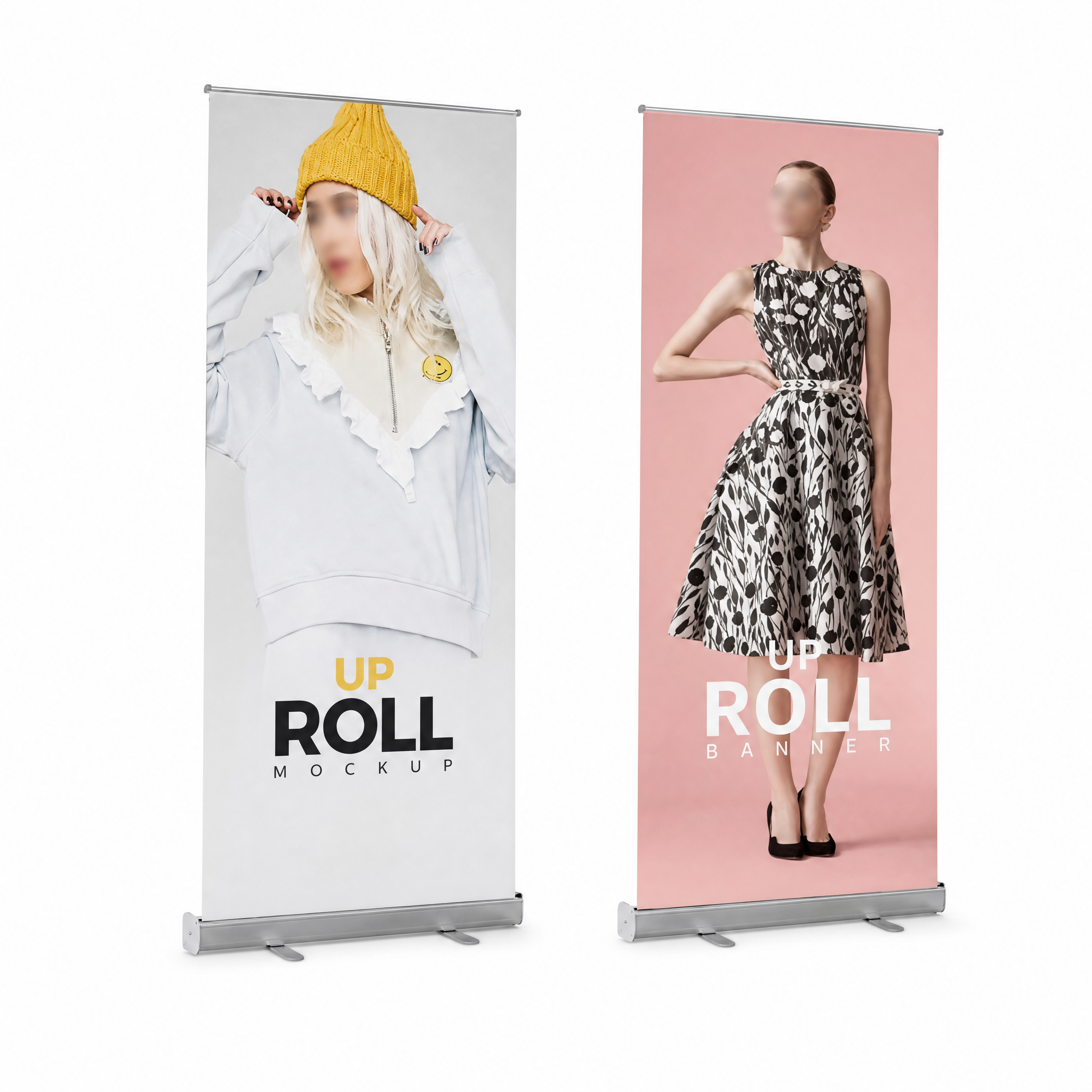
What Are Cardboard Human Standees?
Cardboard human standees are freestanding, life-size display cutouts built from corrugated cardboard — designed to create a human-scale visual presence for product promotions, brand activations, and retail campaigns. Unlike permanent LED fixtures or metal signage frames, cardboard human standees are engineered for defined campaign durations: they go up quickly, carry full-color custom print graphics, and come down without the freight or storage overhead of heavier display systems.
For brand managers and event agencies working across European, North American, and Middle Eastern markets, cardboard human standees address a specific and recurring need — creating impactful branded presence at retail points, event entrances, trade show booths, and promotional zones without committing to the cost or lead time of durable fixture installations. The category sits within the broader corrugated display family and shares material properties with other point-of-sale cardboard formats, but the human-scale silhouette and full-bleed graphic capability make cardboard human standees a distinct tool in a brand display program.
Key Product Characteristics
-
Corrugated cardboard construction: The structural base uses corrugated board — available in single-wall or double-wall flute configurations depending on load requirements and campaign duration. Corrugated cardboard provides the right balance of lightweight portability and in-use rigidity for freestanding human-scale displays.
-
Full-color custom print graphics: Surface printing on cardboard human standees accommodates brand logos, full-bleed campaign artwork, and multi-color graphics. It is a common assumption that higher DPI print resolution automatically produces better-looking output, but for large-format cardboard human standees, what actually matters at typical shopper viewing distance — usually 1.5 to 3 meters — is color contrast and layout clarity, not raw resolution numbers.
-
Custom sizing and silhouette: Standard reference dimensions run around 800 × 1800 mm for human-scale standees, but custom heights, widths, and cutout shapes are routine. Display product customization is the norm in this category — most buyers require branded, sized, or structurally modified cardboard human standees rather than catalog-standard items.
-
Material options: Base substrate options include paper-faced corrugated board and aluminum-reinforced panel variants. Aluminum-reinforced configurations offer higher structural stability and suit longer deployment cycles or semi-outdoor environments.
-
Freestanding base mechanism: Integrated easel backs or folding support legs allow tool-free setup without wall mounting or additional hardware — a practical requirement for retail staff deployments and trade show setups managed by small teams.
-
Compatible accessories: Cardboard human standees are frequently deployed alongside waterproof sign holders for outdoor or covered promotional environments, and alongside merchandise racks for multi-element in-store display programs that combine human-scale graphics with product presentation fixtures. Waterproof sign holders extend the display program into semi-outdoor brand activation zones, while merchandise racks complement cardboard human standees in high-traffic retail layouts by combining visual presence with product access.
Common Applications
In settings where brands have deployed cardboard human standees — retail store entrances, cinema lobbies, hotel receptions, restaurant floors, and brand event spaces — a consistent pattern emerges: cardboard human standees work best when they create immediate recognition at the decision moment, positioned where foot traffic naturally passes rather than placed as background elements.
Retail store deployments typically position cardboard human standees at entrance zones or near product gondola ends to capture shopper attention during active browsing. Seasonal and promotional campaigns use cardboard human standees to highlight new product launches, special offers, or brand mascot visuals during defined campaign windows — typically running four to eight weeks before replacement or rotation. The dwell time (meaning how long a shopper spends near the display) is directly affected by whether the graphic communicates clearly at the relevant viewing distance, which is a brief for the artwork team as much as for the standee manufacturer.
Event and brand activation deployments use cardboard human standees at trade show booth entrances, photographic opportunity zones, and directional signage placements. For trade show setups managed by a team of one or two people working against an exhibition opening time, the lightweight corrugated construction and tool-free assembly mechanism are genuine operational advantages. International brand campaigns benefit from the standardized print-and-cut production process, which supports brand color consistency for cardboard human standees across multi-market rollouts in Europe, North America, and the Middle East.
How to Choose the Right Cardboard Human Standee
Anyway, the key question when specifying cardboard human standees is not which option looks best in a product photo — it is which structural configuration will hold up in your specific deployment environment for your specific campaign duration.
Start with the deployment environment. Indoor retail and event environments with stable temperature and humidity present the fewest structural challenges for cardboard human standees. What is harder to predict before deployment is how a cardboard human standee holds up when positioned in a warm retail environment with variable air conditioning cycles — particularly after two to three weeks of continuous deployment. If the campaign runs beyond four weeks or involves covered outdoor exposure, aluminum-reinforced substrate variants offer more appropriate structural resilience than standard single-wall corrugated board.
Factor in your campaign timeline early. It is easy to underestimate lead time for custom cardboard human standees when a supplier quotes a standard production window — that window alone often does not account for graphic print approval rounds, which can add several working days, or for freight consolidation when cardboard human standees ship as part of a larger display program. Buyers with fixed campaign launch dates or booked trade show stand space should build lead time buffers into their procurement schedule rather than relying on best-case production estimates.
Think about reorder frequency as a planning variable. Cardboard human standees are typically reordered more frequently than acrylic or LED display fixtures — campaign-by-campaign rather than on fixture replacement cycles. Establishing a confirmed print file, approved physical sample, and documented reorder specification with your supplier from the first order makes subsequent reorders for cardboard human standees faster and reduces the risk of color or dimension discrepancies across production runs.
For multi-market brand programs, clarify color management requirements before production begins. Custom print-ready production of cardboard human standees with consistent color accuracy across multiple runs requires an agreed color reference — a Pantone specification or signed-off physical proof — before bulk production starts. Buyers coordinating rollouts across European retail chains, North American brand networks, or Gulf region retail deployments should confirm that their supplier understands the quality documentation and approval requirements of those markets.
Why Cardboard Human Standees Work for B2B Display Programs
In practice, most structural or print quality problems with cardboard human standees do not originate from the product itself — they trace back to specification or communication gaps during the order process. Structural failures in-store usually indicate that substrate selection was not matched to actual deployment duration. Print inconsistency across reorders usually traces back to an undocumented color reference, not to production variability on the supplier side.
For buyers managing international brand display programs — particularly those supplying European retail chains or North American brand networks — understanding the quality standards and lead time expectations of those markets before production of cardboard human standees begins prevents the most costly outcomes: a display arriving on the campaign launch date that does not clear retailer compliance documentation, or a reorder that does not visually match the original run.
Cardboard human standees occupy a defined and repeatable role in a brand display mix: cost-efficient for campaign cycles with known durations, deployable and dismantlable without specialist labor, and fully customizable at short-run order quantities. For buyers building annual promotional calendars with predictable campaign windows, cardboard human standees represent a manageable procurement category — provided the specification, approval, and lead time process is established correctly from the first order and maintained consistently across reorders.

 EN