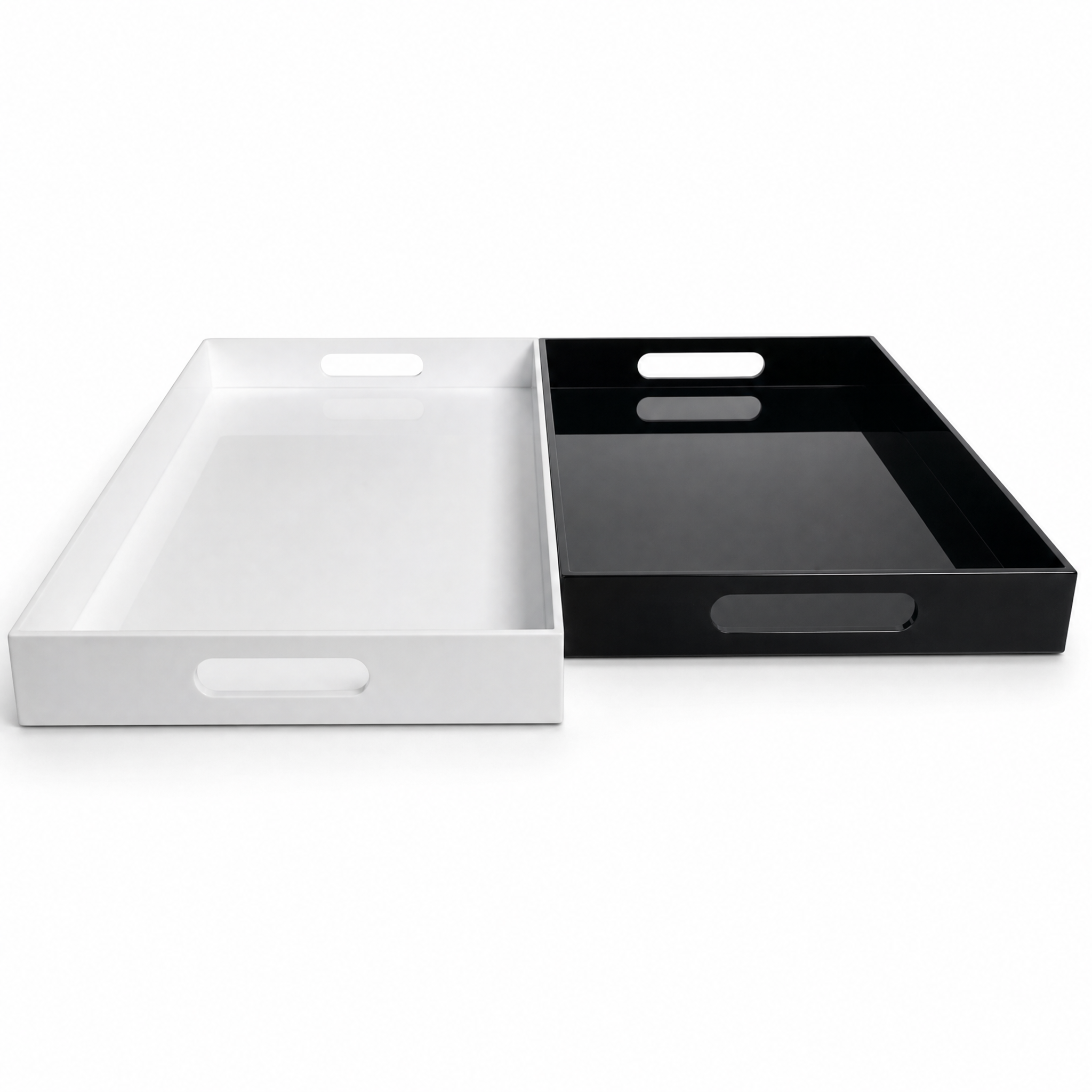
What Are Tray-Style Product Stands?
Tray-style product stands — also referred to as PDQ (Product Display Quantity) trays or counter trays — are low-profile, open-tray display units designed for direct shelf placement, counter positioning, or floor-level deployment in retail environments. Unlike roll up stand formats or outdoor pull up banner solutions, tray-style stands are built specifically for product containment and point-of-purchase presentation, keeping merchandise organized, visible, and accessible to shoppers at the moment of decision.
The defining characteristic of this display format is its dual function: the stand must hold product weight reliably while simultaneously serving as a brand communication surface. Buyers who overlook this balance often find that a display that looks strong in a sample photo behaves very differently once filled with actual product SKUs on the retail floor.
Product Features and Materials
-
Material options: Tray-style stands are commonly produced in corrugated cardboard or acrylic. Cardboard units are lighter, cost-effective for seasonal programs, and easily customized with full-color printing. Acrylic units are more durable and suited for long-term countertop or shelf applications where premium presentation is a priority.
-
Custom configuration: Most tray-style product stands support custom dimensions, logo printing, and color specifications — allowing the display to align precisely with brand visual identity requirements and the physical dimensions of the products being presented.
-
Flat-pack delivery: Tray-style stands are typically flat-packed for shipping efficiency, reducing freight volume and lowering transit damage risk. The design is intended for tool-free assembly, enabling retail staff to set up units without specialized tools or training.
-
Load-bearing construction: Corrugated and solid cardboard display units engineered for specific structural load requirements enable reliable product presentation without collapse risk during retail deployment. The board grade and tray configuration should be matched to the weight range of the products being displayed.
Common Applications
Tray-style product stands are used across a wide range of retail environments and campaign types. The format is particularly well-suited to:
-
Retail POS and grocery promotional programs: PDQ trays are a standard fixture for grocery and FMCG promotional displays, enabling brands to occupy shelf-edge or end-cap positions without requiring a dedicated shelf slot.
-
Seasonal campaign displays: For limited-duration campaigns — whether a holiday promotion, a new product launch, or a co-branded retail event — cardboard tray stands offer a cost-effective solution that can be refreshed each campaign cycle.
-
Counter and in-store placement: Tray-style stands with compact footprints suit counter positions in pharmacies, cosmetics retailers, convenience stores, and specialty shops. The open-tray format keeps small consumer goods, health supplements, and accessories accessible while maintaining organized presentation.
-
Nationwide rollout programs: Quick-assembly tray display systems that retail staff can set up without tools reduce setup time and training burden for multi-location rollouts — a practical advantage when deploying across dozens or hundreds of retail locations on a campaign timeline.
How to Choose the Right Tray-Style Stand
As a procurement specialist who has sourced display materials across multiple retail environments, the most common mistake I see is treating tray-style stands as a purely commodity purchase. Getting the selection right starts with a clear understanding of the deployment context.
Step 1: Define the use environment. Is this for a high-traffic grocery aisle, a pharmacy counter, or a boutique retail shelf? The structural demands differ significantly. What's harder to predict before deployment is how a cardboard tray stand holds up when stacked with heavy product SKUs — particularly after two to three weeks in a warm retail environment. For heavy products, specify a heavier board grade. For long-duration campaigns or reusable formats, acrylic may be a better investment.
Step 2: Match the display to the product size. The internal tray dimensions (meaning the usable product area within the stand) need to align carefully with the footprint and height of the products being presented. A tray that is too wide will allow products to shift; one that is too narrow will create overcrowding and disrupt visual presentation.
Step 3: Clarify the assembly requirement. If the unit will be assembled by retail staff at the point of deployment — particularly for a nationwide rollout — confirm that the flat-pack design includes clear, pictorial assembly instructions. Display assembly instructions that are unclear or designed for someone already familiar with the product can cause setup errors, delays, or display damage during installation.
Step 4: Plan the production and shipping timeline realistically. It's easy to underestimate lead time for tray-style product stands when a supplier quotes a standard production window — that figure often doesn't account for graphic printing approval rounds and freight consolidation delays. For campaign-driven orders with a fixed launch date, build in buffer time for sample approval, bulk production, quality inspection, and freight transit.
Step 5: Request a structural sample before bulk commitment. Verify that the assembled display matches the structural specifications. Confirm the tray holds its shape under the intended product load, and check that print registration aligns with brand guidelines. The process is iterative — samples are essential before committing to campaign-scale volumes.
Sourcing Considerations for International Brand Buyers
In practice, the effectiveness of a tray-style product stand in a retail setting depends heavily on how well the display integrates with the retail environment it is placed in — a detail that's easy to miss when reviewing a display from a product photo or render. Buyers sourcing tray displays for European or North American retail programs should verify that display dimensions comply with the planogram specifications of the target retail chain before production.
Reorder cycles for cardboard tray displays are typically shorter and more frequent than for acrylic or LED display formats — often aligned to each campaign cycle rather than an annual fixture replacement. This creates a different procurement relationship: buyers need a supplier who can maintain consistent print quality, board grade, and assembly specifications across repeated production runs rather than a one-off project partner.
If your priority is brand consistency across multiple retail markets — including Europe, North America, and the Middle East — you'll want to focus on a supplier with documented experience serving international brand buyers, rather than defaulting to the lowest-cost option. Both acrylic and cardboard tray format options have real merit; the right choice depends on your campaign duration, product weight, and retail environment requirements.
While tray-style product stands are the focus of this category, buyers managing broader retail display programs — including roll up stand formats, outdoor pull up banner solutions, outdoor led menu board installations, and led wall systems from specialist led wall manufacturers — may find it more efficient to consolidate procurement with a supplier capable of managing multiple display formats within a single program.

 EN