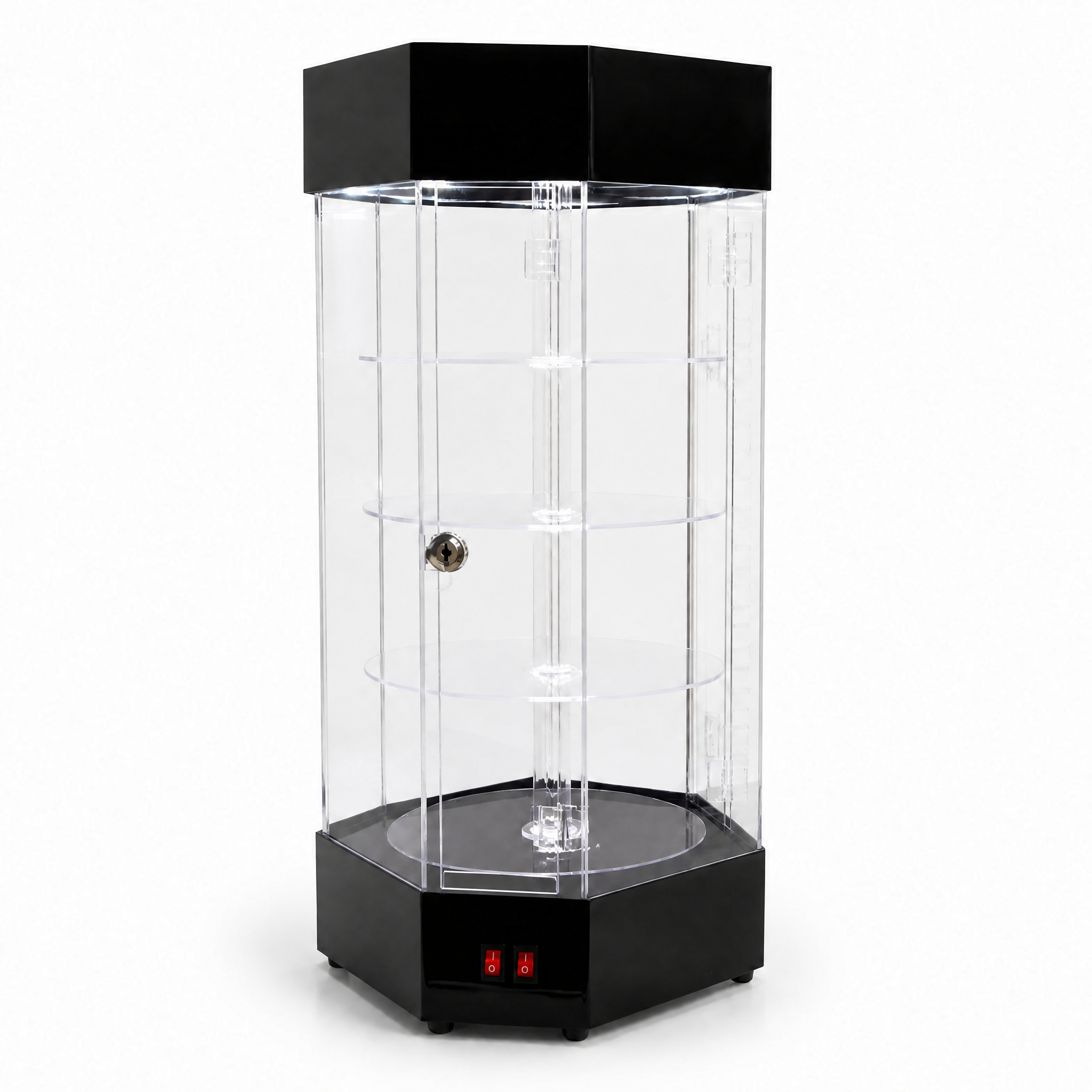
What Are Jewelry Display Stands?
Jewelry display stands are purpose-built fixtures designed to present necklaces, rings, earrings, bracelets, and other accessories in a way that makes them easy to see, compare, and handle. From a visual merchandising perspective, the way jewelry display stands are deployed in a retail environment directly affects shopper dwell time and purchase intent. Effective stands lift individual pieces to a visible height, create a logical arrangement that reduces browsing confusion, and match the visual identity of the brand presenting the collection.
Whether you are sourcing jewelry display stands for a brand showroom, a trade show booth, a pop-up retail event, or a product photography setup, the right configuration starts with understanding what the stand needs to achieve in its specific deployment context.
Types and Materials
Jewelry display stands are available in a range of formats and materials, each suited to different environments and jewelry types:
-
Acrylic multi-layer stands: Lightweight and optically clear, these fixtures are a standard choice for brand countertops, retail showcases, and photography setups. Custom-cut and edge-polished acrylic panels provide consistent surface clarity — a detail that matters when pieces are viewed under close inspection, including luxury boutique presentations.
-
Velvet and microfiber busts and trays: Traditional materials for fine jewelry, particularly necklaces and earrings. Soft surface textures reduce the risk of scratching delicate pieces and provide a premium tactile backdrop for high-value items.
-
PU leather-covered stands: A modern option that balances professional presentation with durability. Often chosen for contemporary jewelry brands targeting mid-to-premium retail environments.
-
Wood and MDF bases: Provide structural stability and are commonly used in permanent in-store fixtures or display programs where portability is not a primary concern. Can be stained, painted, or wrapped to match brand color specifications.
Backlit and LED-illuminated jewelry display stands are particularly relevant when strong visual impact is needed in low-light or atmospheric retail environments — such as premium jewelry boutiques and brand showrooms where ambient lighting is controlled rather than bright. Illuminated acrylic stands allow a collection to remain visible and compelling without depending on high ambient light levels.
Key Features in This Category
The multi-layer acrylic jewelry display stands in this category include a reference configuration with a four-tier structure, 70 cm overall height, 35 cm diagonal, and 13 cm spacing between tiers. Standard configuration options include:
- 360-degree rotation base for full access to displayed pieces from multiple viewing angles
- Adapter-powered LED lighting with selectable color temperature — white, warm, or blue light — to match brand presentation requirements
- Adjustable layer count and tier spacing to accommodate different jewelry item sizes and collection depths
- Logo printing and custom color selection to align with brand visual identity programs
Custom acrylic display branding options — including engraving, UV printing, and silk-screen logo application — allow brand identity to be integrated directly into the display structure. For brand-critical retail programs, stands that carry the brand logo at the point of presentation reinforce identity in a way that generic fixtures cannot.
Typical Applications
Jewelry display stands serve a wide range of deployment scenarios, and the right specification depends heavily on the use environment:
-
Brand showrooms and flagship retail: Permanent or semi-permanent jewelry display stands where visual quality, LED lighting performance, and logo integration are primary requirements. These stands are viewed up close under controlled lighting, making surface finish and joint quality visible in ways that matter for luxury presentation.
-
Jewelry trade shows and international sourcing events: Temporary deployment where portability and setup speed are as important as visual impact. A multi-layer rotating stand commands attention on a trade show counter, but the portability and storage trade-off becomes significant when the exhibit team travels to multiple events per year.
-
Pop-up retail and brand activation: Short-duration display programs where the fixtures need to be deployed quickly, maintain brand consistency, and survive repeated handling without visible wear.
-
Product photography for catalogs and social media: Acrylic jewelry display stands are a common choice for photography setups because the transparent material allows lighting to be controlled without competing reflections. LED-backlit rotating units add options for atmospheric imagery.
How to Choose the Right Stand
Selecting the right jewelry display stands involves more than matching a size specification. The following steps help narrow the decision to a configuration that performs well in its actual deployment environment.
Step 1: Define your display environment and duration. If your jewelry display stands are intended for a permanent in-store installation or a high-frequency trade show rotation, then the investment in a rigid acrylic structure with LED lighting usually justifies the cost. If it is a one-time event, a lighter configuration may be more practical. Acrylic fixtures in high-traffic retail environments are subject to surface wear over time and require periodic inspection.
Step 2: Match stand height and layout to your jewelry type. One frequently overlooked detail in jewelry display stand specification is that the intended eye-level height varies by deployment context — a countertop fixture in a European boutique sits in a different sightline than a counter stand in a North American trade show setting. The height, tier spacing, and diagonal spread determine whether a ring arrangement or a necklace assortment is comfortable to view without crowding individual pieces.
Step 3: Decide on rotation and lighting requirements. Stands with a 360-degree rotating base add engagement value in showroom contexts and allow buyers to view all sides without repositioning the display. LED lighting (meaning integrated adapter-powered light sources within the structure itself) changes how jewelry pieces are perceived, particularly in low-ambient-light environments. Light temperature choice — white for clarity, warm for luxury presentation, blue for a contemporary accent — should align with the brand's visual identity before specifying.
Step 4: Specify branding and customization requirements early. Display product customization is the norm rather than the exception for brand-conscious buyers. Specifying requirements early for custom jewelry display stands reduces revision cycles and allows the supplier to flag limitations on printing method, material compatibility, or color accuracy before the sample stage.
Step 5: Confirm quality standards with a sample before bulk order. Acrylic bonding and joint areas should be inspected under display lighting, as this is where surface marks are most visible — particularly on stands intended for close-view luxury presentations where buyers are sourcing jewelry display stands for premium brand programs.
Sourcing Considerations for International Buyers
Both custom and catalog-configured jewelry display stands have real merit — the right choice depends on the buyer's brand requirements, deployment volume, and timeline. If your priority is consistent brand presentation across multiple retail locations, custom-specified stands with logo integration and standardized dimensions will reduce variation between deployment sites. If your priority is rapid deployment for a first-time product launch, a configured standard format with shorter lead time may serve better.
For buyers sourcing for European or North American markets, verifying material finish standards, LED driver voltage compatibility (230V for EU and 120V for NA), and packaging specifications for cross-border freight are practical pre-order checks. Multi-material assembly capability — combining acrylic, LED lighting, metal hardware, and printed elements in a single finished product — reduces buyer assembly complexity and ensures lighting and structural components are tested together before shipping.

 EN