What Are Jewish Religious Supplies?
Jewish Religious Supplies — often referred to collectively as Judaica — encompass a broad range of ritual items, ceremonial objects, home décor, and personal accessories rooted in Jewish culture and tradition. Jewish Religious Supplies span items used in weekly and annual religious observances, lifecycle events, and daily prayer practice, covering both strictly observant requirements and culturally meaningful gifts for Jewish homes worldwide.
Core Jewish Religious Supplies categories include Mezuzah cases and scrolls, Kiddush cups, Shabbat candlesticks, Hanukkah menorahs, Tallit prayer shawls, Tefillin boxes, Torah pointers (Yad), Seder plates for Passover, Shofars, and Havdalah sets used at the close of Shabbat. This range reflects the full cycle of Jewish religious observance, from daily rituals to annual holidays and significant personal milestones.
Key Product Characteristics
Jewish Religious Supplies span a wide material and design spectrum. Understanding the key characteristics of this category helps wholesale buyers evaluate suppliers more effectively and build assortments that serve their customer base.
-
Material authenticity: Traditional Jewish Religious Supplies are crafted from materials that carry cultural and religious significance — sterling silver (often 925 grade), olive wood, natural wood, hand-blown glass, and anodized aluminum. Material choice affects both an item's spiritual suitability and its appeal as a decorative piece or gift.
-
Religious compliance: Certain Jewish Religious Supplies — particularly Mezuzah scrolls, Tefillin, and Torah-related objects — require Kosher certification (meaning they must meet specific religious production standards to be considered valid for observant use). This distinction is critical when evaluating suppliers for customers who include strictly observant buyers.
-
Craftsmanship quality: The category spans handmade artisan pieces and mass-produced items. Handcrafted Judaica — particularly work combining traditional technique with contemporary design — commands higher perceived value and is often preferred for gifts or significant lifecycle purchases.
-
Customization options: Personalization is a defining feature across many Jewish Religious Supplies purchases. Engraved names, custom blessings, and monograms on Kiddush cups, Mezuzah cases, and candlesticks are frequently requested, particularly for Bar and Bat Mitzvahs, weddings, and other lifecycle events.
-
Design range: Modern Judaica blends traditional craftsmanship with contemporary aesthetics, incorporating clean lines, updated finishes, and non-traditional materials alongside classic forms. This spectrum serves both the strictly observant buyer seeking halachically appropriate items and the culturally affiliated buyer seeking meaningful home décor.
Common Applications and Occasions
Understanding which occasions drive demand for Jewish Religious Supplies helps wholesale buyers build assortments that serve their customers across the full religious calendar. Consider a retailer stocking inventory for a community that includes both observant households and culturally affiliated families.
For weekly Shabbat observance, consistent demand centers on candlesticks (typically pairs for Friday evening lighting), Kiddush cups for the sanctification blessing over wine, and Challah covers and boards for the traditional bread. If your customer base skews toward observant families, then Shabbat-specific Jewish Religious Supplies with clear religious function should anchor your inventory over purely decorative alternatives.
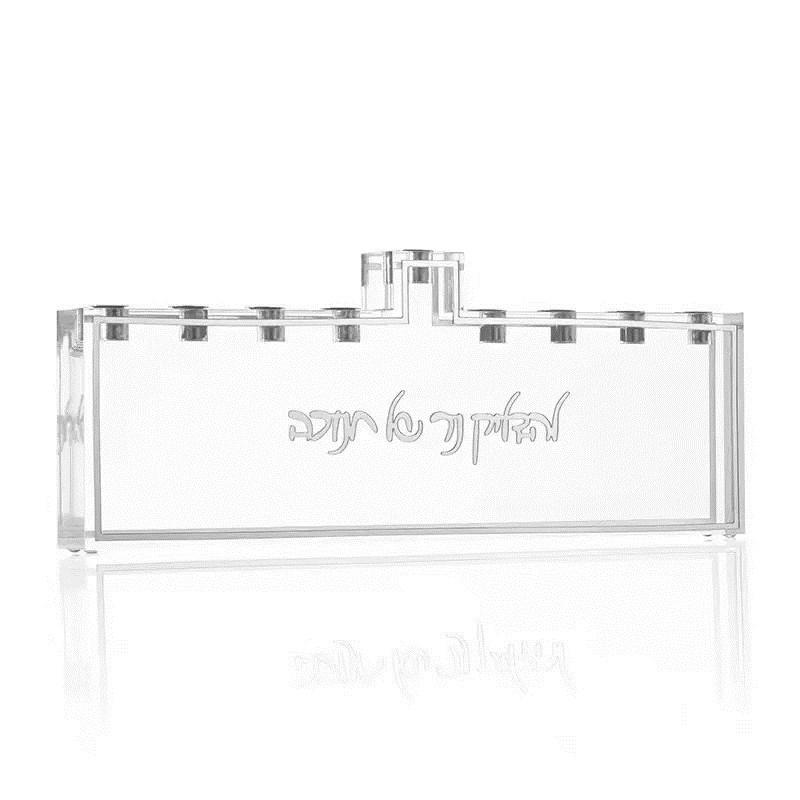
For Hanukkah, Hanukkah menorahs — correctly called Chanukkiyot (the nine-branched candelabra designed specifically for this holiday, distinct from a standard seven-branched menorah) — are the primary seasonal purchase. Dreidels, gelt holders, and themed gift sets round out seasonal assortments, with demand concentrated in the weeks before the holiday.
For Passover Seder, the centerpiece purchase is the Seder plate. Jewish Religious Supplies for Passover also include Haggadah books, Elijah's Cup sets, and Miriam's Cup additions, frequently purchased as coordinated sets. Buyers sourcing for the Passover season should account for the compressed procurement window — demand accelerates quickly, and lead times for imported items need to be planned well in advance.
For lifecycle events — Bar and Bat Mitzvahs, weddings, baby namings, and conversions — Jewish Religious Supplies for gifts carry higher average order values and represent a reliable demand segment. Engraved Kiddush cups, sterling silver Mezuzah cases, and framed blessings are consistently sought as meaningful, lasting presents. This segment rewards suppliers who can offer customization capabilities alongside standard wholesale pricing.
How to Choose the Right Jewish Religious Supplies
When evaluating suppliers for wholesale contracts in Jewish Religious Supplies, the questions that matter most go beyond unit price. Religious compliance, material authenticity, and consistency across repeat orders determine whether a supplier relationship will hold over multiple procurement cycles.
First, clarify the compliance requirement for your customer base. For Jewish Religious Supplies such as Mezuzah scrolls, Tefillin, and certain Torah accessories, Kosher certification is a non-negotiable requirement for observant customers — the item simply will not be used if certification is absent or unverifiable. Suppliers must be able to document certification status clearly. For decorative menorahs, contemporary candlesticks, and culturally inspired Judaica, religious certification is less critical, though material and craftsmanship claims still need to be verifiable.
Second, assess material specification accuracy before placing volume orders. One of the most common issues buyers encounter with handcrafted or silver Jewish Religious Supplies is that the first bulk shipment does not match the approved sample in material grade or finish quality. Requesting detailed material specifications — silver purity documentation, wood species identification, glass-making method — and confirming these against a signed sample before committing to volume reduces the risk of receiving inventory that falls short of customer expectations.
Third, build realistic lead times into your procurement calendar. It is easy to underestimate the total fulfillment window for custom or engraved Jewish Religious Supplies when a supplier quotes a standard production time — the quoted window often does not account for personalization approval rounds, quality inspection, and freight transit to European or North American destinations. For seasonal peaks around Rosh Hashanah, Hanukkah, and Passover, advance planning is essential.
Finally, weigh customization depth against timeline and cost. Going fully custom on a Kiddush cup design — unique shapes, bespoke engravings, non-standard silver configurations — makes sense when the product serves as a signature piece for a lifecycle event gift program. But if the item will move as general inventory across occasions, a near-standard design with modest personalization options usually delivers better value and more predictable lead times. Both a fully custom approach and a standard product with selective personalization have real merit — the right choice depends on your customer mix and inventory turnover expectations.
Sourcing Jewish Religious Supplies for European and North American Markets
For wholesale buyers sourcing Jewish Religious Supplies for European and North American markets, supplier selection involves additional considerations beyond product quality. Buyers in these markets typically require detailed product documentation — material composition declarations, origin certificates for silver and precious materials, and in some cases certification paperwork for religiously compliant ritual articles.
An export-oriented supplier whose production, documentation, and communication processes are already calibrated for cross-border trade will reduce the administrative burden for international buyers of Jewish Religious Supplies compared to producers focused primarily on domestic markets. Familiarity with European and North American quality standards, packaging requirements, and import documentation formats is a practical differentiator when procuring for these destinations.
If your sourcing involves Jewish Religious Supplies for markets with specific import regulations or community certification standards, confirm documentation availability before finalizing a supplier selection. Condition your ordering commitments on receiving sample documentation that meets your market requirements. Taking time to complete this evaluation before committing to volume orders reduces the risk of clearance delays or inventory that does not meet the needs of your customer base.

 EN