What Are LED Lighted Signs & Displays?
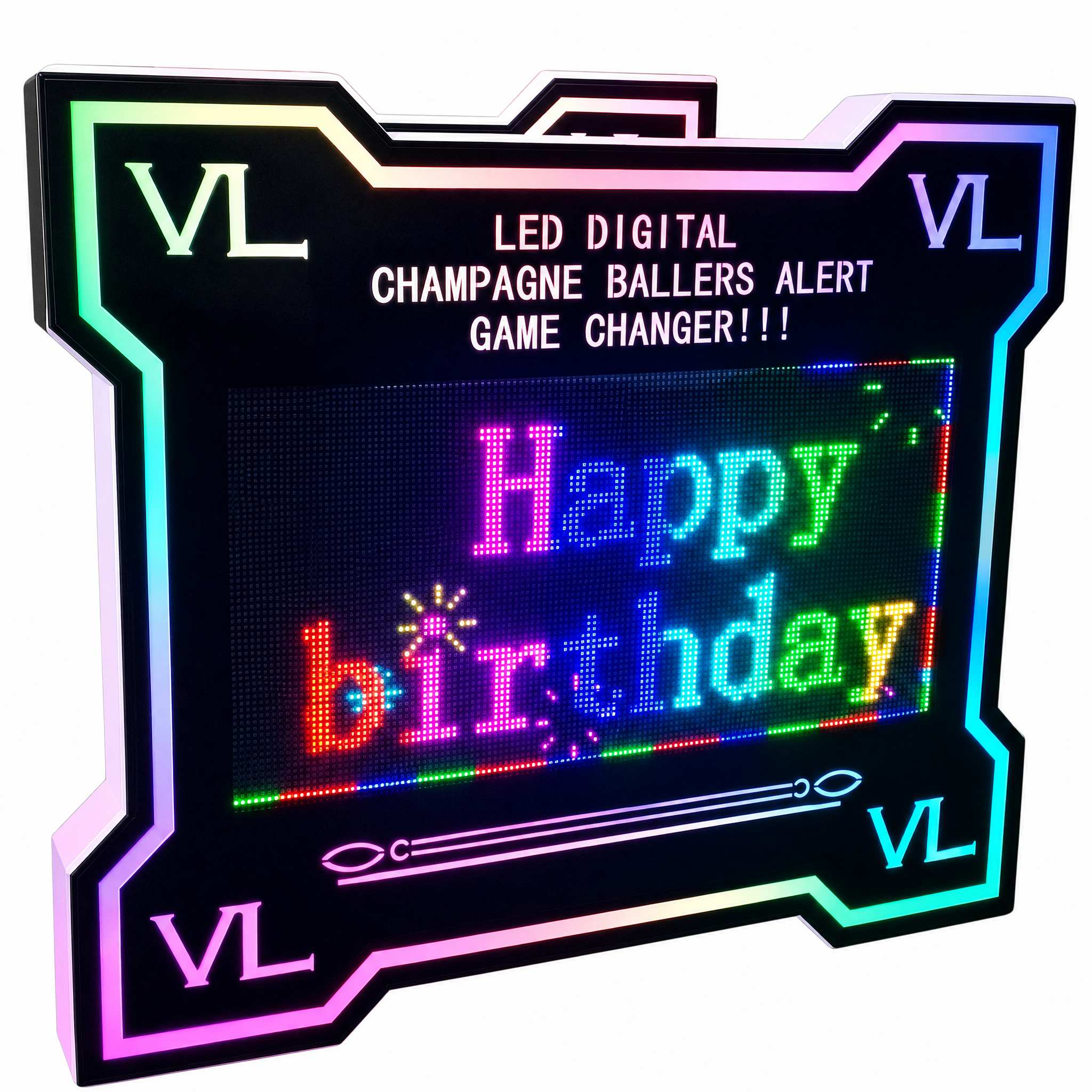
LED Lighted Signs & Displays are illuminated visual communication products powered by light-emitting diode technology, designed for retail brand visibility, commercial advertising, and exhibition environments. Compared to traditional neon or fluorescent signage, these illuminated products deliver sustained brightness with lower energy consumption and longer operational lifespan, making them a practical investment for businesses deploying illuminated signage across storefronts, shopping malls, trade show booths, and always-on commercial locations.
Buyers who approach this category without a clear understanding of the deployment environment often encounter performance gaps after installation — particularly around ambient light competition and voltage compatibility. Understanding what to evaluate before ordering is how experienced procurement teams avoid costly post-delivery corrections.
Types of LED Lighted Signs & Displays
The LED Lighted Signs & Displays category covers a wide range of formats, each suited to different structural, visual, and deployment requirements:
-
Front-lit channel letter signs — Individual illuminated letters with forward-facing LED output. Used for retail storefronts, building identification, and corporate brand fascia.
-
Back-lit (halo-lit) channel letter signs — Light projects behind the letter onto the mounting surface, creating a halo effect. Well suited to premium retail aesthetics and controlled-ambient environments.
-
LED light boxes — Flat panel displays with internal LED modules, used for poster-format advertising, menu boards, and in-store promotional content.
-
Backlit poster frames — Slim-profile illuminated frames for standard poster sizes, used in retail interiors, hotel lobbies, and exhibition spaces.
-
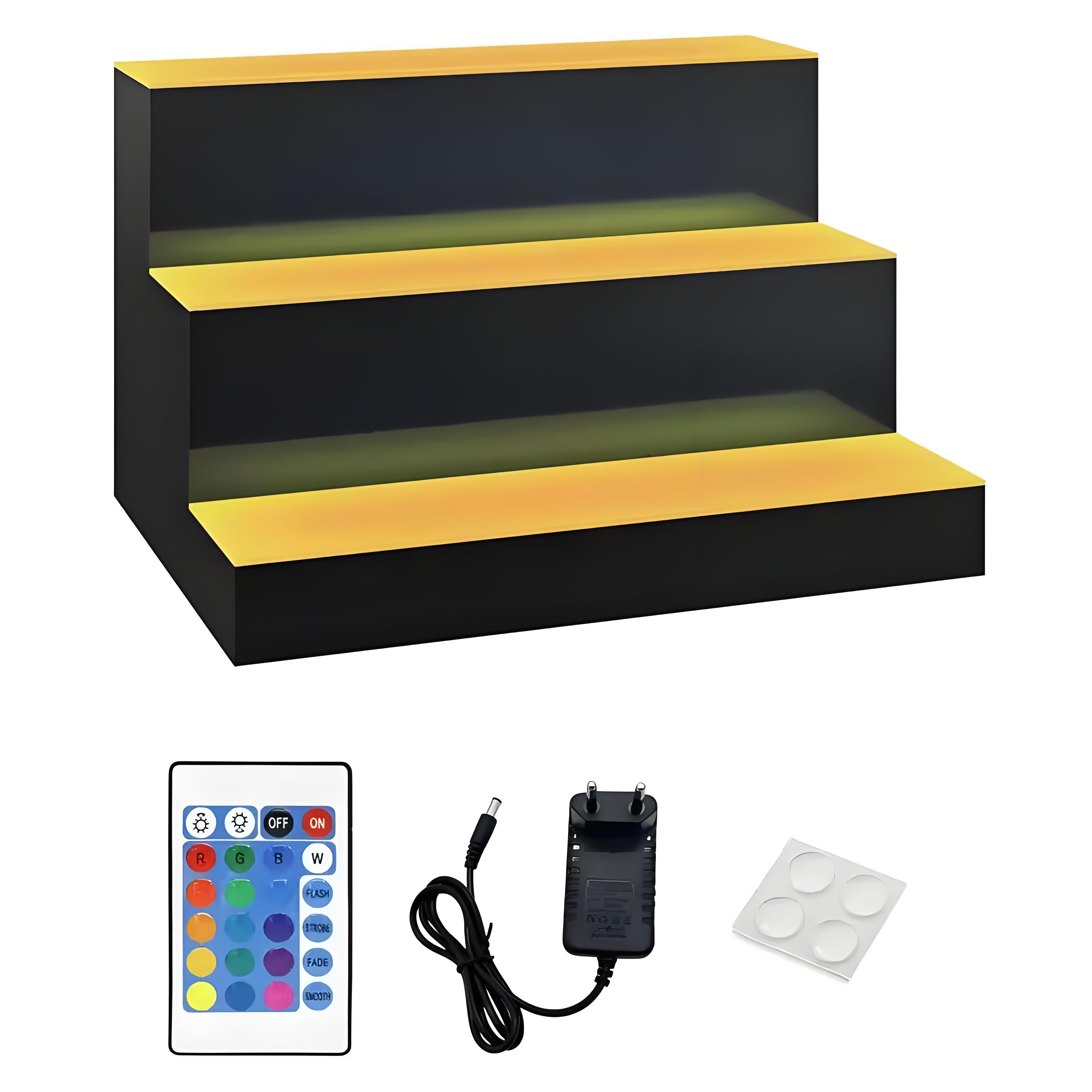
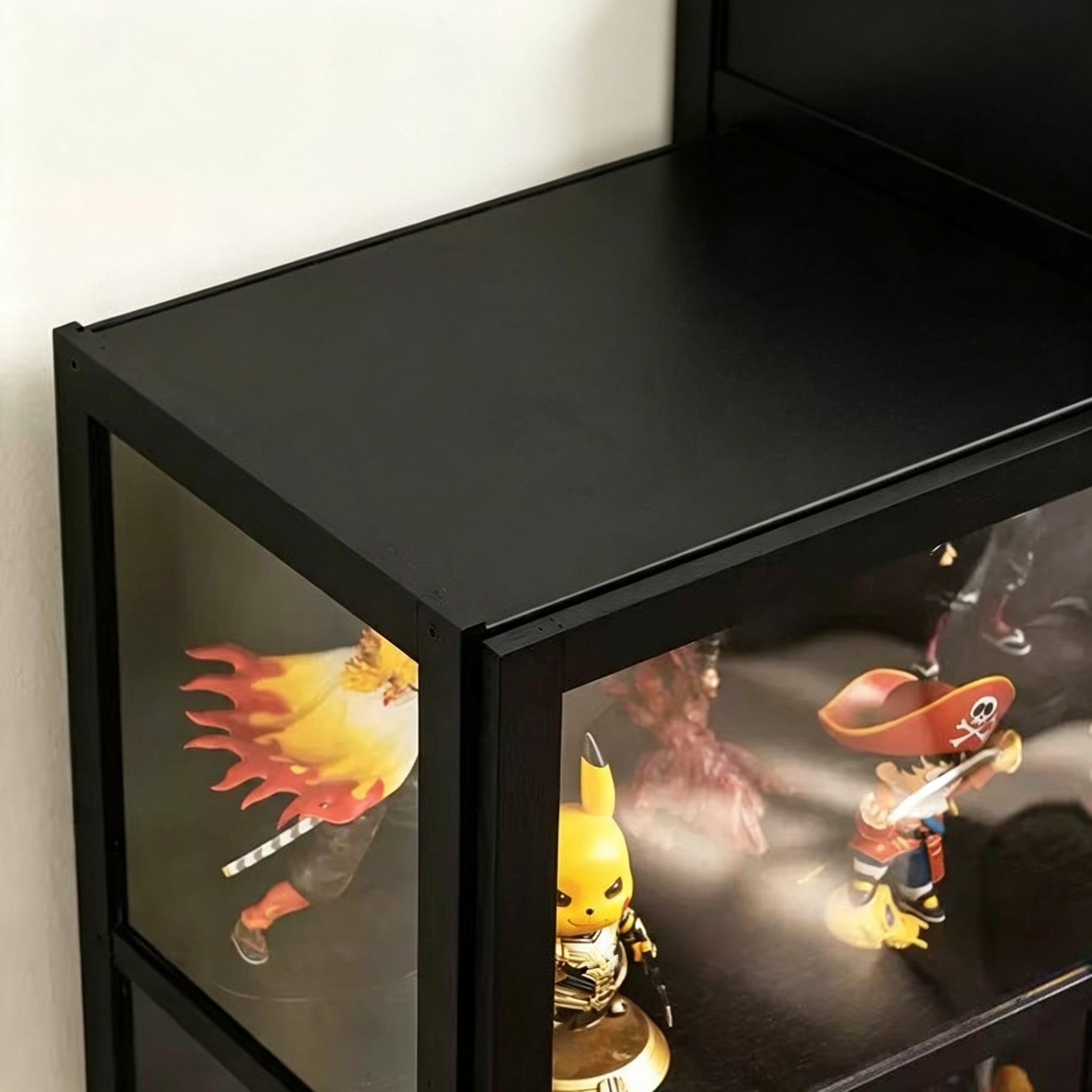
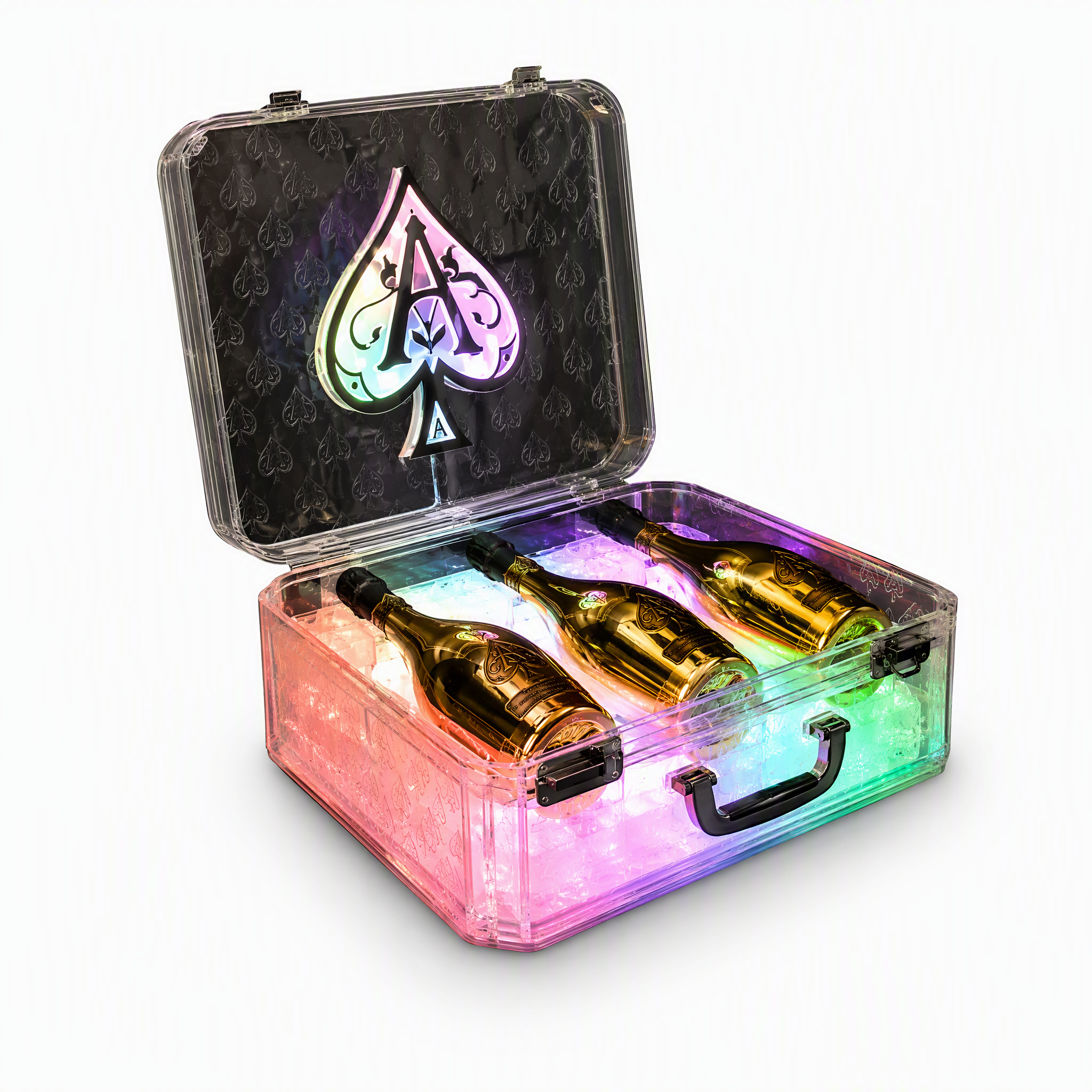
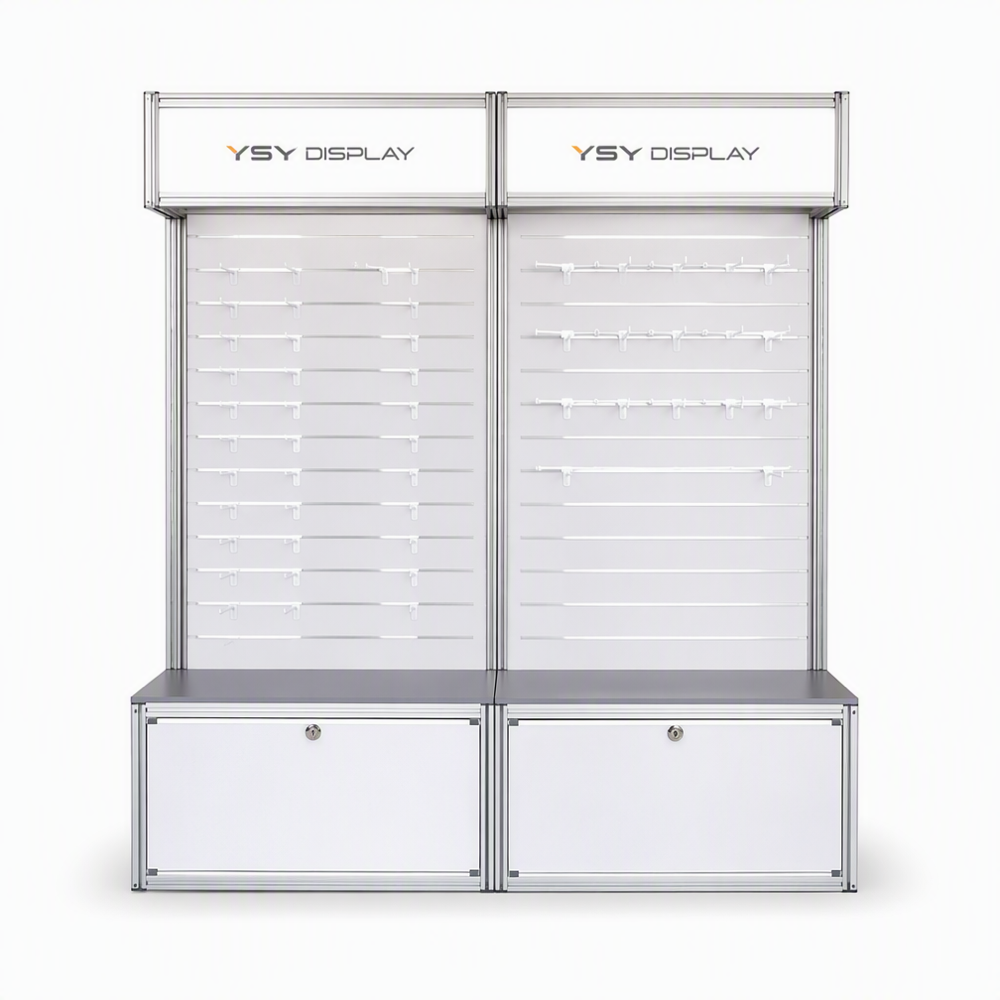
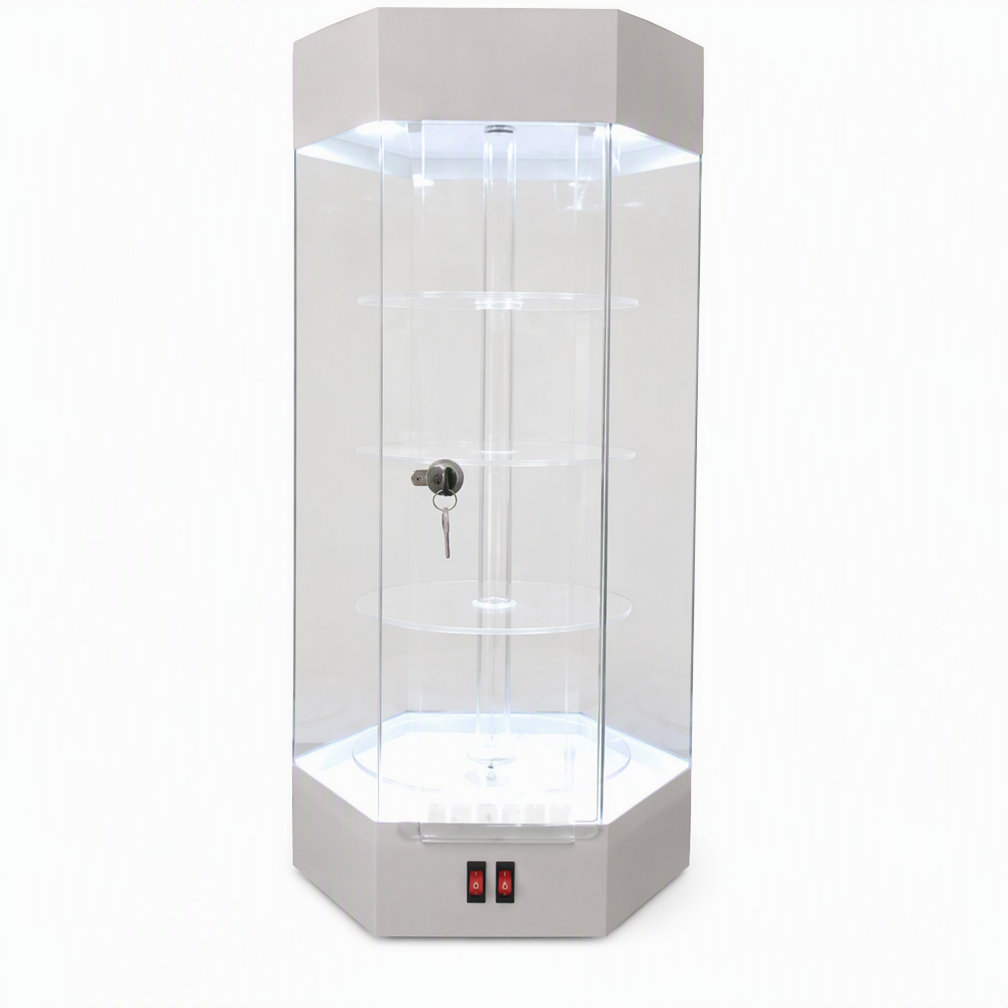
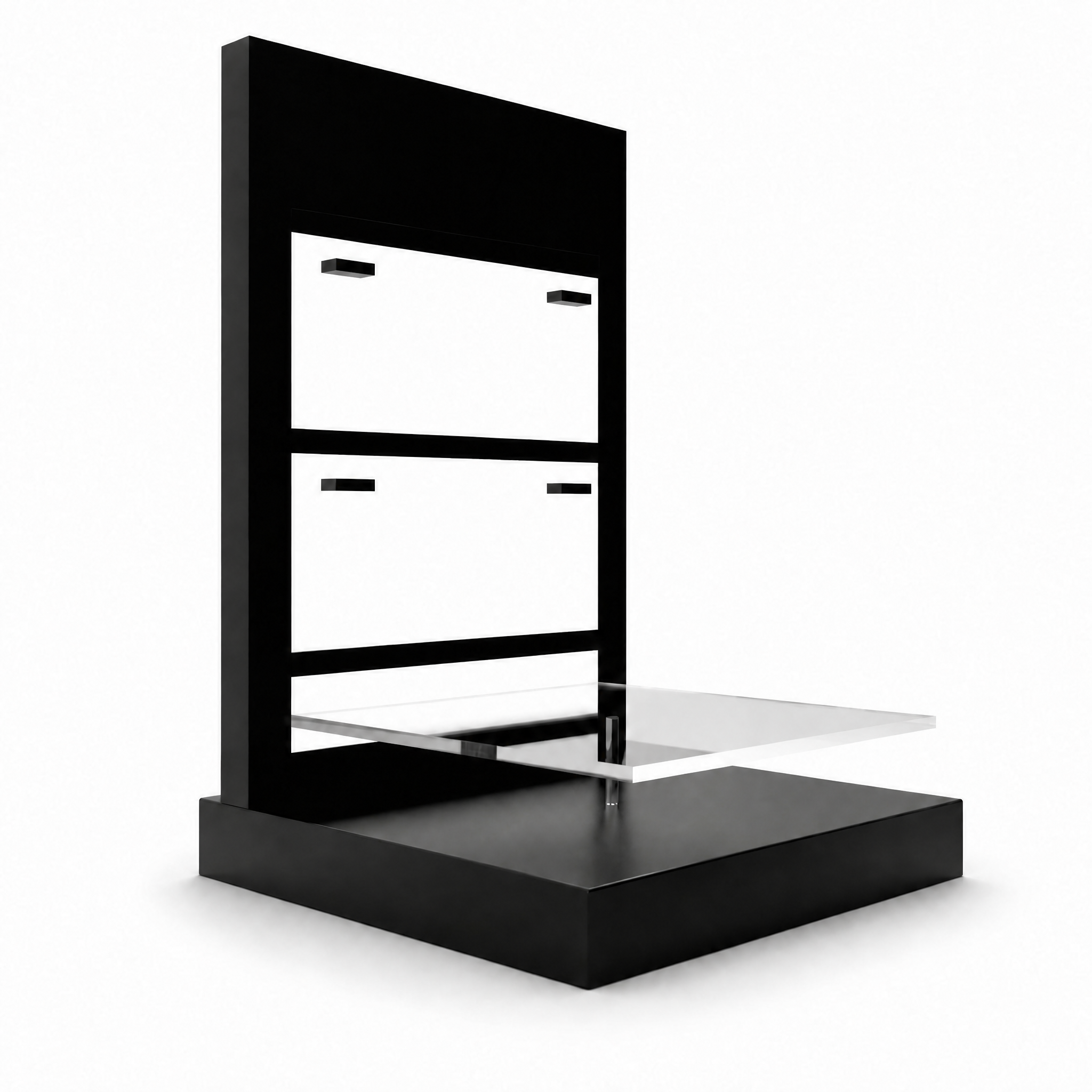
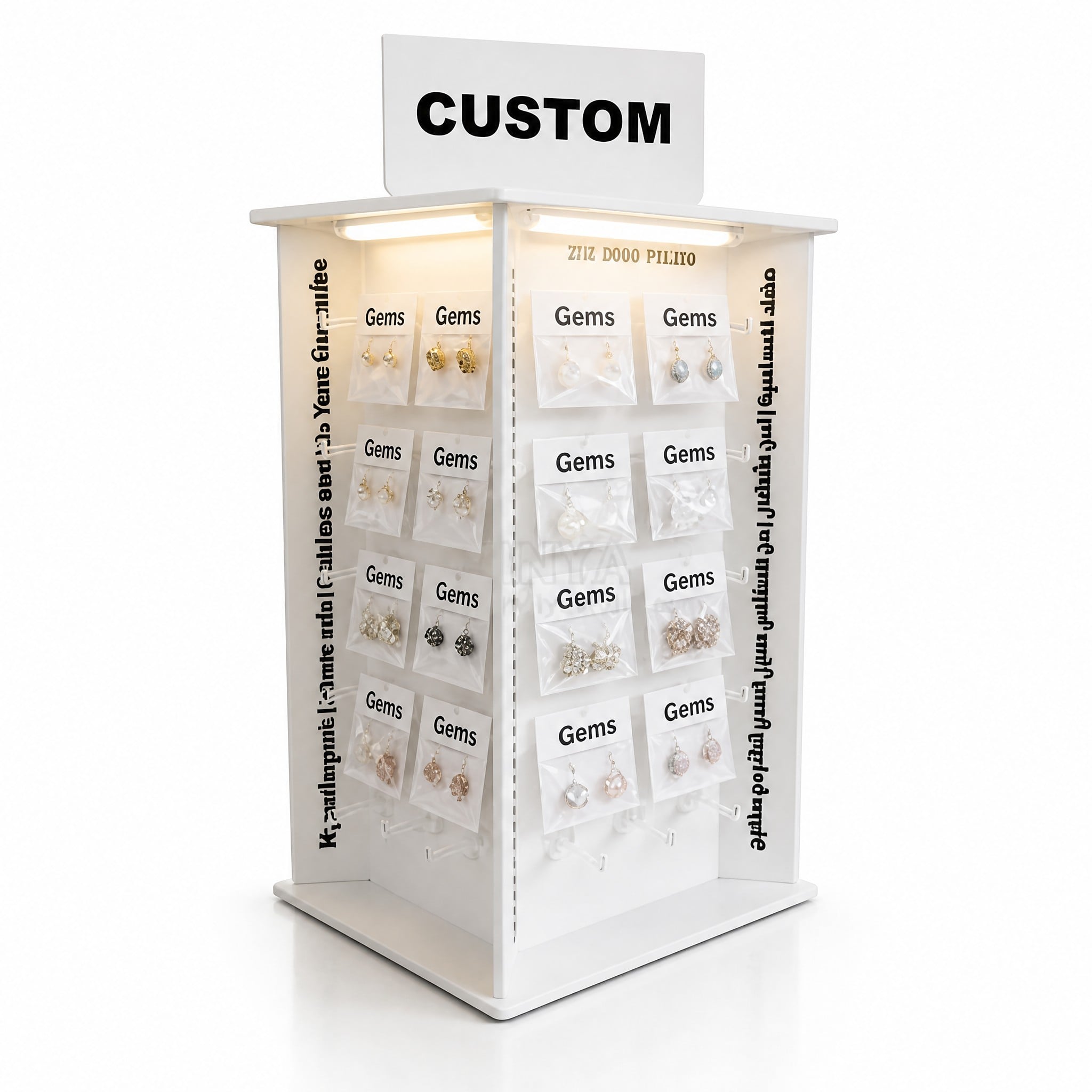
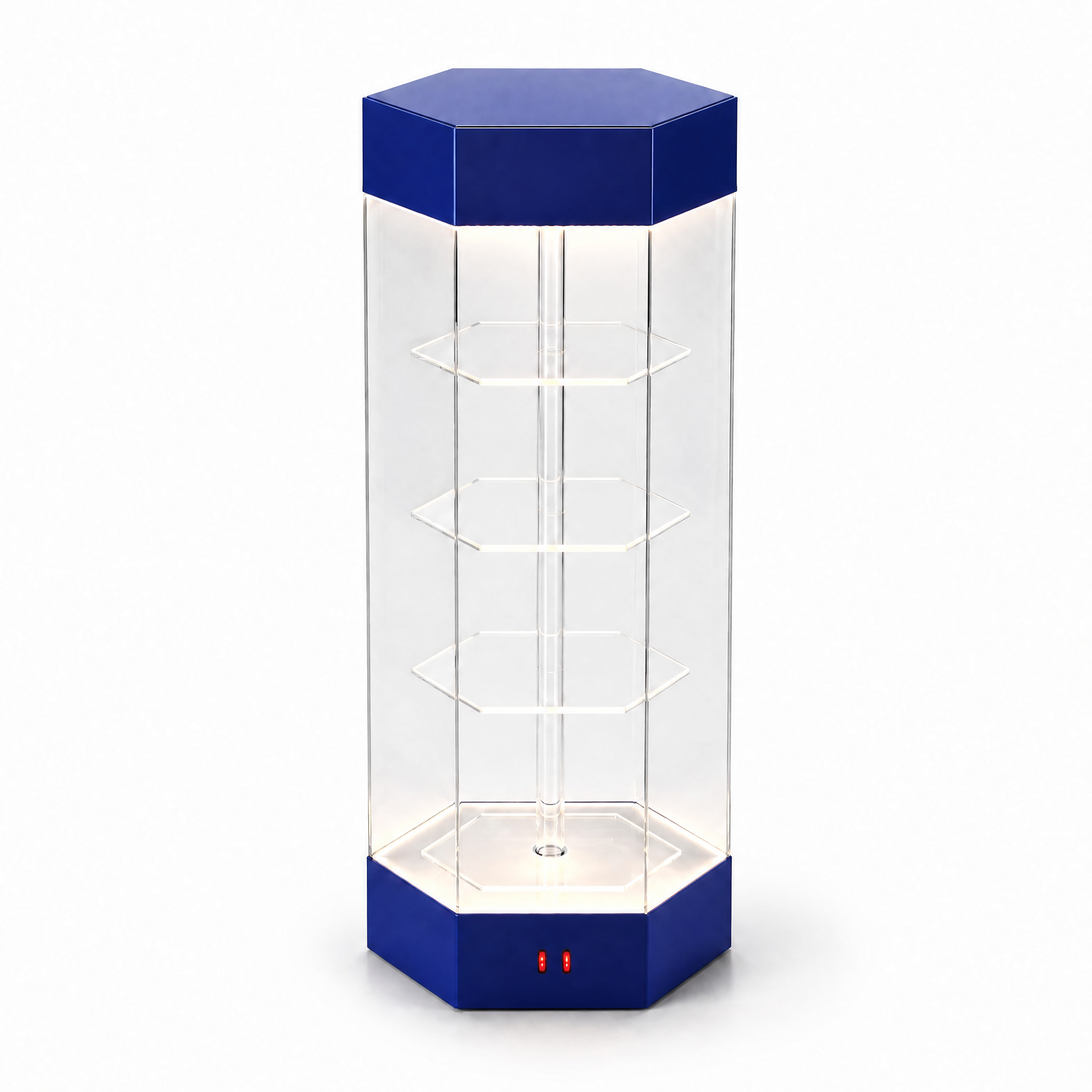
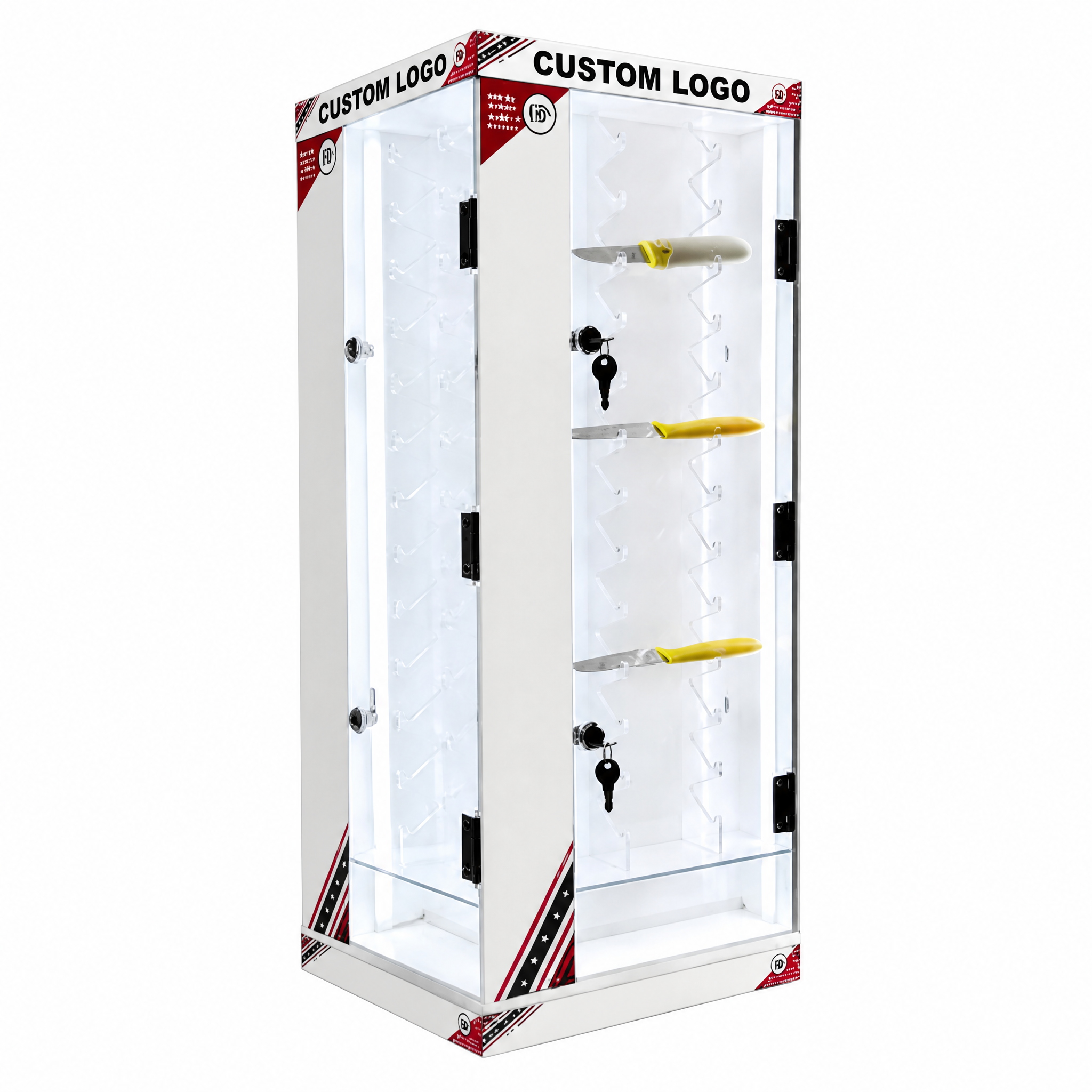
Illuminated display stands — Freestanding or countertop units with integrated LED lighting for product showcase, used in cosmetics, electronics, and premium retail.
-
Acrylic LED signs — Edge-lit or back-lit acrylic panels for directional signage, reception areas, and branded decorative installations.
-
Flexible LED neon-style signs — Custom-shaped LED tubing replicating neon aesthetics at lower power and maintenance cost, used in bars, restaurants, and experiential retail spaces.
Common Applications for LED Lighted Signs & Displays
LED Lighted Signs & Displays are used across a broad range of commercial and retail contexts. Common deployment environments include retail storefronts and brand fascia in shopping malls and high-street locations, corporate office lobby and reception brand signage, restaurant and bar interior displays, exhibition and trade show booth illuminated branding, shopping mall tenant identification and wayfinding, airport and transit corridor advertising, retail point-of-purchase product showcase, and institutional entrance identification.
In premium retail environments — such as cosmetics boutiques, jewelry stores, or luxury brand flagships — illuminated sign and display products with controlled uniformity and strong visual impact perform best in dim or atmospheric ambient lighting. The interplay between ambient light level and LED output determines whether a sign draws attention or fades into the background, making format selection and brightness calibration an essential part of the procurement process.
How to Select the Right LED Lighted Signs & Displays
Selecting the right LED Lighted Signs & Displays begins with understanding the deployment environment and working through a structured set of decisions before committing to a specification.
-
Assess the ambient lighting conditions at the installation site. What looks adequately bright in a factory sample review can appear noticeably dim once installed in a high-ceiling retail space with strong overhead lighting — and this gap is frequently missed until the sign is already mounted. Identify whether your space is high-ambient (shopping mall, airport, covered commercial exterior) or controlled-ambient (bar, exhibition booth, hotel corridor) before setting brightness requirements.
-
Confirm the voltage and power standard for your destination market. European markets operate at 230V; North American markets at 120V. Power supplies sourced without confirmed voltage pre-configuration for the target market can require costly on-site adjustment after delivery. For multi-market programs, confirm that power supply configurations are pre-adapted for each destination region before placing your order.
-
Match the sign format to the structural and visual requirement. If the application is a storefront channel letter installation, prepare vector artwork files and confirm letter size and illumination direction before requesting samples. For interior retail or exhibition use, determine viewing distance, available footprint, and whether the products need to be portable or permanently fixed.
-
Evaluate LED driver and power supply quality relative to your operational pattern. Buyers often assume lumen output is the primary indicator of quality, but in real deployment conditions, the contrast ratio between lit and unlit elements has more influence on readability in mixed-light retail environments. For always-on installations — retail brand walls, transit advertising displays, shopping mall signage — request driver specifications and confirm continuous-operation power supply rating.
-
Specify export packaging appropriate for fragile LED components. Buyers sourcing illuminated signs and displays internationally often discover that component dislodgement and surface damage during transit are packaging issues, not product failures — but they still create replacement costs and project delays. Confirm the export packaging specification with your supplier before shipment, particularly for acrylic-fronted light boxes and channel letter assemblies with exposed modules.
Sourcing Considerations for LED Lighted Signs & Displays
Buyers sourcing LED Lighted Signs & Displays for European or North American markets should account for electrical certification requirements as part of their procurement planning. Products with electrical components installed in EU commercial environments are subject to CE marking and safety certification frameworks; North American installations may require UL listing or equivalent compliance documentation. Buyers should verify current requirements with official sources relevant to their specific installation context, particularly for retail chain, institutional, or public-facing deployments where compliance documentation is part of the supplier approval process.
LED display technology evolves at a faster pace than other display categories. Slim-frame designs, higher-density LED modules, and improved energy efficiency standards have advanced substantially in recent years. For buyers making multi-year fixture investments, confirm with suppliers whether the LED module and driver components are sourced from established supply lines with ongoing component availability — a relevant consideration for franchise standardization programs and multi-location retail rollouts where reorder consistency and color temperature matching matter.
Quality varies considerably across the illuminated sign and display market — even within the same product format. The variation often comes down to details as specific as whether LED strip connections are soldered or mechanically clipped, and whether the power supply driver is rated for continuous or intermittent load. Both factors affect long-term performance meaningfully but are rarely described in standard catalog listings, making supplier specification transparency a useful criterion when comparing sourcing options for LED Lighted Signs & Displays.

 EN