What Are Acrylic Displays?
Acrylic displays are retail and commercial presentation solutions fabricated from PMMA (polymethyl methacrylate) — a high-clarity thermoplastic that combines the visual transparency of glass with significantly lower weight and greater resistance to impact. From countertop product risers in cosmetics boutiques to floor-standing acrylic displays in jewelry stores and booth structures at international trade exhibitions, acrylic displays serve a dual function: they physically contain and present the product while communicating the brand's visual identity simultaneously. Understanding this dual role is essential when evaluating suppliers of acrylic displays — a display that performs structurally but fails visually, or vice versa, does not meet the actual procurement objective.
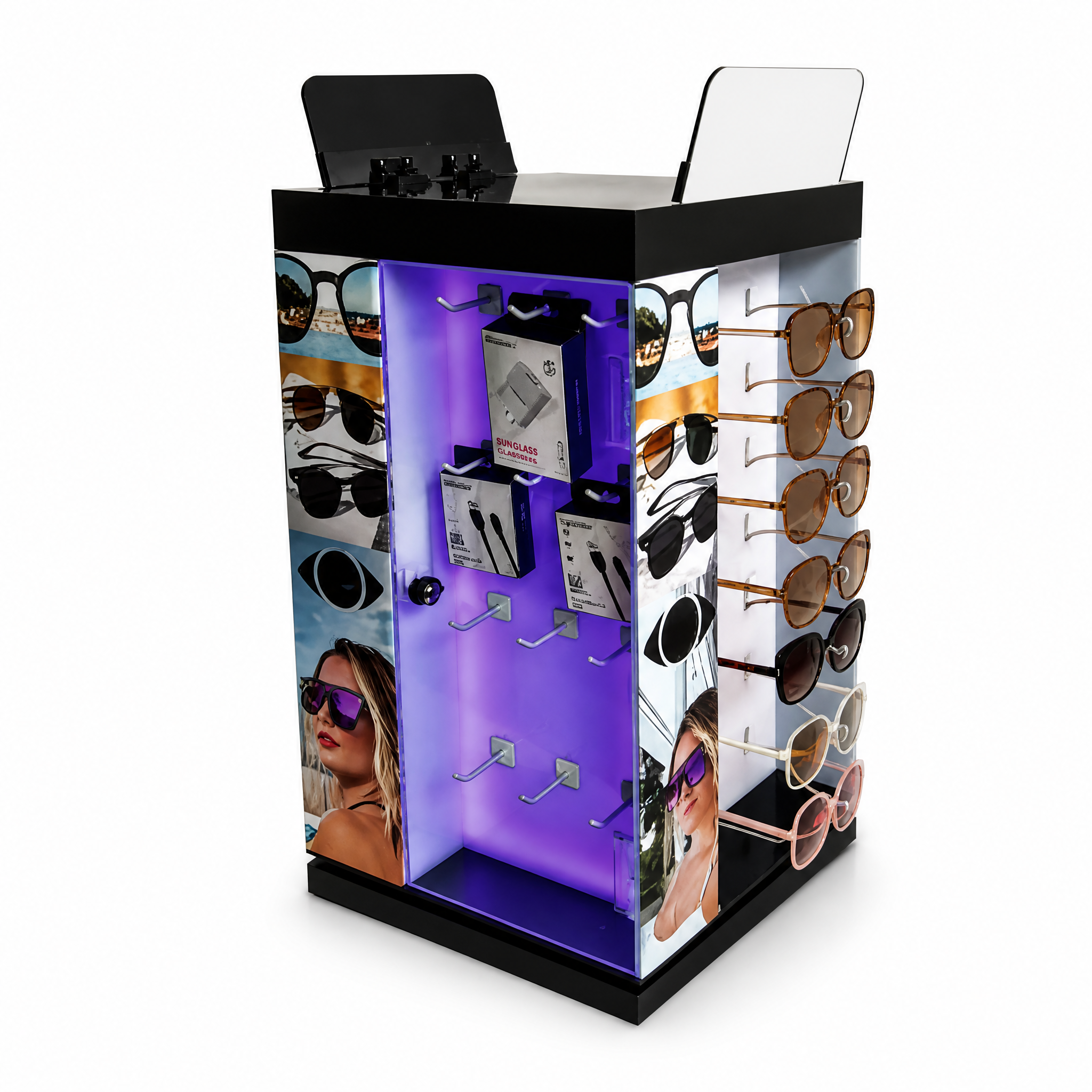
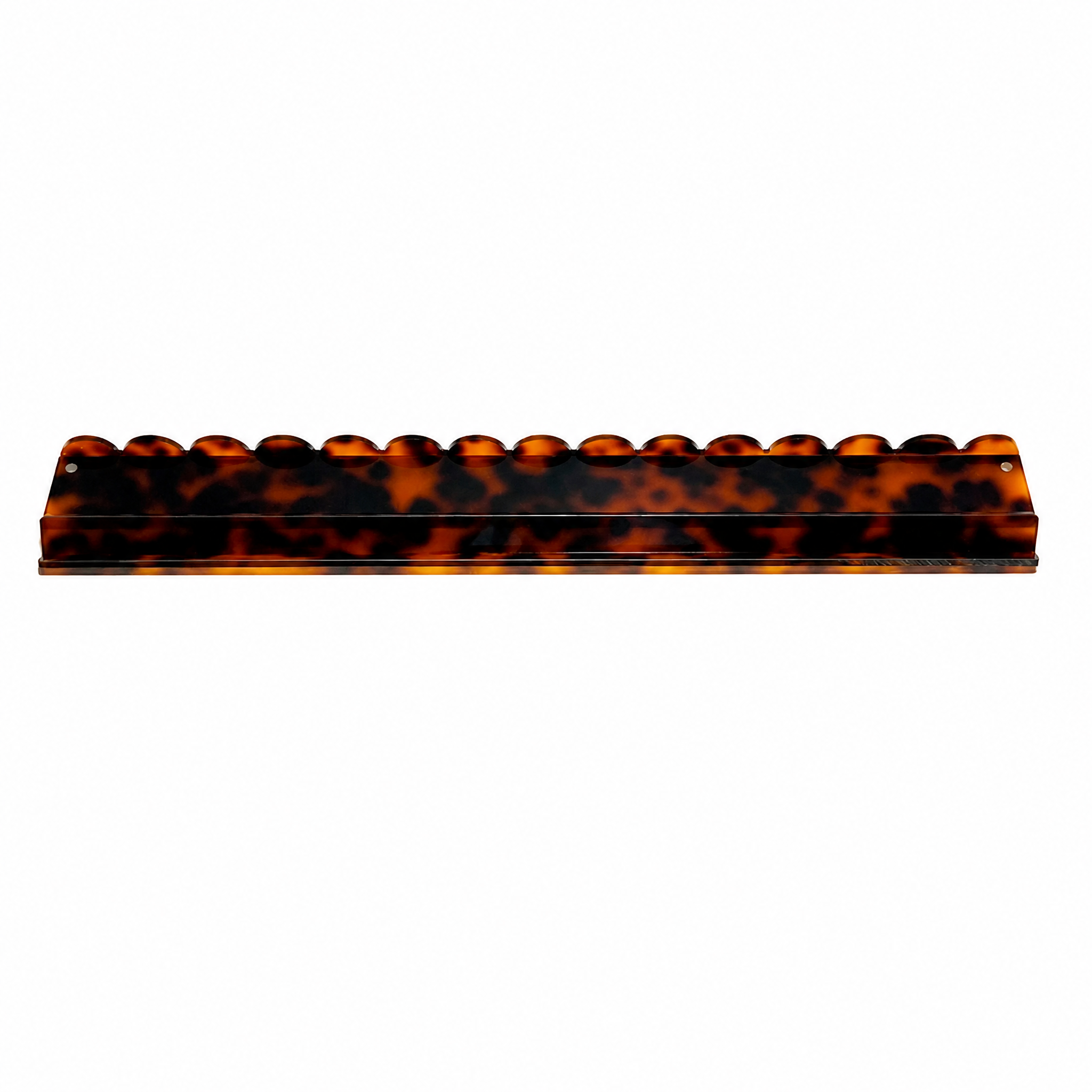
Acrylic displays are available in a wide range of formats, including countertop stands, tiered risers, floor-standing showcases, wall-mounted frames, and lockable counter cases. Custom-designed acrylic displays can be fabricated to any dimension, finish, or structural configuration required by branded retail programs targeting European, North American, and Middle Eastern markets.
Key Product Characteristics
The performance of acrylic displays in retail environments depends on a range of fabrication and material factors that go beyond surface clarity alone. It is easy to judge acrylic displays by transparency and gloss, but what actually determines long-term performance is UV resistance and thickness consistency across the panel.
-
Optical Clarity and Surface Finish: High-grade PMMA acrylic displays offer exceptional light transmission, making products visible from multiple angles without color distortion. Custom-cut and edge-polished acrylic displays maintain consistent surface clarity across units — a critical requirement for large-format orders where transparency variation between units becomes visible when displayed side by side.
-
Material Grade and UV Stabilization: Thicker acrylic does not necessarily mean more durable acrylic displays in the context of a well-lit retail environment — what determines structural performance is the PMMA grade and UV stabilizer content, not panel thickness alone. Buyers sourcing acrylic displays for window-adjacent or permanently illuminated environments should confirm UV resistance specifications with the supplier before finalizing material selection.
-
Surface Treatment Options: Scratch-resistant and anti-static surface treatments are available on acrylic displays, reducing maintenance burden in high-traffic retail environments where cosmetics tester displays and countertop product showcases are handled repeatedly. In high-traffic settings, surface degradation — scratching, yellowing, or discoloration — develops over time; material grade and surface treatment selection directly affect how long acrylic displays maintain their appearance.
-
Fabrication Precision: Acrylic displays require precise cutting, bending, and bonding operations that are sensitive to material batch variation — creating quality consistency challenges at scale. For multi-unit orders, ask suppliers about their raw material sourcing consistency and tolerance management practices across production batches of acrylic displays.
-
Lightweight Construction: Compared to glass or metal alternatives, acrylic displays offer significant weight advantages that reduce freight costs and simplify in-store setup, while still achieving the premium aesthetic required for luxury and specialty retail environments.
Common Applications for Acrylic Displays
Acrylic displays are widely used across retail and commercial environments where product visibility, brand identity, and durability must be balanced simultaneously.
-
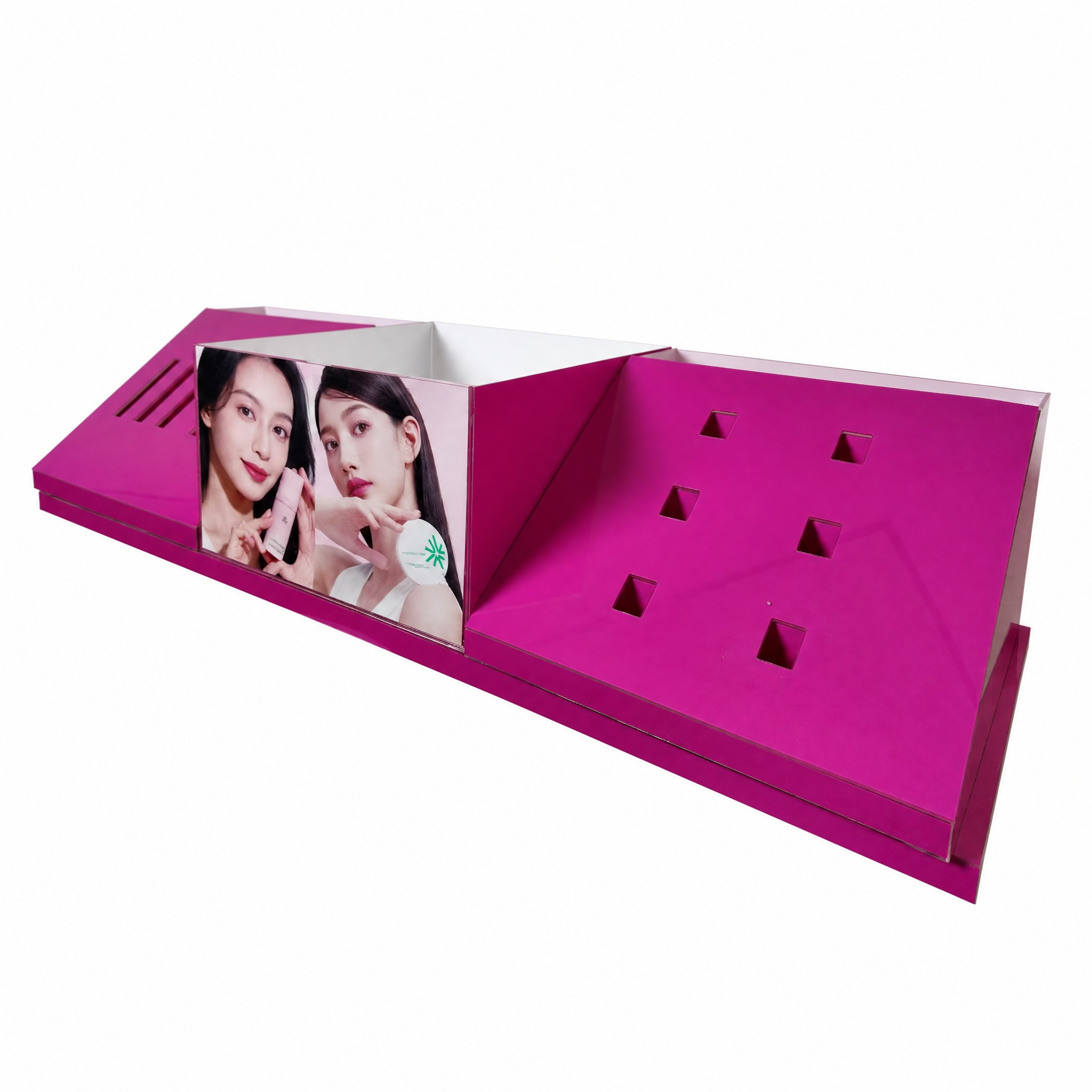
Cosmetics and Perfume Counters: Acrylic displays for cosmetics and perfume counters present beauty products at optimal viewing angles, while clean surface finishes complement the premium aesthetic of high-end retail environments. In high-traffic settings, surface degradation — scratching, yellowing, or discoloration — is a recurring concern; material grade and surface treatment selection directly affect the service life of these acrylic displays.
-
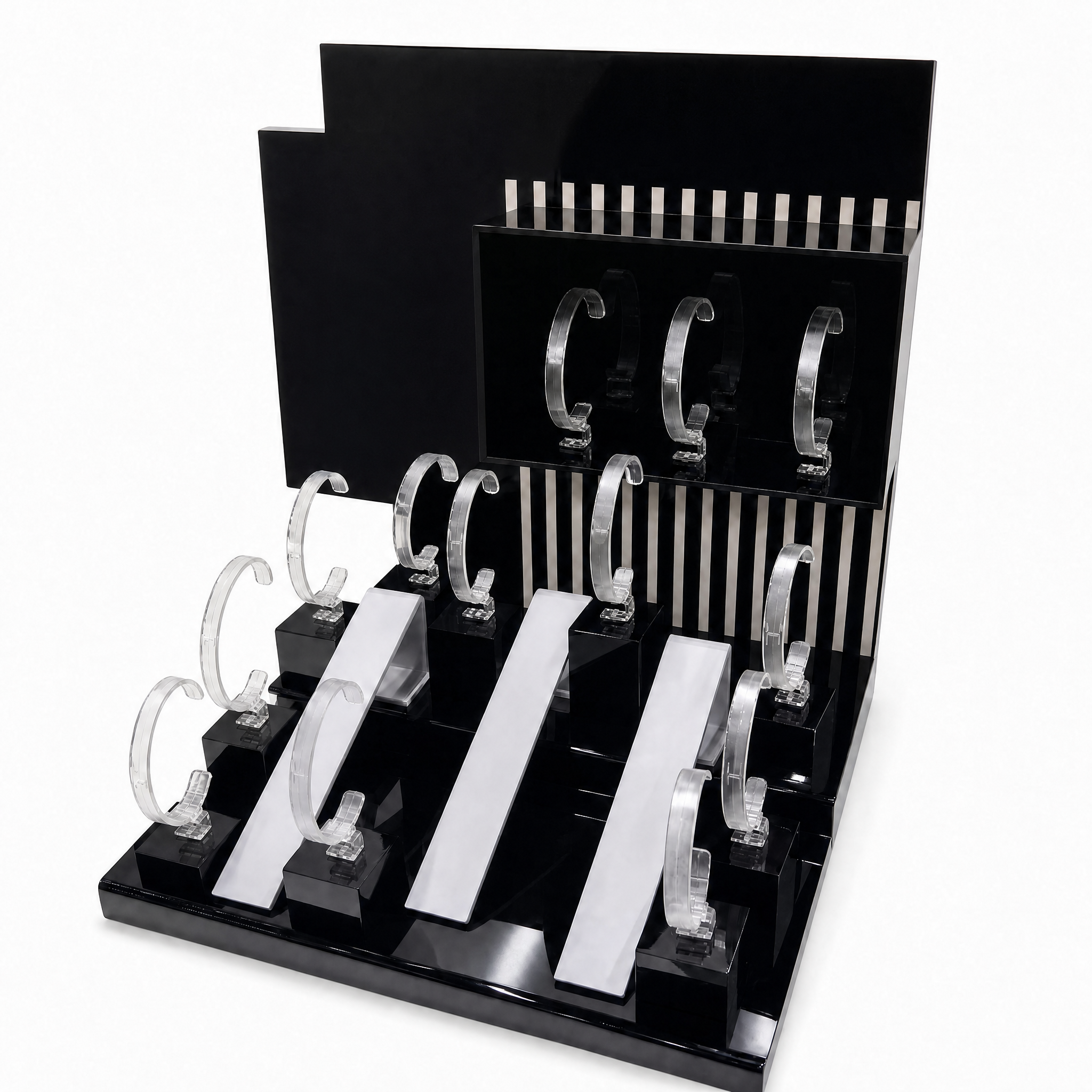
Jewelry and Luxury Retail Showcases: Acrylic displays used for jewelry and luxury brand presentations must meet higher fabrication standards at the joint level. For premium product countertop acrylic displays where shoppers examine products at short distances, visible glue marks, bubbles, or misaligned joints undermine the brand experience. Fabrication quality at the joint level is a distinguishing factor between suppliers of acrylic displays.
-
Eyewear and Watch Fixtures: Acrylic displays for eyewear and watch retail programs typically require custom dimensions and compartmentalization to accommodate product-specific storage and presentation requirements, supporting a wide range of branded retail programs.
-
Trade Show and Exhibition Use: Acrylic displays are a preferred choice for trade show booth components — pedestals, countertop showcases, and product podiums — where visual transparency allows ambient lighting to interact with the structure while maintaining a professional appearance under varying exhibition hall conditions.
-
Point-of-Purchase Merchandising: Acrylic displays deployed at checkout counters, end-cap positions, and promotional zones benefit from the material's optical clarity, which supports product visibility in short dwell time (meaning the time a shopper spends in front of the display) environments typical of busy retail floors.
How to Choose the Right Acrylic Displays: A Step-by-Step Selection Guide
As a procurement specialist who has sourced acrylic displays across multiple trade show and retail programs, material selection and supplier capability assessment are the two factors that most consistently determine whether an acrylic display program succeeds operationally. The following framework walks through the key decision points.
-
Step 1 — Define Your Use Environment
Start by categorizing the deployment context for your acrylic displays: countertop or floor-standing, indoor or window-adjacent, short-term campaign or long-term retail fixture, high-traffic or controlled-access. If your acrylic displays will be used in a permanently lit or window-facing position, UV stabilizer content in the PMMA grade becomes a primary specification requirement. For a one-time trade show application, a standard-grade clear acrylic display with polished edges is often sufficient — but for multi-year retail fixtures, investment in UV-stable acrylic displays pays back over the lifespan of the program.
-
Step 2 — Establish Structural and Dimensional Requirements
Determine whether your acrylic displays require standard dimensions or custom sizing. Display customization — covering logo printing, custom sizing, material selection, and structural design modification — is the standard expectation for branded retail programs. Buyers with non-standard dimension requirements for their acrylic displays should confirm fabrication capability with the supplier early in the sourcing process, before sample approval. Structural requirements such as weight capacity, assembly method, and base stability should be specified clearly in the production brief.
-
Step 3 — Evaluate Material and Surface Specifications
Request material specification details from the supplier of your acrylic displays, including PMMA grade, UV stabilizer treatment, panel thickness tolerance, and available surface treatments. For content covering acrylic display material requirements, reference the existence of relevant industry testing or performance standards in areas such as structural load testing, UV resistance, and surface durability — noting that specific standard numbers should be confirmed with the supplier's quality documentation before being used as confirmed procurement criteria. From a fabrication standpoint, edge polishing quality matters because raw-cut acrylic edges are prone to micro-cracking under repeated impact in busy retail environments.
-
Step 4 — Address Packaging and Transit Risk
Buyers who source acrylic displays internationally often discover that edge chipping and surface scratching is a packaging problem, not a product quality issue — but it still results in replacement costs and delayed campaign launches. Before approving bulk production of acrylic displays, review the supplier's export packaging specification: foam corner protection, surface film, inner carton reinforcement, and palletization method all affect how acrylic displays arrive after a cross-border sea freight journey. Request packaging samples or a packing specification document alongside the product sample approval.
-
Step 5 — Confirm Production Consistency and Reorder Capability
For ongoing retail programs and franchise-standard deployment, batch-to-batch consistency in optical clarity and dimensional tolerance is a critical supplier requirement for acrylic displays. Production of acrylic displays using consistent PMMA grades from established material suppliers reduces batch-to-batch variation — an important assurance for premium brand multi-unit orders and reorder programs where replacement units must visually match the original production run.
The selection process for acrylic displays is iterative: samples at each stage are essential. A display that passes the initial brief may reveal fabrication or finish issues when the first production sample arrives. Build sample review time into your campaign timeline rather than treating sample approval as a formality before bulk production.
Why Acrylic Displays Are a Strong Choice for B2B Brand Buyers
For European and North American brand buyers sourcing from a manufacturer supplier, acrylic displays offer a combination of visual performance, fabrication versatility, and logistical practicality that few alternative materials match at comparable cost. Acrylic displays resist shattering, making them safer than glass for public retail environments, while their formability — the ability to be cut, bent, bonded, and finished to specification — supports the full range of branded display program requirements from simple countertop risers to complex multi-component showcase structures.
The sourcing landscape for acrylic displays has significant quality variance between suppliers. Buyers evaluating suppliers of acrylic displays should look beyond product photographs and catalog pricing to assess fabrication quality at the joint level, surface treatment capability, and material sourcing consistency across production runs. Quality in acrylic displays varies across suppliers — even within the same product category. The variation often comes down to something as specific as whether the PMMA sheet batch matches the UV resistance grade of the approved sample, or whether bonding adhesive application is consistent across all units in the production run.
Working with a manufacturer that offers comprehensive OEM/ODM services for acrylic displays — from design consultation through bulk production — reduces coordination complexity in the procurement process, which is particularly valuable for international buyers managing display programs across multiple retail markets. Customization capability across acrylic display categories, supporting logo printing, custom sizing, material selection, and structural modification, means that buyers with non-standard or brand-specific requirements can develop solutions tailored to their retail environment rather than adapting brand standards to fit a catalog product.
If your program covers both European and North American retail environments, confirm that the supplier's standard acrylic display specifications and packaging approach meet the compliance and retail installation requirements of both markets before committing to bulk production. One-stop sourcing from a single manufacturer simplifies the procurement process and ensures design consistency across your entire acrylic displays program.

 EN