EN
Requirement Consultation
Communicate your display size, material, structure, brand logo and store-scene requirements.

2026/10/30
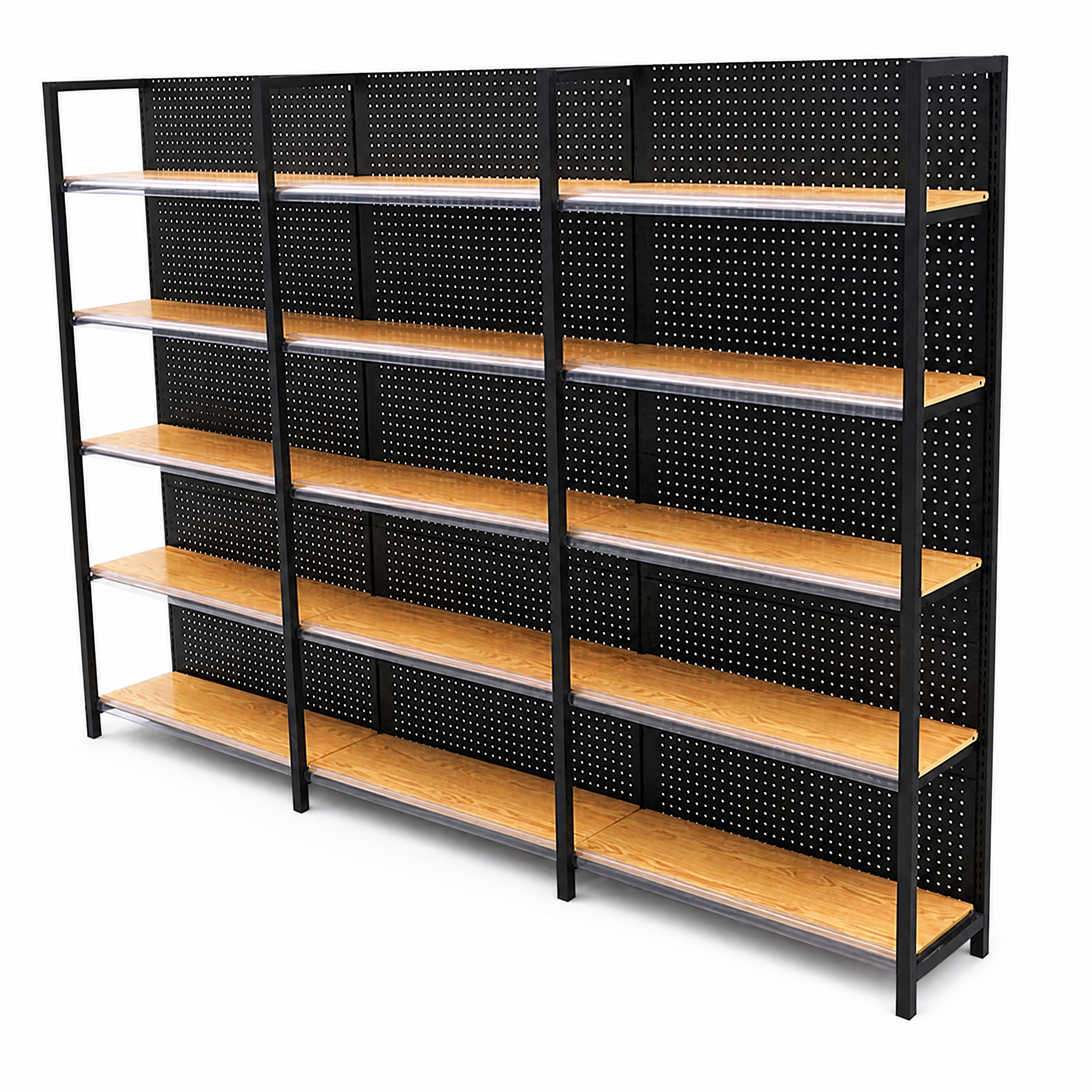
In high-volume commercial storage centers, automotive wholesale depots, and industrial construction showrooms, inefficient logistics flow directly translates into lost margins. When a facility relies on chaotic floor stacking, loose wooden pallets, or flimsy light-duty shelving to organize heavy stock keeping units—such as engine blocks, nested steel wheels, structural hardware boxes, and large garden chemical drums—disaster is never far away. Forklift operators waste hours navigating disorganized aisles, picking crews experience slow turnover cycles, and merchandise gets damaged as overloaded shelves bow and drop items onto the floor. Implementing an engineered heavy-duty Display Rack system eliminates this storage bottleneck at once. By transforming raw floor square footage into organized, vertical load-bearing storage corridors, a commercial storage rack establishes dedicated home slots for every product class, organizing picking lanes and keeping high-value stock safe from impact.
Optimizing a commercial supply hub is not merely about finding a corner to pack more boxes; it is about managing the continuous velocity of product movement. Logistics experts apply lean warehousing principles to enforce the First-In, First-Out stocking mandate, ensuring that perishable goods, seasonal stock, and date-sensitive materials are shipped before they degrade. Utilizing a specialized heavy-duty Display Rack fitted with sloped gravity flow tracks or heavy-duty rollers establishes an automated flow system. Workers load fresh pallets from the rear restocking aisle, while picking crews retrieve older units from the front discharge face. This clear physical separation of replenishment and picking lanes cuts warehouse forklift cross-congestion by thirty-five percent, reduces labor steps, and ensures that no inventory gets lost in dark, neglected back-shelf corners.
When a single shelf frame must continuously hold over five hundred kilograms of automotive parts or home improvement lumber, there is zero room for structural material compromise. Standard budget shelving often uses thin-gauge welded iron pipes or hot-rolled structural steel that contains internal air pockets and high carbon impurities. Under constant deadweight pressure, these weak metals sag and eventually fracture along their weld lines. A commercial-grade industrial Display Rack is cold-formed from premium Q235 carbon steel sheets with wall thicknesses ranging from 2.0 to 3.0 millimeters. Cold-rolling refines the steel's molecular alignment, boosting its yield strength and load resistance by up to twenty percent. This structural steel skeleton is then fitted with heavy-duty steel deck stiffeners, ensuring every level of the storage rack handles immense weight without flexing a single millimeter.
Real-world case studies prove how structural logistics engineering directly boosts daily fulfillment throughput. A major North American automotive parts distributor operating forty wholesale hubs faced chronic bottlenecks in its heavy battery and brake rotor departments; pickers struggled to locate specific part numbers in dark, floor-stacked aisles, resulting in a high five percent shipping error rate. The distributor upgraded its warehouse hubs to custom industrial Display Rack systems featuring high-capacity gravity-slide shelves, G7 color-coded row markers, and scannable barcode channels on every front crossbeam. The organized layout allowed forklift teams to pick orders thirty-five percent faster, while reducing picking errors to under 0.1 percent. In Europe, a building supply franchise installed similar custom storage rack bays to organize bulk mortar bags and power tools, raising active floor capacity by forty percent.
To meet strict Occupational Safety and Health Administration safety standards for industrial workplaces, a heavy-duty Display Rack must incorporate built-in mechanical safety locks. Premium rack columns are manufactured with precision-punched teardrop or double-slotted hook patterns at exact fifty-millimeter intervals, allowing store staff to adjust shelf elevations cleanly without loose bolts. The heavy-duty load-carrying horizontal beams hook into these upright columns using multi-tooth high-tensile steel connectors secured by gravity-lock safety pins. At the floor interface, thick steel footplates are welded directly to the bottom of the uprights and bolted into the concrete floor using heavy-duty mechanical expansion anchors, while high-visibility steel column protectors shield the main structural columns from accidental forklift bumper hits.
Manufacturing high-strength industrial racking systems with consistent dimensional tolerances requires an experienced direct factory partner with massive raw metal fabrication power. YSY Display specializes in designing and manufacturing high-capacity heavy-duty Display Rack systems customized to the heavy weights, packaging footprints, and safety guidelines of global industrial brands. Utilizing automated CNC fiber laser tube cutters, high-tonnage sheet metal stamping presses, robotic multi-point welding stations, and a multi-stage anti-corrosion powder-coating line, YSY Display controls every phase of structural steel manufacturing in-house. Structural engineers at YSY Display perform finite element stress analysis on every custom commercial storage rack design to verify safety parameters well above daily showroom requirements. Shipped flat-packed inside heavy-duty crates to optimize container loading, YSY Display delivers rugged, export-ready warehouse rack systems built for a decade of commercial service.
2026/10/30
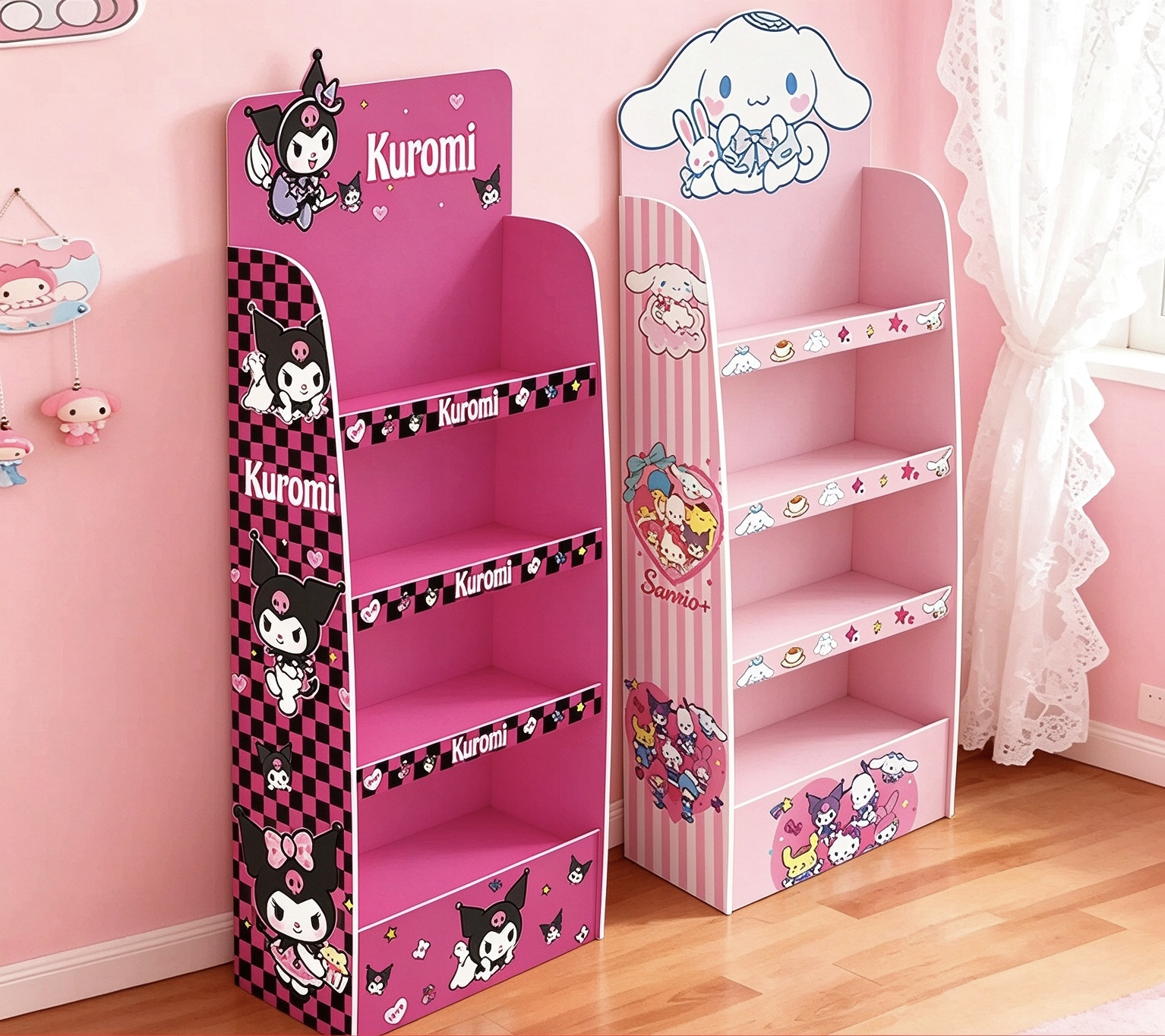
Elevate store environments with custom retail store displays. Learn how hybrid steel, cast acrylic, and wood fixtures build brand image and sales.
2026/10/30
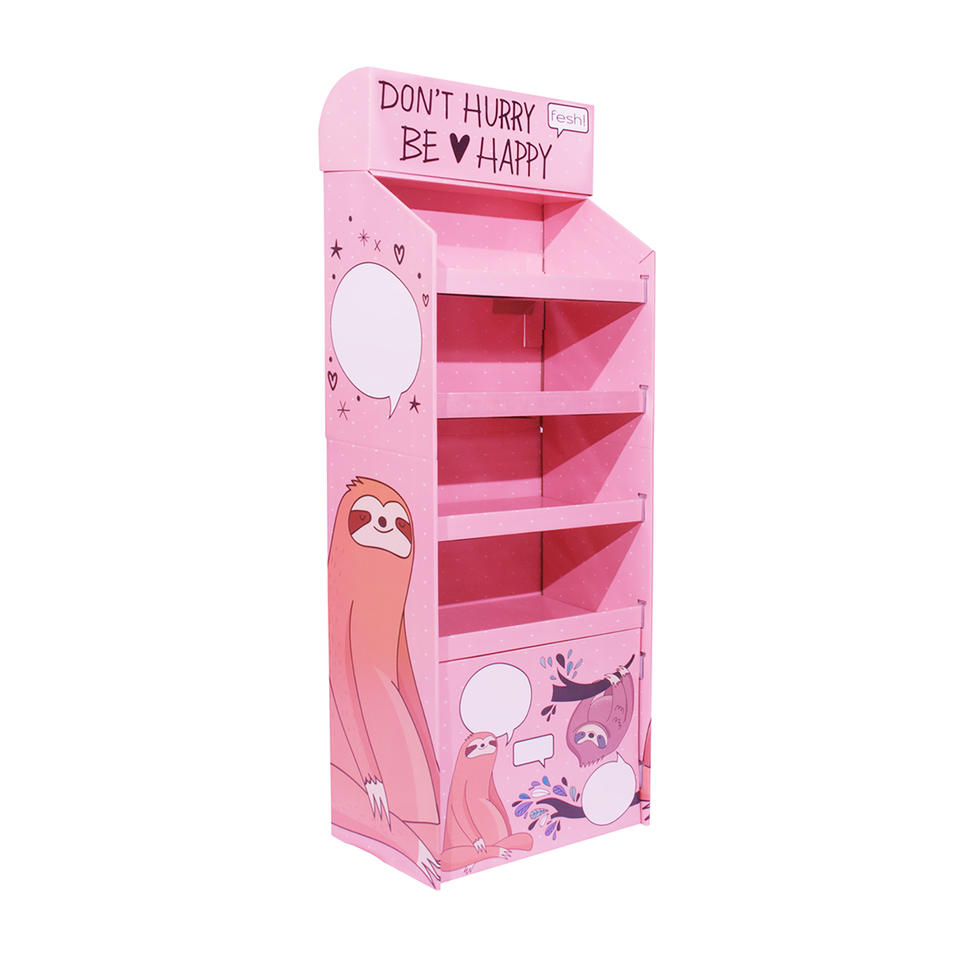
Maximize visual impact with cardboard display stands. See how high-ECT corrugated boards, flat-pack logistics, and rapid lock tabs lower marketing costs.
2026/10/30
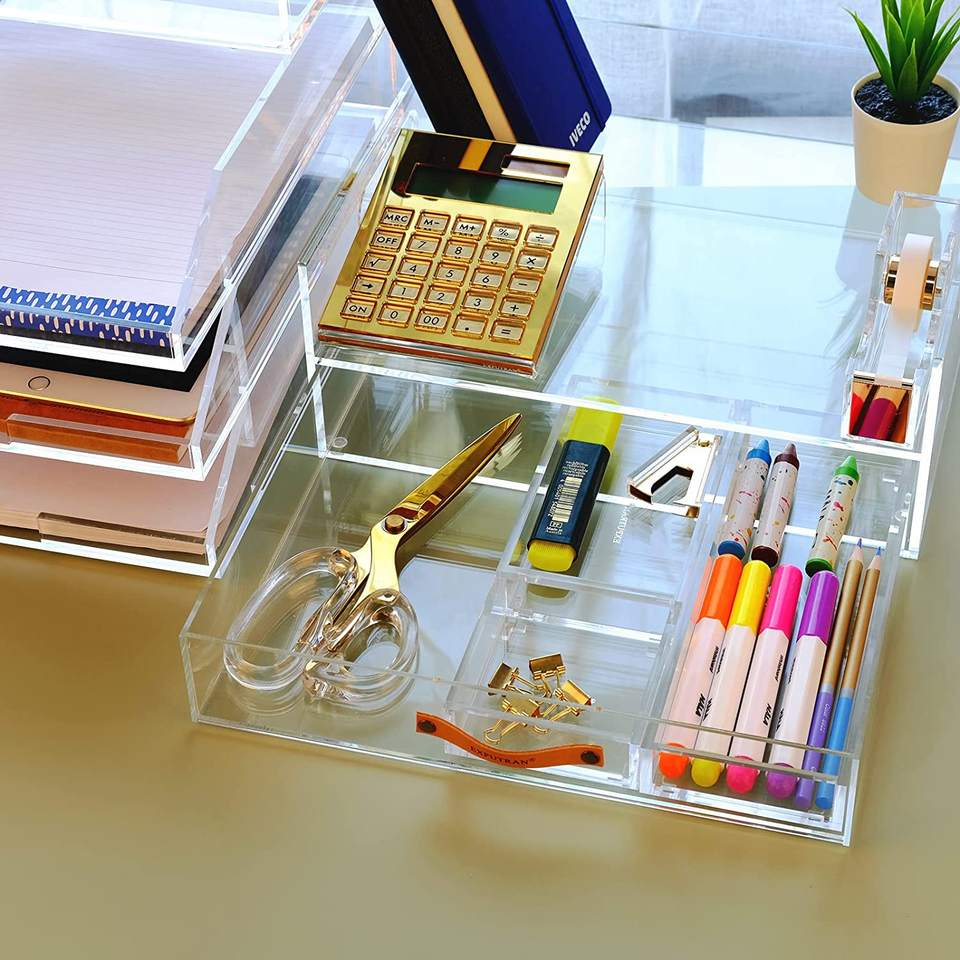
Elevate unboxing with a custom display box. Learn how rigid greyboards, G7-certified litho-printing, and high-density EVA foam protect premium goods.

2026/10/30
Secure premium micro-goods with countertop display case units. See how diamond-polished cast acrylic and magnetic lock latches boost impulse sales.
2026/10/30
Boost retail sales with sustainable carton displays. Learn how FSC corrugated boards and eco-friendly soy inks cut carbon footprints and waste fees.
Follow our brand-latest updates, including key-client cooperation, trade-fair activities and daily-life snapshots of our factory-team.

Enhance the retail experience with custom makeup display stands, providing both functionality and modern aesthetics for cosmetic brands.

Upgrade your products’ shelf appeal and protection with innovative gift box packaging designed for cosmetics, electronics, and accessories.

Promote your brand with advertising display racks, featuring flexible configurations for showrooms, events, and point-of-sale promotions.
Comprehensive design, prototyping, and logistics for global custom display stand demands

Communicate your display size, material, structure, brand logo and store-scene requirements.
Produce renderings and structural drawings, optimize shelf layout, dooropening style and detailstructure.

Make physical prototype, test stability, appearance and assembly effect, modify details as your feedback.

Start formal mass-production after sample approval, strictly control quality, packaging and delivery cycle.