EN
Requirement Consultation
Communicate your display size, material, structure, brand logo and store-scene requirements.

2026/10/30
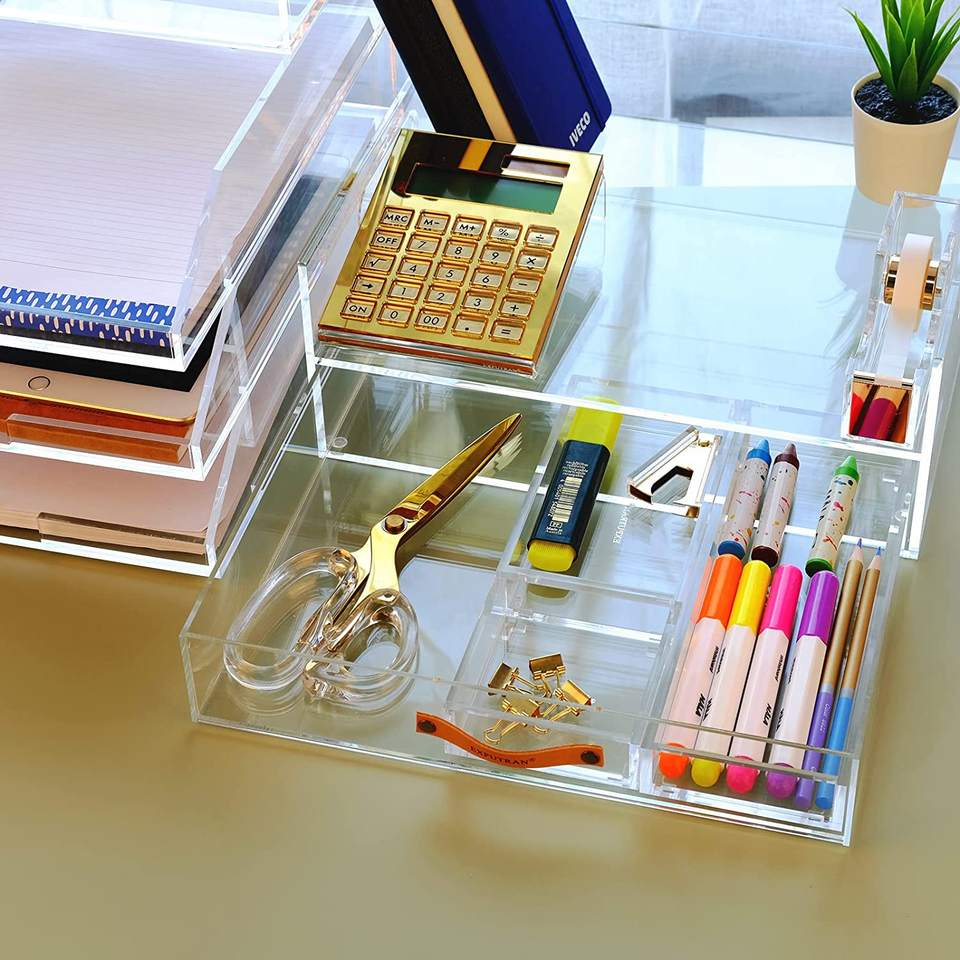
For high-end consumer brands, the customer journey does not end when they swipe their credit card; the final and most emotional touchpoint is the physical unboxing experience. When a manufacturer ships premium merchandise—such as high-value smartwatches, limited-edition cosmetics, designer writing instruments, or hand-painted porcelain collectibles—inside flimsy, generic cardboard mailers, they run a massive financial and brand risk. During international transit and local courier shipping, packages are subjected to rough handling and high humidity. If the inner product box lacks structural reinforcement, retail packaging corners buckle, internal items shake loose from their holders, and scuff marks ruin the glossy product casing, driving e-commerce return rates above eight percent. Packaging these goods inside a precision-engineered custom display box solves both transit and presentation worries at once, ensuring the product arrives on the shopper's desk looking exactly as the creative director intended.
Modern retail psychology confirms that the physical opening of a package is a highly engaging sensory touchpoint that directly impacts customer loyalty and brand advocacy. Industry surveys show that seventy-three percent of buyers admit that a beautiful, structured unboxing experience makes them far more likely to recommend the product to friends and share photo reviews online. When a custom display box incorporates a heavy flip-top cover, a smooth sliding drawer, or an elegant dual-wing magnetic opening, it builds a sense of high value. The consumer experiences a deliberate delay that builds anticipation before they ever see the actual product. This physical storytelling transforms an ordinary commodity into a prized luxury item, allowing online retailers to establish high price margins while generating thousands of dollars in free user-generated social media coverage.
Engineering a high-end custom display box requires selecting the correct combination of external structural boards and protective internal insert materials. For retail supermarket checkouts and high-volume grocery counters, litho-laminated E-flute corrugated cardboard is the workhorse of the industry, delivering high-definition offset printing surfaces paired with rigid, crush-resistant fluting. Conversely, high-ticket electronics and boutique gift brands require premium rigid paperboard, also known as setup greyboard, with thicknesses ranging from 1.5 to 3.0 millimeters. To secure the branded merchandise inside, engineers discard cheap loose paper shreds in favor of custom-molded interior inserts. Utilizing high-density ethylene-vinyl acetate foam, plush velvet-covered thermoformed plastic trays, or laser-cut clear acrylic separator grids ensures each individual item is locked securely against lateral shifting.
Real-world commercial rollouts illustrate how upgrading structural packaging directly cuts return rates and increases repeat customer loyalty. An international wearable technology brand launching a premium smart health band suffered a high six percent return rate because standard thin-walled gift boxes crushed in transit, scratching the screen covers before they reached buyers. The brand transitioned to a rigid paperboard custom display box featuring a book-style cover with hidden magnetic latches and a custom contour-cut high-density EVA foam tray. The upgrade reduced transit damage write-offs to absolute zero, while the premium look contributed to a nineteen percent increase in post-purchase customer satisfaction scores. In the skincare sector, a luxury French beauty collection used a multi-tier custom packaging box combining unbleached solid greyboard with laser-etched clear acrylic internal product holders, boosting holiday gift set sales by thirty-four percent.
Achieving a flawless unboxing experience takes tight engineering tolerances down to a tenth of a millimeter. If a circular foam insert is cut too wide, a heavy perfume bottle will fall out and rattle during shipping; if the pocket is too tight, the customer will struggle to pull the bottle out, occasionally tearing the liner. Professional packaging factories use high-precision CNC waterjet cutters to carve exact contours into the EVA foam inserts, adding subtle side finger-pull notches to make product removal smooth and effortless. For magnetic flip-top boxes, engineers embed high-grade neodymium magnet pairs into the front lip of the greyboard before wrapping the paper liner. This hidden alignment ensures the lid snaps shut with a solid, satisfying sound, keeping the custom display box closed during shipping while allowing shoppers to open the lid with a natural upward flick of the thumb.
Executing premium custom packaging programs at high volumes requires a manufacturing partner that combines G7 color-calibrated offset printing with advanced, multi-material processing capabilities under one roof. YSY Display specializes in designing and manufacturing turnkey custom display box solutions that protect valuable inventory while elevating brand equity. Operating automated paper board slotting lines, high-speed rigid box wrapping machines, precision CNC laser routers, and custom foam die-cutters, YSY Display controls every stage of packaging fabrication in-house. Structural engineers at YSY Display provide free structural dieline optimization, rapid 3D digital renderings, and load-tested pre-production samples within seventy-two hours. Shipped flat-packed or with pre-inserted custom foam trays inside drop-tested export cartons, YSY Display delivers pristine custom packaging boxes that look stunning and perform flawlessly across global markets.
2026/10/30
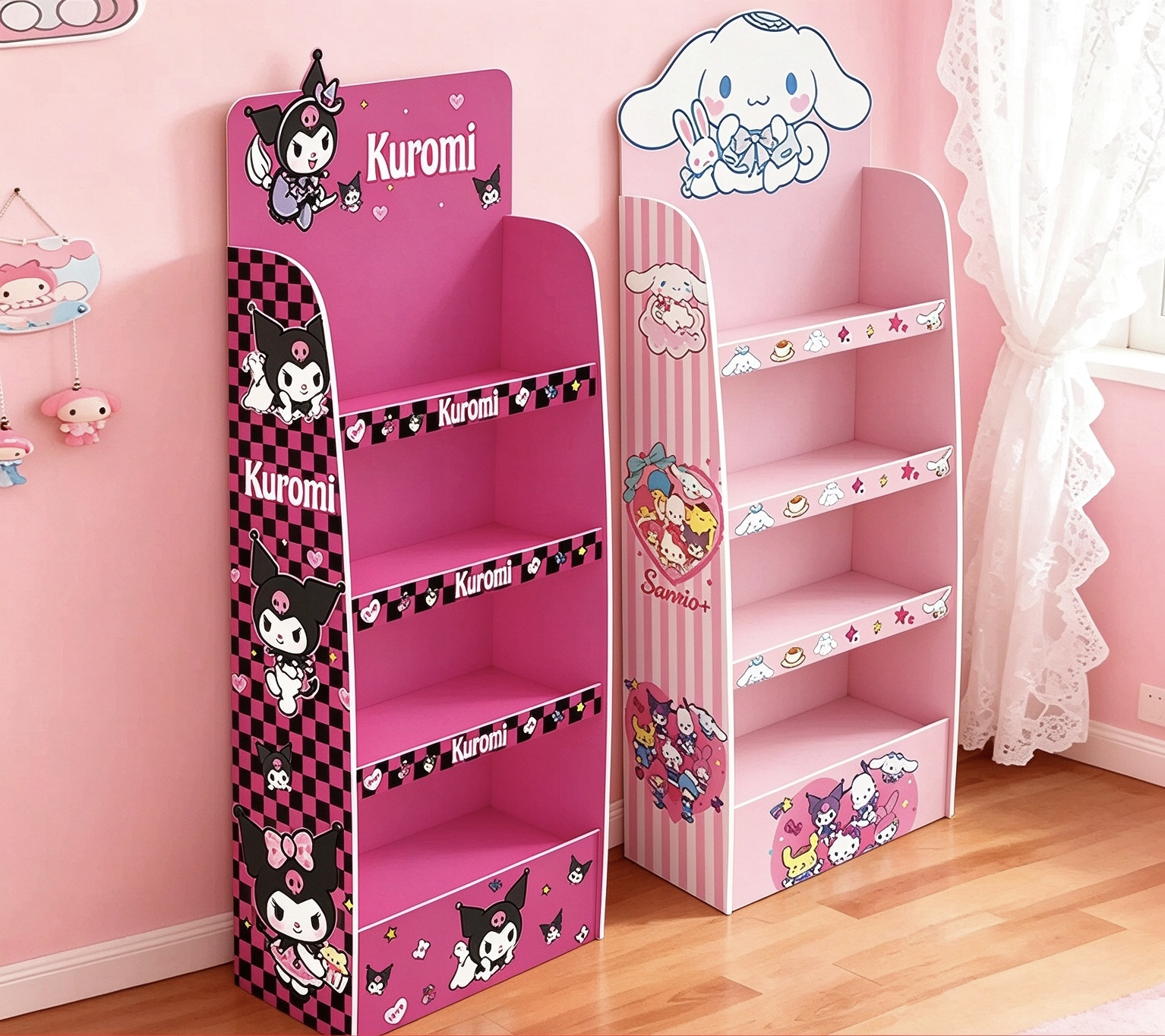
Elevate store environments with custom retail store displays. Learn how hybrid steel, cast acrylic, and wood fixtures build brand image and sales.
2026/10/30
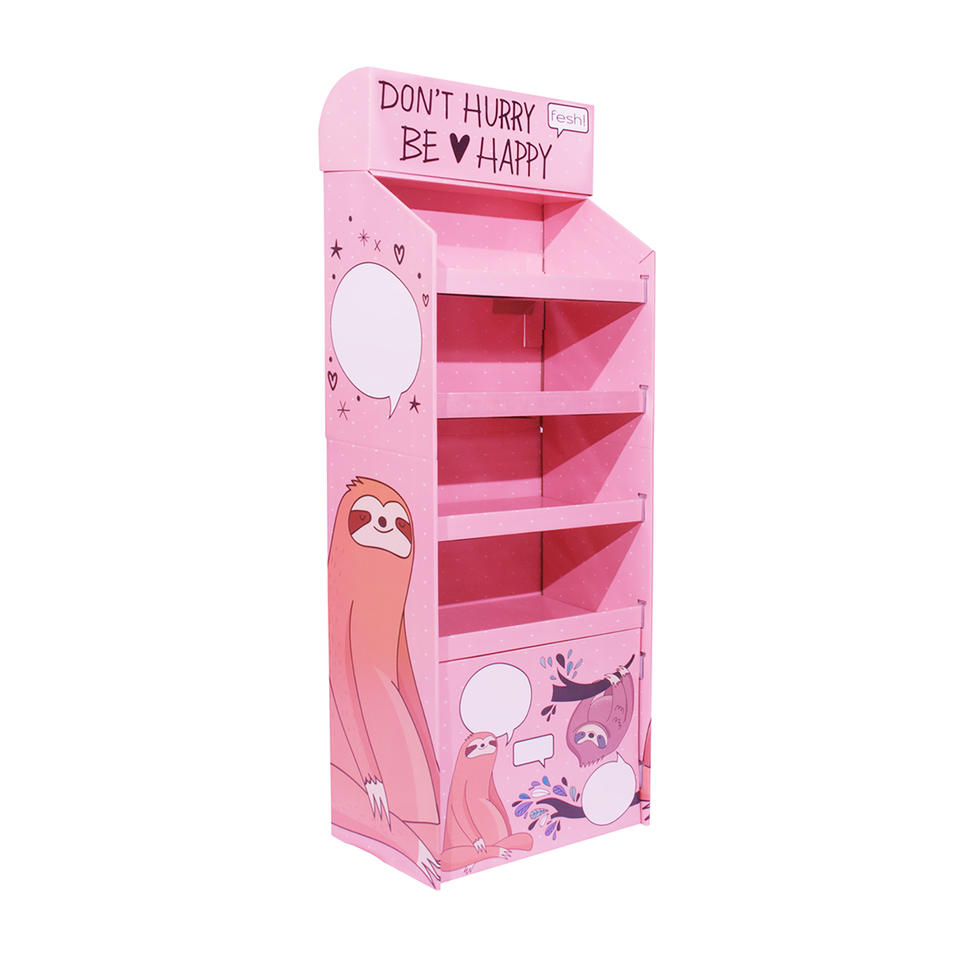
Maximize visual impact with cardboard display stands. See how high-ECT corrugated boards, flat-pack logistics, and rapid lock tabs lower marketing costs.
2026/10/30
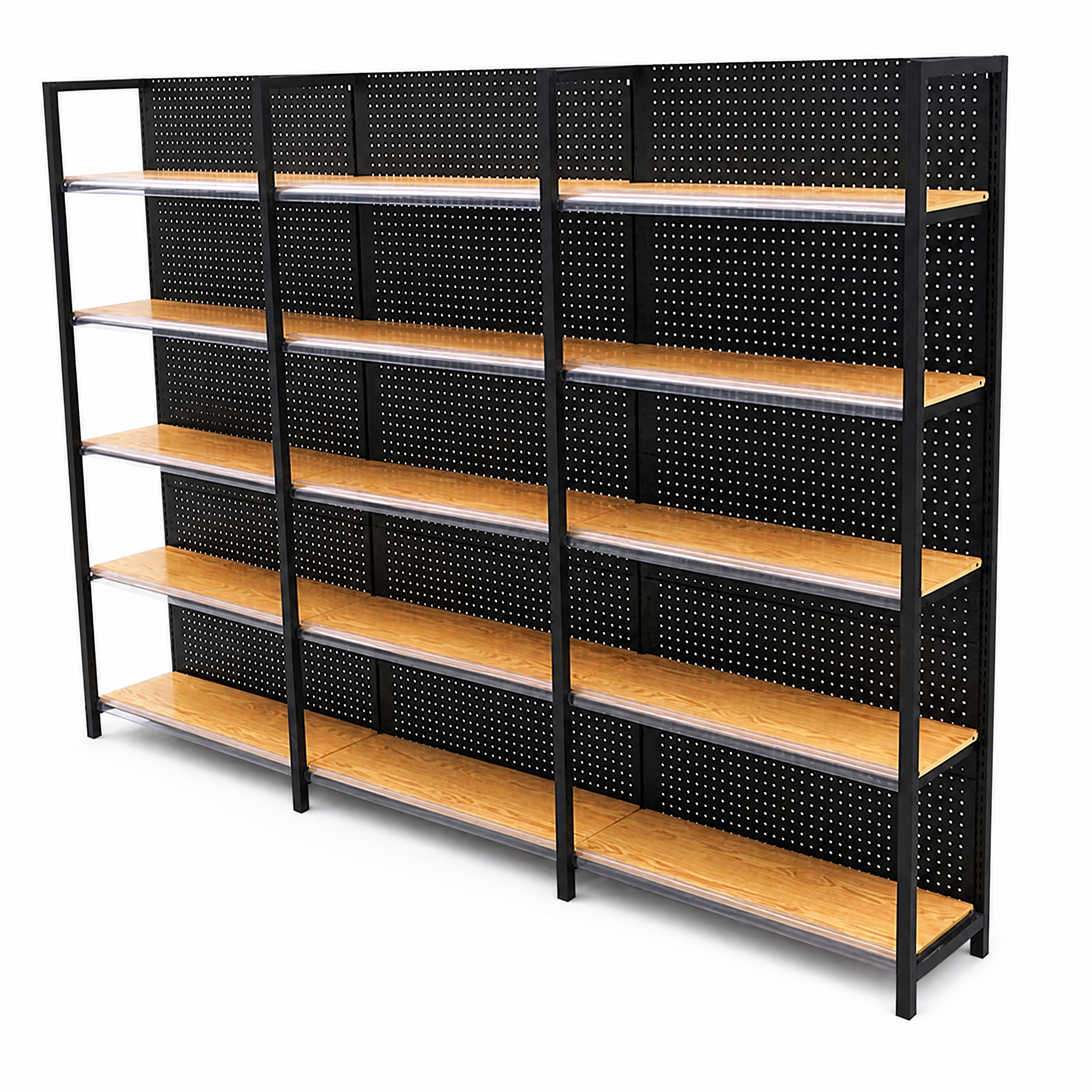
Optimize product flow with a heavy-duty Display Rack. Learn how cold-rolled Q235 steel frames, teardrop locks, and gravity flow decks cut pick times.
2026/10/30
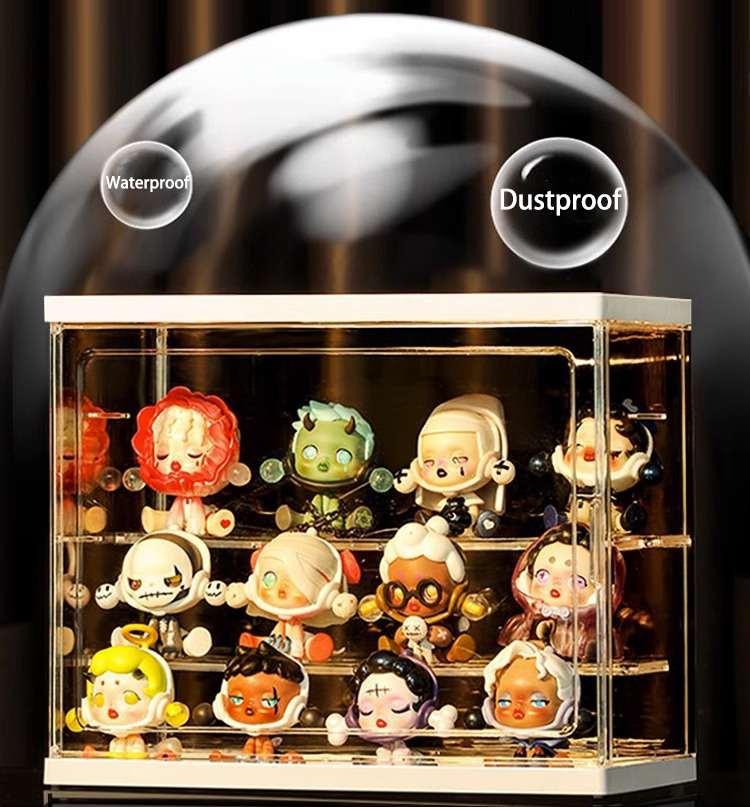
Secure premium micro-goods with countertop display case units. See how diamond-polished cast acrylic and magnetic lock latches boost impulse sales.
2026/10/30
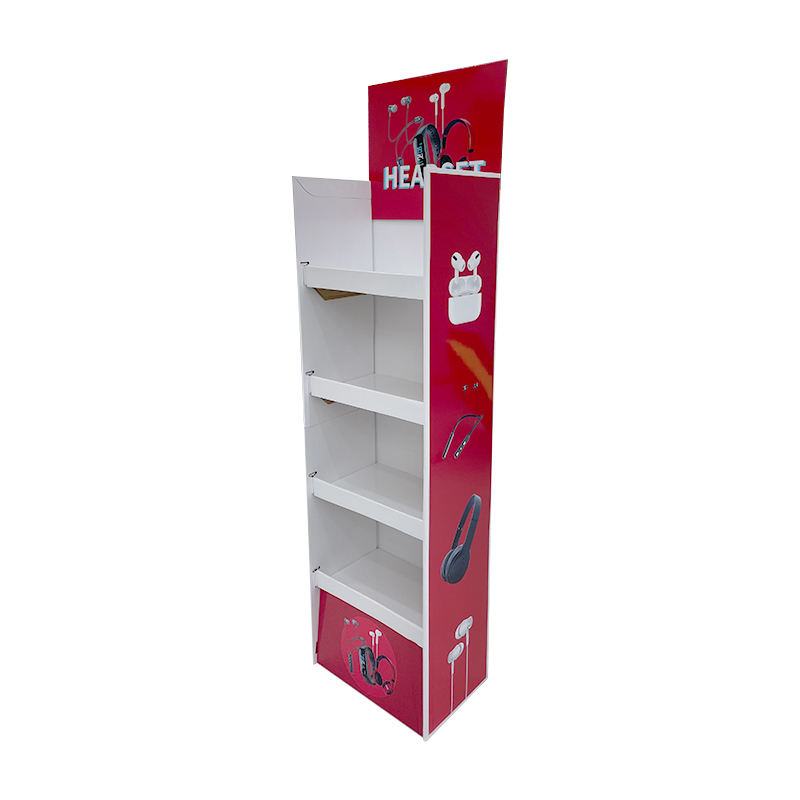
Boost retail sales with sustainable carton displays. Learn how FSC corrugated boards and eco-friendly soy inks cut carbon footprints and waste fees.
Follow our brand-latest updates, including key-client cooperation, trade-fair activities and daily-life snapshots of our factory-team.

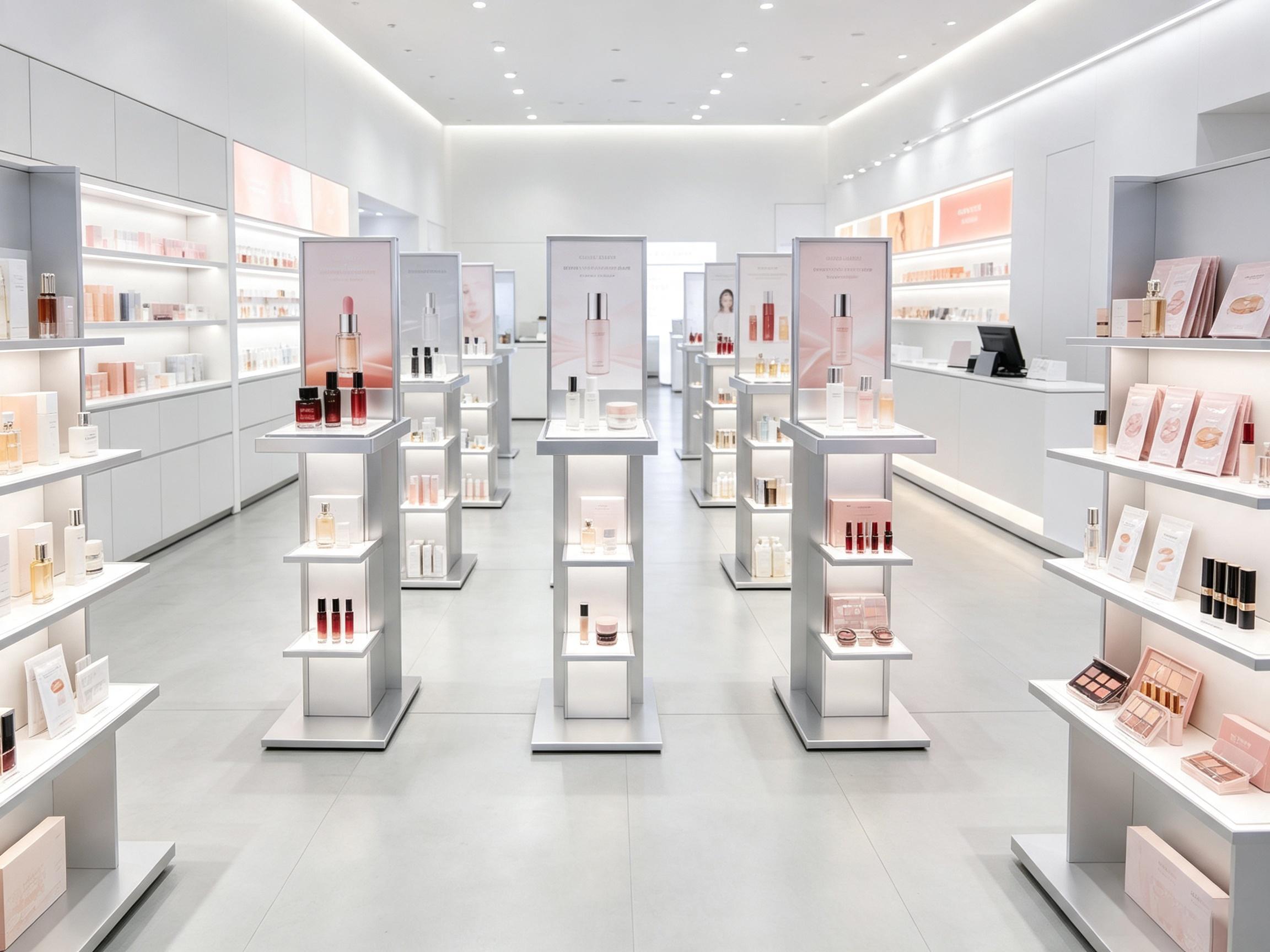
Enhance the retail experience with custom makeup display stands, providing both functionality and modern aesthetics for cosmetic brands.

Upgrade your products’ shelf appeal and protection with innovative gift box packaging designed for cosmetics, electronics, and accessories.

Promote your brand with advertising display racks, featuring flexible configurations for showrooms, events, and point-of-sale promotions.
Comprehensive design, prototyping, and logistics for global custom display stand demands

Communicate your display size, material, structure, brand logo and store-scene requirements.
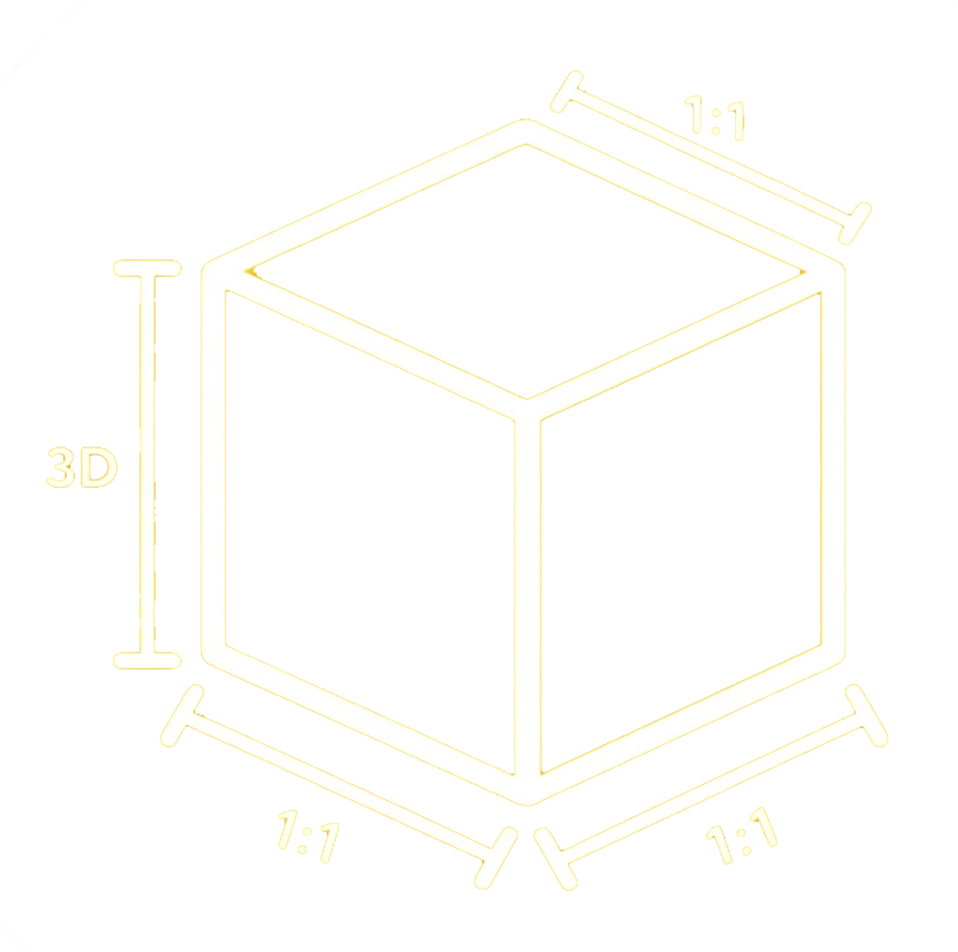
Produce renderings and structural drawings, optimize shelf layout, dooropening style and detailstructure.

Make physical prototype, test stability, appearance and assembly effect, modify details as your feedback.

Start formal mass-production after sample approval, strictly control quality, packaging and delivery cycle.