EN
Requirement Consultation
Communicate your display size, material, structure, brand logo and store-scene requirements.

2026/10/30
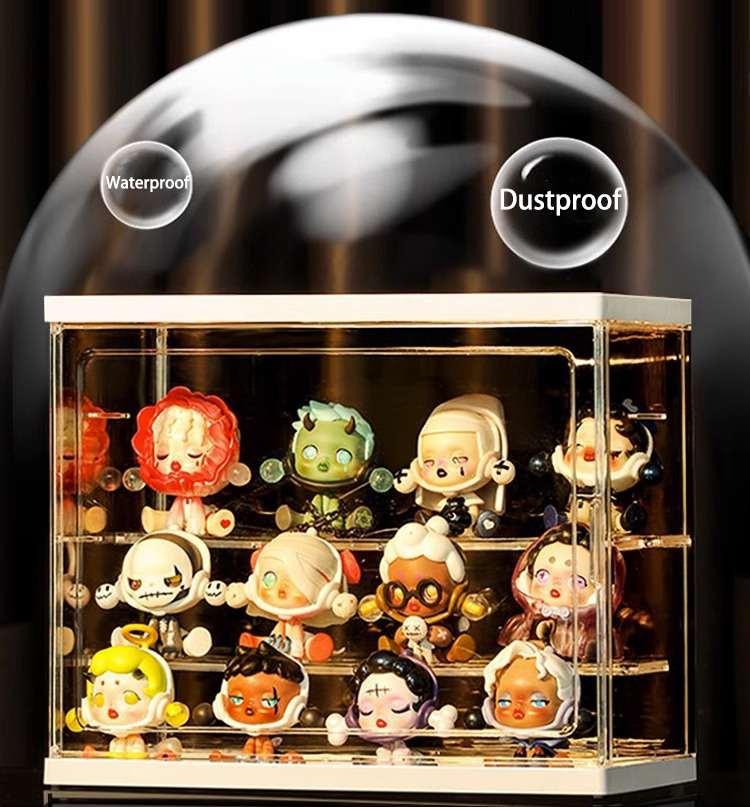
The checkout counter is the most valuable piece of real estate in any physical store, yet it is also the most vulnerable to inventory loss and product clutter. Retailers selling premium miniature items—such as high-end vape vaporizers, certified organic skincare drops, luxury fashion sunglasses, smart wearable watches, and rare gaming card slabs—face a difficult operational challenge. When these tiny, high-margin products are placed loosely on a flat checkout desk, they are easily swiped by shoplifters or damaged by customers dropping their heavy shopping bags onto the counter. Furthermore, constant handling leaves greasy fingerprints on delicate packaging, making luxury goods appear shop-worn and unappealing. Installing a dedicated countertop display case units system solves this checkout friction. By encapsulating these precious micro-goods inside a secure, transparent enclosure, stores keep their highest-margin inventory fully protected from scratches and theft while maintaining a pristine, gallery-like presentation.
Consumer shopping behavior studies show that the typical customer spends an average of seven to twelve seconds waiting at the cash wrap to pay for their purchases. This brief waiting window is the single most critical opportunity to capture impulse add-on purchases. If small products sit flat on the counter behind the register, the standing customer's line of sight passes completely over them. Using vertical countertop display case units elevates these miniature impulse items directly into the buyer's natural thirty-degree downward gaze. By stepping multiple shelves or tiers upward inside a compact nine-inch footprint, a tabletop showcase box lets retail planners showcase a complete flavor or color run of luxury items without crowding the credit card terminal. This visible abundance turns waiting time into active browsing, significantly raising average transaction values.
Choosing the base plastic for a high-traffic checkout showcase directly dictates how long the unit remains an asset to the storefront. Flimsy mass-market countertop display case units molded from polystyrene or thin PVC often feature visible injection lines and surface waves that distort the shape of products inside. Under standard retail fluorescent track lighting, these cheap plastics yellow and turn brittle within six months of store use. Premium commercial-grade showcase boxes are fabricated exclusively from five-to-eight-millimeter thick cell-cast acrylic sheets. Run through computer-controlled diamond-edge polishers, every cut face plate of the cast board turns completely transparent, allowing maximum ambient light to flood the interior shelves without casting dark green edges. This optical purity makes a tabletop showcase box practically invisible, focusing the shopper's attention entirely on the products inside.
Real-world commercial rollouts demonstrate how proper countertop presentation raises sales velocity and reduces product damage. An Italian designer eyewear boutique group operating eighty locations wanted to showcase its limited-edition acetate sunglasses next to cash registers. Previously, these luxury frames sat on open wooden trays, resulting in high rates of scratch damage from customer trial handling. The boutique installed custom countertop display case units featuring three rotating circular tiers, integrated low-voltage LED micro-spotlights, and rear-opening magnetic doors. The closed, illuminated tabletop showcase box cut frame replacement costs to zero while driving a thirty-four percent surge in high-ticket sunglasses purchases. In Belgium, a luxury confectionery brand used similar countertop display case units equipped with gold-anodized hardware to showcase single-origin chocolate truffles, lifting high-margin sweet sales by twenty-eight percent.
A professional countertop display case units cabinet is designed to withstand thousands of door openings over multi-year store lifetimes. Basic plastic boxes often suffer from cracked corners along the hinge lines after only a few weeks of customer or staff use. High-durability showcase designs avoid this vulnerability by using thick stainless steel piano hinges or recessed CNC-machined pivot pins bolted directly into the acrylic walls. Magnetic closure latches are integrated flush into the doors, pulling the panels closed with a secure, quiet snap to prevent dust from blowing inside. On the inside of the tabletop showcase box, CNC-routed acrylic slide-out trays equipped with custom felt-lined slots keep tiny cosmetics vials, watches, or e-cigarettes perfectly spaced and aligned toward the glass face, while non-marking anti-slip silicone pads on the bottom corner deck keep the entire cabinet firmly anchored on glass countertops.
Sourcing thousands of identical, commercial-grade checkout showcases on schedule for multinational brand expansions requires a manufacturer with advanced acrylic processing depth and tight quality control standards. YSY Display specializes in designing and fabricating custom countertop display case units that combine exceptional structural strength with crystal-clear brand presentation. Utilizing automated CNC engraving tables, large-format thermal line-benders, high-definition UV flatbed printers, and dust-free molecular bonding chambers, YSY Display turns product CAD guidelines into polished, physical prototypes within seventy-two hours. From lockable security display cases with keyed-alike brass cam locks to rotating product risers featuring integrated LED track lighting, YSY Display offers complete, direct-factory OEM manufacturing. Each tabletop showcase box ships individually wrapped in anti-scratch protective film inside reinforced, drop-tested compartmentalized export cartons, ensuring global retail chains receive pristine store fixtures ready for immediate deployment.
2026/10/30
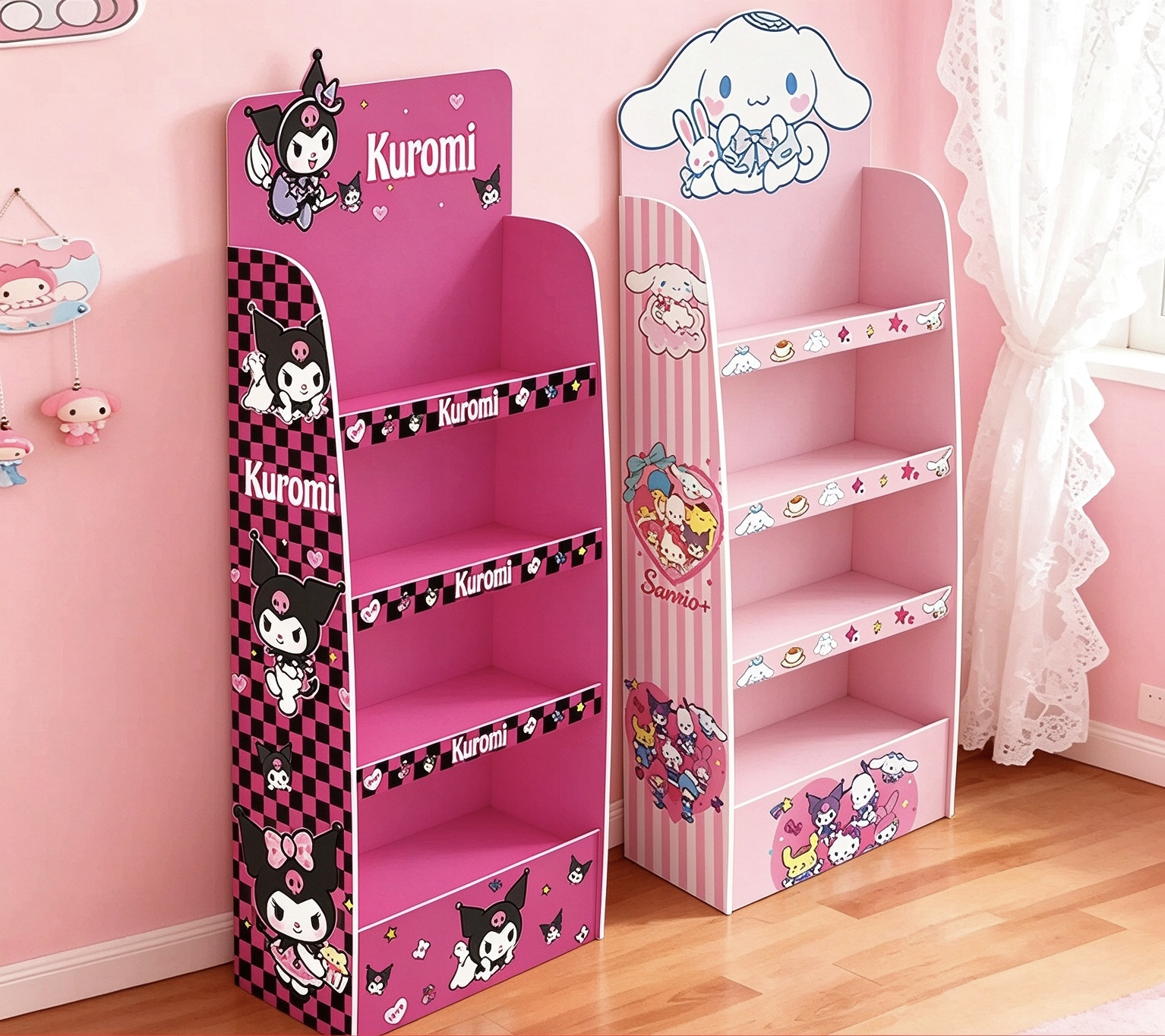
Elevate store environments with custom retail store displays. Learn how hybrid steel, cast acrylic, and wood fixtures build brand image and sales.
2026/10/30
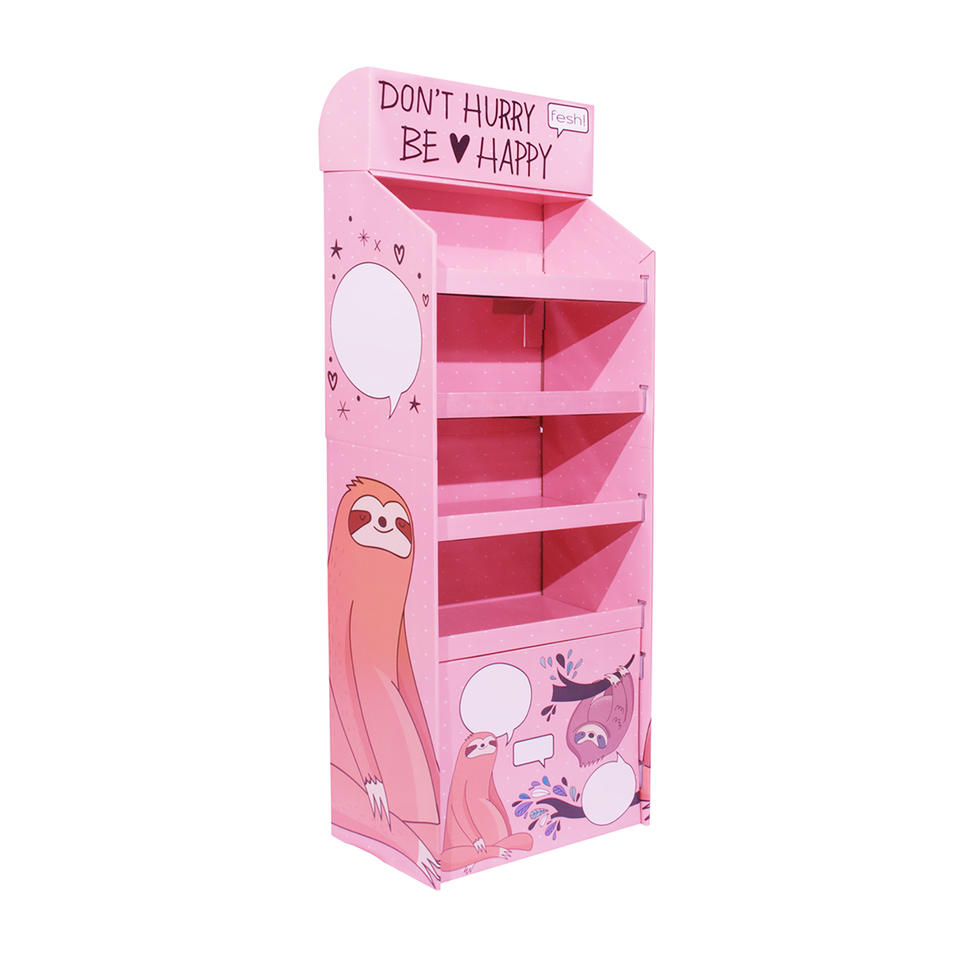
Maximize visual impact with cardboard display stands. See how high-ECT corrugated boards, flat-pack logistics, and rapid lock tabs lower marketing costs.
2026/10/30
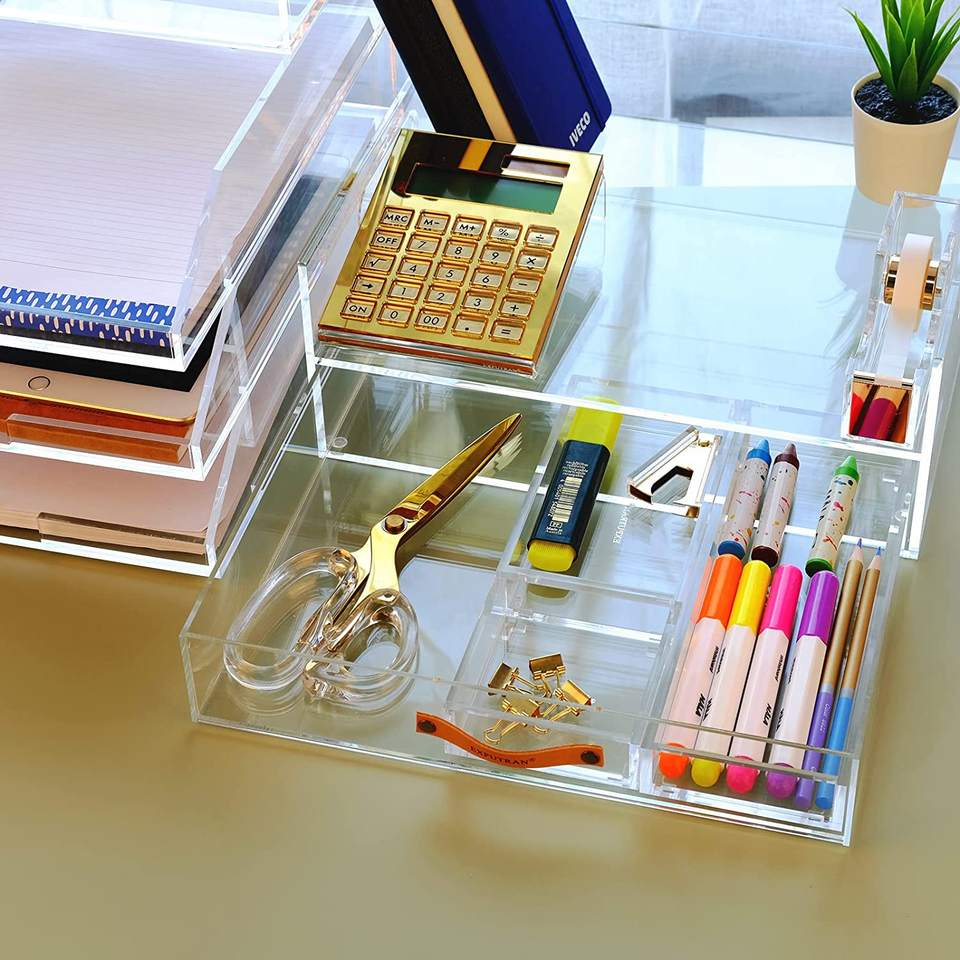
Elevate unboxing with a custom display box. Learn how rigid greyboards, G7-certified litho-printing, and high-density EVA foam protect premium goods.
2026/10/30
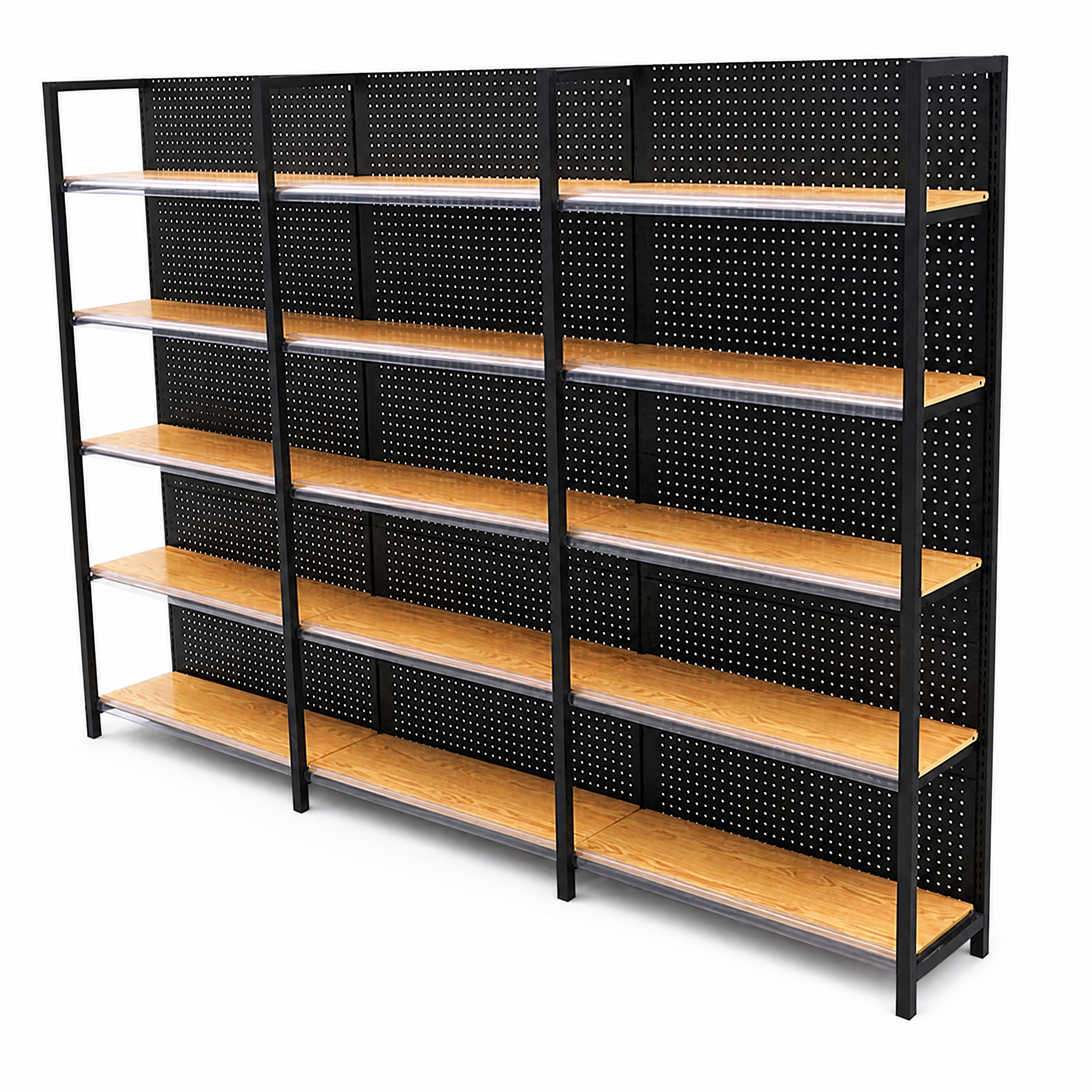
Optimize product flow with a heavy-duty Display Rack. Learn how cold-rolled Q235 steel frames, teardrop locks, and gravity flow decks cut pick times.
2026/10/30
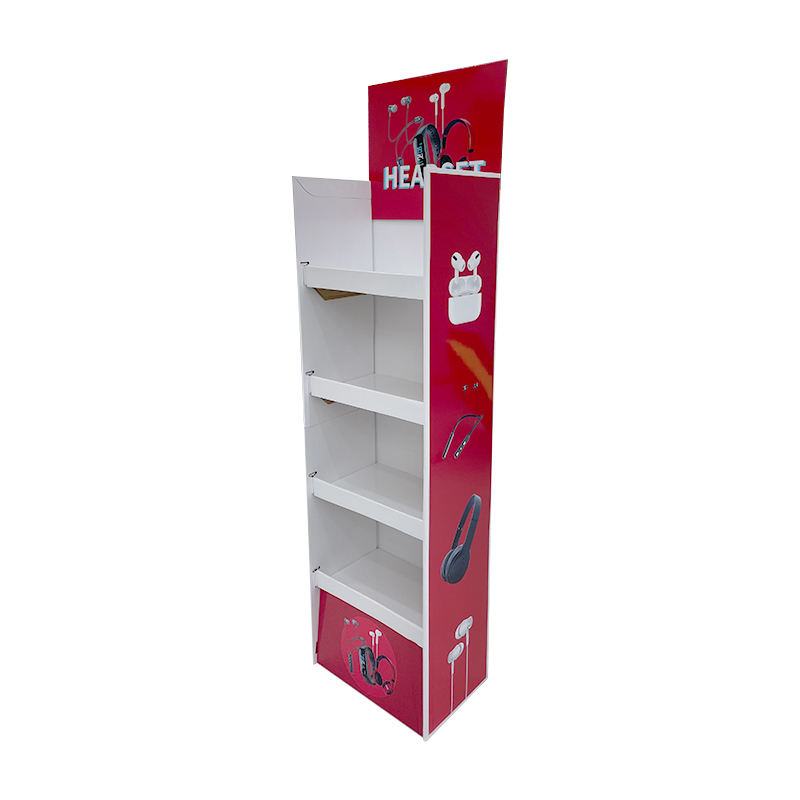
Boost retail sales with sustainable carton displays. Learn how FSC corrugated boards and eco-friendly soy inks cut carbon footprints and waste fees.
Follow our brand-latest updates, including key-client cooperation, trade-fair activities and daily-life snapshots of our factory-team.

Enhance the retail experience with custom makeup display stands, providing both functionality and modern aesthetics for cosmetic brands.

Upgrade your products’ shelf appeal and protection with innovative gift box packaging designed for cosmetics, electronics, and accessories.

Promote your brand with advertising display racks, featuring flexible configurations for showrooms, events, and point-of-sale promotions.
Comprehensive design, prototyping, and logistics for global custom display stand demands

Communicate your display size, material, structure, brand logo and store-scene requirements.
Produce renderings and structural drawings, optimize shelf layout, dooropening style and detailstructure.

Make physical prototype, test stability, appearance and assembly effect, modify details as your feedback.

Start formal mass-production after sample approval, strictly control quality, packaging and delivery cycle.