EN
Requirement Consultation
Communicate your display size, material, structure, brand logo and store-scene requirements.

2026/10/24
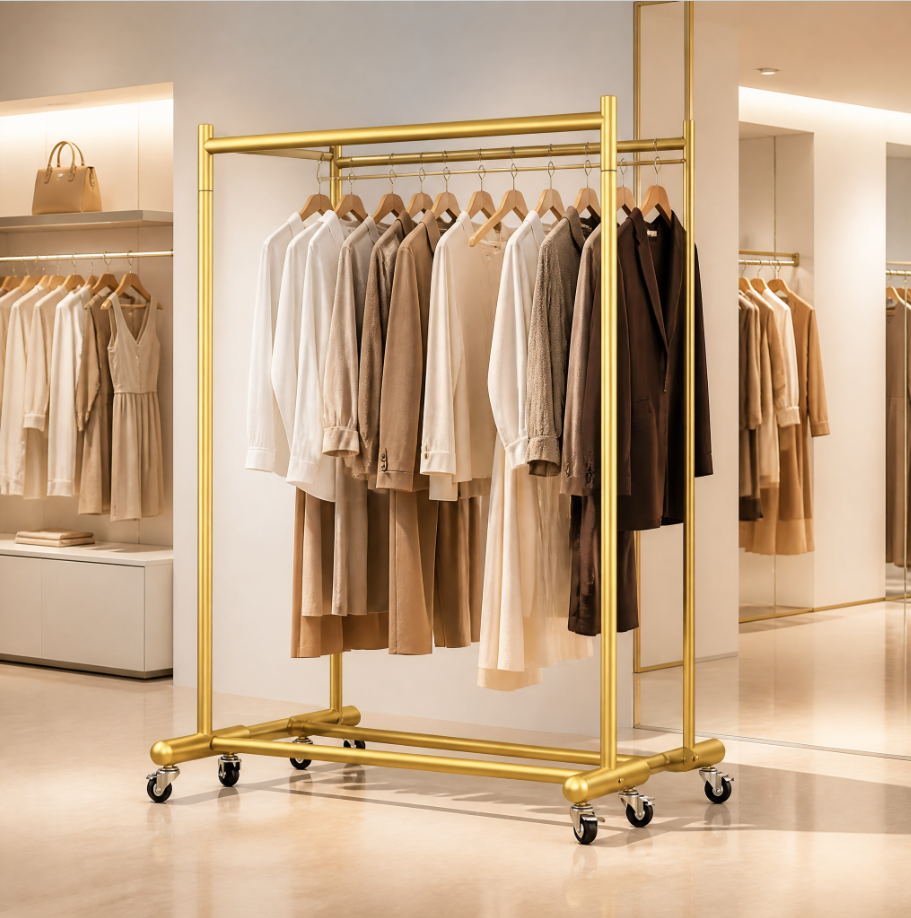
Modern fashion retail environments depend heavily on intelligent spatial organization to maximize revenue per square foot and guide customer browsing journeys. When boutique owners and department store merchandising directors select display fixtures, they face balancing visual lightness against heavy commercial load bearing capacities. Poorly engineered clothing display racks often buckle under seasonal winter coats, develop wobbly bases on commercial carpets, and present rigid configurations that complicate rapid inventory turnover. When merchandise hangs in cramped clusters, shoppers struggle to inspect fabric textures and examine garment silhouettes, leading directly to abandoned browsing sessions. Selecting commercial retail clothing racks requires engineering foresight regarding shopper foot traffic flow, optimal reach heights, and merchandising density. Apparel displays must showcase collections as cohesive style narratives rather than warehouse surplus stock. By integrating dynamic store garment racks suited to specific room layouts, apparel brands eliminate spatial dead zones, optimize eye-level product positioning, and establish clear circulation paths that convert window shoppers into paying apparel buyers.
Freestanding central floor fixtures serve as primary navigation beacons within commercial fashion boutiques, dividing expansive open layouts into defined product lifestyle zones. Contemporary clothing display racks utilize versatile geometries, including two-way stands, four-way display units, and circular spinners that invite tactile interaction from multiple approach angles. Two-way units provide focused product storytelling for premium designer pieces, displaying garments frontally to showcase necklines, embroideries, and tailored cuts. In contrast, four-way commercial apparel racks allow visual merchandisers to present coordinated outfits combining tops, bottoms, outerwear, and accessories on an individual floor footprint. Upgrading to architectural fashion display fixtures featuring varying height tiers creates visual hierarchy across center-floor layouts, eliminating monotony across open store floors. Properly spaced freestanding retail clothing racks maintain minimum sixty-centimeter clearance corridors, enabling smooth store traffic flow without aisle overcrowding. These mobile floor units allow retail staff to reconfigure store merchandising layouts overnight in response to new arrivals or flash sales events, maximizing retail agility across dynamic seasonal fashion cycles.
While central floor units capture immediate attention, perimeter wall surfaces generate the highest visual impact and accommodate maximum SKU stocking densities. Implementing perimeter clothing display racks converts unused vertical masonry into high-earning apparel display zones. Professional wall-mounted store garment racks incorporate concealed slotted vertical standards, forward-facing waterfall hanging arms, and lateral hanging bars that adjust across vertical height increments. This modular adaptability allows store associates to swap between side-hanging high density configurations and face-out lifestyle presentations within seconds without specialty tools. Structural engineering in commercial apparel racks must account for significant cantilevered weights, particularly when supporting heavy wool overcoats, denim collections, and layered winter knitwear. High strength steel brackets anchored into concrete or structural studs distribute downward shear stress evenly, preventing wall deformation during heavy holiday merchandising rushes. By raising merchandise toward upper visual planes, wall mounted fashion display fixtures draw customer sightlines through retail interiors, encouraging deep store circulation and boosting overall sales per square foot.
The mechanical lifespan of fashion hardware depends directly upon structural substrate selection and industrial grade surface finishing technologies. Commercial grade clothing display racks undergo continuous physical wear from metallic clothes hangers, frequent garment sliding, and accidental impacts from cleaning machinery. Fabricating heavy duty retail clothing racks requires structural grade cold-rolled carbon steel tubing or architectural stainless steel, delivering load capacities exceeding eighty kilograms per hanging bar without center sag. Inferior fixtures constructed from thin low-gauge stamped metal quickly loosen at mechanical joints, resulting in unsightly structural leaning that undermines store luxury aesthetics. High-end fashion display fixtures utilize electroplated architectural finishes, including brushed brass, champagne gold, and mirror chrome, protected with electro-phoretic clear sealers that resist tarnishing. Alternatively, thermoset electrostatic powder coatings offer exceptional resistance against chipping and hanger abrasion, maintaining pristine white, matte black, or customized brand color schemes over years of heavy daily foot traffic. Robust store garment racks feature weighted bases with adjustable leveling glides, ensuring absolute balance across uneven tile or hardwood boutique floors.
Upgrading retail display hardware delivers measurable commercial returns by boosting customer dwell time and increasing average checkout values. A prominent multi-store contemporary apparel brand conducted a comprehensive spatial merchandising audit across thirty retail locations, comparing traditional static pipe racks with modular clothing display racks featuring integrated timber shelving accents. Stores utilizing updated fashion display fixtures recorded an immediate 22 percent increase in average shopper dwell time, alongside an 18 percent rise in multi-item transaction volumes. The modular flexibility of these modern retail clothing racks reduced seasonal changeover labor from eight work hours down to ninety minutes per store department, yielding substantial operational savings across quarterly fashion resets. Furthermore, the updated commercial apparel racks enabled front-facing garment displays that elevated cross-merchandising opportunities between jackets and coordinating accessories. This real-world store deployment confirms that high-performing store garment racks function as powerful silent sales engines that enhance brand prestige while driving continuous physical retail sales conversions.
Translating ambitious fashion concepts into durable, scalable retail fixtures requires deep engineering capabilities and manufacturing flexibility. YSY Display delivers end-to-end design, prototyping, and mass production solutions for leading apparel retailers, boutique brands, and global department store chains. The production infrastructure at YSY Display houses precision fiber laser tube cutters, automated multi-axis CNC bending systems, robotic welding stations, and specialized electrostatic coating workshops. Engineering teams at YSY Display specialize in developing bespoke clothing display racks that balance artistic brand aesthetics with practical knocked-down packaging architectures. By designing flat-packed retail clothing racks featuring tool-free quick-lock assembly hardware, YSY Display reduces international ocean shipping volumes by up to 35 percent while cutting local store installation expenses. Whether a brand requires sleek minimalist store garment racks for a luxury flagship rollout or thousands of modular commercial apparel racks for nationwide expansion, YSY Display provides the manufacturing scale, quality control, and global logistics reliability needed to elevate physical fashion retail worldwide.
2026/10/30
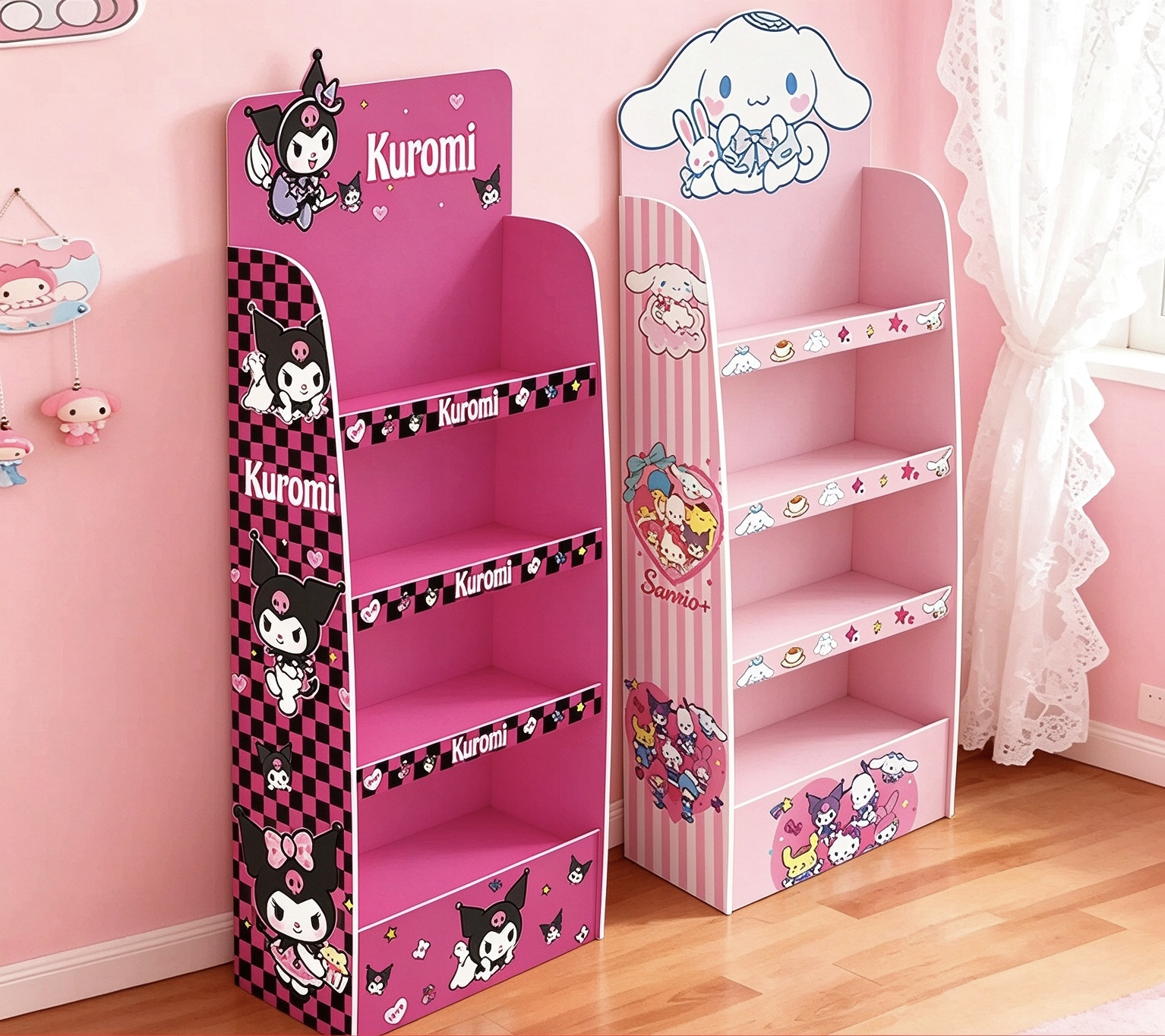
Elevate store environments with custom retail store displays. Learn how hybrid steel, cast acrylic, and wood fixtures build brand image and sales.
2026/10/30
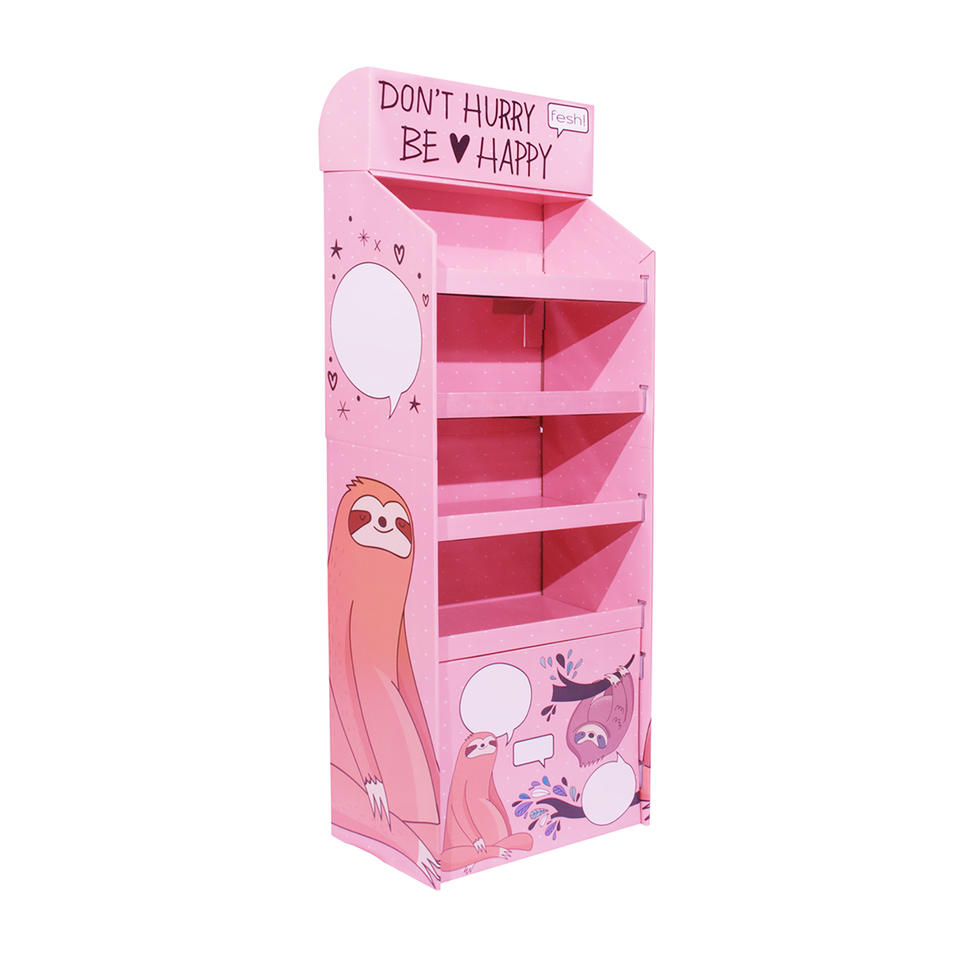
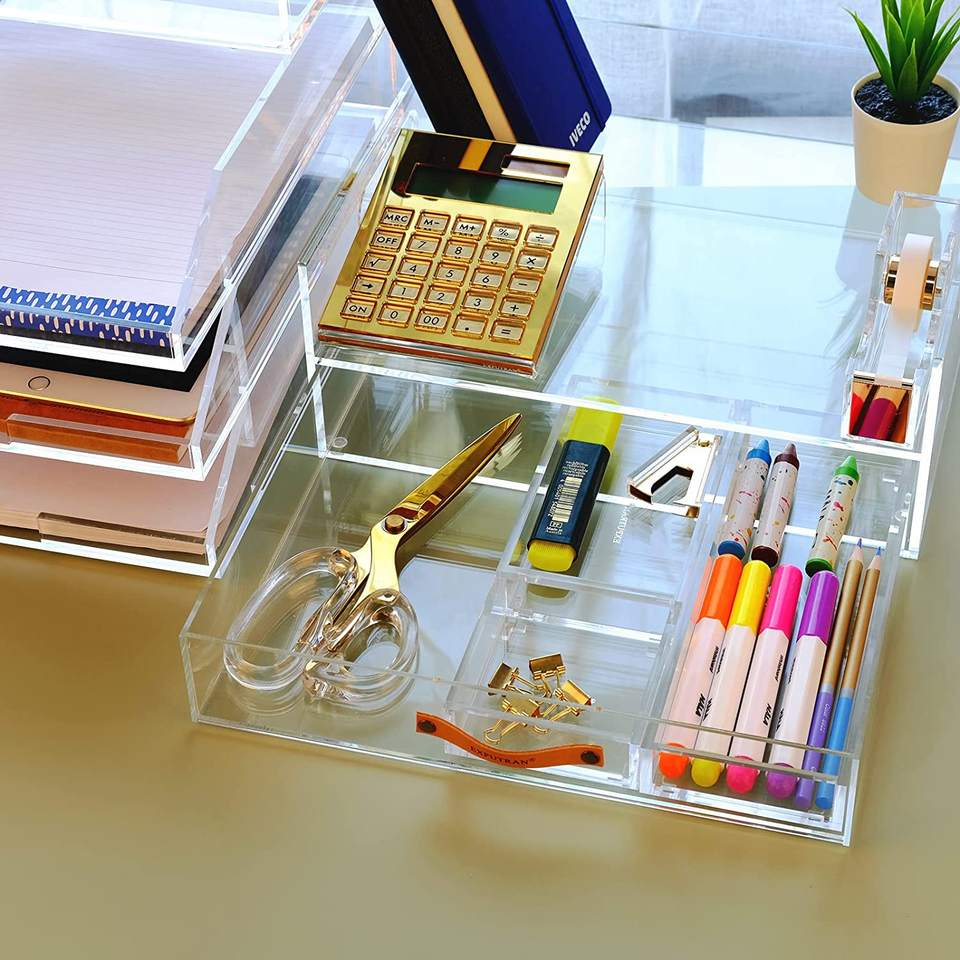
Maximize visual impact with cardboard display stands. See how high-ECT corrugated boards, flat-pack logistics, and rapid lock tabs lower marketing costs.
2026/10/30
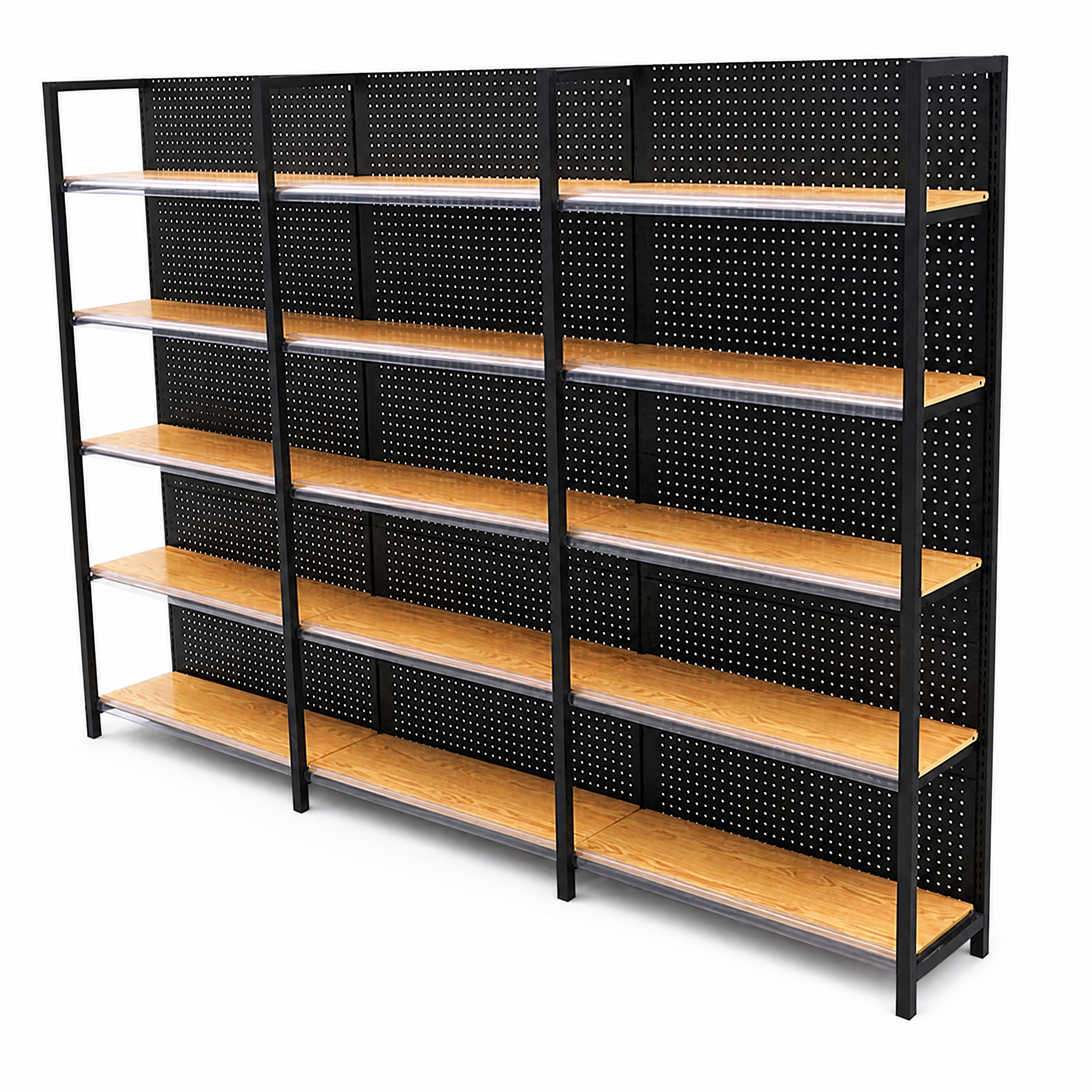
Elevate unboxing with a custom display box. Learn how rigid greyboards, G7-certified litho-printing, and high-density EVA foam protect premium goods.
2026/10/30
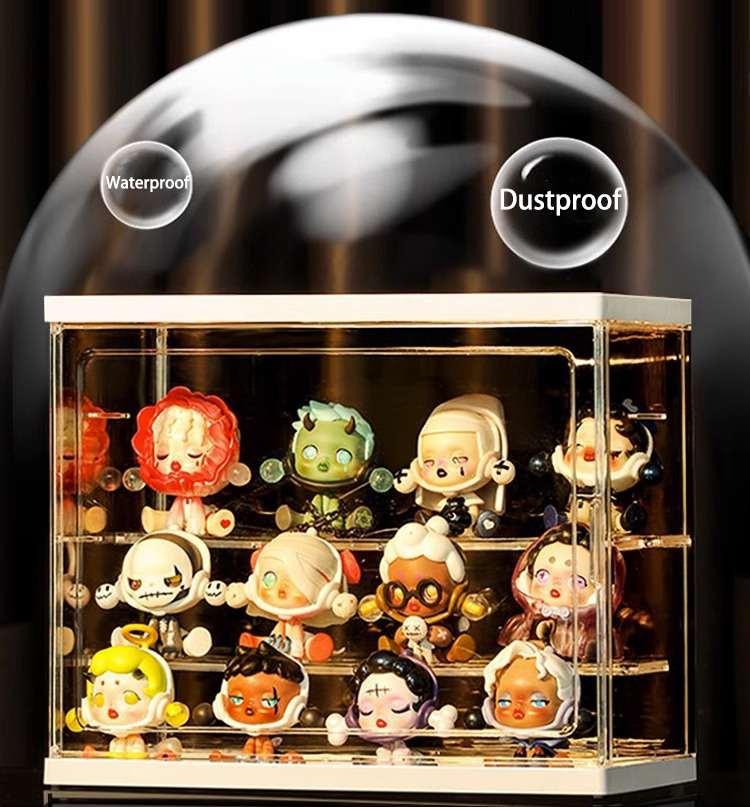
Optimize product flow with a heavy-duty Display Rack. Learn how cold-rolled Q235 steel frames, teardrop locks, and gravity flow decks cut pick times.
2026/10/30
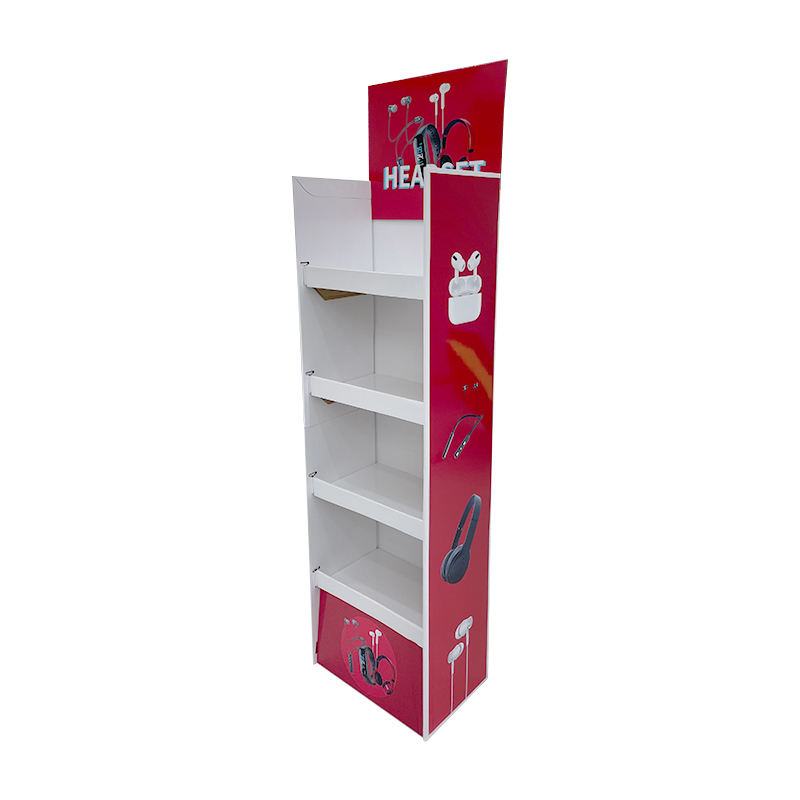
Secure premium micro-goods with countertop display case units. See how diamond-polished cast acrylic and magnetic lock latches boost impulse sales.
2026/10/30
Boost retail sales with sustainable carton displays. Learn how FSC corrugated boards and eco-friendly soy inks cut carbon footprints and waste fees.
Follow our brand-latest updates, including key-client cooperation, trade-fair activities and daily-life snapshots of our factory-team.

Enhance the retail experience with custom makeup display stands, providing both functionality and modern aesthetics for cosmetic brands.

Upgrade your products’ shelf appeal and protection with innovative gift box packaging designed for cosmetics, electronics, and accessories.

Promote your brand with advertising display racks, featuring flexible configurations for showrooms, events, and point-of-sale promotions.
Comprehensive design, prototyping, and logistics for global custom display stand demands

Communicate your display size, material, structure, brand logo and store-scene requirements.
Produce renderings and structural drawings, optimize shelf layout, dooropening style and detailstructure.

Make physical prototype, test stability, appearance and assembly effect, modify details as your feedback.

Start formal mass-production after sample approval, strictly control quality, packaging and delivery cycle.