EN
Requirement Consultation
Communicate your display size, material, structure, brand logo and store-scene requirements.

2026/09/23
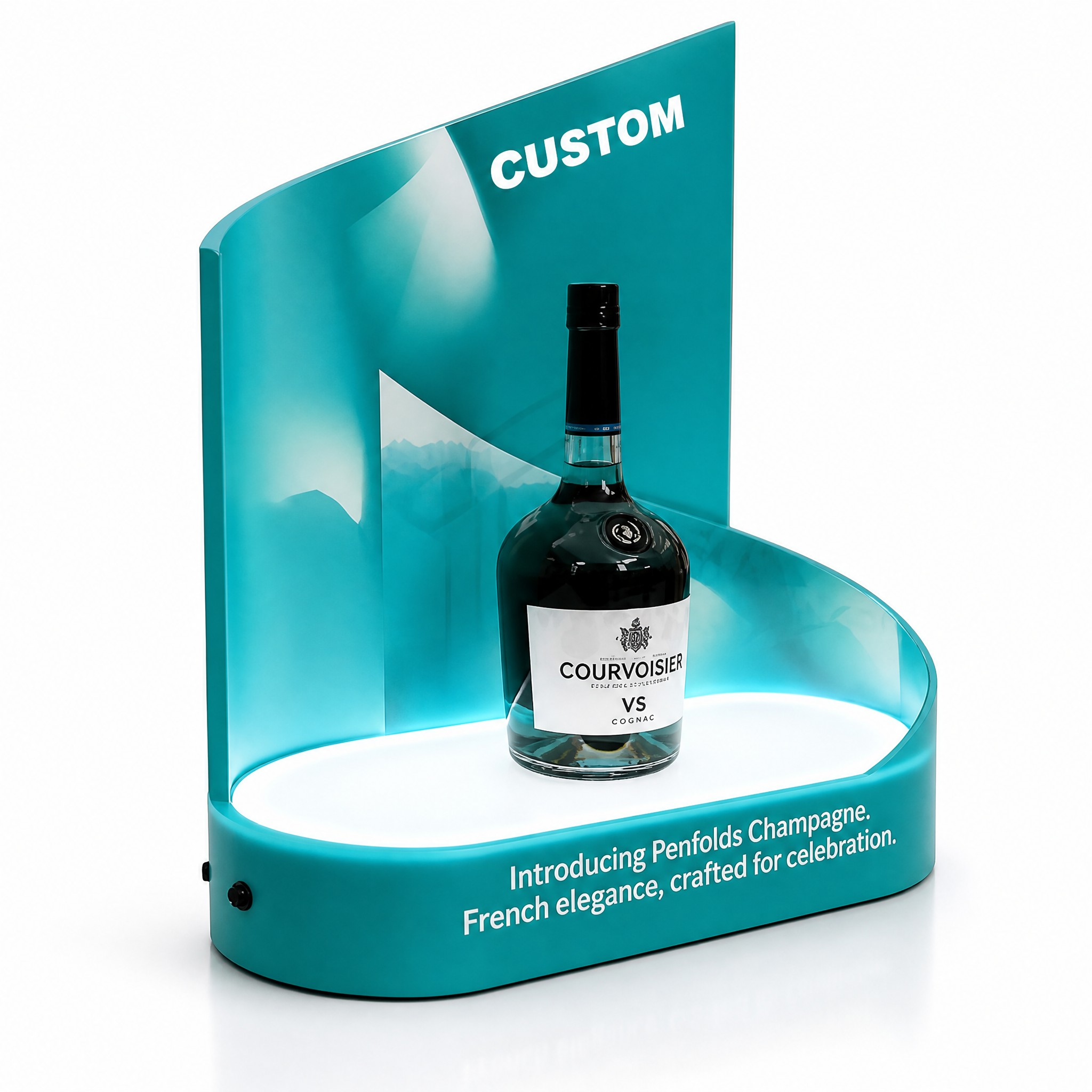
Most custom display stands begin life as something far less polished than a CAD file. A buyer photographs a competitor's counter or mails one sample with a note about capacity. That is workable, which is why a display stand supplier with factory experience rarely asks for more. Three inputs shape every draft: merchandise weight, the aisle space a retailer will surrender, and how the brand mark reads from six feet away. Send those with a rough quantity and budget band, and custom display stands can be quoted alongside a 3D scene rendering inside 48 hours, whether the brief points to acrylic display stands, floor display stands, point of purchase displays or a welded frame. Sketch-stage quoting keeps custom display stands affordable for small chains, and the same custom display stands brief usually costs less to revise than to restart.
Engineers settle joint types, panel thickness and reinforcement points first, because those choices decide whether floor display stands survive ten-kilogram cartons or only featherweight sachets. Corrugated builds use die-cut interlocking tabs, the usual pattern for floor display stands under four hundred grams per shelf, polymer builds depend on solvent-welded seams, and metal builds use bent tube frames with powder coating, which is what heavy point of purchase displays in industrial retail need. Material choice for custom display stands stays a commercial decision dressed in aesthetic clothing, and a display stand supplier ends up explaining that trade-off to a buyer who wanted a pretty counter. A snack brand shipping light pouches rarely needs welded steel, while a hardware brand stacking boxed tools onto floor display stands covering two square meters does, so that project specifies custom display stands with a welded base and acrylic display stands for the sample tier. A display stand supplier who also engineers the base saves a revision cycle.
Performance gaps between substrates never show up in photographs. Cast acrylic sheet keeps its optical clarity and resists yellowing for years, which matters when the product is the hero: perfume bottles, eyewear, collectible cards. Recyclable corrugated board wins on freight, shipping flat and assembling on site, trimming container volume by sixty percent against rigid acrylic display stands. Weight tolerance, assembly labor, print area and recycling pull in different directions, so no substrate, from acrylic display stands to coated steel, wins everywhere. Sampling settles that faster than any spreadsheet: point of purchase displays in hand within five to seven days beat a specification sheet. Programs mix substrates deliberately, using acrylic display stands for the hero tier, a second run of acrylic display stands above the counter, a third bank of acrylic display stands on the end cap, floor display stands carrying the bulk stack, and point of purchase displays built from tube frames at the entrance. Custom display stands win whenever one unit must survive several seasons, while custom display stands bought for a single promotion rarely repay their tooling, and custom display stands ordered for a whole chain usually do. Point of purchase displays chosen the same way last just as long, and a display stand supplier who samples before tooling cuts that risk out.
Budget talks get easier once tooling, unit cost and freight are separated. Tooling is a one-time charge, and unit price falls as volume climbs, with breaks at five hundred and two thousand pieces. Freight favors flat-packed cardboard and knock-down metal, and every centimeter trimmed from carton height compounds across pallets, which matters most for floor display stands shipping as bulky single units. Bulk production of point of purchase displays runs fifteen to twenty-five days after sample sign-off. Point of purchase displays that land late cost more than units landing slightly over budget, so point of purchase displays need a realistic calendar in the brief and a display stand supplier who quotes tooling and freight separately. Buyers repeating this pattern reuse tooling, while custom display stands built on a modular core keep mould cost near zero, and floor display stands sharing that core cut tooling again. That is how a display stand supplier wins the second order, with custom display stands still fitting a new product line two years later, which is the whole point of custom display stands, and the reason custom display stands get specified before artwork is ever discussed.
Placement decides whether merchandise gets noticed in the final meter before the register. POPAI research has long held that a large share of purchase decisions happen inside the store, and NielsenIQ retail execution reporting keeps showing that products missing their intended position lose share to properly presented competitors. A skincare brand swapping flat shelving for angled tiered risers recorded a twenty-three percent lift in units per transaction in a twelve-door pilot. A convenience chain replaced dark wooden tobacco counters with a lit point of purchase display and watched attach rates climb. Card shops lean on stepped acrylic display stands to hold rare pulls at eye level, which shortens browsing and cuts handling damage. Exhibition teams use knock-down metal point of purchase displays that survive repeated freight, and show organizers increasingly order custom display stands for the same reason. Grocery buyers keep floor display stands near the checkout, and warehouse clubs park floor display stands mid-walkway, since a stacked pallet at the end of a run outsells a shelf. Custom display stands earn their budget in those spots, which is why custom display stands belong in the floor plan meeting where a display stand supplier sits before a price is agreed.
Moving a program from drawing to shelf usually fails on coordination, not design. Splitting acrylic, cardboard, metal and LED across four vendors multiplies lead time, quality variance and freight cost, which is the gap Guangzhou Yishengyuan Display Supplies Co., Ltd was built to close. It has produced custom display stands and point of purchase displays since 2016 in an 8,000 square meter Guangzhou workshop, with CNC cutting, metal bending and LED assembly under one roof and more than 120 production and engineering staff. In-house testing of acrylic display stands, floor display stands and metal point of purchase displays covers load bearing, drop resistance and UV aging, and documentation spans FSC, ISO, CE and RoHS requirements. Standard custom display stands start at MOQ one piece, while fully custom display stands and bespoke acrylic display stands usually land between fifty and five hundred units, since custom display stands are priced by material rather than brand name. One factory handling the whole build keeps point of purchase displays on schedule, and that is where custom display stands become commercial leverage.
2026/10/30
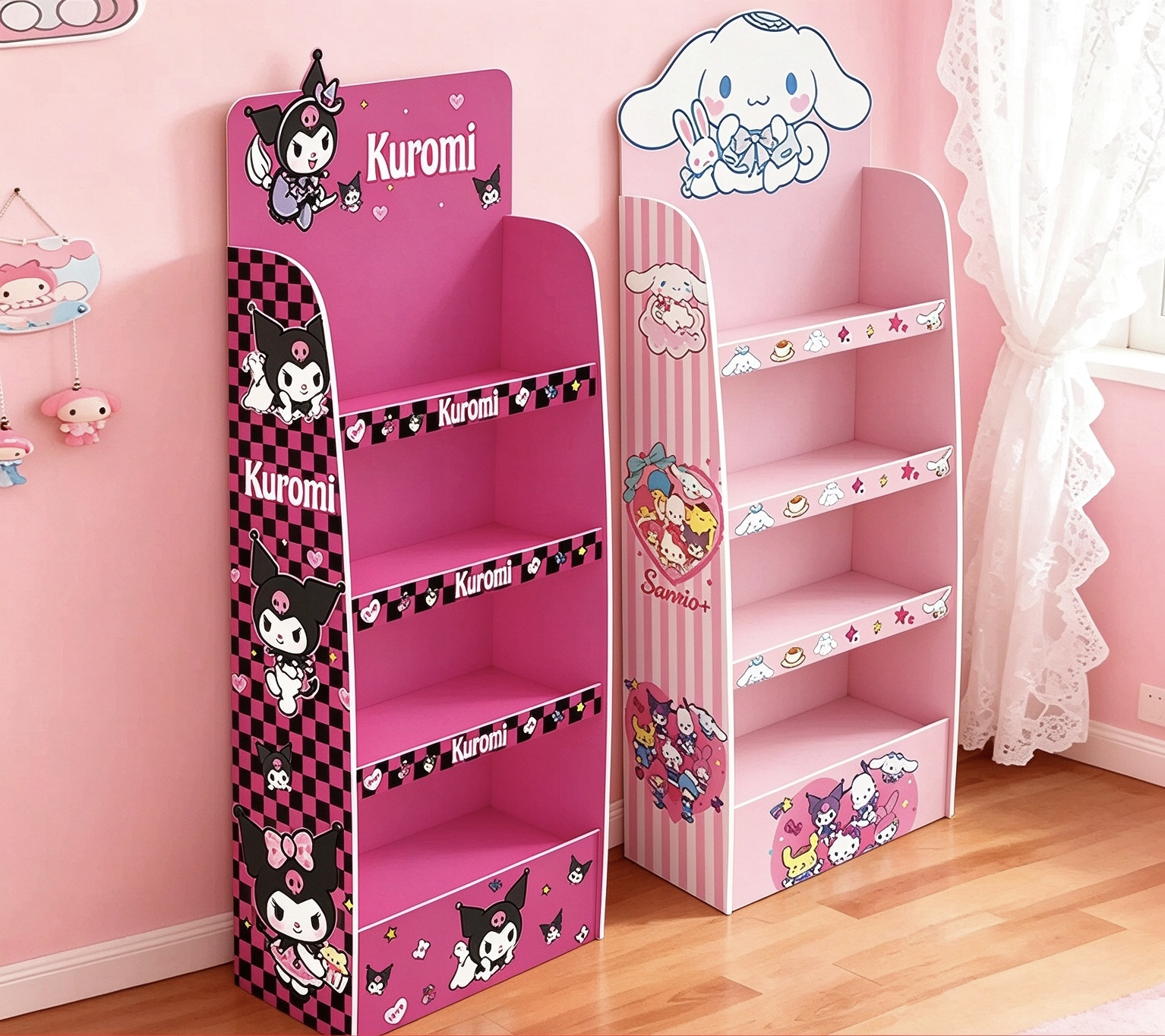
Elevate store environments with custom retail store displays. Learn how hybrid steel, cast acrylic, and wood fixtures build brand image and sales.
2026/10/30
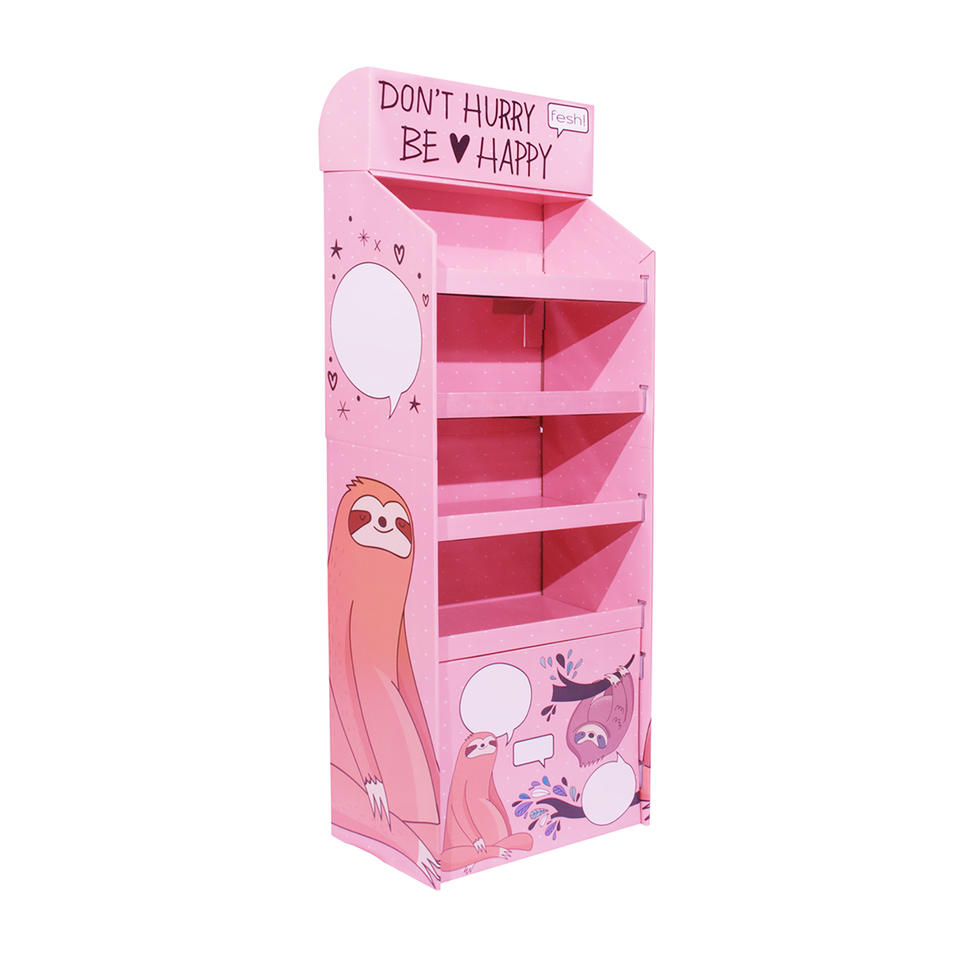
Maximize visual impact with cardboard display stands. See how high-ECT corrugated boards, flat-pack logistics, and rapid lock tabs lower marketing costs.
2026/10/30
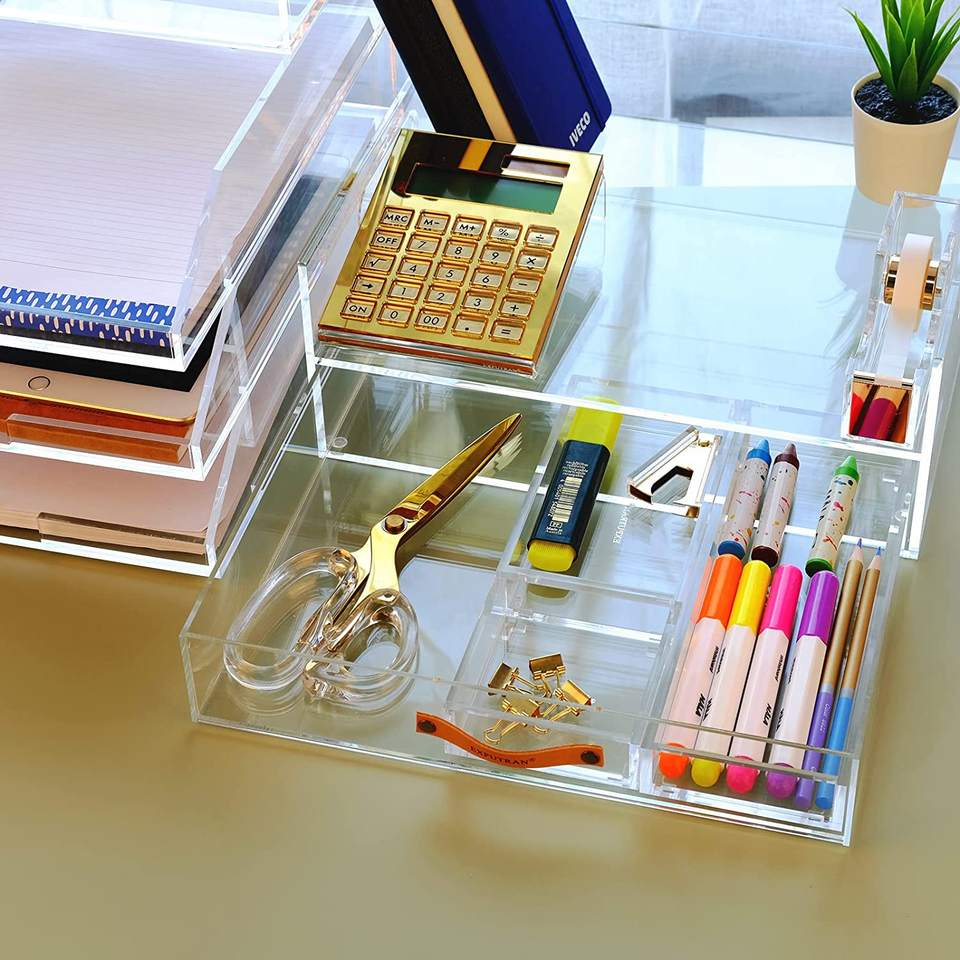
Elevate unboxing with a custom display box. Learn how rigid greyboards, G7-certified litho-printing, and high-density EVA foam protect premium goods.
2026/10/30
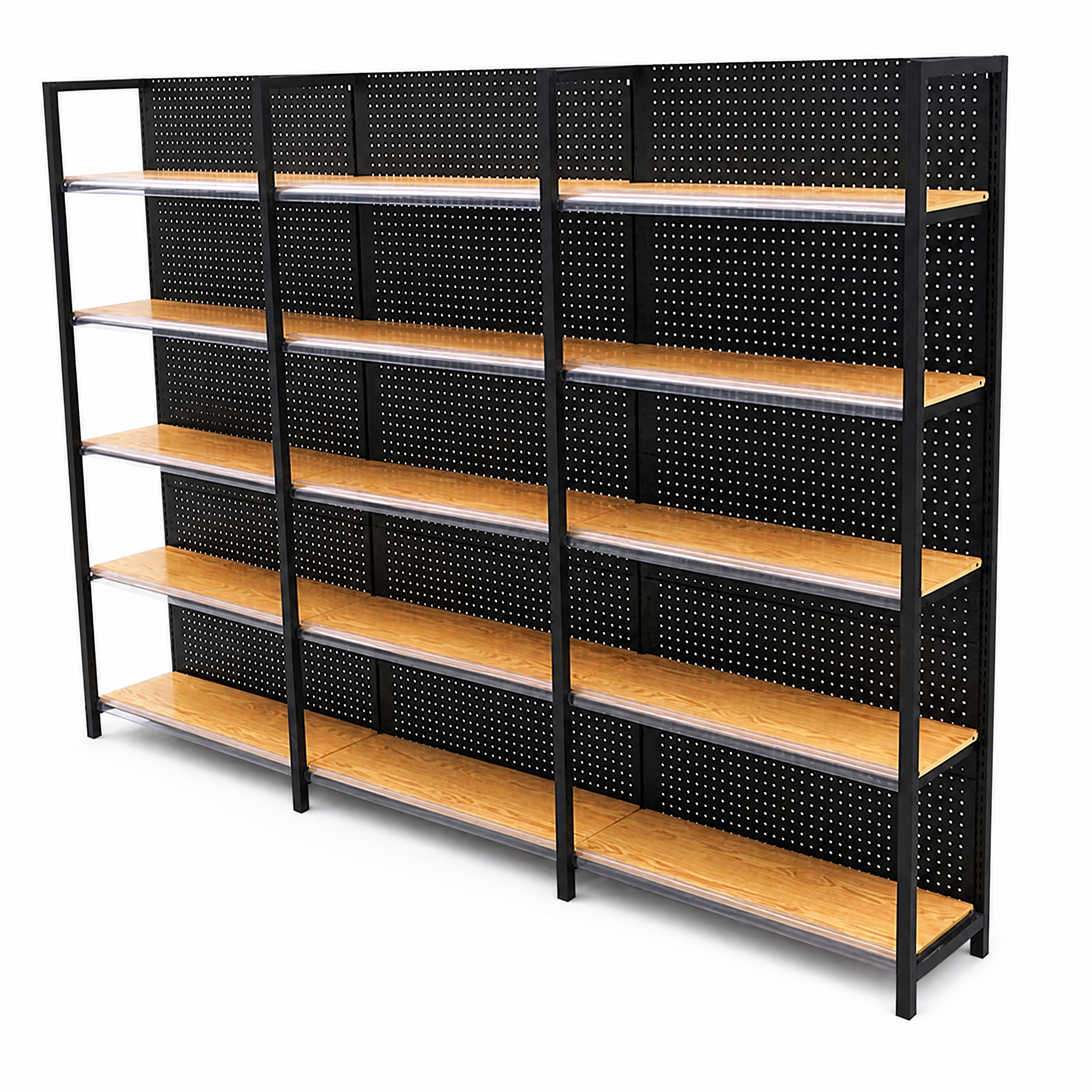
Optimize product flow with a heavy-duty Display Rack. Learn how cold-rolled Q235 steel frames, teardrop locks, and gravity flow decks cut pick times.
2026/10/30
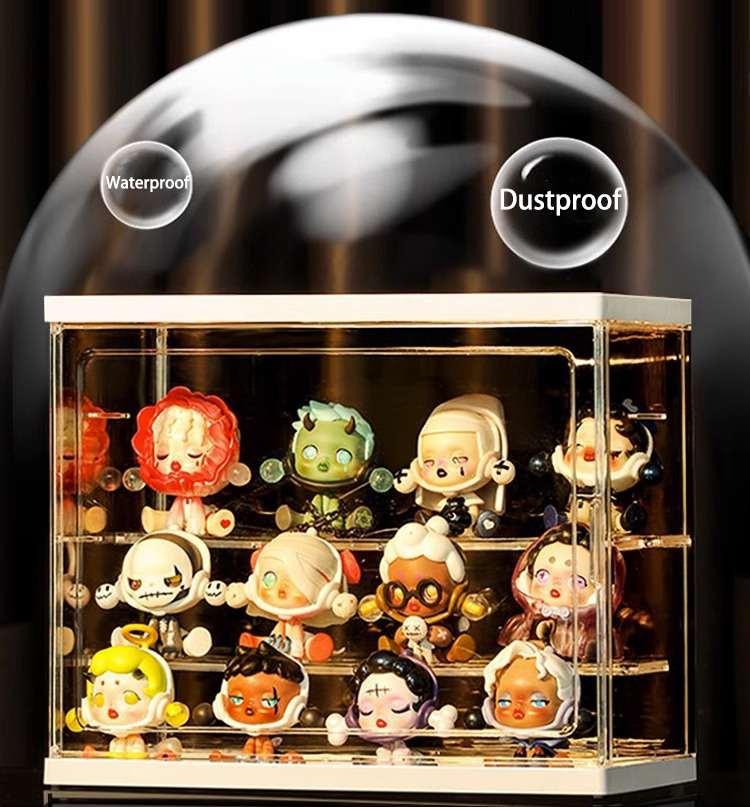
Secure premium micro-goods with countertop display case units. See how diamond-polished cast acrylic and magnetic lock latches boost impulse sales.
2026/10/30
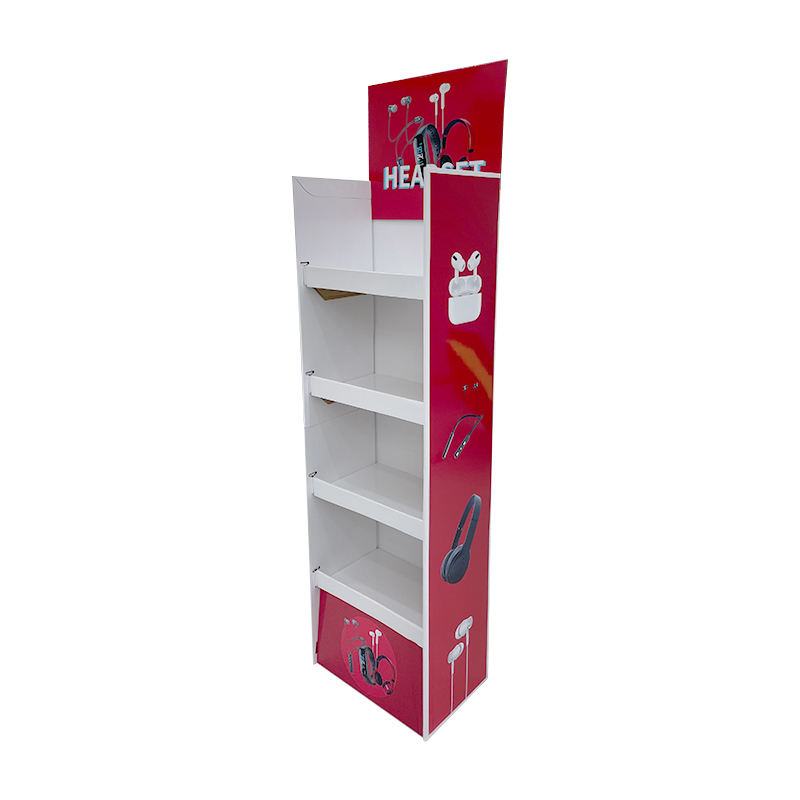
Boost retail sales with sustainable carton displays. Learn how FSC corrugated boards and eco-friendly soy inks cut carbon footprints and waste fees.
Follow our brand-latest updates, including key-client cooperation, trade-fair activities and daily-life snapshots of our factory-team.

Enhance the retail experience with custom makeup display stands, providing both functionality and modern aesthetics for cosmetic brands.

Upgrade your products’ shelf appeal and protection with innovative gift box packaging designed for cosmetics, electronics, and accessories.

Promote your brand with advertising display racks, featuring flexible configurations for showrooms, events, and point-of-sale promotions.
Comprehensive design, prototyping, and logistics for global custom display stand demands

Communicate your display size, material, structure, brand logo and store-scene requirements.

Produce renderings and structural drawings, optimize shelf layout, dooropening style and detailstructure.

Make physical prototype, test stability, appearance and assembly effect, modify details as your feedback.

Start formal mass-production after sample approval, strictly control quality, packaging and delivery cycle.