EN
Requirement Consultation
Communicate your display size, material, structure, brand logo and store-scene requirements.

2026/10/10
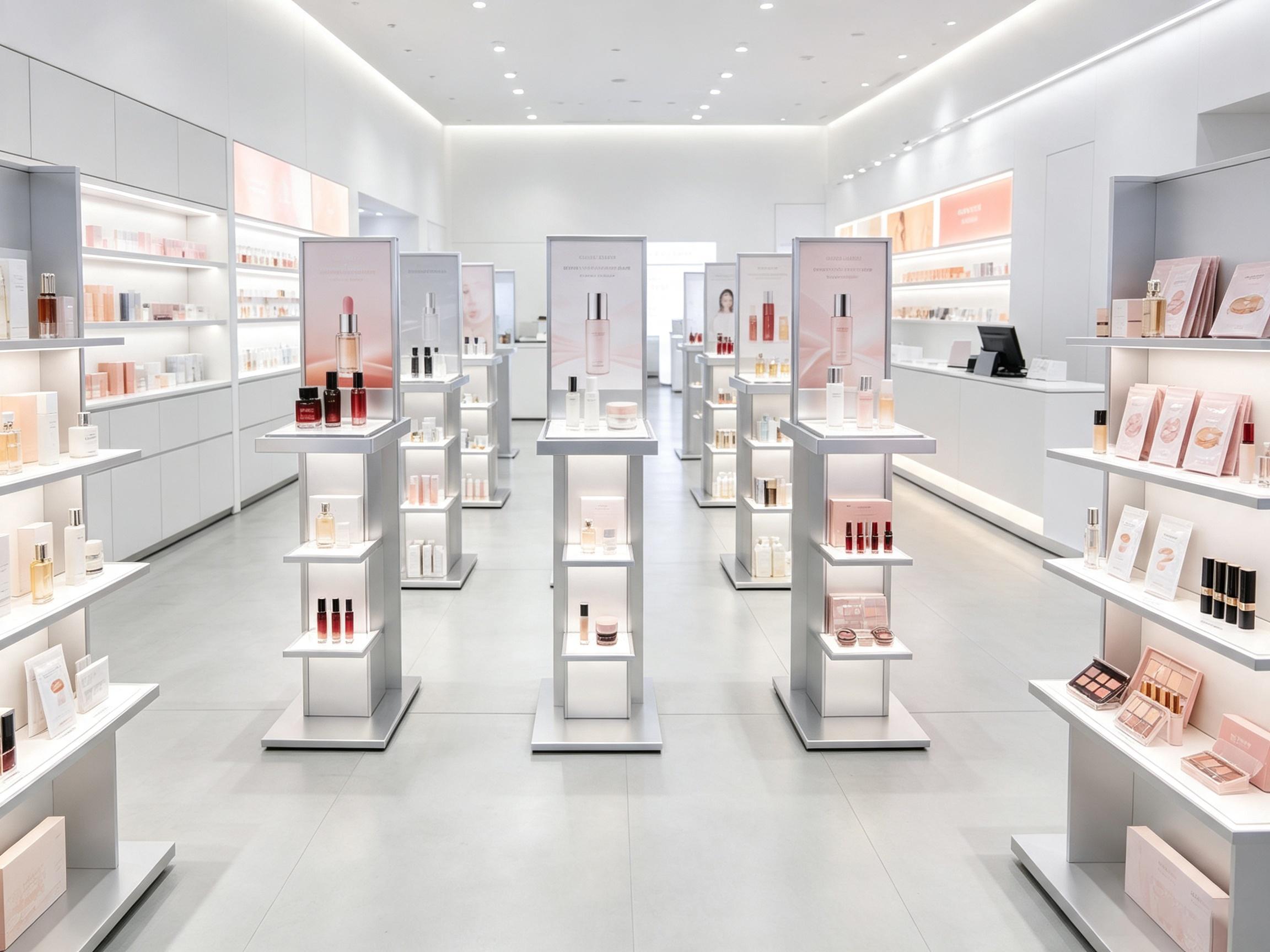
The initial transition from the bustling outside street into a brick-and-mortar storefront represents the most fragile phase of the in-store customer journey. Environmental psychologists refer to the first three to five meters inside the entrance as the decompression zone. When prospective shoppers cross this threshold, their sensory receptors are still adjusting to ambient lighting, background acoustics, and room temperature. Retail operators who crowd this entryway with dense displays frequently trigger visual blindness; hurried visitors instinctively bypass merchandise placed right at the door. To correct this, successful merchandising requires placing primary display stands for retail stores beyond this introductory buffer. Positioning welcoming, low-profile commercial retail display stands at least four meters back allows arriving guests to orient themselves naturally, survey available pathways, and comfortably slow their walking pace.
Empirical observations across specialty retail environments prove that granting shoppers adequate visual breathing space upon arrival increases subsequent browsing depth by more than 25%. When customers do not feel immediately cornered by merchandise, they exhibit lower physiological tension and open themselves to voluntary exploration. Utilizing approachable display stands for retail stores to frame broad entry aisles creates a visual funnel that directs attention toward deeper boutique zones. By anchoring the perimeter with durable retail store shelving and keeping central sightlines unobstructed, store planners establish an inviting transition that converts outdoor pedestrians into receptive, relaxed shoppers.
The physical interaction between a shopper and a merchandise fixture is governed by biomechanical reach envelopes rather than simple aesthetic preference. Fixtures that require customers to bend uncomfortably or stretch awkwardly create physical friction that quickly dampens purchasing interest. In professional spatial planning, the vertical plane is divided into specific ergonomic tiers: the prime strike zone located between waist and shoulder height, the secondary extension zone above eye level, and the bulk storage zone below knee level. Placing key visual items on specialized merchandising display stands within this primary strike zone dramatically lowers the effort required to examine an item, directly accelerating buying velocity.
Accessibility guidelines and universal design standards dictate that primary shopping corridors maintain a minimum turning clearance of 1.2 to 1.5 meters. Narrow passages make customers fearful of brushing against shelves or blocking fellow shoppers, a psychological phenomenon known as the butt-brush effect that abruptly terminates browsing sessions. Configuring commercial retail display stands with compact base profiles and rounded exterior corners ensures fluid cart navigation and wheelchair accessibility. Furthermore, equipping retail store shelving with stepped cantilever brackets allows lower tiers to receive adequate illumination from overhead ambient light. When display stands for retail stores respect human physical limitations, customers interact with merchandise longer, inspecting product textures with greater confidence.
Maximizing transaction values requires moving away from isolated, single-category merchandising in favor of cross-functional story clusters. Placing unrelated products side by side confuses shoppers, whereas intelligent category adjacency suggests logical product relationships that inspire spontaneous cross-purchases. For instance, pairing artisan kitchen tools next to specialty olive oils and gourmet cookbooks on shared merchandising display stands creates an inspiring culinary scene that prompts multiple add-on purchases. This narrative approach shifts the customer mindset from evaluating an isolated utility item to imagining an elevated home lifestyle experience.
Designing multi-product visual clusters relies on versatile fixture geometry. Incorporating tiered merchandising display stands that feature integrated wooden trays, metallic hang rails, and magnetic category signage allows associates to build multifaceted product arrangements quickly. Staggering complementary goods across unified commercial retail display stands stimulates subconscious basket-building behaviors. Instead of walking directly to a specific aisle, grabbing one item, and heading to checkout, shoppers meander through thematic arrangements, discovering secondary products that enhance their primary selection. Deploying versatile display stands for retail stores as cross-merchandising platforms turns ordinary floor displays into powerful sales catalysts.
In long, continuous aisles, shoppers often develop tunnel vision, walking briskly toward the rear wall while ignoring the vast majority of products displayed along the route. Overcoming this habitual speed-walking requires inserting intentional visual speed bumps that break up monotonic linear vistas. By positioning angled display stands for retail stores at critical aisle intersections, store planners introduce micro-interruptions that capture peripheral vision and encourage browsing pauses. These strategically placed focal islands disrupt hurried foot movement, coaxing shoppers to slow their pace and examine featured merchandise.
Pacing the in-store journey is further enhanced by contrasting material textures and alternating vertical elevations. Pairing smooth powder-coated steel commercial retail display stands with tactile natural wood accents creates a sophisticated aesthetic rhythm that keeps the eyes engaged. In addition, breaking up uniform perimeter retail store shelving with illuminated shadow-box vitrines or protruding feature shelves prevents visual monotony. Utilizing dynamic merchandising display stands to create varied focal depths ensures that every aisle delivers fresh sensory stimuli. This rhythmic spatial pacing transforms routine store navigation into a curated shopping journey that consistently uncovers high-margin items.
The tangible commercial return of implementing ergonomic, sensory-aligned fixture layouts is clearly demonstrated through a comprehensive retail turnaround project. A regional specialty cookware and lifestyle homeware retailer operating several thousand square meters across four locations struggled with falling transaction values and rapid customer departures. An in-depth spatial audit revealed that their original layout was overcrowded with heavy, dark wooden cabinets, causing severe corridor bottlenecks and creating widespread customer visual fatigue. The retailer partnered with spatial design consultants to overhaul their floor plan, replacing dated millwork with sleek commercial retail display stands and modular retail store shelving.
The performance gains achieved over the subsequent three operating quarters were immediate and substantial. By clearing the entrance decompression zone and deploying modular display stands for retail stores in themed cross-merchandising clusters, the retail business recorded a 31% increase in average dwell time. Sales of high-margin kitchen accessories jumped by 27% due to their strategic placement on accessible merchandising display stands within the primary ergonomic strike zone. Furthermore, customer surveys indicated a 40% improvement in perceived store navigation and overall shopping enjoyment. This documented success proves that investing in modern, human-centric display stands for retail stores is a proven, profit-generating operational strategy.
Executing a frictionless, ergonomically optimized store layout requires an industrial manufacturing partner capable of translating complex spatial concepts into flawless retail hardware. For over 26 years, YSY Display has stood as a trusted global leader in the design, engineering, and precision fabrication of bespoke commercial retail display stands. Operating expansive, modern manufacturing facilities, the enterprise combines computerized sheet metal processing, automated electrostatic powder coating lines, precision multi-axis CNC woodworking, and dust-free acrylic assembly to deliver unmatched structural durability and aesthetic refinement.
The seasoned engineering department at YSY Display collaborates closely with brand managers and retail architects to engineer custom display stands for retail stores that resolve intricate layout and traffic challenges. Whether a business requires modular retail store shelving for large-format supermarket rollouts, freestanding merchandising display stands for luxury boutiques, or versatile point-of-sale fixtures engineered for quick reassembly, all production strictly satisfies rigorous international quality standards. Partnering with YSY Display provides retail brands with robust, aesthetically distinguished commercial retail display stands that optimize floor circulation, captivate customer attention, and drive enduring commercial profitability.
2026/10/30
Elevate store environments with custom retail store displays. Learn how hybrid steel, cast acrylic, and wood fixtures build brand image and sales.
2026/10/30
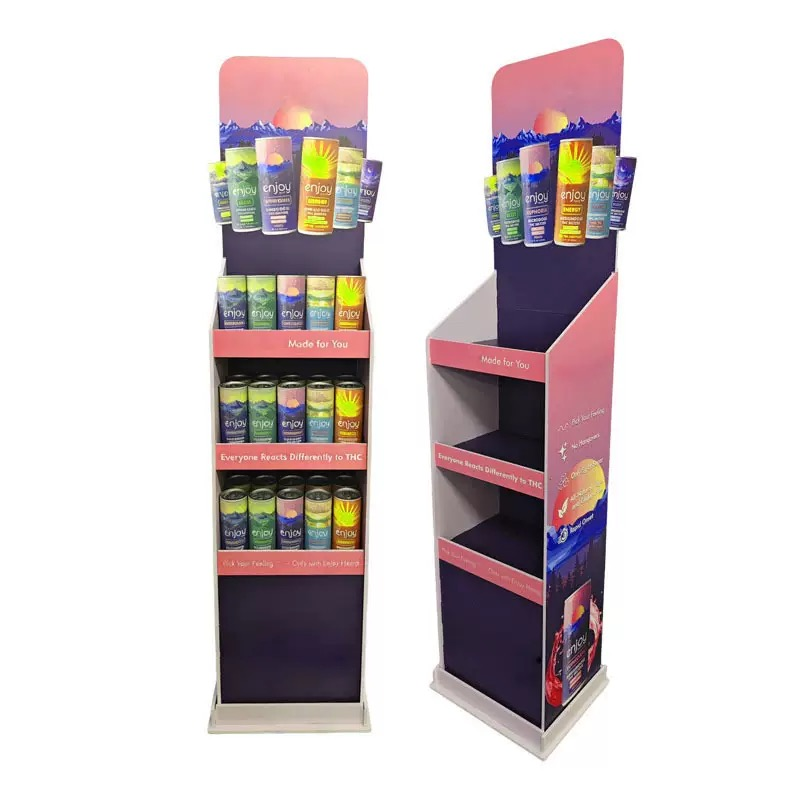
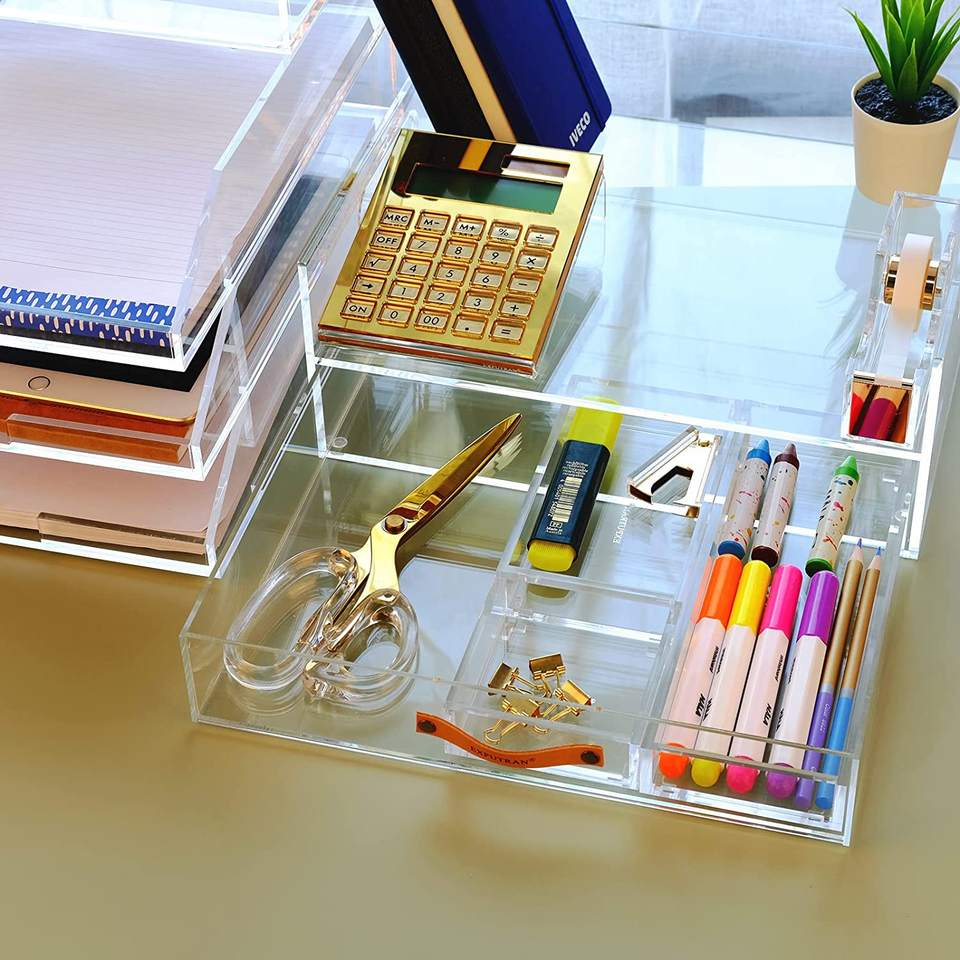
Maximize visual impact with cardboard display stands. See how high-ECT corrugated boards, flat-pack logistics, and rapid lock tabs lower marketing costs.
2026/10/30
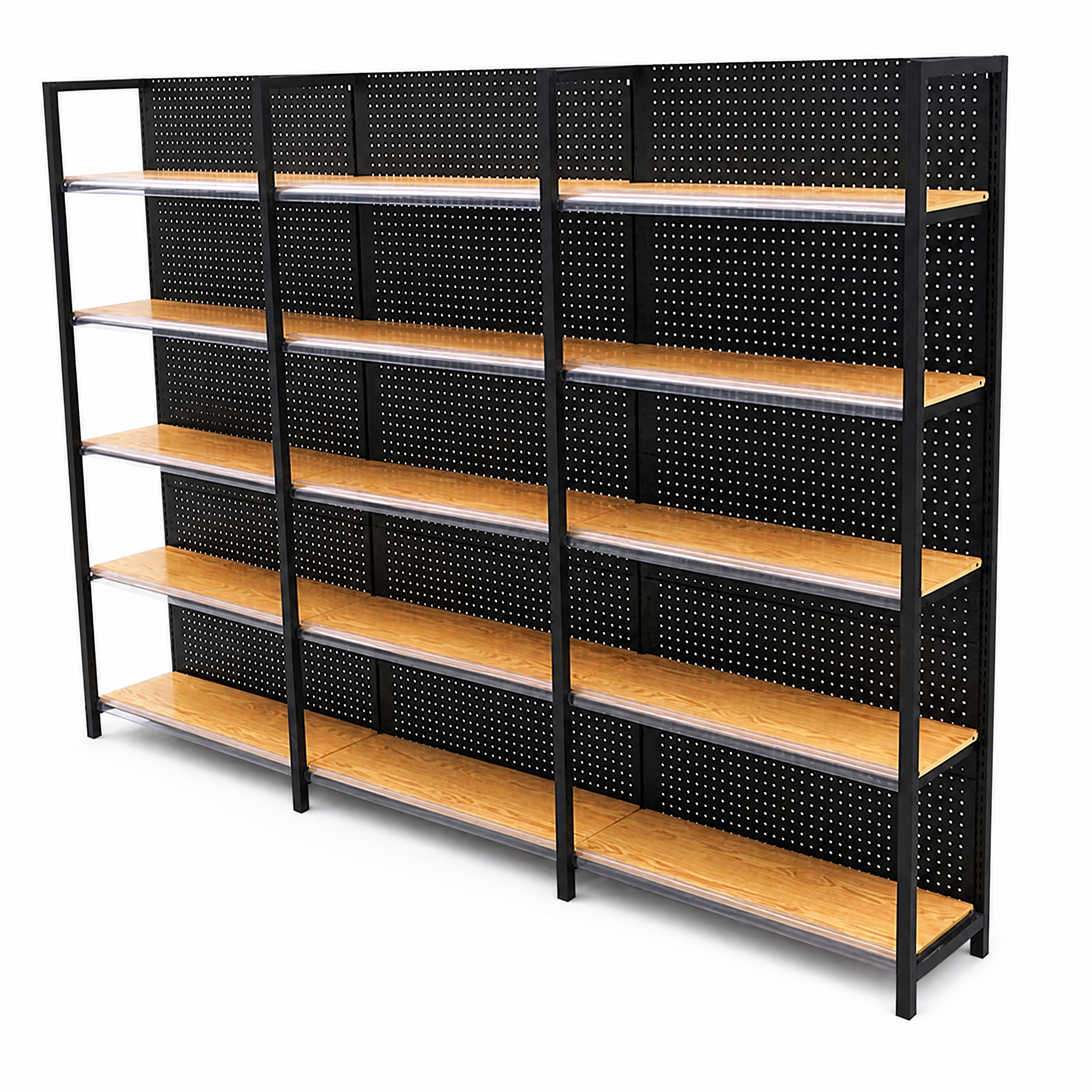
Elevate unboxing with a custom display box. Learn how rigid greyboards, G7-certified litho-printing, and high-density EVA foam protect premium goods.
2026/10/30
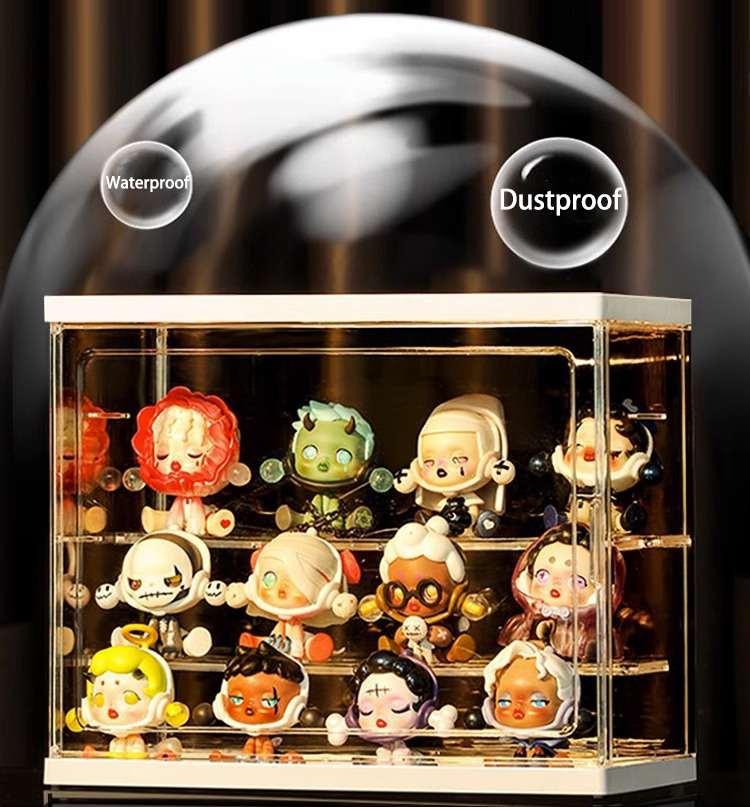
Optimize product flow with a heavy-duty Display Rack. Learn how cold-rolled Q235 steel frames, teardrop locks, and gravity flow decks cut pick times.
2026/10/30
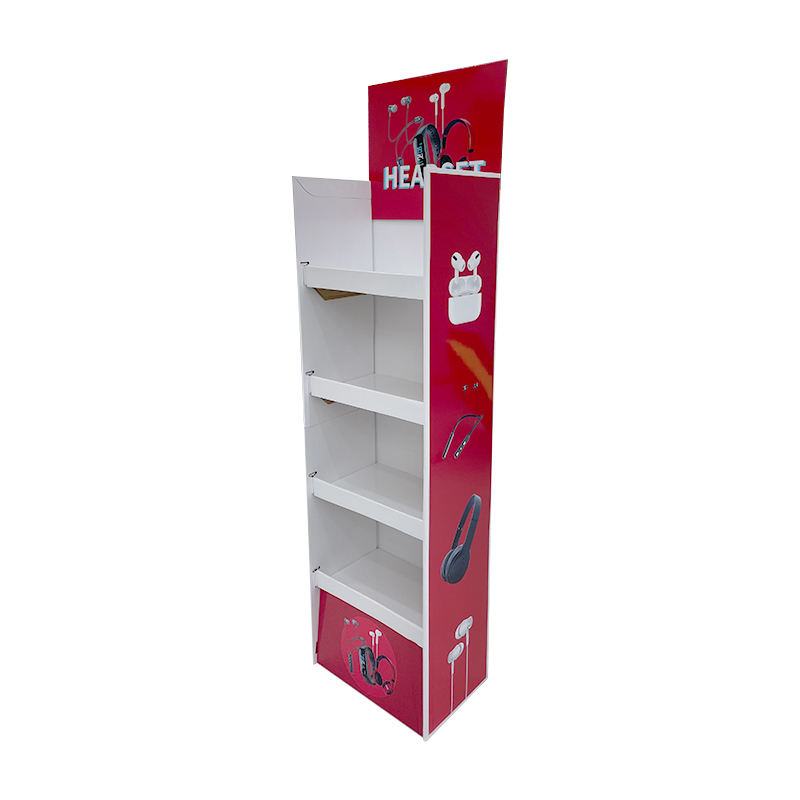
Secure premium micro-goods with countertop display case units. See how diamond-polished cast acrylic and magnetic lock latches boost impulse sales.
2026/10/30
Boost retail sales with sustainable carton displays. Learn how FSC corrugated boards and eco-friendly soy inks cut carbon footprints and waste fees.
Follow our brand-latest updates, including key-client cooperation, trade-fair activities and daily-life snapshots of our factory-team.

Enhance the retail experience with custom makeup display stands, providing both functionality and modern aesthetics for cosmetic brands.

Upgrade your products’ shelf appeal and protection with innovative gift box packaging designed for cosmetics, electronics, and accessories.

Promote your brand with advertising display racks, featuring flexible configurations for showrooms, events, and point-of-sale promotions.
Comprehensive design, prototyping, and logistics for global custom display stand demands

Communicate your display size, material, structure, brand logo and store-scene requirements.
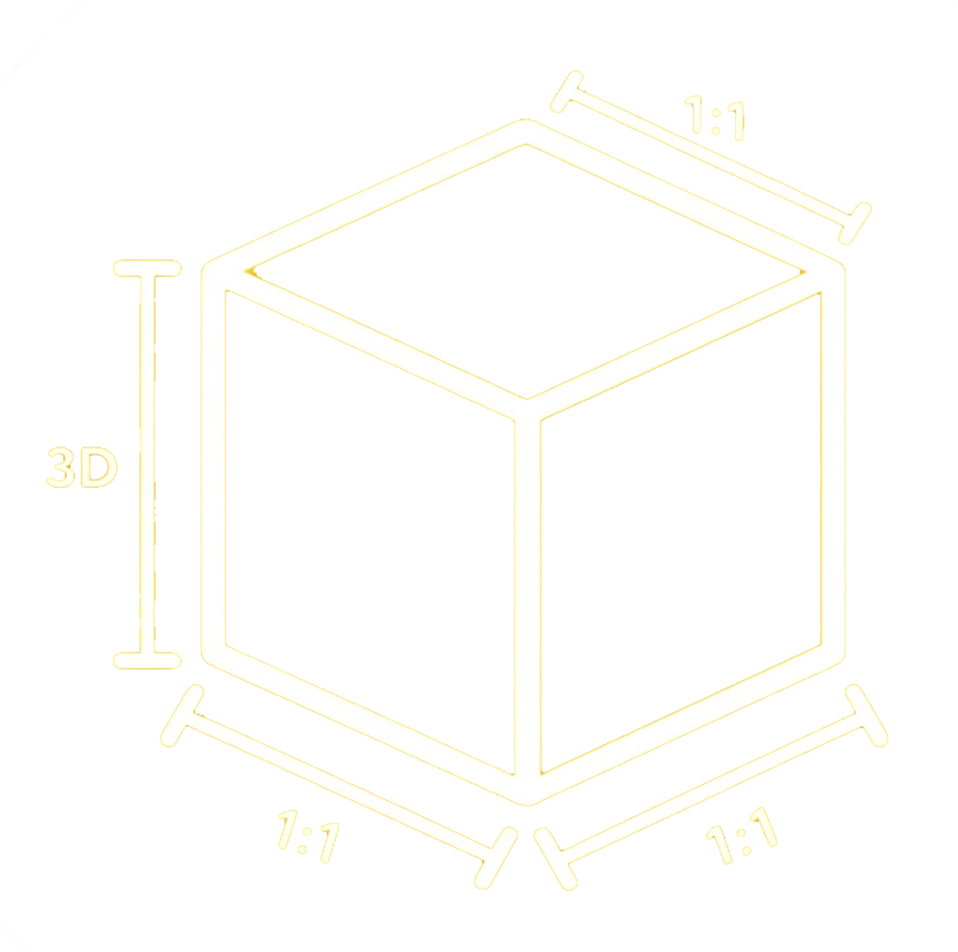
Produce renderings and structural drawings, optimize shelf layout, dooropening style and detailstructure.

Make physical prototype, test stability, appearance and assembly effect, modify details as your feedback.

Start formal mass-production after sample approval, strictly control quality, packaging and delivery cycle.