EN
Requirement Consultation
Communicate your display size, material, structure, brand logo and store-scene requirements.

2026/10/26
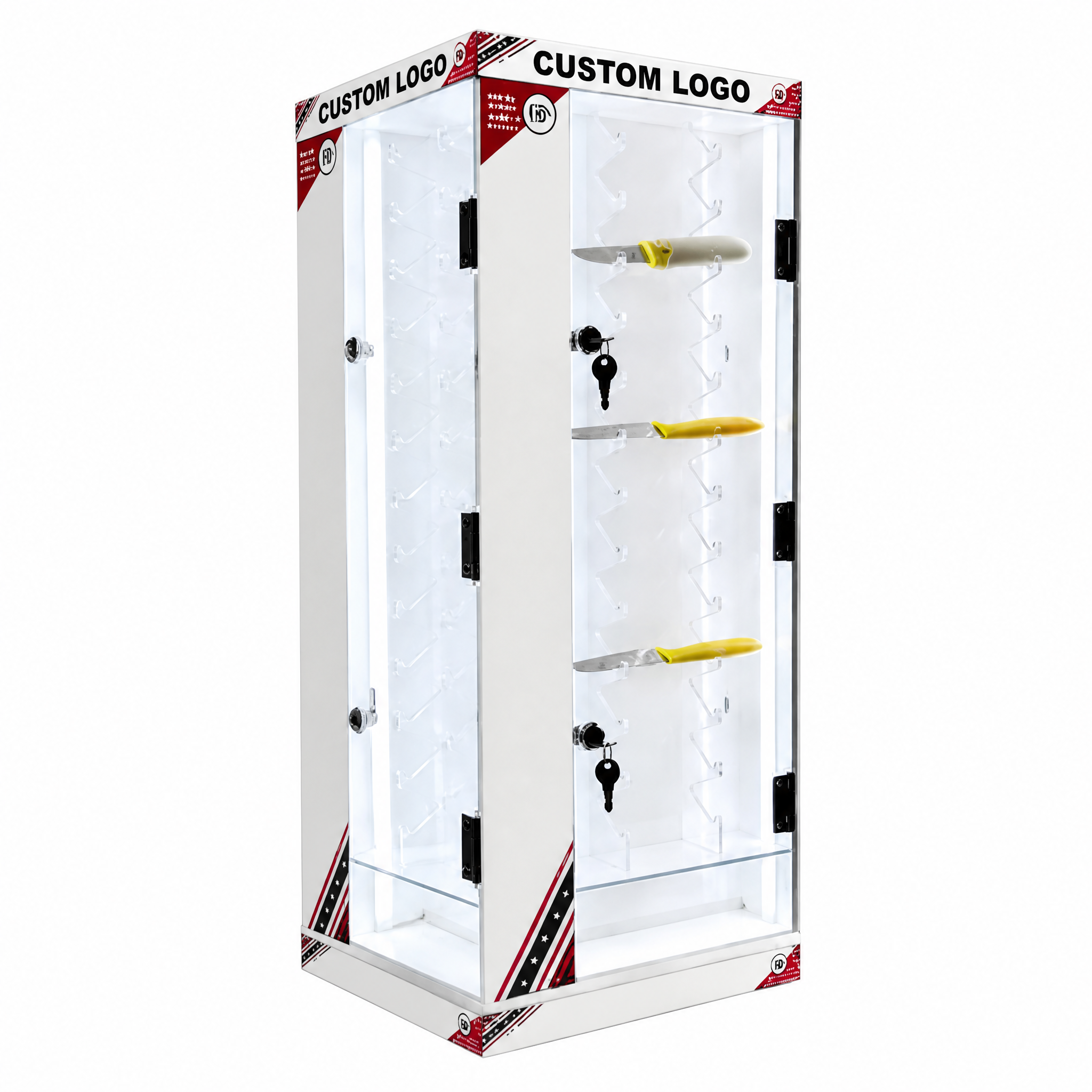
The secondary market for vintage sports cards, rare gaming cards, and autographed memorabilia has transformed into an alternative asset class commanding significant financial capital. Collectors and hobby shop owners frequently evaluate how acrylic card display case protects trading cards against ambient environmental hazards and physical deterioration. When high-value cards remain in open binders or flimsy plastic top-loaders, they remain exposed to invisible threats, including ultraviolet radiation, humidity fluctuations, airborne dust, and accidental liquid spills. Standard commodity PVC card sleeves often leach plasticizers that chemically degrade delicate card paper stocks, causing ink clouding and surface adhesion over prolonged storage. Investing in an engineered acrylic card display case establishes an impervious physical barrier that isolates delicate card slabs from external atmospheric contamination. Utilizing an airtight trading card display case stabilizes interior microclimates, preventing card curling caused by seasonal relative humidity shifts. Sourcing a dedicated graded card display box ensures that professional grading certification labels and tamper-evident cases stay in pristine mint condition. Integrating an archival card collection protector case transforms fragile cardboard assets into durable gallery-grade centerpieces.
The most destructive threat to vintage trading card inks and paper stocks is photochemical degradation caused by ambient ultraviolet radiation. Analyzing how acrylic card display case protects trading cards requires examining polymer light transmission and UV absorption physics. Prolonged exposure to natural sunlight and commercial fluorescent track lighting breaks molecular bonds within printed card pigments, leading to irreversible color bleaching and yellowing. While standard commodity glass filters minimal ultraviolet light, a high-performance acrylic card display case is fabricated using cast virgin polymethyl methacrylate infused with chemical UV absorbers. These archival museum-grade panels filter over ninety-eight percent of harmful ultraviolet light wavelengths between 300 and 400 nanometers, preserving vibrant card inks and delicate foil stamps. Furthermore, an optical trading card display case delivers light transmittance exceeding ninety-two percent, providing crystal clarity that surpasses iron-tinted silicate float glass. Displaying autographed cards within a UV-shielded graded card display box prevents signature ink fading from sunlight exposure. Specifying an engineered card collection protector case ensures that valuable cards remain protected against daylight damage throughout multi-year displays.
Airborne dust, greasy aerosols, and moisture fluctuations represent continuous degradation risks that undermine the physical condition of graded card slabs. Exploring how acrylic card display case protects trading cards highlights the mechanical importance of hermetic joint sealing and magnetic closure engineering. Microscopic dust particles settling onto card surfaces can cause micro-scratches during handling and cleaning routines. A high-precision acrylic card display case utilizes CNC diamond-milled edges and chemical solvent welding, achieving airtight perimeter joints with dimensional tolerances under 0.1 millimeters. Furthermore, modern multi-card showcases incorporate hidden neodymium magnetic door latches embedded within thick acrylic frames, forming a tight physical seal against micro-particulates while allowing smooth access for collection reorganization. Within this sealed trading card display case microclimate, delicate paper edges remain protected from moisture absorption that causes paper swelling and corner delamination. Storing valuable slabs inside a dustproof graded card display box eliminates the need for abrasive surface dusting, keeping factory gloss finishes intact. This structural isolation ensures that a card collection protector case preserves high-grade card condition over decades of ownership.
Accidental shelf drops, table bumps, and seismic vibrations pose immediate structural hazards to fragile graded card slabs. Understanding how acrylic card display case protects trading cards involves evaluating the impact resistance and shatterproof properties of thick cast polymer panels. When heavy glass showcases fall, they shatter into sharp fragments that can crush plastic grading slabs and damage encapsulated cards. In contrast, an engineered acrylic card display case provides impact resistance ten to seventeen times greater than conventional float glass of identical thickness. When subjected to physical impacts, the molecular matrix of a cast polymer trading card display case flexes slightly to absorb and dissipate kinetic energy rather than fracturing. High-stability graded card display box models incorporate weighted solid acrylic base pedestals and recessed silicone bumper pads, lowering center-of-gravity thresholds to resist tipping on crowded desks. Enclosing rare cards inside a heavy-duty card collection protector case shields encapsulated plastic slabs from exterior scuffing and impact cracking. This mechanical strength gives collectors complete peace of mind when showcasing rare cards in active retail shops.
The monetary performance of trading card investments depends directly on condition grading scores issued by professional third-party grading authenticators. A prominent sports memorabilia collector managing a collection of two hundred vintage baseball cards conducted a four-year preservation audit comparing storage formats. Cards kept in standard loose binders and open retail easels experienced an average 22 percent market valuation drop due to edge wear, ambient paper yellowing, and surface micro-scratches. Conversely, cards housed inside sealed acrylic card display case units equipped with museum UV protection maintained pristine ten-out-of-ten gem mint subgrades across all grading criteria. An independent auction house verified that the cards displayed in the protective trading card display case retained full secondary market valuations, securing record hammer prices during private sales. The collector noted that the magnetic closures of the graded card display box allowed easy rotation of featured cards without risking corner damage. This real-world case confirms that a specialized card collection protector case serves as a vital financial protection tool that preserves alternative asset wealth over long investment horizons.
Producing archival-grade collectible display cases requires advanced fabrication equipment, cleanroom assembly standards, and deep polymer engineering expertise. YSY Display delivers custom display solutions for trading card manufacturers, professional grading services, and memorabilia collectors worldwide. The manufacturing facilities at YSY Display house automated laser cutters, precision CNC routing tables, high-speed diamond edge polishers, and dust-free solvent bonding cleanrooms. The engineering team at YSY Display focuses on how acrylic card display case protects trading cards, optimizing UV-absorbing additives, structural panel thicknesses, and magnetic latching architectures. Every acrylic card display case manufactured by YSY Display uses premium cast virgin acrylic sheets to ensure crystal clarity and UV resistance. Whether your brand requires modular trading card display case solutions for retail hobby shops, branded graded card display box units for limited-edition card drops, or custom card collection protector case showcases for private galleries, YSY Display provides the manufacturing scale, quality control, and global delivery reliability needed to protect collectibles worldwide.
2026/10/30
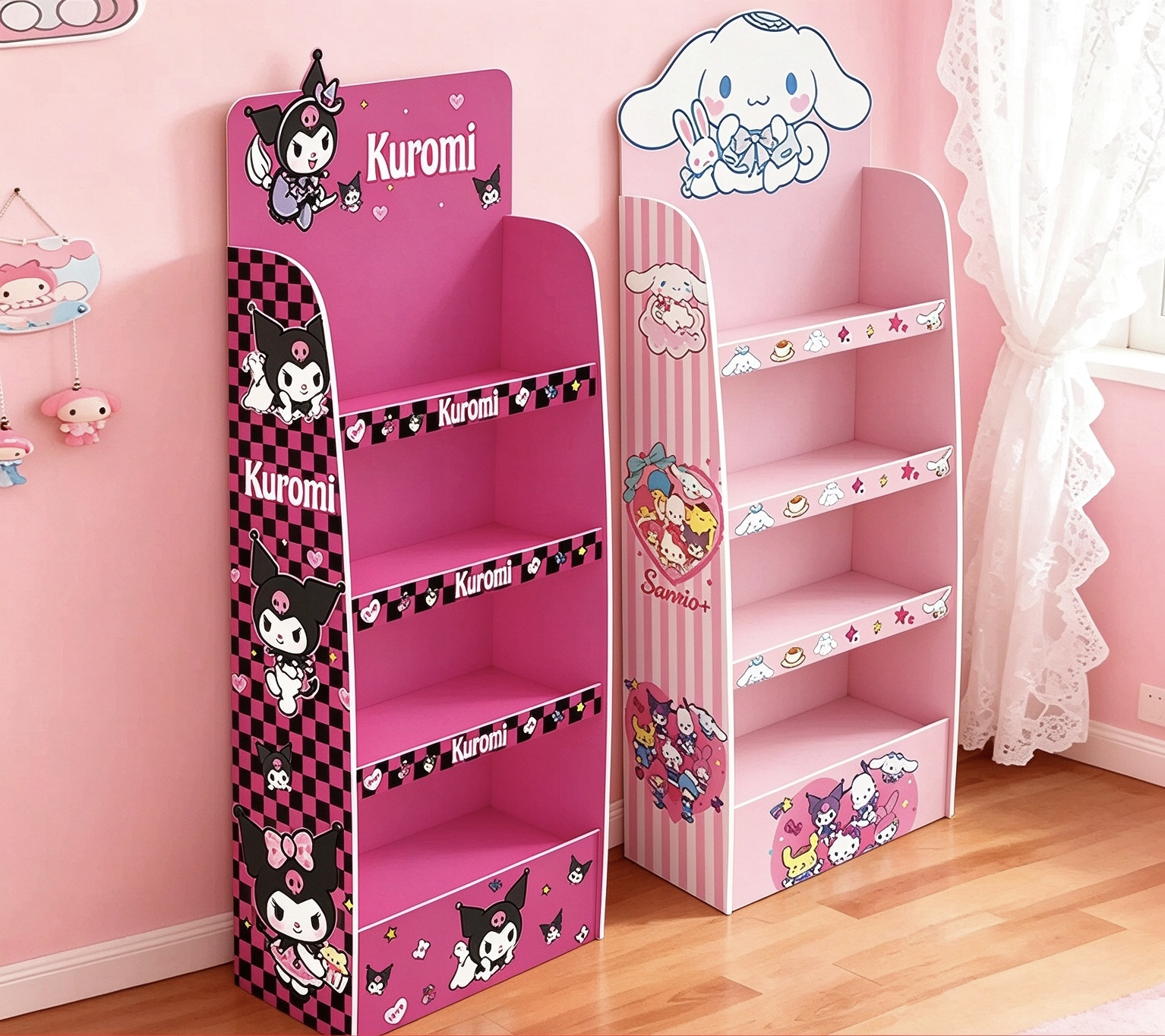
Elevate store environments with custom retail store displays. Learn how hybrid steel, cast acrylic, and wood fixtures build brand image and sales.
2026/10/30
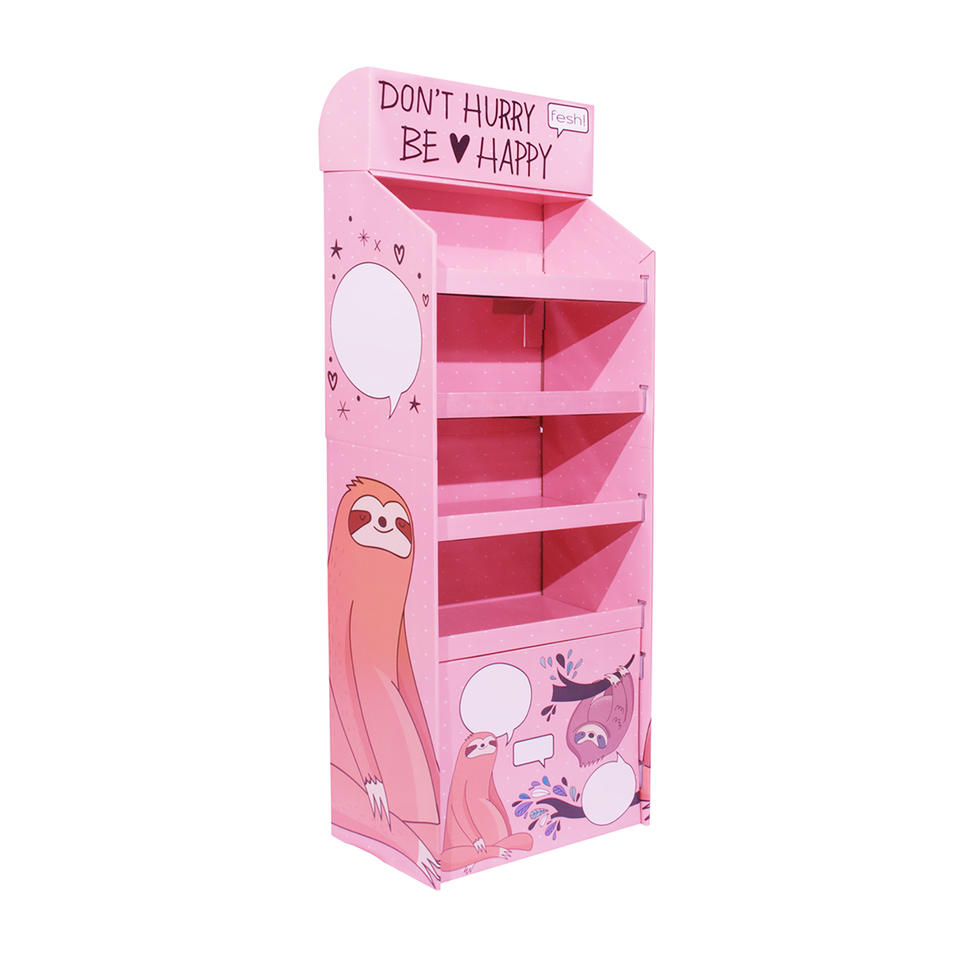
Maximize visual impact with cardboard display stands. See how high-ECT corrugated boards, flat-pack logistics, and rapid lock tabs lower marketing costs.
2026/10/30
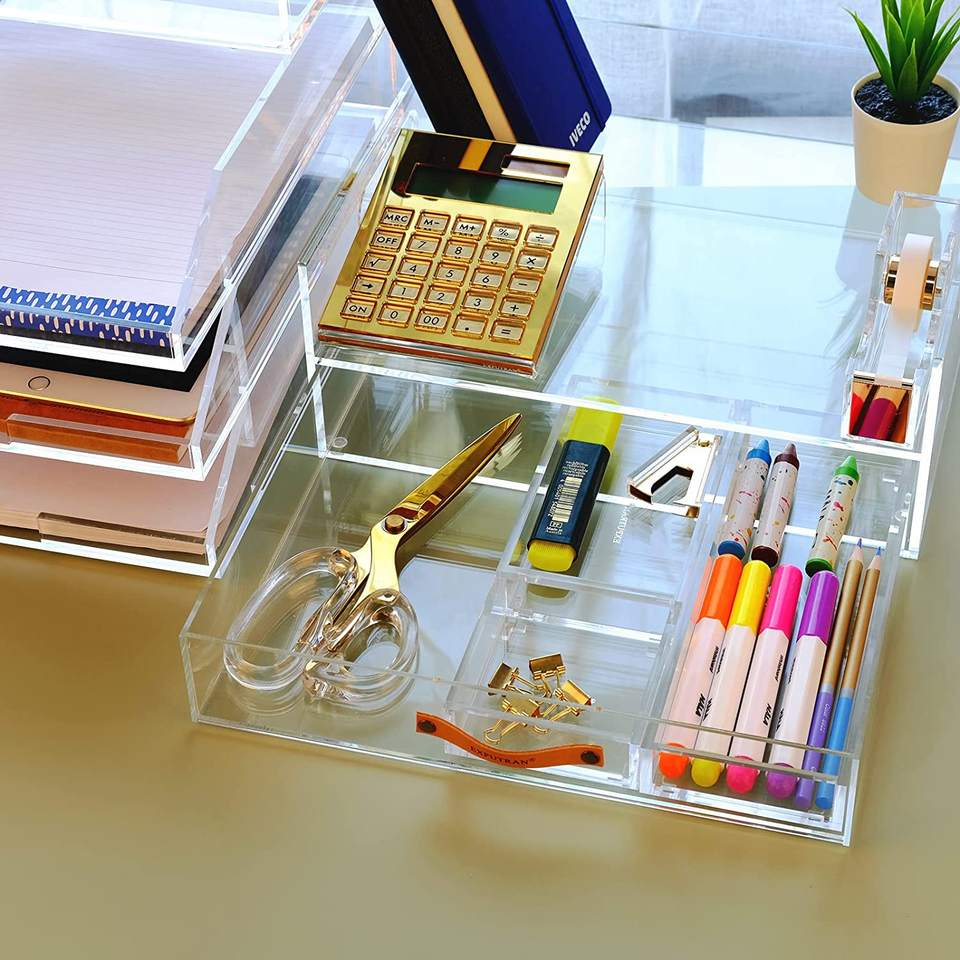
Elevate unboxing with a custom display box. Learn how rigid greyboards, G7-certified litho-printing, and high-density EVA foam protect premium goods.
2026/10/30
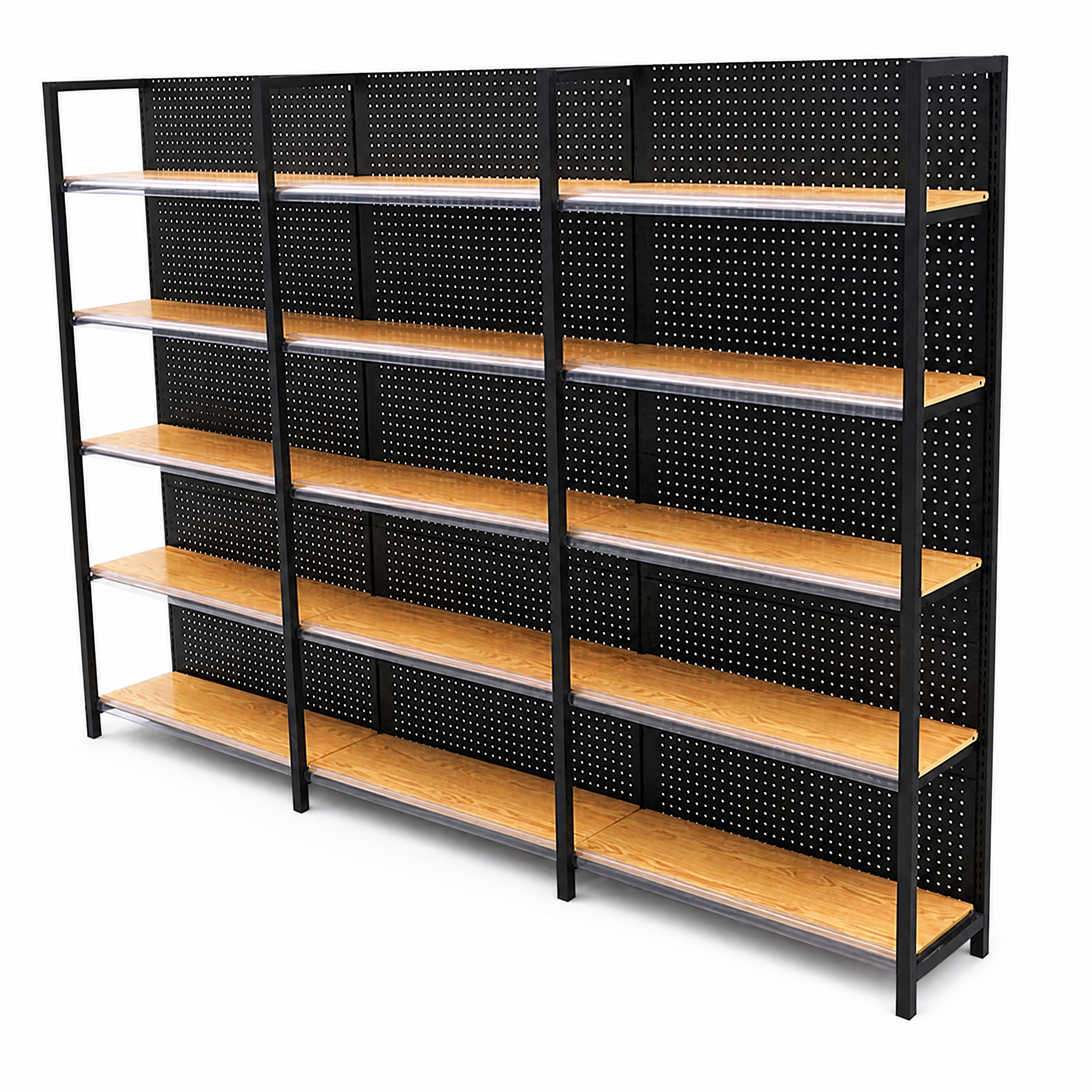
Optimize product flow with a heavy-duty Display Rack. Learn how cold-rolled Q235 steel frames, teardrop locks, and gravity flow decks cut pick times.
2026/10/30
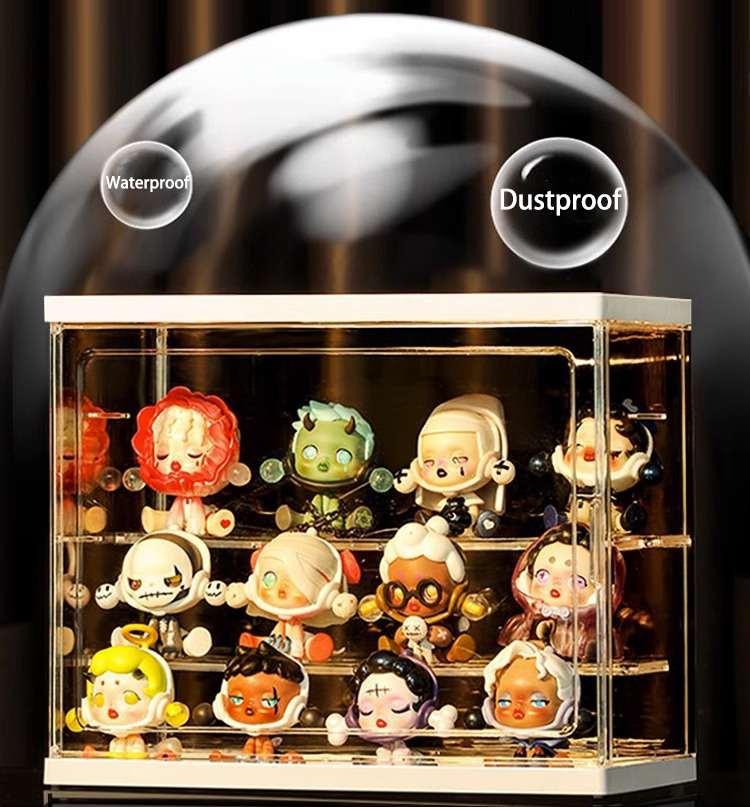
Secure premium micro-goods with countertop display case units. See how diamond-polished cast acrylic and magnetic lock latches boost impulse sales.
2026/10/30
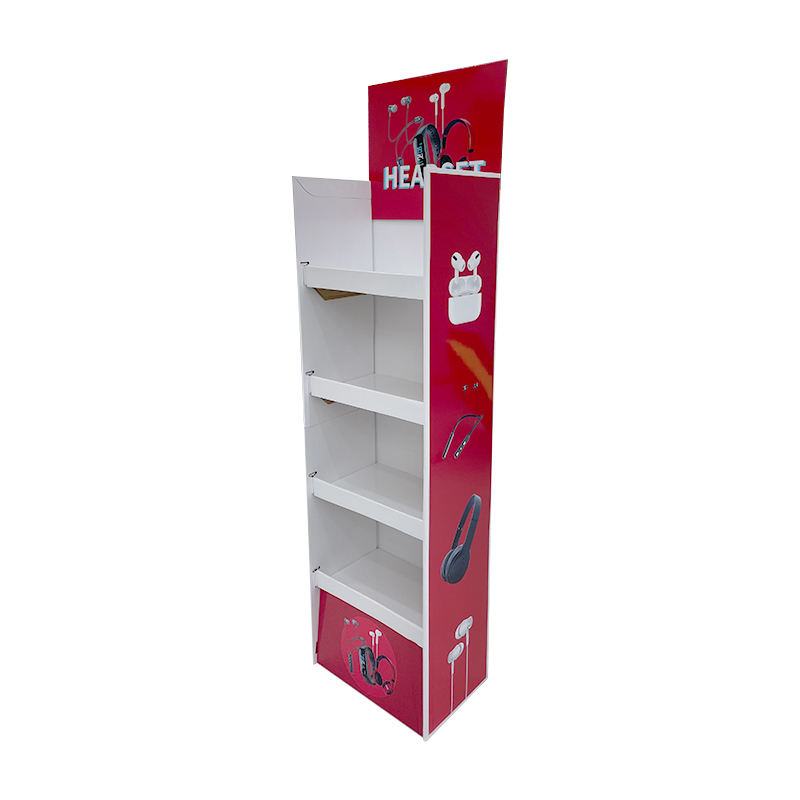
Boost retail sales with sustainable carton displays. Learn how FSC corrugated boards and eco-friendly soy inks cut carbon footprints and waste fees.
Follow our brand-latest updates, including key-client cooperation, trade-fair activities and daily-life snapshots of our factory-team.

Enhance the retail experience with custom makeup display stands, providing both functionality and modern aesthetics for cosmetic brands.

Upgrade your products’ shelf appeal and protection with innovative gift box packaging designed for cosmetics, electronics, and accessories.

Promote your brand with advertising display racks, featuring flexible configurations for showrooms, events, and point-of-sale promotions.
Comprehensive design, prototyping, and logistics for global custom display stand demands

Communicate your display size, material, structure, brand logo and store-scene requirements.

Produce renderings and structural drawings, optimize shelf layout, dooropening style and detailstructure.

Make physical prototype, test stability, appearance and assembly effect, modify details as your feedback.

Start formal mass-production after sample approval, strictly control quality, packaging and delivery cycle.