EN
Requirement Consultation
Communicate your display size, material, structure, brand logo and store-scene requirements.

2026/10/26
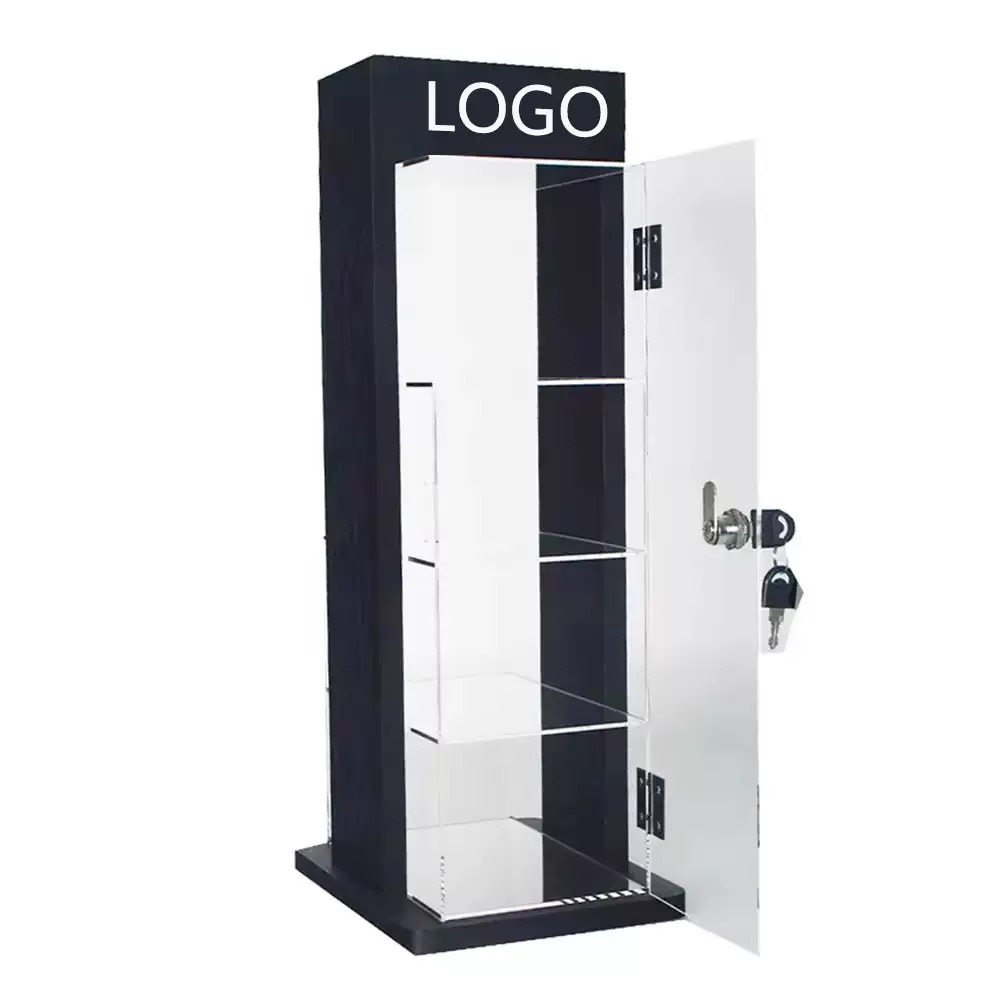
Preserving rare prototype sculptures, garage kits, and limited-edition hand-painted resin statues requires addressing invisible atmospheric chemical threats that damage delicate paint binders over time. When advanced statue collectors analyze how acrylic figure display case protects collectibles, they examine microclimate gas chemistry rather than simple external dust coverage. Standard domestic environments contain ambient volatile organic compounds, cooking grease aerosols, and ozone particles that trigger plasticizer breakdown across polyvinyl chloride and polyurethane formulations. Furthermore, storing delicate statues inside low-grade cabinets assembled with cyanoacrylate glues causes catastrophic chemical blooming, where volatile adhesive fumes deposit powdery white residues across matte acrylic paints. A precision-engineered acrylic figure display case protects delicate sculpts from these volatile airborne contaminants by establishing an isolated, non-reactive microclimate. Using an inert UV resistant acrylic figure box prevents volatile gaseous cross-contamination, ensuring that factory-applied lacquers and delicate shading pastels retain their intended surface tension. Deploying an engineered figure display case for collectibles isolates rare art pieces from household chemical pollutants. High-performance collectible figure display showcases provide specialized protection that prevents chemical yellowing and irreversible surface degradation across valuable pop-culture collections.
The physical integrity of protective enclosures depends directly on specialized molecular bonding technologies that prevent toxic chemical outgassing within sealed display chambers. Understanding how acrylic figure display case protects collectibles involves analyzing the physical chemistry of acrylic cold-solvent welding. Low-cost display boxes manufactured with commodity adhesives continuously emit acidic vapors inside sealed enclosures, causing paint blistering and resin embrittlement over long display periods. In contrast, an archival-grade acrylic figure display case utilizes specialized solvent bonding agents that dissolve polymer contact edges, fusing adjacent cast polymethyl methacrylate panels into a unified molecular matrix via capillary action. This solvent welding process leaves zero volatile adhesive residues inside the chamber while achieving air exchange rates below 0.05 volume changes per day. Utilizing a sealed figure display case for collectibles prevents outside airborne pollutants from entering delicate display spaces. Precision-machined edges on a UV resistant acrylic figure box ensure flush seams that eliminate micro-gaps without silicone caulking. Sealed collectible figure display showcases maintain pristine internal air purity, ensuring that delicate character sculpts remain free from chemical deterioration.
Ambient temperature fluctuations represent a hidden physical threat that induces mechanical fatigue within complex resin and PVC collectible structures. Exploring how acrylic figure display case protects collectibles highlights the thermodynamic buffering properties of thick-gauge cast acrylic panels. When room temperatures fluctuate rapidly between day and night cycles, unprotected sculptures undergo repeated thermal expansion and contraction cycles. This thermal movement causes micro-fractures along delicate hair strands, thin cape drapes, and pinned resin joints. A high-performance acrylic figure display case utilizes cast acrylic panels with low thermal conductivity ratings near 0.19 W/m·K, acting as a thermal buffer that slows down internal air temperature changes. By dampening thermal swings, an engineered UV resistant acrylic figure box prevents delicate polymer models from approaching their glass-transition temperatures where plastics soften and sag under gravitational weight. Furthermore, a heavy-duty figure display case for collectibles maintains stable structural geometry that relieves internal stress along load-bearing pegs. Enclosing rare dynamic statues inside collectible figure display showcases prevents joint warping and maintains original character balance over years of display.
Airborne dust attraction on plastic display boxes is primarily driven by static electric charges generated on non-conductive polymer surfaces. Analyzing how acrylic figure display case protects collectibles involves evaluating surface electrical resistivity and electrostatic dissipation technologies. Standard commodity acrylic easily accumulates positive surface charges through routine wiping, turning unshielded cases into electrostatic dust magnets that draw airborne particulates toward viewing windows. A specialized acrylic figure display case incorporates advanced topical anti-static coatings or hydrophilic surface treatments that lower surface resistivity to between 10^9 and 10^10 ohms per square. This electrostatic dissipation neutralizes ambient electrical charges, preventing microscopic dust particles from clinging to display surfaces through electrostatic attraction. Furthermore, an anti-static UV resistant acrylic figure box eliminates the static fields that pull microscopic dust through door seams toward magnetized painted statues. Equipping a figure display case for collectibles with anti-static surfaces minimizes the need for routine cleaning, reducing the risk of accidental wiping scratches. High-specification collectible figure display showcases maintain clear visibility while protecting delicate figures from abrasive airborne particulates.
The technical value of employing conservation-grade display enclosures is verified by empirical testing data from professional prototyping studios. A prominent fine-art collectible sculpture studio housing 120 hand-painted master prototypes conducted a three-year environmental aging study to assess storage methods. Prototypes stored on conventional shelving suffered significant paint dulling, surface tackiness, and measurable color shifts exceeding Delta E 2.5 due to airborne chemical pollutants and thermal cycling. Conversely, master sculptures enclosed within an advanced acrylic figure display case featuring solvent-welded joints and thermal buffering maintained total surface stability with color shifts remaining strictly below Delta E 0.8. Studio conservators confirmed zero paint blooming or plasticizer exudation across figures housed in the specialized UV resistant acrylic figure box units. Furthermore, the microclimate control of the figure display case for collectibles eliminated joint softening on complex cantilevered statues. The studio concluded that deploying high-performance collectible figure display showcases is essential for protecting unique art assets and preserving master sculpts in pristine showroom condition.
Producing conservation-grade acrylic showcases requires specialized cleanroom facilities, advanced fabrication equipment, and deep knowledge of polymer chemistry. YSY Display delivers custom showcase manufacturing solutions for leading toy brands, licensed character studios, and private art collectors worldwide. The manufacturing facilities at YSY Display house automated laser cutting machinery, multi-axis CNC routing tables, automated diamond edge polishers, and ISO-classified dust-free bonding cleanrooms. The engineering team at YSY Display focuses on how acrylic figure display case protects collectibles, optimizing solvent-welding formulas, anti-static surface treatments, and UV-filtering formulations to ensure long-term preservation. Every acrylic figure display case manufactured by YSY Display uses premium cast virgin acrylic sheets to ensure crystal clarity and long-term chemical stability. Whether your project requires an archival UV resistant acrylic figure box for limited-edition statue releases or customized collectible figure display showcases for museum-level pop-culture exhibitions, YSY Display provides the manufacturing scale, technical expertise, and global delivery reliability needed to protect fragile artistic creations worldwide.
2026/10/30
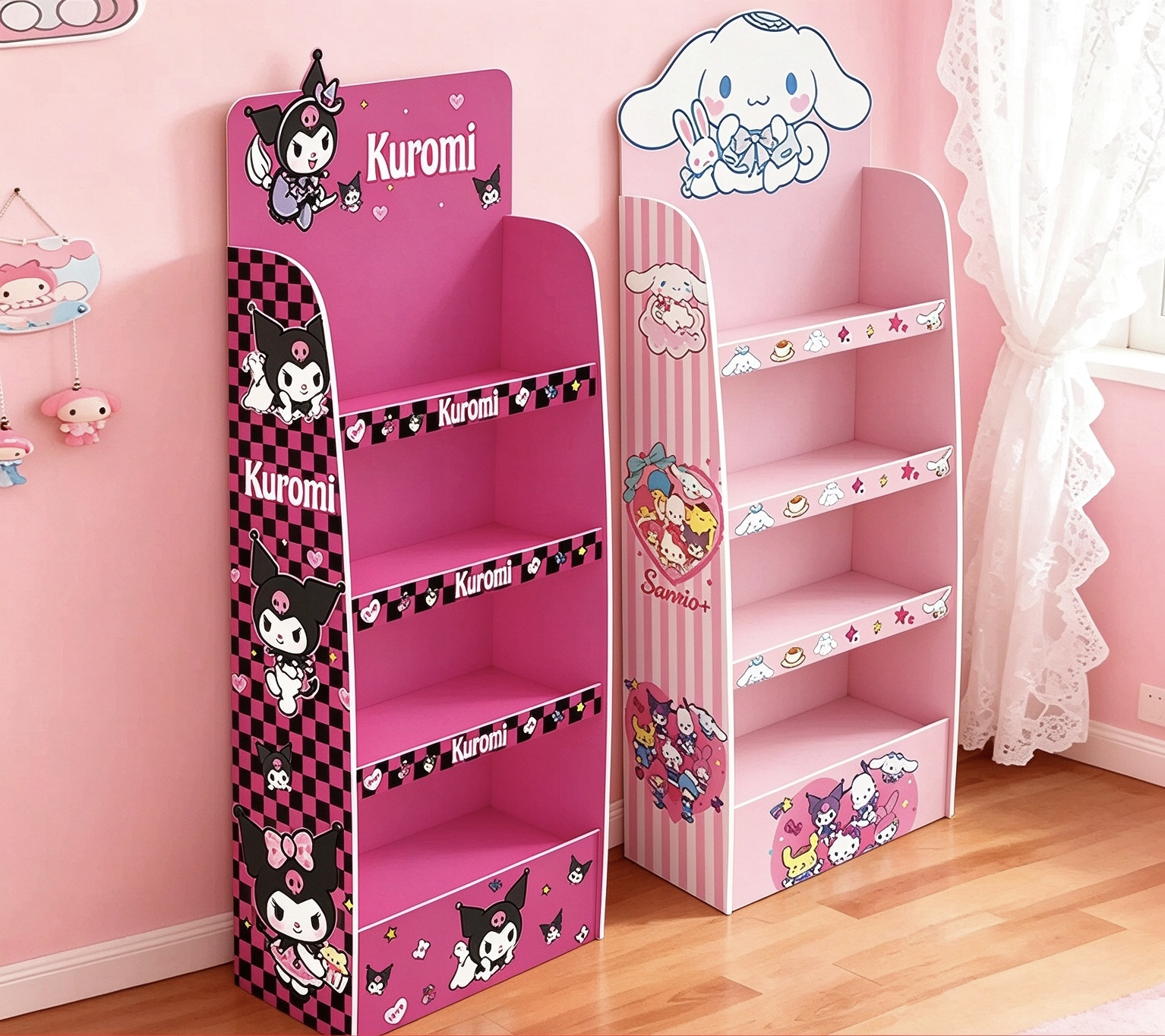
Elevate store environments with custom retail store displays. Learn how hybrid steel, cast acrylic, and wood fixtures build brand image and sales.
2026/10/30
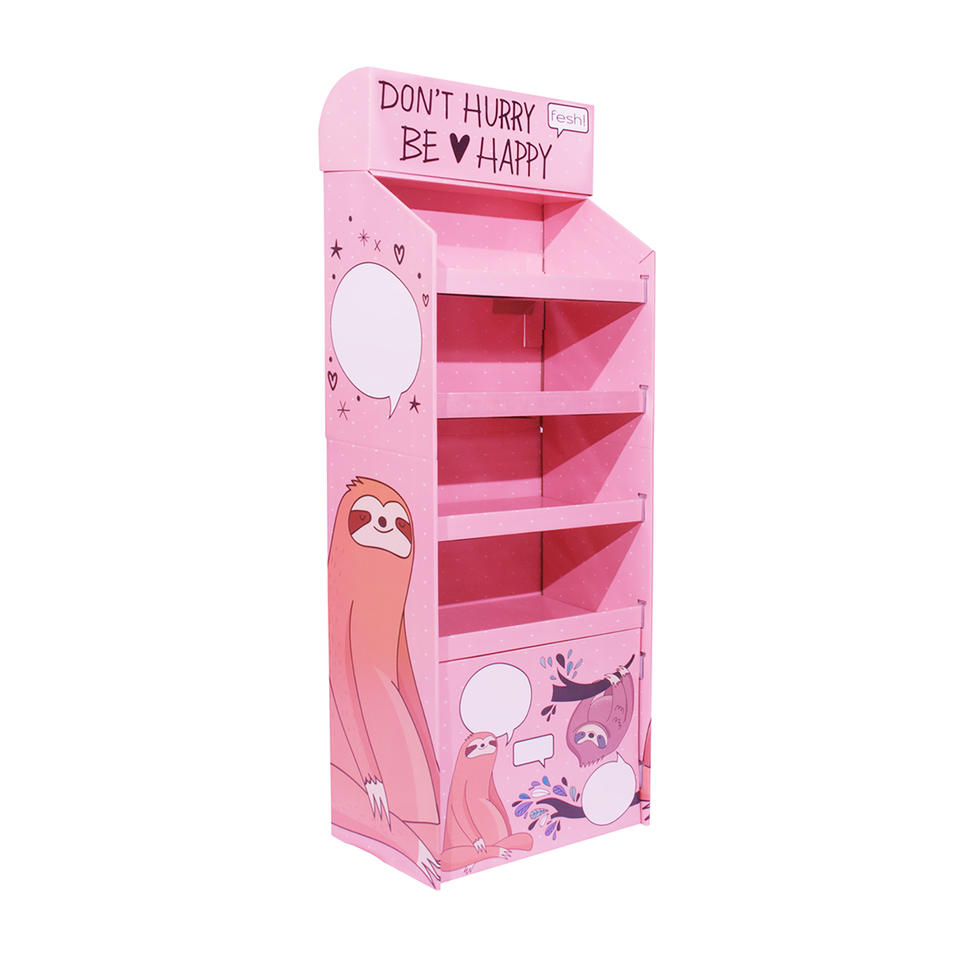
Maximize visual impact with cardboard display stands. See how high-ECT corrugated boards, flat-pack logistics, and rapid lock tabs lower marketing costs.
2026/10/30
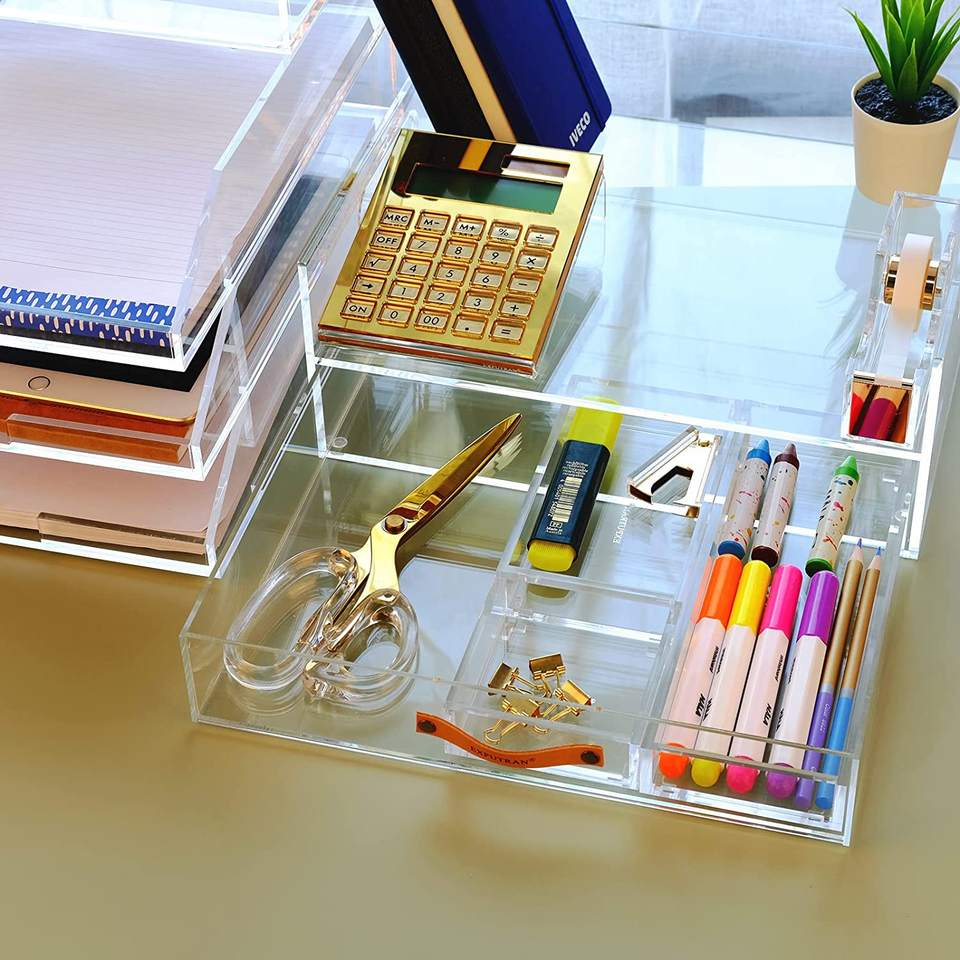
Elevate unboxing with a custom display box. Learn how rigid greyboards, G7-certified litho-printing, and high-density EVA foam protect premium goods.
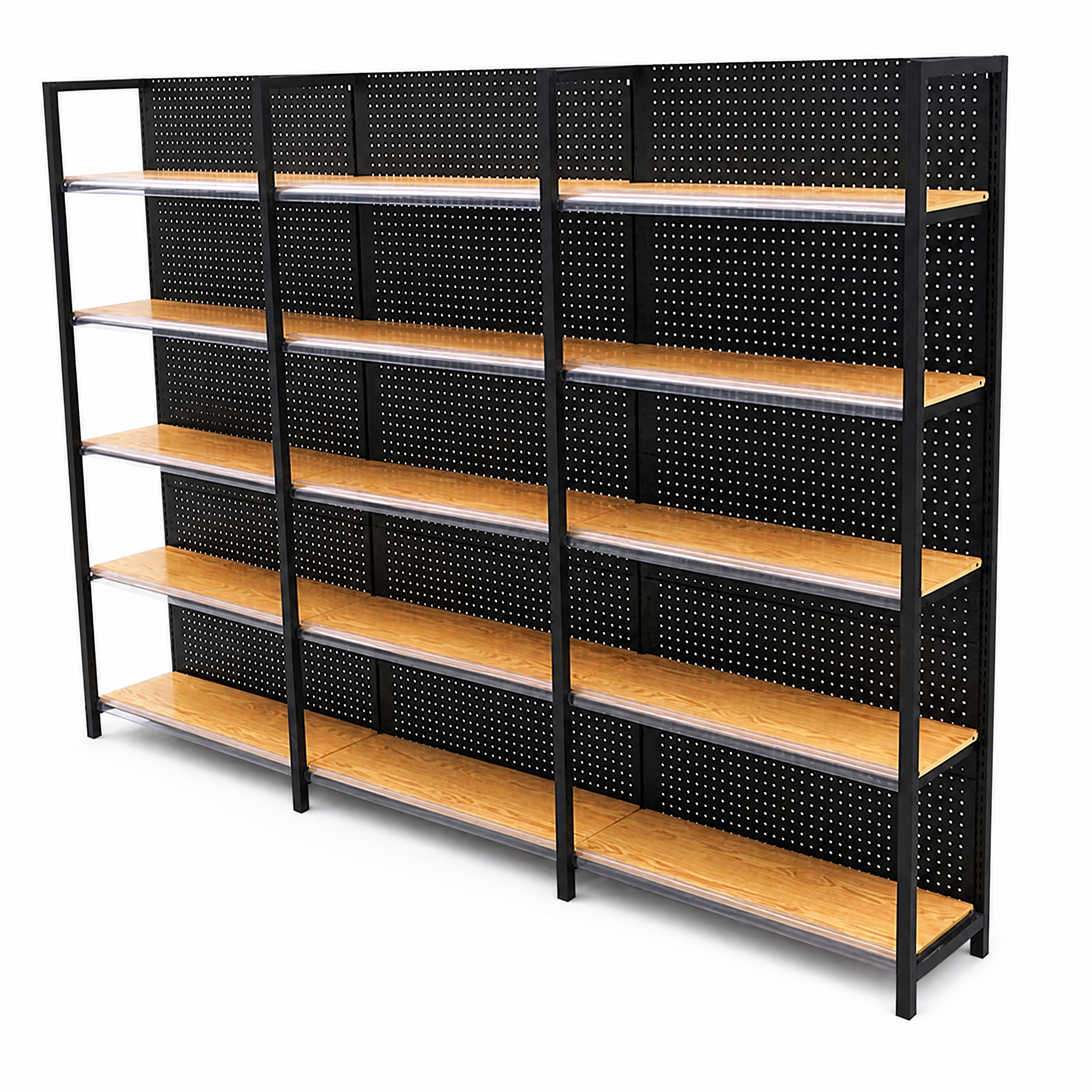
2026/10/30
Optimize product flow with a heavy-duty Display Rack. Learn how cold-rolled Q235 steel frames, teardrop locks, and gravity flow decks cut pick times.
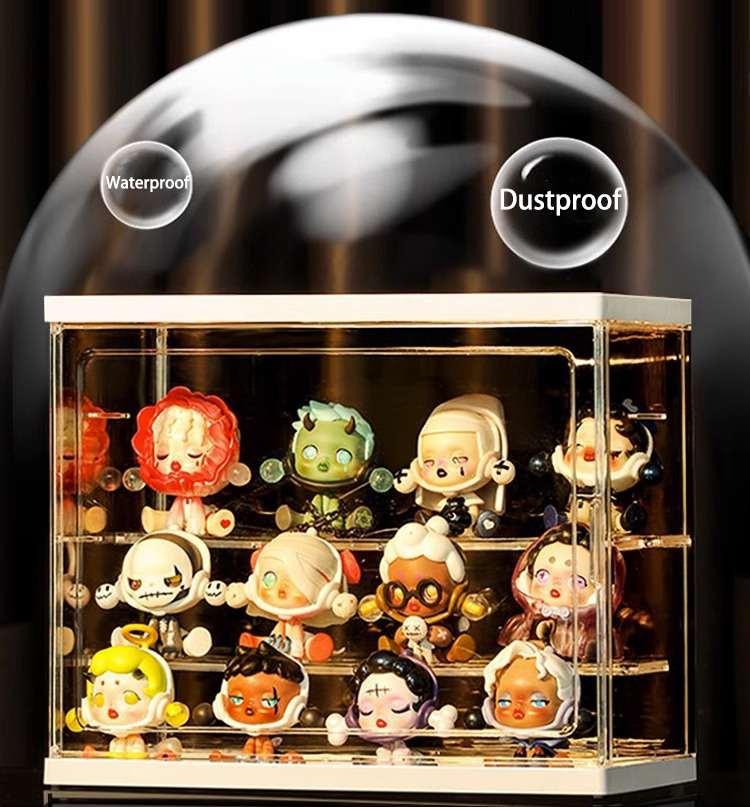
2026/10/30
Secure premium micro-goods with countertop display case units. See how diamond-polished cast acrylic and magnetic lock latches boost impulse sales.
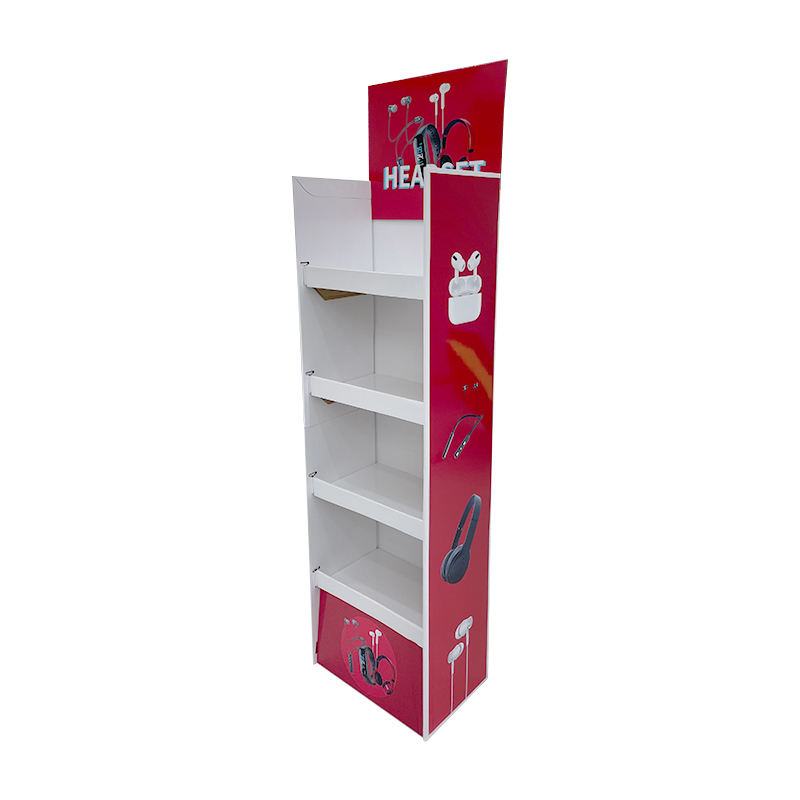
2026/10/30
Boost retail sales with sustainable carton displays. Learn how FSC corrugated boards and eco-friendly soy inks cut carbon footprints and waste fees.
Follow our brand-latest updates, including key-client cooperation, trade-fair activities and daily-life snapshots of our factory-team.

Enhance the retail experience with custom makeup display stands, providing both functionality and modern aesthetics for cosmetic brands.

Upgrade your products’ shelf appeal and protection with innovative gift box packaging designed for cosmetics, electronics, and accessories.

Promote your brand with advertising display racks, featuring flexible configurations for showrooms, events, and point-of-sale promotions.
Comprehensive design, prototyping, and logistics for global custom display stand demands

Communicate your display size, material, structure, brand logo and store-scene requirements.
Produce renderings and structural drawings, optimize shelf layout, dooropening style and detailstructure.

Make physical prototype, test stability, appearance and assembly effect, modify details as your feedback.

Start formal mass-production after sample approval, strictly control quality, packaging and delivery cycle.