EN
Requirement Consultation
Communicate your display size, material, structure, brand logo and store-scene requirements.

2026/10/29
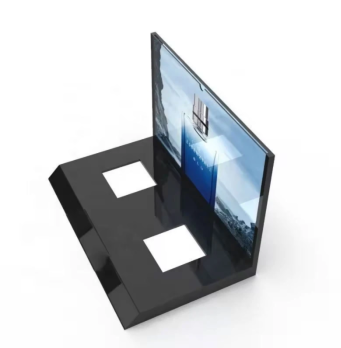
Walk up to the welcome desk at a busy trade show booth, an automotive dealership showroom, a hotel concierge counter, or a retail customer service station, and the most common eyesore is a messy pile of loose promotional papers. Marketing teams spend thousands of dollars designing glossy full-color flyers, seasonal discount sheets, and service menus, only to lay them out in a flat fan spread across a slick table. Within an hour of opening, passing coat sleeves brush stacks onto the floor, air conditioning drafts scatter lightweight sheets across the carpet, and customers thumbing through the pile leave dog-eared corners behind. Placing printed handbills inside a dedicated acrylic flyer stand solves that countertop chaos immediately. By gathering loose stacks into a crisp, vertical pocket with a wide front thumb cutout, a clear flyer holder keeps every single sheet aligned, flat, and ready for effortless one-handed pickup.
Keeping single-sheet flyers standing upright is surprisingly tricky from a physics standpoint. Unlike thick multi-page catalogs or stiff tri-fold cardstock brochures, single promotional flyers are usually printed on lightweight one-hundred-twenty-gram to one-hundred-fifty-gram paper stock. If a holder stands at a rigid ninety-degree vertical angle or has a low front lip, thin paper sheets flop forward over the rim and fold in half under their own weight. A commercial acrylic flyer stand overcomes paper curl by engineering a precise fifteen-degree backward lean into the rear support wall alongside a high transparent front retention shield. Gravity gently presses the paper stack flat against the angled backrest so even the very last sheet stands tall. Retail eye-tracking audits confirm that elevating flat handbills into an eye-level tabletop leaflet dispenser increases voluntary customer takeaway rates by thirty-eight percent because shoppers can read the headline without bending over the counter.
Procurement officers browsing wholesale office catalogs often wonder why one plastic flyer pocket costs two dollars while another costs eight. The difference lies in polymer chemistry and fabrication craftsmanship. Bargain-bin pockets are mass-produced via high-speed injection molding using brittle general-purpose polystyrene. Polystyrene carries a noticeable bluish haze, exhibits ugly mold-gate injection marks along the bottom, and shatters like an eggshell the first time a hurried customer knocks it off a desk. By contrast, a commercial-grade acrylic flyer stand is fabricated from three-to-five-millimeter virgin polymethyl methacrylate sheets. Technicians laser-cut the flat pattern, polish the outer perimeter with high-speed diamond milling heads until the edges gleam like crystal, and heat-bend the pocket along precision thermal bars. That seamless construction gives an acrylic paper organizer superior impact strength and ninety-two percent light transmission that never turns yellow under store spotlights.
Examining real-world commercial rollouts demonstrates how organized literature presentation directly supports high-ticket sales funnels. A European automotive dealership group operating sixty showrooms noticed that prospective car buyers rarely picked up vehicle trim comparison sheets and financing flyers when they sat inside dark wooden trays near the wall. After stationing a sleek, freestanding acrylic flyer stand directly beside the driver's door of each showroom vehicle—featuring a slanted A4 pocket on top and a laser-etched QR code for test-drive booking on the weighted black acrylic base—flyer pickup volume rose by fifty-one percent and qualified test-drive registrations climbed twenty-six percent over one quarter. Meanwhile, an industrial software exhibitor at a Las Vegas convention replaced twelve cluttered literature tables with four rotating multi-pocket promotional flyer rack towers on ball-bearing bases, organizing twenty-four language-specific product sheets in a tiny footprint and cutting daily booth restocking time by seventy percent.
Thoughtful structural details inside the pocket itself separate a professional acrylic flyer stand from a basic open box. When a smooth-bottomed pocket drops below ten remaining sheets of paper, the bottom edges of those lightweight flyers tend to slide forward along the slick floor of the pocket, causing the papers to slouch down out of view. Well-engineered holders mold or CNC-route tiny horizontal anti-slip ribs across the inside bottom channel. Those microscopic ridges catch the bottom edge of the paper stack, locking even a single remaining sheet upright against the back wall. Furthermore, versatile acrylic paper organizer models incorporate removable laser-cut divider pins that snap into pre-drilled center slots. In seconds, a store clerk can convert one wide A4 or letter-sized pocket into two side-by-side DL or four-by-nine-inch rack card compartments, allowing the same tabletop leaflet dispenser to adapt to changing marketing campaigns.
Deploying thousands of literature holders across bank branches, retail chains, or international event tours requires a direct manufacturer capable of tailoring dimensions and brand graphics at scale. YSY Display designs and manufactures commercial acrylic flyer stand collections crafted from 100 percent virgin cast and optical extruded PMMA sheets. Rather than settling for plain unbranded pockets, marketing teams work with YSY Display to add silk-screened corporate logos, full-color UV-printed promotional headers, attached business card slots, or two-tone frosted and mirror acrylic bases. Every clear flyer holder engineered by YSY Display features diamond-polished safety edges, anti-slip silicone base bumpers, and optional rear keyhole slots for effortless wall mounting. Individually wrapped in protective PE film and packed inside drop-tested compartmentalized cartons, YSY Display delivers scratch-free promotional flyer rack solutions that keep printed marketing materials looking sharp across global storefronts.
2026/10/30
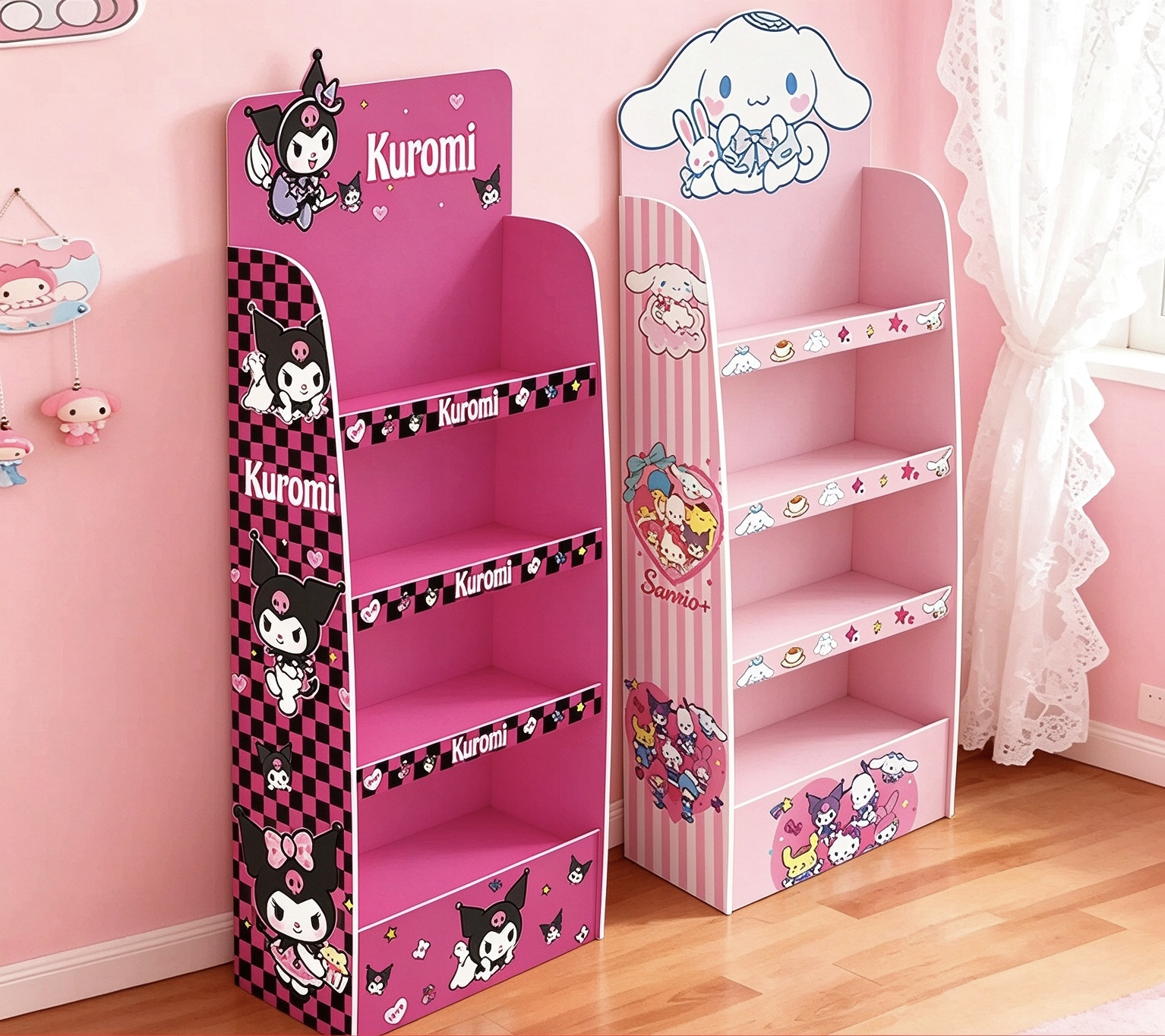
Elevate store environments with custom retail store displays. Learn how hybrid steel, cast acrylic, and wood fixtures build brand image and sales.
2026/10/30
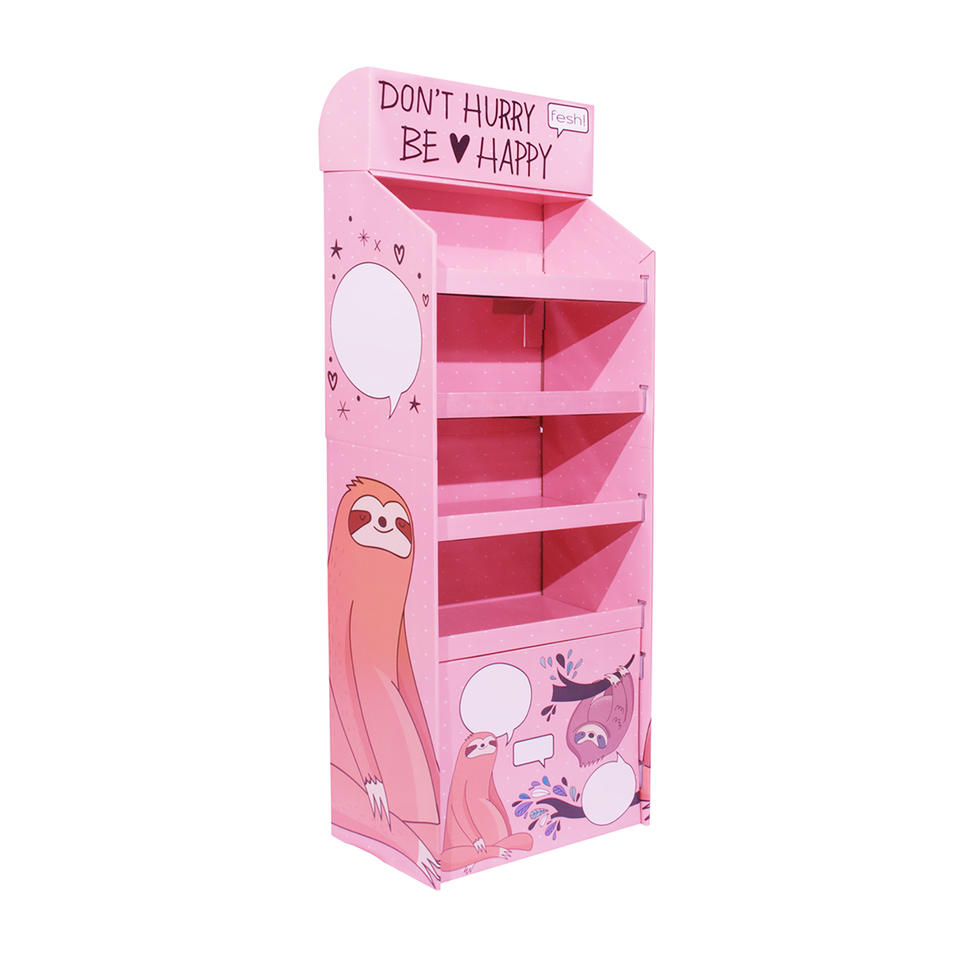
Maximize visual impact with cardboard display stands. See how high-ECT corrugated boards, flat-pack logistics, and rapid lock tabs lower marketing costs.
2026/10/30
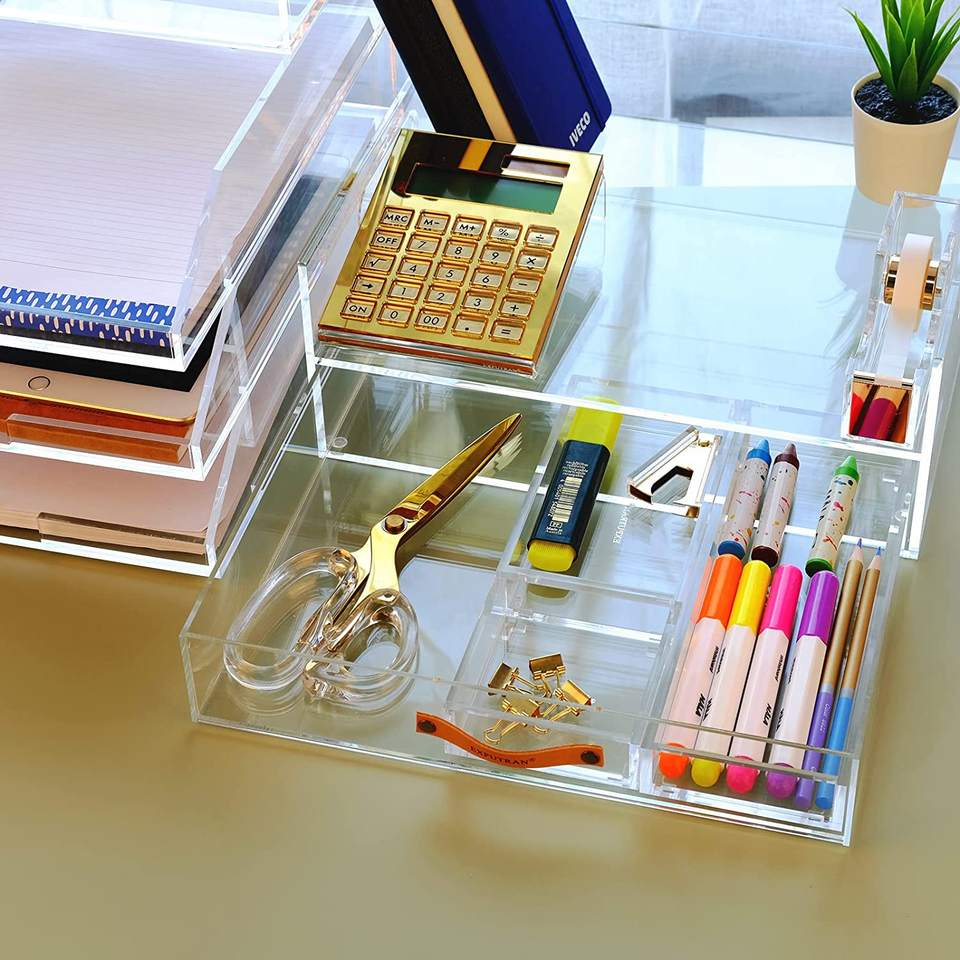
Elevate unboxing with a custom display box. Learn how rigid greyboards, G7-certified litho-printing, and high-density EVA foam protect premium goods.
2026/10/30
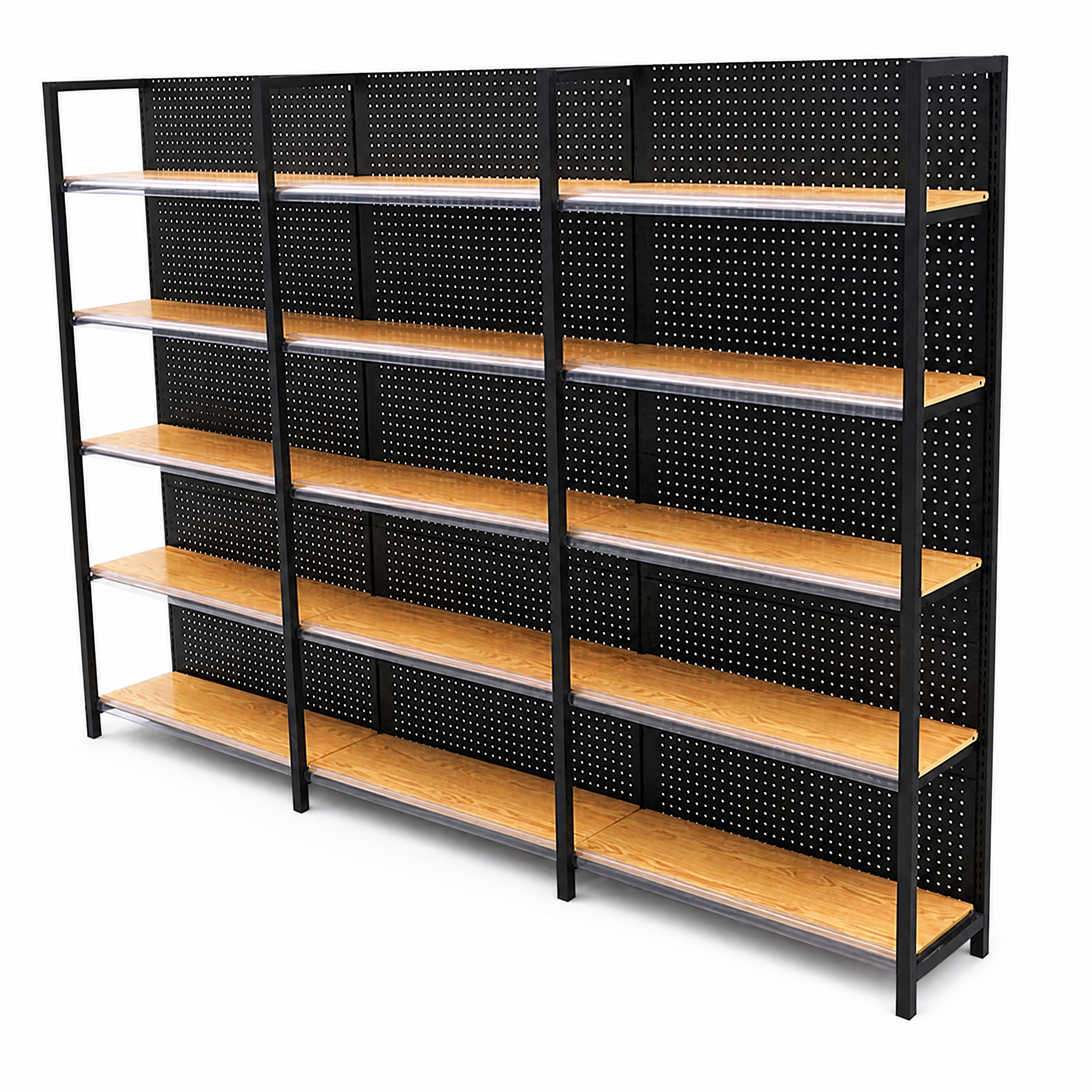
Optimize product flow with a heavy-duty Display Rack. Learn how cold-rolled Q235 steel frames, teardrop locks, and gravity flow decks cut pick times.
2026/10/30
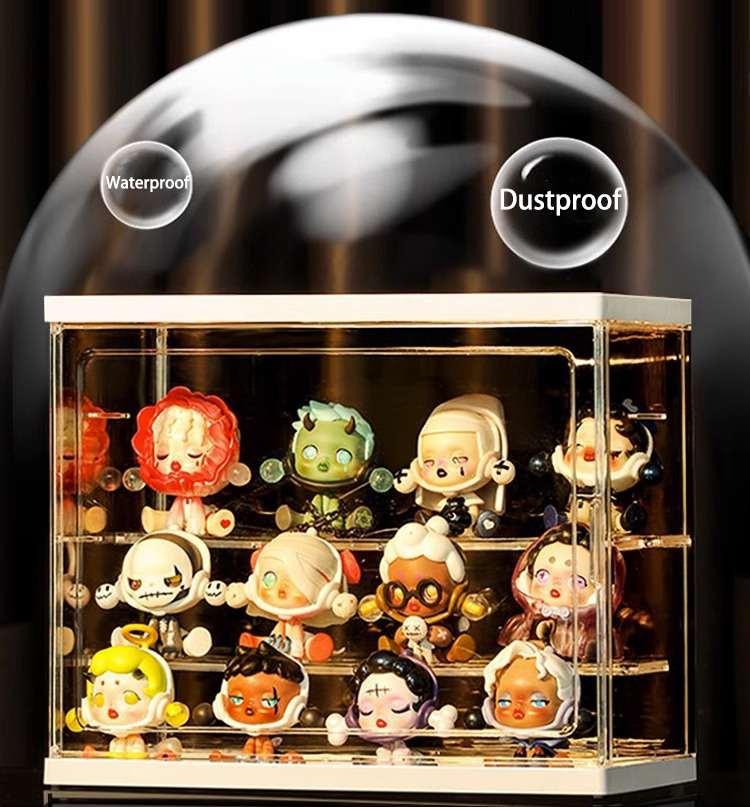
Secure premium micro-goods with countertop display case units. See how diamond-polished cast acrylic and magnetic lock latches boost impulse sales.
2026/10/30
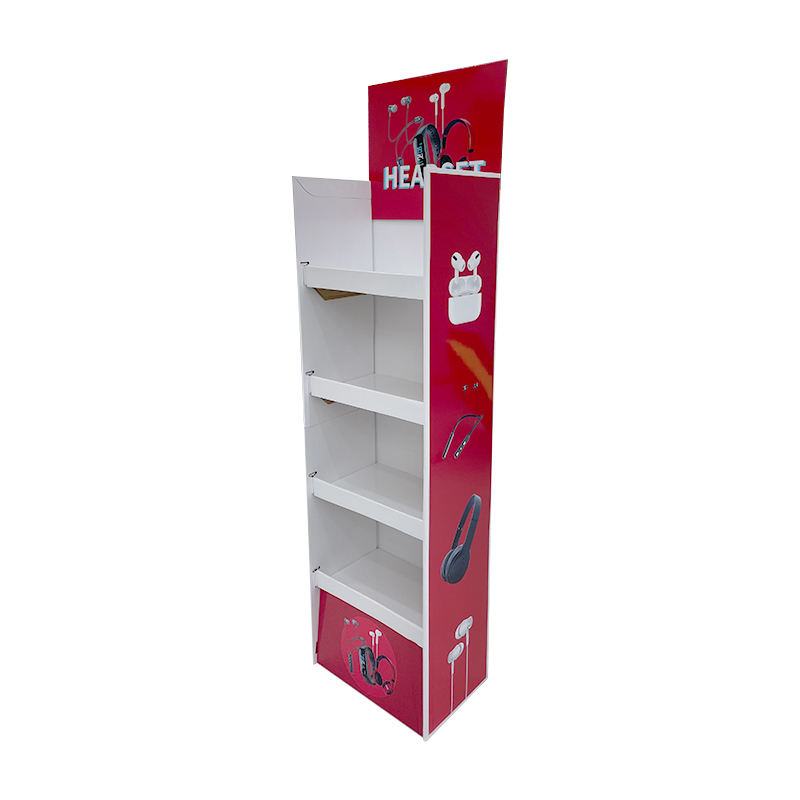
Boost retail sales with sustainable carton displays. Learn how FSC corrugated boards and eco-friendly soy inks cut carbon footprints and waste fees.
Follow our brand-latest updates, including key-client cooperation, trade-fair activities and daily-life snapshots of our factory-team.

Enhance the retail experience with custom makeup display stands, providing both functionality and modern aesthetics for cosmetic brands.

Upgrade your products’ shelf appeal and protection with innovative gift box packaging designed for cosmetics, electronics, and accessories.

Promote your brand with advertising display racks, featuring flexible configurations for showrooms, events, and point-of-sale promotions.
Comprehensive design, prototyping, and logistics for global custom display stand demands

Communicate your display size, material, structure, brand logo and store-scene requirements.
Produce renderings and structural drawings, optimize shelf layout, dooropening style and detailstructure.

Make physical prototype, test stability, appearance and assembly effect, modify details as your feedback.

Start formal mass-production after sample approval, strictly control quality, packaging and delivery cycle.