EN
Requirement Consultation
Communicate your display size, material, structure, brand logo and store-scene requirements.

2026/10/28

Nothing flattens the visual appeal of a luxury collection faster than lining every single item up at the exact same height across a table or cabinet shelf. When perfume bottles, leather wallets, ceramic mugs, or collectible figurines sit side by side on one flat plane, the front row acts like a solid wall. Shoppers standing three feet back only see the front labels, while expensive inventory sitting in the second and third rows disappears into visual dead space. Visual merchandisers call this the graveyard horizon effect. Introducing an acrylic riser display stand breaks that monotonous flat line immediately. By lifting rear and center products two, four, or six inches off the base surface, a clear acrylic riser builds architectural elevation inside an existing cabinet or tabletop without requiring a larger table. Every product gains its own unobstructed stage, turning a cramped two-dimensional surface into a deep, three-dimensional gallery view.
Retail eye-tracking laboratories consistently prove that the human eye does not scan a display table in straight horizontal lines; instead, shoppers fixate on a central focal point and move downward in a triangular cascade. Professional store planners capitalize on this optical reflex through pyramid merchandising—placing the hero product at the highest apex in the center and stepping supporting accessories downward toward the left and right wings. An acrylic riser display stand serves as the invisible scaffolding behind that triangular geometry. By spacing a tiered display stand set at fifty-millimeter height increments, merchandisers guide the buyer's gaze smoothly from top-shelf flagship items down to impulse add-ons without awkward visual jumps. Empirical store audits show that elevating back-row merchandise on a transparent display riser increases visual fixation rates on rear stock keeping units by fifty-two percent compared to flat shelf layouts.
A common mistake procurement teams make when ordering elevation blocks is overlooking wall thickness ratings and bending fabrication methods. Bargain suppliers often cut thin three-millimeter extruded plastic sheets into three separate pieces and glue the top bridge onto two vertical legs. Under the continuous weight of heavy glass skincare jars, gourmet wine bottles, or ceramic homeware, thin extruded plastic bows downward in the middle like a hammock, and cheap adhesive seams eventually snap under shear stress. A commercial-grade acrylic riser display stand avoids structural joints altogether by utilizing thermal line-bending on virgin cell-cast polymethyl methacrylate sheets ranging from six to twelve millimeters in wall thickness. Technicians heat two precise parallel bending zones to one hundred sixty degrees Celsius and fold a single solid slab into a seamless U-shaped bridge. That monolithic curve allows a clear acrylic riser to support fifteen to eighteen kilograms of static load with zero central deflection.
Looking at specialized retail sectors shows how strategic elevation directly impacts product prestige and sell-through speed. A Swiss watch and fine jewelry retailer operating thirty boutique doors noticed that diamond rings and chronographs laid flat on velvet pads inside waist-high glass vitrines forced customers to hunch over awkwardly to inspect stone settings. By introducing clusters of solid cylindrical acrylic display pedestals in graduated heights between forty and one hundred twenty millimeters, key timepieces rose closer to the top glass panel and caught overhead halogen spotlights at flattering angles. Average customer viewing time at the front window climbed by thirty-nine percent, lifting high-ticket showcase inquiries by thirty-one percent over ninety days. Meanwhile, an urban sneaker boutique in Los Angeles replaced bulky wooden shoe boxes with cantilevered acrylic riser display stand brackets along its feature wall, making limited-edition footwear appear to float in midair and boosting flagship sneaker turnover by twenty-six percent.
Beyond transforming customer sightlines, an acrylic riser display stand solves a major backroom storage headache for multi-store operations. Seasonal promotions require stores to swap between dense holiday gift tables and minimalist summer layouts several times a year. Rigid wooden blocks or welded metal boxes consume massive amounts of backroom shelf space when not in use. Engineered nesting sets—where three, four, or five graduated U-shaped risers tuck neatly inside one another like Russian dolls—slash off-season storage volume by up to seventy percent while cutting inbound parcel freight costs. On the sales floor, surface edge finishing dictates whether the riser disappears or distracts. Running every cut perimeter of a transparent display riser through a CNC diamond-blade polisher turns dull saw marks into water-clear bevels. Overhead track lights pass straight through the body of the tiered display stand without casting dark shadows underneath, creating a clean floating illusion beneath the merchandise.
Creating a cohesive visual landscape across hundreds of store counters takes more than generic off-the-shelf plastic cubes; it requires elevation hardware tailored to specific product weights, footprints, and brand colors. YSY Display manufactures commercial acrylic riser display stand collections engineered from 100 percent virgin cast PMMA sheets that guarantee ninety-two percent light transmission and ten-year resistance against ultraviolet yellowing. Whether a visual merchandising campaign demands heavy-duty twelve-millimeter bridges for kitchen appliances, solid crystal-polished acrylic display pedestals for luxury cosmetics, frosted matte finishes, or laser-engraved corporate logos along the front valence, YSY Display executes every process in-house. Using automated CNC laser cutting, precision thermal bending jigs, and individual scratch-proof PE protective film wrapping, YSY Display delivers distortion-free clear acrylic riser systems that add instant architectural depth and higher conversion rates to global retail floors.
2026/10/30
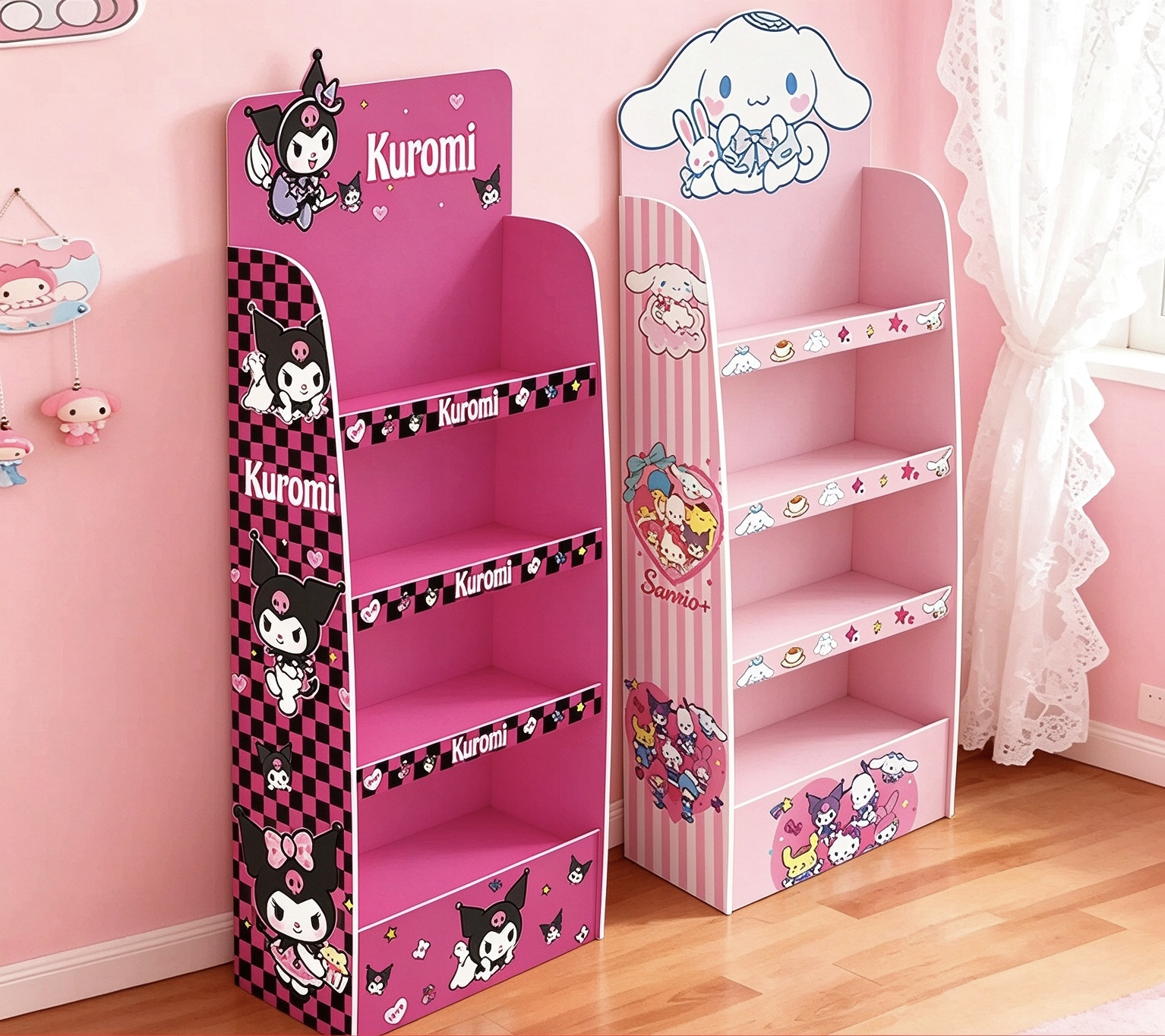
Elevate store environments with custom retail store displays. Learn how hybrid steel, cast acrylic, and wood fixtures build brand image and sales.
2026/10/30
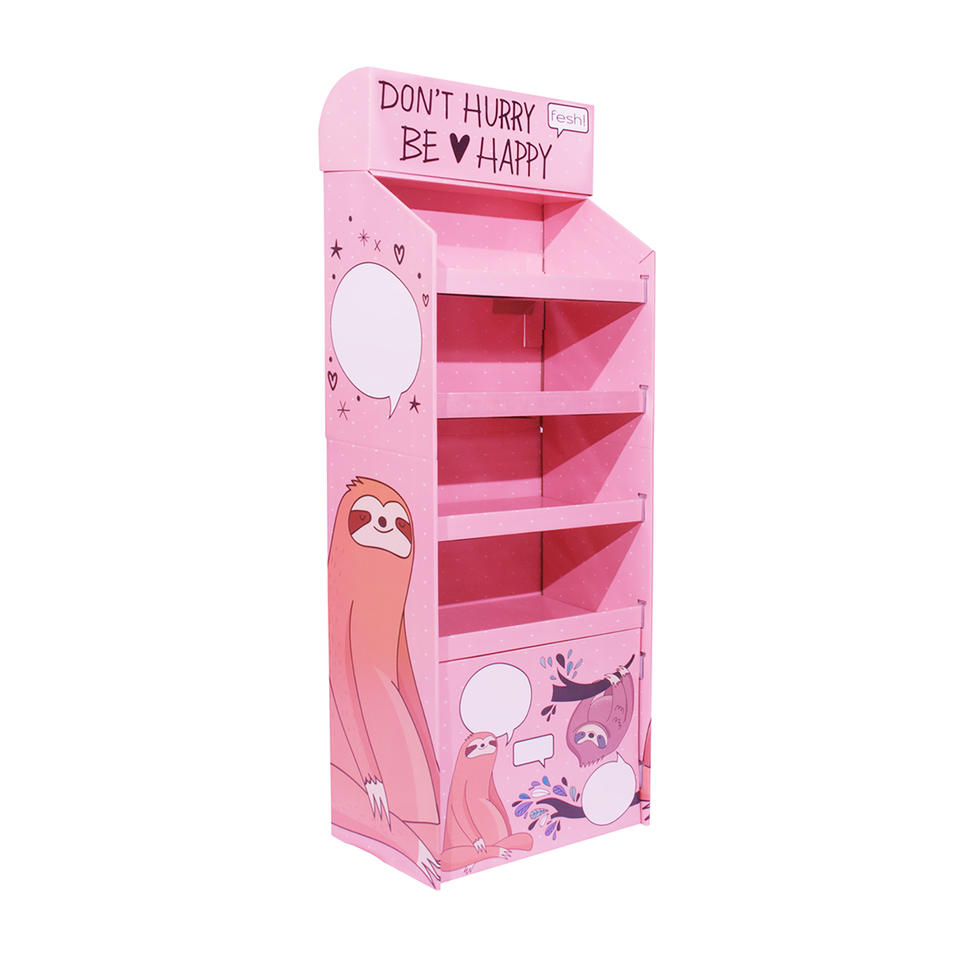
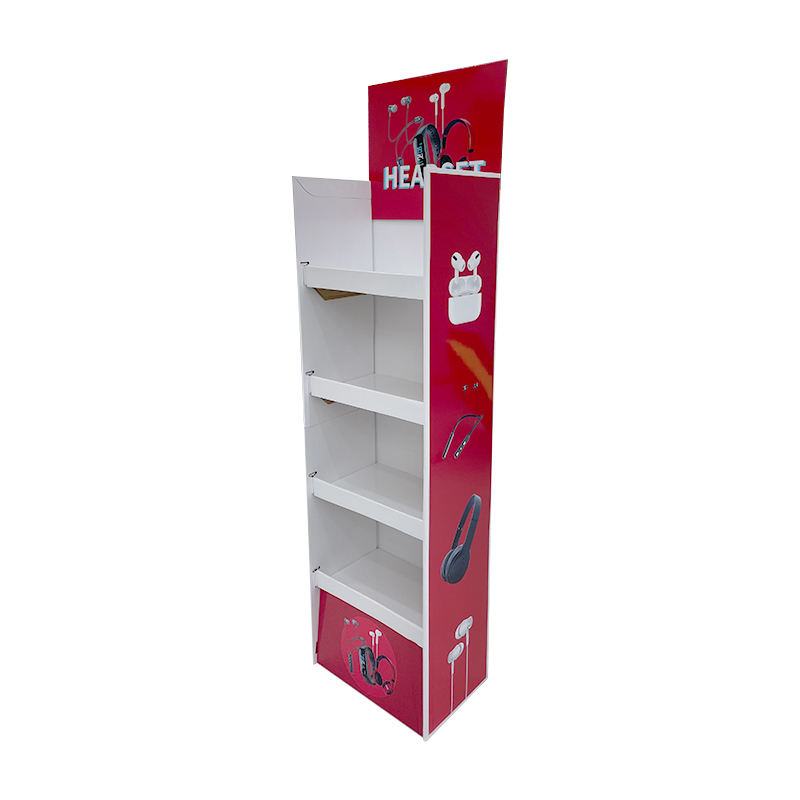
Maximize visual impact with cardboard display stands. See how high-ECT corrugated boards, flat-pack logistics, and rapid lock tabs lower marketing costs.
2026/10/30
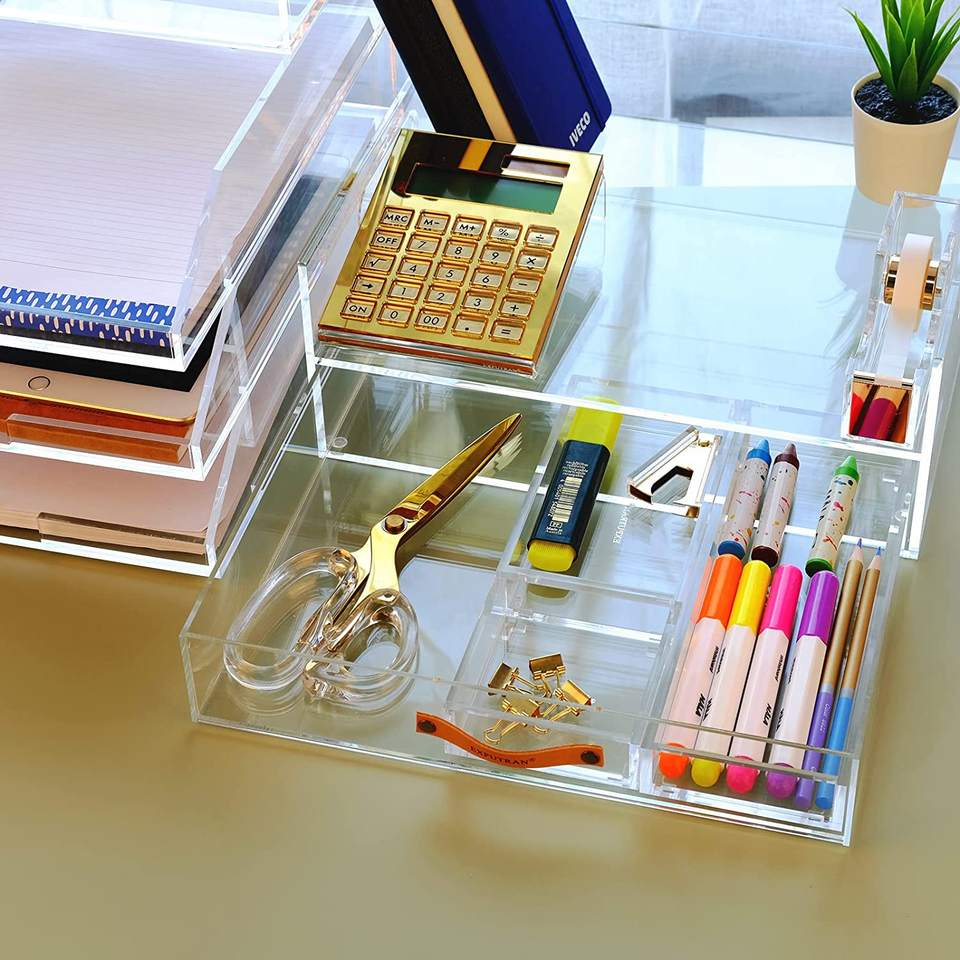
Elevate unboxing with a custom display box. Learn how rigid greyboards, G7-certified litho-printing, and high-density EVA foam protect premium goods.
2026/10/30
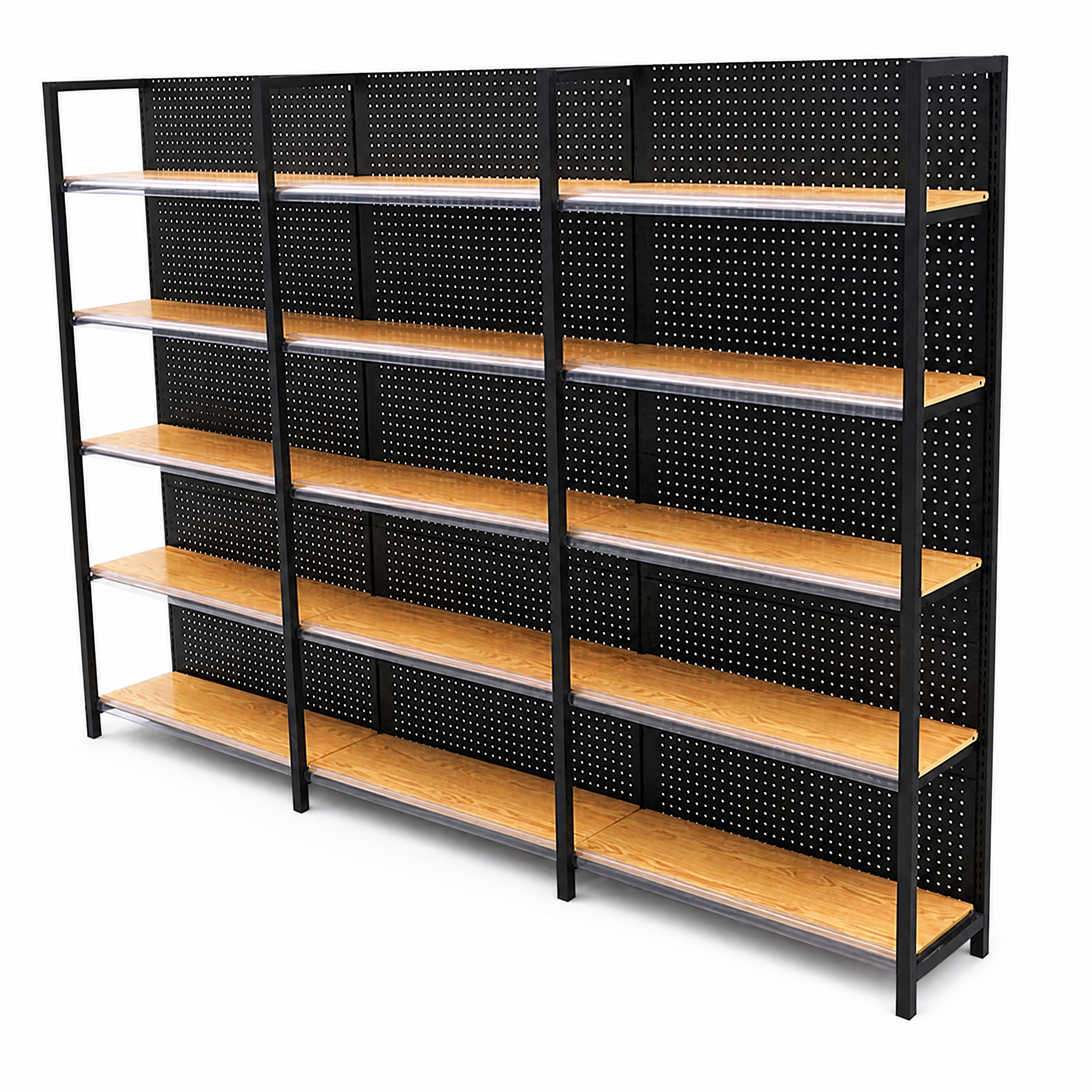
Optimize product flow with a heavy-duty Display Rack. Learn how cold-rolled Q235 steel frames, teardrop locks, and gravity flow decks cut pick times.
2026/10/30
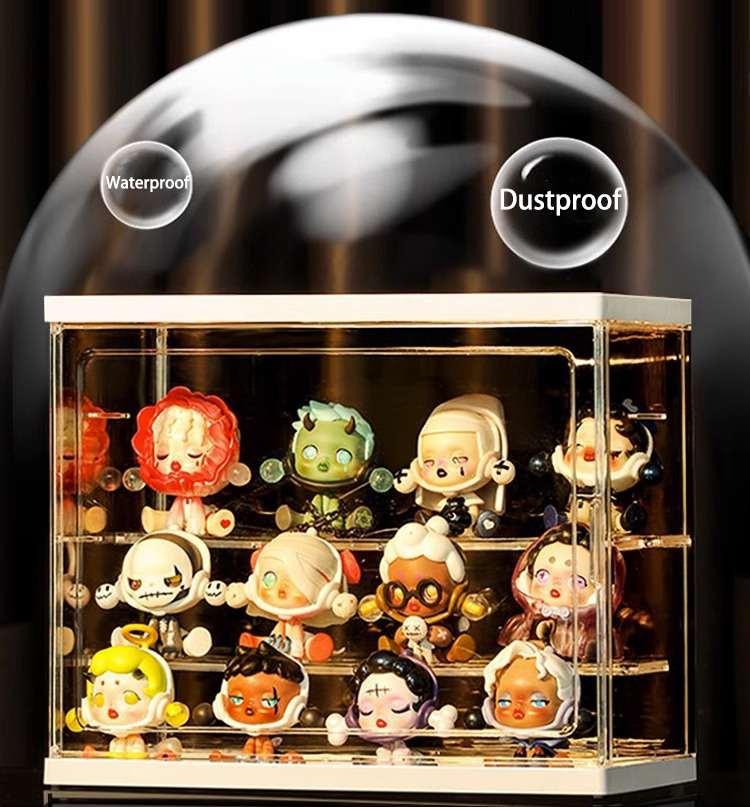
Secure premium micro-goods with countertop display case units. See how diamond-polished cast acrylic and magnetic lock latches boost impulse sales.
2026/10/30
Boost retail sales with sustainable carton displays. Learn how FSC corrugated boards and eco-friendly soy inks cut carbon footprints and waste fees.
Follow our brand-latest updates, including key-client cooperation, trade-fair activities and daily-life snapshots of our factory-team.

Enhance the retail experience with custom makeup display stands, providing both functionality and modern aesthetics for cosmetic brands.

Upgrade your products’ shelf appeal and protection with innovative gift box packaging designed for cosmetics, electronics, and accessories.

Promote your brand with advertising display racks, featuring flexible configurations for showrooms, events, and point-of-sale promotions.
Comprehensive design, prototyping, and logistics for global custom display stand demands

Communicate your display size, material, structure, brand logo and store-scene requirements.
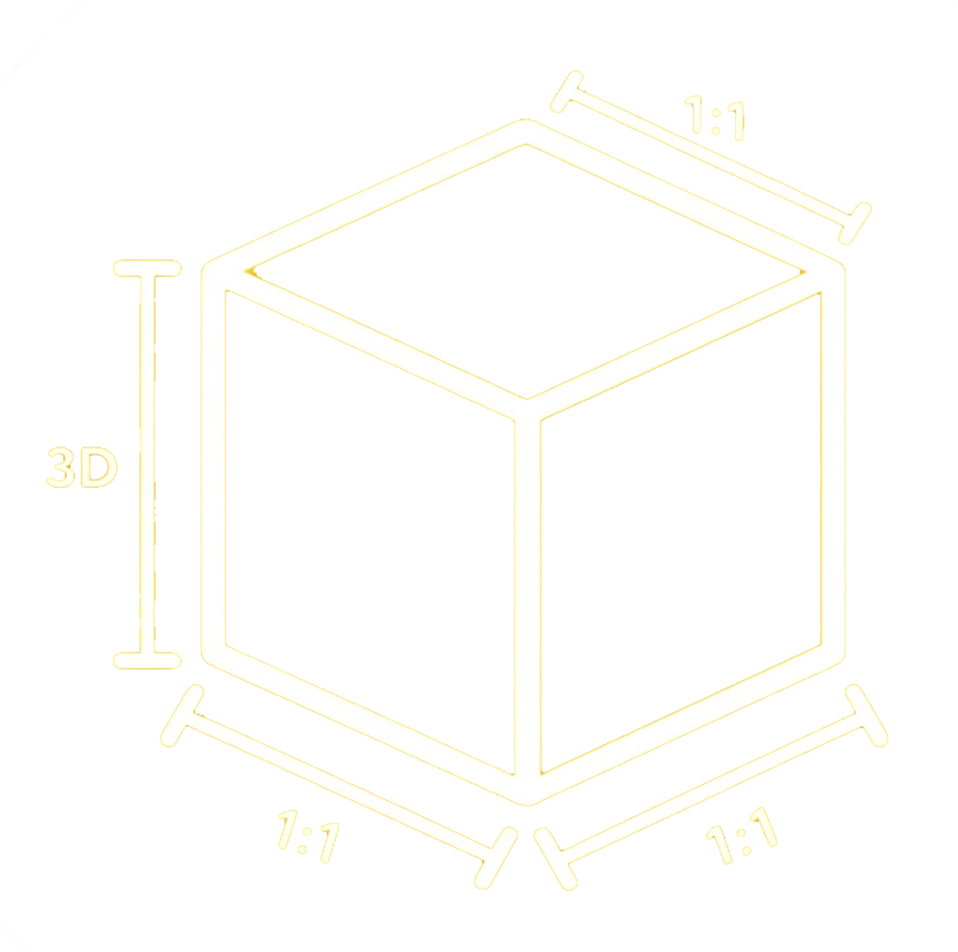
Produce renderings and structural drawings, optimize shelf layout, dooropening style and detailstructure.

Make physical prototype, test stability, appearance and assembly effect, modify details as your feedback.

Start formal mass-production after sample approval, strictly control quality, packaging and delivery cycle.