EN
Requirement Consultation
Communicate your display size, material, structure, brand logo and store-scene requirements.

2026/10/30
In the modern consumer packaged goods market, brands still wrapping their items in heavy thermoformed blister plastics and single-use acrylic containers face massive friction at every stage of the supply chain. Global supermarkets and premium department store chains are actively implementing zero-waste mandates, threatening to delist vendors that fail to reduce non-recyclable plastic packaging. Furthermore, consumers waiting in checkout lines are increasingly vocal about packaging excess, with many abandoning purchases at the shelf when faced with rigid plastic shells that are notoriously difficult to recycle. Transitioning to custom cardboard display boxes provides an immediate, zero-plastic packaging alternative. By replacing petroleum-based petroleum shells with structured corrugated paperboard, a sustainable retail packaging box protects delicate retail goods during transit while showing eco-conscious buyers that the company actively stands behind green environmental standards.
The transition toward paper-based packaging is no longer just a public relations trend; it is driven by strict international legal penalties. Governments across Europe and North America are aggressively expanding Extended Producer Responsibility laws, forcing consumer brands to pay high financial penalties on every ton of non-recyclable plastic packaging they enter into the market. At the same time, certified retail packaging requires verified traceability matching strict international environmental guidelines. Fabricating cardboard display boxes using raw materials certified by the Forest Stewardship Council guarantees that every wood fiber is harvested from responsibly managed, renewable commercial forests. Consumer behavioral research confirms that eighty-one percent of global shoppers prefer purchasing brands that utilize biodegradable and compostable shipping materials, proving that switching to paper packaging directly aligns a brand with massive, high-converting buyer demographics worldwide.
The environmental value of a green retail display box depends heavily on the chemical purity of its components. Many low-cost packaging shops laminate virgin white paper with non-recyclable plastic films to achieve gloss, or use petroleum-solvent adhesives that release harmful volatile organic compounds. A commercial-grade sustainable retail packaging box relies on unbleached natural kraft paperboards. Natural kraft pulping preserves the long, interlocking cellulose fibers of the wood, providing immense tensile strength, tear resistance, and edge crush ratings without requiring chlorine bleach chemicals. When combining sheets into multi-layer corrugated paperboards, advanced factories replace toxic chemical glues with natural, plant-based cornstarch adhesives. Printing is completed exclusively with water-based and vegetable-soy inks, ensuring the entire cardboard display boxes package can decompose completely in a commercial composting bin within ninety days of disposal.
Supermarket case studies demonstrate that visible green packaging architecture translates into immediate point-of-sale volume gains. A European organic herbal tea brand launching across four hundred grocery stores wanted to replace its windowed plastic tea tins with an eco friendly cardboard packaging box. The brand deployed a custom folding cardboard display box crafted from unbleached brown kraft paper, featuring an intricate laser-cut botanical viewing window that let shoppers visually inspect the herbal leaves inside without using a plastic film overlay. The natural paper texture resonated strongly with organic shoppers, driving a ninety-six percent surge in weekly unit sales compared to the previous metal-and-plastic presentation. In California, a botanical skincare startup used similar custom cardboard display boxes on checkout counters to house organic lip balms, lifting impulse trial conversions by twenty-nine percent while reinforcing its plastic-free brand promise.
A common misconception among product manufacturers is that a sustainable cardboard display box lacks the structural strength of a glued plastic stand. Modern structural packaging engineers overcome this by designing smart, glue-free interlocking slot-and-tab geometries. Rather than relying on industrial hot-melt adhesives—which can fail under intense summer warehouse heat and contaminate the paper recycling process—high-speed computerized die-cutters stamp out intricate folding patterns that lock together under physical tension. Flaps roll over double-wall support panels and click into laser-cut bottom channels, creating rigid vertical columns and high load-bearing shelves capable of supporting ten kilograms of product without a single drop of glue. This lock-tab assembly allows the entire cardboard display boxes package to ship completely flat, saving massive ocean container volume and cutting inbound shipping carbon emissions by up to thirty-five percent.
Transitioning to high-impact, compostable retail packaging requires a factory partner that combines advanced structural CAD software with direct access to certified green raw material chains. YSY Display specializes in designing and manufacturing FSC-certified cardboard display boxes that combine heavy-duty product protection with beautiful, eco friendly presentation. Utilizing automated high-speed die-cutters, computerized folder-gluers, and G7 color-calibrated vegetable-ink printing presses, YSY Display fabricates custom retail packaging box structures customized to your exact product dimensions and shipping weight constraints. The structural engineering team at YSY Display optimizes every crease and tab to allow rapid, glue-free assembly on your packing line, reducing warehouse labor costs. By partnering with YSY Display, global brands, distributors, and organic food producers secure high-quality sustainable packaging that meets international environmental standards and stands out on busy store shelves.
2026/10/30
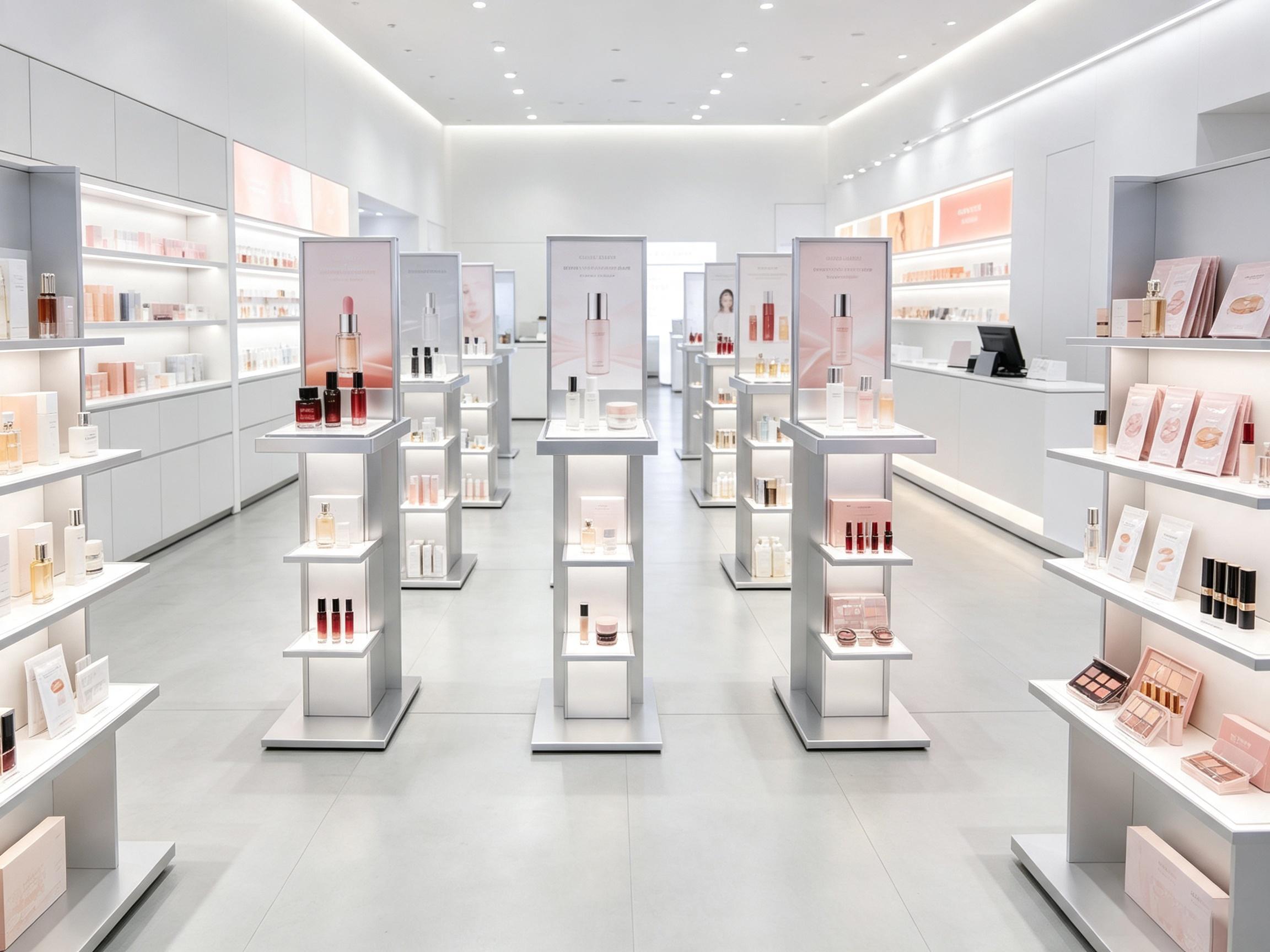
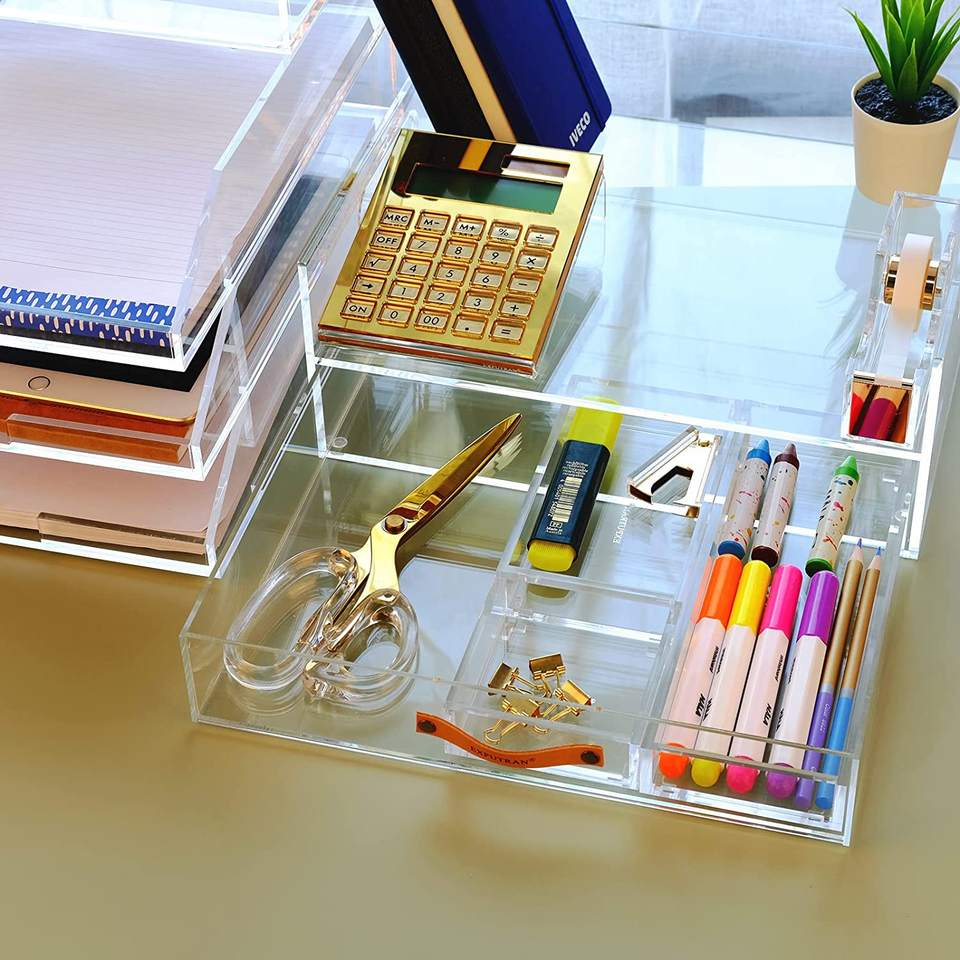
Elevate store environments with custom retail store displays. Learn how hybrid steel, cast acrylic, and wood fixtures build brand image and sales.
2026/10/30
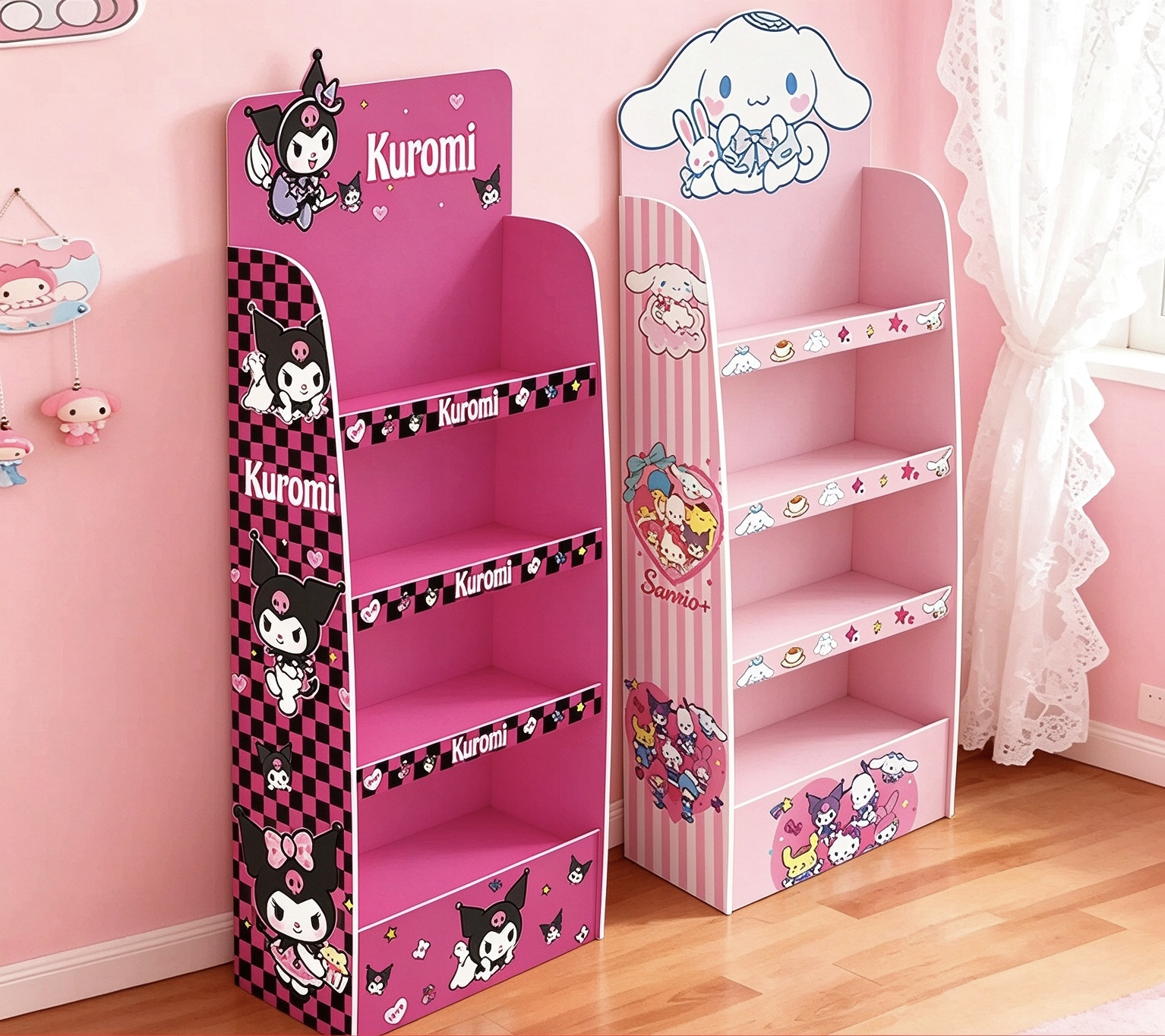
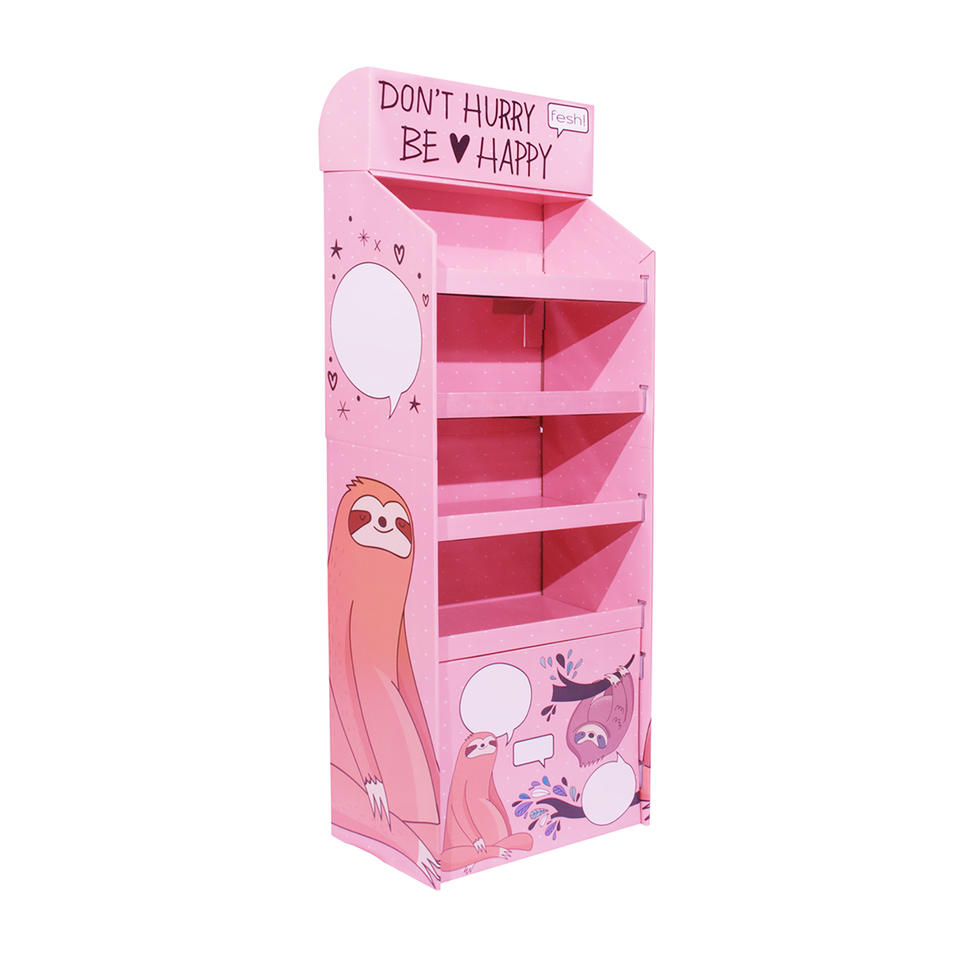
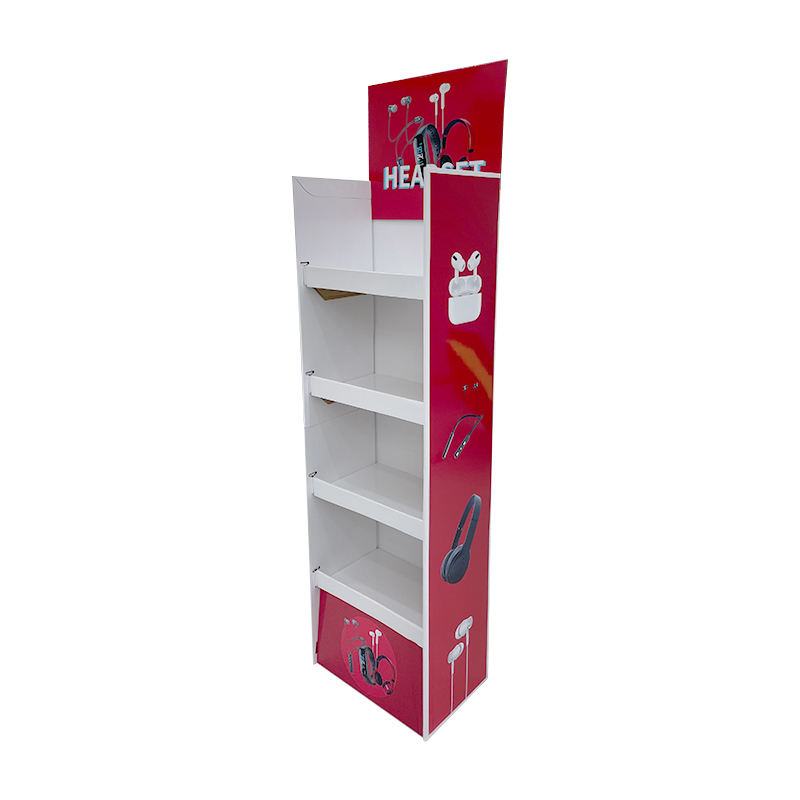
Maximize visual impact with cardboard display stands. See how high-ECT corrugated boards, flat-pack logistics, and rapid lock tabs lower marketing costs.
2026/10/30
Elevate unboxing with a custom display box. Learn how rigid greyboards, G7-certified litho-printing, and high-density EVA foam protect premium goods.
2026/10/30
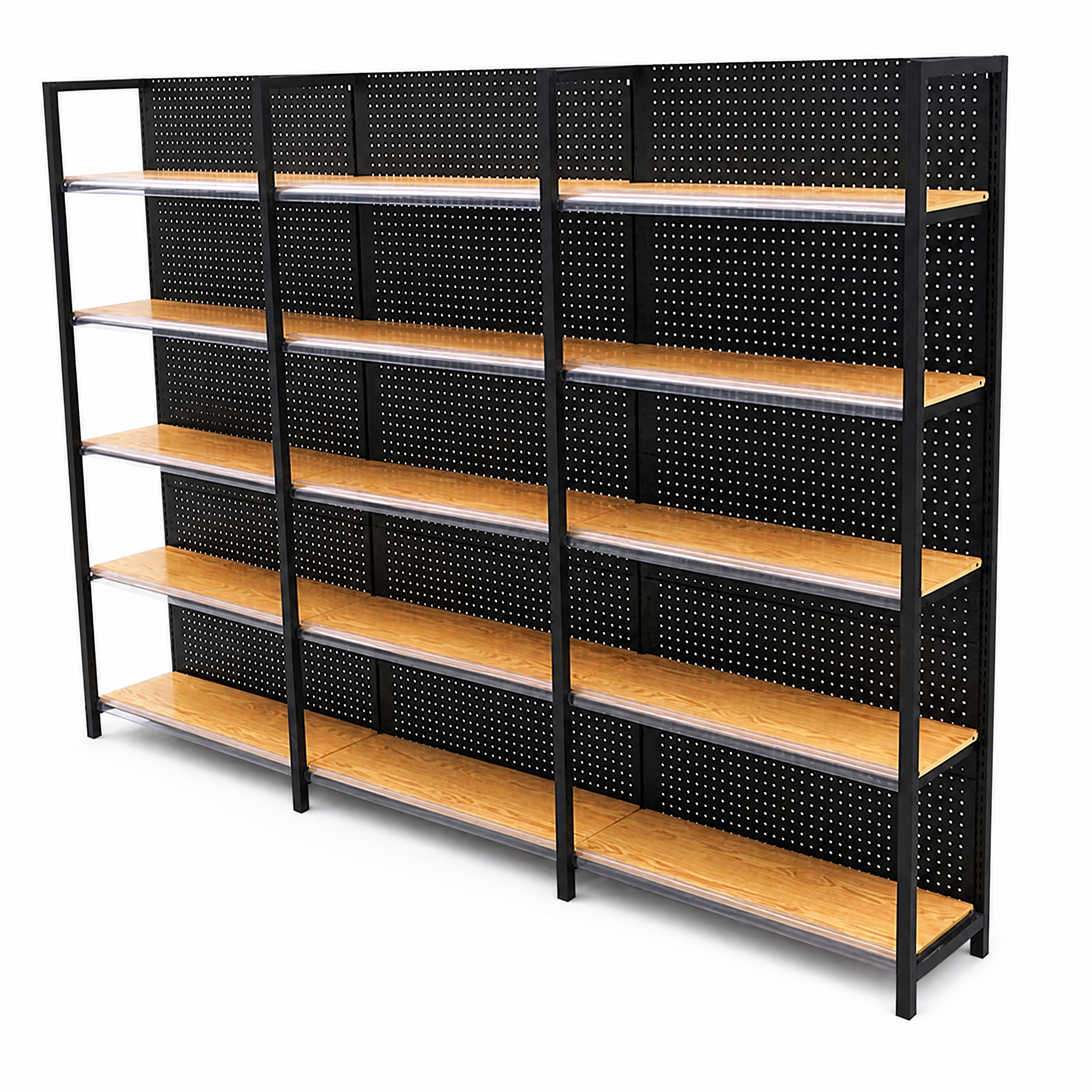
Optimize product flow with a heavy-duty Display Rack. Learn how cold-rolled Q235 steel frames, teardrop locks, and gravity flow decks cut pick times.
2026/10/30
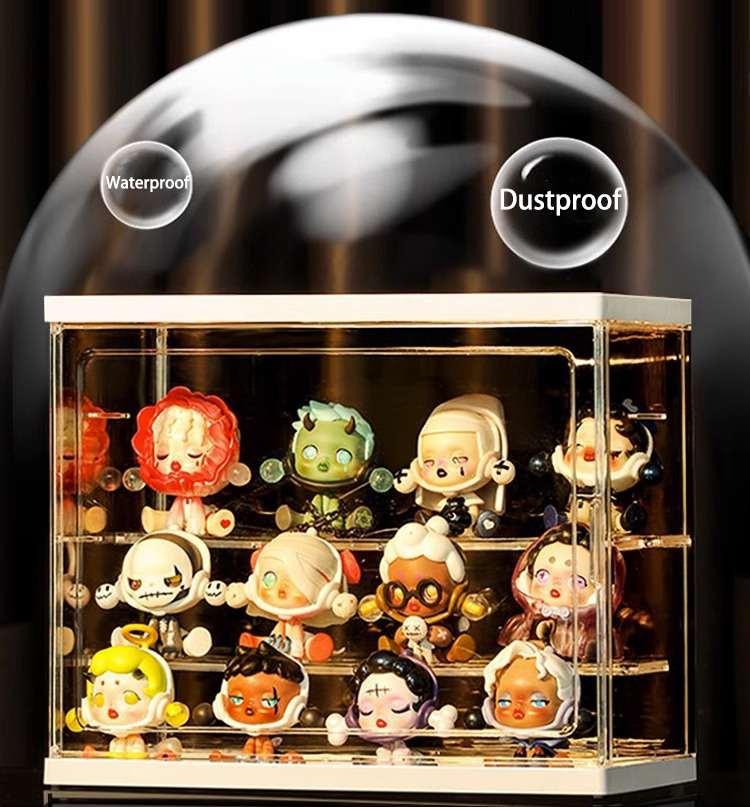
Secure premium micro-goods with countertop display case units. See how diamond-polished cast acrylic and magnetic lock latches boost impulse sales.
2026/10/30
Boost retail sales with sustainable carton displays. Learn how FSC corrugated boards and eco-friendly soy inks cut carbon footprints and waste fees.
Follow our brand-latest updates, including key-client cooperation, trade-fair activities and daily-life snapshots of our factory-team.

Enhance the retail experience with custom makeup display stands, providing both functionality and modern aesthetics for cosmetic brands.

Upgrade your products’ shelf appeal and protection with innovative gift box packaging designed for cosmetics, electronics, and accessories.

Promote your brand with advertising display racks, featuring flexible configurations for showrooms, events, and point-of-sale promotions.
Comprehensive design, prototyping, and logistics for global custom display stand demands

Communicate your display size, material, structure, brand logo and store-scene requirements.
Produce renderings and structural drawings, optimize shelf layout, dooropening style and detailstructure.

Make physical prototype, test stability, appearance and assembly effect, modify details as your feedback.

Start formal mass-production after sample approval, strictly control quality, packaging and delivery cycle.