EN
Requirement Consultation
Communicate your display size, material, structure, brand logo and store-scene requirements.

2026/10/25
Fast-moving consumer goods, seasonal cosmetics, packaged confectionery, and holiday toy lines rely on dynamic promotional displays to drive retail sales. Marketing directors and FMCG procurement specialists frequently evaluate how cardboard display shelves present lightweight goods during short-term retail marketing initiatives. Permanent metal and solid wood fixtures require substantial financial investments, extended production lead times, and complex store assembly logistics. For promotional campaigns lasting from two weeks to three months, heavy permanent fixtures often prove too costly and difficult to reconfigure. Incorporating purpose-built cardboard display shelves provides a lightweight, cost-effective solution for launching promotional products across supermarket aisles. When stores present lightweight goods using vibrant corrugated paperboard stands, products stand out against standard shelving units, catching shopper attention. Utilizing modular corrugated cardboard displays allows marketing teams to deploy branded promotional structures that align with multimedia advertising themes. Sourcing versatile temporary retail cardboard shelves enables brands to launch seasonal sales campaigns quickly. Deploying lightweight merchandise displays allows retailers to turn open floor space into high-earning promotional zones.
The load-bearing strength of paperboard displays depends on corrugated engineering and multi-wall structural architecture. Understanding how cardboard display shelves present lightweight goods involves examining corrugated flute geometry and structural folding mechanics. Standard flat cardboard cannot support substantial weight without folding under pressure, but fluted corrugated board provides an impressive strength-to-weight ratio. A well-designed cardboard display shelves system utilizes B-flute, E-flute, or multi-wall EB-flute combinations, distributing merchandise weight evenly across vertical flute columns. Structural packaging engineers design interlocking vertical divider ribs and folded triangular corner supports that allow each shelf to support lightweight goods weighing from 5 to 15 kilograms without center sagging. When designing corrugated cardboard displays, folding tabs and double-folded front lips lock trays securely into side panels without mechanical fasteners. Sourcing reinforced temporary retail cardboard shelves ensures that floor display stands maintain upright geometry during busy retail shopping rushes. Specifying engineered lightweight merchandise displays ensures that paperboard structures carry targeted product volumes reliably throughout promotional periods.
Corrugated display units offer unmatched brand storytelling capabilities by turning structural surfaces into vibrant full-color billboards. Analyzing how cardboard display shelves present lightweight goods highlights the visual impact of advanced commercial printing technologies. Unlike metal shelving that relies on attached plastic price channels, an entire cardboard display shelves structure can be printed edge-to-edge with high-resolution brand artwork, character mascots, and promotional slogans. Manufacturers utilize offset lithographic lamination or high-speed digital printing to apply vibrant graphics directly to smooth paperboard surfaces. This printing quality allows corrugated cardboard displays to showcase photographic imagery, promotional QR codes, and clear discount announcements that catch shopper eyes across busy store aisles. Applying aqueous gloss varnishes or matte polypropylene laminations to temporary retail cardboard shelves protects printed graphics against scuffing and moisture. High-definition graphics turn lightweight merchandise displays into captivating promotional touchpoints that attract foot traffic and reinforce brand campaigns at the point of sale.
Managing logistics costs and retail store compliance is a critical operational consideration in multi-store promotional rollouts. When evaluating how cardboard display shelves present lightweight goods, transport packaging and assembly speed represent decisive advantages. Shipping pre-assembled, hollow floor displays across regional distribution networks incurs high freight costs and increases transit crushing risks. In contrast, an engineered cardboard display shelves unit ships completely flat-packed in compact cartons, maximizing pallet loading efficiency and cutting domestic transportation expenses by up to 60 percent. Structural designers engineer corrugated cardboard displays with pre-glued auto-lock pop-up bases and numbered folding tabs, allowing local store associates to assemble complete floor stands in under three minutes without tape or tools. This rapid assembly ensures high compliance across retail chains, preventing promotional materials from sitting unused in backrooms. Furthermore, lightweight temporary retail cardboard shelves can be repositioned easily across the sales floor during daily store refreshes. Utilizing flat-packed lightweight merchandise displays streamlines rollout logistics and helps seasonal retail campaigns launch on schedule.
The commercial effectiveness of deploying promotional paperboard displays is demonstrated by sales velocity metrics from retail campaigns. A multinational snack food and confectionery brand operating across 300 regional supermarket locations conducted a six-week holiday promotional campaign. The company deployed custom cardboard display shelves featuring festive seasonal graphics and four-tier product trays alongside main checkout queues. Participating stores utilizing the vibrant corrugated cardboard displays recorded a 34 percent increase in snack item sales velocity compared to endcap metal shelving. Retail store managers reported that the easy assembly of the temporary retail cardboard shelves allowed store associates to set up promotional displays within five minutes. The compact footprint of the lightweight merchandise displays enabled stores to turn underutilized checkout areas into high-earning seasonal impulse zones. Furthermore, the fully recyclable paperboard construction allowed stores to dispose of fixtures through standard recycling streams at campaign end, eliminating disposal costs. This campaign demonstrates that cardboard display shelves present lightweight goods effectively while delivering strong promotional return on investment.
Producing high-impact promotional retail displays requires creative structural packaging engineering, precision die-cutting equipment, and reliable volume production. YSY Display delivers custom retail display solutions for global consumer brands, retail chains, and promotional marketing agencies worldwide. The manufacturing infrastructure at YSY Display houses large-format digital printing presses, automated litho-laminators, high-speed CNC sample plotters, and heavy-duty automatic die-cutting machines. The engineering team at YSY Display focuses on how cardboard display shelves present lightweight goods, optimizing flute profiles, structural load distribution, and compact flat-packed packaging architectures. Every corrugated cardboard displays project developed by YSY Display uses responsibly sourced, recyclable paperboard materials adhering to international environmental packaging standards. Whether your promotional campaign requires modular temporary retail cardboard shelves for seasonal grocery rollouts or bespoke lightweight merchandise displays for nationwide product launches, YSY Display provides the design expertise, production capacity, and global delivery reliability needed to turn retail concepts into high-performing store fixtures.
2026/10/30
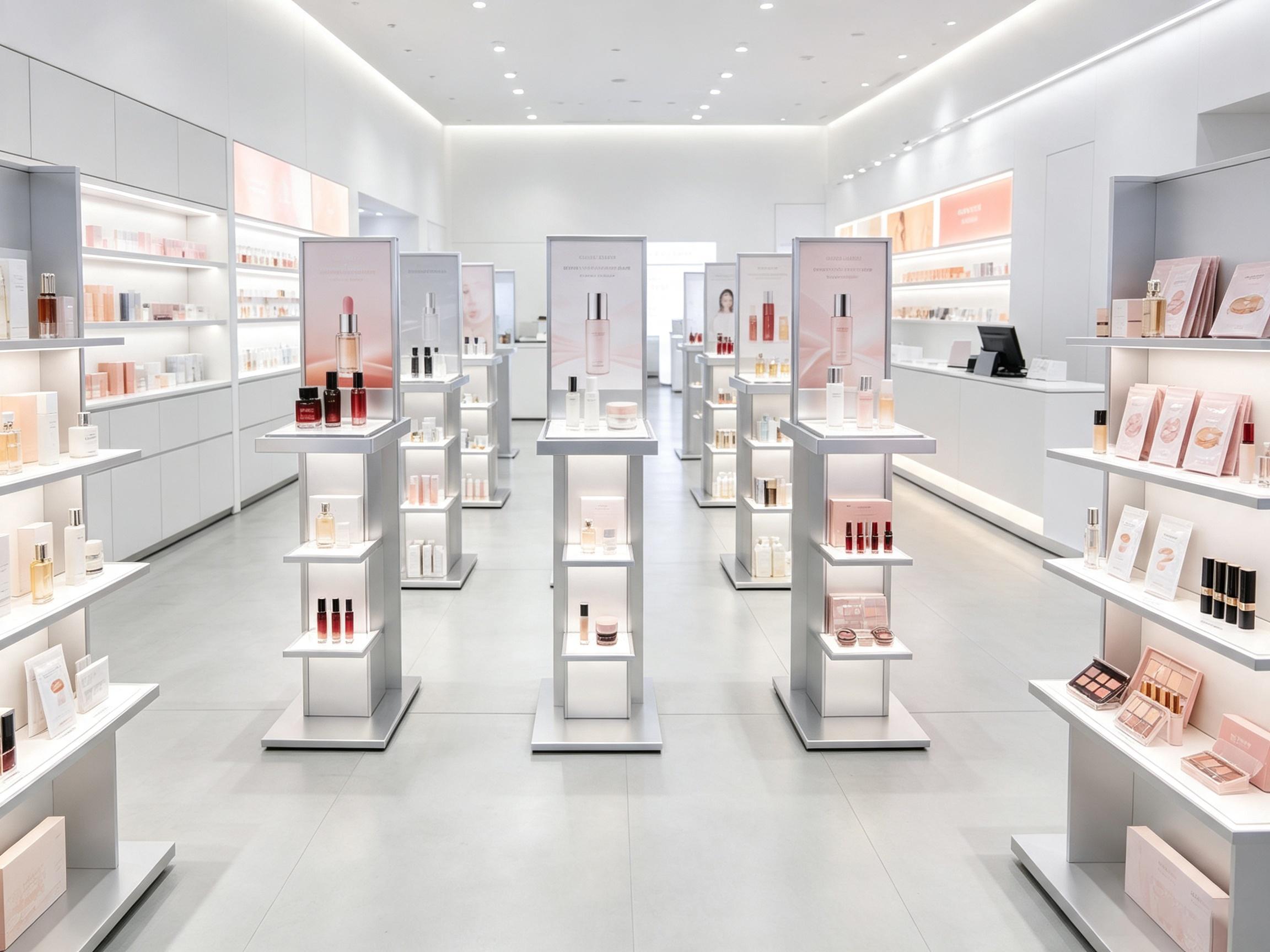
Elevate store environments with custom retail store displays. Learn how hybrid steel, cast acrylic, and wood fixtures build brand image and sales.
2026/10/30
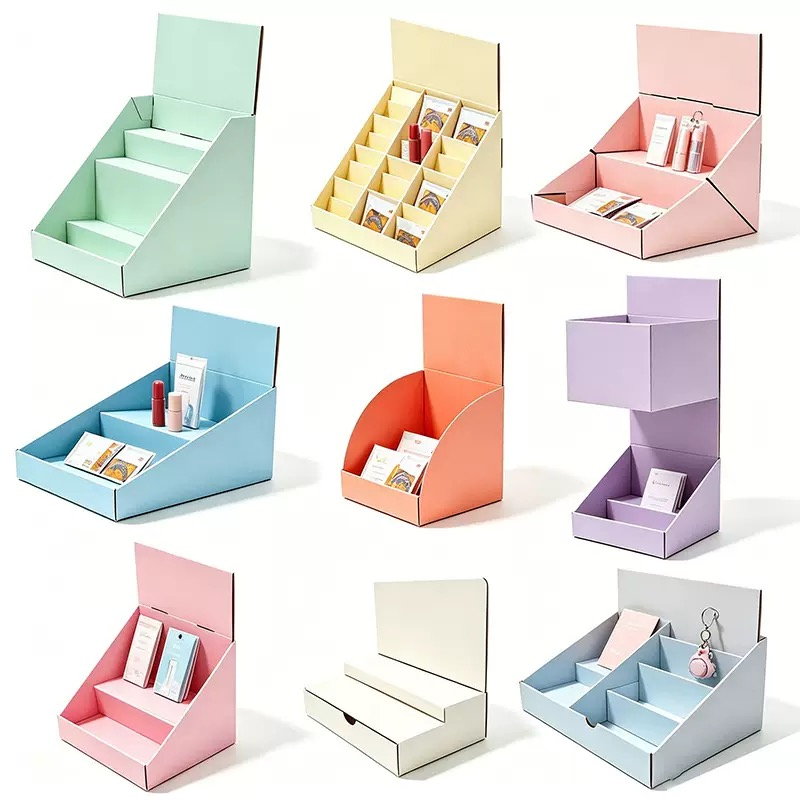
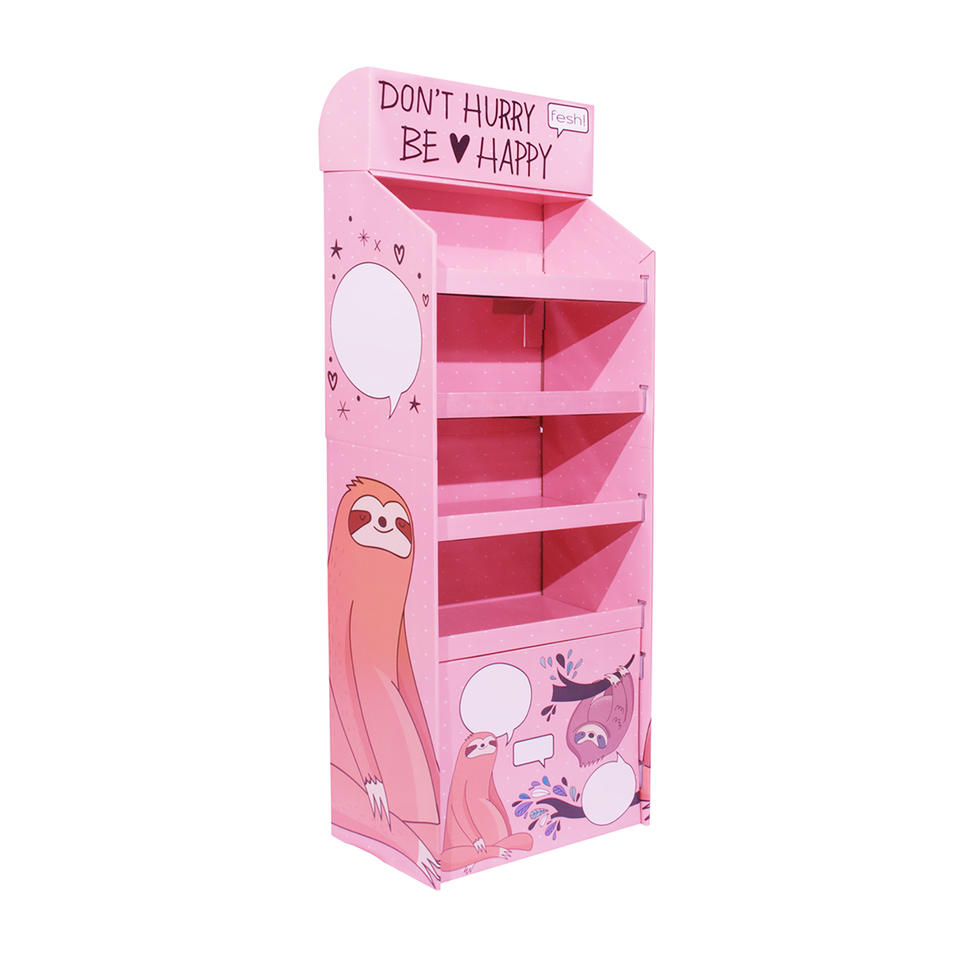
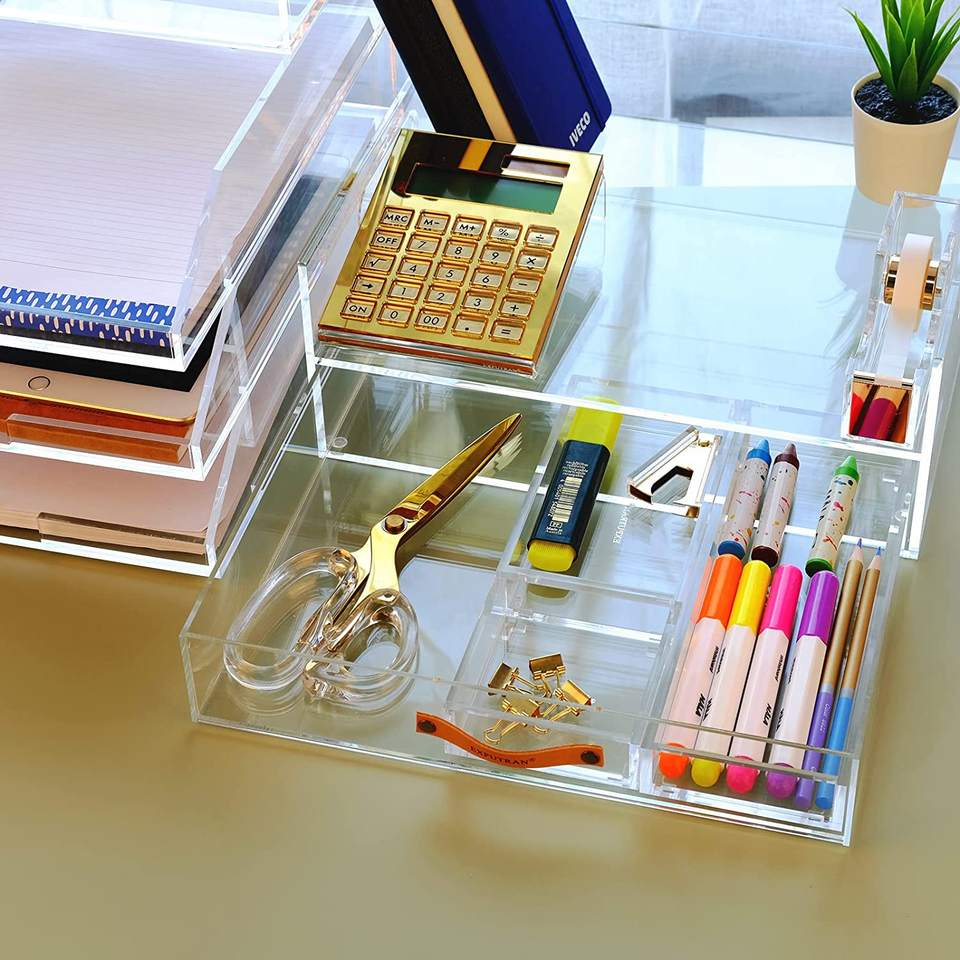
Maximize visual impact with cardboard display stands. See how high-ECT corrugated boards, flat-pack logistics, and rapid lock tabs lower marketing costs.
2026/10/30
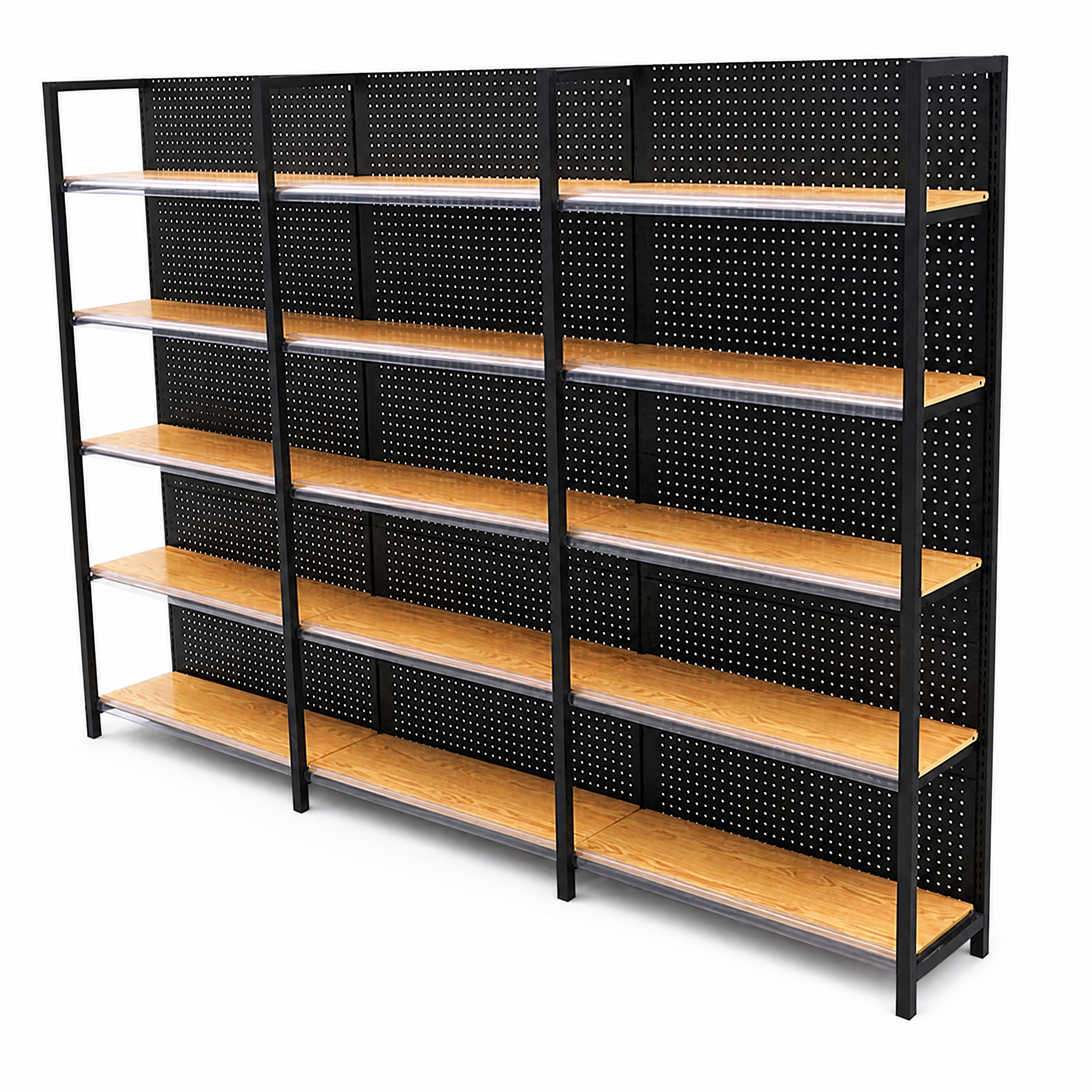
Elevate unboxing with a custom display box. Learn how rigid greyboards, G7-certified litho-printing, and high-density EVA foam protect premium goods.
2026/10/30
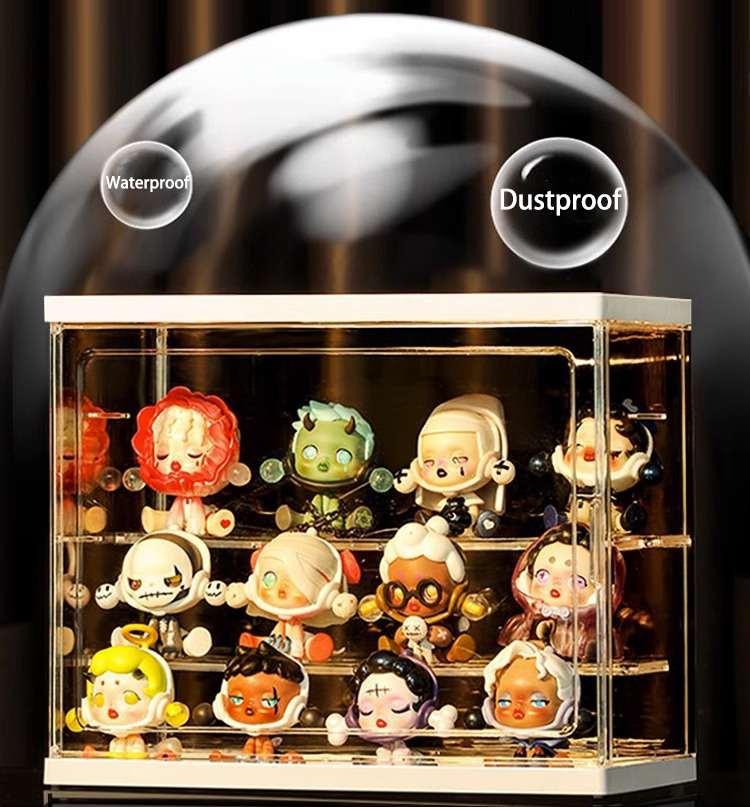
Optimize product flow with a heavy-duty Display Rack. Learn how cold-rolled Q235 steel frames, teardrop locks, and gravity flow decks cut pick times.
2026/10/30
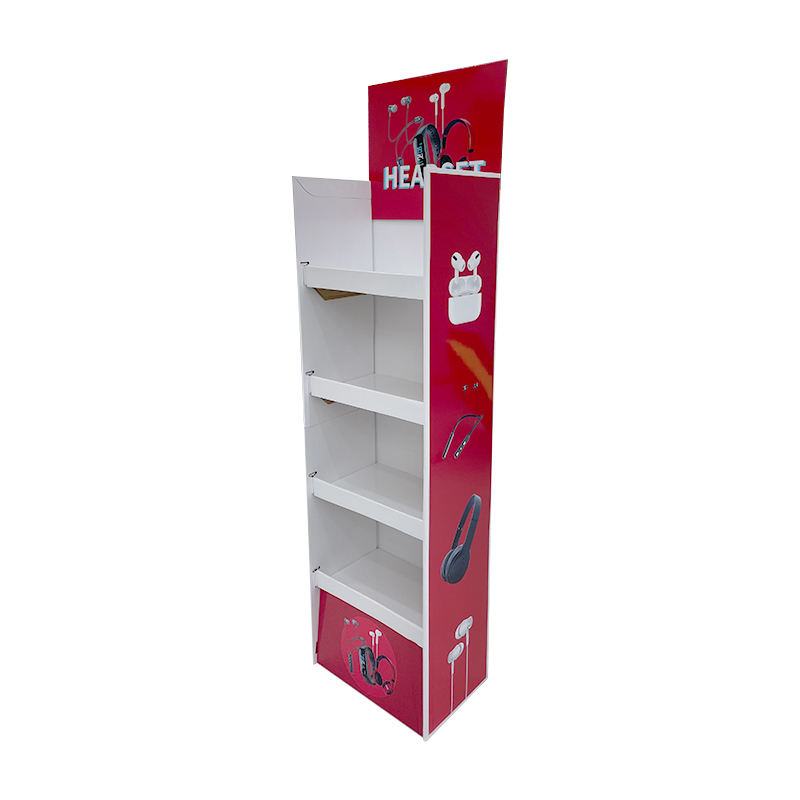
Secure premium micro-goods with countertop display case units. See how diamond-polished cast acrylic and magnetic lock latches boost impulse sales.
2026/10/30
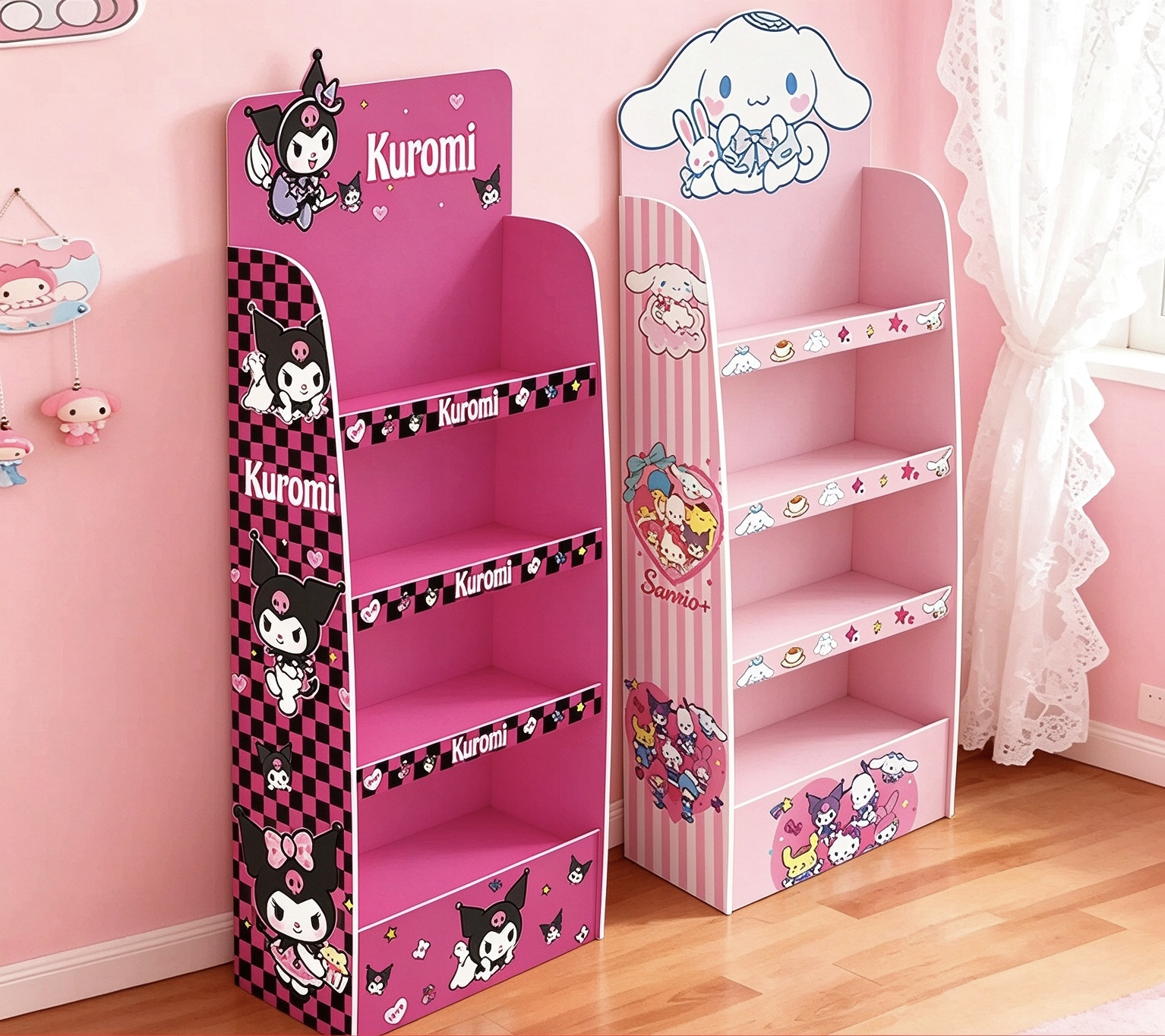
Boost retail sales with sustainable carton displays. Learn how FSC corrugated boards and eco-friendly soy inks cut carbon footprints and waste fees.
Follow our brand-latest updates, including key-client cooperation, trade-fair activities and daily-life snapshots of our factory-team.

Enhance the retail experience with custom makeup display stands, providing both functionality and modern aesthetics for cosmetic brands.

Upgrade your products’ shelf appeal and protection with innovative gift box packaging designed for cosmetics, electronics, and accessories.

Promote your brand with advertising display racks, featuring flexible configurations for showrooms, events, and point-of-sale promotions.
Comprehensive design, prototyping, and logistics for global custom display stand demands

Communicate your display size, material, structure, brand logo and store-scene requirements.
Produce renderings and structural drawings, optimize shelf layout, dooropening style and detailstructure.

Make physical prototype, test stability, appearance and assembly effect, modify details as your feedback.

Start formal mass-production after sample approval, strictly control quality, packaging and delivery cycle.