EN
Requirement Consultation
Communicate your display size, material, structure, brand logo and store-scene requirements.

2026/09/30
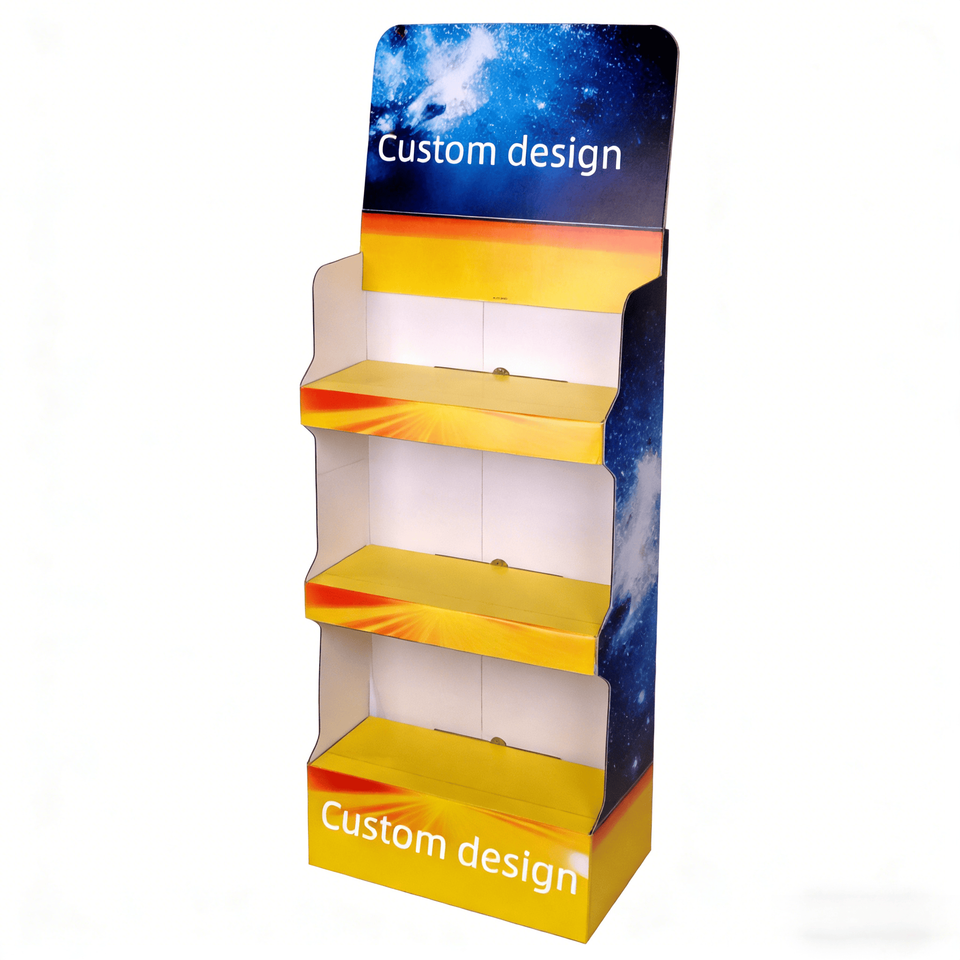
High-traffic retail store environments are combat zones for brand visibility, where capturing shopper attention happens in less than three seconds. The most critical battles take place at the end of store aisles, commonly known as the retail end cap. These high-visibility zones act as the primary visual magnets of any store layout, pulling shoppers out of their linear pathways. Many retail brand managers struggle to maximize these zones because traditional fixtures are heavy, costly, and difficult to reconfigure. Incorporating custom cardboard displays into your merchandising strategies solves this problem, providing an agile, highly customizable platform that drives impulse buys.
Data from the Point of Purchase Advertising International (POPAI) indicates that end-cap placements generate up to a 400% sales uplift compared to standard mid-aisle shelving. To capture this revenue potential, brands must deploy eye-catching graphics and structural designs that stand out from adjacent aisles. Utilizing vibrant cardboard displays allows brands to launch seasonal campaigns and co-branded promotions with minimal lead time. These temporary retail fixtures provide the flexibility needed to keep promotional zones fresh and engaging for repeat shoppers.
Some brand managers hesitate to use temporary displays due to concerns about durability and weight-bearing capacity. Standard cardboard displays can sag, tear, or tilt if they are poorly designed or overloaded with heavy merchandise. Overcoming these mechanical failures requires advanced structural engineering using high-strength corrugated paperboard. High-quality paperboard utilizes B-flute, E-flute, or double-wall corrugated Mediums. This structural engineering allows single shelves to safely support up to 25 kilograms without bending.
To support heavy consumer goods like beverages, canned pet food, or laundry detergents, structural engineers insert hidden reinforcements. These plastic supports, metal crossbars, or structural support beams distribute weight evenly across the entire retail end cap footprint. In high-traffic locations, using water-resistant base coatings is highly recommended. These protective barriers shield the bottom of your temporary retail fixtures from damp store floors and commercial floor scrubbers. Investing in high-performance cardboard displays ensures your promotions maintain a clean, premium appearance throughout their entire retail lifecycle.
The success of cardboard displays placed on a retail end cap depends on strategic visual alignment with the shopper's natural walking pathway. The structure must be designed to showcase products from three primary approach angles, maximizing visibility for oncoming customer traffic. The top header graphic must present clear, high-contrast branding, while the shelf heights must align with natural reach zones. This strategic placement ensures that children can easily reach family-oriented snacks, while adult shoppers find household promotions at chest level.
Integrating modular, die-cut gravity feed shelves into your merchandising strategies helps keep product stock pushed forward at all times. This clever design prevents shelves from looking empty as products are purchased, maintaining a neat, fully-stocked presentation. Using clean layout structures, built-in QR codes for digital coupons, and bold pricing panels helps guide customers toward a fast purchasing decision. This spatial alignment maximizes the return on your retail end cap investment.
An international beverage manufacturer launched a seasonal campaign to test the commercial impact of high-strength temporary retail fixtures. The brand placed custom cardboard displays stocked with soda cans and party snacks on high-traffic supermarket end caps. These displays featured cohesive, high-definition graphics and integrated side-mounted pamphlet holders.
The campaign results proved the value of these strategic installations. During the eight-week summer promotional period, the brand recorded a 45% increase in cross-promotional bundle sales. Retail store managers noted that the lightweight, pre-assembled cardboard displays cut setup times down to just five minutes. This speed of deployment allowed store associates to focus on restocking rather than complex assembly. This case study demonstrates how incorporating professional cardboard displays into your merchandising strategies delivers a high-impact, low-cost marketing solution.
Bringing high-impact retail concepts to life requires a manufacturing partner with deep structural design expertise and scalable production capacity. For over 26 years, Yishang Display has been a trusted global partner in the design, engineering, and mass production of premium retail display systems. The modern, integrated manufacturing facility combines advanced cardboard production with precision metal fabrication, high-quality acrylic molding, and woodworking. This extensive manufacturing capability allows Yishang Display to create unique, multi-material display solutions that outperform standard industry fixtures.
The engineering team at Yishang Display works closely with brand managers to develop bespoke temporary retail fixtures. These displays are engineered for maximum durability, ease of assembly, and high visual impact. From custom cardboard displays for seasonal campaigns to permanent, heavy-duty retail end cap solutions, Yishang Display delivers outstanding performance. Partnering with Yishang Display provides your marketing campaigns with robust, beautiful displays that elevate your merchandising strategies and maximize your in-store sales.
2026/10/30
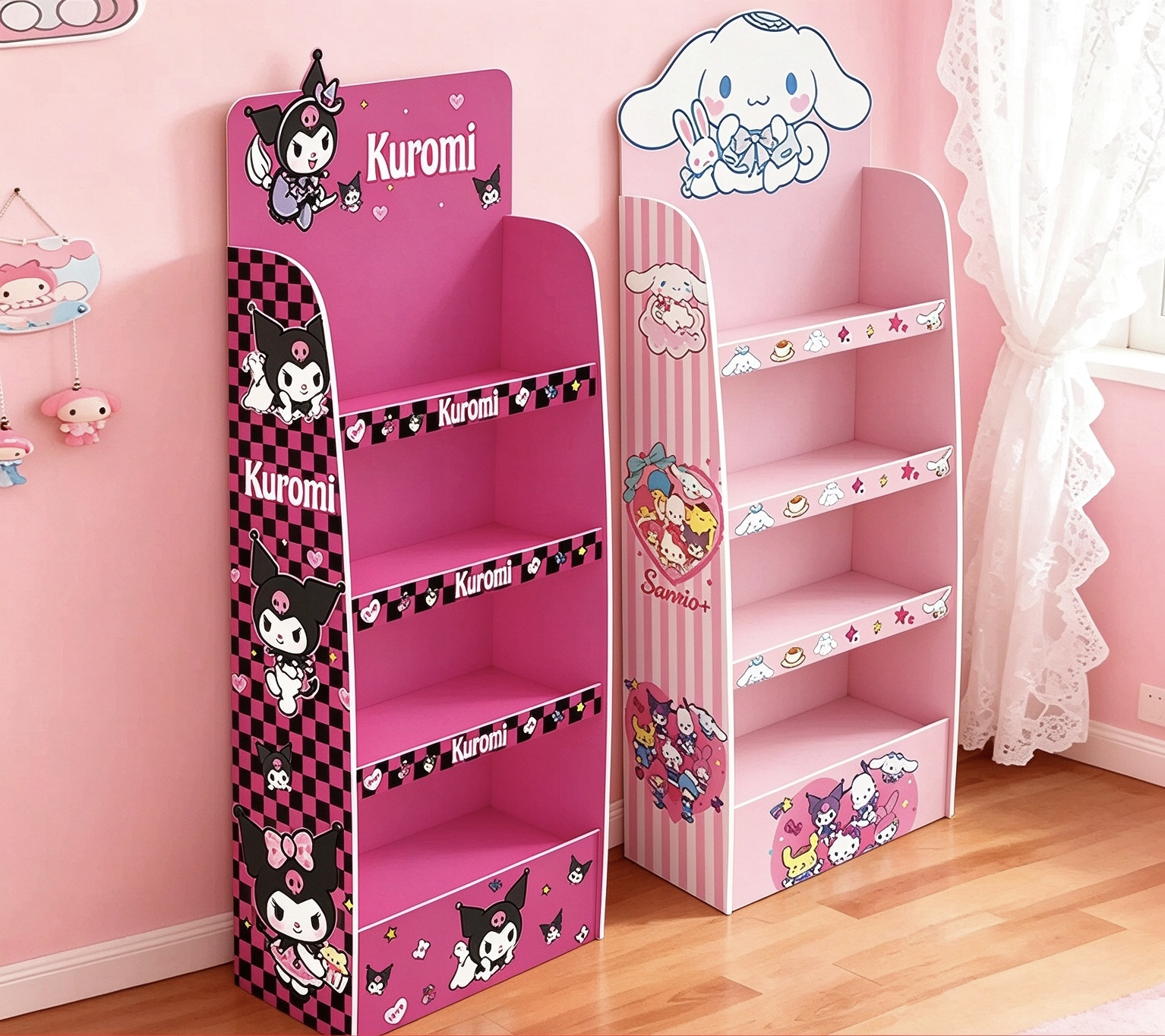
Elevate store environments with custom retail store displays. Learn how hybrid steel, cast acrylic, and wood fixtures build brand image and sales.
2026/10/30
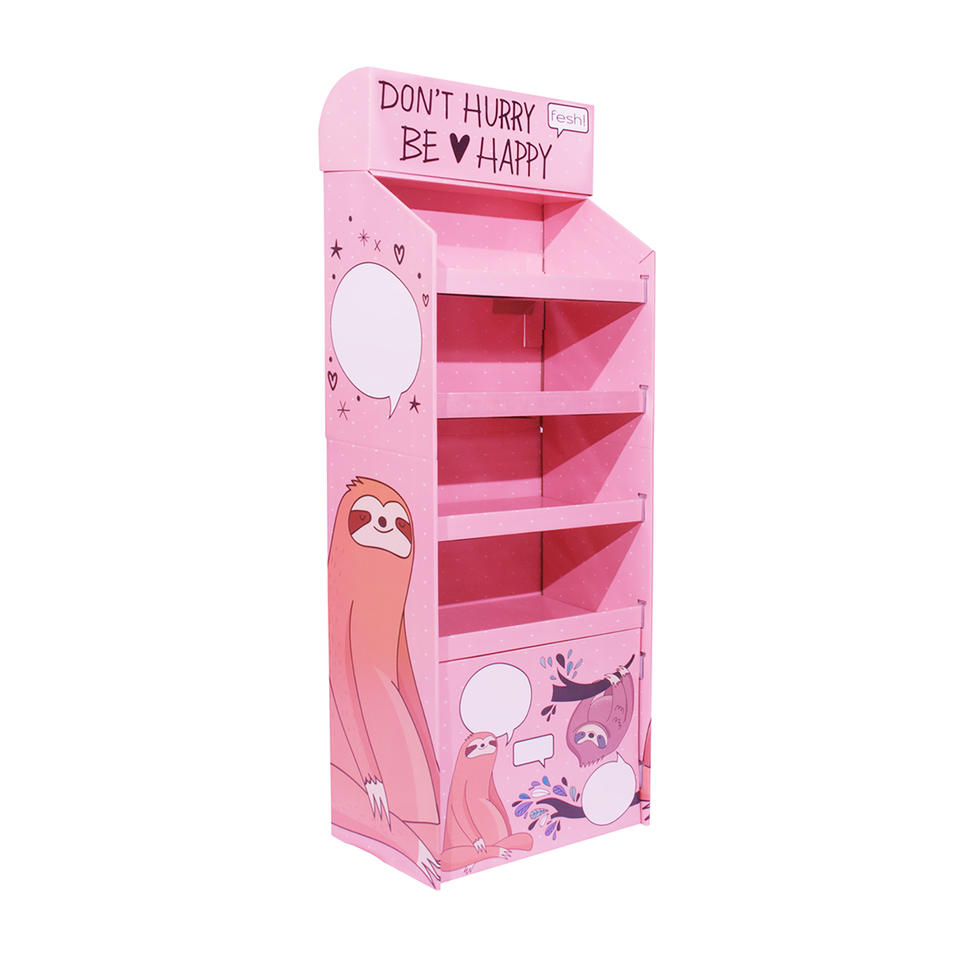
Maximize visual impact with cardboard display stands. See how high-ECT corrugated boards, flat-pack logistics, and rapid lock tabs lower marketing costs.
2026/10/30
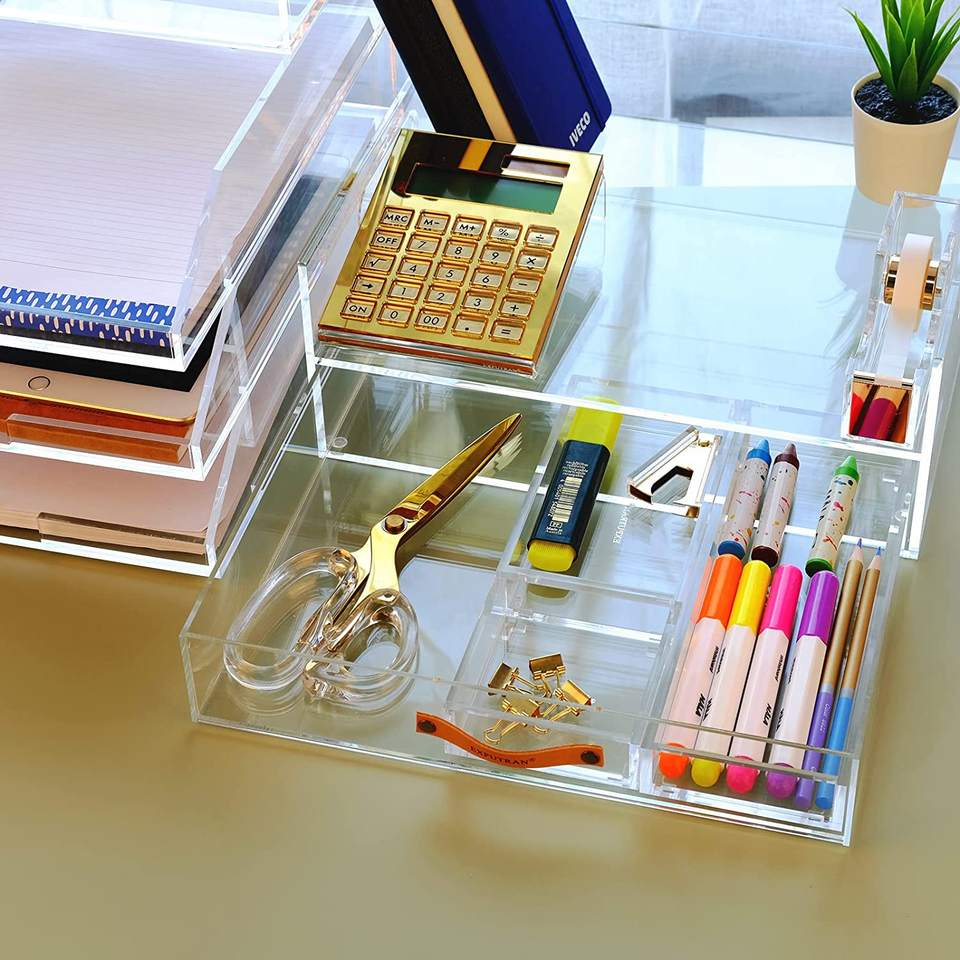
Elevate unboxing with a custom display box. Learn how rigid greyboards, G7-certified litho-printing, and high-density EVA foam protect premium goods.
2026/10/30
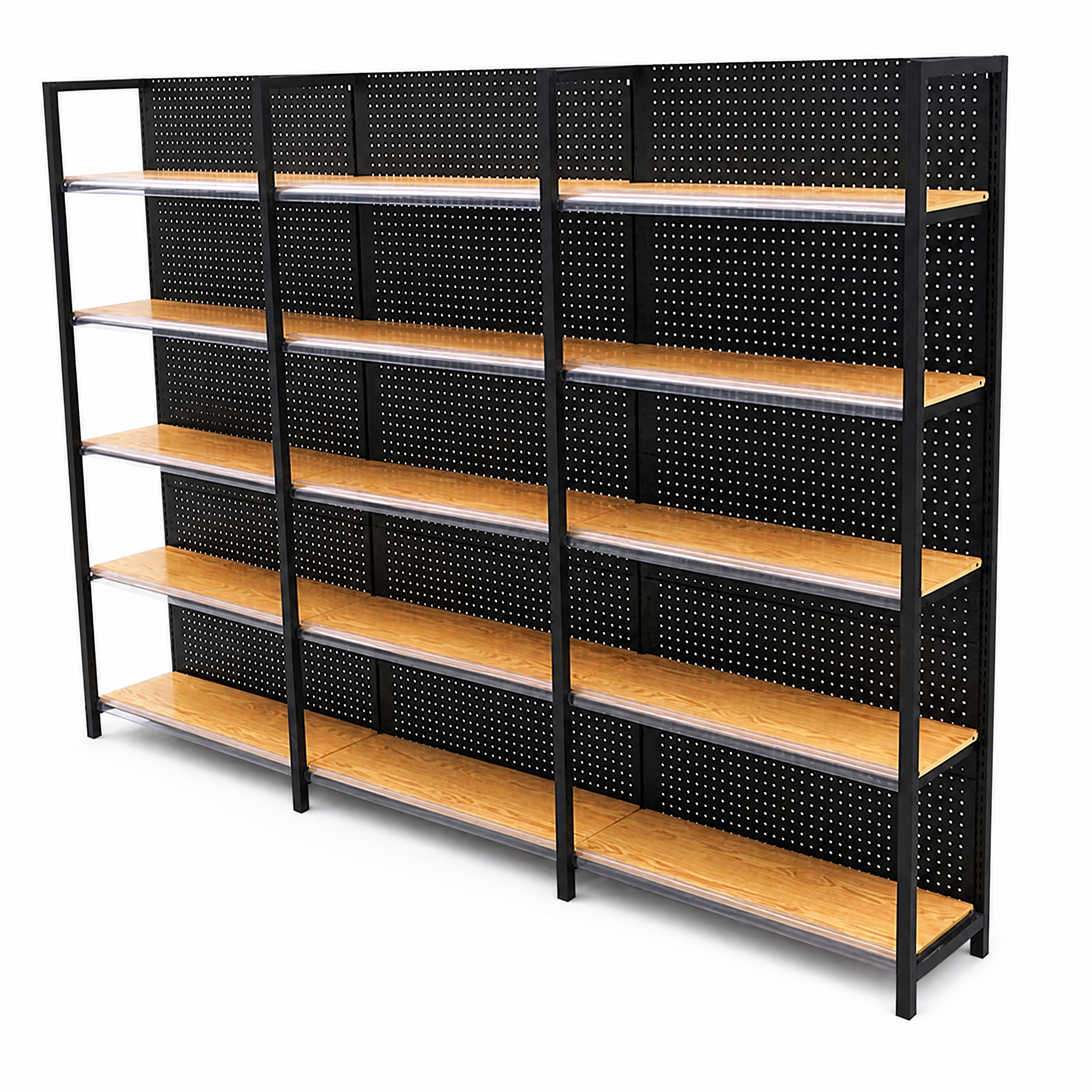
Optimize product flow with a heavy-duty Display Rack. Learn how cold-rolled Q235 steel frames, teardrop locks, and gravity flow decks cut pick times.
2026/10/30
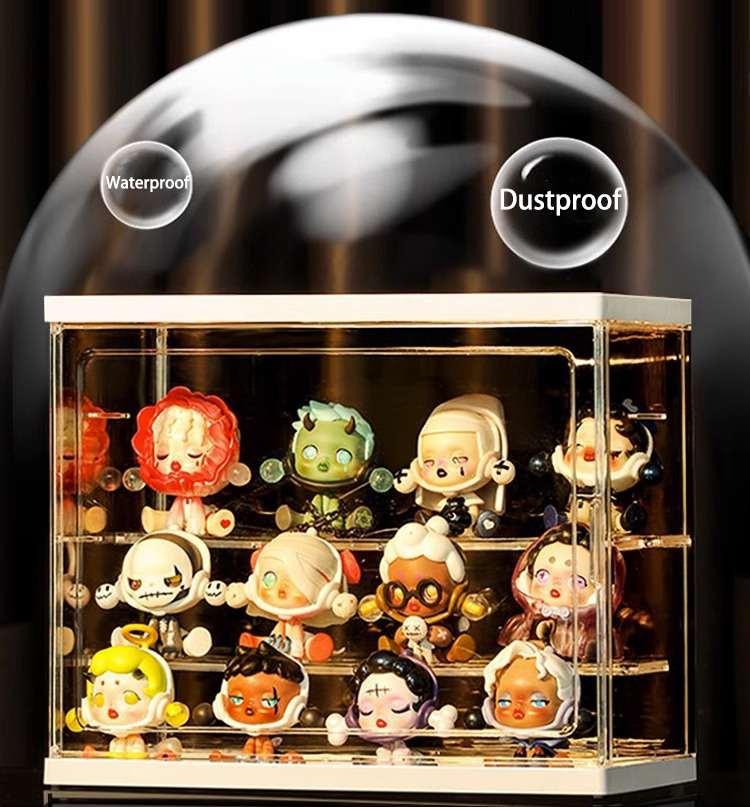
Secure premium micro-goods with countertop display case units. See how diamond-polished cast acrylic and magnetic lock latches boost impulse sales.
2026/10/30
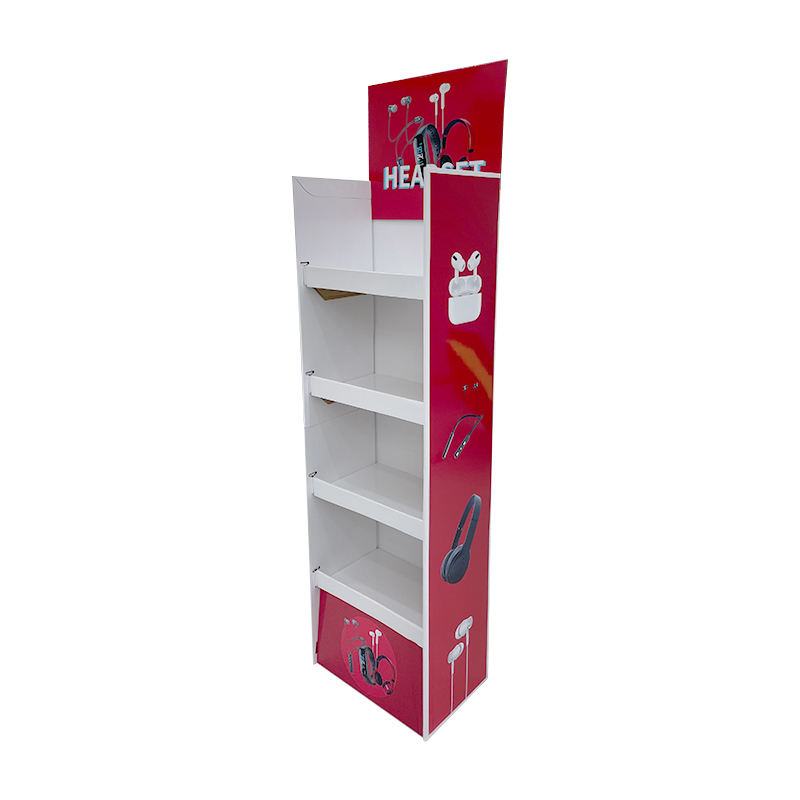
Boost retail sales with sustainable carton displays. Learn how FSC corrugated boards and eco-friendly soy inks cut carbon footprints and waste fees.
Follow our brand-latest updates, including key-client cooperation, trade-fair activities and daily-life snapshots of our factory-team.

Enhance the retail experience with custom makeup display stands, providing both functionality and modern aesthetics for cosmetic brands.

Upgrade your products’ shelf appeal and protection with innovative gift box packaging designed for cosmetics, electronics, and accessories.

Promote your brand with advertising display racks, featuring flexible configurations for showrooms, events, and point-of-sale promotions.
Comprehensive design, prototyping, and logistics for global custom display stand demands

Communicate your display size, material, structure, brand logo and store-scene requirements.
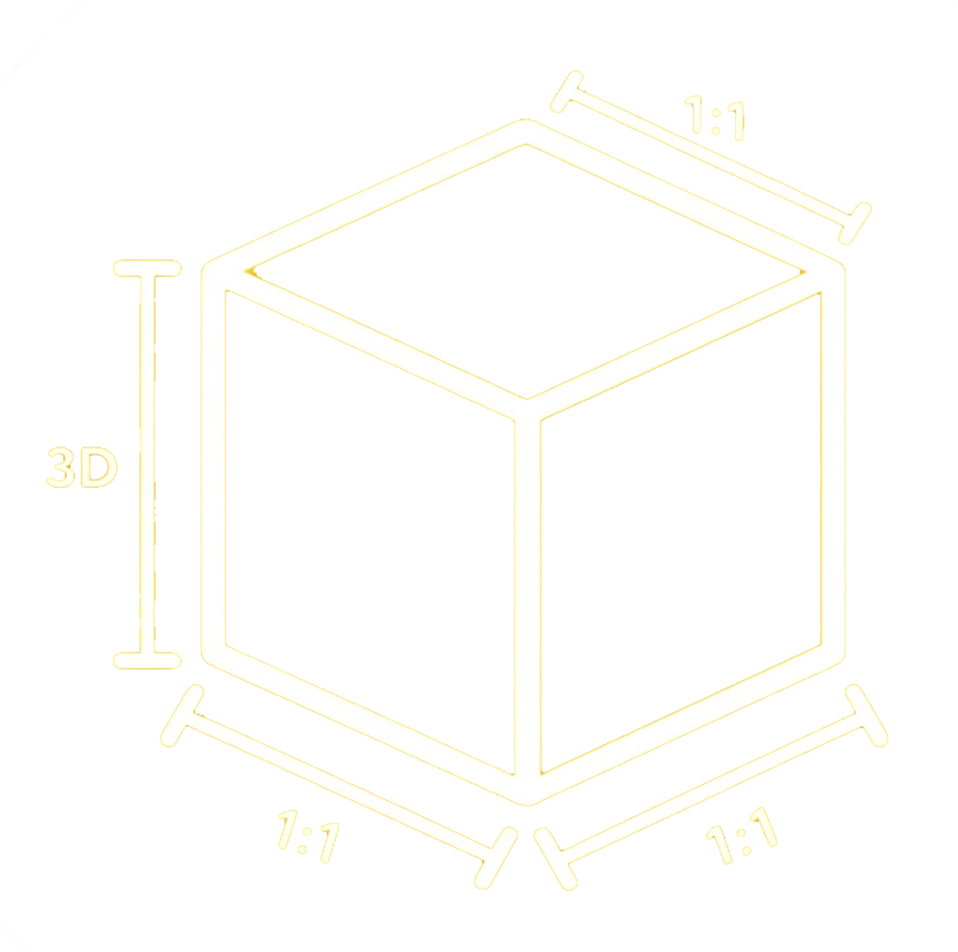
Produce renderings and structural drawings, optimize shelf layout, dooropening style and detailstructure.

Make physical prototype, test stability, appearance and assembly effect, modify details as your feedback.

Start formal mass-production after sample approval, strictly control quality, packaging and delivery cycle.