EN
Requirement Consultation
Communicate your display size, material, structure, brand logo and store-scene requirements.

2026/10/27
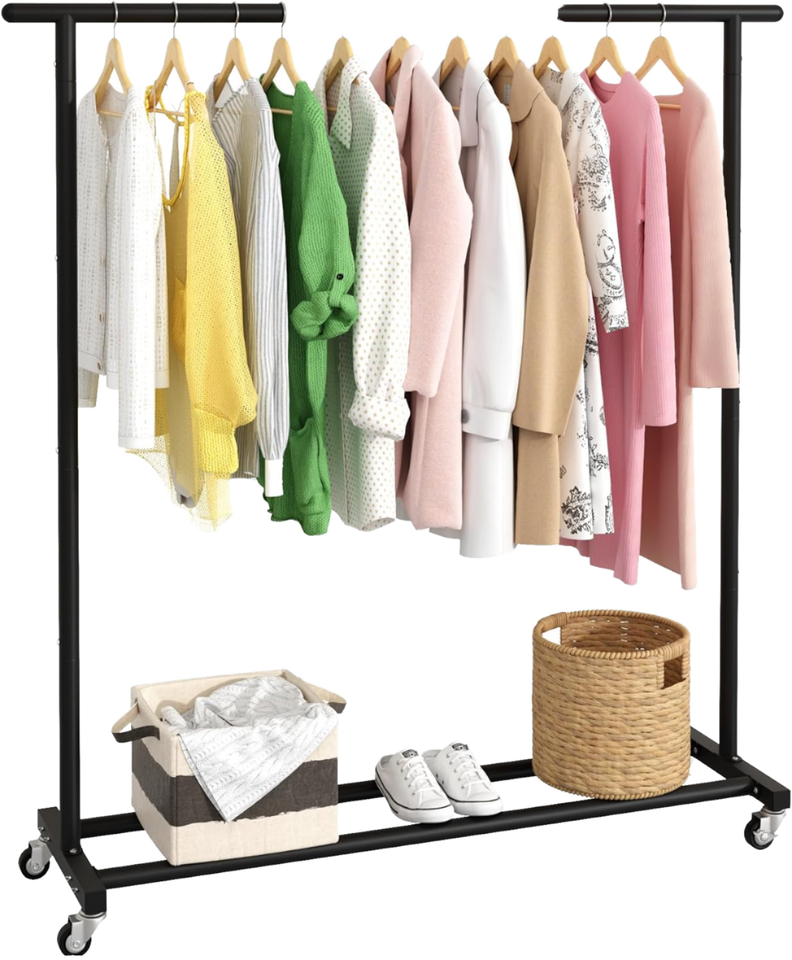
Nothing kills the desire to try on clothes faster than a jammed, disorganized sales floor. When apparel merchants cram dozens of winter coats, denim jeans, and silk blouses onto undersized rails, hangers lock together in a tangled mess and fabrics come out looking crushed. Fashion retail studies show that if a shopper has to wrestle for more than five seconds to pull a hanger off a bar, over sixty percent will simply walk away rather than head to the fitting room. Deploying commercial clothing racks for retail stores solves this friction by establishing deliberate spacing and clear category boundaries across the boutique. A properly engineered retail garment rack gives each piece of clothing two to three centimeters of breathing room along the hangrod, preserving freshly steamed silhouettes and letting buyers flip through size runs effortlessly. Instead of facing an intimidating wall of fabric, customers walk into a curated floor plan where clothing racks for retail stores divide new arrivals, core basics, and seasonal markdowns into intuitive shopping zones.
Visual merchandisers organize high-performing apparel floors by treating fixture height and geometry like a theatrical stage set. The golden rule of fashion floor planning is escalating elevation: placing lower tables and compact clothing racks for retail stores near the front entrance while stepping taller fixtures toward the perimeter walls. Four-way retail garment rack units serve as the primary storytelling anchors along main walkways. By pairing two straight horizontal bars with two stepped waterfall arms angled at thirty degrees, a four-way commercial apparel stand displays four complete coordinated outfits facing outward toward approaching shoppers. Once a buyer gets hooked by that front-facing hero look, high-capacity circular racks—known across the garment trade as rounders—handle the deep size inventory nearby. A thirty-six-inch split-ring rounder holds up to one hundred twenty hangers of core basics or clearance items within a compact circular footprint, allowing clothing racks for retail stores to balance artistic brand storytelling with serious inventory density.
Apparel fixtures take a surprising amount of physical abuse on a busy Saturday afternoon, especially during autumn and winter outerwear seasons. Thirty leather jackets or heavy wool overcoats hanging on a single sixty-inch span generate over forty-five kilograms of downward deadweight, plus constant lateral friction as metal hanger hooks scrape back and forth across the top bar. Cheap hollow tubes with thin 0.7-millimeter walls quickly bow in the middle, and low-grade chrome plating flakes off into sharp silver splinters that snag delicate cashmere sweaters. Heavy-duty clothing racks for retail stores prevent these failures by using cold-drawn square or round steel tubing with wall thicknesses between 1.5 and 2.0 millimeters. Precision tungsten inert gas welding fuses the upright columns to weighted steel base plates without leaving ugly weld splatter, while physical vapor deposition titanium coatings or matte sandblasted powder finishes protect the hangrod from metal-on-metal hanger wear. That structural rigidity guarantees a commercial apparel stand stays plumb and scratch-free for years.
Looking at concrete retail store remodels demonstrates how floor organization directly drives fitting room traffic and checkout volume. A seventy-store fast fashion retailer in the United Kingdom noticed stagnant sales in its women's workwear department despite strong online demand. An in-store audit revealed that long continuous wall rails hid ninety percent of the garment fronts, showing shoppers nothing but narrow fabric sleeves. By breaking up the floor with modular double-rail clothing racks for retail stores equipped with front-facing waterfall faceouts and top accessory shelves for matching handbags, fitting room visits jumped by twenty-seven percent and cross-category blazer-and-trouser bundle sales rose nineteen percent within two months. Across the Atlantic, a Soho streetwear boutique in New York replaced wobbly pipe racks with custom matte-black boutique clothing fixtures featuring integrated LED downlights tucked inside the top crossbar. The overhead lighting made graphic prints and heavyweight fleece textures pop against the dark concrete floor, lifting average transaction value by thirty-four dollars per ticket.
Fashion seasons move faster than ever, and store managers cannot afford to spend three days bolting and unbolting floor hardware every time a capsule collection drops. High-efficiency clothing racks for retail stores incorporate heavy-duty polyurethane caster wheels with foot-operated total-lock brakes right into the base frame. Unlike hard nylon wheels that gouge expensive hardwood floors or crack porcelain tiles, non-marking polyurethane casters let a single visual merchandiser roll a fully loaded retail garment rack across the boutique in seconds to open up space for a weekend VIP trunk show. Spring-loaded stainless steel push pins inside telescopic upright tubes add another layer of operational speed. Staff can raise the crossbar on clothing racks for retail stores to seventy-two inches to keep evening gowns from dragging in floor dust, then drop the exact same boutique clothing fixtures down to forty-eight inches the following month to display cropped summer jackets at eye level.
For fashion brands and department store chains, the rack holding the garment is a physical extension of the clothing label itself. Generic catalog fixtures rarely capture a brand's signature architectural aesthetic, whether that calls for warm brushed brass in a bridal salon, raw industrial gunmetal in a denim shop, or warm timber accents in a kidswear store. YSY Display partners with global apparel retailers, shopfitters, and visual merchandising teams to engineer bespoke clothing racks for retail stores that blend heavy-duty structural performance with high-fashion industrial design. Utilizing CNC tube laser cutting, precision robotic bending, and flat-pack knock-down joint engineering, YSY Display builds rock-solid commercial apparel stand collections that assemble in minutes using hidden hex bolts while cutting international container freight volume by nearly half. From custom laser-engraved header plates to integrated timber shoe decks and multi-layer protective export packaging, YSY Display delivers turnkey fixture rollouts that keep every garment looking runway-ready on the sales floor.
2026/10/30
Elevate store environments with custom retail store displays. Learn how hybrid steel, cast acrylic, and wood fixtures build brand image and sales.
2026/10/30
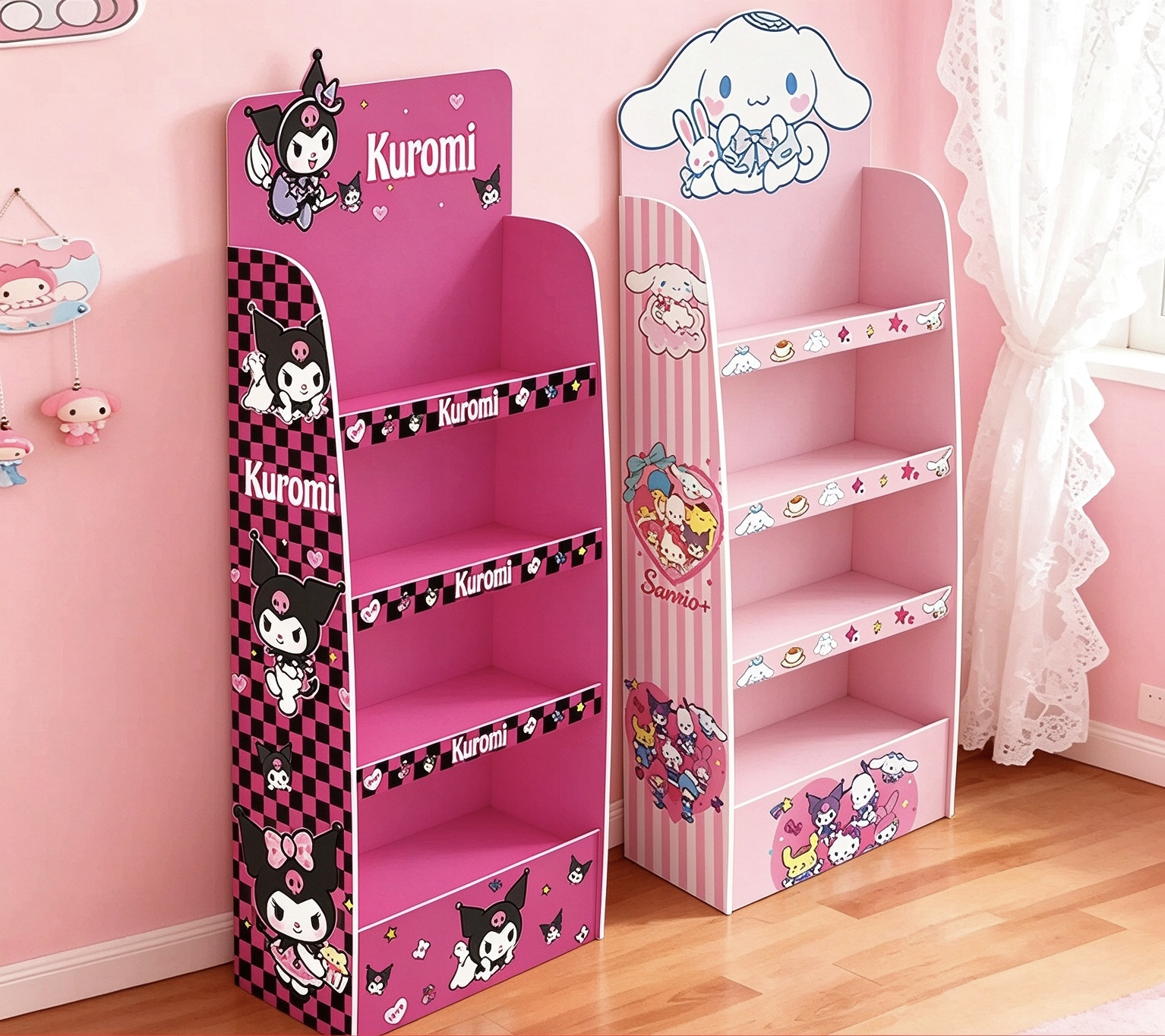
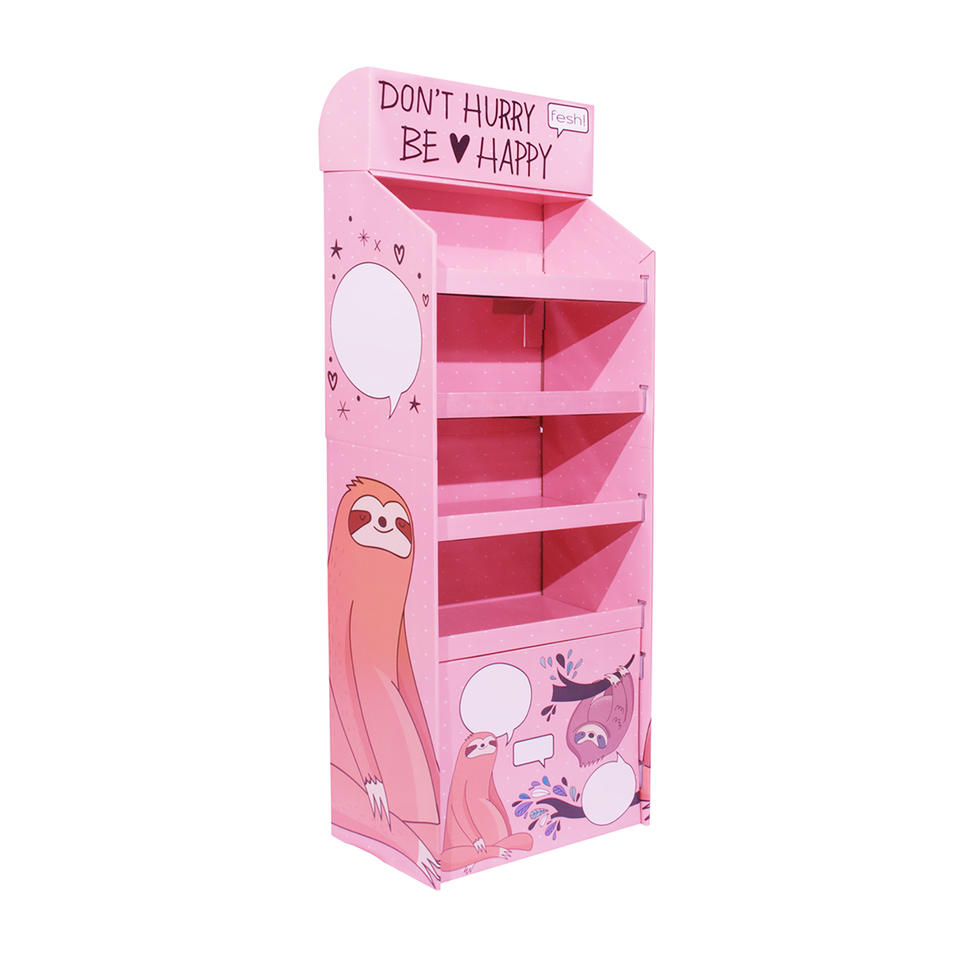
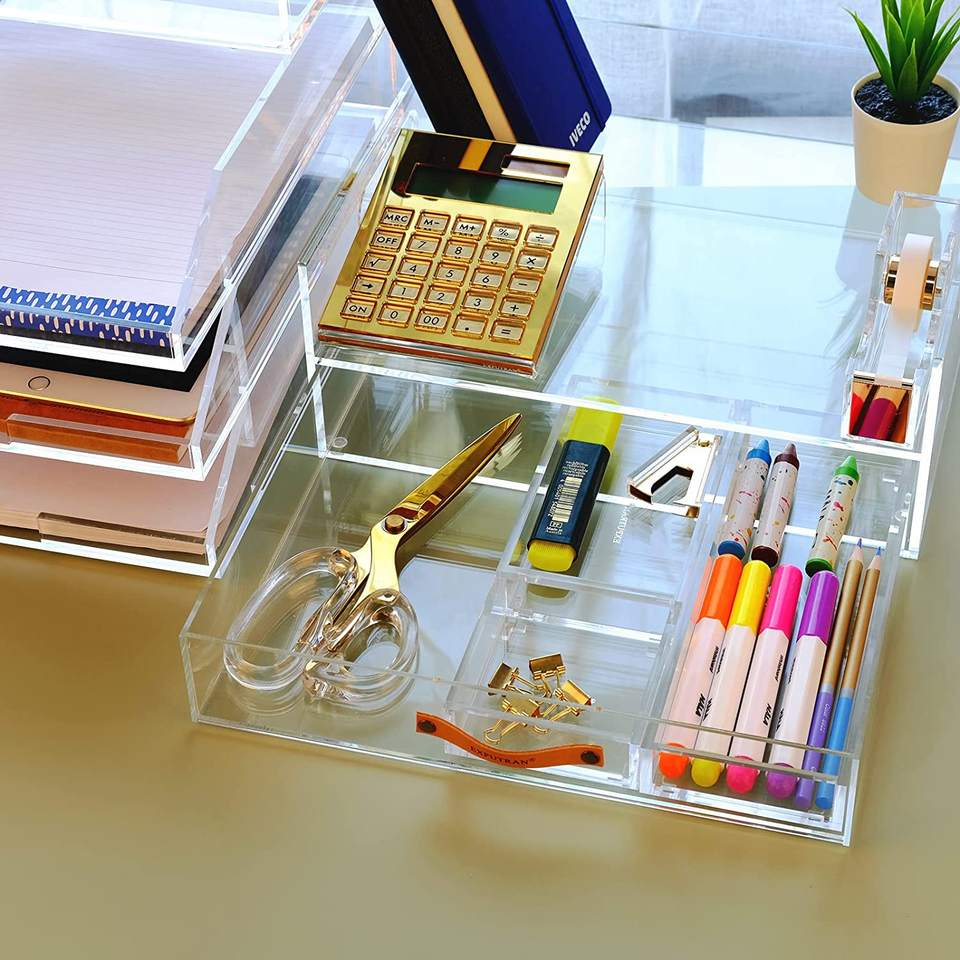
Maximize visual impact with cardboard display stands. See how high-ECT corrugated boards, flat-pack logistics, and rapid lock tabs lower marketing costs.
2026/10/30
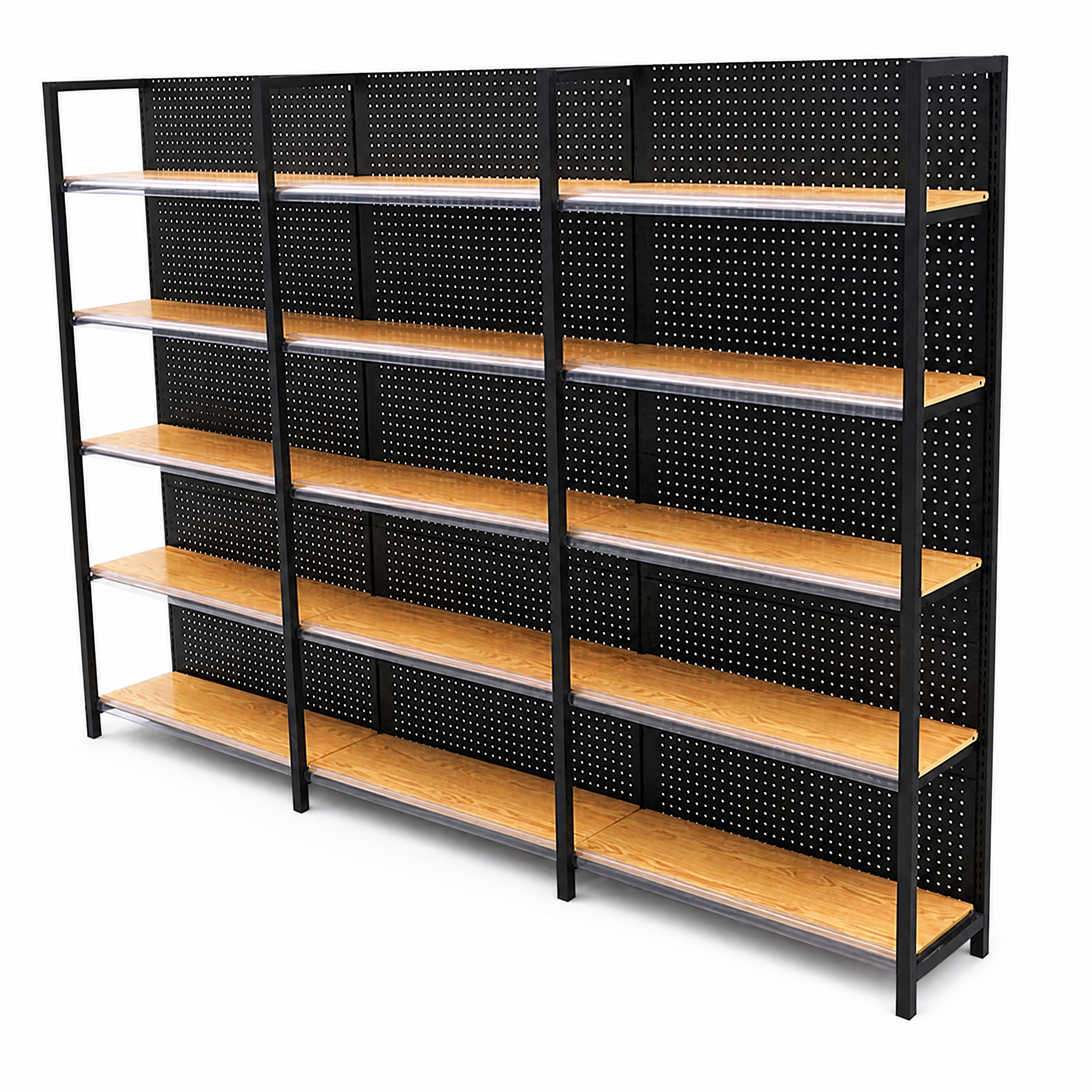
Elevate unboxing with a custom display box. Learn how rigid greyboards, G7-certified litho-printing, and high-density EVA foam protect premium goods.
2026/10/30
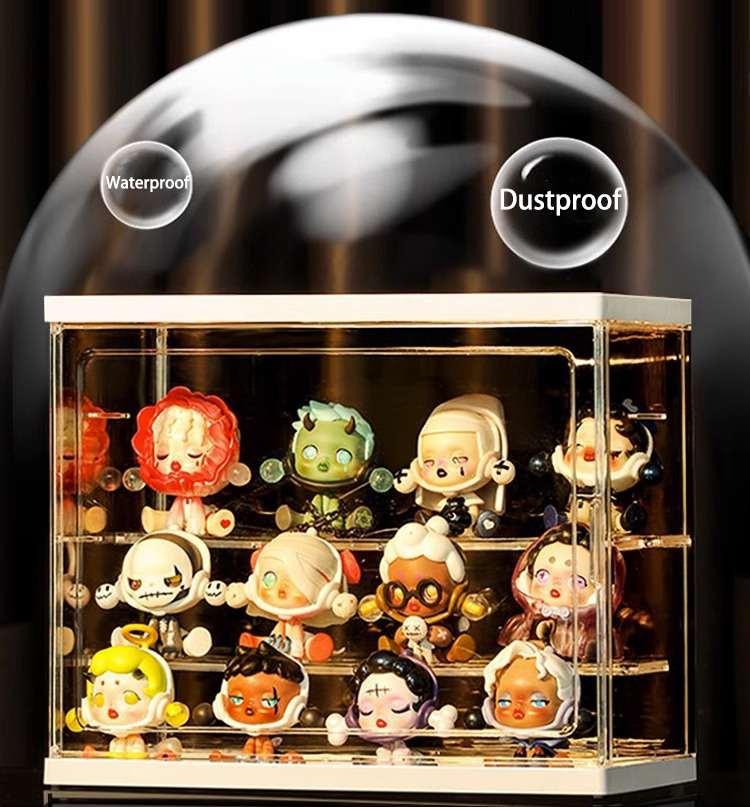
Optimize product flow with a heavy-duty Display Rack. Learn how cold-rolled Q235 steel frames, teardrop locks, and gravity flow decks cut pick times.
2026/10/30
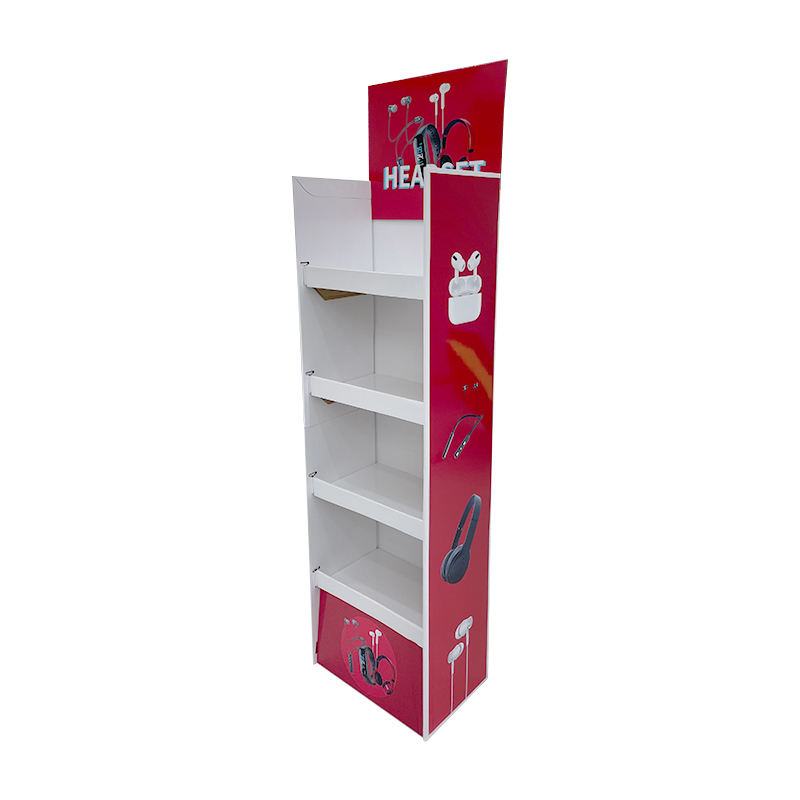
Secure premium micro-goods with countertop display case units. See how diamond-polished cast acrylic and magnetic lock latches boost impulse sales.
2026/10/30
Boost retail sales with sustainable carton displays. Learn how FSC corrugated boards and eco-friendly soy inks cut carbon footprints and waste fees.
Follow our brand-latest updates, including key-client cooperation, trade-fair activities and daily-life snapshots of our factory-team.

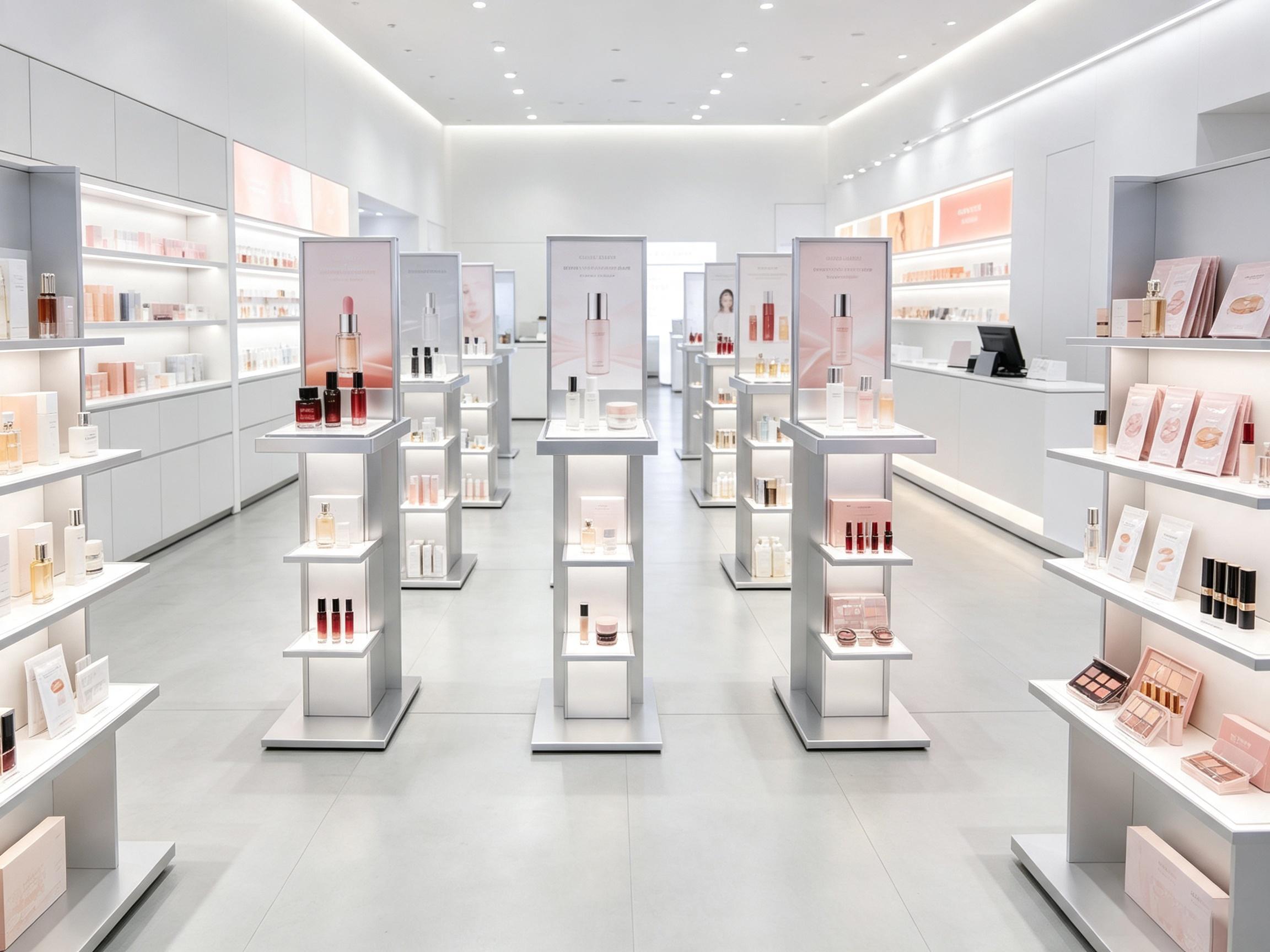
Enhance the retail experience with custom makeup display stands, providing both functionality and modern aesthetics for cosmetic brands.

Upgrade your products’ shelf appeal and protection with innovative gift box packaging designed for cosmetics, electronics, and accessories.

Promote your brand with advertising display racks, featuring flexible configurations for showrooms, events, and point-of-sale promotions.
Comprehensive design, prototyping, and logistics for global custom display stand demands

Communicate your display size, material, structure, brand logo and store-scene requirements.
Produce renderings and structural drawings, optimize shelf layout, dooropening style and detailstructure.

Make physical prototype, test stability, appearance and assembly effect, modify details as your feedback.

Start formal mass-production after sample approval, strictly control quality, packaging and delivery cycle.