EN
Requirement Consultation
Communicate your display size, material, structure, brand logo and store-scene requirements.

2026/10/29

Walk down a cramped grocery store or convenience store aisle fitted with traditional solid wood or sheet-metal cabinets, and two visual problems jump out immediately. First, solid horizontal shelves block overhead ceiling lights from reaching lower tiers, casting dark shadows across sixty percent of the merchandise below waist height. Second, solid side panels act like horse blinders, meaning shoppers walking down the aisle cannot see what products sit inside the fixture until they stand directly in front of the bay. This lack of ambient exposure triggers visual blindness, causing customers to bypass high-margin impulse items simply because they sat in dark corners. Switching to a commercial display rack wire structure removes those opaque barriers at once. Because welded steel wire grids consist of eighty-five percent open air space, store lighting filters straight through every tier from top to bottom. Approaching buyers spot colorful packaging labels from forty-five-degree side angles ten feet away, turning an ordinary aisle fixture into a bright, three-hundred-sixty-degree product beacon.
Beyond superior light transmission, open-grid wire architecture delivers major operational advantages in store hygiene and climate control. Solid flat shelves act as dust traps where spilled sugar, cracker crumbs, and airborne lint accumulate in back corners, requiring tedious weekly scrubbing. On a wire retail display rack, stray crumbs and dust fall straight through the open mesh onto the floor where night sweeping crews clean them up in seconds. That open airflow is equally critical inside refrigerated beverage coolers, bakery bread zones, and fresh produce departments: conditioned air circulates freely around every single package on a metal wire stand, preventing warm dead spots and extending product shelf life. Retail merchandising audits show that moving bagged snacks, bottled drinks, or impulse magazines from deep solid shelves onto open-view wire merchandising racks lifts grab-and-go unit sales by up to thirty-two percent.
Engineering a wire display stand that stays rigid under heavy commercial loads without looking bulky comes down to wire gauge calibration and welding metallurgy. Structural fabricators build the outer load-bearing backbone using thick cold-drawn low-carbon steel rods measuring six to eight millimeters in diameter, while filling the inner shelf decks and divider pockets with lighter three-to-four-millimeter cross wires. Every intersection where horizontal and vertical wires cross passes through automated multi-head electrical resistance spot welders. High-amperage current fuses the steel rods together instantly without adding messy filler metal or sharp weld burrs that could tear foil snack bags. Depending on the retail environment, the welded wire frame then receives electrostatic epoxy powder coating, bright decorative chrome electroplating, or thick thermoplastic polyethylene dip-coating, which wraps a soft, rust-proof cushion around the wire to protect glass jars inside humid refrigerated cases.
Real-world retail deployments illustrate how open wire geometry maximizes SKU density and checkout conversions inside tight footprints. A North American convenience store chain operating nine hundred travel plazas struggled to display forty varieties of single-serve potato chips and pretzel bags near its coffee islands without blocking store sightlines. By deploying a vertical rotating display rack wire tower equipped with sixty spring-loaded metal clip strips on a ball-bearing base, the chain suspended two hundred forty bags in under three square feet of floor space. Shoppers waiting for coffee could see every flavor through the open wire frame and spin the rack with one finger, driving a forty-one percent jump in savory snack attachment sales. In Europe, a home improvement retailer replaced solid plastic bins in its plumbing aisle with stackable zinc-plated wire merchandising racks, allowing contractors to visually identify brass pipe fittings through the front mesh and cutting picking time in half.
Store managers love working with a wire retail display rack because its high strength-to-weight ratio makes floor resets effortless. A five-tier freestanding metal wire stand capable of holding eighty kilograms of bottled sauces typically weighs less than nine kilograms empty, light enough for a single store associate to pick up and relocate from a back aisle to the front checkout entrance when weekend traffic spikes. Furthermore, clever mechanical hinge rings allow complex multi-tier wire baskets and folding wing panels to collapse completely flat like an accordion. That foldable geometry slashes shipping carton thickness by sixty percent, saving brands a fortune on international sea container volume and regional parcel delivery fees. Integrated wire loop header clips welded along the top arch also let clerks slide printed cardboard promotional signs in and out in seconds without needing plastic fasteners or tools.
Mass-producing thousands of custom wire fixtures with uniform grid spacing, zero sharp wire ends, and durable coatings demands automated wire-forming machinery. YSY Display operates as a premier manufacturer of commercial display rack wire solutions, equipped with multi-axis 3D CNC wire bending machines, automated mesh gantry welders, and in-house powder-coating and chrome-plating lines. Rather than offering one-size-fits-all baskets, structural engineers at YSY Display tailor wire diameters, pocket depths, peg hook angles, and turntable bearings around exact product packaging dimensions. Every wire display stand undergoes strict chamfering and deburring inspections so store staff and shoppers never encounter rough metal edges. Whether a global rollout calls for countertop wire spinner racks, heavy-duty stackable dump bins, or hybrid sheet-metal-and-wire floor towers packed flat for export, YSY Display delivers high-visibility wire merchandising racks that keep products front and center.
2026/10/30
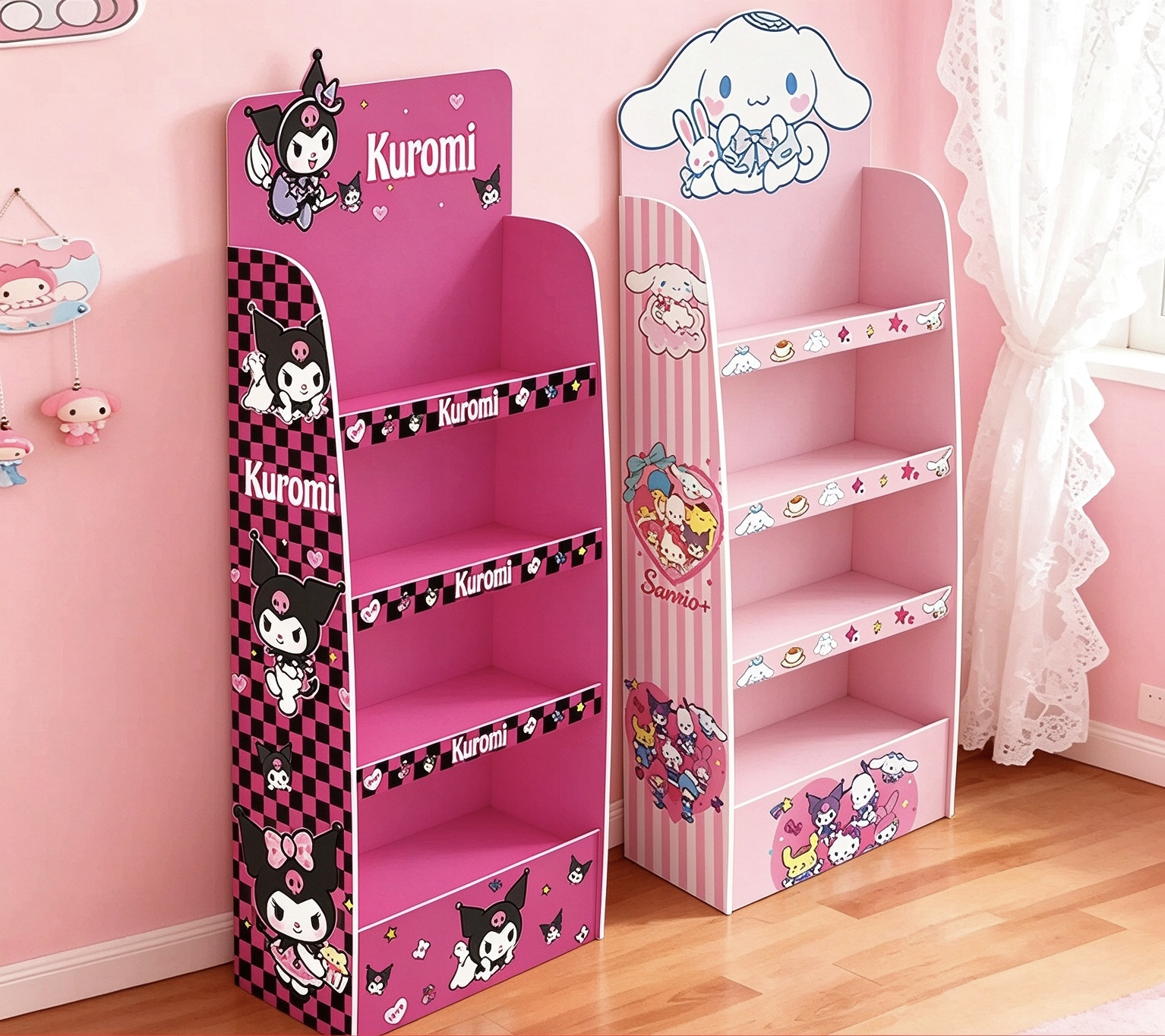
Elevate store environments with custom retail store displays. Learn how hybrid steel, cast acrylic, and wood fixtures build brand image and sales.
2026/10/30
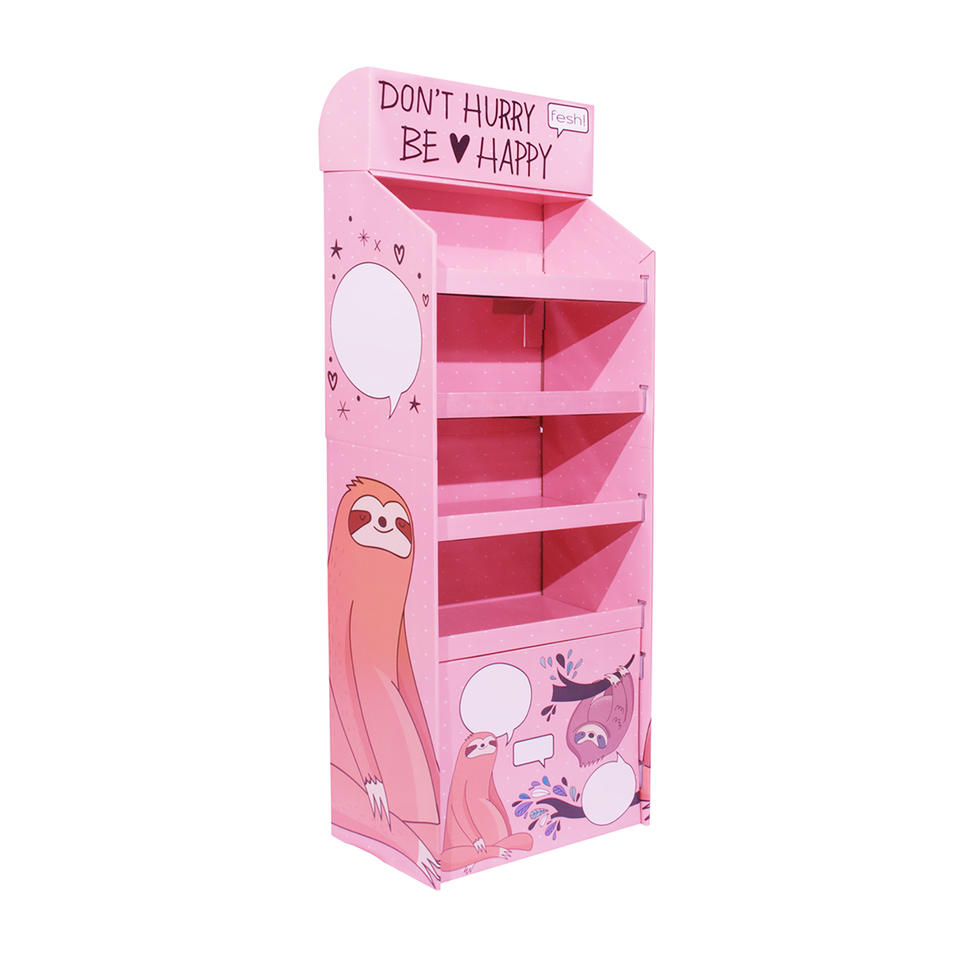
Maximize visual impact with cardboard display stands. See how high-ECT corrugated boards, flat-pack logistics, and rapid lock tabs lower marketing costs.
2026/10/30
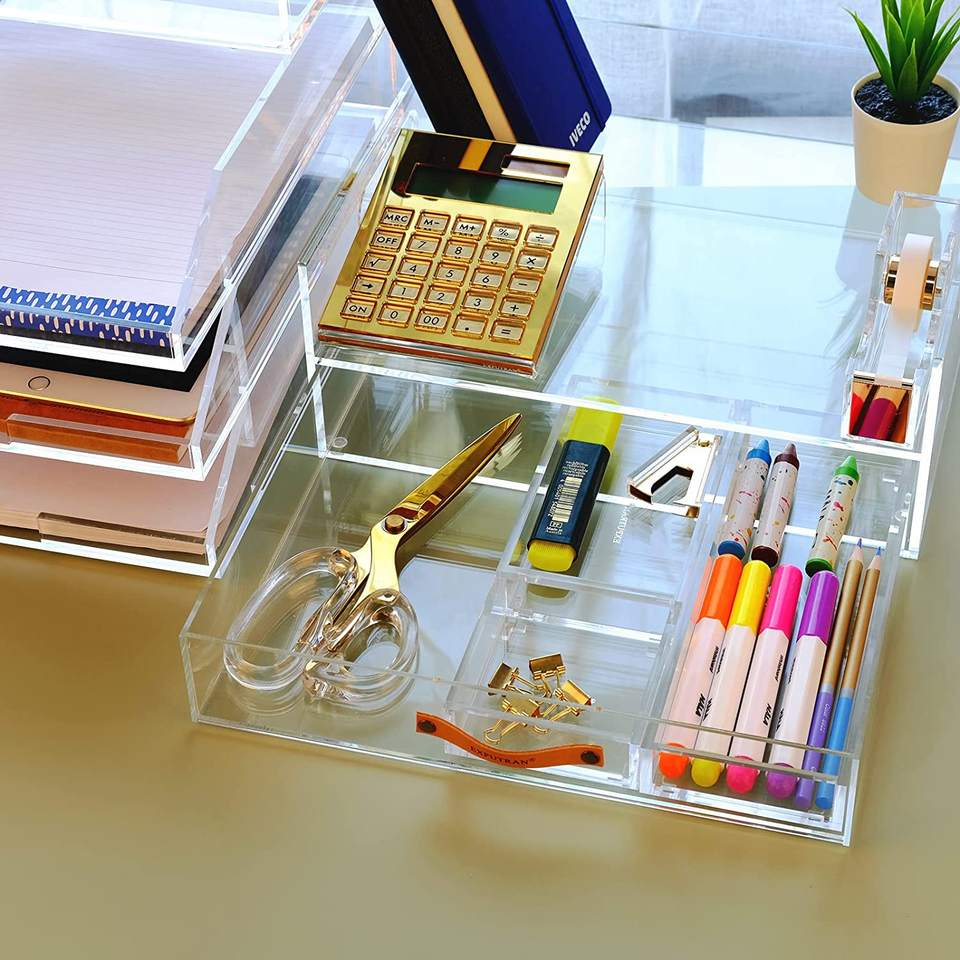
Elevate unboxing with a custom display box. Learn how rigid greyboards, G7-certified litho-printing, and high-density EVA foam protect premium goods.
2026/10/30
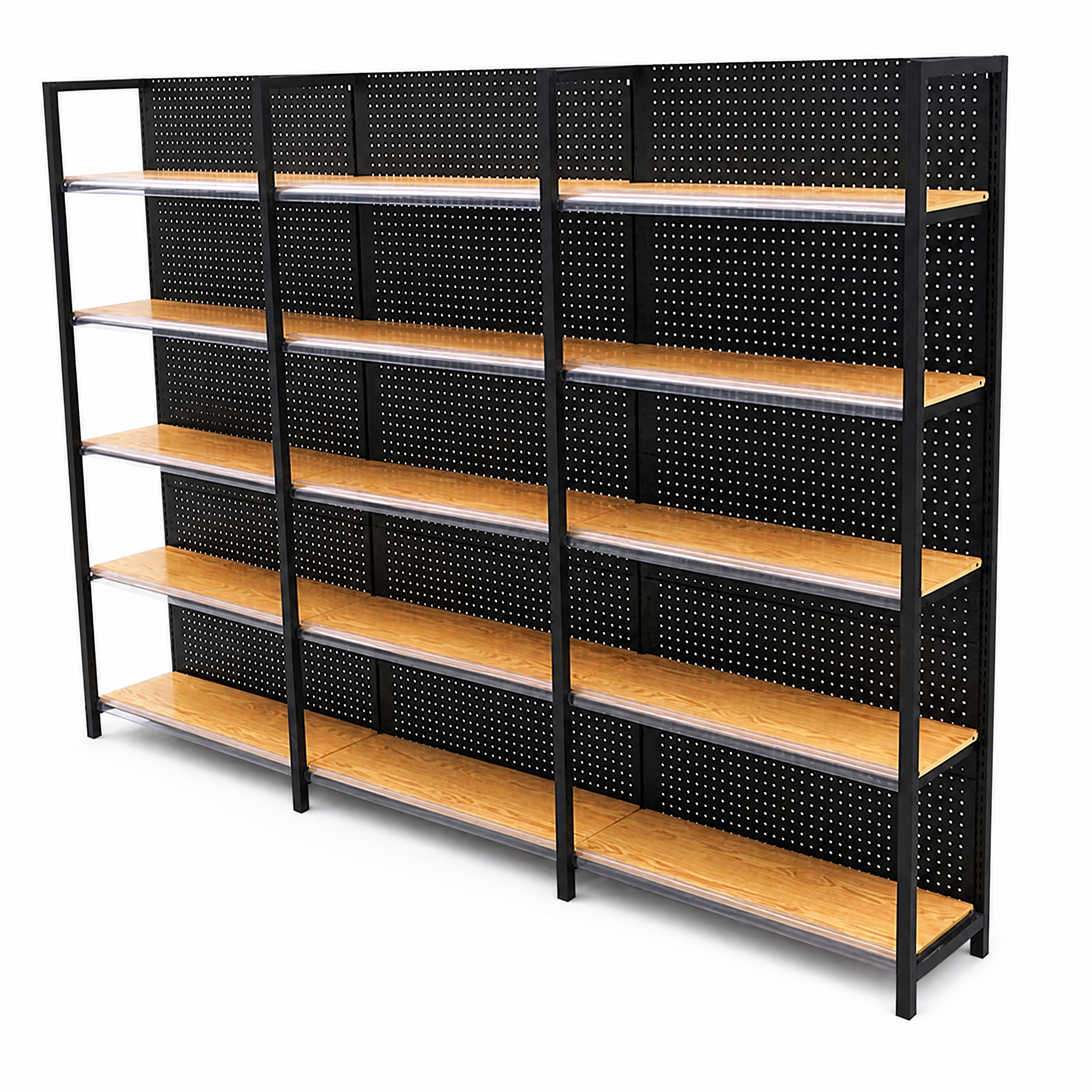
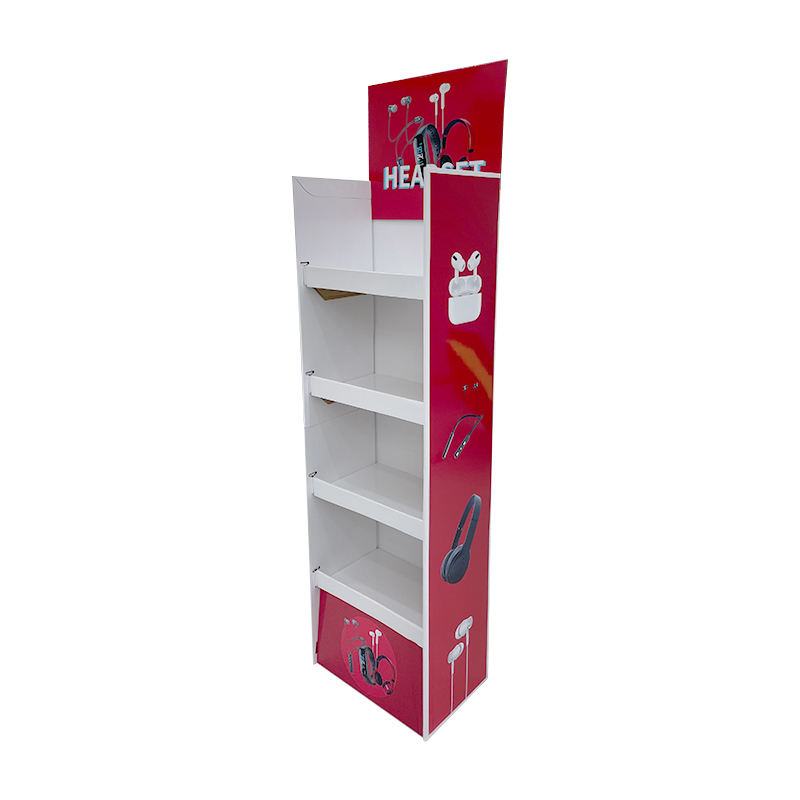
Optimize product flow with a heavy-duty Display Rack. Learn how cold-rolled Q235 steel frames, teardrop locks, and gravity flow decks cut pick times.

2026/10/30
Secure premium micro-goods with countertop display case units. See how diamond-polished cast acrylic and magnetic lock latches boost impulse sales.
2026/10/30
Boost retail sales with sustainable carton displays. Learn how FSC corrugated boards and eco-friendly soy inks cut carbon footprints and waste fees.
Follow our brand-latest updates, including key-client cooperation, trade-fair activities and daily-life snapshots of our factory-team.

Enhance the retail experience with custom makeup display stands, providing both functionality and modern aesthetics for cosmetic brands.

Upgrade your products’ shelf appeal and protection with innovative gift box packaging designed for cosmetics, electronics, and accessories.

Promote your brand with advertising display racks, featuring flexible configurations for showrooms, events, and point-of-sale promotions.
Comprehensive design, prototyping, and logistics for global custom display stand demands

Communicate your display size, material, structure, brand logo and store-scene requirements.

Produce renderings and structural drawings, optimize shelf layout, dooropening style and detailstructure.

Make physical prototype, test stability, appearance and assembly effect, modify details as your feedback.

Start formal mass-production after sample approval, strictly control quality, packaging and delivery cycle.