EN
Requirement Consultation
Communicate your display size, material, structure, brand logo and store-scene requirements.

2026/10/29
Every retail store manager knows the frustration of watching hundreds of potential customers walk right past the front glass window without even turning their heads. In busy shopping malls, airport concourses, and urban shopping districts, pedestrians move along predetermined paths with their eyes locked on their smartphones or ten yards ahead down the walkway. Standard flat posters taped flush against the storefront glass fail to stop traffic because they sit parallel to the walker's direction of travel—making them practically invisible until the person has already walked past the entrance. Stationing a dimensional cardboard cutout standee inside the store threshold or vestibule breaks that forward momentum immediately. By placing a life-sized, contour-cut visual anchor directly inside the pedestrian's peripheral cone of vision, a retail traffic standee acts as a friendly physical speed bump that compels passersby to pause, look up, and step inside.
Capturing foot traffic with a cardboard cutout standee depends just as much on floor positioning geometry as it does on graphic artwork. Retail environmental psychologists identify the first five to ten feet inside a store entrance as the decompression zone—a transitional space where shoppers adjust to store lighting and slow their walking stride. If a standee sits flat against a back wall or parallel to the glass window, approaching walkers miss it completely. Visual merchandisers maximize store capture rates by applying the forty-five-degree angle rule: positioning the custom floor cutout about one-point-five meters inside the open doorway and rotating it forty-five degrees toward the dominant oncoming pedestrian stream. That angled orientation presents the full front graphic squarely to shoppers while they are still five steps away from the threshold. Store traffic counter audits show that angled entrance standees lift walk-in capture rates by up to twenty-nine percent compared to flat window decals.
Modern point-of-purchase engineering has evolved the cardboard cutout standee far beyond a flat piece of printed paperboard. To cut through sensory clutter in loud shopping centers, structural designers integrate multi-sensory interactive hardware directly into the corrugated body. Battery-powered micro-LED light modules triggered by passive infrared motion sensors flash softly around a product halo or brand logo the exact moment a shopper walks within two meters of the life size cutout display. Even more effective for stopping foot traffic is adding a three-dimensional die-cut shelf extension or collar tray onto the figure's outstretched hands. Whether that small corrugated tray holds free bite-sized cookie samples, scented perfume blotter cards, or tear-off ten-dollar welcome vouchers, giving pedestrians an immediate tangible reward turns a glance at a promotional standee into an active store visit.
Real-world retail traffic audits prove how creative standee activations translate into higher daily register ring-ups. A California bubble tea and dessert franchise operating forty-five mall inline shops struggled to pull shoppers away from a central food court escalator thirty meters down the hall. The brand deployed a one-hundred-seventy-centimeter cardboard cutout standee shaped like an oversized frosted boba cup paired with a smiling brand illustrator character holding a tray of scratch-and-win topping cards right at the lease line. Daily foot traffic crossing the threshold increased by thirty-six percent within two weeks, and over twenty-two percent of redeemed scratch cards converted into full-price beverage purchases. In London, an indie cosmetics brand launching a seven-day shopping mall pop-up stationed two giant die-cut lipstick tube standees flanking a mirror selfie arch; the eye-catching entrance funnel drew four hundred daily visitors into the booth and doubled projected weekend sales.
Positioning a cardboard cutout standee near an open storefront entrance or semi-outdoor mall walkway exposes the structure to two environmental hazards: gusting wind drafts and damp floor humidity. A lightweight corrugated figure with an undersized rear strut will tip face-first onto the floor whenever a strong draft blows through the lobby—creating an embarrassing impression for the brand. Commercial structural engineers prevent wind knockdowns by extending double-wing rear easel struts backward and adding a recessed bottom ballast tray where store staff can drop a two-kilogram sandbag, water pouch, or steel weight plate completely out of sight. To protect the bottom kickplate against rainy footprints and morning floor mopping, factories laminate the outer graphic sheet with Biaxially Oriented Polypropylene film and seal the bottom edge inside a clear extruded PVC U-channel shoe, keeping the retail traffic standee rigid and water-resistant for months.
Turning pass-by mall traffic into paying store customers requires a standee manufacturer that combines bold contour cutting with rock-solid structural stability. YSY Display engineers and produces commercial cardboard cutout standee programs for global retail franchises, beverage marketers, cinema chains, and event agencies. Utilizing high-speed G7 color-calibrated offset presses and automated CNC oscillating-knife cutting tables, YSY Display crafts razor-sharp life size cutout display figures from reinforced double-wall EB-flute corrugated board and rigid honeycomb cores. Brands can customize every promotional standee with motion-activated LED lights, 3D sample trays, QR code coupon pockets, and waterproof PVC base channels. Engineered with hidden rear tri-fold score lines that pack six-foot figures into compact courier cartons, YSY Display delivers rapid 3D prototyping and global door-to-door shipping that help stores capture maximum foot traffic from day one.
2026/10/30
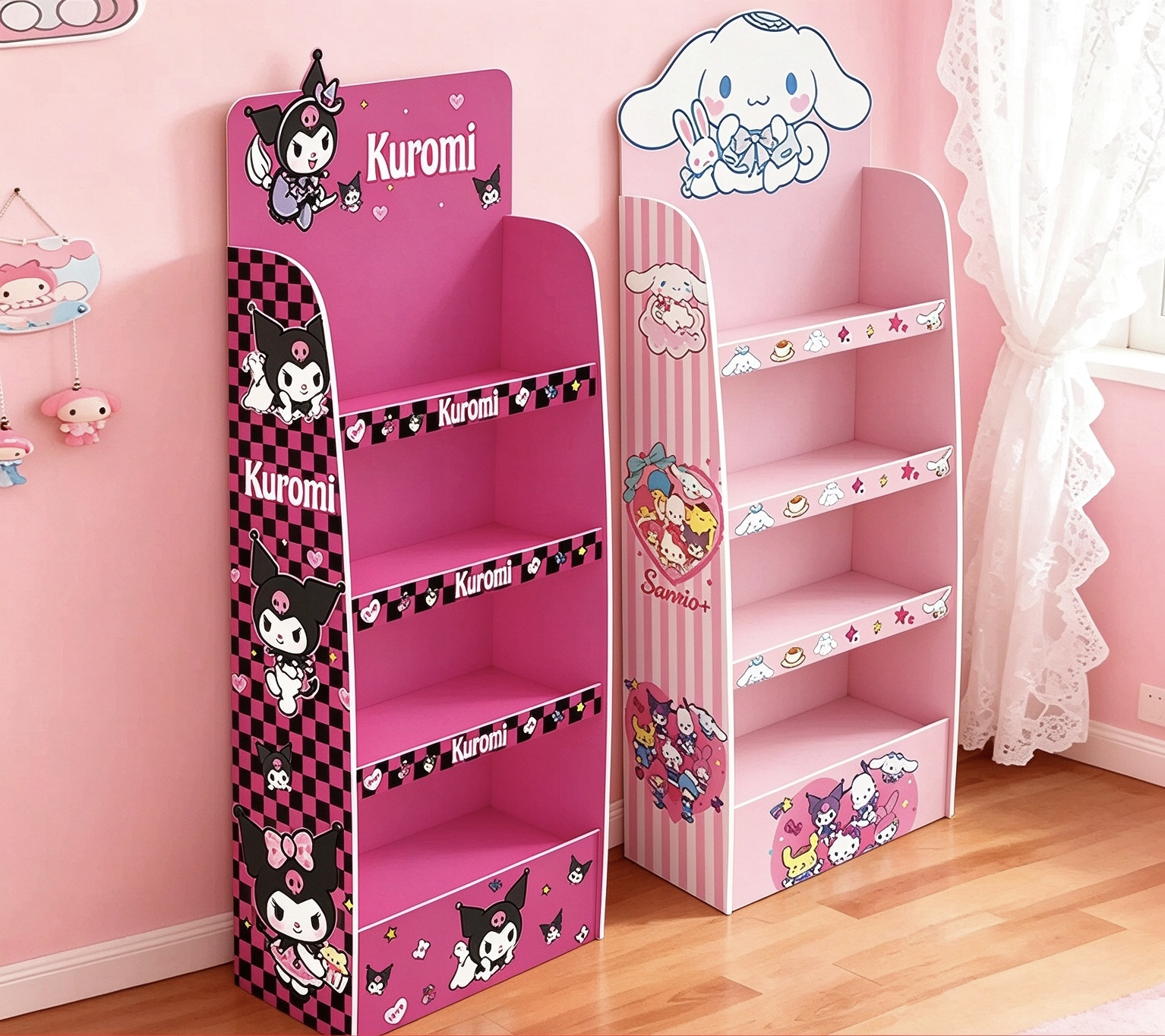
Elevate store environments with custom retail store displays. Learn how hybrid steel, cast acrylic, and wood fixtures build brand image and sales.
2026/10/30
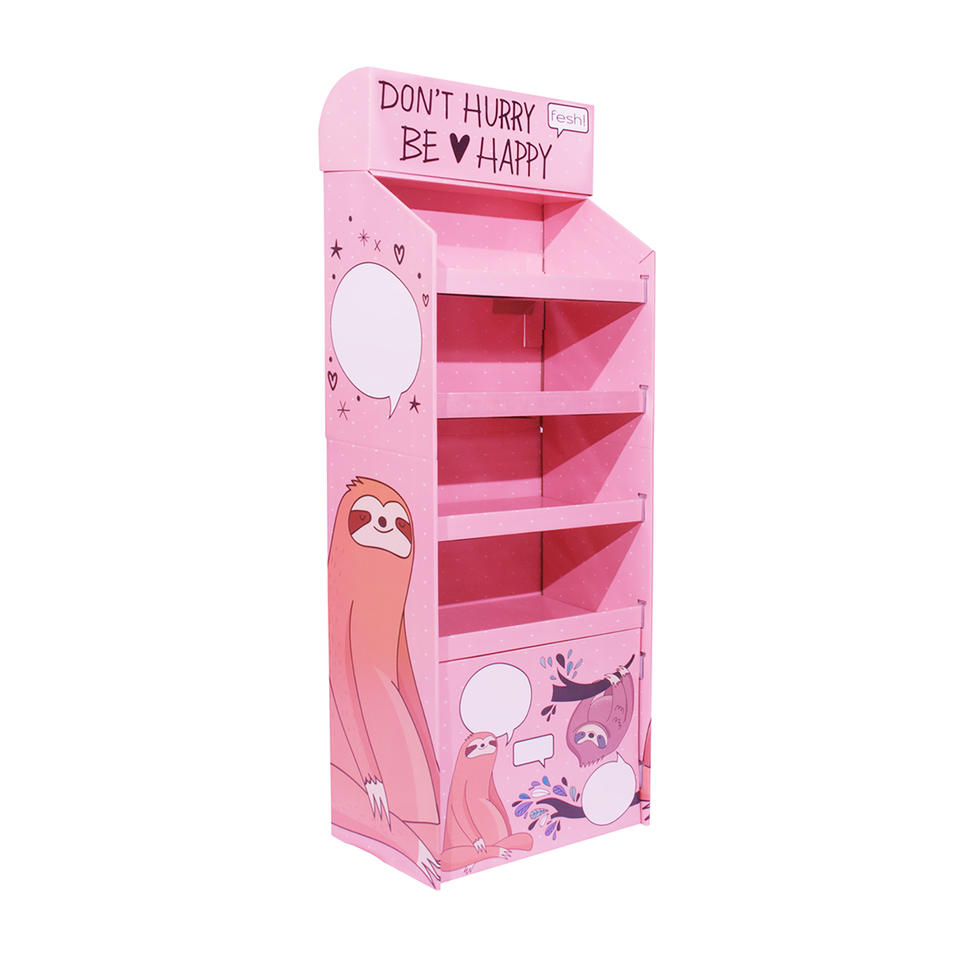
Maximize visual impact with cardboard display stands. See how high-ECT corrugated boards, flat-pack logistics, and rapid lock tabs lower marketing costs.
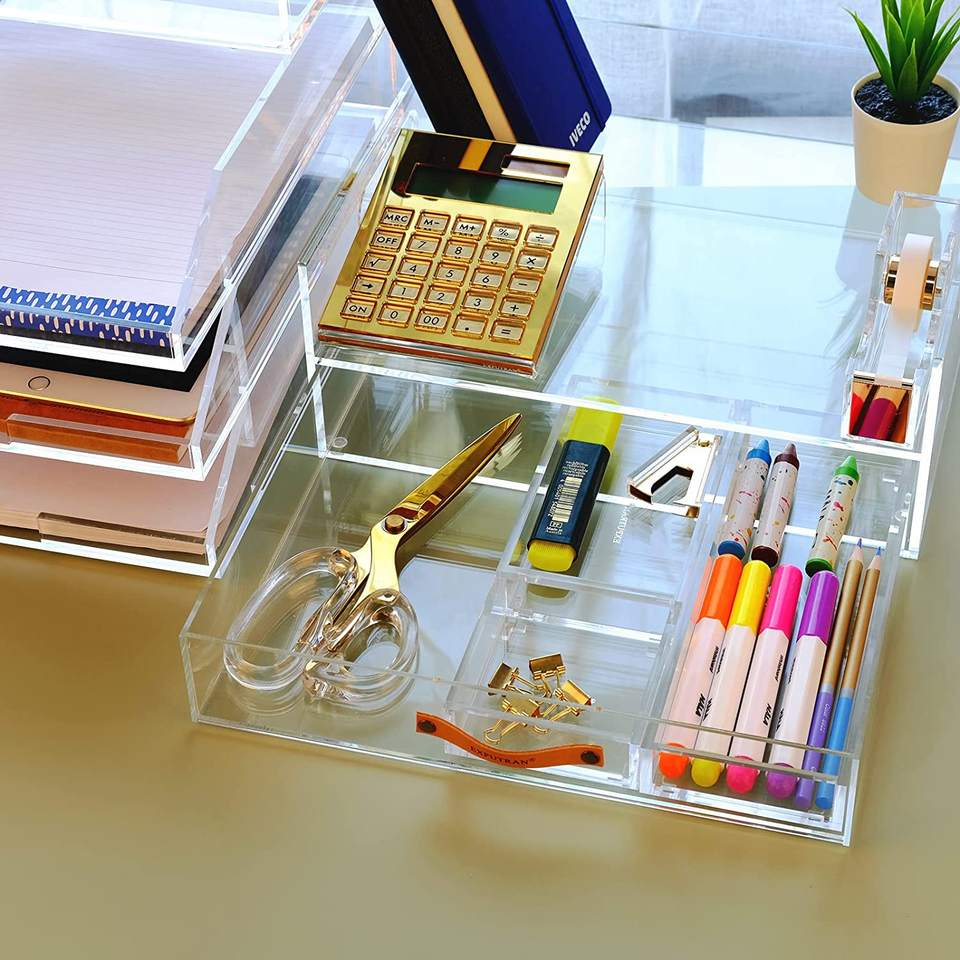
2026/10/30
Elevate unboxing with a custom display box. Learn how rigid greyboards, G7-certified litho-printing, and high-density EVA foam protect premium goods.
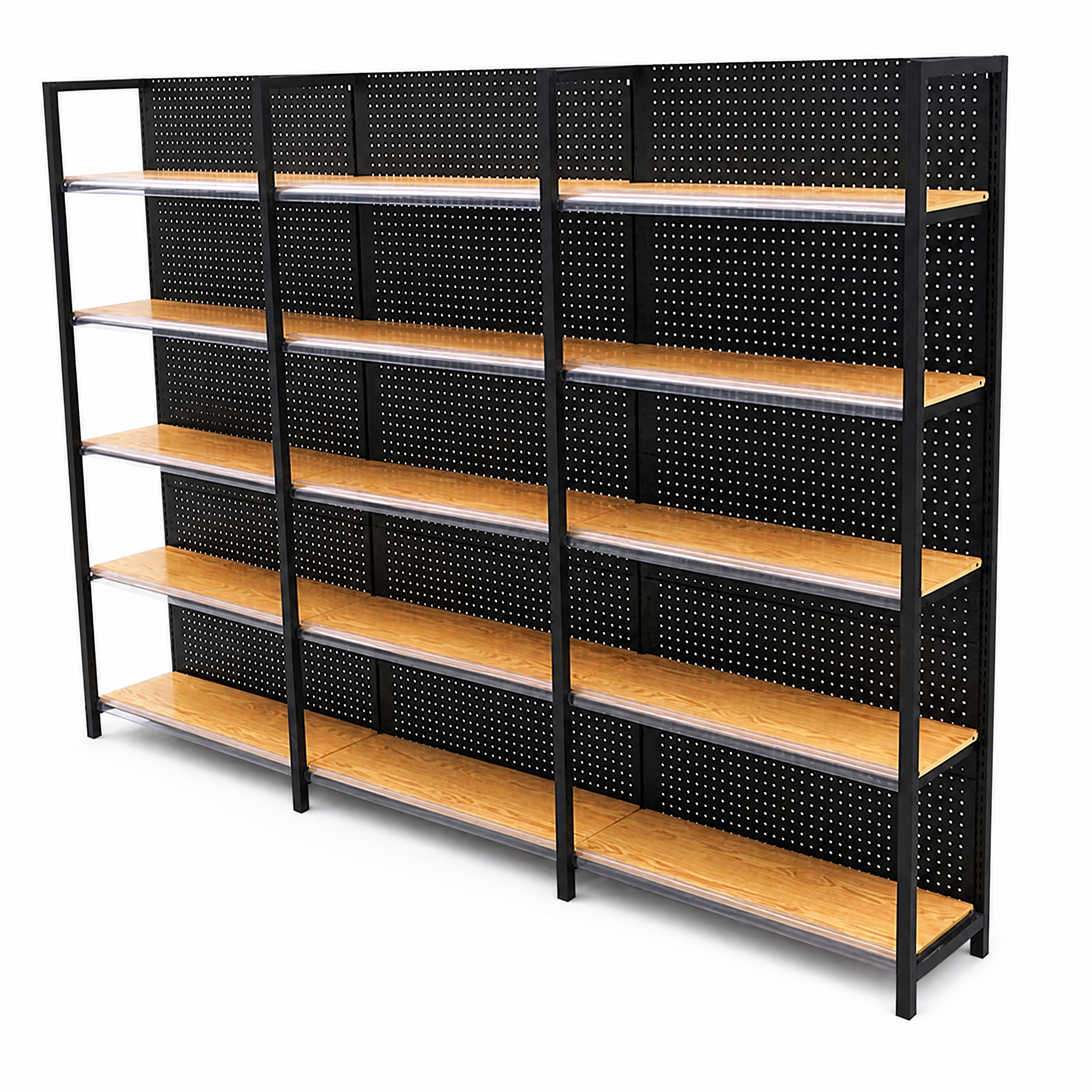
2026/10/30
Optimize product flow with a heavy-duty Display Rack. Learn how cold-rolled Q235 steel frames, teardrop locks, and gravity flow decks cut pick times.
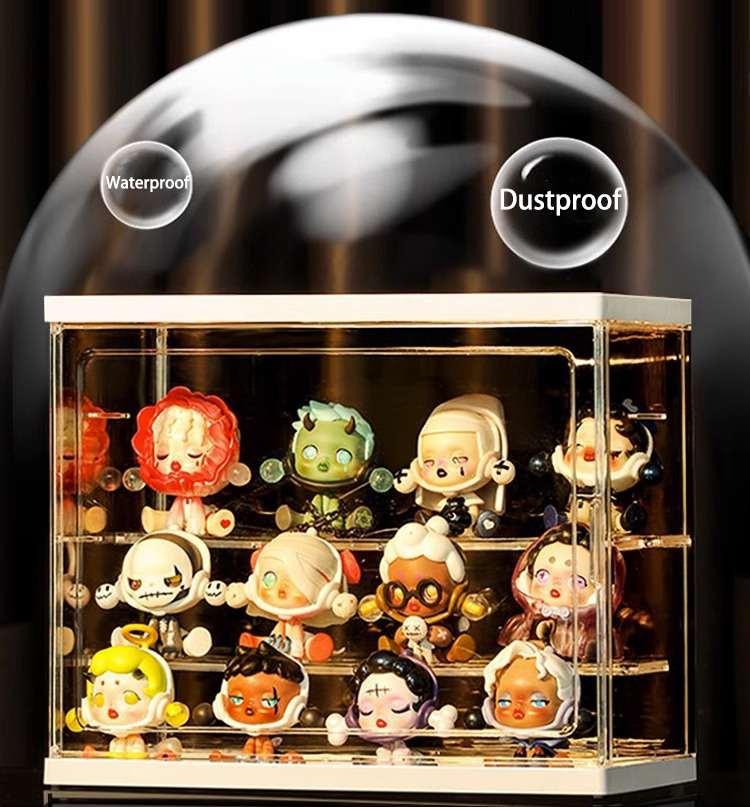
2026/10/30
Secure premium micro-goods with countertop display case units. See how diamond-polished cast acrylic and magnetic lock latches boost impulse sales.
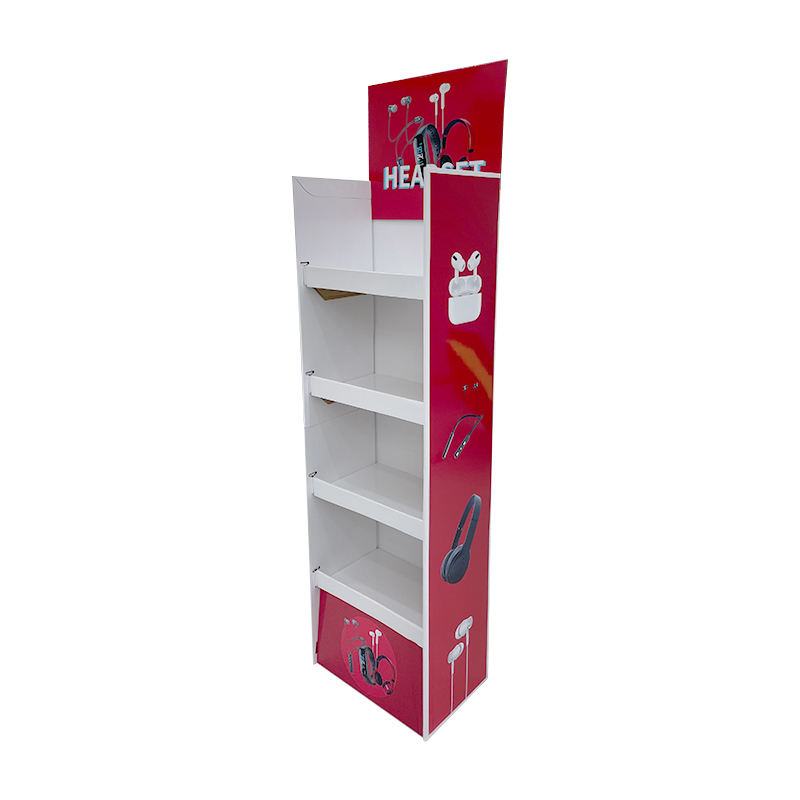
2026/10/30
Boost retail sales with sustainable carton displays. Learn how FSC corrugated boards and eco-friendly soy inks cut carbon footprints and waste fees.
Follow our brand-latest updates, including key-client cooperation, trade-fair activities and daily-life snapshots of our factory-team.

Enhance the retail experience with custom makeup display stands, providing both functionality and modern aesthetics for cosmetic brands.

Upgrade your products’ shelf appeal and protection with innovative gift box packaging designed for cosmetics, electronics, and accessories.

Promote your brand with advertising display racks, featuring flexible configurations for showrooms, events, and point-of-sale promotions.
Comprehensive design, prototyping, and logistics for global custom display stand demands

Communicate your display size, material, structure, brand logo and store-scene requirements.
Produce renderings and structural drawings, optimize shelf layout, dooropening style and detailstructure.

Make physical prototype, test stability, appearance and assembly effect, modify details as your feedback.

Start formal mass-production after sample approval, strictly control quality, packaging and delivery cycle.