EN
Requirement Consultation
Communicate your display size, material, structure, brand logo and store-scene requirements.

2026/10/25

Commercial retail environments serve as demanding proving grounds where physical hardware either accelerates product sales or creates costly logistical friction. When procurement teams determine how to choose a custom display stand, they must look beyond surface aesthetics and evaluate long-term merchandising utility. Standard catalog fixtures rarely accommodate proprietary packaging dimensions or match evolving brand design languages. Selecting fragile or poorly calibrated retail display stands frequently leads to sagging shelves, chipped edges, and uninspired merchandise presentations that damage consumer trust at the point of sale. A properly designed custom display stand resolves these retail merchandising bottlenecks by aligning physical load capacities with intentional consumer ergonomics. Modern visual merchandising requires fixtures that withstand high foot traffic while guiding shopper navigation toward high-margin merchandise. Sourcing well-engineered custom merchandise fixtures allows brands to maintain visual consistency across franchise locations while protecting inventory from accidental spills or shop floor impacts. Making an analytical decision when evaluating a commercial store display stand ensures that retail store installations deliver consistent sales returns throughout multi-year promotional cycles.
Effective commercial fixtures demand a thorough evaluation of store layout dimensions alongside structural load dynamics. Understanding how to choose a custom display stand requires calculating the exact floor footprint, aisle clearance limits, and vertical reach zones within target retail locations. Installing an oversized fixture creates traffic bottlenecks that discourage shopper browsing, while undersized units get lost within cavernous store environments. Professional commercial store display stand designs maintain minimum aisle clearances of ninety centimeters, ensuring smooth foot traffic flow and shopping cart mobility. Beyond spatial planning, structural engineers calculate dynamic and static load requirements based on merchandise weight distribution. A custom display stand designed for heavy power tools or bottled health supplements must utilize thicker structural tube walls and reinforced gusset brackets to prevent structural sagging under prolonged shelf weight. Calculating structural load limits ensures that retail display stands remain stable and safe for consumer interaction on busy sales floors.
The operational lifespan of visual merchandising hardware depends heavily upon selecting structural raw materials suited to specific retail environments. Determining how to choose a custom display stand involves balancing raw material costs against long-term physical durability. Cold-rolled carbon steel provides exceptional tensile yield strength exceeding 350 MPa, making it the benchmark structural substrate for high-load retail display stands. Steel components finished with electrostatic thermoset powder coatings resist daily abrasive wear from metal hangers, cleaning solvents, and shopping cart impacts. When premium cosmetics or optical goods demand crystal-clear transparency, cast virgin acrylic delivers ninety-two percent optical light transmittance, outperforming float glass while providing superior impact resistance. For luxury apparel boutiques and artisanal food shops, moisture-resistant medium-density fiberboards wrapped in commercial high-pressure laminates provide sophisticated warmth without warping under changing seasonal humidity. Combining diverse materials within unified custom merchandise fixtures allows brands to balance structural strength, visual appeal, and fabrication cost across expanding store networks.
Global supply chain expenses represent a substantial portion of the total cost of ownership for commercial fixture rollouts. Strategic visual merchandisers realize that knowing how to choose a custom display stand requires reviewing packaging engineering alongside factory metalwork. Shipping fully welded, hollow showcase units across international shipping routes inflates ocean freight costs and increases transit damage risks. Advanced retail display stands utilize modular knock-down engineering featuring internal cam locks, sliding channel brackets, and drop-in shelf slots. This modular architecture allows a high-capacity custom display stand to ship flat-packed, maximizing shipping container space utilization by up to thirty-five percent. Protective packaging tested against industrial transit standards incorporates multi-layer honeycomb cardboard, high-density edge foam, and customized inner dunnage to safeguard painted surfaces during intermodal handling. Furthermore, tool-free quick-lock assembly hardware ensures retail associates can assemble custom merchandise fixtures in under twenty minutes without specialized tools. Prioritizing modular packaging when selecting a commercial store display stand protects rollout budgets and accelerates store opening timelines.
Upgrading retail display hardware delivers measurable commercial returns by boosting shopper dwell time and improving conversion rates. A multinational smart home electronics brand operating seventy retail concessions faced persistent challenges with standard shelving, including frequent acrylic tier cracking, disorganized power cable management, and high transit damage rates. The company revised its procurement strategy, focusing on how to choose a custom display stand tailored to interactive consumer electronics. Working with structural designers, the brand developed a reinforced custom display stand that combined cold-rolled steel base plates with cast acrylic product pedestals and concealed internal power channels. Following the store rollout, participating locations achieved a twenty-six percent increase in shopper dwell time and a nineteen percent increase in cross-category bundle sales. The upgraded retail display stands survived three years of continuous customer handling without structural failures or surface hazing, reducing replacement fixture expenses across the store network. This commercial deployment confirms that investing in a purpose-built commercial store display stand directly supports physical retail profitability.
Translating ambitious retail concepts into durable, cost-effective store hardware requires deep engineering expertise and reliable manufacturing capacity. YSY Display delivers end-to-end design, rapid prototyping, and large-scale manufacturing solutions for global retail brands and commercial display distributors. The manufacturing facilities at YSY Display house automated fiber laser cutting machines, multi-axis CNC tube benders, robotic welding cells, and dust-free electrostatic coating lines. The engineering team at YSY Display collaborates closely with commercial buyers to optimize structural profiles, refine material selections, and develop modular packaging solutions. Every custom display stand manufactured by YSY Display undergoes strict quality control, including salt spray corrosion testing, static weight testing, and pre-shipment trial assemblies. Whether your brand requires high-capacity steel shelving, precision acrylic cosmetics showcases, or mixed-material custom merchandise fixtures, YSY Display provides the manufacturing scale, technical expertise, and global delivery reliability needed to turn retail concepts into high-performing store fixtures.
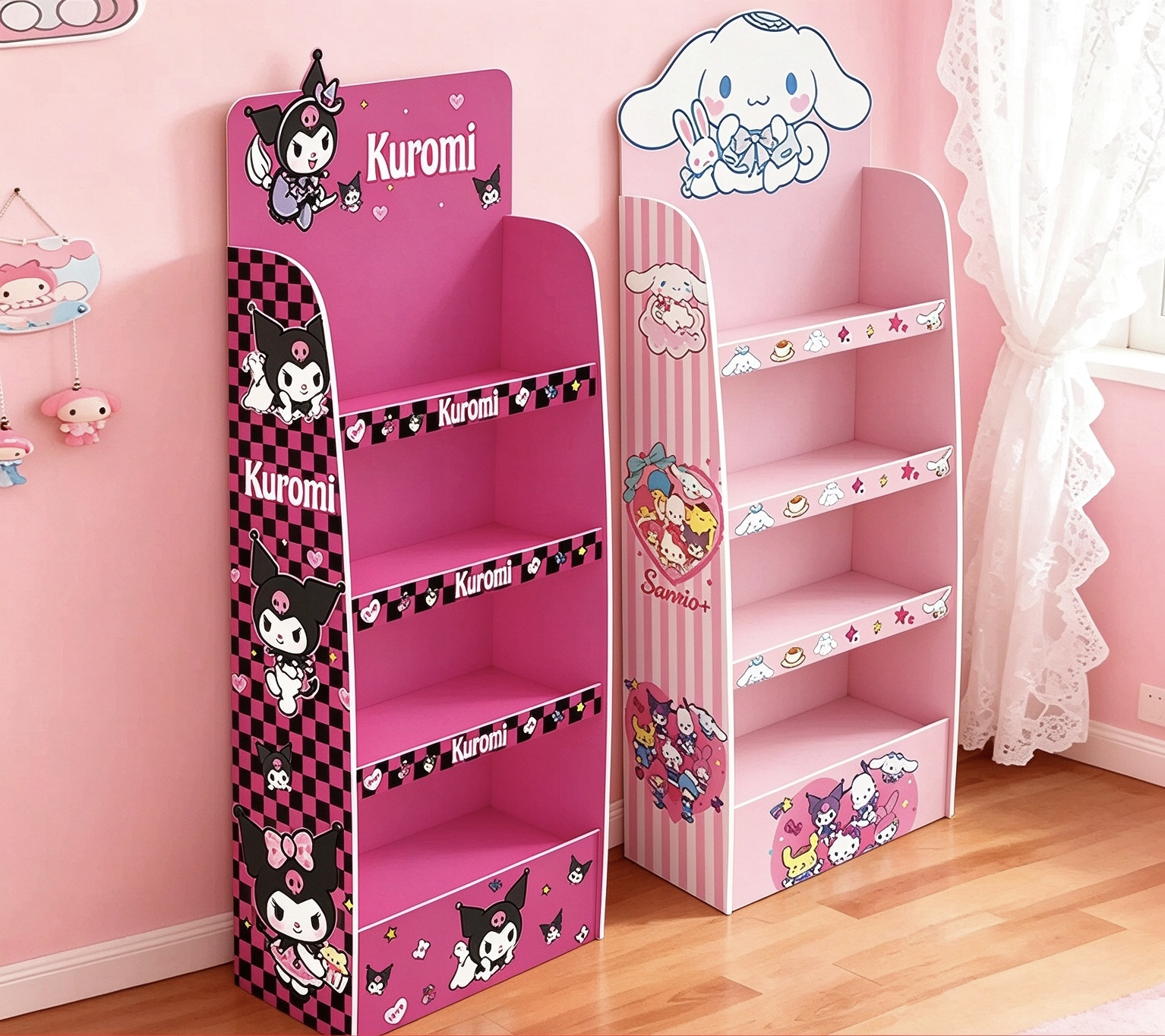
2026/10/30
Elevate store environments with custom retail store displays. Learn how hybrid steel, cast acrylic, and wood fixtures build brand image and sales.
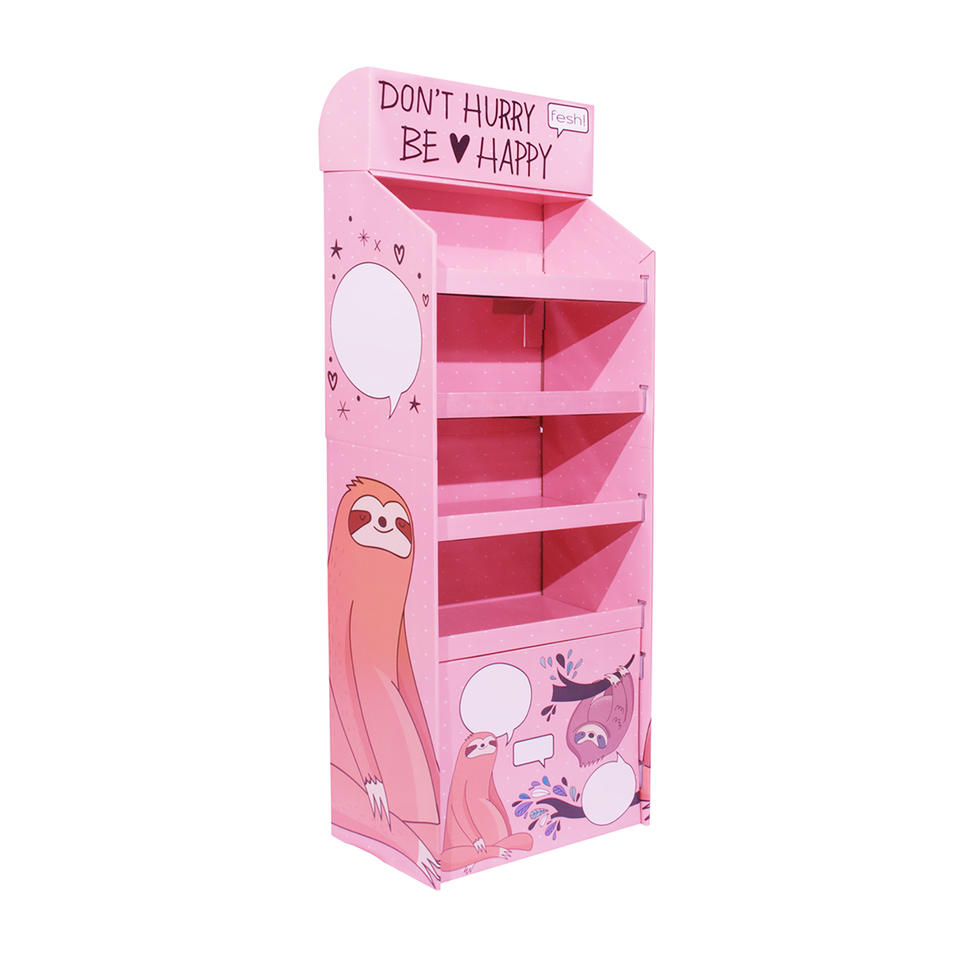
2026/10/30
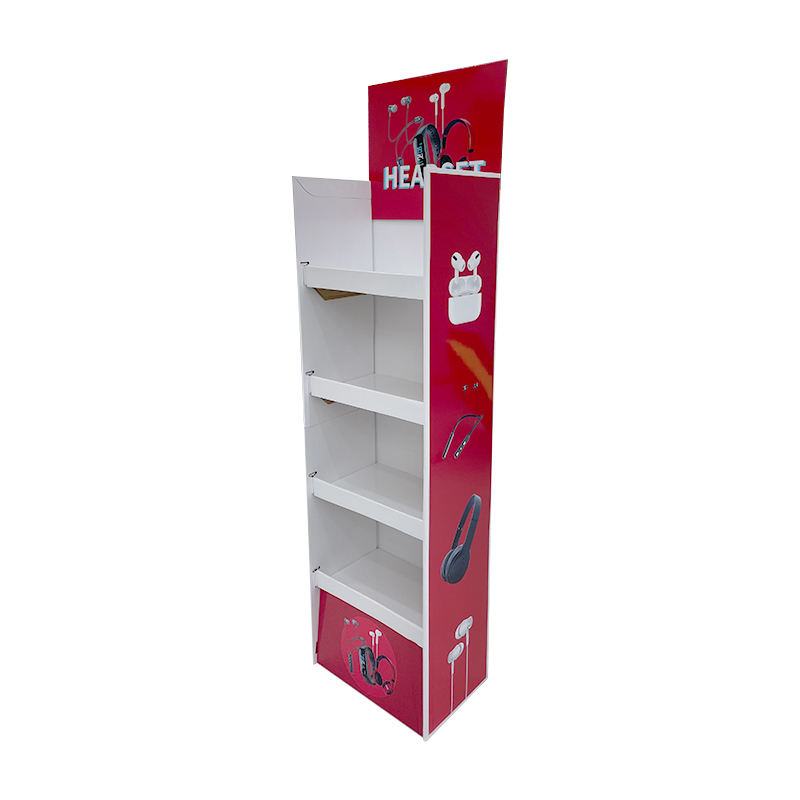
Maximize visual impact with cardboard display stands. See how high-ECT corrugated boards, flat-pack logistics, and rapid lock tabs lower marketing costs.
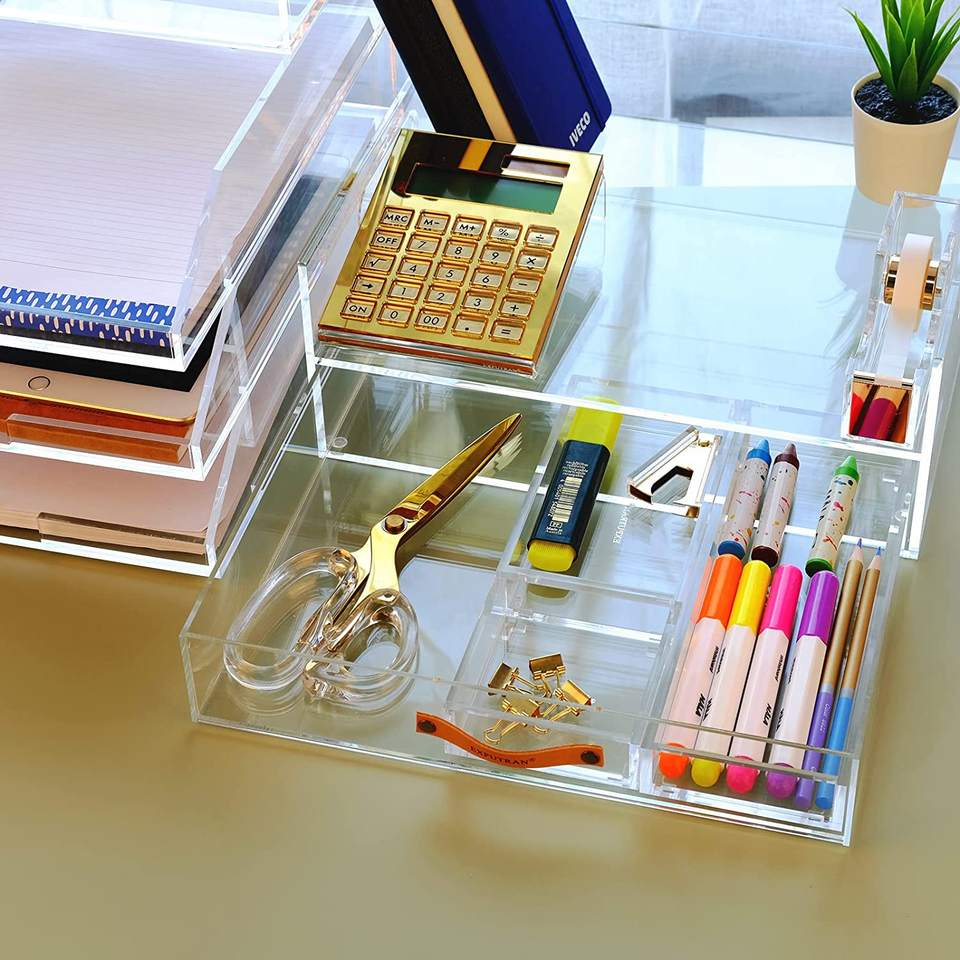
2026/10/30
Elevate unboxing with a custom display box. Learn how rigid greyboards, G7-certified litho-printing, and high-density EVA foam protect premium goods.
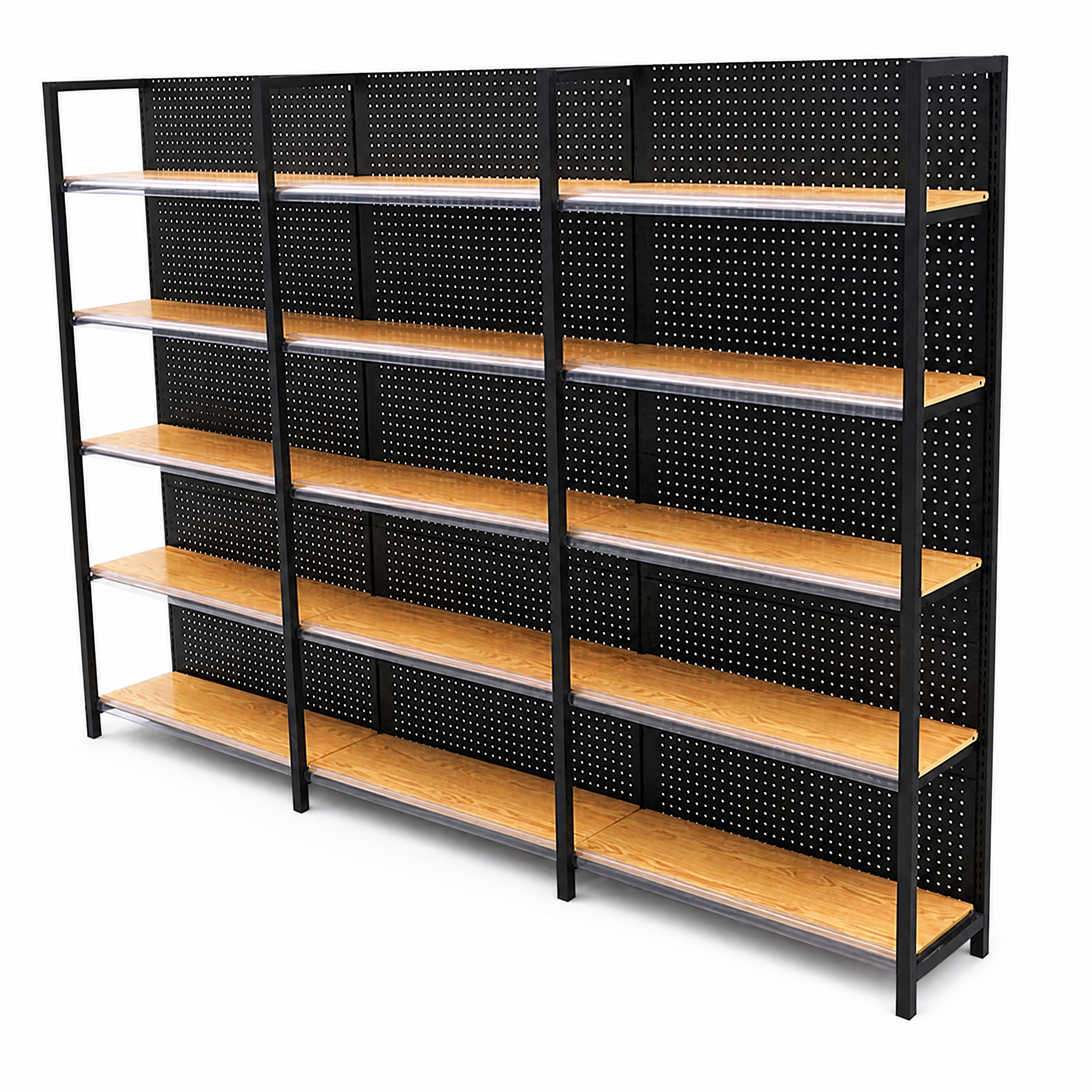
2026/10/30
Optimize product flow with a heavy-duty Display Rack. Learn how cold-rolled Q235 steel frames, teardrop locks, and gravity flow decks cut pick times.
2026/10/30
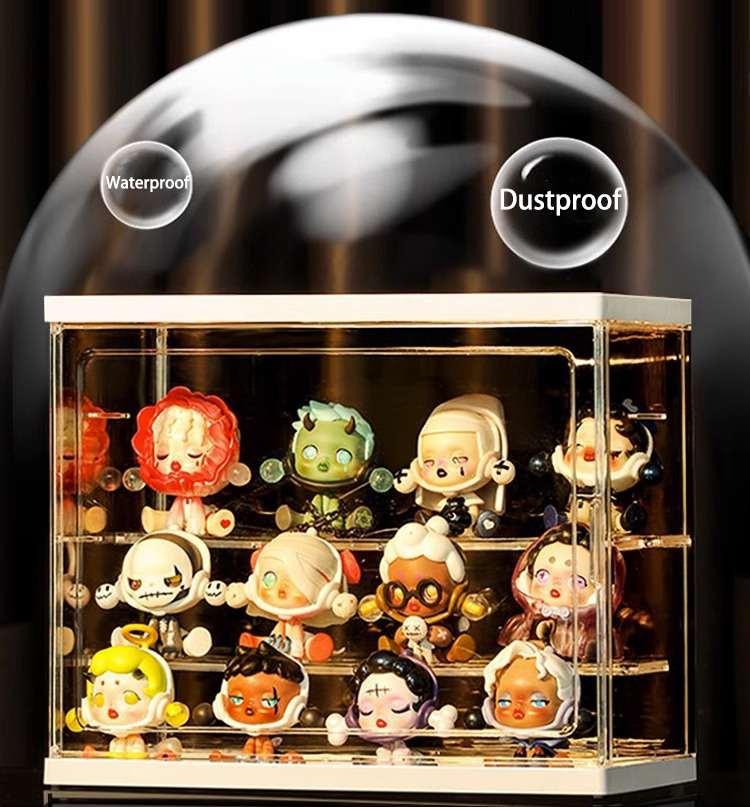
Secure premium micro-goods with countertop display case units. See how diamond-polished cast acrylic and magnetic lock latches boost impulse sales.
2026/10/30
Boost retail sales with sustainable carton displays. Learn how FSC corrugated boards and eco-friendly soy inks cut carbon footprints and waste fees.
Follow our brand-latest updates, including key-client cooperation, trade-fair activities and daily-life snapshots of our factory-team.

Enhance the retail experience with custom makeup display stands, providing both functionality and modern aesthetics for cosmetic brands.

Upgrade your products’ shelf appeal and protection with innovative gift box packaging designed for cosmetics, electronics, and accessories.

Promote your brand with advertising display racks, featuring flexible configurations for showrooms, events, and point-of-sale promotions.
Comprehensive design, prototyping, and logistics for global custom display stand demands

Communicate your display size, material, structure, brand logo and store-scene requirements.

Produce renderings and structural drawings, optimize shelf layout, dooropening style and detailstructure.

Make physical prototype, test stability, appearance and assembly effect, modify details as your feedback.

Start formal mass-production after sample approval, strictly control quality, packaging and delivery cycle.