EN
Requirement Consultation
Communicate your display size, material, structure, brand logo and store-scene requirements.

2026/10/16
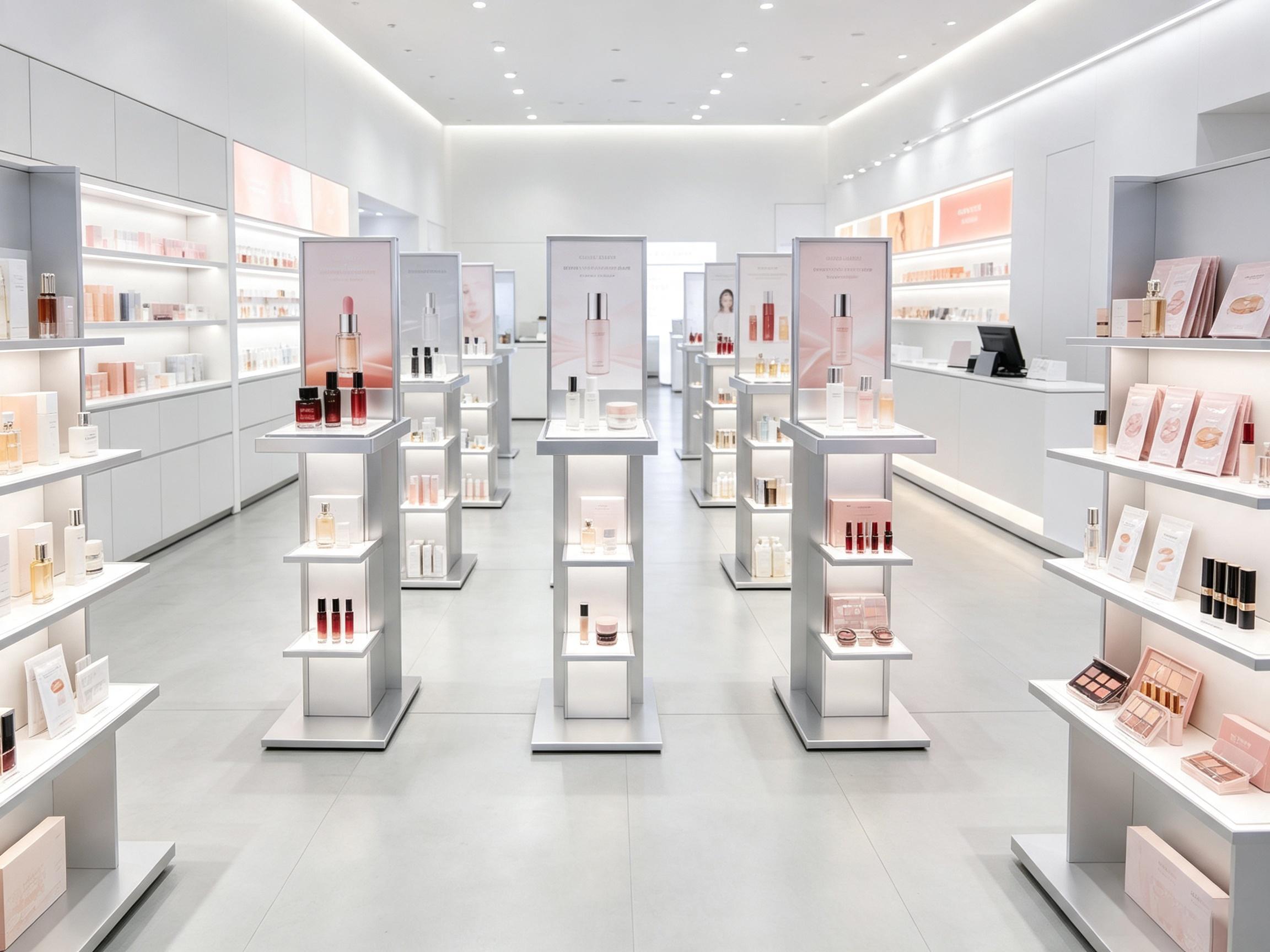
The first few paces inside a commercial shop establish the psychological baseline for every shopper. In professional merchandising design, the initial entry zone represents a critical transition space where customers adjust to store lighting, ambient sound, and overall product density. Shoving massive, bulky shelving systems directly into this decompression threshold instantly triggers sensory overload, forcing visitors to rush past without engaging. Strategic retail store layout planning relies on placing low-profile fixtures near entrances to guide foot traffic naturally toward the right-hand side of the sales floor, following deeply ingrained human movement patterns. Selecting the appropriate display stand type prevents physical bottlenecks while ensuring high-margin merchandise captures immediate visual interest. Poorly selected fixtures create physical obstructions, making aisles feel cramped and discouraging extended browsing sessions. By deploying transparent, elegant acrylic pedestals or streamlined metal custom display racks near the front entrance, store operators can craft an open, welcoming path that gently coaxes shoppers deeper into key product zones. Ensuring that retail display fixtures align with natural customer walking velocities remains the single most effective way to turn casual window shoppers into active buyers.
Commercial environments operate on distinct spatial methodologies, and selecting a display stand requires matching its precise footprint to the chosen retail store layout. In a standard grid configuration—the highly structured format common in pharmacies, grocery stores, and convenience retail—merchandisers prioritize maximum stocking density and linear navigation. Here, double-sided metal custom display racks with clean, geometric profiles excel by defining predictable, parallel paths that make bulk shopping exceptionally efficient. Conversely, a loop layout, often preferred by apparel boutiques and lifestyle brands, guides shoppers along a continuous perimeter road. This format demands modular retail display fixtures, such as middle-floor gondolas with staggered shelving heights, which break up visual monotony and encourage impulse exploration. For a free-flow floorplan where creative expression is paramount, scattering custom acrylic blocks, multi-tiered circular tables, and delicate pedestals allows shop owners to build curated product islands. No matter which floorplan is deployed, maintaining strict spatial clearance standards—typically a minimum of three to four feet of clear aisle space—guarantees wheelchair accessibility and comfortable stroller passage while maximizing merchandising visibility.
Behind every highly productive sales floor lies a rigorous calculation of weight capacities, material durability, and surface wear resistance. Selecting a display stand is not merely an aesthetic choice; it is an engineering decision directly impacting maintenance budgets and store safety. For heavy, high-volume merchandise like packaged foods, hardware tools, or dense electronic accessories, heavy-duty cold-rolled steel custom display racks offer unmatched structural longevity, resisting sagging under continuous loads. However, for luxury lifestyle goods, premium skincare, and designer accessories, heavy industrial shelving is far too harsh. High-end boutique visual merchandising demands the optical purity of premium cast acrylic retail display fixtures. Optical-grade cast acrylic behaves like pristine glass by reflecting ambient boutique spotlights, yet it retains excellent shatter resistance and is easy to reposition during seasonal store makeovers. Wood composites, particularly high-density fiberboard with premium wood veneers, add natural warmth to organic food counters and high-end bookshops. Choosing the correct structural materials prevents premature wear and tear, ensuring store presentation continues to look brand new even after thousands of high-traffic shopping weekends.
Modern consumers scan retail spaces much like they scan web pages, searching for clear focal points amid vast seas of commercial options. Successful retail store layout strategies leverage a strict vertical visual hierarchy, dividing vertical display walls into cold, warm, and hot shopping zones. The absolute sweet spot for customer interaction sits between three and five feet from the polished store floor, an area universally referred to as the strike zone. Placing high-margin new arrivals or delicate impulse products on a premium display stand within this specific vertical window guarantees immediate customer exposure. To maximize physical space efficiency, experienced shop designers utilize staggered step shelves, hanging pegboards, and recessed LED accent lighting integrated directly into custom display racks. These built-in lighting features eliminate shadows on lower shelves, turning previously dead bottom corners into high-conversion sales spots. Integrating versatile, adjustable retail display fixtures allows instore teams to shift shelf heights dynamically to match varying product dimensions, keeping the visual layout active, engaging, and highly profitable.
Real-world commercial performance data underscores the massive financial impact of choosing the correct display stand configuration. In a notable retail audit of a high-end multi-brand boutique, swapping out rigid, heavy wooden cabinets for lightweight, modular custom display racks led to a staggering 28 percent increase in customer dwell time within the shoe department. By replacing opaque shelving with transparent, custom-engineered acrylic retail display fixtures, the brand eliminated visual clutter and allowed ambient light to pass through the displays, revealing the product lines from multiple aisle angles. Furthermore, introducing mobile, lockable caster wheels underneath each middle-floor display stand allowed the boutique staff to rearrange the retail store layout in under two hours to accommodate private weekend launch events. This newfound spatial agility dramatically reduced the overhead labor hours required for visual merchandising resets. Such practical transformations demonstrate that choosing high-quality, flexible display components is not a simple cost center, but rather a direct driver of retail labor efficiency and overall store profitability.
Designing an efficient, high-performance retail environment requires a reliable manufacturing partner capable of executing complex custom fixture designs with absolute precision. Global retail brands, premium department stores, and visual merchandising consultants rely on the advanced manufacturing capabilities of YSY Display to bring their creative concepts to life. Equipped with state-of-the-art sheet metal laser cutters, high-speed CNC routing machines, automatic powder-coating lines, and pristine acrylic dust-free fabrication workshops, YSY Display designs and manufactures top-tier retail display fixtures to meet strict international quality tolerances. The expert engineering team specializes in producing versatile custom display racks and elegant acrylic display stands that seamlessly blend structural durability with striking aesthetic appeal. Whether a brand needs a single prototype for a flagship store concept or a massive, multi-store global rollout of highly durable retail display fixtures, YSY Display provides comprehensive, end-to-end support to elevate product presentation, strengthen brand identity, and maximize point-of-sale profitability.
2026/10/30
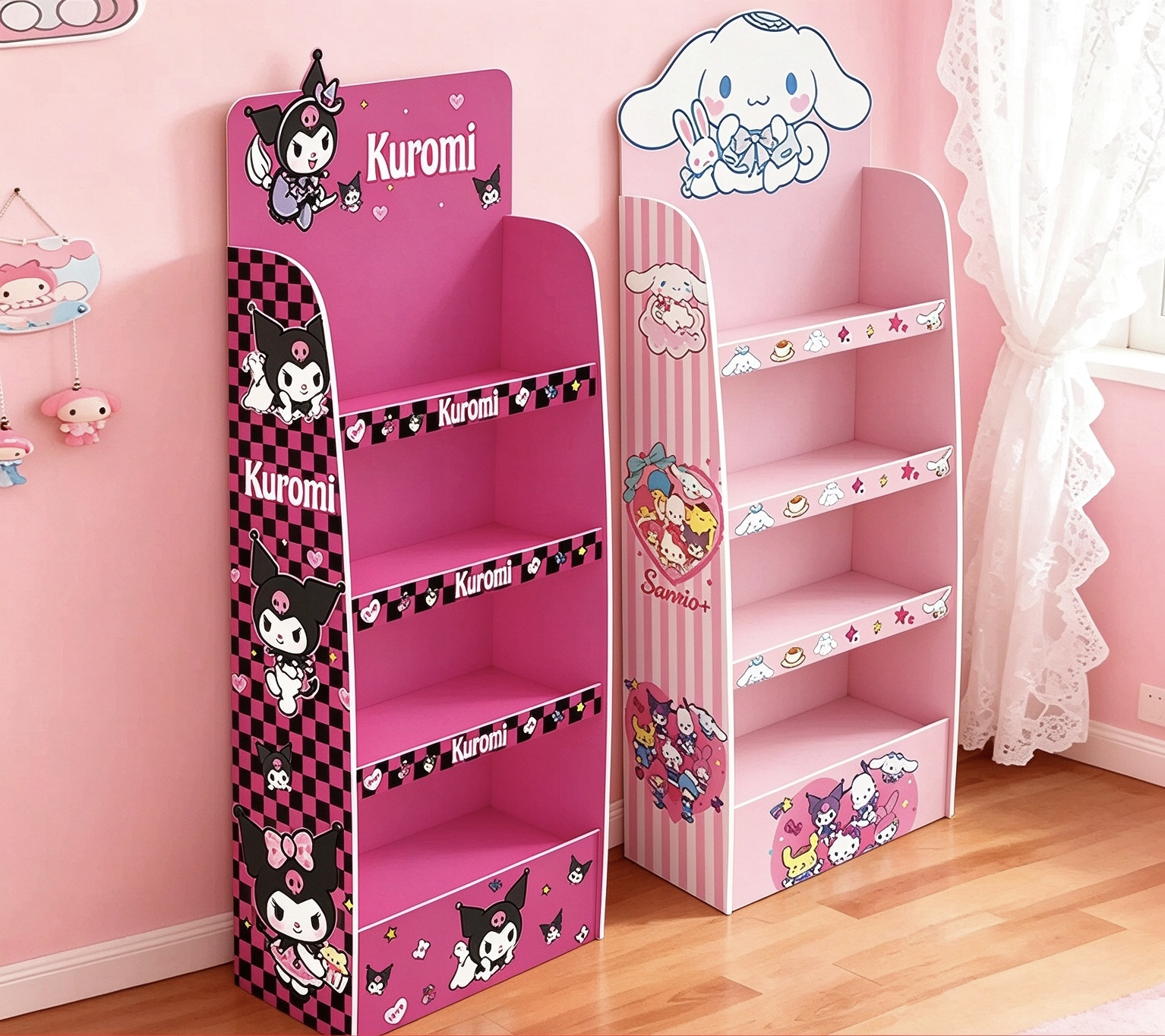
Elevate store environments with custom retail store displays. Learn how hybrid steel, cast acrylic, and wood fixtures build brand image and sales.
2026/10/30
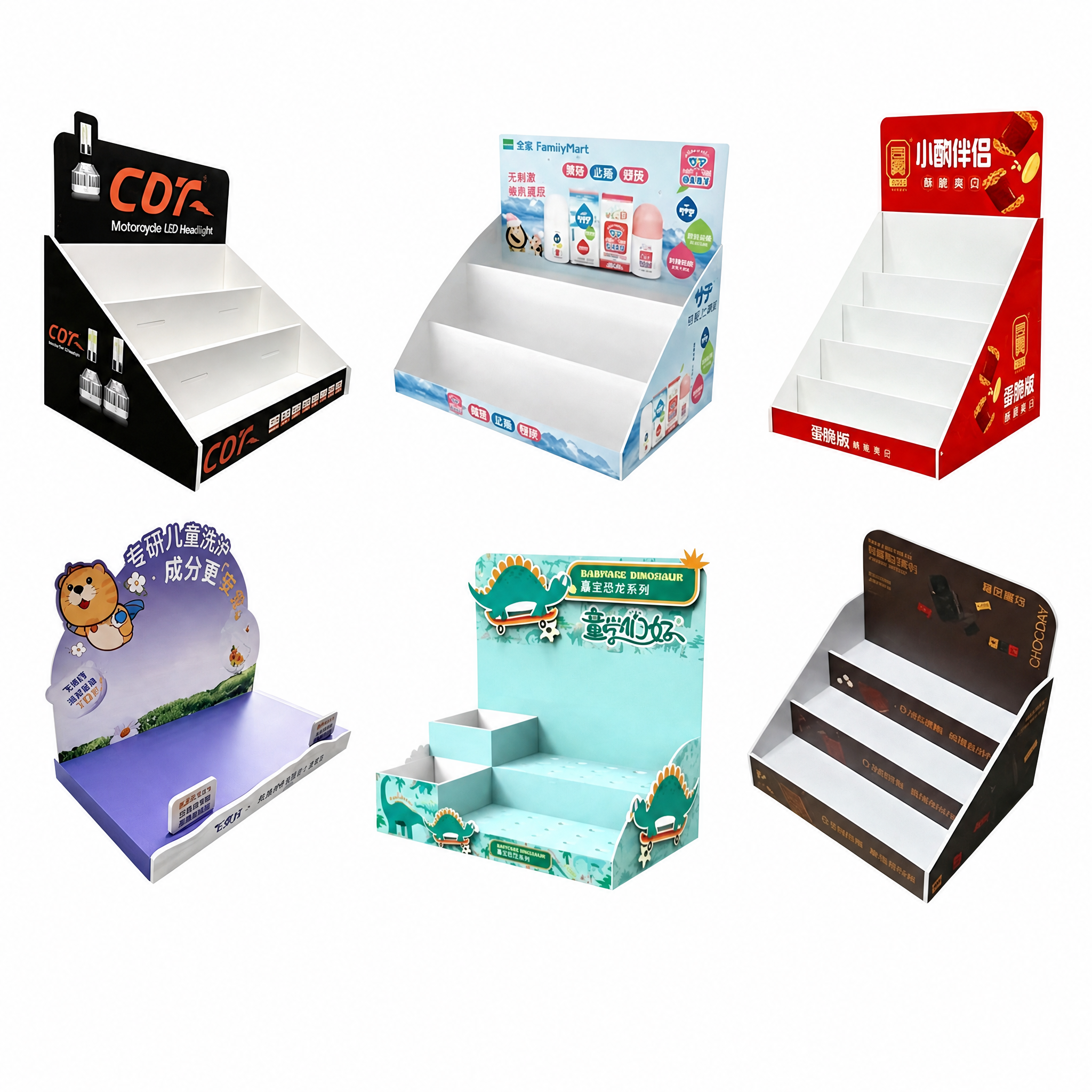
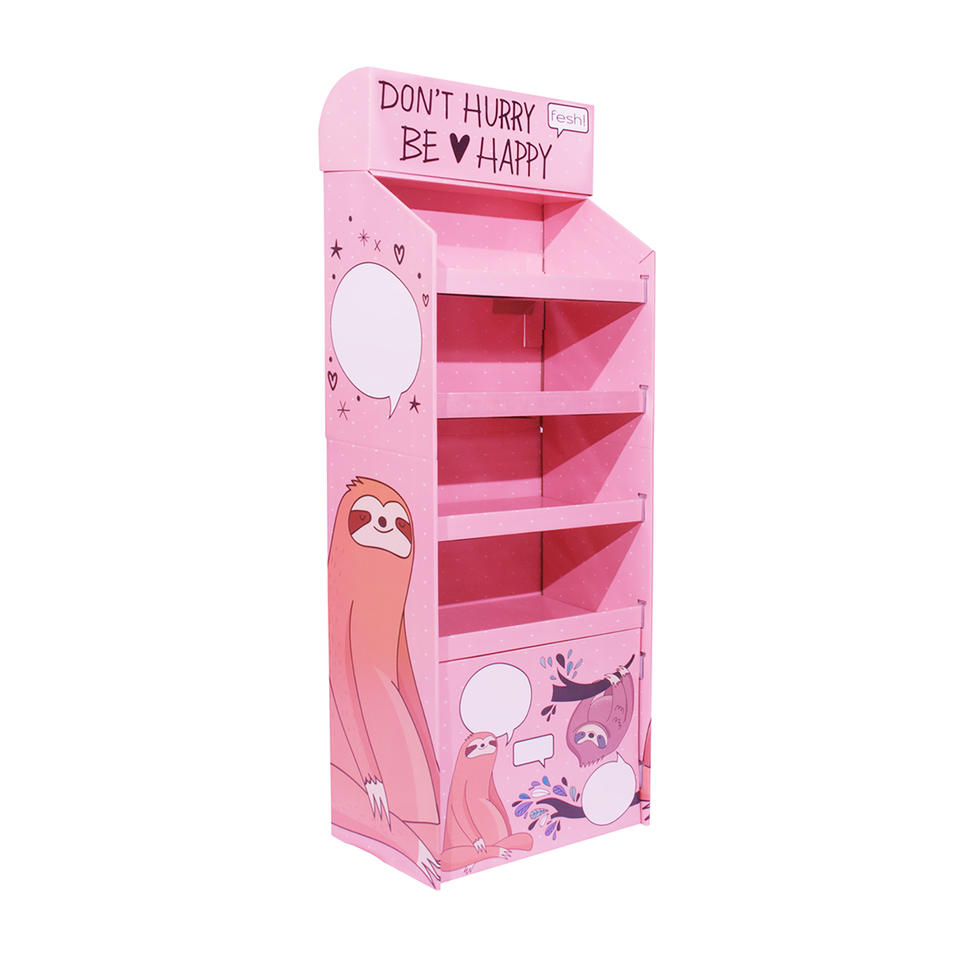
Maximize visual impact with cardboard display stands. See how high-ECT corrugated boards, flat-pack logistics, and rapid lock tabs lower marketing costs.
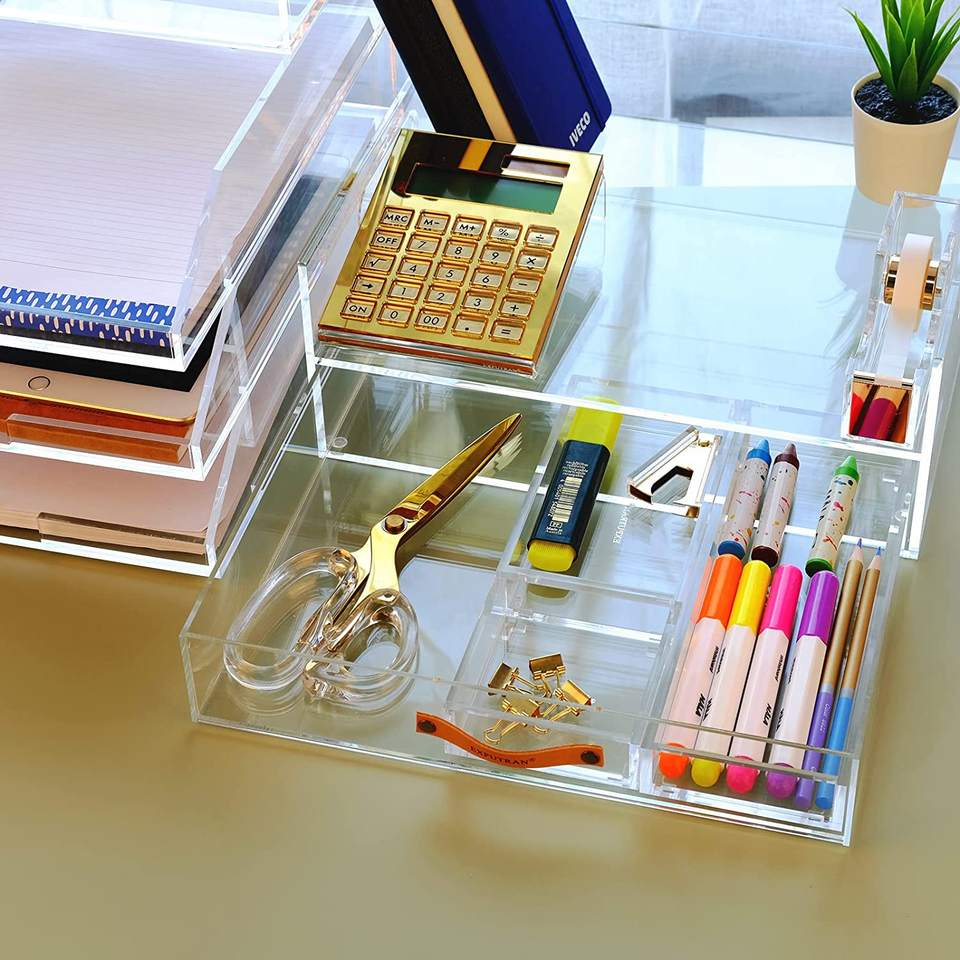
2026/10/30
Elevate unboxing with a custom display box. Learn how rigid greyboards, G7-certified litho-printing, and high-density EVA foam protect premium goods.
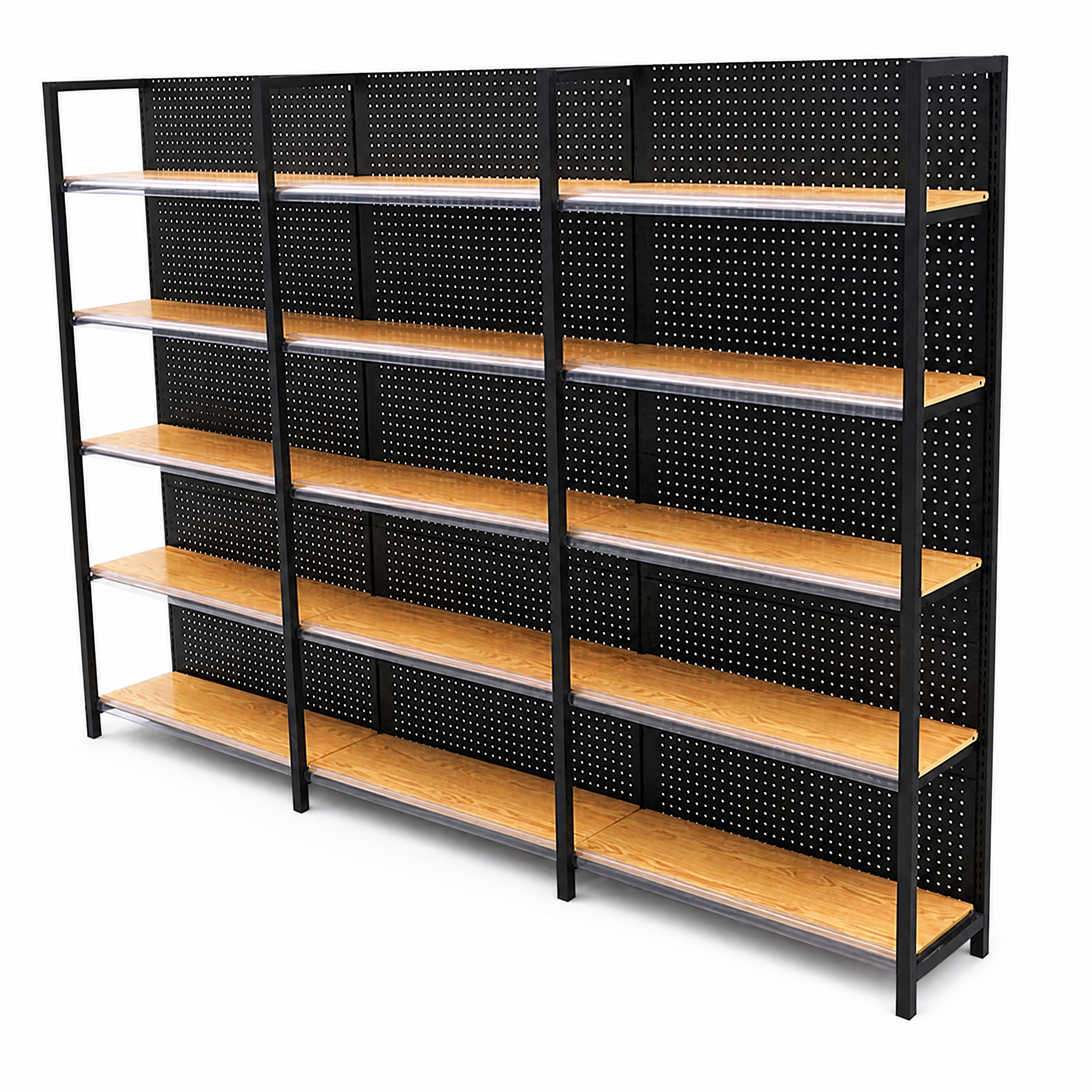
2026/10/30
Optimize product flow with a heavy-duty Display Rack. Learn how cold-rolled Q235 steel frames, teardrop locks, and gravity flow decks cut pick times.
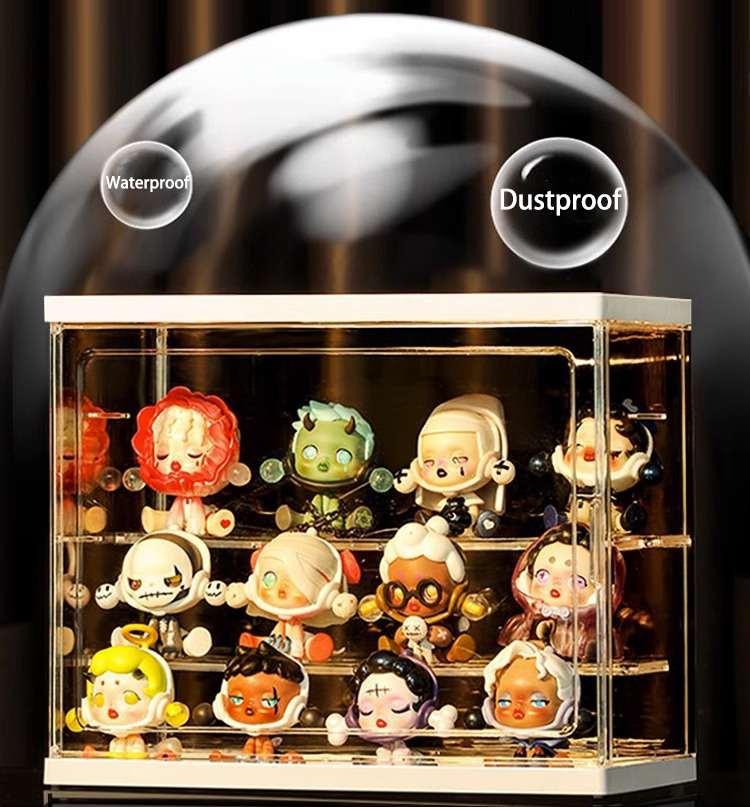
2026/10/30
Secure premium micro-goods with countertop display case units. See how diamond-polished cast acrylic and magnetic lock latches boost impulse sales.
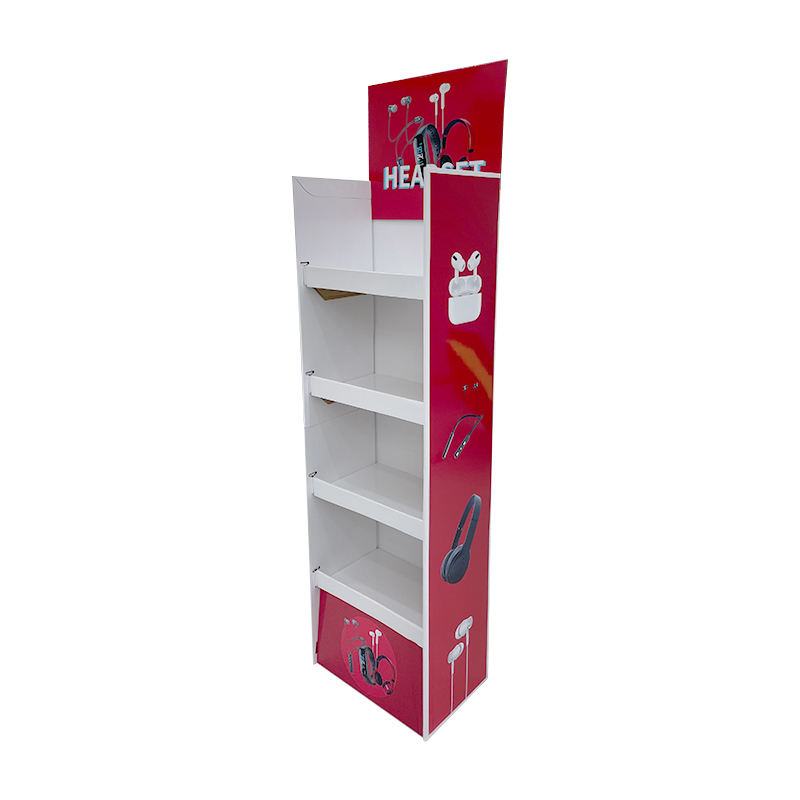
2026/10/30
Boost retail sales with sustainable carton displays. Learn how FSC corrugated boards and eco-friendly soy inks cut carbon footprints and waste fees.
Follow our brand-latest updates, including key-client cooperation, trade-fair activities and daily-life snapshots of our factory-team.

Enhance the retail experience with custom makeup display stands, providing both functionality and modern aesthetics for cosmetic brands.

Upgrade your products’ shelf appeal and protection with innovative gift box packaging designed for cosmetics, electronics, and accessories.

Promote your brand with advertising display racks, featuring flexible configurations for showrooms, events, and point-of-sale promotions.
Comprehensive design, prototyping, and logistics for global custom display stand demands

Communicate your display size, material, structure, brand logo and store-scene requirements.
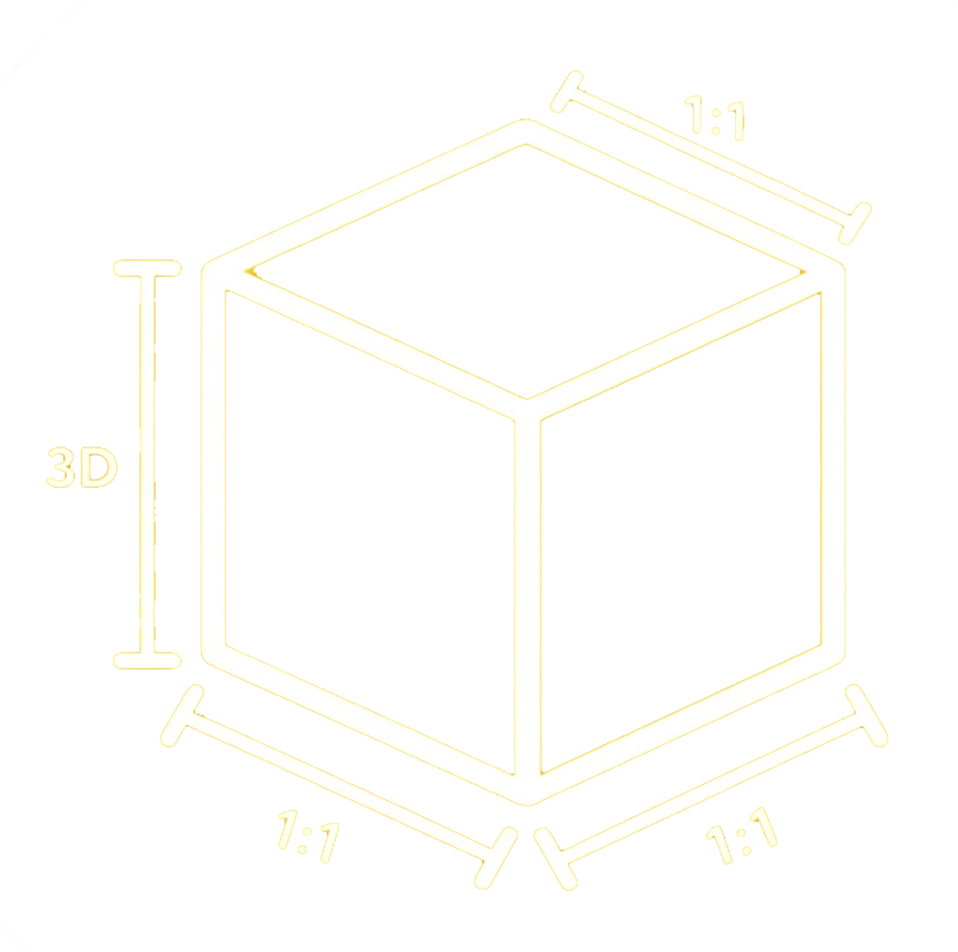
Produce renderings and structural drawings, optimize shelf layout, dooropening style and detailstructure.

Make physical prototype, test stability, appearance and assembly effect, modify details as your feedback.

Start formal mass-production after sample approval, strictly control quality, packaging and delivery cycle.