EN
Requirement Consultation
Communicate your display size, material, structure, brand logo and store-scene requirements.

2026/10/28
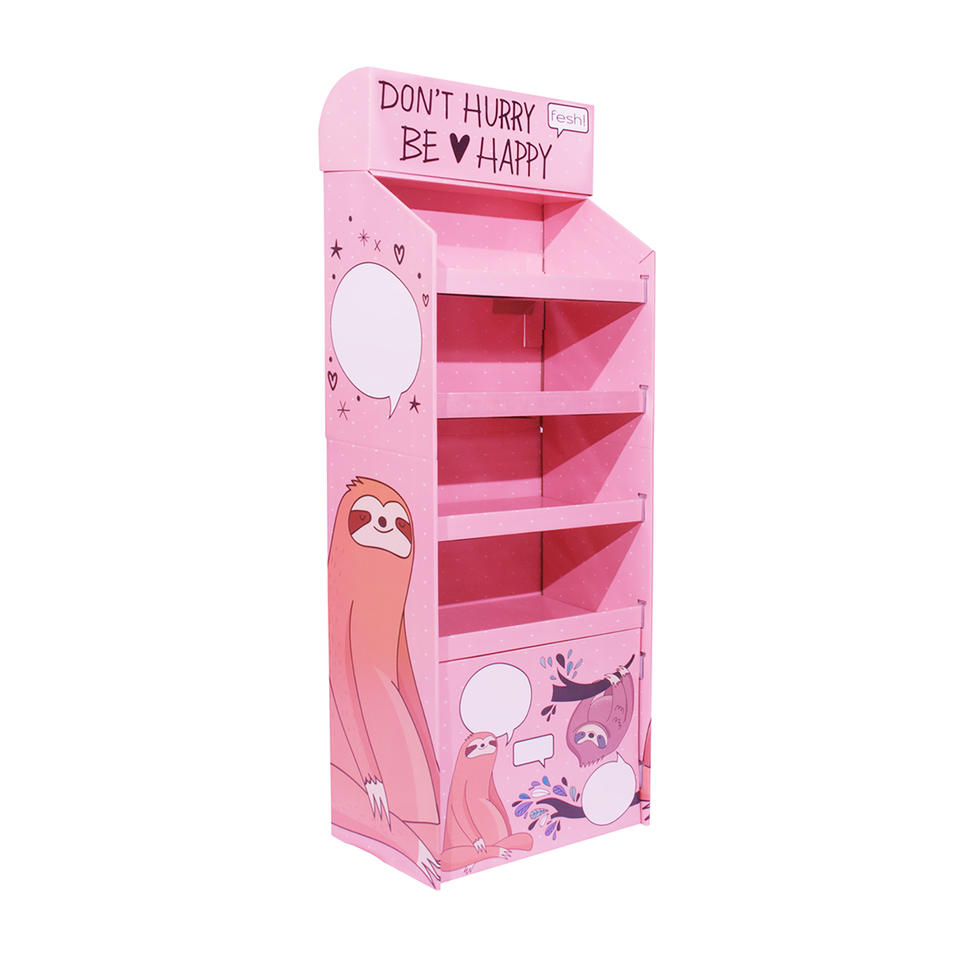
Merchandising featherweight products like foil cosmetic sheet masks, bagged potato chips, blister-packed earphones, greeting cards, and herbal tea sachets presents a deceptive challenge on the sales floor. Because these items carry almost zero bottom weight, they refuse to stand upright on standard flat supermarket shelves. The moment a shopper pulls one packet from the front row, the remaining pouches domino backward into a flat, invisible pile. Even worse, deep metal shelves swallow lightweight packets whole, forcing customers to reach arm-deep into dark shadows just to grab a two-dollar snack. Transferring these low-weight stock keeping units onto a purpose-built cardboard display solves this posture problem immediately. By engineering shallow, compartmentalized pockets and vertical hanging planes tailored to the exact millimeter of the pouch, a corrugated point of sale stand forces flimsy packaging to stand tall, face forward, and command eye-level attention.
Presenting lightweight goods cleanly requires matching the structural mechanism of the cardboard display to the physical geometry of the wrapper. For pillow-pouch snacks, blister cards, and travel accessories punched with standard euro-hang slots, a vertical corrugated backplane fitted with snap-in polycarbonate peg hooks works best. Two-pronged plastic hooks lock through pre-punched slots in the double-wall backer board, holding up to twelve hanging pouches per hook in crisp forward alignment. For thin, slippery items like facial mask sachets or flat chocolate bars, tiered PDQ counter trays with laser-precise vertical corrugated dividers prevent packets from sliding sideways into one another. Meanwhile, small boxed goods such as single-serve coffee pods or breath mints thrive inside a gravity-fed corrugated dispenser: shoppers pull a box from the bottom dispensing window while angled internal chutes automatically drop the next unit into view.
A common engineering pitfall when displaying light merchandise inside a lightweight cardboard display is top-heavy instability or accidental floor sliding. When a freestanding rack holds thirty bags of puffed snacks weighing less than three kilograms in total, the merchandise itself provides almost no downward ballast to anchor the fixture against passing shopping carts. Skilled structural designers overcome this physics challenge by widening the bottom kickplate footprint into a trapezoidal flare or integrating a concealed weighted ballast tray inside the base pedestal. On the visual side, lightweight impulse goods rely heavily on crisp close-up graphics to trigger appetite or curiosity. Fabricating the outer display shell from fine-profile E-flute corrugated board—which packs ninety flutes per linear foot—eliminates the bumpy washboard lines seen on coarse shipping boxes, giving a retail cardboard merchandiser a smooth offset-printed surface that rivals rigid boutique gift boxes.
Real-world retail rollouts prove how proper structural containment transforms the sales velocity of hard-to-stack pouches. A South Korean skincare distributor launching single-use hydrogel face masks across six hundred North American pharmacy doors initially placed the slippery foil sachets on standard shelf trays. Within hours of restocking, packets slid flat on their backs, rendering the front branding invisible. Switching to a four-tier stepped cardboard display featuring fifteen-degree backward-tilted slots and high front lip retainers kept every mask standing upright like soldiers, boosting weekly unit sell-through by forty-six percent. In the grocery sector, a British artisanal dried-fruit brand struggled to win aisle space against multinational snack giants. By furnishing independent grocers with a narrow, thirty-centimeter-wide cardboard floor stand equipped with twentyfour biodegradable fiber peg hooks, the brand secured prime checkout-lane placement in four hundred stores and grew quarterly revenue by thirty-eight percent.
Big-box hypermarkets, club stores, and pharmacy chains increasingly reject loose lightweight shipments because store associates simply do not have the time to hang two hundred individual packets onto hooks by hand. Designing a cardboard display for pre-packed co-packing at the factory removes this retail bottleneck and makes wholesale buyers far more willing to approve seasonal endcap placements. Using interlocking corrugated retainer combs and custom outer shipping shrouds, manufacturers load the lightweight merchandise directly into the corrugated point of sale stand before sealing the master carton. Corrugated spacer blocks lock the hanging hooks or tiered trays in place so packets cannot bounce off during ocean freight or parcel delivery. Once the pallet reaches the store aisle, a clerk lifts off the outer protective carton hood, removes two cardboard transit clips, and reveals a fully stocked, picture-perfect retail cardboard merchandiser in under fifteen seconds.
Creating a lightweight product display that survives international shipping while keeping featherweight pouches perfectly aligned takes specialized structural CAD expertise. YSY Display engineers custom cardboard display solutions specifically calibrated for cosmetics sachets, bagged confectionery, blister electronics, and stationery goods. By combining fine E-flute and B-flute corrugated boards with precision-molded peg hooks, clear PVC header windows, and anti-slip silicone base pads, YSY Display ensures every fixture stands rock-solid on busy store floors. Before running mass offset production, the structural team at YSY Display executes full vibration and drop tests on pre-packed prototypes to verify that lightweight packets stay locked inside their slots from the factory floor to the retail aisle. Whether a global brand needs compact countertop PDQ trays or full-height freestanding retail cardboard merchandiser towers compliant with major supermarket specifications, YSY Display delivers turnkey design, printing, and worldwide shipping.
2026/10/30
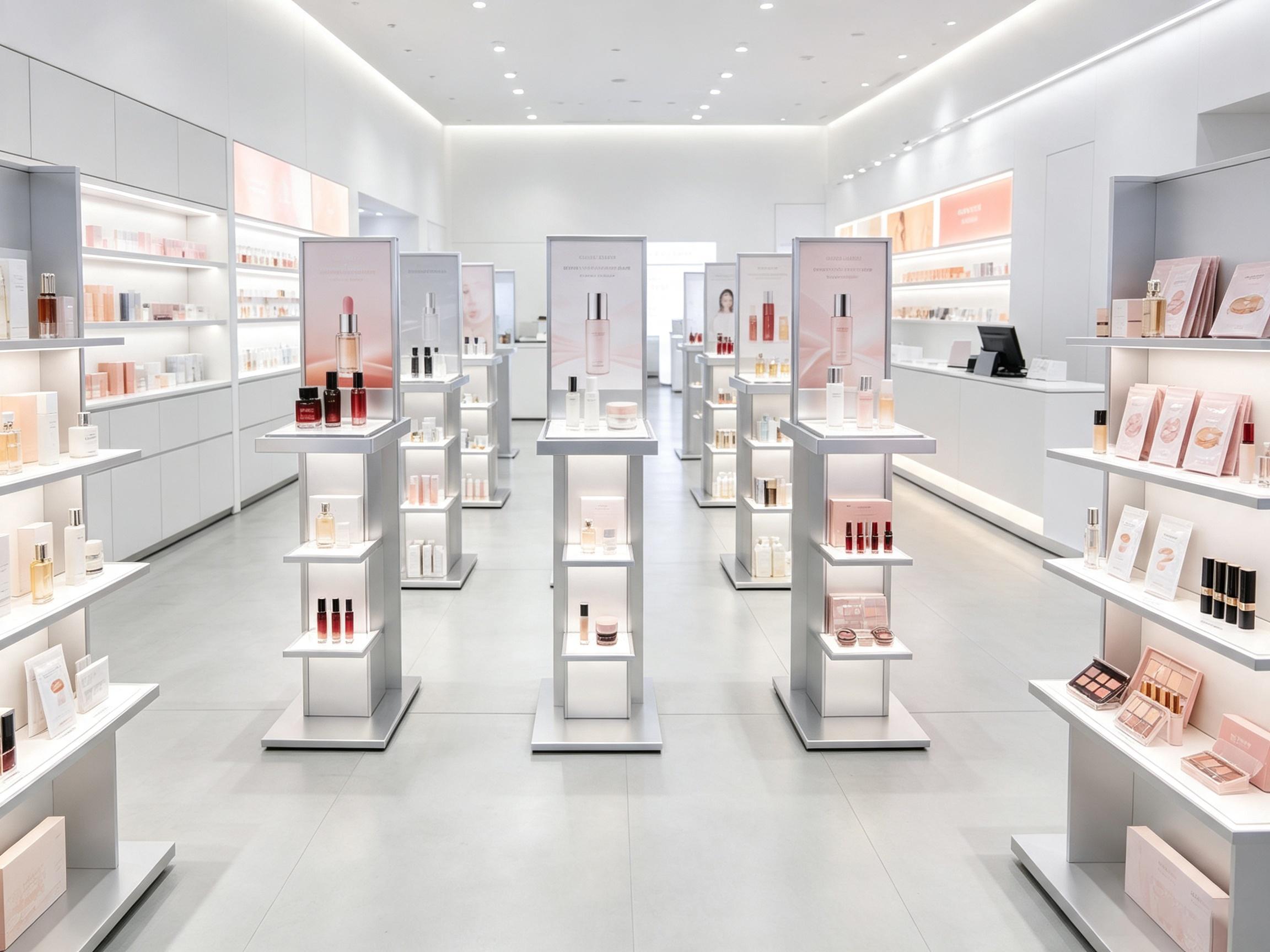
Elevate store environments with custom retail store displays. Learn how hybrid steel, cast acrylic, and wood fixtures build brand image and sales.
2026/10/30
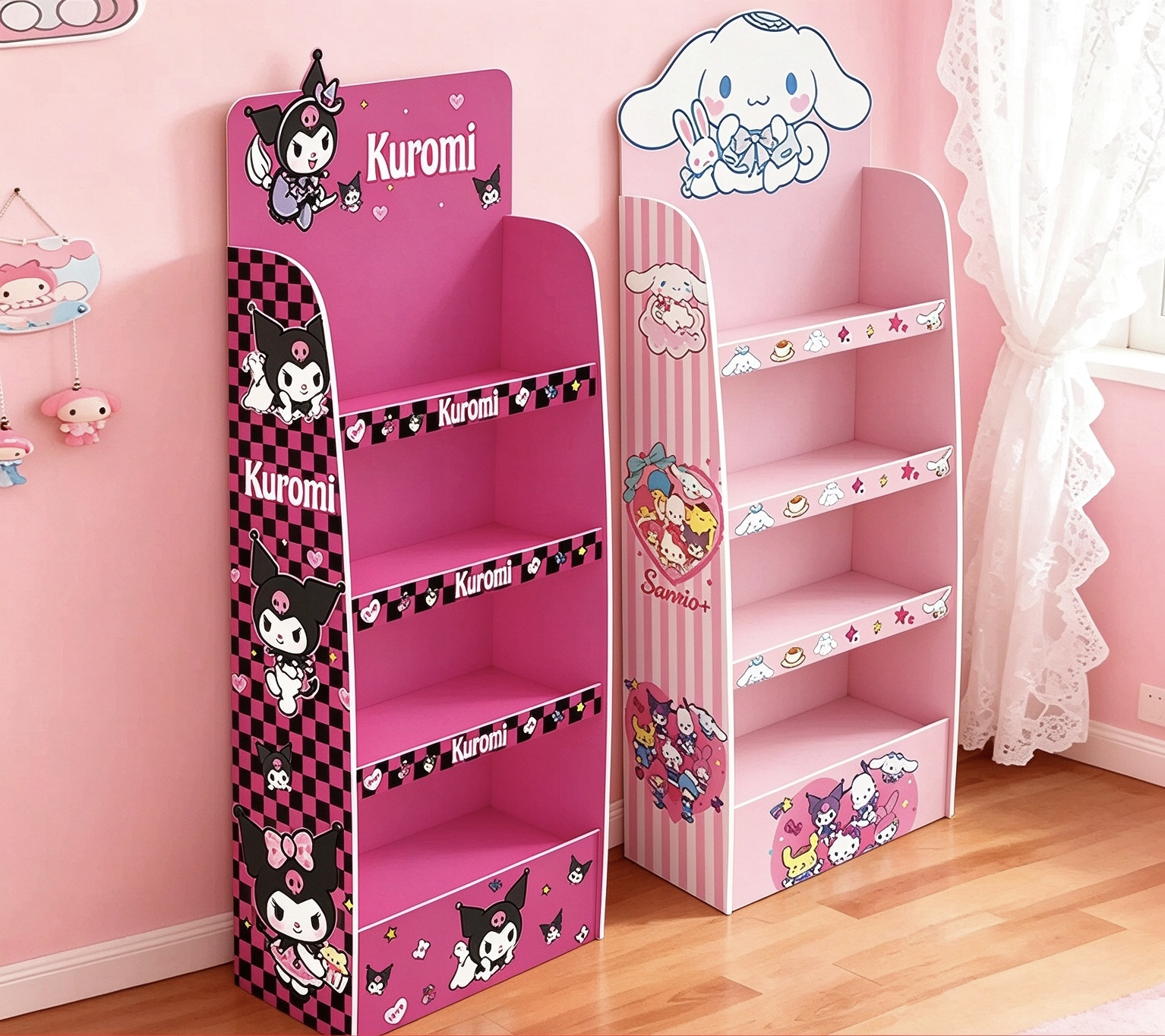
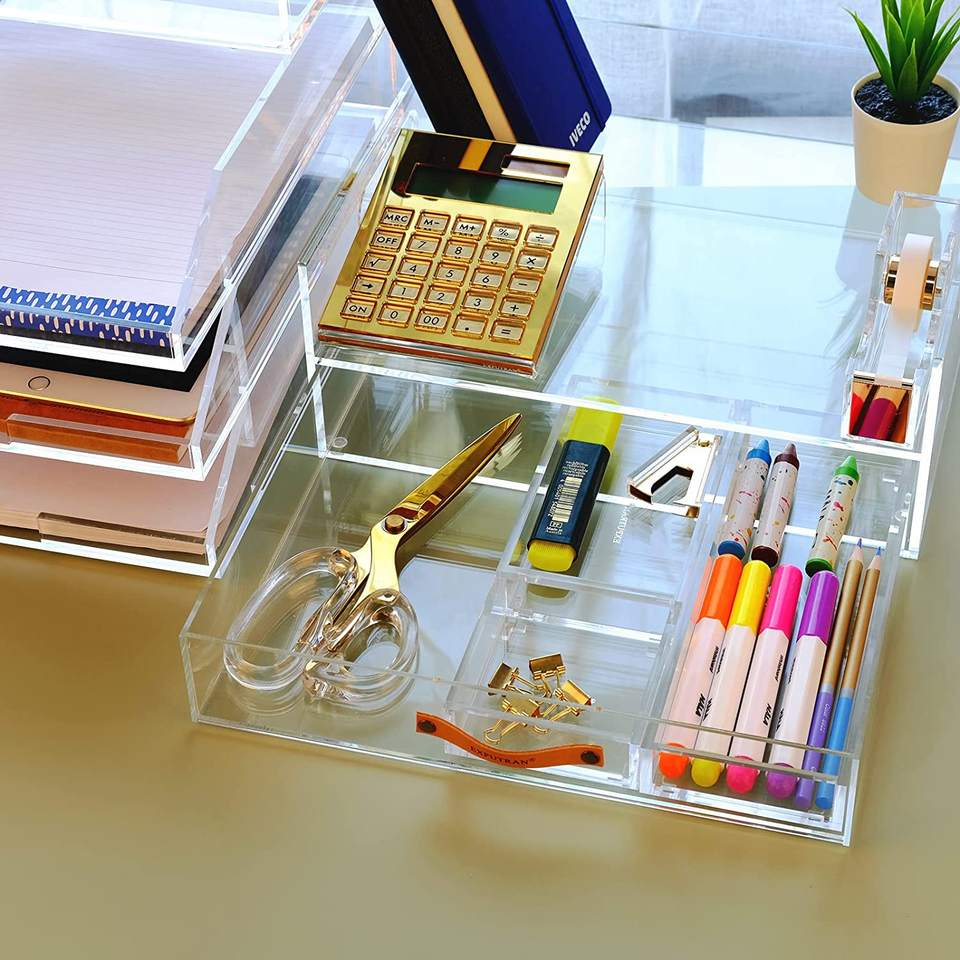
Maximize visual impact with cardboard display stands. See how high-ECT corrugated boards, flat-pack logistics, and rapid lock tabs lower marketing costs.
2026/10/30
Elevate unboxing with a custom display box. Learn how rigid greyboards, G7-certified litho-printing, and high-density EVA foam protect premium goods.
2026/10/30
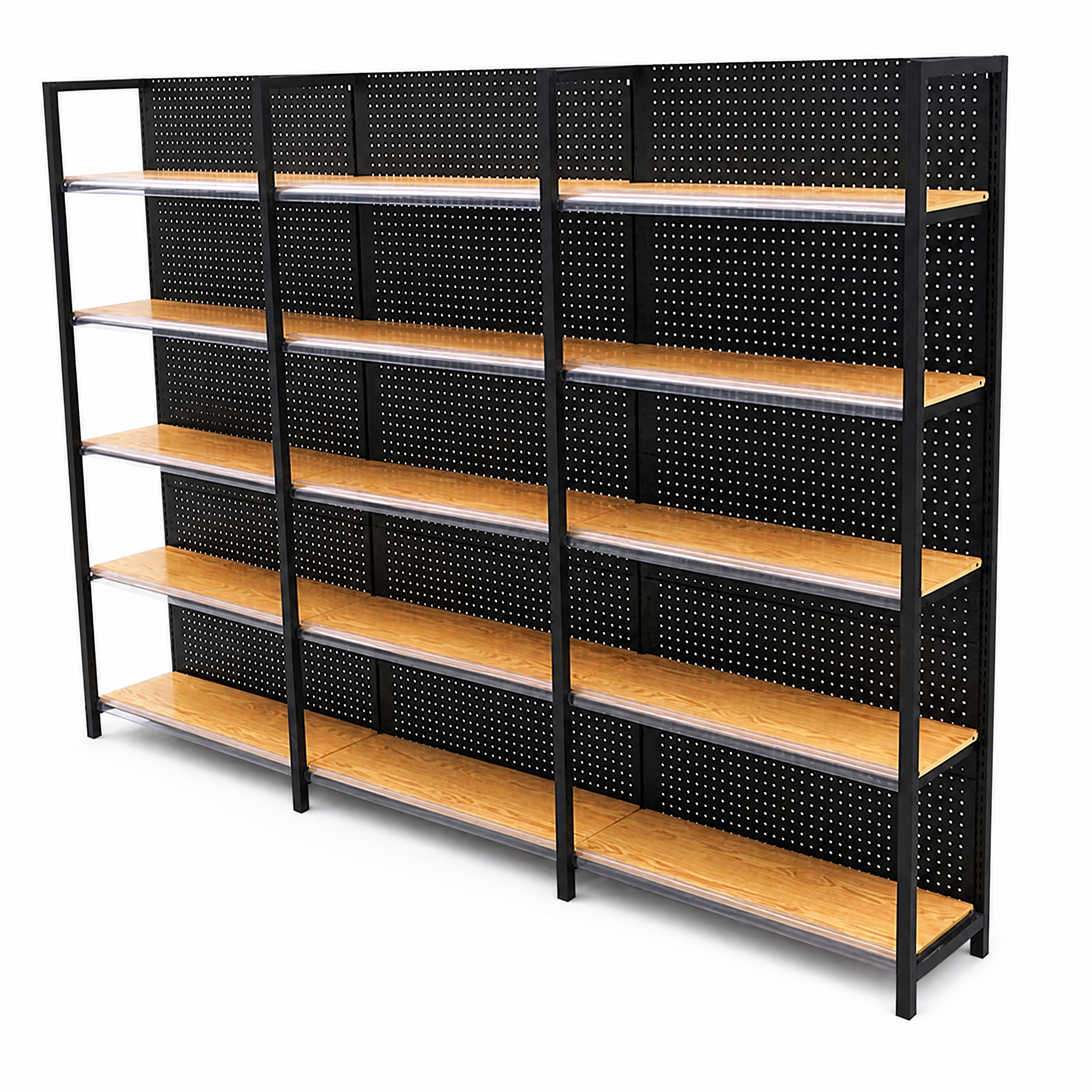
Optimize product flow with a heavy-duty Display Rack. Learn how cold-rolled Q235 steel frames, teardrop locks, and gravity flow decks cut pick times.
2026/10/30
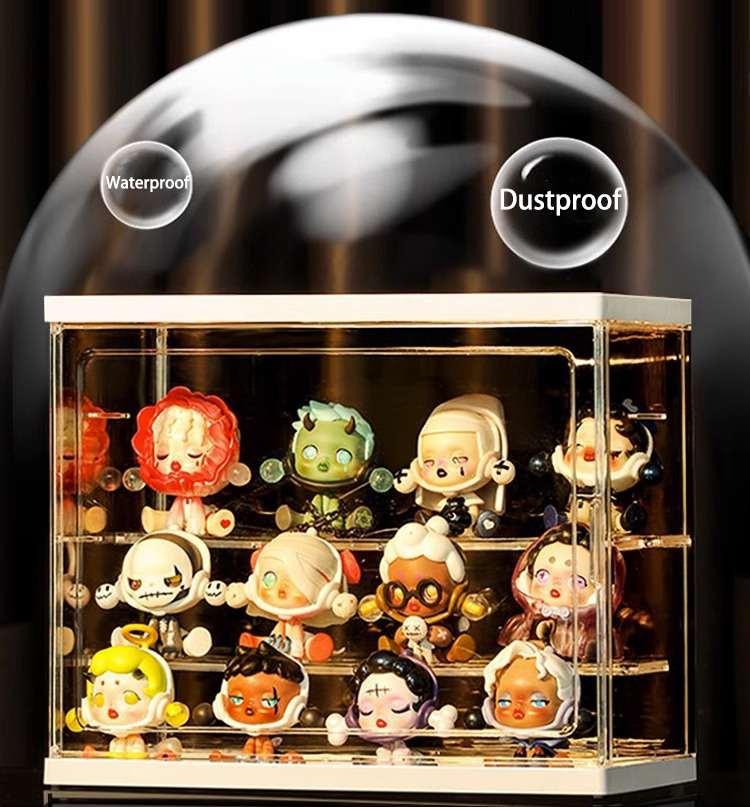
Secure premium micro-goods with countertop display case units. See how diamond-polished cast acrylic and magnetic lock latches boost impulse sales.
2026/10/30
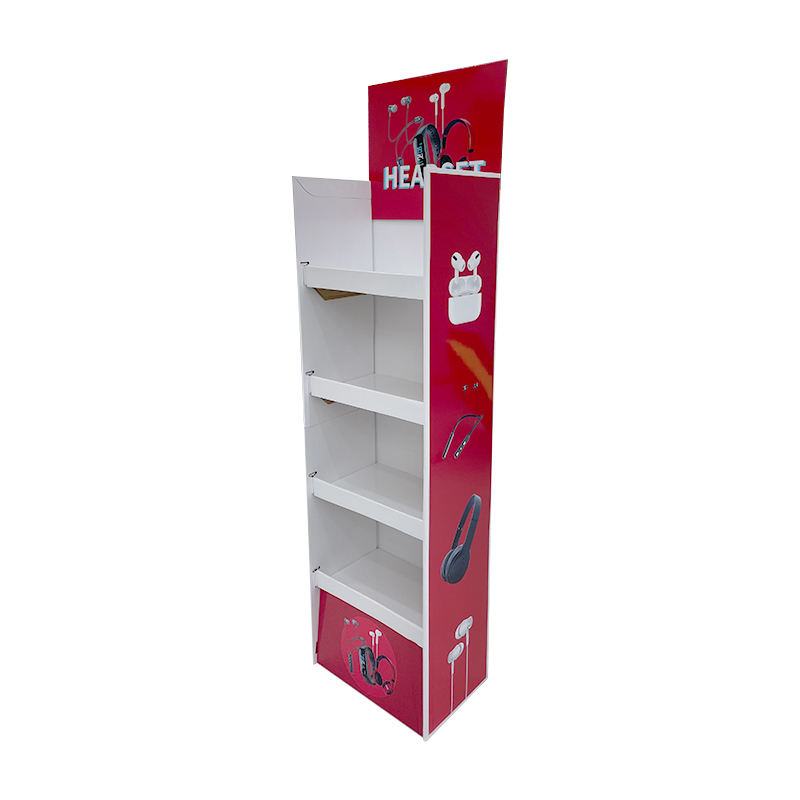
Boost retail sales with sustainable carton displays. Learn how FSC corrugated boards and eco-friendly soy inks cut carbon footprints and waste fees.
Follow our brand-latest updates, including key-client cooperation, trade-fair activities and daily-life snapshots of our factory-team.

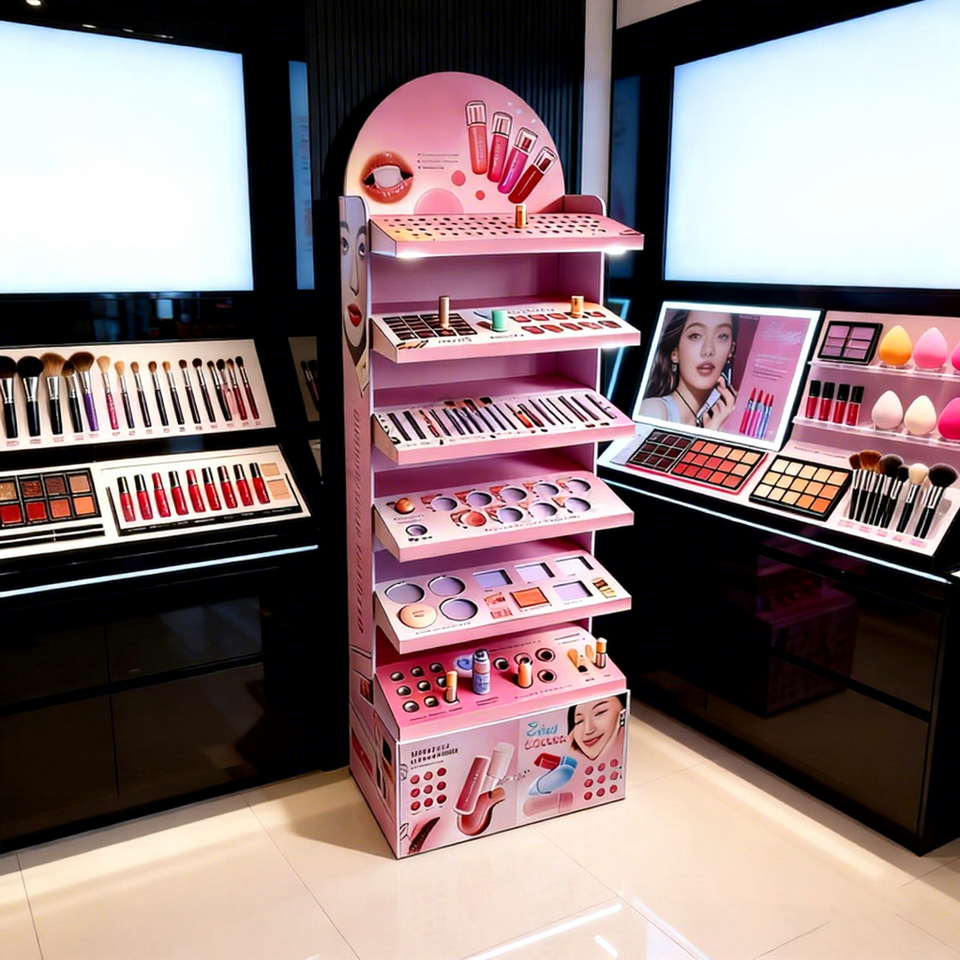
Enhance the retail experience with custom makeup display stands, providing both functionality and modern aesthetics for cosmetic brands.

Upgrade your products’ shelf appeal and protection with innovative gift box packaging designed for cosmetics, electronics, and accessories.

Promote your brand with advertising display racks, featuring flexible configurations for showrooms, events, and point-of-sale promotions.
Comprehensive design, prototyping, and logistics for global custom display stand demands

Communicate your display size, material, structure, brand logo and store-scene requirements.
Produce renderings and structural drawings, optimize shelf layout, dooropening style and detailstructure.

Make physical prototype, test stability, appearance and assembly effect, modify details as your feedback.

Start formal mass-production after sample approval, strictly control quality, packaging and delivery cycle.