EN
Requirement Consultation
Communicate your display size, material, structure, brand logo and store-scene requirements.

2026/10/29

Launching a new consumer product into brick-and-mortar retail takes months of buyer negotiations, slotting fee investments, and marketing spend. Yet that hard-won shelf placement can unravel overnight if your contracted packaging vendor cuts corners on raw materials. Brand managers frequently share horror stories of opening a newly delivered sea container only to find corrugated counter boxes crushed at the bottom corners, clear acrylic display lids clouded with solvent glue fumes, or signature corporate reds printed in three different shades of orange. Selecting a dependable display box supplier before scaling into mass retail distribution protects both product integrity and brand reputation. A qualified retail packaging manufacturer treats every box not merely as a shipping container, but as a precision-engineered merchandising fixture designed to survive warehouse forklifts and win shopper attention at the checkout counter.
If your distribution roadmap includes major hypermarkets, club warehouses, or national pharmacy chains, your chosen display box supplier must understand strict Shelf-Ready Packaging and Point-of-Sale compliance manuals. Retailers like Walmart, Costco, Target, and European discounters enforce rigid structural scorecardsknown across the industry as the Five Easies: easy to identify, easy to open, easy to place on the shelf, easy to shop, and easy to dispose of. If a perforated tear-away hood rips jaggedly across the front brand logo or requires a box cutter that risks slicing the inner merchandise, store receiving managers will reject the shipment or fine the vendor. A seasoned custom counter box vendor engineers calibrated zipper perforations and finger-pull notches using computerized die-cutting blades, allowing store clerks to strip off the transit cover and slide a pristine retail PDQ tray onto the shelf in under ten seconds.
Modern retail packaging rarely sticks to a single material format across an entire product line. A brand might need litho-laminated E-flute corrugated counter boxes for supermarket checkout lanes, rigid greyboard magnetic gift boxes for department store holidays, and crystal-clear cast acrylic display boxes for flagship duty-free counters. Partnering with a narrow packaging broker who only runs basic cardboard folders forces you to juggle multiple factories and mismatched color profiles. When auditing a prospective display box supplier, verify that the factory operates integrated multi-material production lines under one roof. Having automated offset printing presses, flute laminators, CNC acrylic laser routers, and rigid box wrapping machines inside the same facility allows engineers to build hybrid structures—such as sliding a clear laser-cut acrylic organizer tray inside a printed corrugated outer shell—with zero tolerance gaps.
Real-world supply chain audits illustrate the financial impact of upgrading to a technically verified packaging partner. A North American nutraceutical brand shipping glass vitamin dropper bottles inside countertop display boxes suffered an eleven percent transit damage rate because its previous vendor substituted recycled low-grade paperboard that softened in humid summer warehouses. After transitioning to a certified display box supplier that utilized virgin kraft-backed EB-flute board paired with custom die-cut EVA foam bottle inserts and ISTA-tested master cartons, transit breakage plummeted to 0.3 percent while pharmacy reorder velocity grew by twenty-eight percent. In the specialty toy sector, a European educational puzzle maker needed a wholesale display box factory capable of integrating distortion-free PETG viewing windows and interactive try-me sample slots on the front kickplate; the upgraded tactile box lifted retail sell-through by thirty-four percent across four hundred toy shops.
What separates an export-ready wholesale display box factory from a domestic backstreet print shop comes down to chemical safety compliance and automated quality control. Boxes holding cosmetics, confectionery, herbal teas, or children's toys must comply with strict international chemical directives, including European REACH standards, California Proposition 65, and FDA indirect food-contact regulations. A trustworthy display box supplier prints exclusively with low-migration soy and vegetable-based inks alongside water-based coatings or solvent-free laminations that never emit toxic odors inside closed retail cases. On the structural assembly line, high-speed folding and gluing machines equipped with optical camera sensors inspect adhesive bead placement on every single flap—preventing popped side seams during winter cold snaps or glue stringing on clear acrylic windows. Spectrophotometers aligned to G7 master color standards also scan press sheets every fifteen minutes to keep Pantone branding consistent across millions of impressions.
Scaling retail packaging from a single store trial to a nationwide chain rollout demands a manufacturing partner with proven structural engineering and multi-material production depth. YSY Display operates as a premier direct display box supplier, combining high-speed offset litho-lamination, precision cast acrylic fabrication, rigid gift box assembly, and custom foam insert die-cutting inside one ISO-certified manufacturing campus. Structural CAD engineers at YSY Display audit your product dimensions and target retailer guidelines from day one, delivering free structural dieline optimization and physical load-tested prototypes within seventy-two hours. Whether your brand requires fifty thousand pre-packed corrugated retail PDQ tray units for supermarket chains or five thousand diamond-polished acrylic and wood counter boxes for luxury boutiques, YSY Display provides strict pre-shipment inspection, flat-pack freight optimization, and dependable global delivery.
2026/10/30
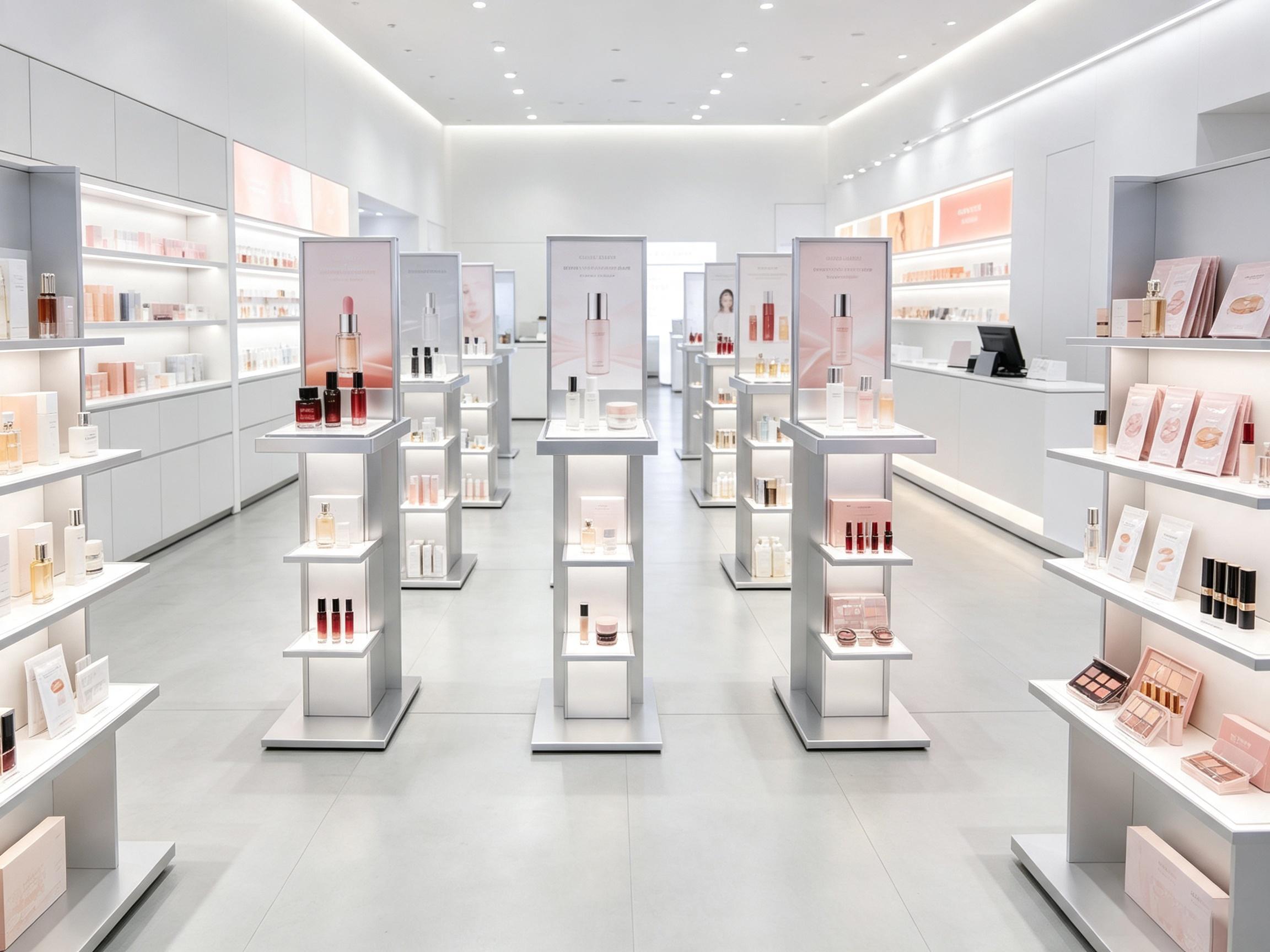
Elevate store environments with custom retail store displays. Learn how hybrid steel, cast acrylic, and wood fixtures build brand image and sales.
2026/10/30
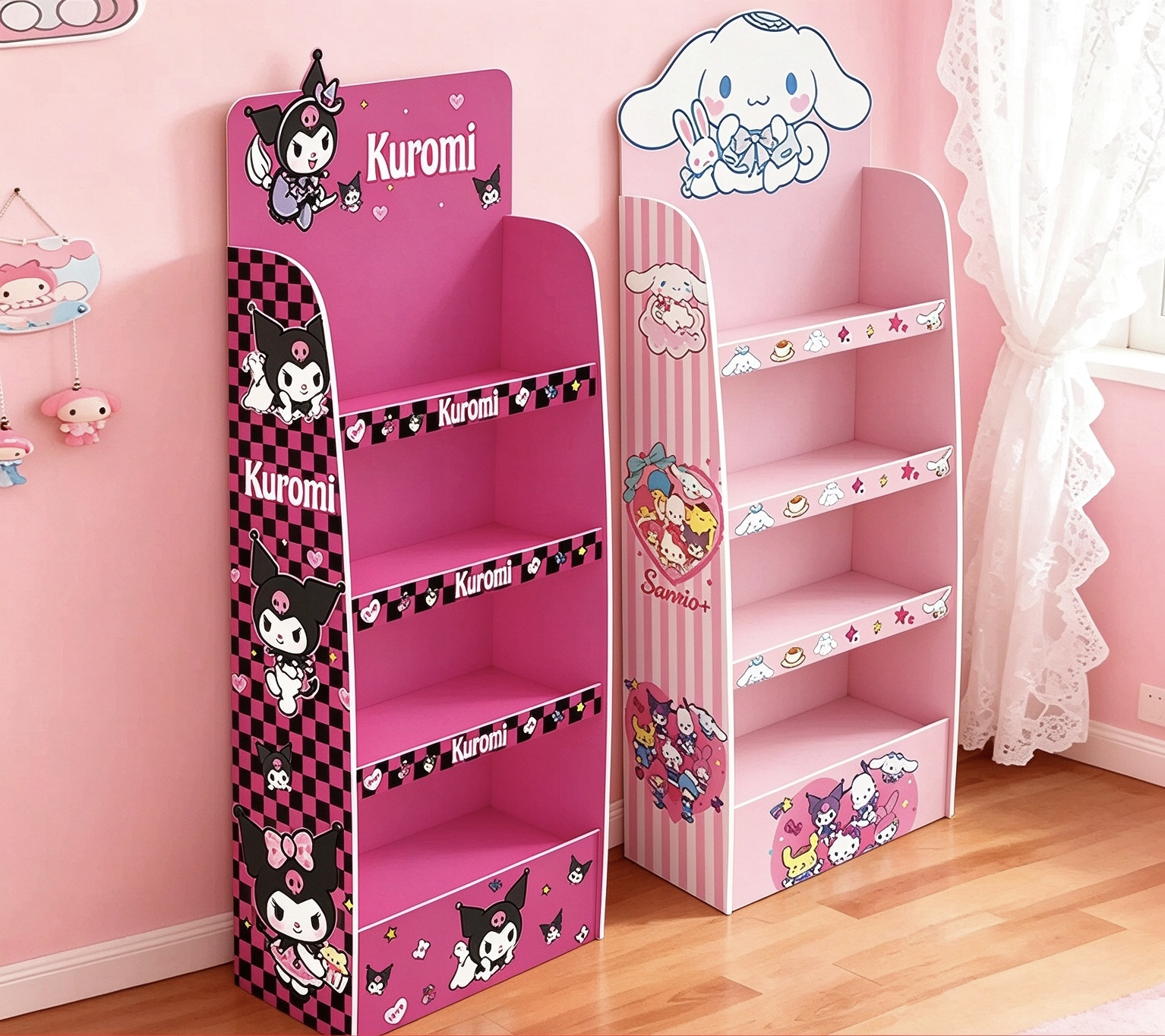
Maximize visual impact with cardboard display stands. See how high-ECT corrugated boards, flat-pack logistics, and rapid lock tabs lower marketing costs.
2026/10/30
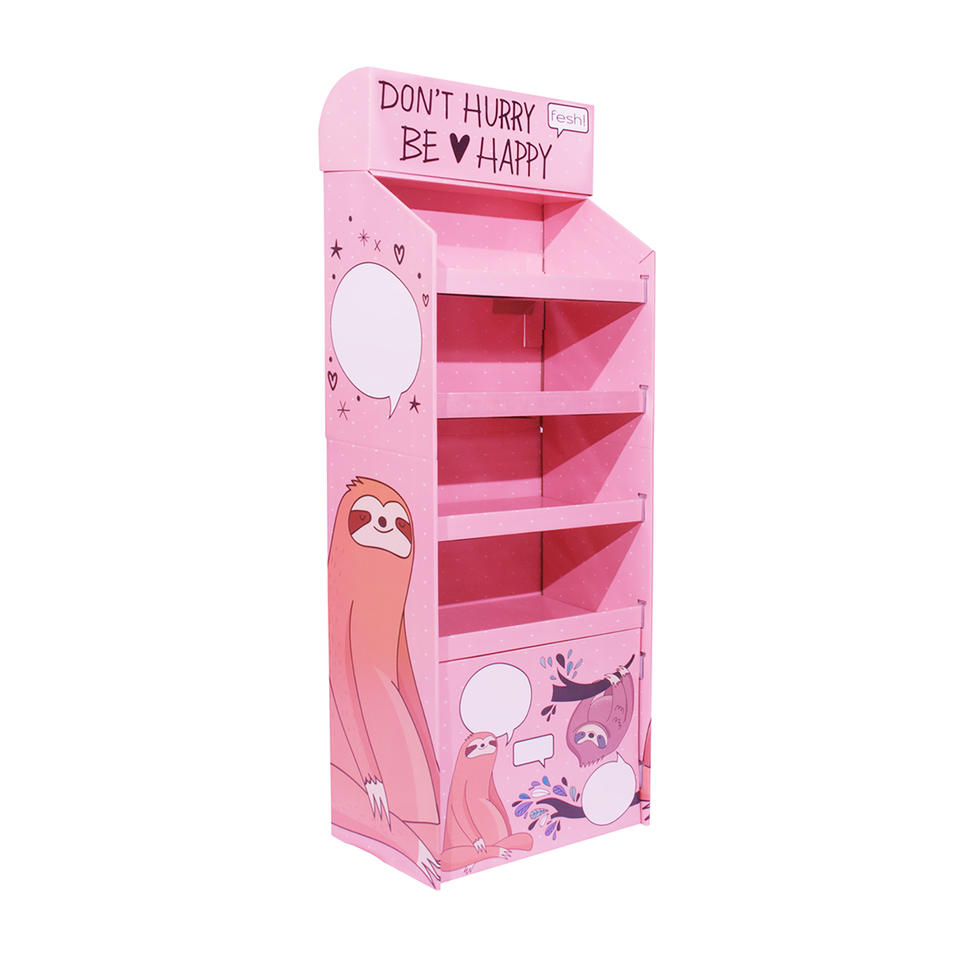
Elevate unboxing with a custom display box. Learn how rigid greyboards, G7-certified litho-printing, and high-density EVA foam protect premium goods.
2026/10/30
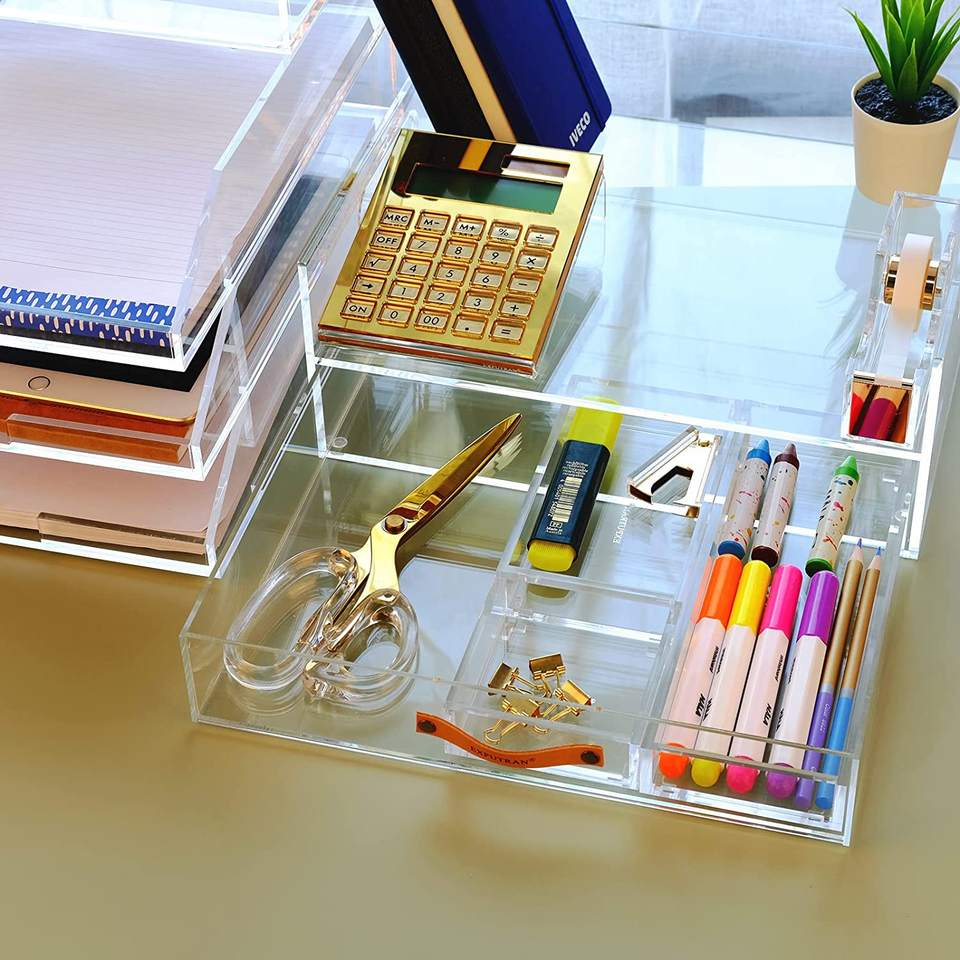
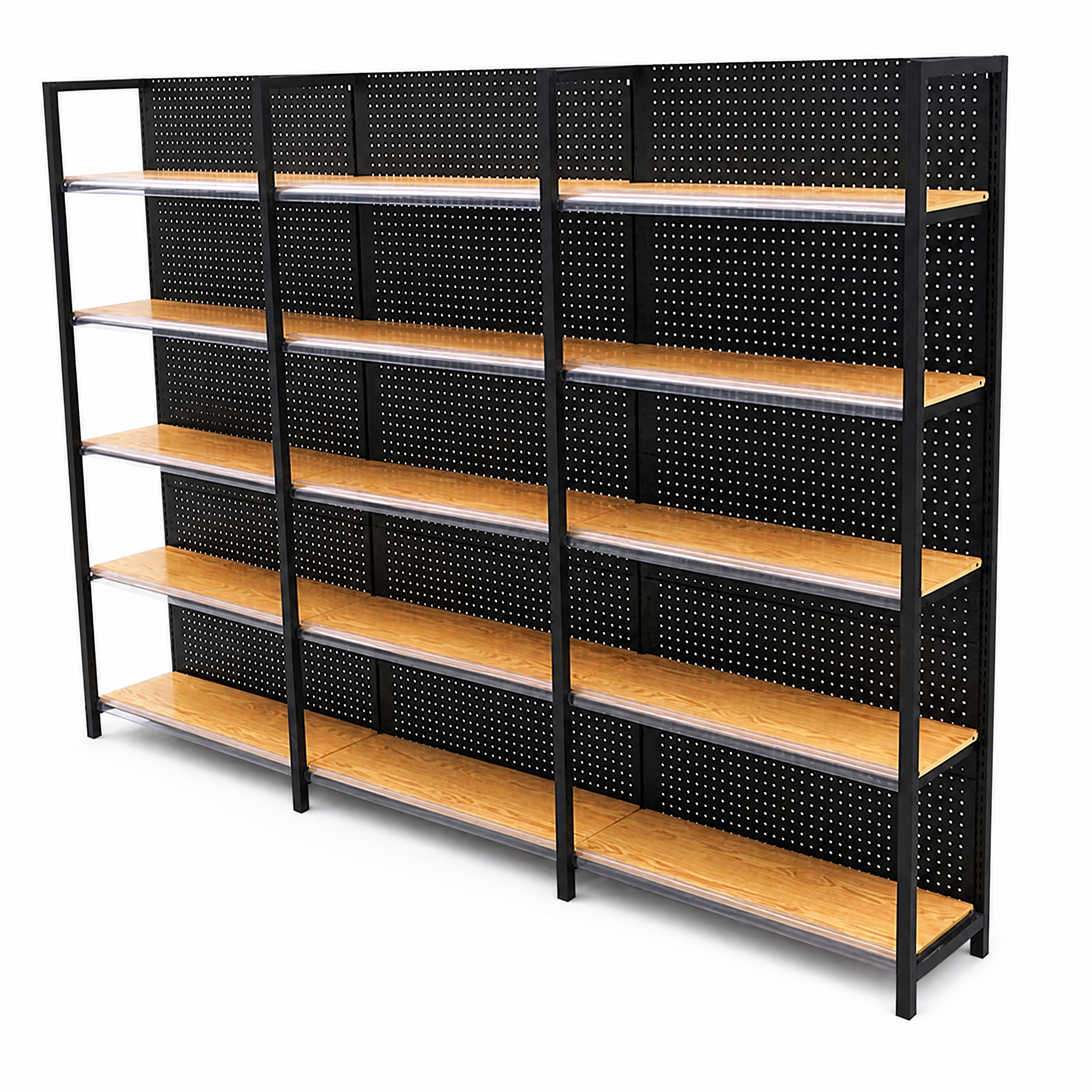
Optimize product flow with a heavy-duty Display Rack. Learn how cold-rolled Q235 steel frames, teardrop locks, and gravity flow decks cut pick times.
2026/10/30
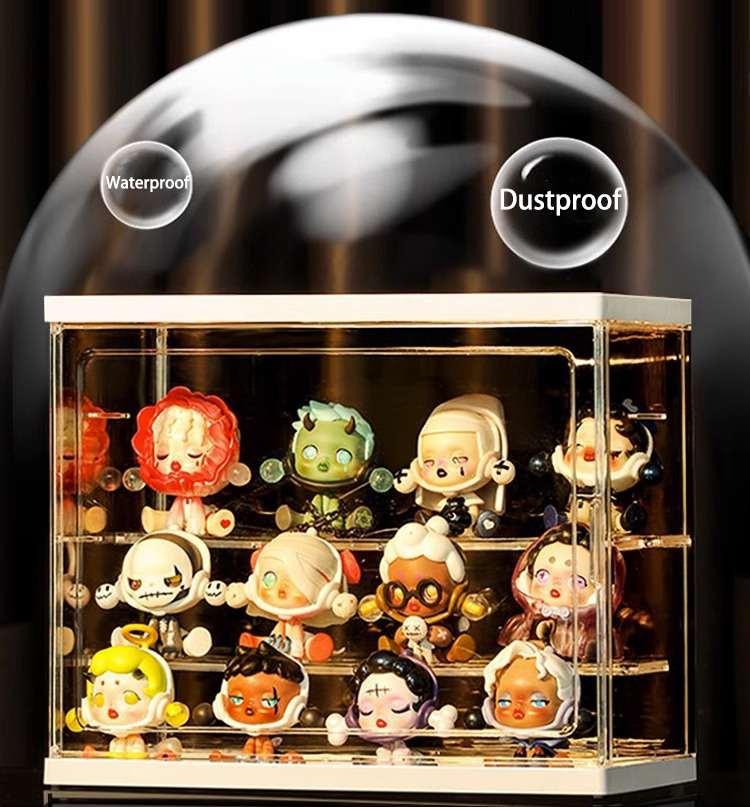
Secure premium micro-goods with countertop display case units. See how diamond-polished cast acrylic and magnetic lock latches boost impulse sales.
2026/10/30
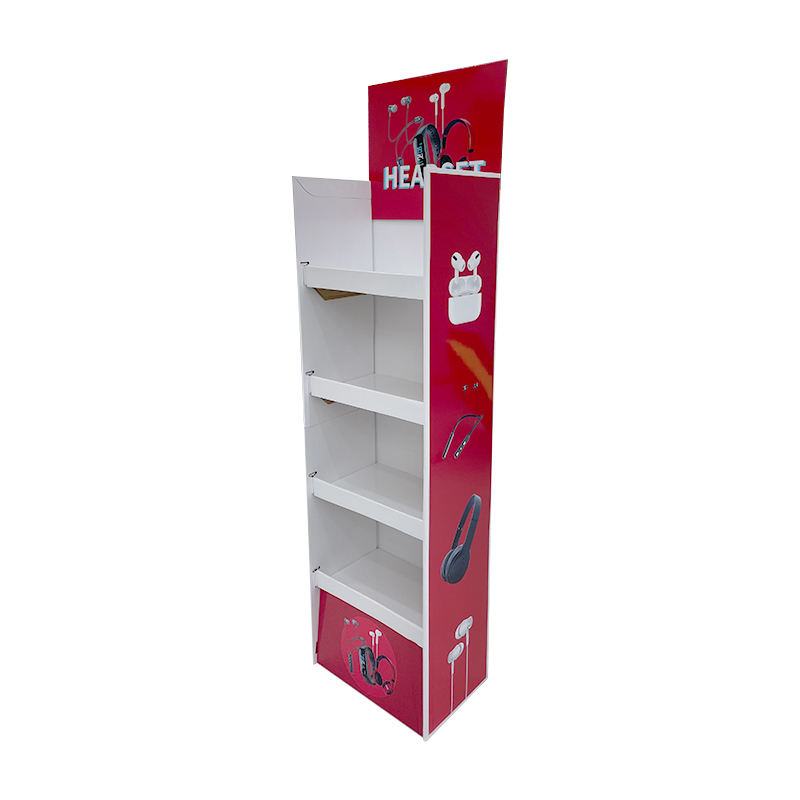
Boost retail sales with sustainable carton displays. Learn how FSC corrugated boards and eco-friendly soy inks cut carbon footprints and waste fees.
Follow our brand-latest updates, including key-client cooperation, trade-fair activities and daily-life snapshots of our factory-team.

Enhance the retail experience with custom makeup display stands, providing both functionality and modern aesthetics for cosmetic brands.

Upgrade your products’ shelf appeal and protection with innovative gift box packaging designed for cosmetics, electronics, and accessories.

Promote your brand with advertising display racks, featuring flexible configurations for showrooms, events, and point-of-sale promotions.
Comprehensive design, prototyping, and logistics for global custom display stand demands

Communicate your display size, material, structure, brand logo and store-scene requirements.
Produce renderings and structural drawings, optimize shelf layout, dooropening style and detailstructure.

Make physical prototype, test stability, appearance and assembly effect, modify details as your feedback.

Start formal mass-production after sample approval, strictly control quality, packaging and delivery cycle.