EN
Requirement Consultation
Communicate your display size, material, structure, brand logo and store-scene requirements.

2026/10/10
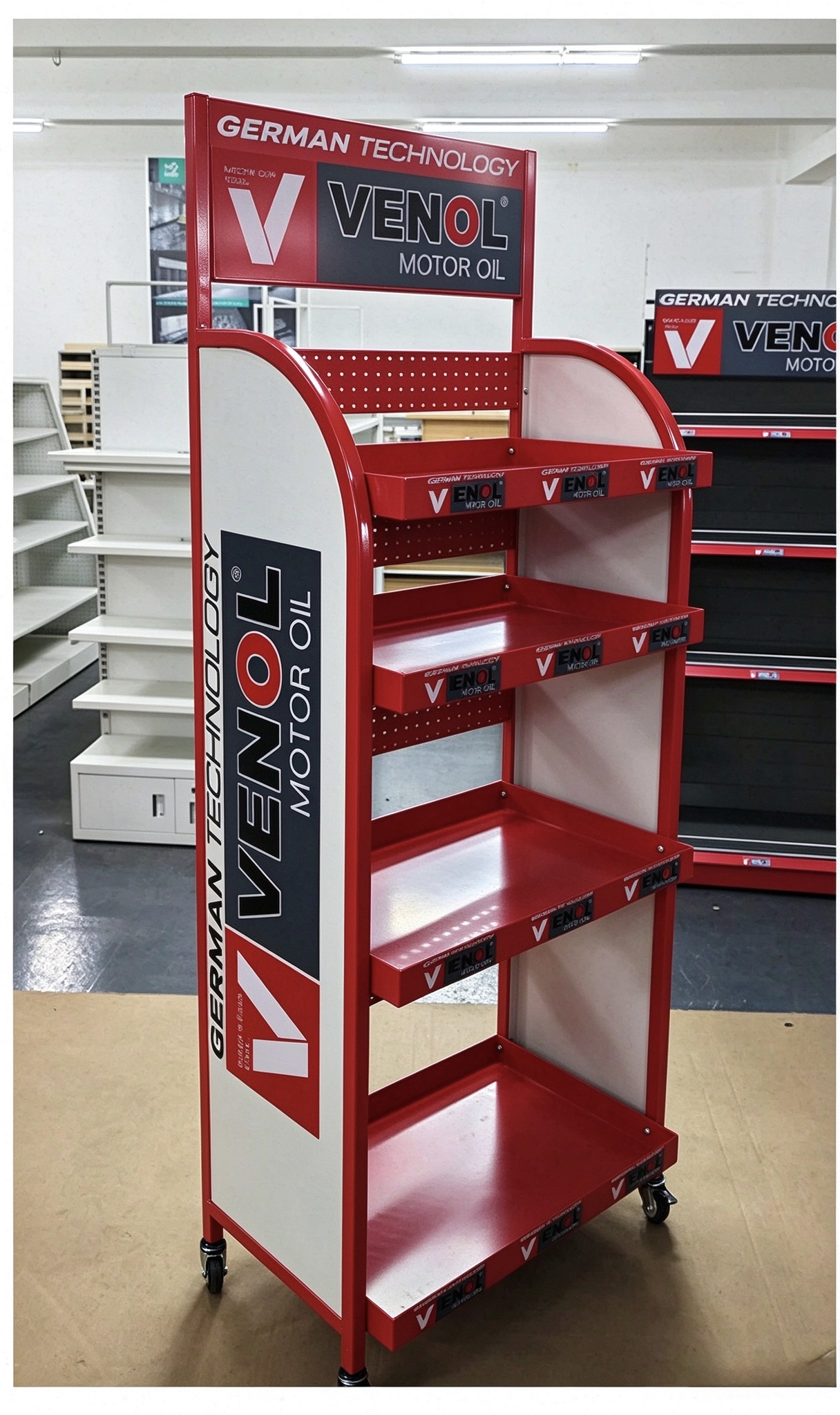
Modern high-volume retail environments operate under intense physical demands, requiring store fixtures that balance aesthetic appeal with high structural loading capacity. Many commercial retail operators and industrial brand managers struggle with a persistent operational bottleneck: choosing retail display rack solutions that fail, bend, or warp when loaded with heavy merchandise.
According to industry safety reports, structural failures of retail shelving due to overloading cost commercial businesses millions in damaged inventory and legal liability annually. Deploying specialized metal retail shelving directly addresses these operational risks, creating a robust, secure, and visually appealing display interface. An engineered industrial display rack maintains its structural integrity under constant heavy loads, allowing retailers to maximize vertical storage space and present high-density stock efficiently.
The exceptional performance of these heavy-duty systems depends directly on structural steel quality and precision industrial engineering. Flimsy, light-gauge steel shelves from generic suppliers often sag or twist under high loads, leading to permanent structural damage. To build high-performance metal display rack systems, manufacturers must use thick, high-tensile hot-rolled or cold-rolled steel alloys. Cold-rolled steel sheets provide superior surface hardness, excellent dimensional accuracy, and clean profile edges that handle daily retail use.
The manufacturing process focuses on structural stability and load distribution. Heavy-duty vertical uprights utilize heavy-gauge steel tubes formed by computerized rolling mills, while high-capacity shelf panels are reinforced with welded stiffener channels underneath. Every joint and weld must be executed by high-precision robotic welding arms to eliminate micro-cracks and weak points. Applying a multi-stage chemical wash, followed by a durable, impact-resistant epoxy powder coating, ensures that each metal retail shelving unit resists rust, scratches, and chemical cleaners, keeping your industrial display rack looking new for years.
Maximizing safety and efficiency on the sales floor requires calculating weight distribution and load capacities. In heavy-duty retail layout design, merchandise is arranged on a metal display rack according to mechanical loading calculations. Placing the heaviest items, such as large bulk packages, on lower base shelves lowers the overall center of gravity, preventing the display from tipping when bumped by heavy shopping carts.
An engineered industrial display rack typically features modular upright frames that allow for customizable shelf adjustment heights. These vertical slots let store staff adjust shelf placement precisely to match different product dimensions. Integrating heavy-duty front wire containment grilles, safety shelf stops, and reinforced shelf brackets prevents products from sliding or falling off during restocking. By pairing robust steel construction with smart load engineering, retailers can safely display up to 100 kilograms per shelf level, maintaining high inventory density without sacrificing safety.
The commercial value of choosing heavy-duty, engineered steel displays is best demonstrated through real-world operational performance. A national home improvement and building supply chain with over sixty locations struggled with high replacement costs and bent shelving in their plumbing and garden sections. Their existing generic metal display racks began showing deep rust stains and structural sagging within nine months of installation, requiring constant repairs. The chain solved this challenge by partnering with engineering specialists to install custom-built metal retail shelving with zinc-rich powder primers and reinforced upright frames.
The long-term performance results of this commercial upgrade were outstanding. After four years of constant heavy use and exposure to high foot traffic, the new industrial display rack systems showed zero signs of rust, bending, or structural failure. Store managers reported a 45% drop in maintenance and repair labor, allowing staff to focus on customer service and restocking. Most importantly, the sturdy, organized displays made it easier for customers to browse heavy items, driving a 22% increase in sales across those categories. This success story proves that investing in high-quality steel displays pays off quickly by reducing operational costs and improving store safety.
Manufacturing durable, heavy-duty commercial fixtures requires a partner with deep structural engineering expertise, advanced production facilities, and strict quality control. For over 26 years, YSY Display has been a trusted global leader in the design, engineering, and mass production of premium custom retail displays and industrial shelving systems. The state-of-the-art manufacturing facility features automated sheet metal laser cutting, CNC tube bending, high-precision robotic welding, and automated powder coating lines, ensuring exceptional quality on every project.
The dedicated engineering team at YSY Display works closely with retail designers to deliver bespoke metal display rack solutions that solve complex spatial and structural challenges. Whether your business requires heavy-duty warehouse racking, anti-corrosive metal retail shelving for cold storage, or sleek, heavy-duty industrial display rack designs for high-traffic supermarkets, the production processes meet strict international safety standards. Partnering with YSY Display provides your commercial spaces with robust, beautifully finished display solutions that protect your inventory and support your long-term business growth.
2026/10/30
Elevate store environments with custom retail store displays. Learn how hybrid steel, cast acrylic, and wood fixtures build brand image and sales.
2026/10/30
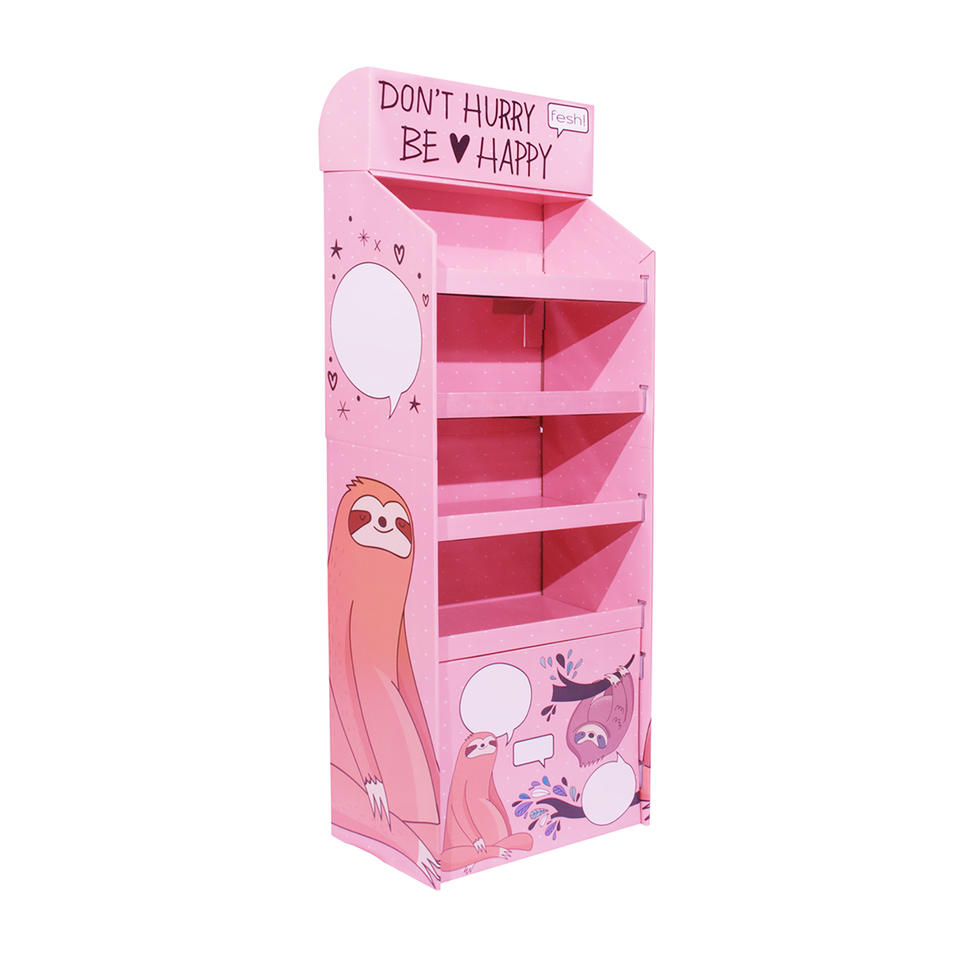
Maximize visual impact with cardboard display stands. See how high-ECT corrugated boards, flat-pack logistics, and rapid lock tabs lower marketing costs.
2026/10/30
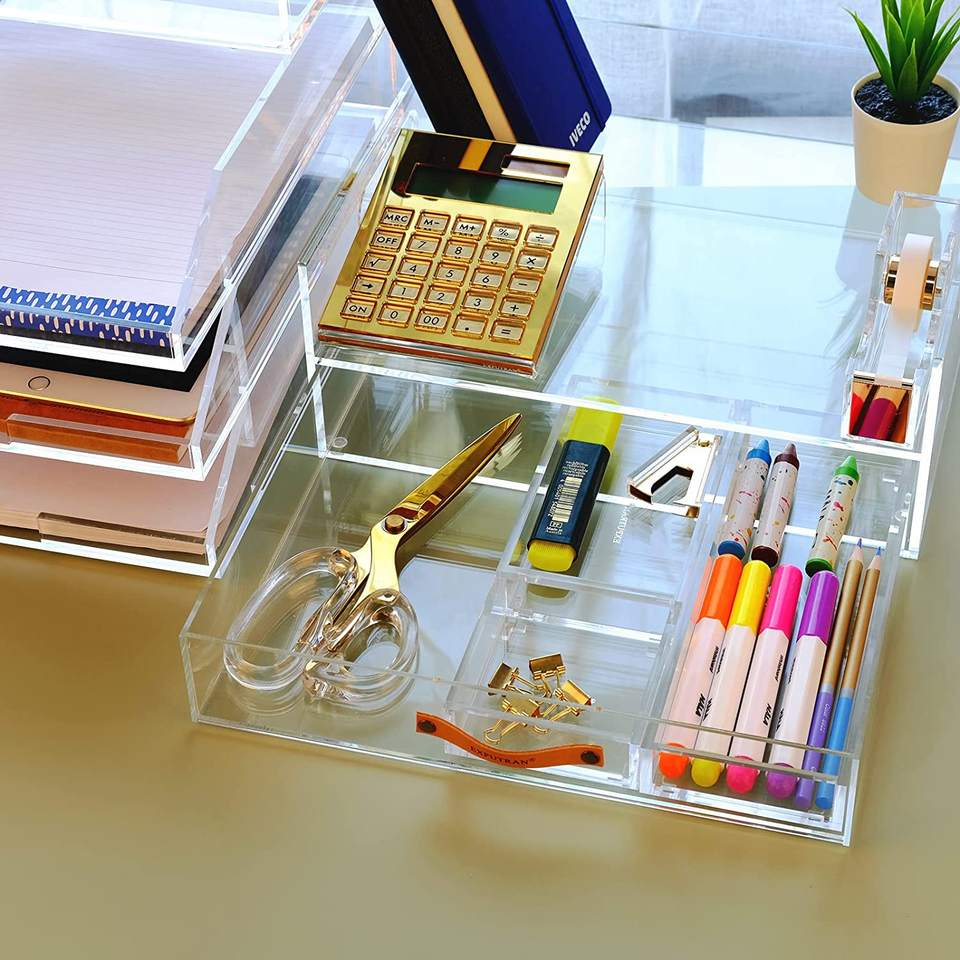
Elevate unboxing with a custom display box. Learn how rigid greyboards, G7-certified litho-printing, and high-density EVA foam protect premium goods.
2026/10/30
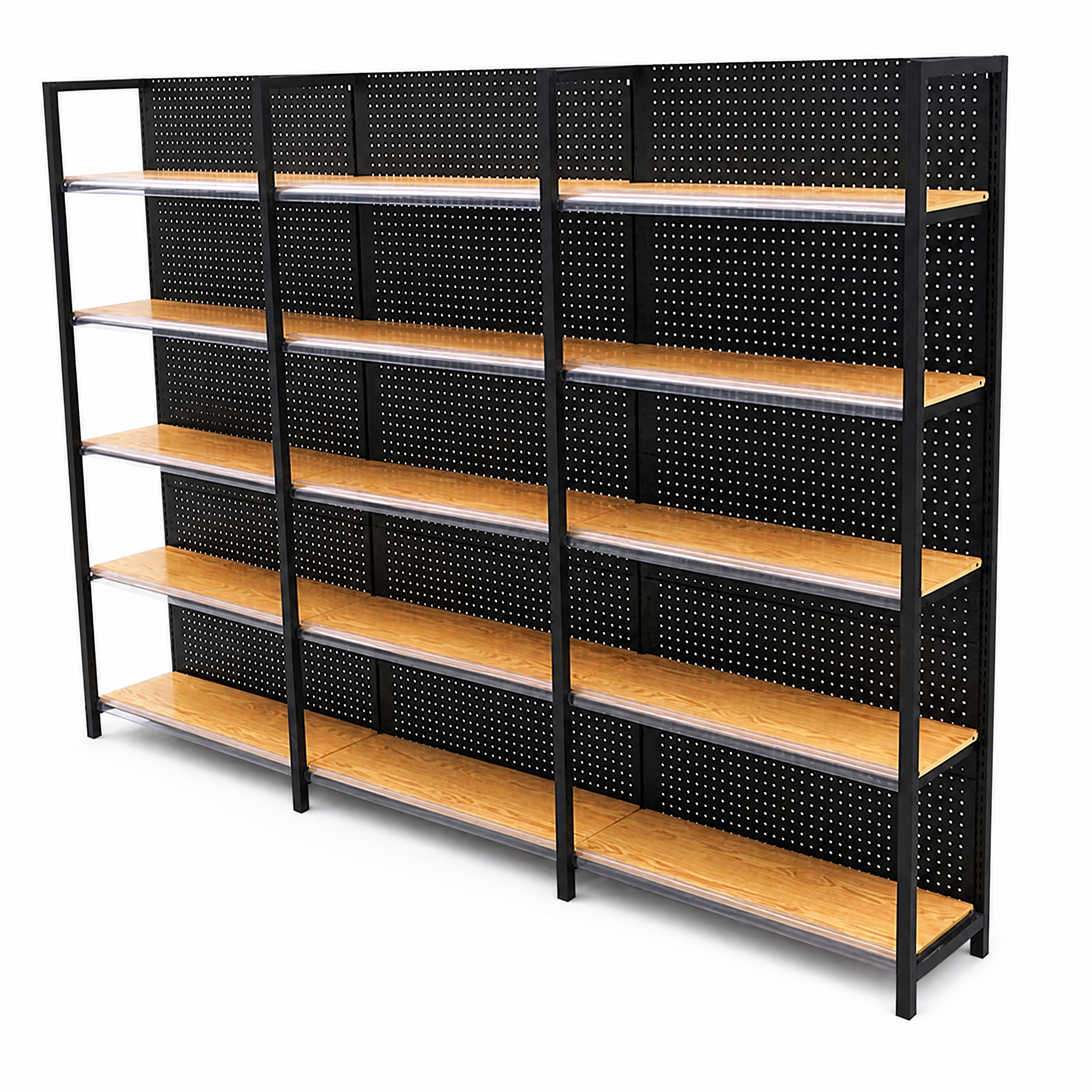
Optimize product flow with a heavy-duty Display Rack. Learn how cold-rolled Q235 steel frames, teardrop locks, and gravity flow decks cut pick times.
2026/10/30
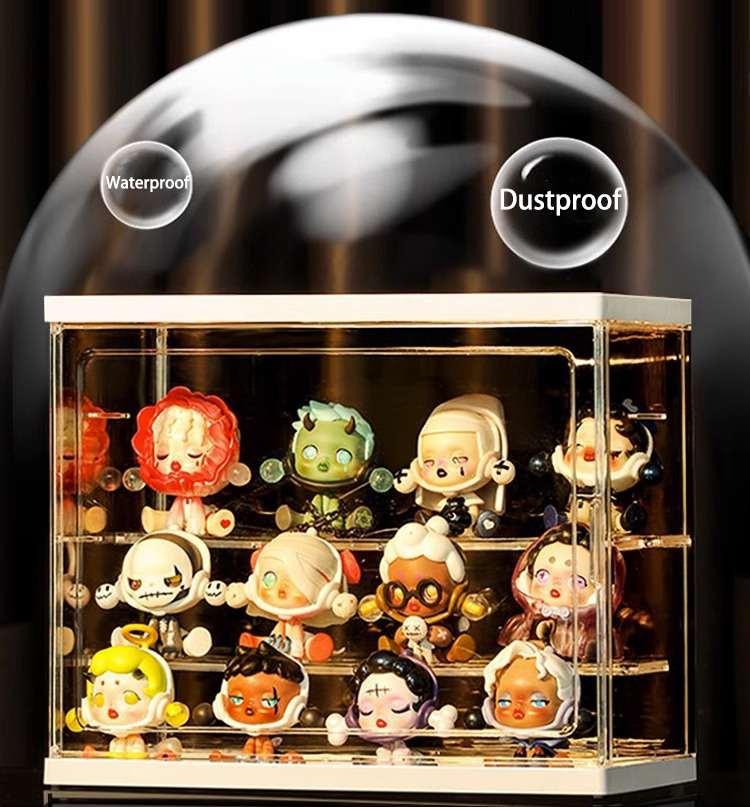
Secure premium micro-goods with countertop display case units. See how diamond-polished cast acrylic and magnetic lock latches boost impulse sales.
2026/10/30
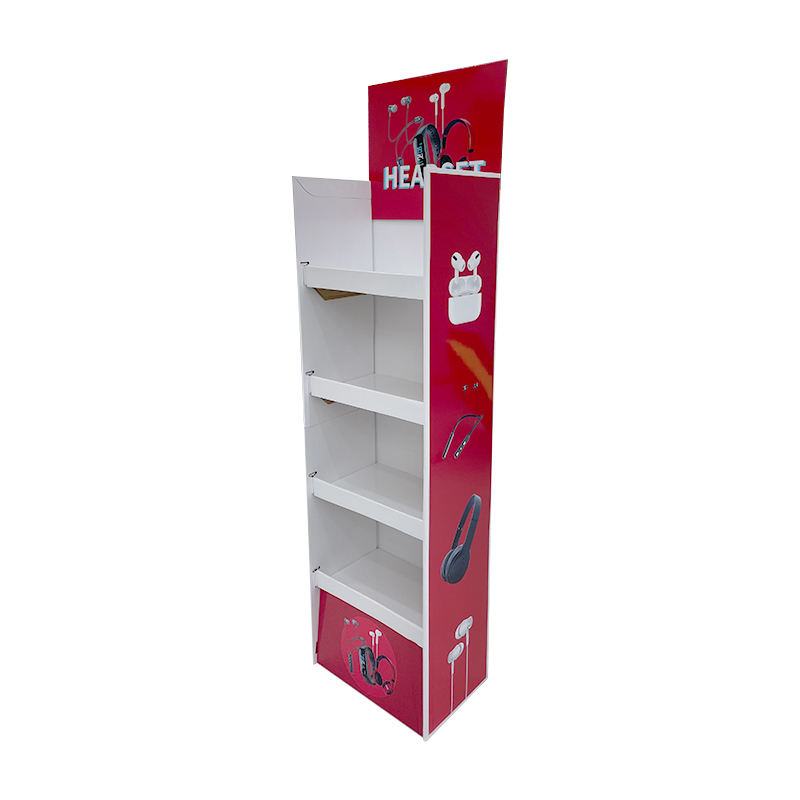
Boost retail sales with sustainable carton displays. Learn how FSC corrugated boards and eco-friendly soy inks cut carbon footprints and waste fees.
Follow our brand-latest updates, including key-client cooperation, trade-fair activities and daily-life snapshots of our factory-team.

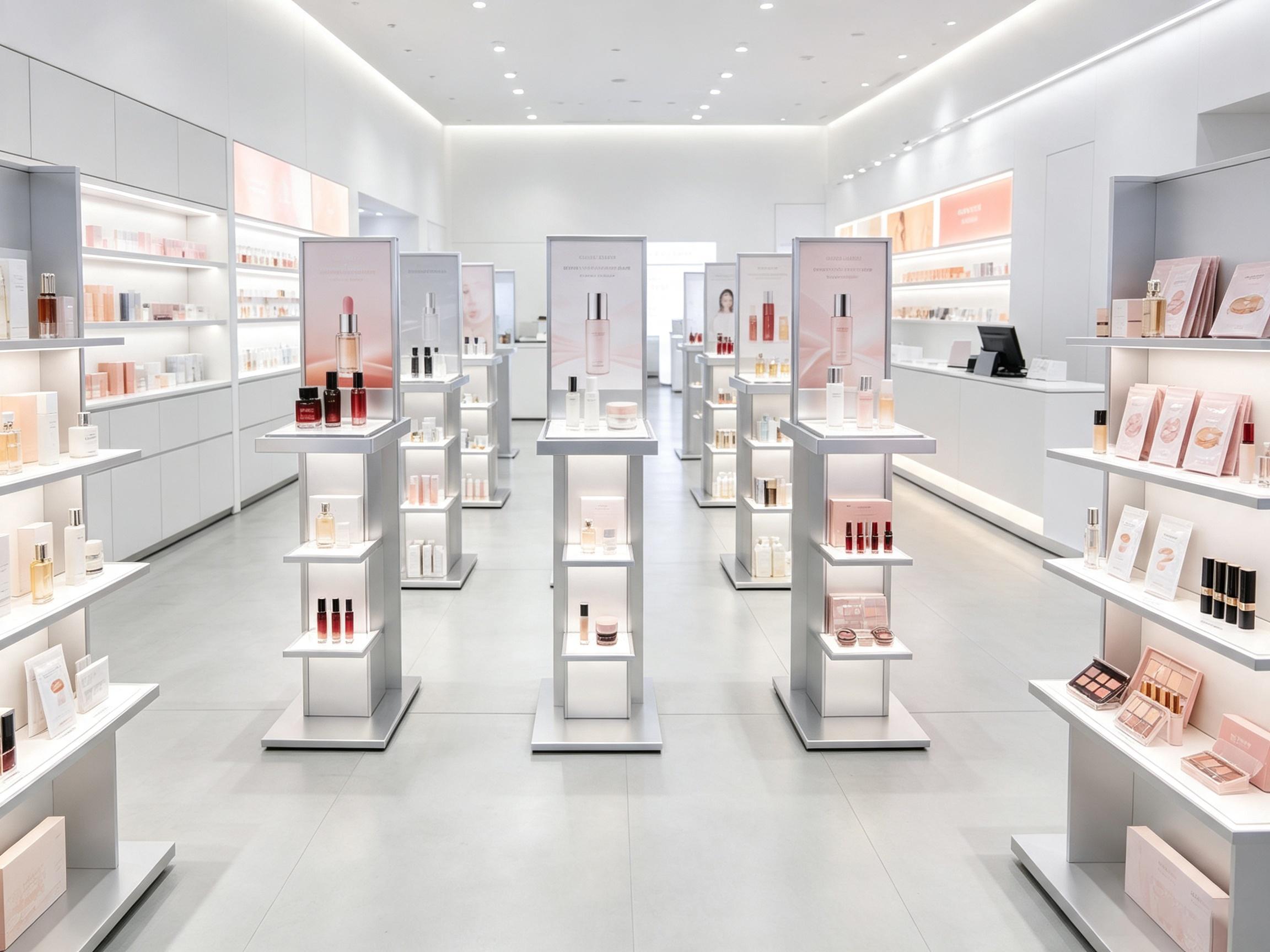
Enhance the retail experience with custom makeup display stands, providing both functionality and modern aesthetics for cosmetic brands.

Upgrade your products’ shelf appeal and protection with innovative gift box packaging designed for cosmetics, electronics, and accessories.

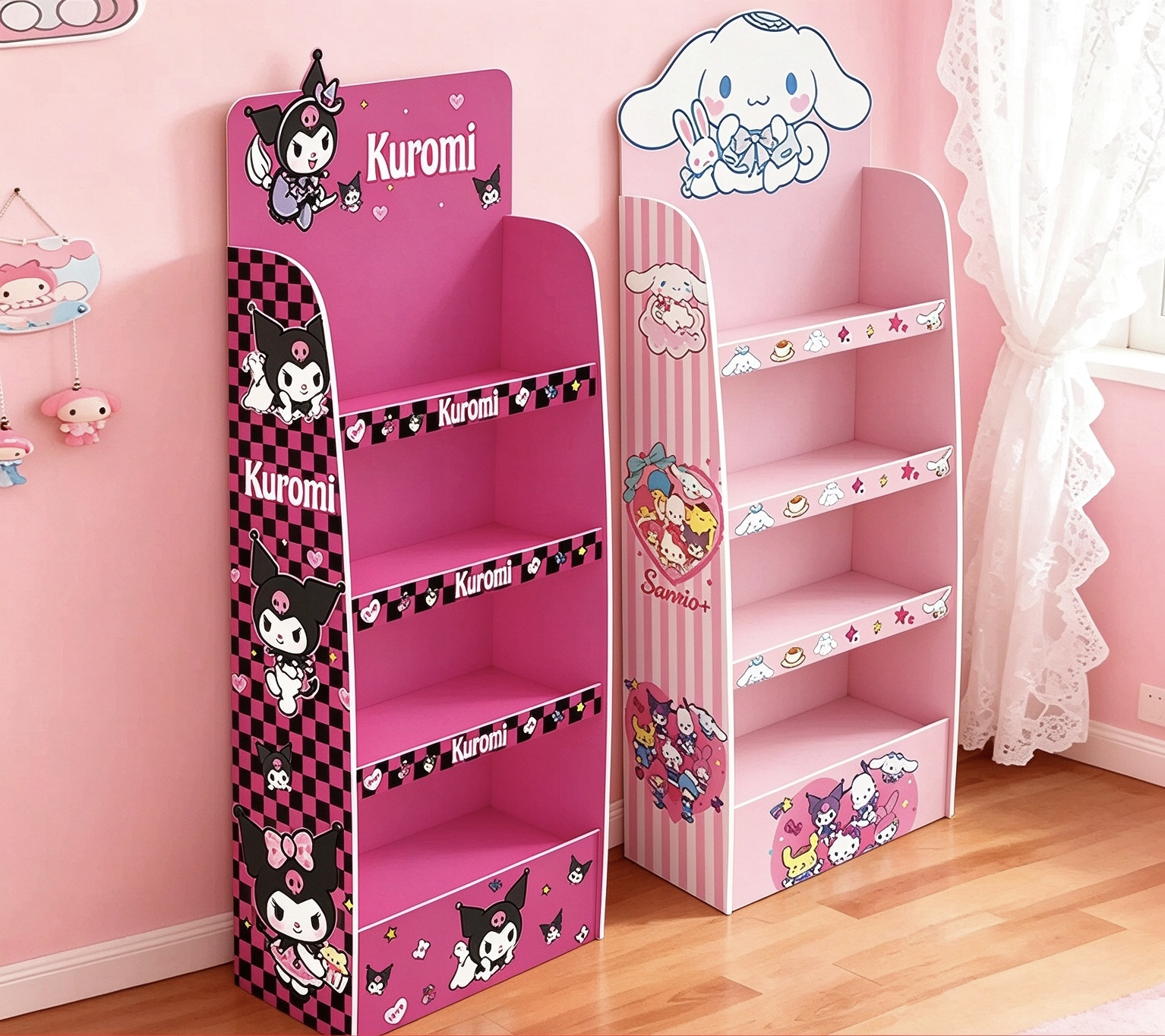
Promote your brand with advertising display racks, featuring flexible configurations for showrooms, events, and point-of-sale promotions.
Comprehensive design, prototyping, and logistics for global custom display stand demands

Communicate your display size, material, structure, brand logo and store-scene requirements.
Produce renderings and structural drawings, optimize shelf layout, dooropening style and detailstructure.

Make physical prototype, test stability, appearance and assembly effect, modify details as your feedback.

Start formal mass-production after sample approval, strictly control quality, packaging and delivery cycle.