EN
Requirement Consultation
Communicate your display size, material, structure, brand logo and store-scene requirements.

2026/10/16
Store architects and visual merchandisers constantly search for presentation equipment that makes merchandise shine while withstanding the daily chaos of foot traffic. High-value product categories—such as designer jewelry, luxury cosmetics, premium timepieces, and flagship consumer electronics—require protective enclosures that maintain pristine visual appeal. However, choosing the wrong material for retail display cases exposes commercial properties to severe operational headaches. Traditional glass structures project classic permanence, but they bring alarming liabilities regarding transport fractures, heavy weight, and catastrophic on-site breakage. When heavy glass display cases shatter during peak weekend shopping hours, store managers face lost sales, dangerous liabilities, and expensive emergency replacements. Conversely, modern acrylic display cases provide crystal clarity without the brittle vulnerabilities of silica mineral panes. Evaluating everyday shop floor wear, customer contact frequencies, and spatial layout priorities helps retail buyers determine whether traditional glass or modern polymers provide superior returns. Selecting durable retail display fixtures protects precious inventory while providing unobstructed visual access that keeps shoppers engaged and ready to buy.
Making an informed material decision requires examining physical mechanics, optical properties, and structural engineering data. Standard float glass delivers reliable surface scratch resistance, but standard formulations suffer from a faint greenish tint caused by iron oxide content, which alters delicate product colors under boutique spotlights. While low-iron ultra-clear glass eliminates color shifting, it remains heavy, with a specific gravity of roughly 2.5 grams per cubic centimeter. In contrast, cast polymethyl methacrylate utilized in premium acrylic display cases provides outstanding optical performance, boasting light transmittance exceeding 92 percent—higher than standard architectural glass. Cast acrylic weighs less than half as much as glass, which dramatically reduces floor load pressures and simplifies fixture relocation. Crucially, high-grade acrylic display cases deliver ten to seventeen times the impact resistance of annealed glass, flexing slightly under unexpected bumps rather than cracking. For applications requiring long-lasting visibility under intense store lighting, modern acrylic display cases maintain mirror-bright clarity while eliminating the danger of sharp, hazardous fragments.
In high-traffic retail spaces, public safety regulations and insurance liabilities heavily influence fixture procurement. While tempered glass is commonly specified for commercial glass display cases to reduce injury risks by breaking into blunt pebbles, it carries a well-documented technical defect: spontaneous breakage caused by microscopic nickel sulfide inclusions. Thermal expansion from store spotlights or subtle building vibrations can trigger unprovoked shattering, creating alarming retail disruptions. Specialized acrylic display cases eliminate this failure risk entirely, providing predictable physical durability in busy aisles, flagship boutiques, and family-friendly retail spaces. Commercial safety auditors and retail compliance officers frequently recommend durable retail display fixtures fabricated from high-grade polymers for venues where customer collisions are likely. Furthermore, deploying secure retail display cases constructed with precision-machined acrylic panels and reinforced cam locks provides robust loss prevention. Store operators gain complete peace of mind, knowing that valuable inventory remains protected behind shatterproof barriers that shield customers and store associates from injury.
Modern store designs require fluid aesthetic layouts, moving away from rigid rectangular display cabinets toward dynamic, sculpted curves. Glass display cases remain difficult and costly to bend into organic geometric shapes, often requiring specialized annealing ovens that inflate production timelines. In comparison, acrylic display cases allow extensive thermoforming versatility, enabling custom fabricators to craft seamless curved fronts, wraparound observation bubbles, and monolithic display pedestals. Highly adaptable acrylic display cases also accommodate precision computer-controlled milling, allowing technicians to carve hidden channels for integrated low-voltage LED strip lights. Running concealed wiring directly inside display walls creates floating product stages that eliminate harsh exterior shadows. Seamless solvent-welded joints on acrylic display cases form molecular bonds that disappear under ambient store illumination, creating an invisible protective envelope around showcased items. By adopting custom-machined retail display fixtures, visual merchandising teams achieve dramatic presentation aesthetics that traditional, mechanically fastened glass cabinets simply cannot replicate.
Evaluating fixture procurement strictly through initial purchase costs overlooks the substantial logistics and operational expenses incurred throughout store lifecycles. A rigorous commercial audit of a luxury skincare brand operating forty-five regional boutique locations reveals clear long-term savings. The company initially utilized traditional glass display cases, enduring an unsustainable 8.4 percent freight breakage rate during nationwide store rollouts, which caused costly launch delays. By transitioning to custom-engineered acrylic display cases, transport breakages dropped to absolute zero, protecting tight opening schedules. Because the lightweight acrylic display cases weighed significantly less, domestic and air freight charges decreased by 38 percent across regional logistics networks. On-site assembly teams completed store installations 40 percent faster, as two retail associates could safely maneuver lightweight display housings without specialized suction gear. These structural and logistical advantages show that versatile retail display fixtures deliver rapid operational payback, lowering freight costs, labor expenses, and long-term fixture maintenance overhead.
Translating creative retail blueprints into durable, high-performance display architecture requires an experienced manufacturing specialist equipped with advanced material fabrication technologies. Global retail enterprises, high-end department stores, and visual merchandising agencies rely on the comprehensive manufacturing capabilities of YSY Display. Operating state-of-the-art CNC routers, high-precision laser cutting platforms, automated diamond edge polishers, and dust-free optical bonding cleanrooms, YSY Display produces world-class retail display cases engineered to strict commercial standards. The seasoned engineering team excels in crafting bespoke acrylic display cases and sophisticated hybrid metal retail display fixtures that combine structural stability with optical purity. Whether a retailer requires a single custom prototype for an urban flagship or high-volume rollouts of heavy-duty glass display cases and acrylic showcases, YSY Display delivers rapid technical prototyping, stringent quality control, and reliable global delivery. Collaborating with YSY Display ensures commercial fixtures elevate product merchandising, reinforce brand prestige, and maximize long-term sales performance.
2026/10/30
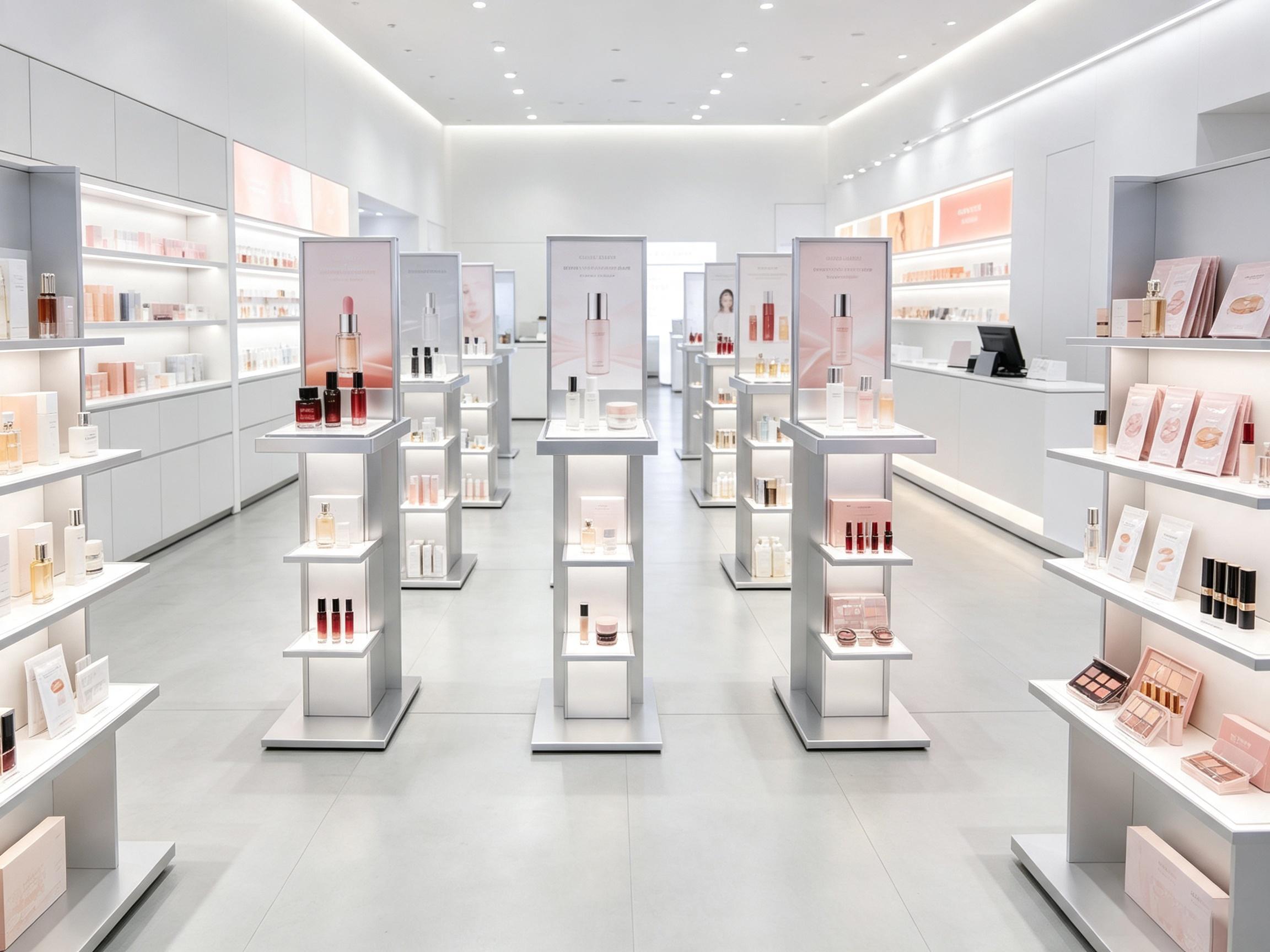
Elevate store environments with custom retail store displays. Learn how hybrid steel, cast acrylic, and wood fixtures build brand image and sales.
2026/10/30
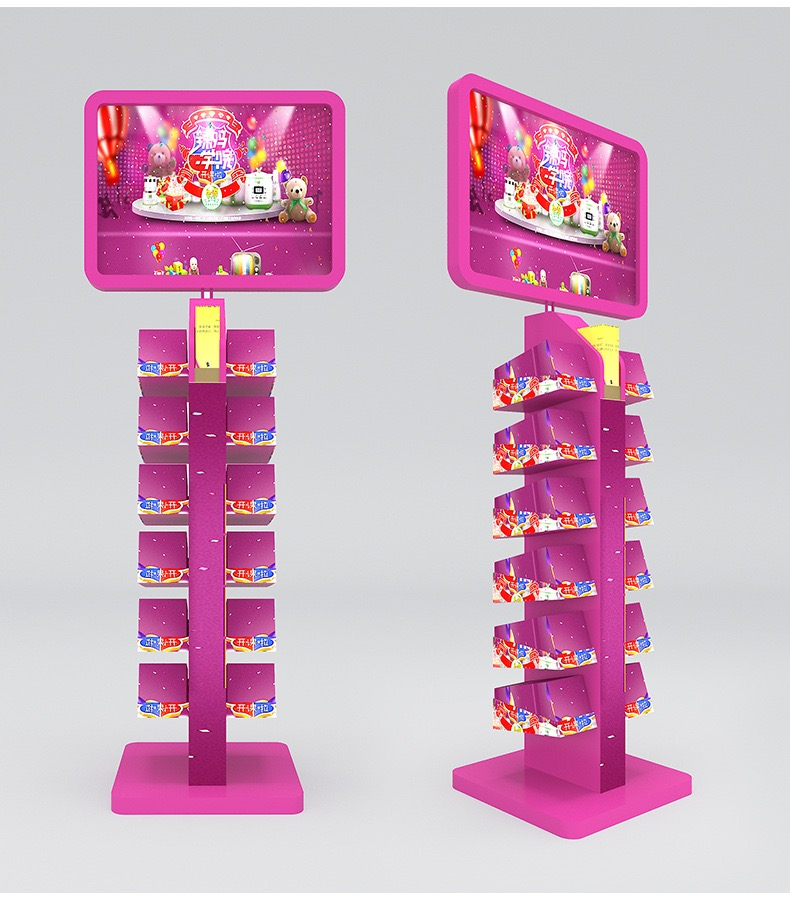
Maximize visual impact with cardboard display stands. See how high-ECT corrugated boards, flat-pack logistics, and rapid lock tabs lower marketing costs.
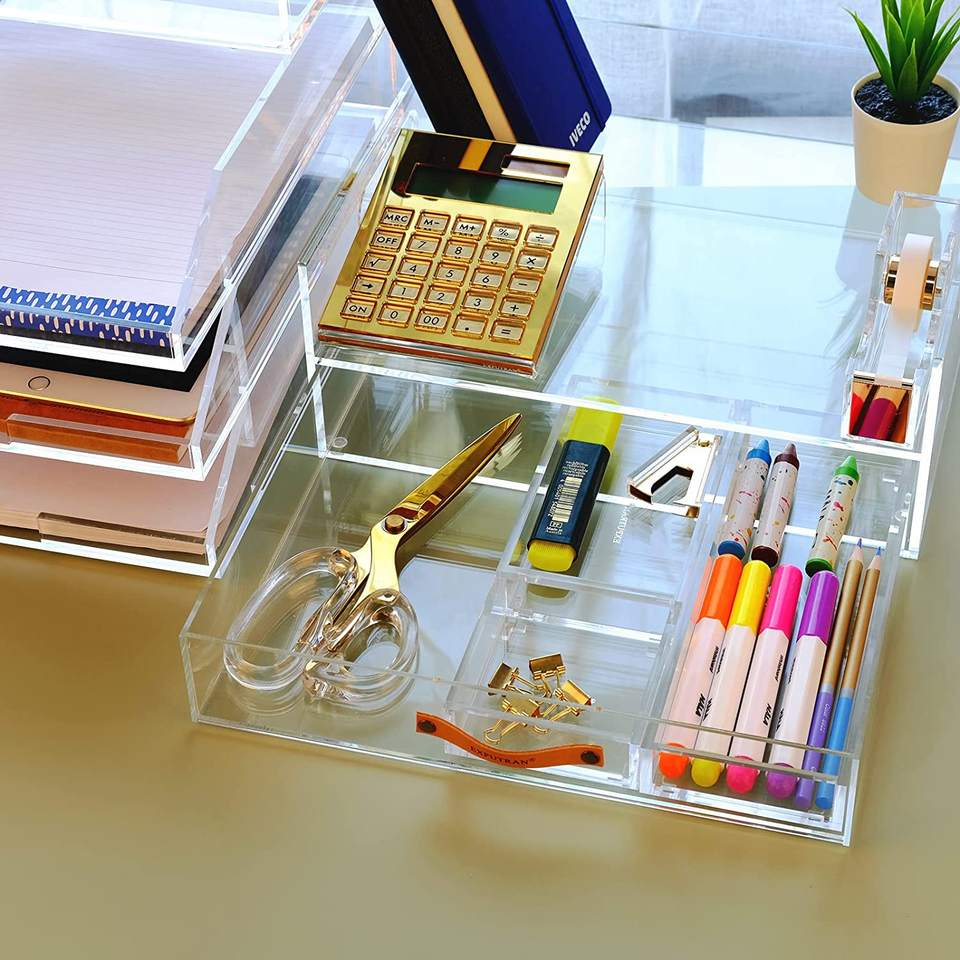
2026/10/30
Elevate unboxing with a custom display box. Learn how rigid greyboards, G7-certified litho-printing, and high-density EVA foam protect premium goods.
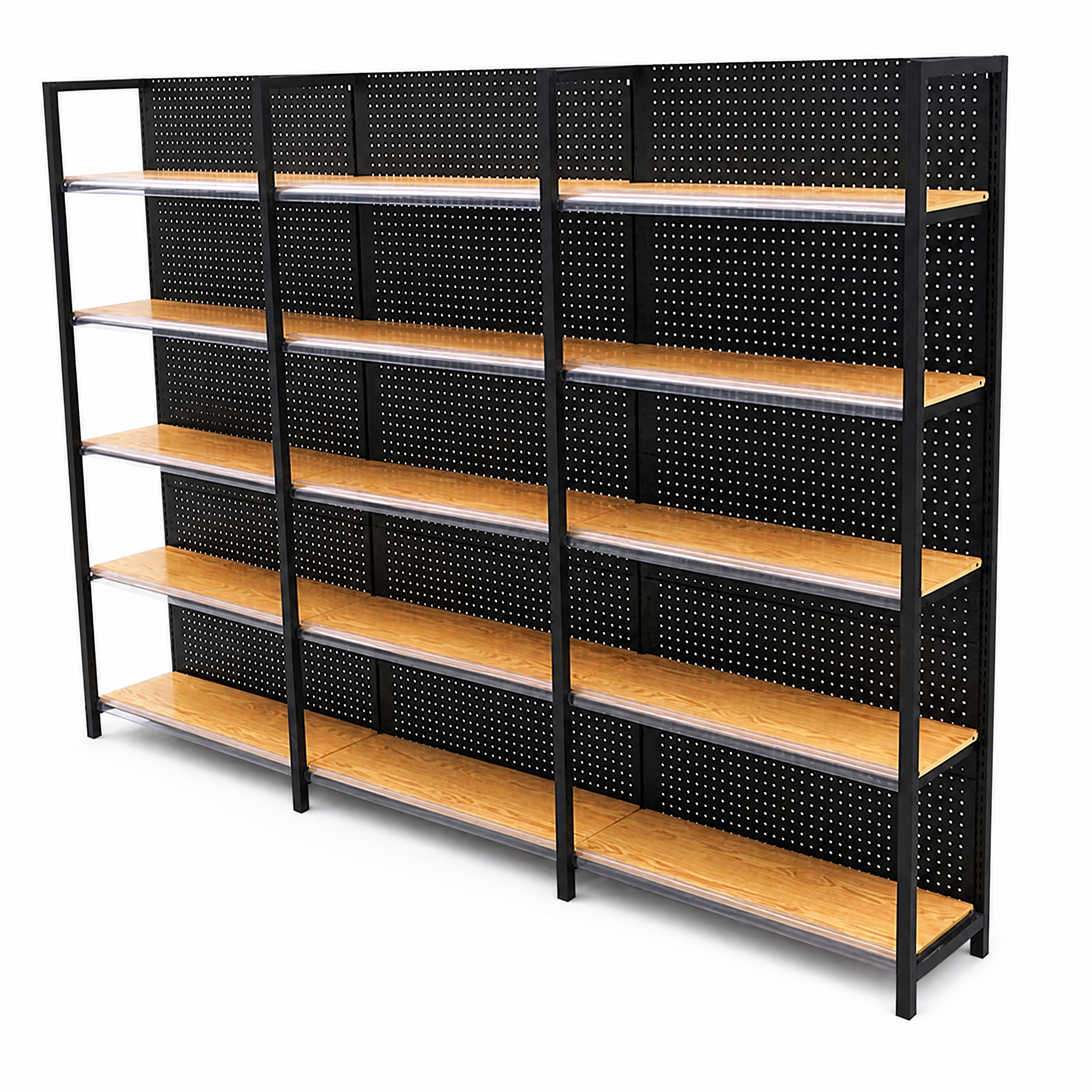
2026/10/30
Optimize product flow with a heavy-duty Display Rack. Learn how cold-rolled Q235 steel frames, teardrop locks, and gravity flow decks cut pick times.
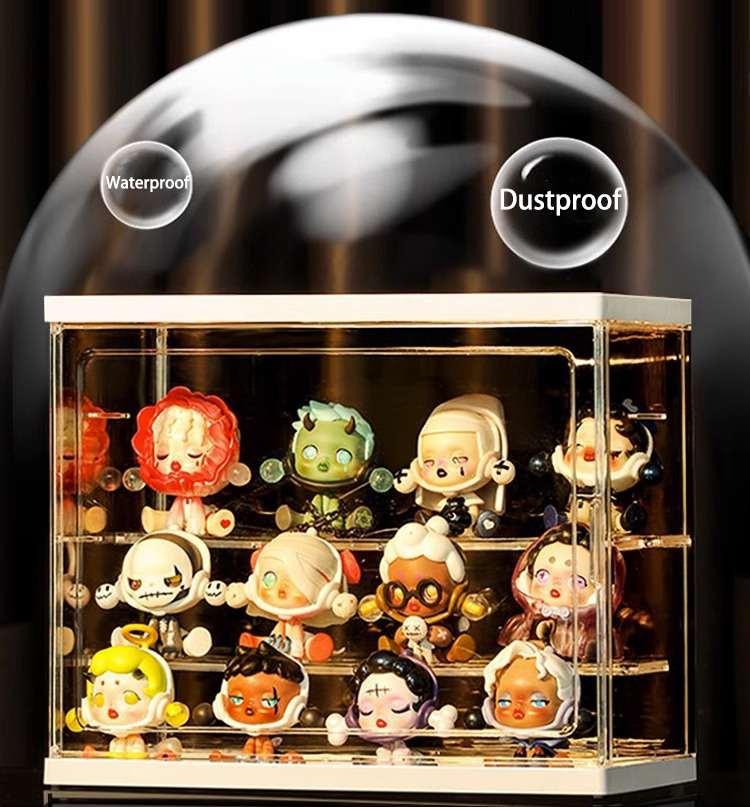
2026/10/30
Secure premium micro-goods with countertop display case units. See how diamond-polished cast acrylic and magnetic lock latches boost impulse sales.
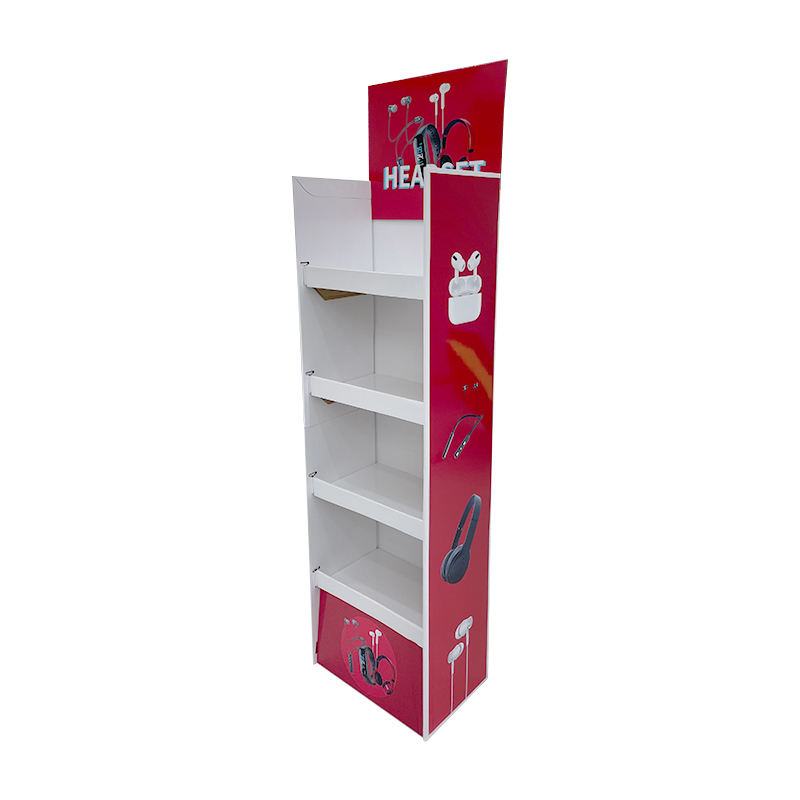
2026/10/30
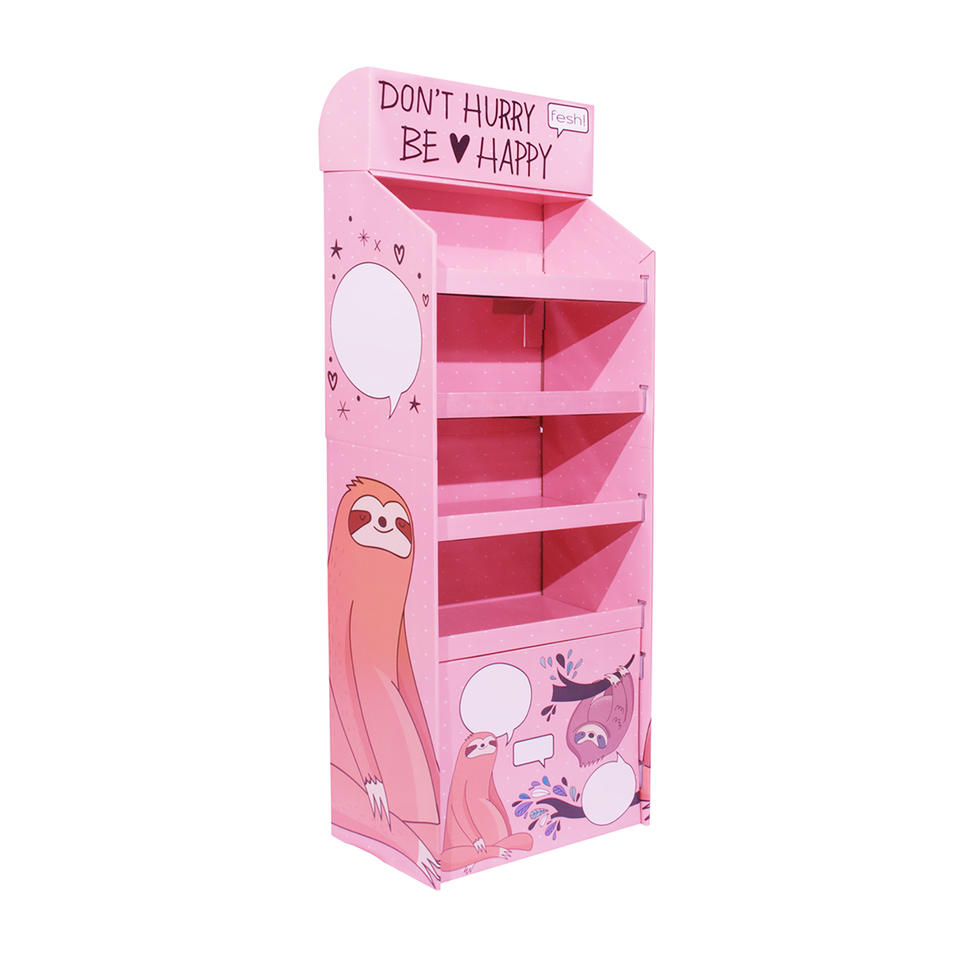
Boost retail sales with sustainable carton displays. Learn how FSC corrugated boards and eco-friendly soy inks cut carbon footprints and waste fees.
Follow our brand-latest updates, including key-client cooperation, trade-fair activities and daily-life snapshots of our factory-team.

Enhance the retail experience with custom makeup display stands, providing both functionality and modern aesthetics for cosmetic brands.

Upgrade your products’ shelf appeal and protection with innovative gift box packaging designed for cosmetics, electronics, and accessories.

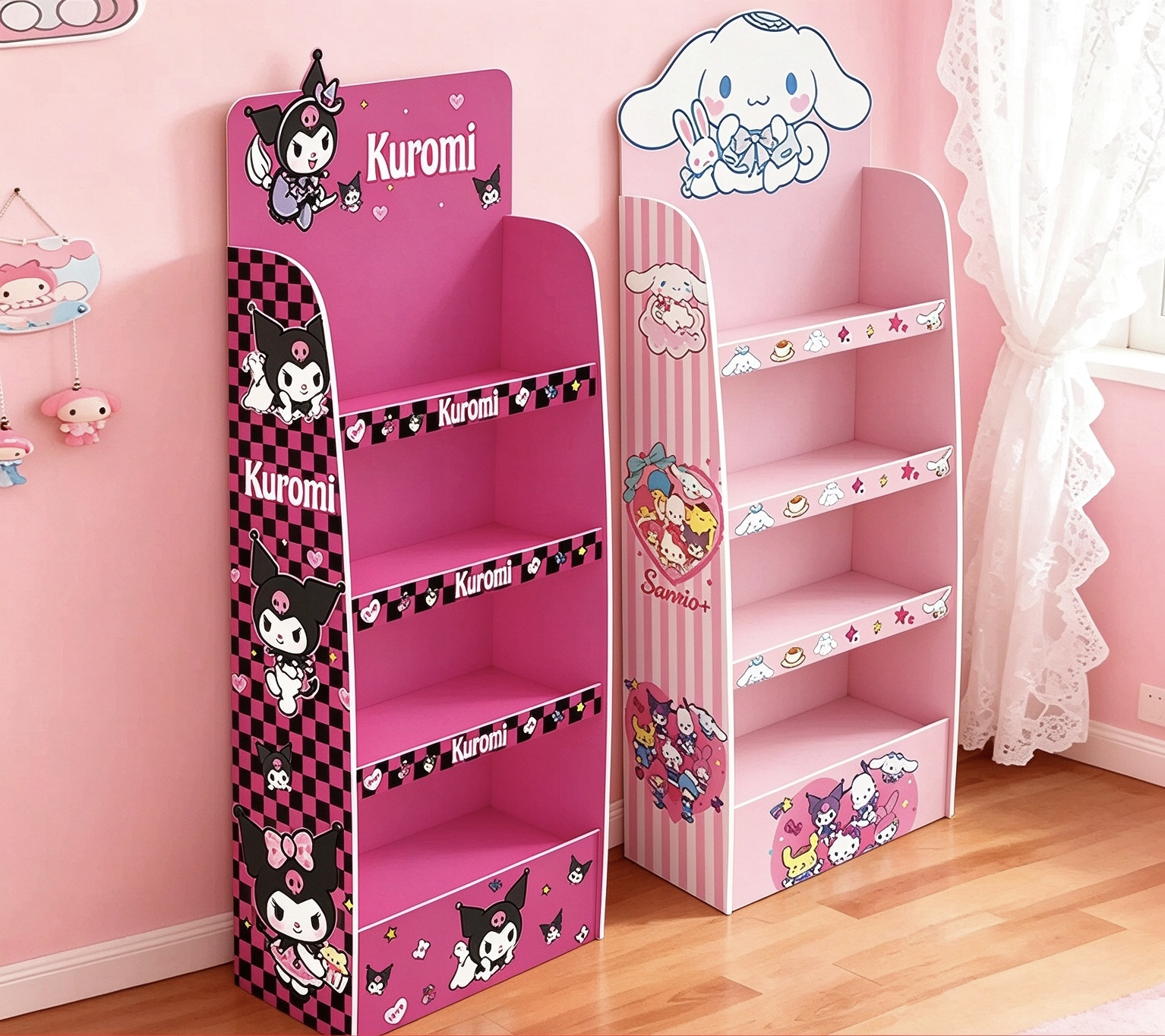
Promote your brand with advertising display racks, featuring flexible configurations for showrooms, events, and point-of-sale promotions.
Comprehensive design, prototyping, and logistics for global custom display stand demands

Communicate your display size, material, structure, brand logo and store-scene requirements.
Produce renderings and structural drawings, optimize shelf layout, dooropening style and detailstructure.

Make physical prototype, test stability, appearance and assembly effect, modify details as your feedback.

Start formal mass-production after sample approval, strictly control quality, packaging and delivery cycle.