EN
Requirement Consultation
Communicate your display size, material, structure, brand logo and store-scene requirements.

2026/09/23
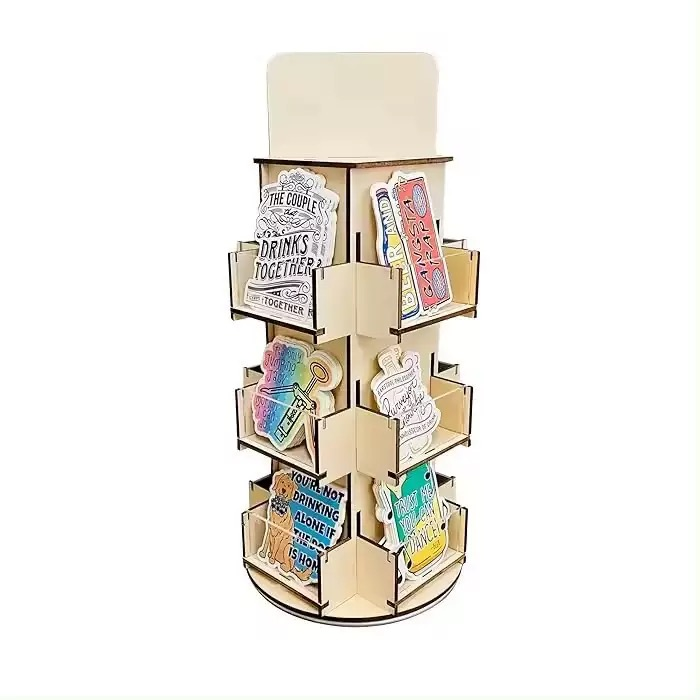
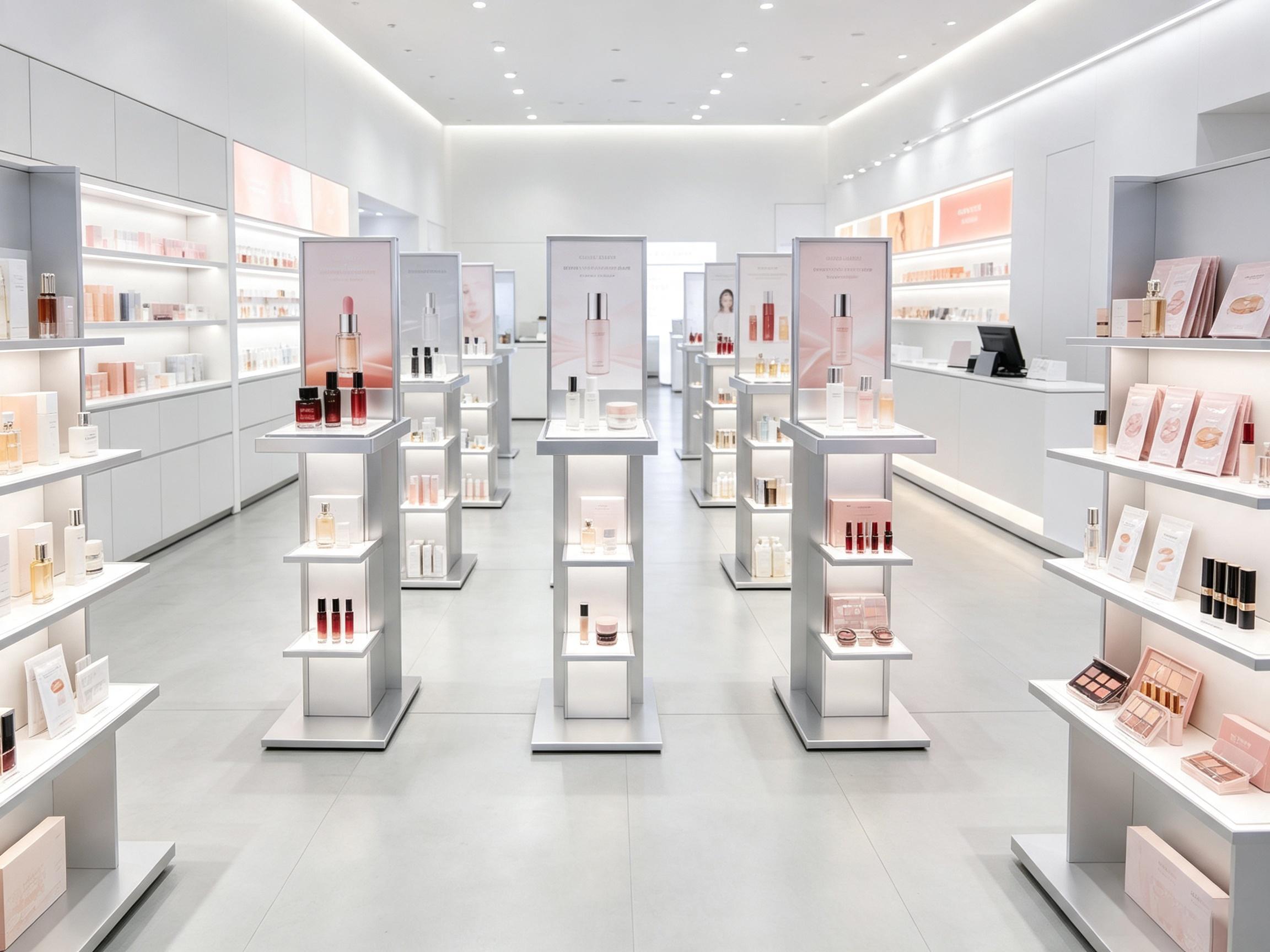
Table programs fail for a boring reason more often than a creative one: the unit does not fit the room. A thirty square meter shop and a three thousand square meter flagship need entirely different retail display tables, even from the same category. Depth is the enemy when merchandising tables have to fit tight footprints. A sixty centimeter merchandising table against a side wall keeps aisles walkable, while a ninety centimeter island needs two meters of clearance on all sides. Measuring door widths, turning radii and ceiling height before ordering retail display tables prevents the scene managers dread, where store display tables arrive and cannot be walked around. Retail display counters picked from a catalog photo repeat that mistake, while retail display tables checked against a scaled drawing rarely come back. Retail display tables that respect a scaled plan save more than the twenty minutes spent drawing it. Store display tables and merchandising tables follow the same first rule: measure twice, order once.
Height decides which products get seen. Standard store display tables sit between seventy-five and ninety centimeters, putting the top row inside the natural sweep of a shopper's gaze, while retail display tables at bar height near one hundred centimeters suit customers who stand and grab, and store display tables deeper than ninety centimeters start to crowd the aisle. Depth controls how many retail display counters fit a run without looking crowded. Sixty centimeter surfaces suit folded apparel, while ninety centimeter ones suit boxed sets, and retail display tables at that depth suit gift bundles too. Stability is worth paying for, because merchandising tables that rock invite hesitation rather than purchase. Store display tables that wobble get noticed long before their finish does, and store display tables with a levelling foot solve it for a few dollars. Retail display counters near the till take more accidental hits than anything else on the floor, so retail display tables in that zone need the heaviest build, which is where a display table manufacturer earns the next order.
Where a table sits changes how far people walk. A retail display table placed just inside the entrance pulls traffic inward and sets a browsing rhythm, while retail display counters parked near the register capture the final impulse add. Window-adjacent retail display tables tell the seasonal story to people still outside. A common mistake lines rows of retail display tables along both side walls and leaves the center empty, which builds a corridor shoppers sprint down rather than a room they explore. Angling retail display counters fifteen to twenty degrees toward the main traffic flow lifts exposure without blocking sightlines. Fitting rooms and pickup desks act as magnets, so a merchandising table on the return path collects attention that would otherwise be lost. Store display tables tested in two arrangements for a fortnight teach more than a planogram, and retail display counters placed on the exit path catch the customer who came in for one thing.
Crowding kills margin. The rule of thumb from visual merchandising practice: leave a quarter of the surface empty, group in odd numbers, and vary heights in a triangular shape so the eye travels instead of stalling. Signage should read from three meters, and price tags belong at the front edge, while retail display counters need clearance for a hand to reach in. Merchandising tables grouped by color story instead of SKU often sell better, because customers shop mood first and specification second. Rotation keeps repeat visitors engaged, since merchandising tables refreshed every three weeks outperform an identical assortment left for a quarter. Keeping props to two or three neutral pieces leaves focus on merchandise, which is what retail display tables get bought for. A store display table styled well invites a second look, while retail display tables styled badly invite a cleanup request. Merchandising tables near a till need the same discipline, and a display table manufacturer can supply both from one run.
Decades of in-store research on retail display tables point the same way. Harvard Business Review's widely cited finding that a majority of purchase decisions are made inside the store still shapes how brands fund physical retail, and NielsenIQ execution studies show that promoted items missing their designated position underperform compliant competitors by a wide margin. A pharmacy chain adding an end-of-aisle merchandising table for mid-price skincare recorded an eighteen percent lift in category attachment. A homeware retailer switching from wall shelving to two central retail display tables saw units per square meter rise while restocking labor fell roughly a third. Gift stores report that retail display counters invite hands-on inspection while store display tables invite unhurried browsing, and that touch converts better than behind-glass presentation. Independent grocers add retail display counters at the front and store display tables deeper in the room for the same reason. Store display tables with less floor area per unit of visible stock pay back faster in high-rent locations, and retail display tables placed near an exit catch the customer who came in for one thing, which is why retail display tables belong on the exit path. In retail, retail display tables are measured, not guessed at.
Rolling a table concept across locations exposes every weak link in the supply of retail display tables: mismatched finishes, inconsistent sizes, late deliveries nobody mentions. Guangzhou Yishengyuan Display Supplies Co., Ltd addresses that risk as both a display table manufacturer and a structural partner, producing acrylic, corrugated, metal and LED-integrated retail display tables, retail display counters and merchandising tables inside an 8,000 square meter facility in Guangzhou since 2016 instead of brokering the work outward. That display table manufacturer ships freight-conscious designs flat or knock-down, starts standard pieces at a single unit, and runs tailored retail display tables from fifty to five hundred pieces, with merchandising tables and heavier retail display counters priced separately. Testing of retail display tables covers load and stability, color is matched by spectrophotometer, and export documentation supports FOB, CIF and DDP delivery into the United States, Europe and the Middle East. Working with one display table manufacturer for store display tables, retail display counters and bespoke retail display tables keeps a rollout predictable, and a display table manufacturer that inspects what it ships removes the surprise nobody budgets for, which is the practical reason to judge a display table manufacturer on process rather than price.
2026/10/30
Elevate store environments with custom retail store displays. Learn how hybrid steel, cast acrylic, and wood fixtures build brand image and sales.
2026/10/30
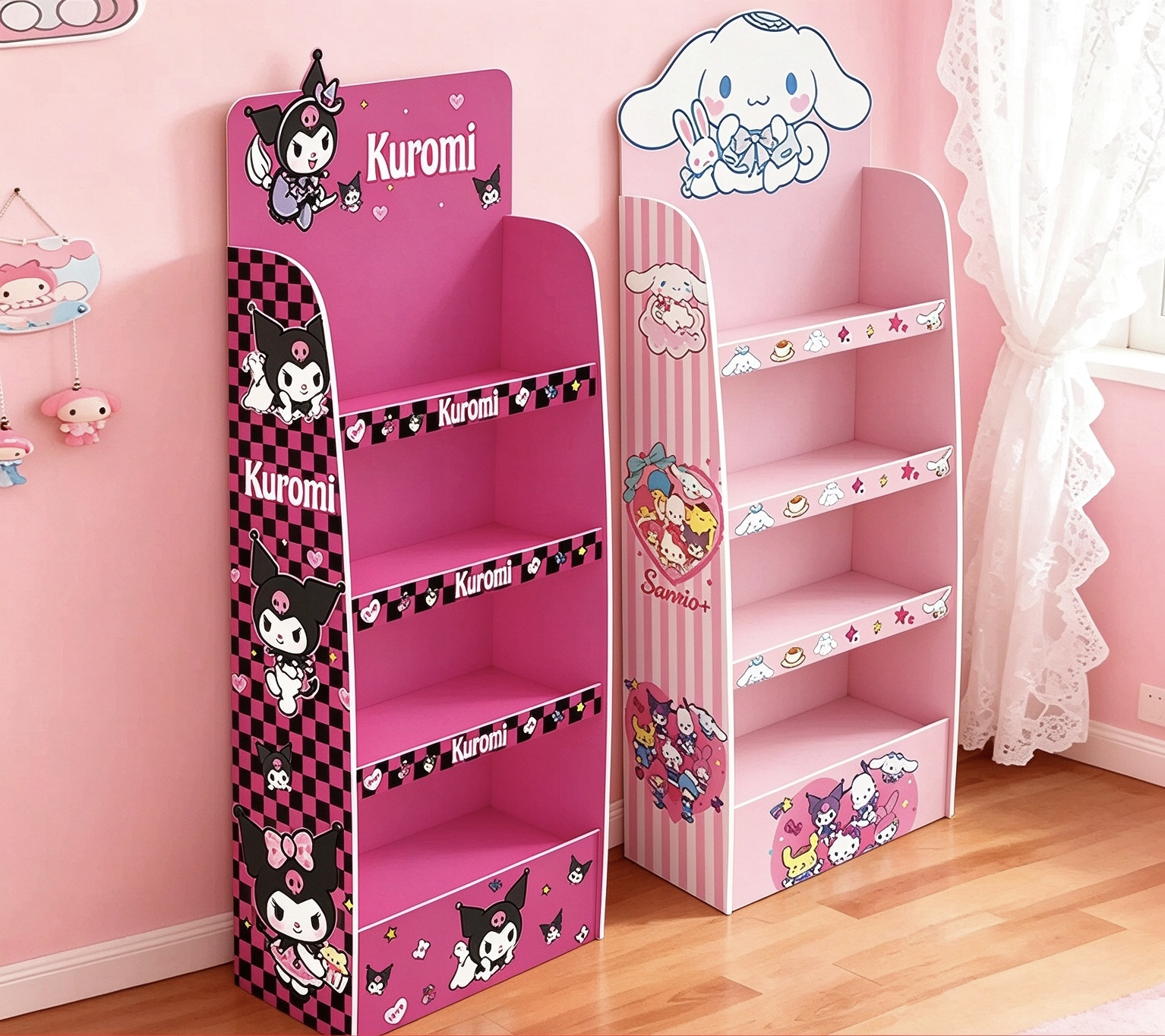
Maximize visual impact with cardboard display stands. See how high-ECT corrugated boards, flat-pack logistics, and rapid lock tabs lower marketing costs.
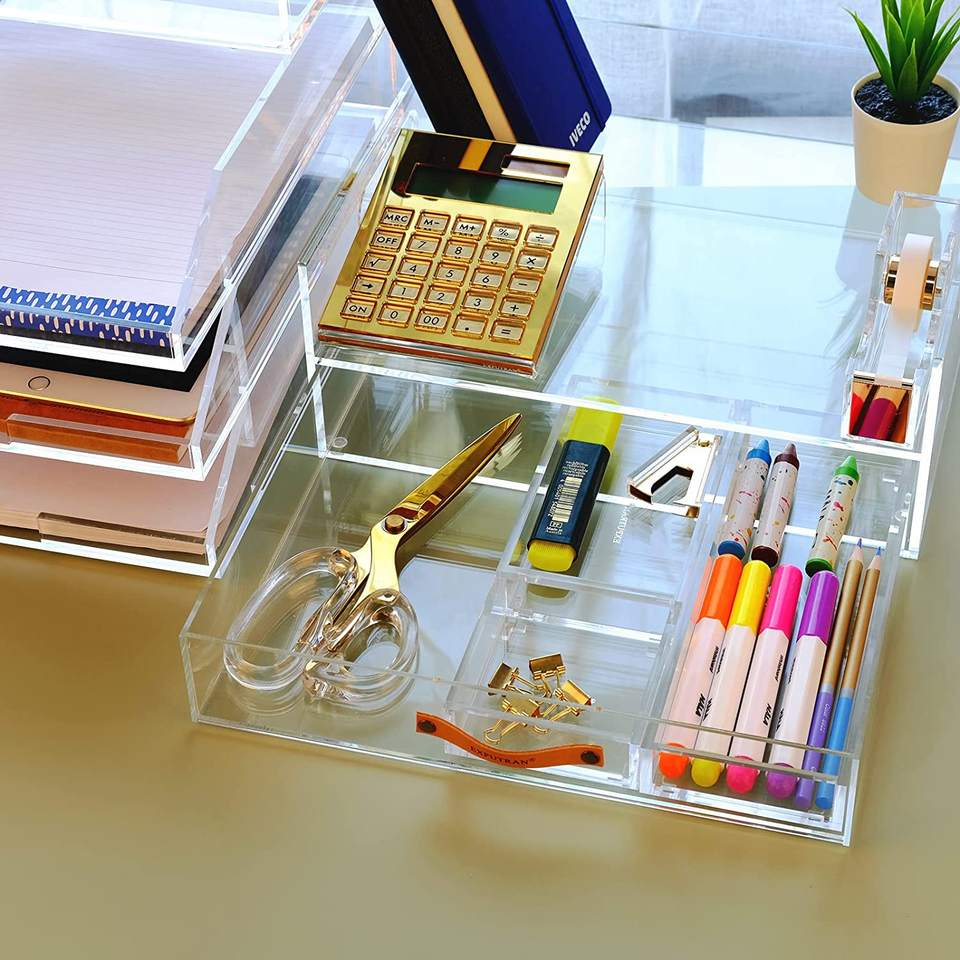
2026/10/30
Elevate unboxing with a custom display box. Learn how rigid greyboards, G7-certified litho-printing, and high-density EVA foam protect premium goods.
2026/10/30
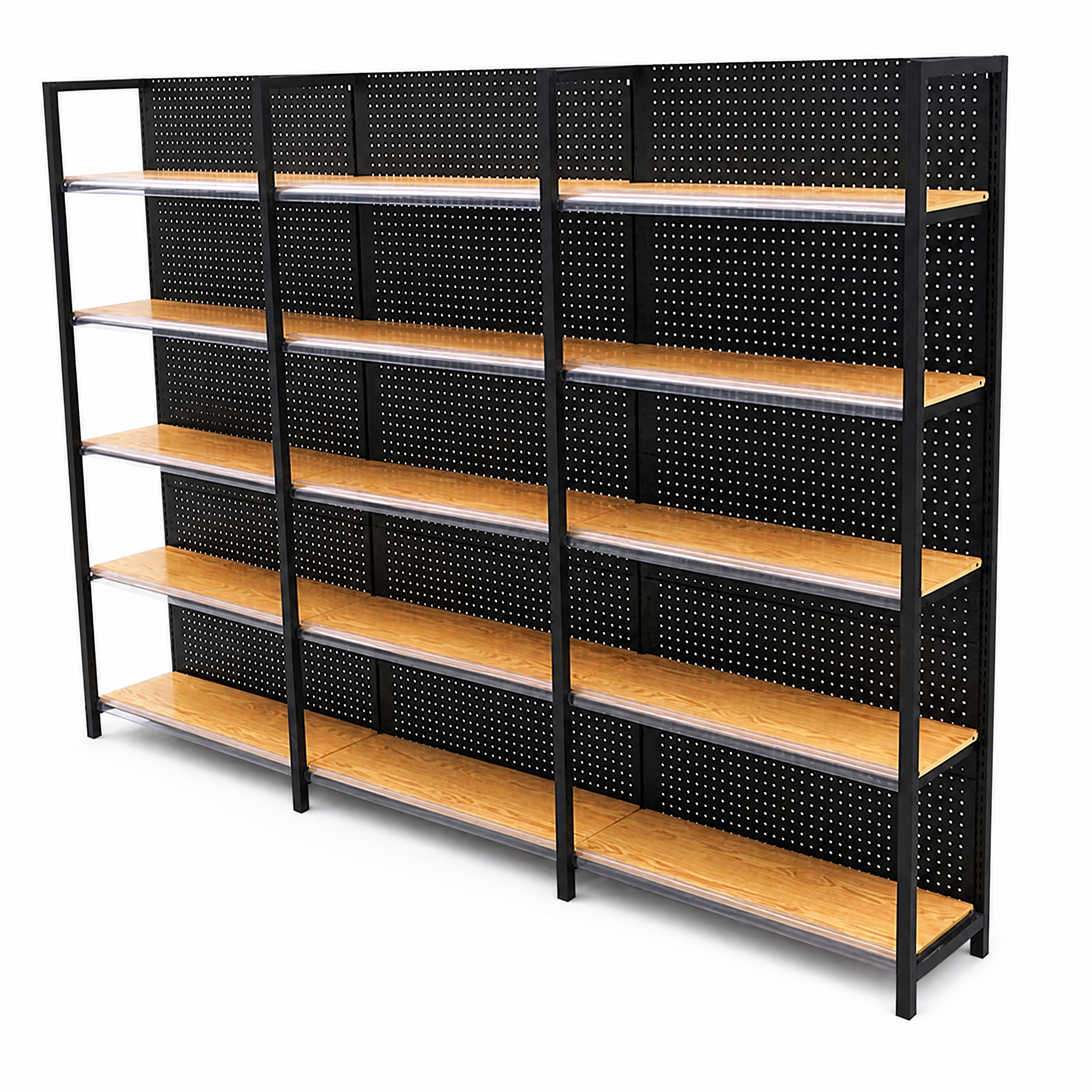
Optimize product flow with a heavy-duty Display Rack. Learn how cold-rolled Q235 steel frames, teardrop locks, and gravity flow decks cut pick times.
2026/10/30
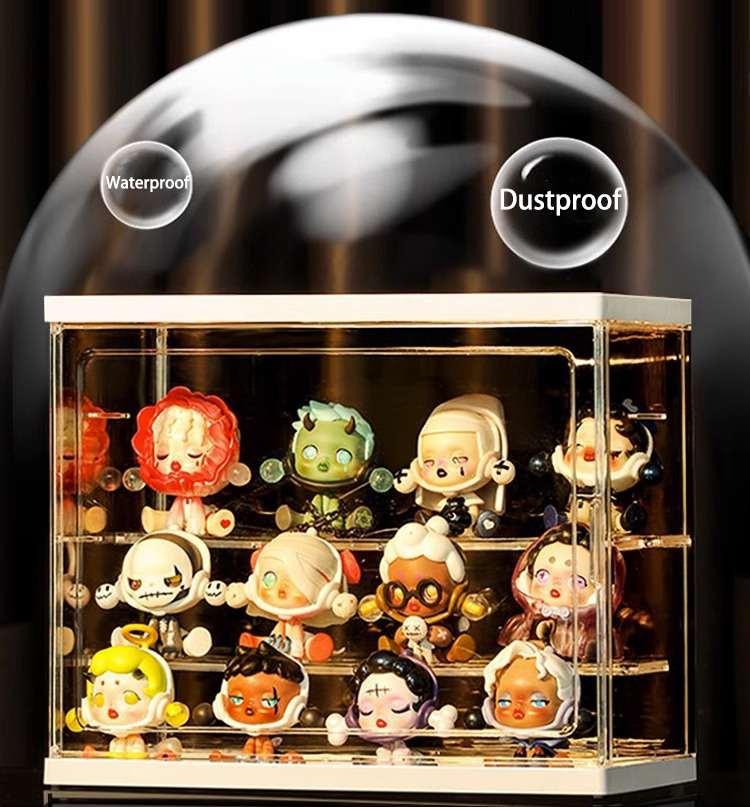
Secure premium micro-goods with countertop display case units. See how diamond-polished cast acrylic and magnetic lock latches boost impulse sales.
2026/10/30
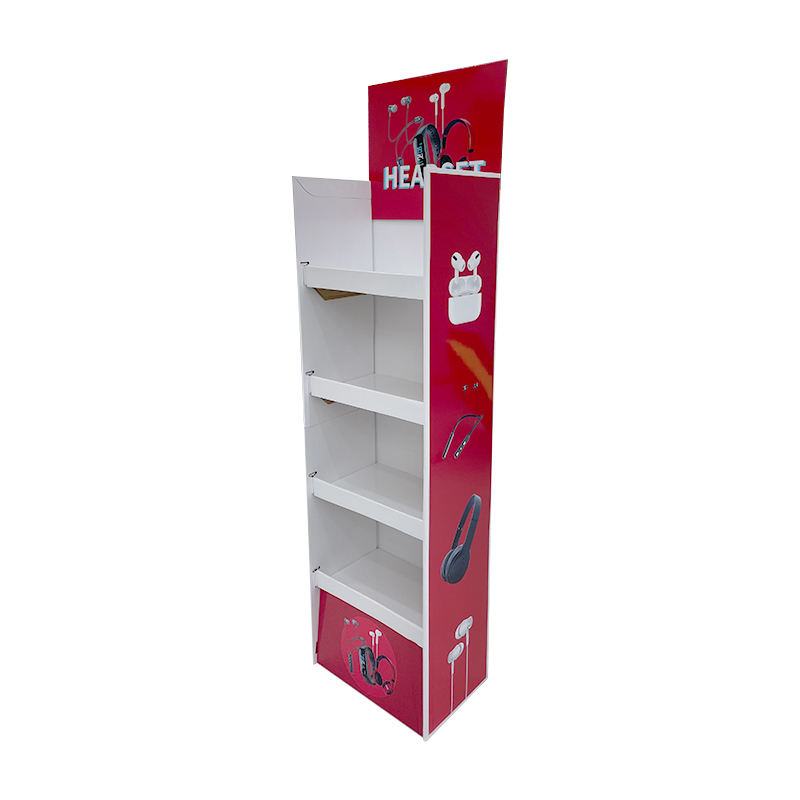
Boost retail sales with sustainable carton displays. Learn how FSC corrugated boards and eco-friendly soy inks cut carbon footprints and waste fees.
Follow our brand-latest updates, including key-client cooperation, trade-fair activities and daily-life snapshots of our factory-team.

Enhance the retail experience with custom makeup display stands, providing both functionality and modern aesthetics for cosmetic brands.

Upgrade your products’ shelf appeal and protection with innovative gift box packaging designed for cosmetics, electronics, and accessories.

Promote your brand with advertising display racks, featuring flexible configurations for showrooms, events, and point-of-sale promotions.
Comprehensive design, prototyping, and logistics for global custom display stand demands

Communicate your display size, material, structure, brand logo and store-scene requirements.
Produce renderings and structural drawings, optimize shelf layout, dooropening style and detailstructure.

Make physical prototype, test stability, appearance and assembly effect, modify details as your feedback.

Start formal mass-production after sample approval, strictly control quality, packaging and delivery cycle.