EN
Requirement Consultation
Communicate your display size, material, structure, brand logo and store-scene requirements.

2026/09/23
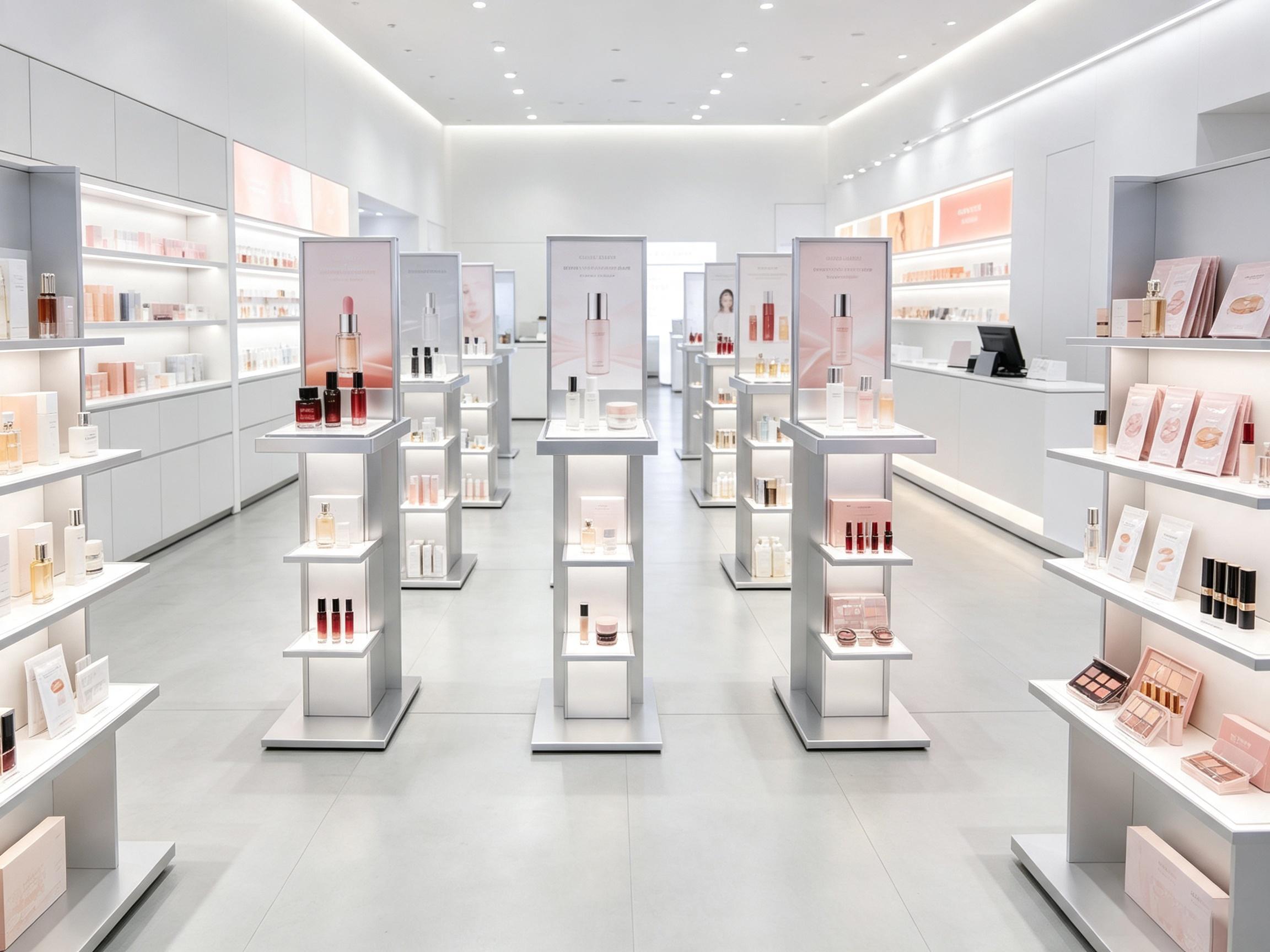
Retail environments have transformed dramatically over the past few decades, shifting away from rigid, permanent layouts toward highly dynamic, flexible interior architectures. Traditional brick-and-mortar stores once relied heavily on static wooden or heavy iron shelving units that remained fixed in place for years, presenting a uniform yet monotonous shopping experience for shoppers. Today, modern retail merchandising demands agility, adaptability, and visual storytelling to capture fleeting consumer attention in crowded physical marketplaces. This structural shift has driven store display fixtures from basic holding structures into sophisticated marketing tools that actively shape shopper behavior and optimize floor space utilization. Industry research indicates that physical stores incorporating flexible architectural layouts achieve higher customer retention rates compared to legacy storefronts constrained by immovable fixtures. Retailers must acknowledge that consumer expectations have evolved significantly, requiring store interiors to feel fresh, engaging, and capable of transformation with minimal operational friction. Consequently, the entire retail design industry has pivoted toward engineering solutions that prioritize spatial versatility without compromising structural integrity or aesthetic appeal.
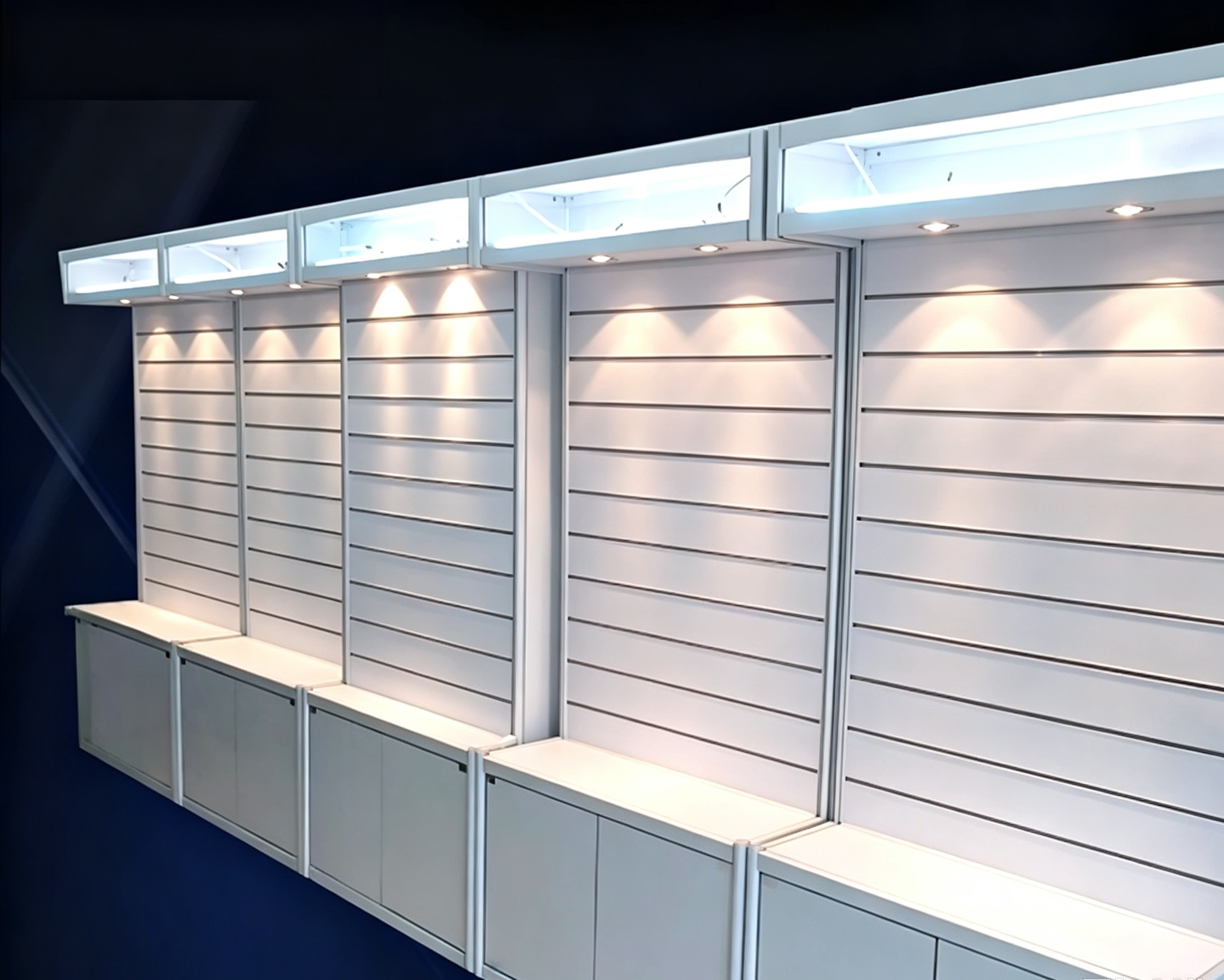
The primary catalyst behind this retail transition is the emergence of modular display systems engineered for ultimate flexibility and rapid reconfiguration. Unlike legacy fixtures that required specialized tools, heavy labor, and considerable downtime to dismantle or rearrange, modular retail fixtures utilize standardized connectors, adjustable brackets, and interchangeable components. Retailers can effortlessly swap out shelves, hanging rails, and digital integration panels overnight to accommodate seasonal inventory changes or sudden promotional campaigns. YSY Display specializes in manufacturing these advanced modular configurations, offering comprehensive engineering support that helps global brands scale their merchandising strategies without incurring high recurring structural renovation costs. Expert engineering teams utilize computer-aided design simulations and rigorous stress testing to ensure every modular joint maintains optimal load-bearing capacities under intense commercial usage. Furthermore, the standardization of components drastically reduces replacement parts inventory for store managers, streamlining maintenance operations across large multi-unit retail chains and international franchise networks.
From a commercial and financial perspective, adopting modular store display fixtures delivers exceptional return on investment by maximizing retail real estate efficiency and enhancing inventory visibility. Advanced store display fixtures allow merchandising teams to customize vertical and horizontal product zoning based on real-time foot traffic data and product performance metrics. Case studies from leading apparel and electronics chains indicate that transitioning to adaptable modular setups can increase impulse purchases by up to twenty-five percent through optimized eye-level product presentation. Furthermore, high-quality manufacturing techniques—such as precision laser cutting, robust structural welding, and durable powder coating finishes—ensure that these modular components withstand daily wear and tear in high-traffic commercial environments. Store managers report significant reductions in layout reconfiguration labor costs, as floor staff can independently adjust display heights and configurations within minutes rather than hiring external contractors. This operational efficiency translates directly into healthier profit margins and superior space monetization for retail enterprises operating in high-rent urban commercial districts.
Integrating modern technology and sustainable materials into store display fixtures further bridges the gap between digital convenience and physical retail engagement. Contemporary modular systems frequently incorporate integrated LED illumination channels, digital price tags, and interactive touchscreen mounts directly into the metal or acrylic framework. Brands increasingly prioritize eco-friendly yet sturdy materials, combining recyclable aluminum frames with modular wooden or acrylic inserts to align with corporate sustainability commitments. YSY Display leverages state-of-the-art production capabilities and strict quality control standards to deliver tailor-made retail display solutions that satisfy both aesthetic expectations and rigorous international environmental regulations. Environmental compliance in manufacturing not only reduces the carbon footprint of global retail rollouts but also resonates deeply with eco-conscious consumers who favor transparent, sustainable brands. By embedding smart technology directly into the display hardware, retailers can seamlessly blend online product catalogues with physical touchpoints, creating a cohesive omnichannel shopping journey that boosts conversion rates.
Looking toward the future, the evolution of store display fixtures will continue to accelerate alongside consumer expectations for personalized and immersive in-store shopping journeys. Retailers investing in flexible, high-performance modular systems position themselves to adapt swiftly to emerging retail trends, pop-up store concepts, and omnichannel fulfillment strategies. By partnering with experienced manufacturing specialists like YSY Display, brands gain access to end-to-end supply chain excellence—from initial concept prototyping to large-scale global delivery—ensuring every retail space tells a compelling brand story while driving sustainable business growth. Supply chain reliability remains a cornerstone for successful retail expansions, and collaborating with a dedicated manufacturing partner guarantees consistent quality, on-time delivery, and localized logistical support. As physical retail continues to redefine its value proposition in a digital-first world, the strategic deployment of advanced store display fixtures will remain a vital differentiator for brands seeking long-term market leadership.
2026/10/30
Elevate store environments with custom retail store displays. Learn how hybrid steel, cast acrylic, and wood fixtures build brand image and sales.
2026/10/30
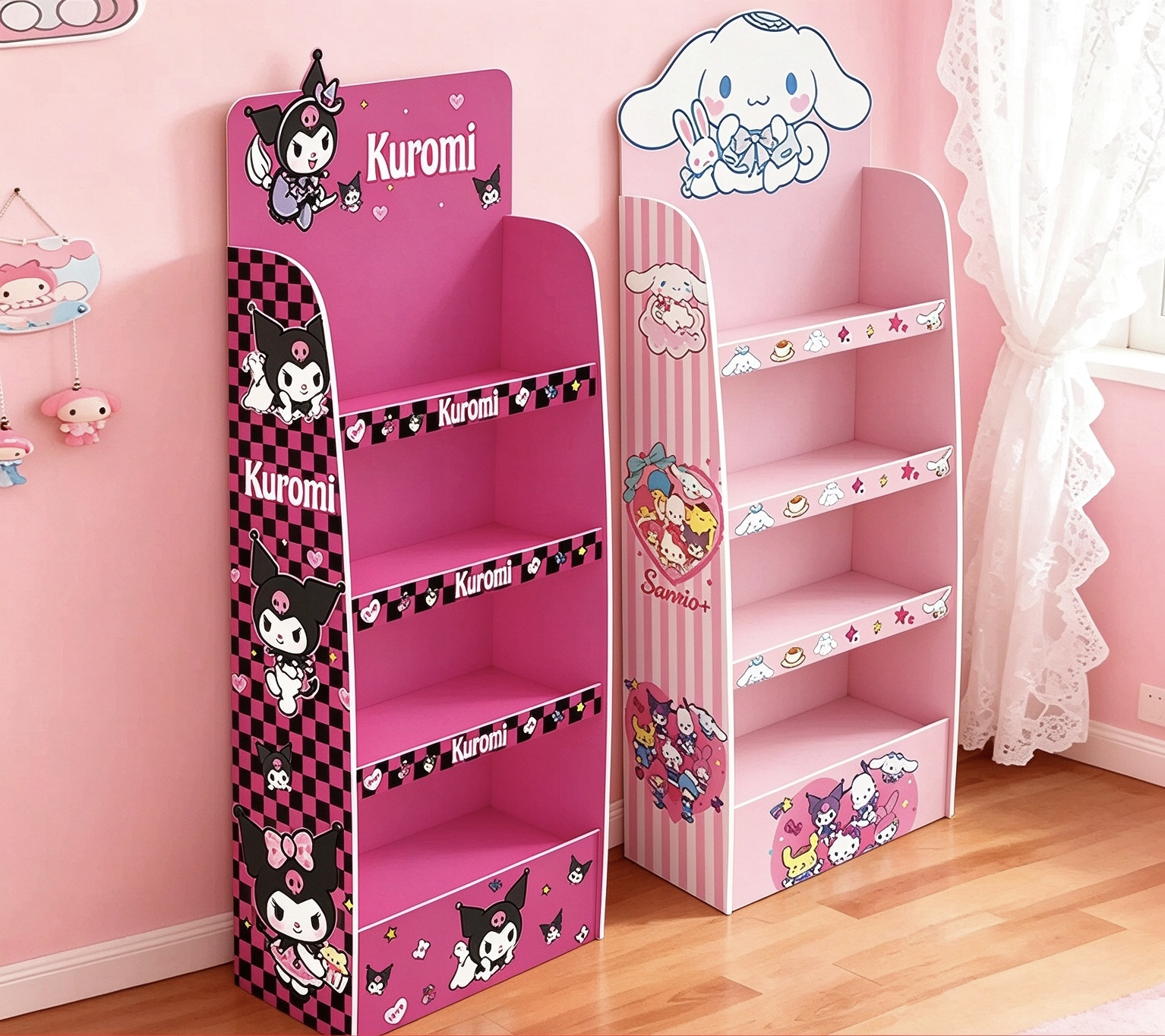
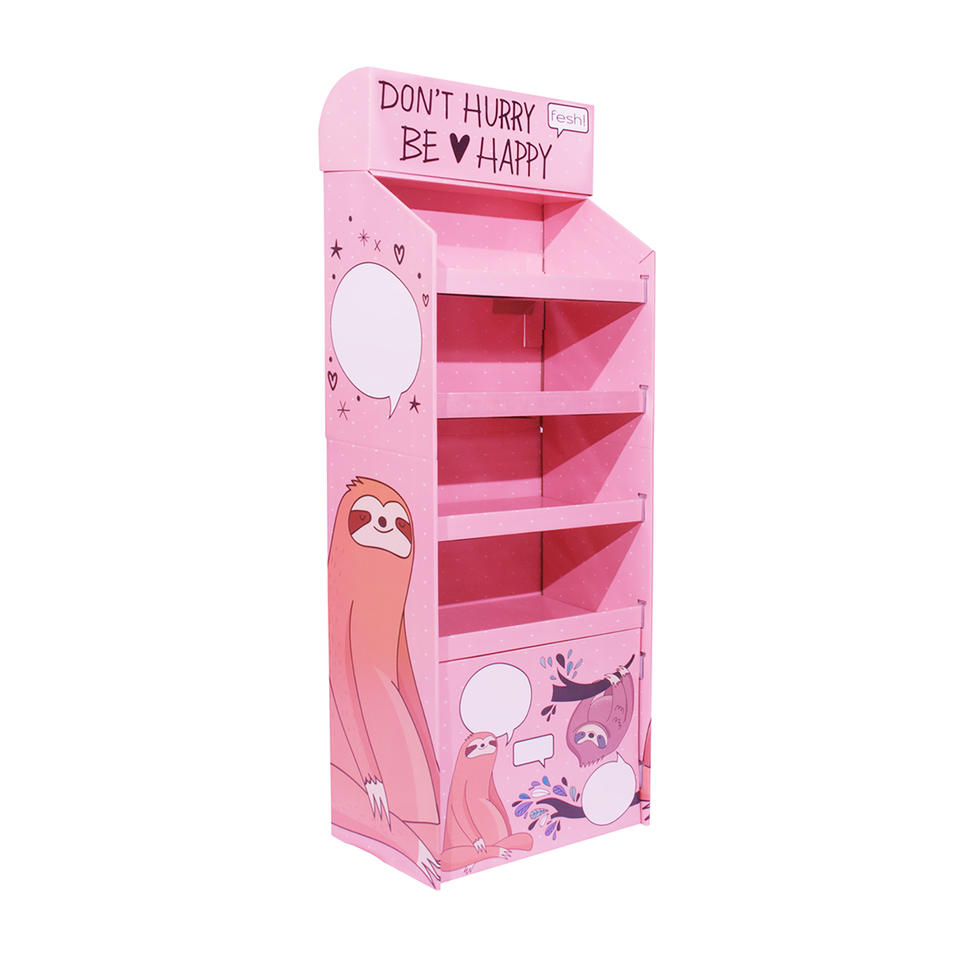
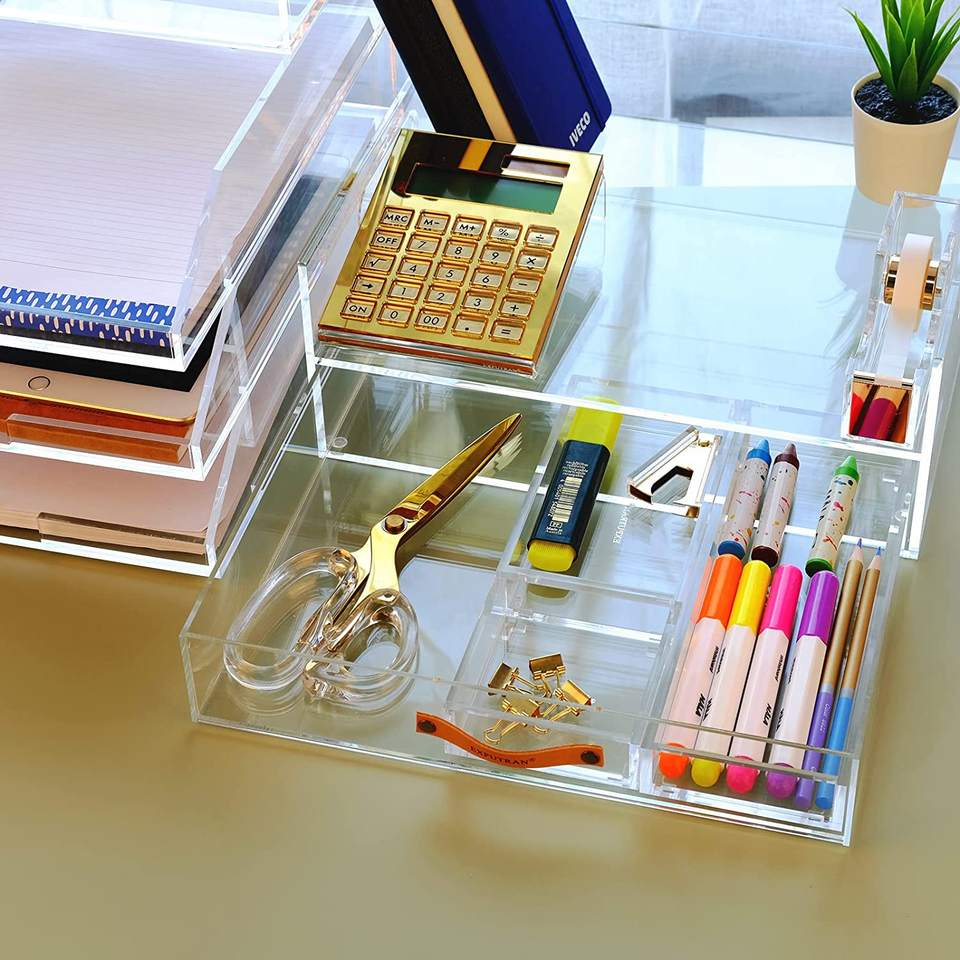
Maximize visual impact with cardboard display stands. See how high-ECT corrugated boards, flat-pack logistics, and rapid lock tabs lower marketing costs.
2026/10/30
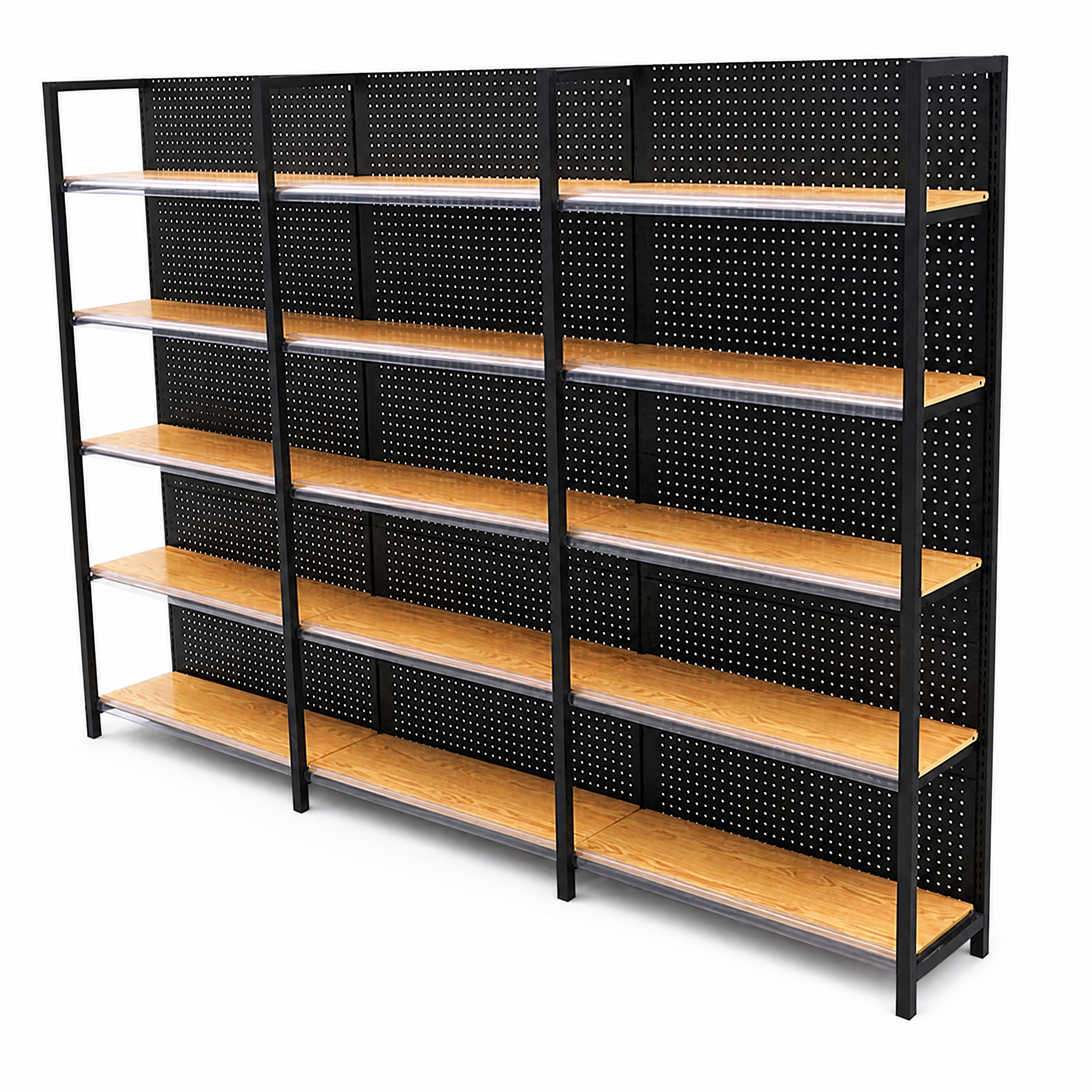
Elevate unboxing with a custom display box. Learn how rigid greyboards, G7-certified litho-printing, and high-density EVA foam protect premium goods.
2026/10/30
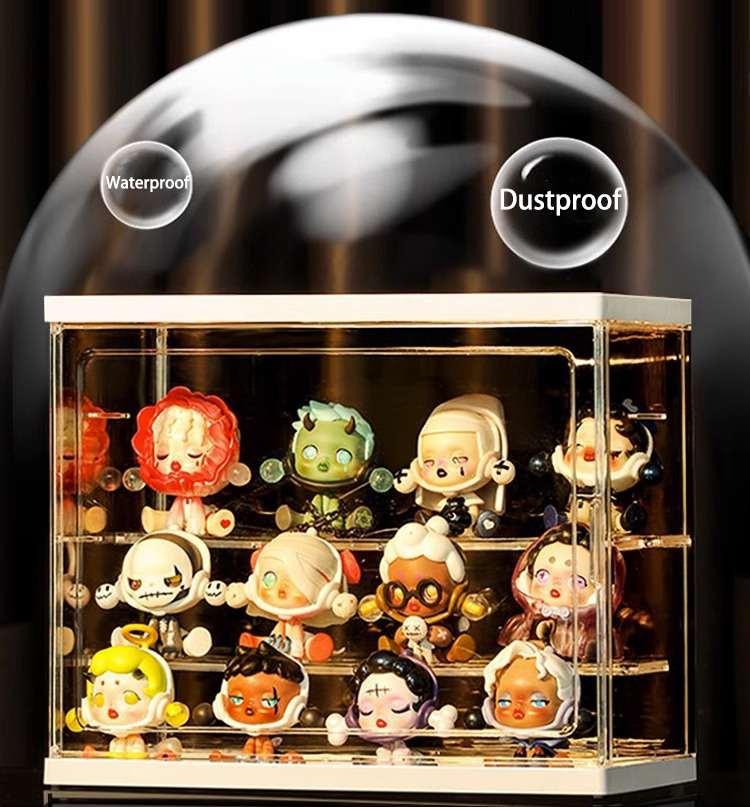
Optimize product flow with a heavy-duty Display Rack. Learn how cold-rolled Q235 steel frames, teardrop locks, and gravity flow decks cut pick times.
2026/10/30
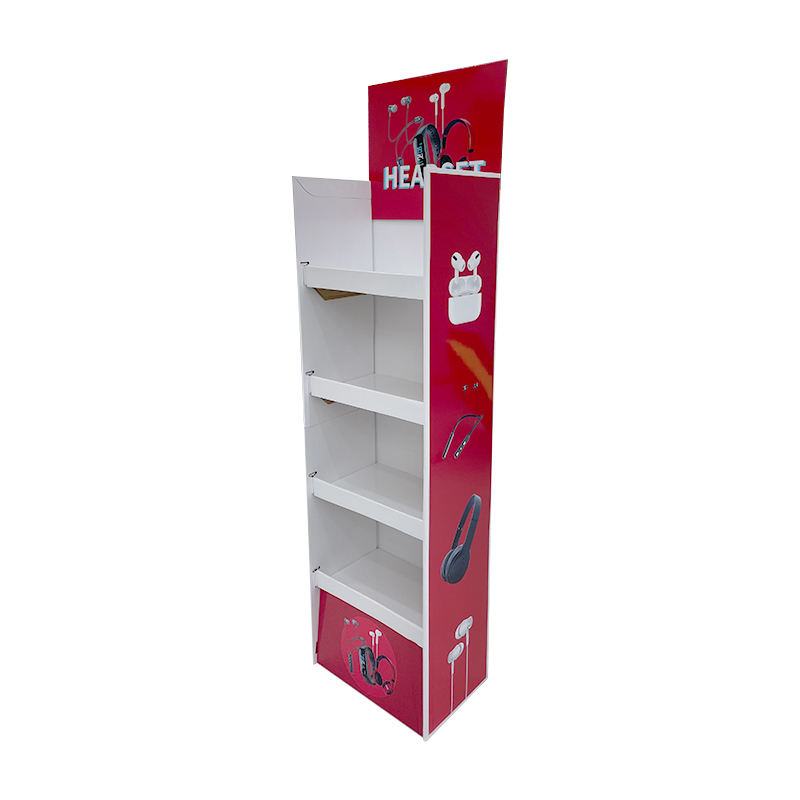
Secure premium micro-goods with countertop display case units. See how diamond-polished cast acrylic and magnetic lock latches boost impulse sales.
2026/10/30
Boost retail sales with sustainable carton displays. Learn how FSC corrugated boards and eco-friendly soy inks cut carbon footprints and waste fees.
Follow our brand-latest updates, including key-client cooperation, trade-fair activities and daily-life snapshots of our factory-team.

Enhance the retail experience with custom makeup display stands, providing both functionality and modern aesthetics for cosmetic brands.

Upgrade your products’ shelf appeal and protection with innovative gift box packaging designed for cosmetics, electronics, and accessories.

Promote your brand with advertising display racks, featuring flexible configurations for showrooms, events, and point-of-sale promotions.
Comprehensive design, prototyping, and logistics for global custom display stand demands

Communicate your display size, material, structure, brand logo and store-scene requirements.
Produce renderings and structural drawings, optimize shelf layout, dooropening style and detailstructure.

Make physical prototype, test stability, appearance and assembly effect, modify details as your feedback.

Start formal mass-production after sample approval, strictly control quality, packaging and delivery cycle.