EN
Requirement Consultation
Communicate your display size, material, structure, brand logo and store-scene requirements.

2026/09/23
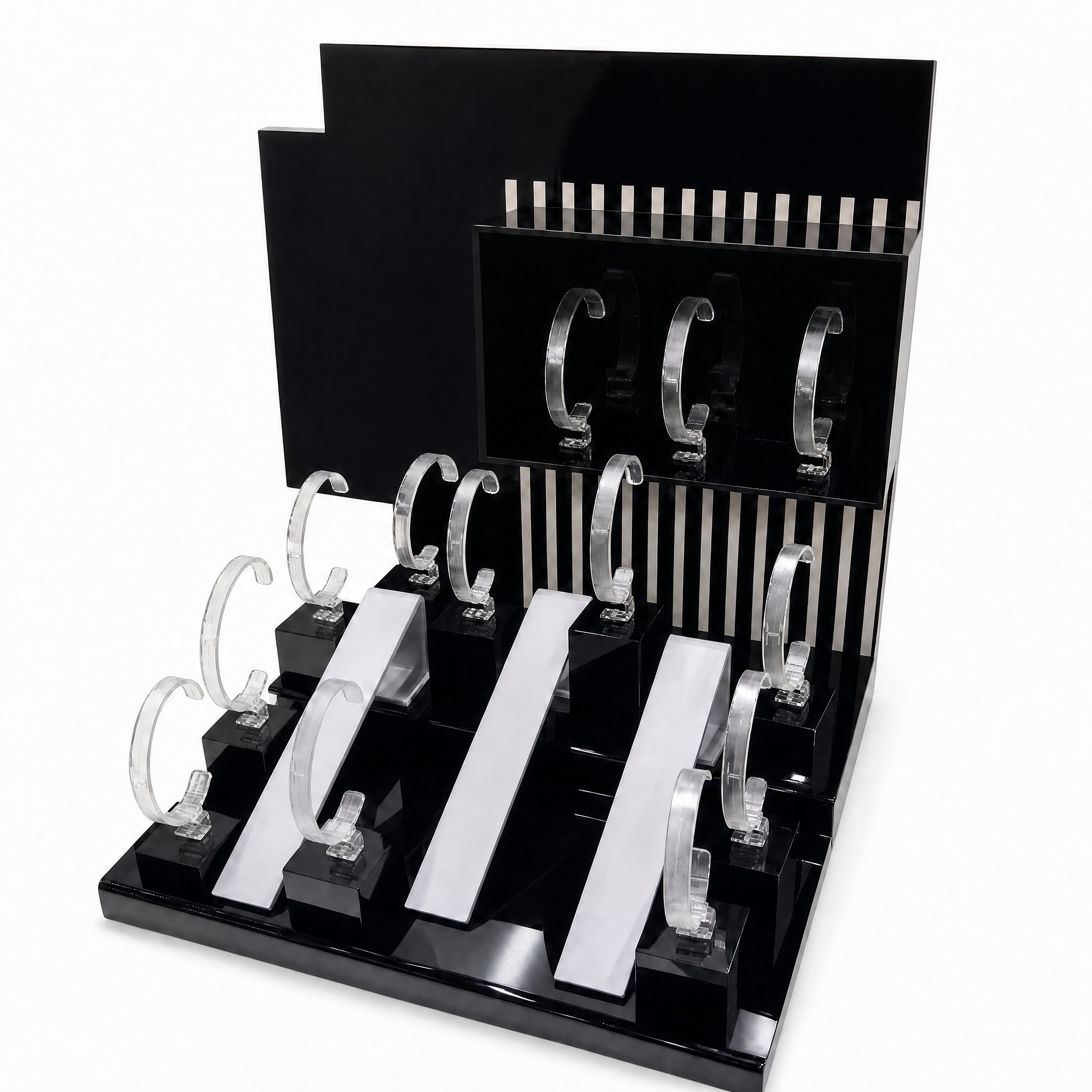
Market trading has a physical reality that showroom catalogs quietly ignore. Booth space is often capped at three meters by three, aisles are narrow, and everything on site travels there and back inside one vehicle. Vendor display stands that look efficient on a floor plan become liabilities when one trader unloads them alone before sunrise and packs them up after dark. Heavy welded vendor display stands scratch vehicle interiors, burn extra fuel, and break a seller's back rather than a sales record. That is why vendor display stands built for markets emphasize folded dimensions, manageable piece weight and fast deployment far more than showroom drama. A trader whose vendor display stands set up unaided starts selling early and catches the morning crowd, and that crowd is where the day's turnover gets made. Compact display stands that respect those limits earn their place, while market display stands that ignore them end up as clutter in a garage, and market display stands bought on looks alone go back there first, usually after a summer of regret. Portable display stands chosen for a real van, not a brochure, last longest.
A small footprint does not have to mean small capacity for compact display stands. Effective compact display stands use vertical stacking, staggered shelf depths and side wings to multiply usable surface inside the same ground area. A folding steel frame with a counterweighted base carries one hundred kilograms while occupying under half a square meter, which is what market display stands buyers actually need, and knock-down joints let one frame split into smaller vendor display stands when a booth runs tight. Corrugated honeycomb panels handle lighter goods on compact display stands, ship flat and cost little to replace after a trolley hit. Hinges are where cheap fixtures betray their owners, since stamped hinges on market display stands loosen within a season while riveted hardware on vendor display racks holds alignment through hundreds of cycles. Choosing portable display stands comes down to honest answers about payload and cycle count. A vendor display rack with a weighted foot usually outlives three lighter rivals, while compact display stands with reinforced bases beat prettier alternatives, and compact display stands that fold flat load in one lift instead of four trips.
A market day is short, and vendor display stands decide how much of it gets spent selling. Setup of vendor display stands has to happen inside a forty-five minute window, and takedown happens when everyone is tired. Vendor display stands that assemble without tools and lock with one hand action protect that schedule. A workable benchmark for portable display stands: one person raises the whole stall in under twenty minutes, banner and lighting included. This is where a vendor display rack with an integrated cart earns its keep, and a vendor display rack on casters does the same, because both move as one piece rather than twelve loose parts. Vendor display stands labeled and photographed after a trial run get rebuilt in the right order every weekend, and vendor display stands that pack in one motion get handled carefully at the end of a long day. Shaving ten minutes off setup on portable display stands improves presentation too, simply because nobody is rushing through it, and portable display stands with one-piece folding are the reason that ten minutes exists.
Outdoor trading is an engineering problem as much as a merchandising one. Wind loading is the main failure mode, since light canopies and tall market display stands tip in a gust, so market display stands need low centers of gravity, weighted bases and tie-down points anchored into the stall frame. Sun degrades ordinary plastics on vendor display stands and portable display stands quickly, which is why UV-stabilized acrylic and powder-coated steel hold their appearance through a full season of weekends, and why printed graphics should be laminated. Dew and sudden rain destroy untreated cardboard on market display stands, so moisture-resistant coating and raised feet matter on the exposed market display stands and portable display stands stored outdoors. Security is equally practical. A lockable vendor display stand keeps higher-value stock safe overnight in a vehicle, and a vendor display rack with internal cable channels keeps lighting tidy. Market display stands that plan for weather last longer, and market display stands that ignore wind end up as dented scrap by autumn, while compact display stands stored dry survive the winter too.
Market trade sits at the center of many local economies, and the operational numbers behind vendor display stands stay surprisingly consistent. Covered space per trader usually hovers near nine square meters, which makes every centimeter of vertical display valuable. Traders moving from flat trestle tables to tiered portable display stands typically report that visible stock on the same footprint rises by more than half, with average transaction value following, the strongest argument compact display stands have. Repair records tell a similar story: cheap imported vendor display racks average one structural failure per season, while riveted compact display stands commonly run two to three years without attention. Vendor display stands that present identically every week also build recognition faster, because repeat customers buy from stalls they can navigate without thinking. For weekend traders, market display stands and compact display stands are rarely about looks first, since compact display stands with visible stock stacked higher sell more per meter, and market display stands chosen for setup speed outsell the alternatives, which is why market display stands buyers stop shopping on price alone.
Buying compact display stands usually involves a chain of distributors, and each link adds margin plus delay when something needs replacing mid-season. Guangzhou Yishengyuan Display Supplies Co., Ltd manufactures vendor display stands directly, operating an 8,000 square meter workshop in Guangzhou with metal bending, CNC cutting, laser engraving, UV printing and LED assembly on site. The factory has produced vendor display stands and market display stands since 2016 for buyers in the United States, Europe, the Middle East and Southeast Asia, working from single prototypes through bulk programs, with structural drawings and physical samples, including portable display stands prototyped in days, provided before any volume commitment. Export compliance for vendor display stands covers FSC, ISO, CE and RoHS documentation, shipments run on FOB, CIF or DDP terms, and bulk lead times for vendor display stands typically land between fifteen and twenty-five days. Compact display stands and portable display stands bought straight from the source skip resellers and shorten the loop between a good idea and a stall full of stock, and a vendor display rack specced properly outlasts several cheap replacements, which is what vendor display stands buyers in any market eventually learn, and what makes vendor display stands worth specifying twice.
2026/10/30
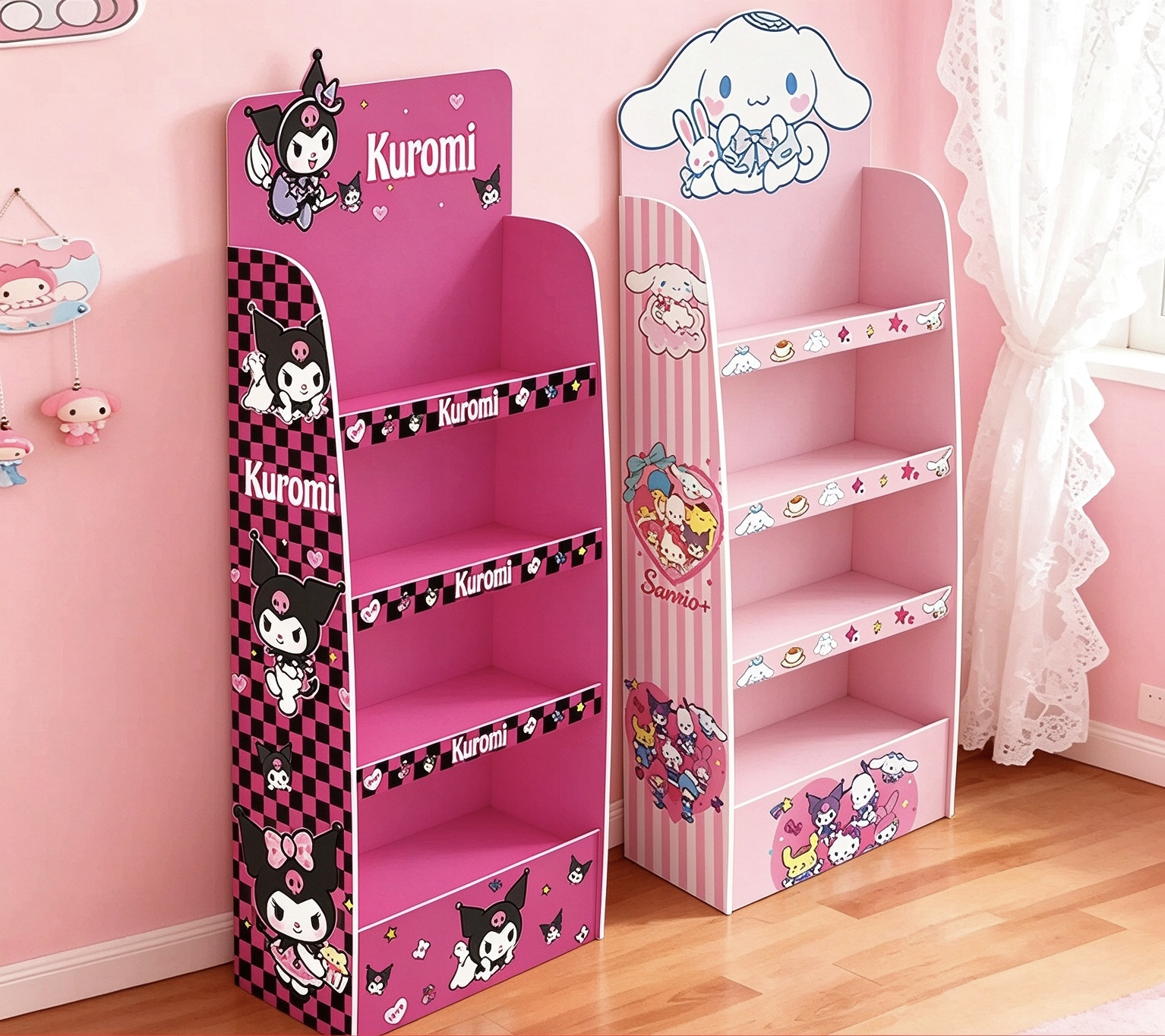
Elevate store environments with custom retail store displays. Learn how hybrid steel, cast acrylic, and wood fixtures build brand image and sales.
2026/10/30
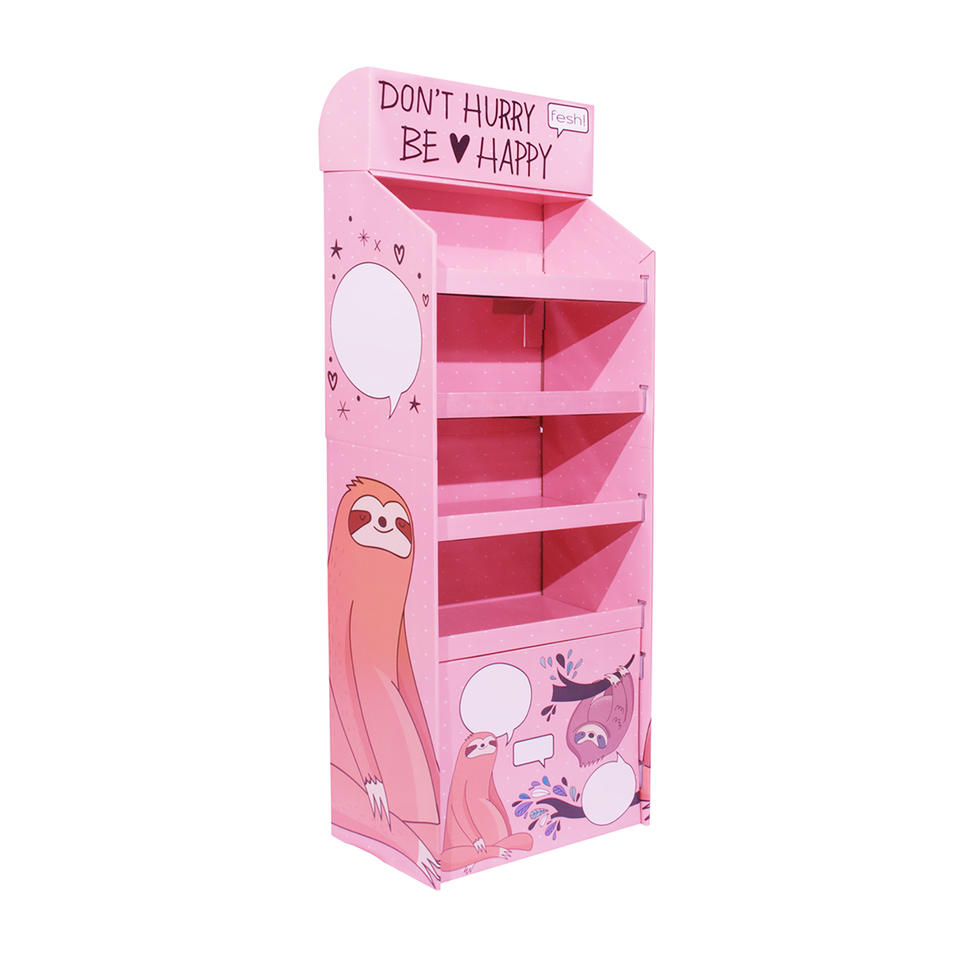
Maximize visual impact with cardboard display stands. See how high-ECT corrugated boards, flat-pack logistics, and rapid lock tabs lower marketing costs.
2026/10/30
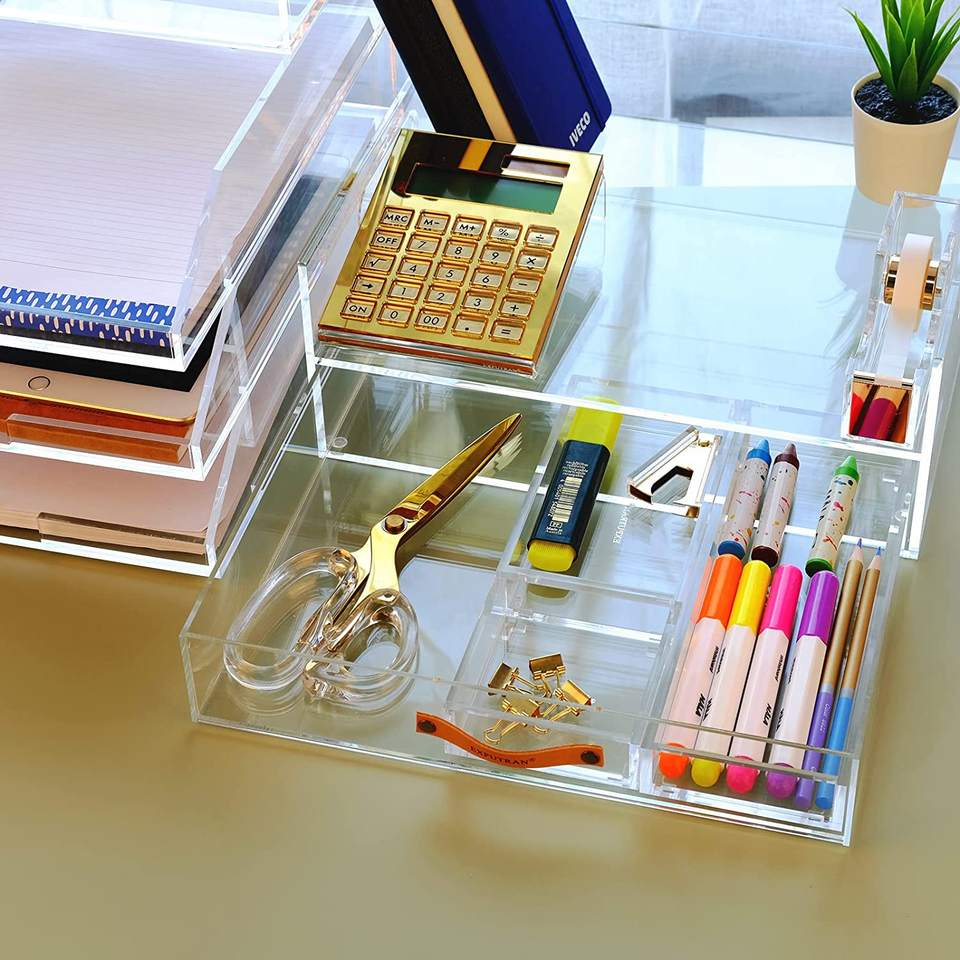
Elevate unboxing with a custom display box. Learn how rigid greyboards, G7-certified litho-printing, and high-density EVA foam protect premium goods.
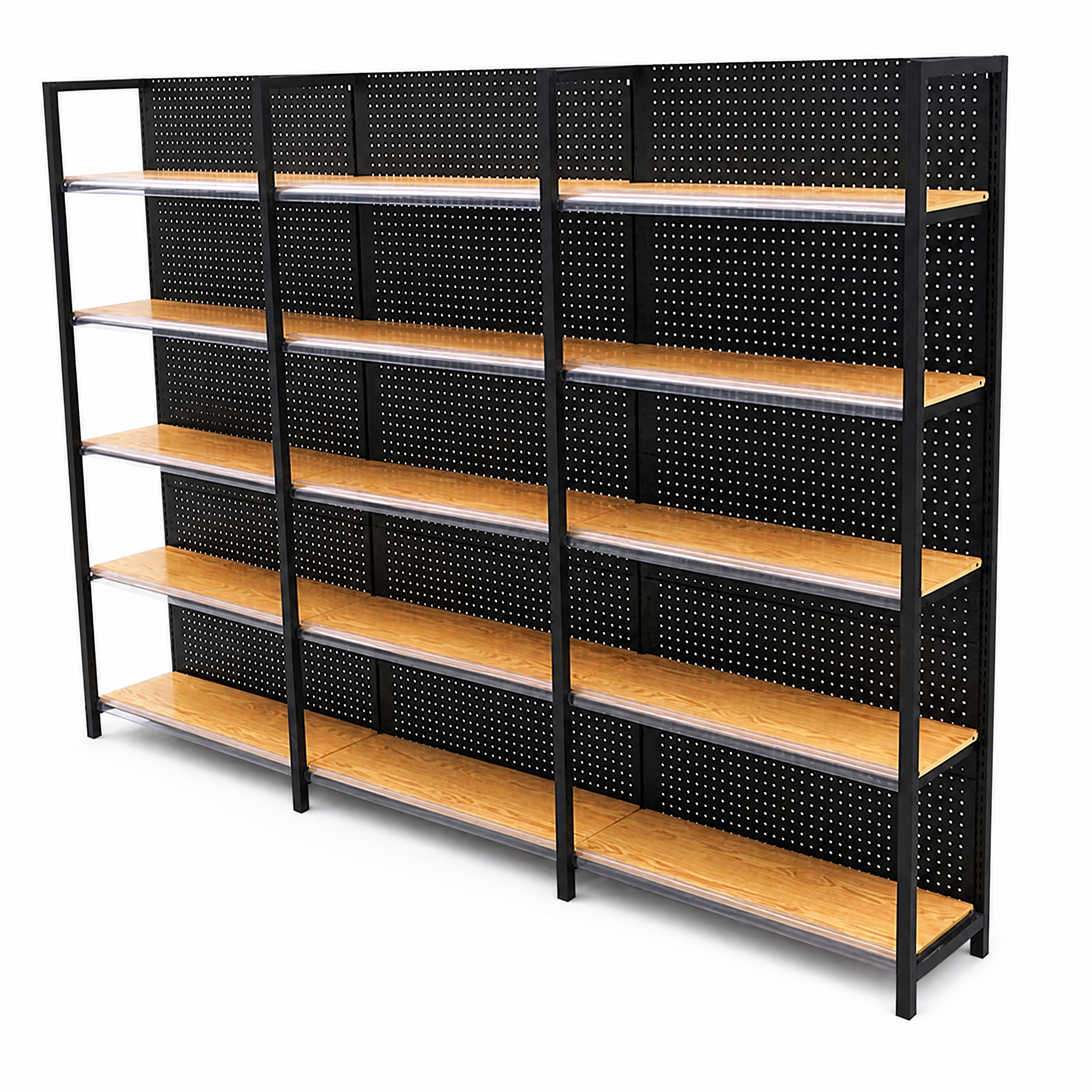
2026/10/30
Optimize product flow with a heavy-duty Display Rack. Learn how cold-rolled Q235 steel frames, teardrop locks, and gravity flow decks cut pick times.
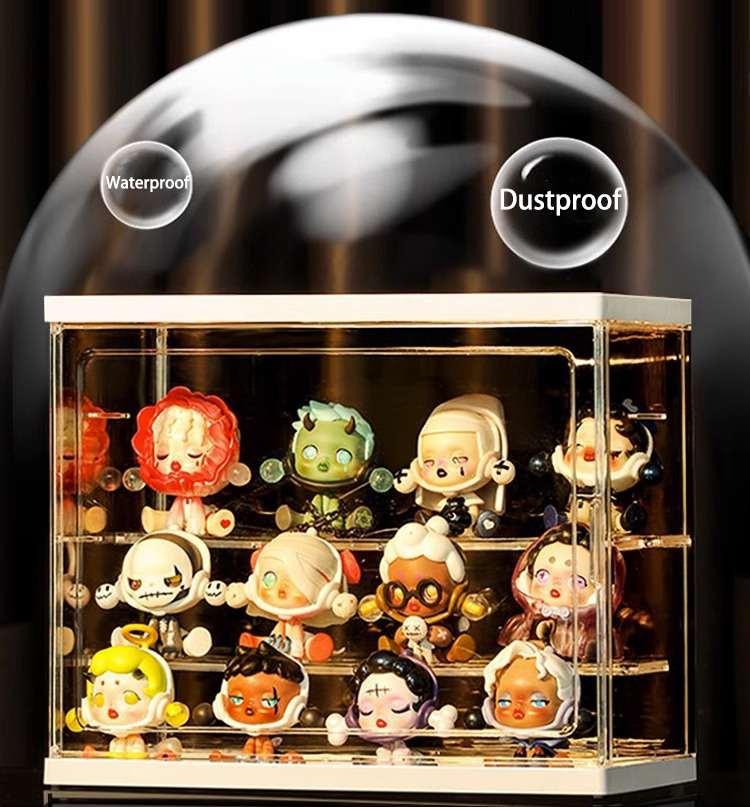
2026/10/30
Secure premium micro-goods with countertop display case units. See how diamond-polished cast acrylic and magnetic lock latches boost impulse sales.
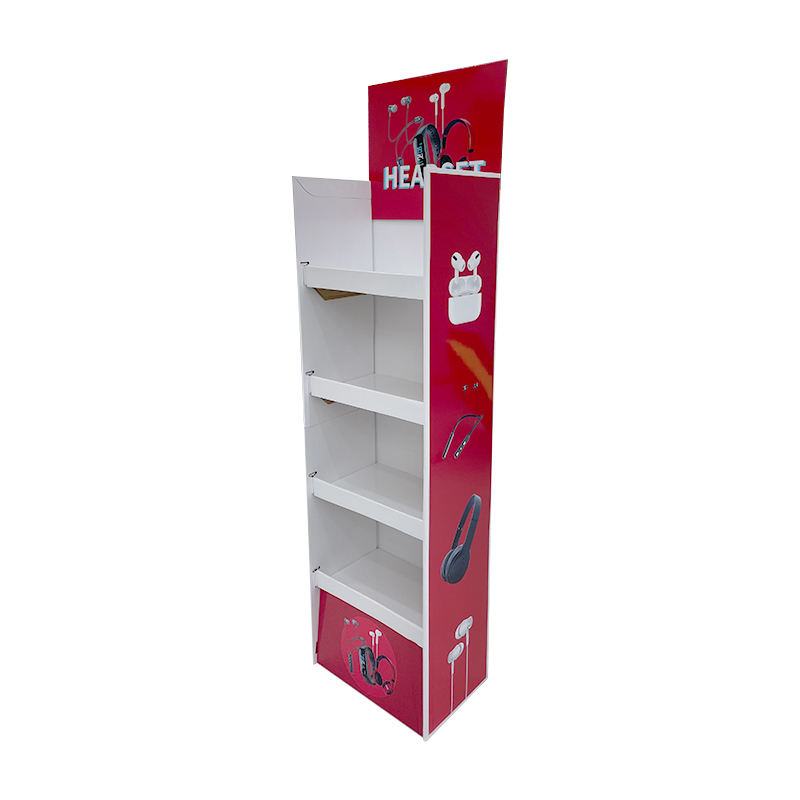
2026/10/30
Boost retail sales with sustainable carton displays. Learn how FSC corrugated boards and eco-friendly soy inks cut carbon footprints and waste fees.
Follow our brand-latest updates, including key-client cooperation, trade-fair activities and daily-life snapshots of our factory-team.

Enhance the retail experience with custom makeup display stands, providing both functionality and modern aesthetics for cosmetic brands.

Upgrade your products’ shelf appeal and protection with innovative gift box packaging designed for cosmetics, electronics, and accessories.

Promote your brand with advertising display racks, featuring flexible configurations for showrooms, events, and point-of-sale promotions.
Comprehensive design, prototyping, and logistics for global custom display stand demands

Communicate your display size, material, structure, brand logo and store-scene requirements.

Produce renderings and structural drawings, optimize shelf layout, dooropening style and detailstructure.

Make physical prototype, test stability, appearance and assembly effect, modify details as your feedback.

Start formal mass-production after sample approval, strictly control quality, packaging and delivery cycle.