EN
Requirement Consultation
Communicate your display size, material, structure, brand logo and store-scene requirements.

2026/10/27
Event marketing managers know that the real budget killer at trade shows, product launch tours, and seasonal pop-up activations is rarely the booth space itself—it is logistics and labor. Convention centers routinely charge exorbitant drayage fees calculated per hundredweight just to move heavy wooden crates from the loading dock to the booth carpet, and union rigging crews bill triple overtime when setup runs past five o'clock. Bringing in modular cardboard stands flips that cost equation upside down. Because engineered corrugated fixtures weigh eighty percent less than medium-density fiberboard or steel racks, a brand ambassador can carry three flat-packed event cardboard displays in the trunk of a compact rental car and walk them straight through the front doors. Instead of waiting hours for forklifts and power drills, field marketers pop open pre-creased folding panels and lock tab-and-slot joints together by hand in under five minutes. That agility makes cardboard stands the ultimate rapid-deployment weapon for multi-city promotional events.
Across modern experiential marketing, cardboard stands serve five distinct operational roles on the event floor. First, free-standing display units sit at booth entry points to hold take-away product samples, catalogs, and promotional swag bags at comfortable hand height. Second, heavy-duty corrugated dump bins stationed along festival walkways handle high-volume grab-and-go items like bottled beverages, snack bars, or festival wristbands. Third, life-size die-cut promotional cardboard standees placed near registration desks act as selfie magnets, encouraging attendees to snap photos next to brand mascots or celebrity ambassadors and share them across social media feeds. Fourth, corrugated podiums and counter towers create instant demo stations for tablet lead-capture forms or QR code prize wheels. Finally, interlocking modular cardboard walls form full-scale geometric backdrops for press conferences and VIP lounges, proving that corrugated retail stands can anchor everything from a two-square-meter sampling table to an entire island booth.
Skeptical procurement officers sometimes wonder how paper-based fixtures survive a packed three-day convention without buckling under heavy merchandise. The secret lies in structural flute geometry and Edge Crush Test ratings. Commercial cardboard stands are never built from flimsy single-wall shipping carton stock; instead, structural engineers combine high-density E-flute and B-flute corrugated sheets into double-wall EB-flute laminates or sixteen-millimeter hexagonal honeycomb core boards. When vertical flutes align parallel to gravity columns and lock into folded triangular support ribs underneath each tray, a cardboard floor display weighing just four kilograms easily supports fifty to sixty kilograms of canned drinks or hardcover books. For higher load demands, hidden internal steel support rods slide unobtrusively through the corrugated flutes underneath the shelves. Adding a Biaxially Oriented Polypropylene gloss or matte lamination film over the outer linerboard seals the event cardboard displays against spilled coffee, rainy outdoor tent humidity, and damp venue mop water.
Field campaign metrics prove how versatile corrugated engineering performs under high-traffic event conditions. A European functional beverage brand launching an electrolyte drink across twenty summer music festivals needed three hundred weather-resistant sampling stations that temporary student staff could build in ten minutes and discard cleanly after Sunday night teardown. By deploying hexagonal cardboard stands printed with neon UV-cured inks and coated in water-repellent polypropylene film, each stand held forty-eight chilled cans plus an ice bucket topper without softening. Festival sampling interactions jumped forty-four percent over standard folding tables, and zero return shipping costs saved the marketing budget twenty-two thousand euros. In the corporate sector, a Silicon Valley software company replaced aluminum pop-up banners at an international developer summit with modular honeycomb cardboard floor display towers featuring embedded tablet cutouts. The recyclable architecture resonated strongly with sustainability-minded tech attendees, increasing booth badge scans by thirty-three percent.
Beyond weight and structural strength, cardboard stands give graphic designers an unbroken, edge-to-edge billboard canvas that metal wire and plain plastic simply cannot match. Large-format offset lithographic presses and industrial digital inkjet printers apply photorealistic CMYK imagery, metallic foil stamping, and spot UV varnishes directly onto the clay-coated outer liner before die-cutting. Every header card, side wing, and base kickplate on promotional cardboard standees can carry hyper-targeted event hashtags, booth numbers, or localized language copy for different regional tour stops. Just as compelling is the end-of-event sustainability story. Major European and North American exhibition organizers now penalize exhibitors who leave landfill waste behind after teardown. Because corrugated retail stands use water-based inks and biodegradable starch adhesives, field teams simply flatten the used units at the close of the event and drop them directly into the venue's commercial paper recycling stream—achieving a 100 percent zero-landfill footprint while eliminating off-season warehouse storage fees.
Event marketing calendars leave zero room for manufacturing delays; missing a trade show opening day by twenty-four hours renders an entire batch of promotional fixtures useless. YSY Display bridges the gap between creative agency concepts and on-time venue delivery through an integrated structural design and high-speed production workflow. Using CAD structural modeling and automated Kongsberg digital cutting tables, engineers at YSY Display turn product dimensions into a physical load-tested white sample of custom cardboard stands within forty-eight hours. Whether an activation requires fifty digitally printed promotional cardboard standees for a VIP press event or ten thousand litho-laminated cardboard floor display units distributed simultaneously to global retail launch partners, YSY Display manages every step in-house. Each unit ships flat or pre-assembled inside master cartons with pictorial instruction sheets, ensuring event teams spend less time wrestling with hardware and more time closing deals on the show floor.
2026/10/30
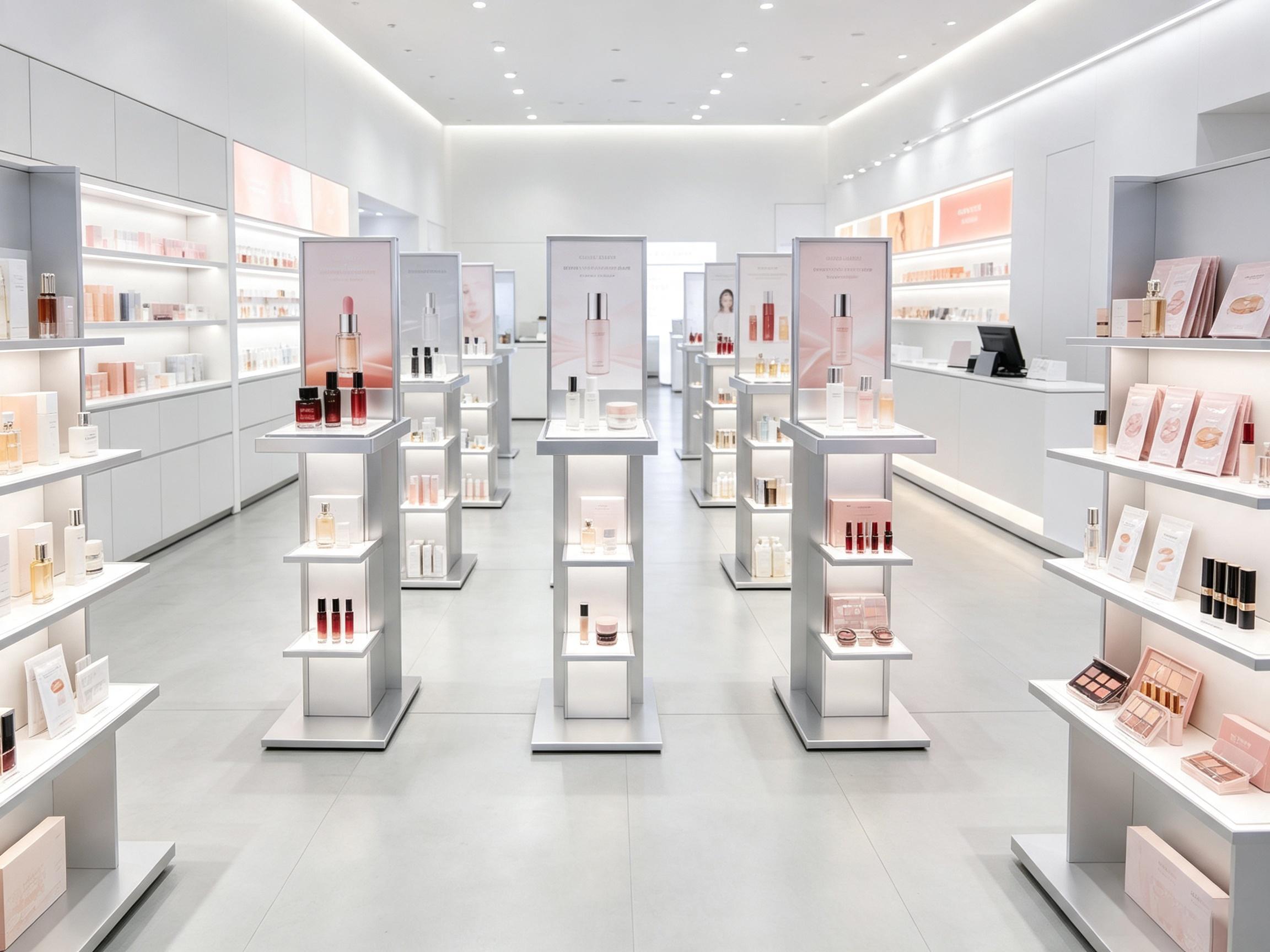
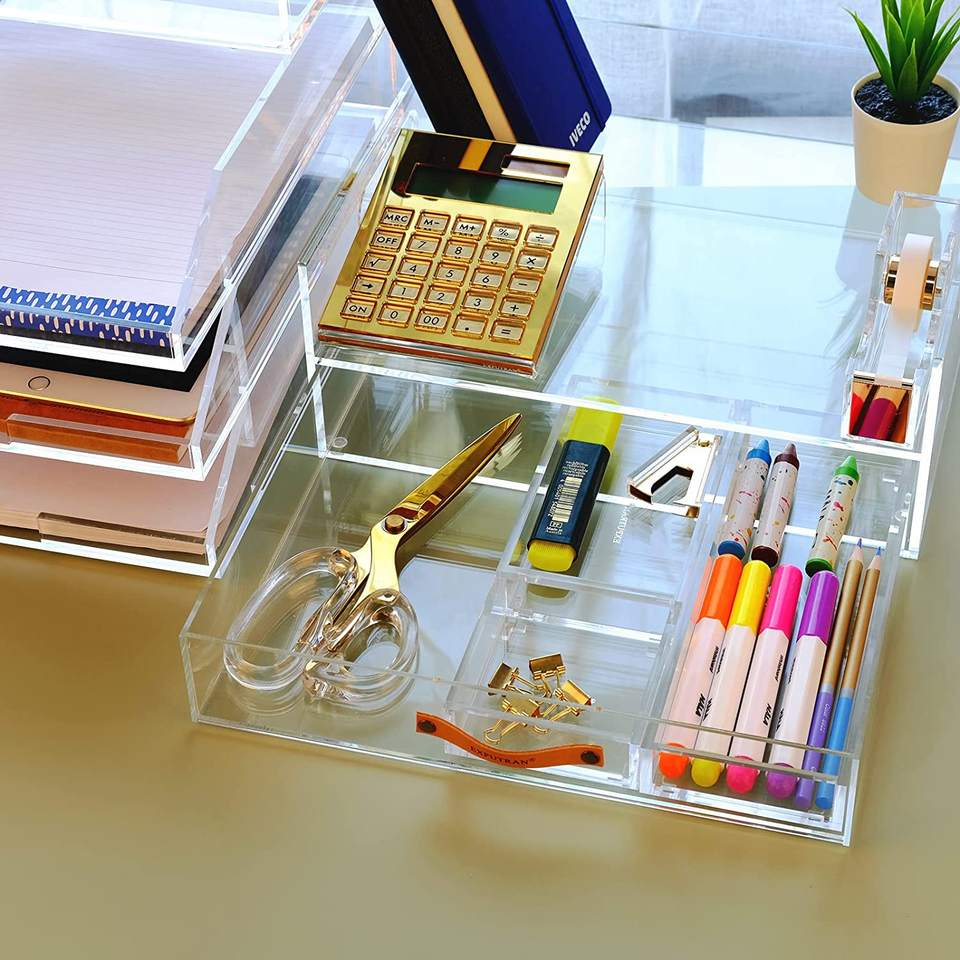
Elevate store environments with custom retail store displays. Learn how hybrid steel, cast acrylic, and wood fixtures build brand image and sales.
2026/10/30
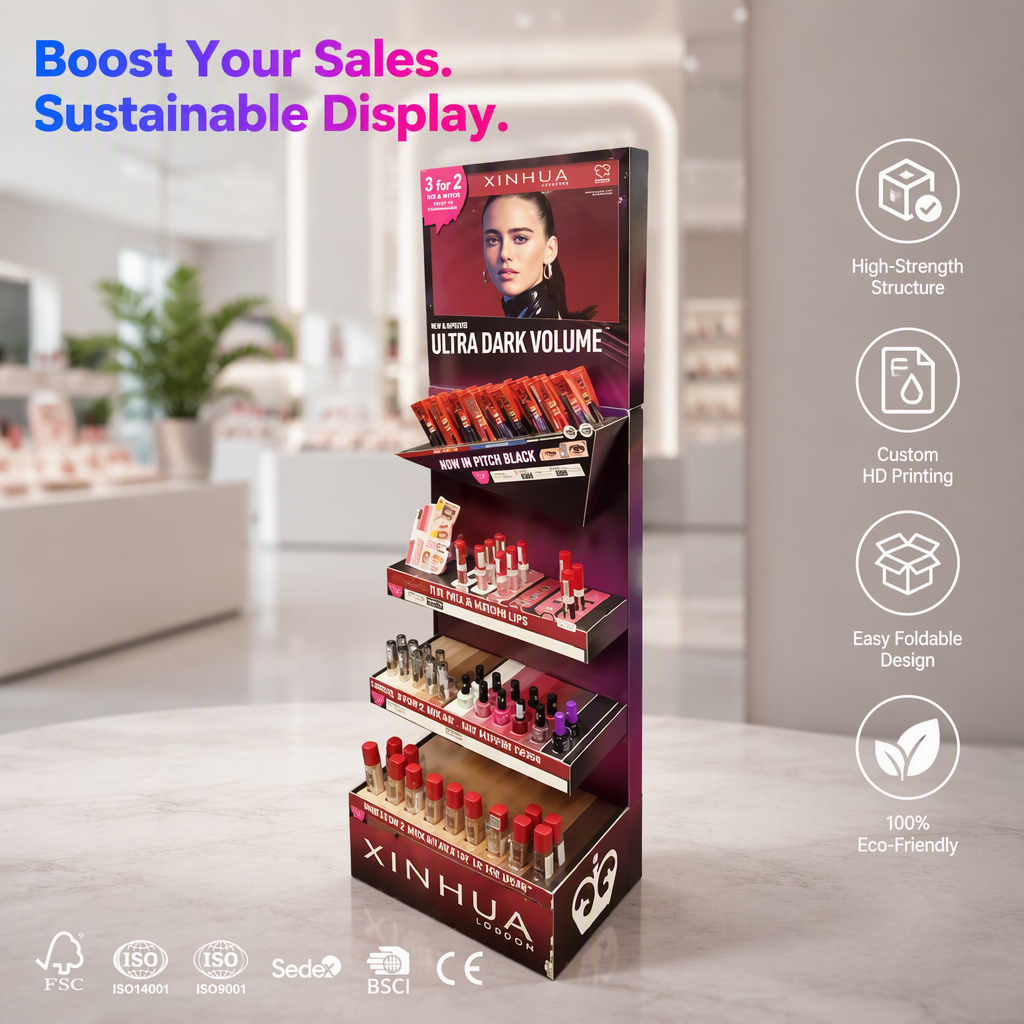
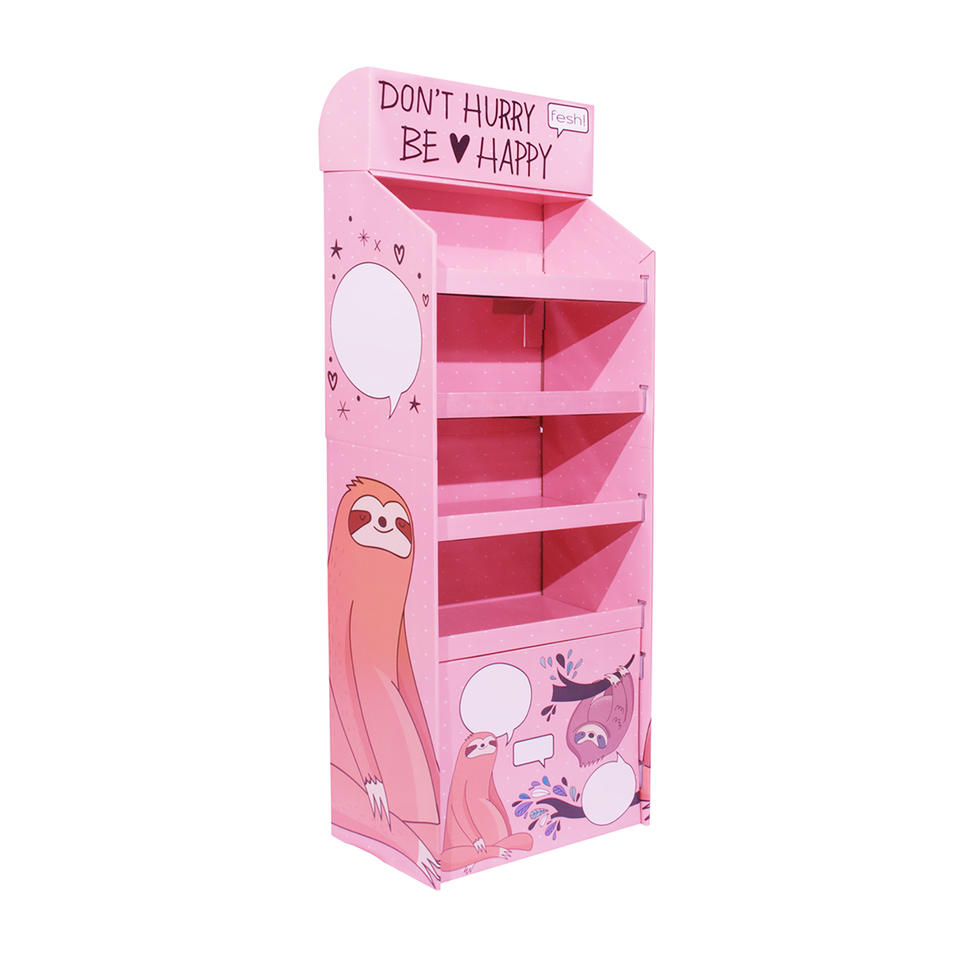
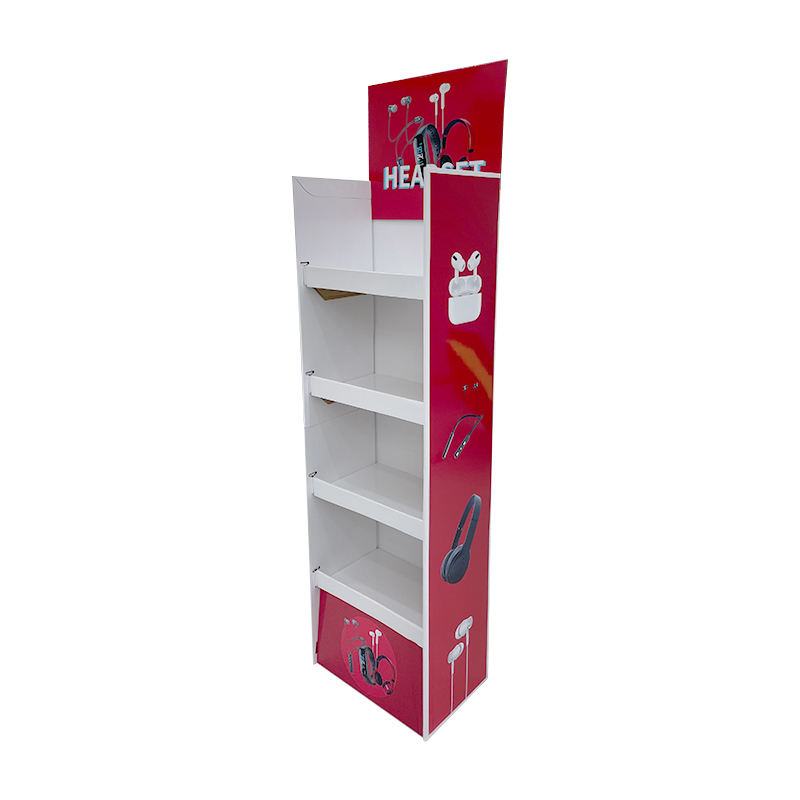
Maximize visual impact with cardboard display stands. See how high-ECT corrugated boards, flat-pack logistics, and rapid lock tabs lower marketing costs.
2026/10/30
Elevate unboxing with a custom display box. Learn how rigid greyboards, G7-certified litho-printing, and high-density EVA foam protect premium goods.
2026/10/30
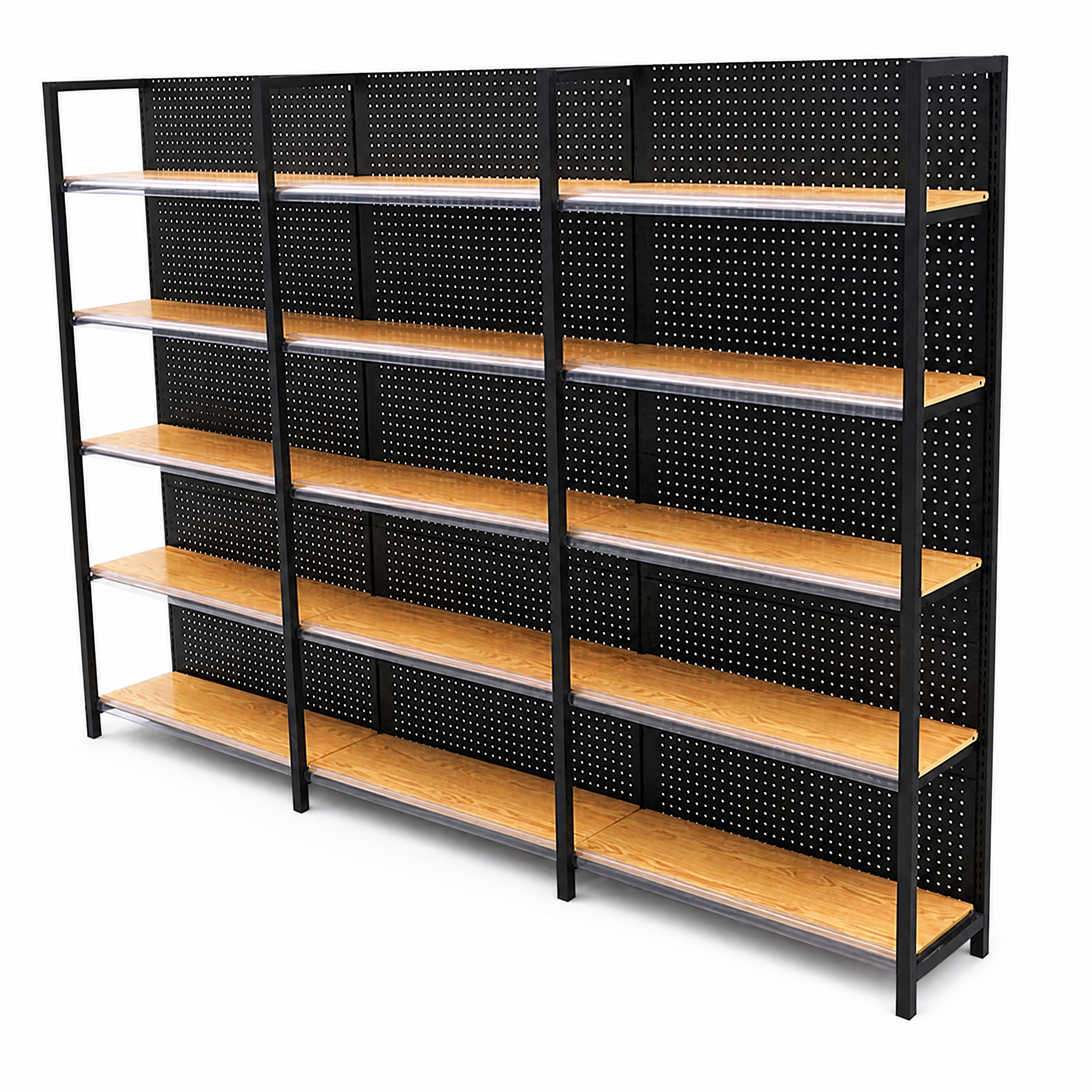
Optimize product flow with a heavy-duty Display Rack. Learn how cold-rolled Q235 steel frames, teardrop locks, and gravity flow decks cut pick times.
2026/10/30
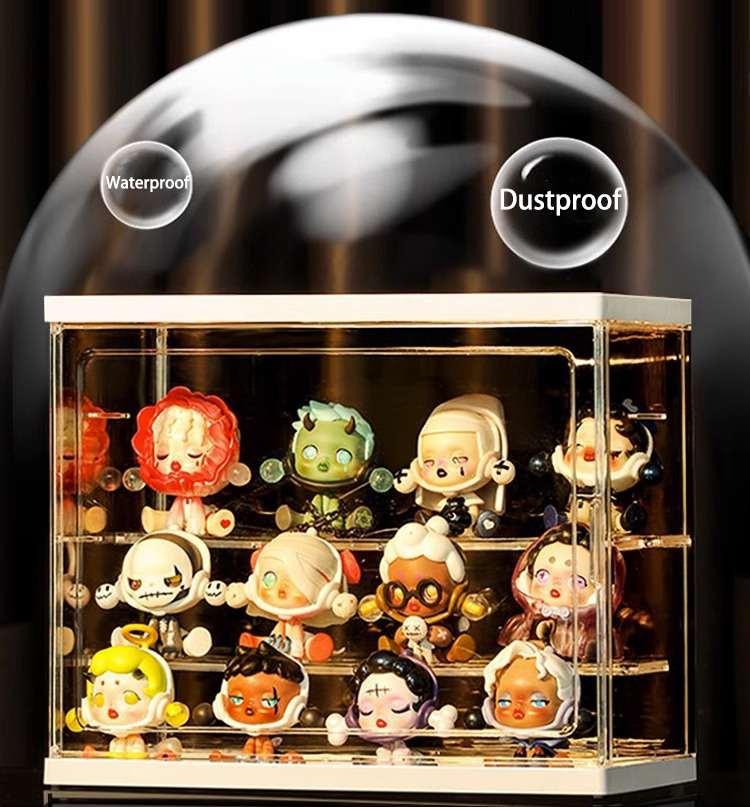
Secure premium micro-goods with countertop display case units. See how diamond-polished cast acrylic and magnetic lock latches boost impulse sales.
2026/10/30
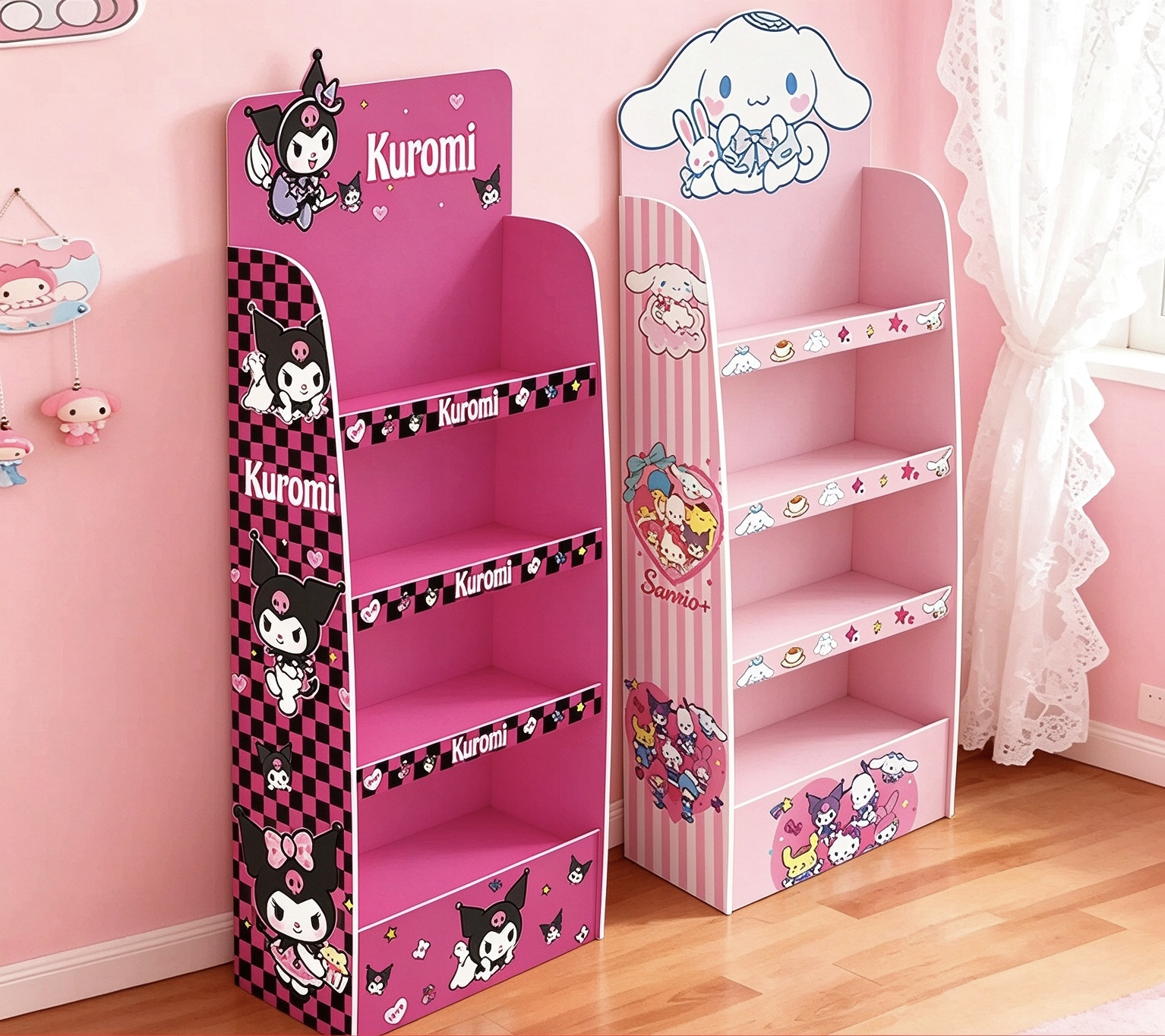
Boost retail sales with sustainable carton displays. Learn how FSC corrugated boards and eco-friendly soy inks cut carbon footprints and waste fees.
Follow our brand-latest updates, including key-client cooperation, trade-fair activities and daily-life snapshots of our factory-team.

Enhance the retail experience with custom makeup display stands, providing both functionality and modern aesthetics for cosmetic brands.

Upgrade your products’ shelf appeal and protection with innovative gift box packaging designed for cosmetics, electronics, and accessories.

Promote your brand with advertising display racks, featuring flexible configurations for showrooms, events, and point-of-sale promotions.
Comprehensive design, prototyping, and logistics for global custom display stand demands

Communicate your display size, material, structure, brand logo and store-scene requirements.
Produce renderings and structural drawings, optimize shelf layout, dooropening style and detailstructure.

Make physical prototype, test stability, appearance and assembly effect, modify details as your feedback.

Start formal mass-production after sample approval, strictly control quality, packaging and delivery cycle.