EN
Requirement Consultation
Communicate your display size, material, structure, brand logo and store-scene requirements.
2026/10/25
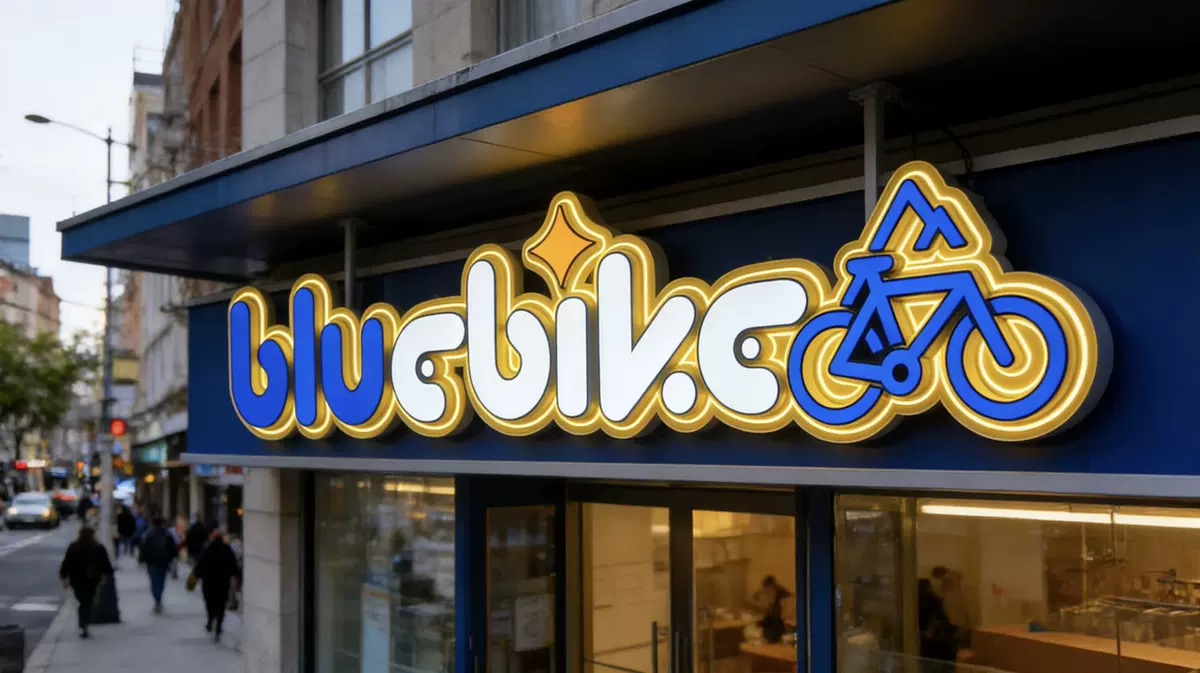
Commercial storefronts, hospitality lounges, and modern retail interiors rely on striking visual focal points to attract customer foot traffic and build brand identity. Marketing executives and store designers frequently investigate what are the features of a custom neon logo when designing atmospheric retail spaces. Static, unlit acrylic logos often blend into crowded commercial walls, failing to capture consumer attention during evening shopping hours. Introducing an engineered custom neon logo creates bright luminous contrast that cuts through visual clutter, drawing customer eyes directly toward brand signage. The vibrant glow of modern illuminated signs turns plain interior walls into photogenic backdrops that encourage organic social media sharing. Understanding custom neon logo features helps retail buyers evaluate illumination uniformity, electrical safety, and architectural mounting options. Modern commercial illuminated logos convey contemporary energy, reassuring visitors of a business's creative vitality. Sourcing signs built on precision-milled acrylic backplate neon signs ensures that illuminated brand emblems maintain sharp structural geometry. Selecting a dependable LED neon flex logo allows brands to build memorable visual identities that stand out across busy retail environments.
A defining technical evolution in illuminated signage is the transition from traditional glass neon to solid-state LED silicone technology. Analyzing what are the features of a custom neon logo requires comparing fragile gas-discharge tubes with modern flexible polymer tubing. Traditional glass neon signs utilize high-voltage electric currents passing through toxic inert gases inside fragile hand-blown glass tubes. These traditional units consume substantial electrical power, generate unwanted heat, buzz loudly, and pose severe fire hazards if fractured. In contrast, modern custom neon logo fixtures utilize low-voltage LED neon flex manufactured from flexible, UV-stabilized silicone or PVC extrusions. When examining core custom neon logo features, solid-state LED flex delivers impact resistance, silent operation, and long lifespans exceeding fifty thousand operating hours. Advanced LED neon flex logo units incorporate densely packed surface-mount diodes that emit continuous, dot-free illumination through translucent silicone diffusers. Sourcing these durable commercial illuminated logos eliminates glass breakage risks during shipping and store installation. Mounted onto rigid acrylic backplate neon signs, modern LED neon signs provide bright, consistent color illumination while lowering operating energy consumption.
The structural stability and dimensional accuracy of neon signage depend directly upon precision backplate engineering. Exploring what are the features of a custom neon logo involves examining the acrylic mounting substrates that support the illuminated tubing. Flimsy backing boards bend under thermal changes, misaligning silicone tubing and causing unsightly structural distortion. A high performance custom neon logo utilizes cast virgin acrylic backplates with thicknesses between five and eight millimeters to provide structural rigidity. In the context of custom neon logo features, automated CNC routers carve precise contoured channels or offset silhouette perimeters directly into optical acrylic panels. This precision routing ensures that each LED neon flex logo follows complex brand typography and intricate logos with tight dimensional tolerances. Commercial buyers choose between flame-polished clear backplates that disappear against wall surfaces, mirror acrylic backings that amplify luminous reflections, and solid matte black panels that maximize color contrast. High quality commercial illuminated logos feature pre-drilled standoff mounting holes and aircraft wire hanging kits, enabling fast installation. Rugged acrylic backplate neon signs provide a durable foundation that maintains sign shape over years of use.
Operating electrical signage in commercial public spaces requires strict adherence to international electrical safety regulations. Evaluating what are the features of a custom neon logo involves reviewing operating voltages, power supply certifications, and thermal output metrics. Traditional glass neon systems require dangerous high-voltage transformers operating between three thousand and fifteen thousand volts, creating significant electrical safety hazards. Modern custom neon logo systems operate on safe twelve-volt or twenty-four-volt direct current power supplies. When assessing technical custom neon logo features, low-voltage operation ensures that signs remain cool to the touch, making them safe for customer-accessible areas. Certified LED neon flex logo power adapters comply with international safety standards, including UL, CE, and RoHS certifications. Furthermore, commercial illuminated logos incorporate solid-state inline dimmer controllers and radio-frequency remote modules, allowing retail staff to adjust illumination brightness to suit ambient lighting. Integrating low-power components into acrylic backplate neon signs reduces store utility expenses while complying with commercial building codes, ensuring safe long-term operation.
The commercial impact of installing custom illuminated brand signage is demonstrated by customer engagement and dwell-time metrics. A fast-casual restaurant and specialty coffee chain operating twenty-two metropolitan locations conducted an operational marketing review across its store network. The brand replaced its painted wall logos with custom neon logo installations featuring dual-tone warm white and brand orange silicone tubing on clear acrylic backplates. Across six months following the signage upgrade, participating locations recorded a 26 percent increase in customer-generated social media check-ins and an 18 percent rise in evening beverage sales. Customer surveys indicated that the warm, vibrant glow of the LED neon flex logo made dining spaces feel modern and inviting, encouraging longer customer dwell times. Store managers reported that the durable commercial illuminated logos operated continuously without maintenance calls or electrical failures. Furthermore, the safe low-voltage operation of the acrylic backplate neon signs allowed safe installation near customer seating areas. This commercial case study confirms that an engineered custom neon logo creates engaging retail atmospheres that support sales growth.
Producing high-durability commercial neon signage requires advanced CNC machinery, certified electrical assembly cleanrooms, and strict quality control protocols. YSY Display delivers custom architectural signage manufacturing solutions for global retail brands, boutique chains, and commercial interior design agencies worldwide. The production facilities at YSY Display house automated laser cutting machines, multi-axis CNC routers, silicone extrusion cutting tables, and dust-controlled electrical assembly cleanrooms. The engineering team at YSY Display focuses on what are the features of a custom neon logo, optimizing silicone tubing flexibility, diode color consistency, and durable acrylic backplate architectures. Every custom neon logo manufactured by YSY Display undergoes strict quality inspections, including 48-hour continuous burn-in testing, power supply voltage verification, and transit drop testing. Whether your retail program requires a bespoke LED neon flex logo for a flagship opening or hundreds of commercial illuminated logos for nationwide rollouts, YSY Display provides the design support, manufacturing capacity, and global delivery reliability needed to illuminate brands worldwide.
2026/10/30
Elevate store environments with custom retail store displays. Learn how hybrid steel, cast acrylic, and wood fixtures build brand image and sales.
2026/10/30
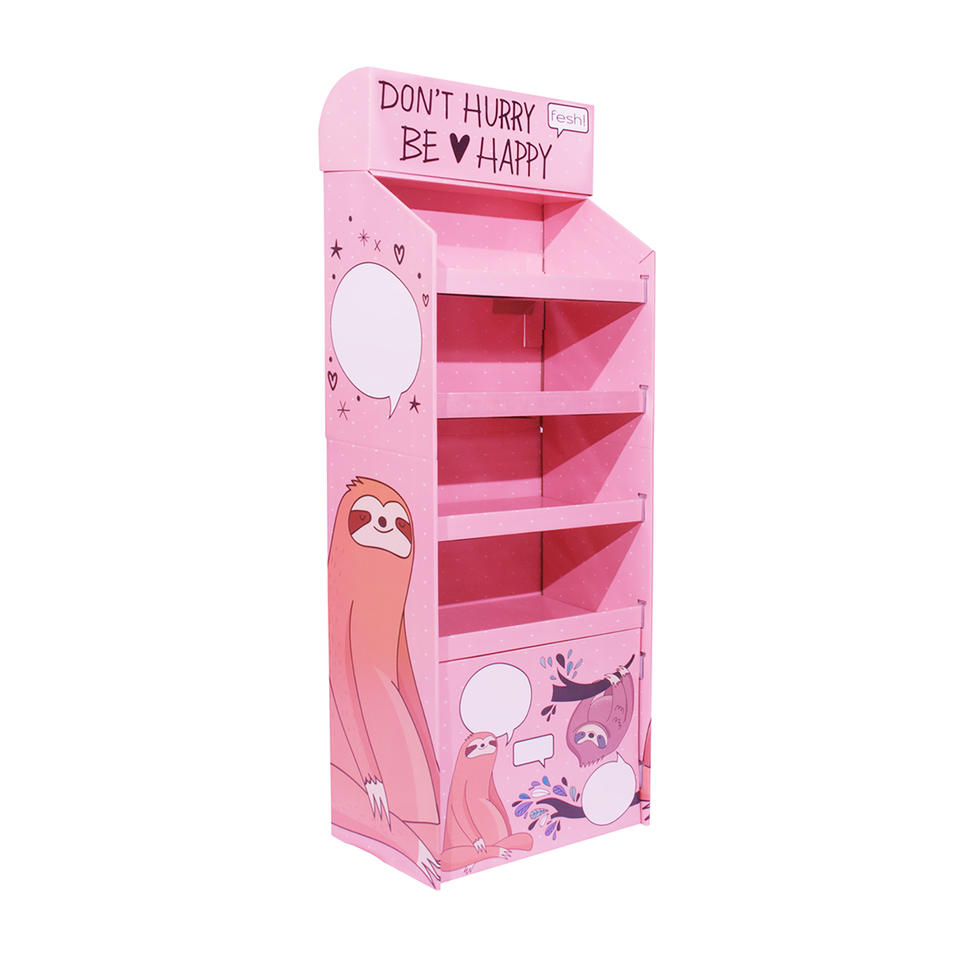
Maximize visual impact with cardboard display stands. See how high-ECT corrugated boards, flat-pack logistics, and rapid lock tabs lower marketing costs.
2026/10/30
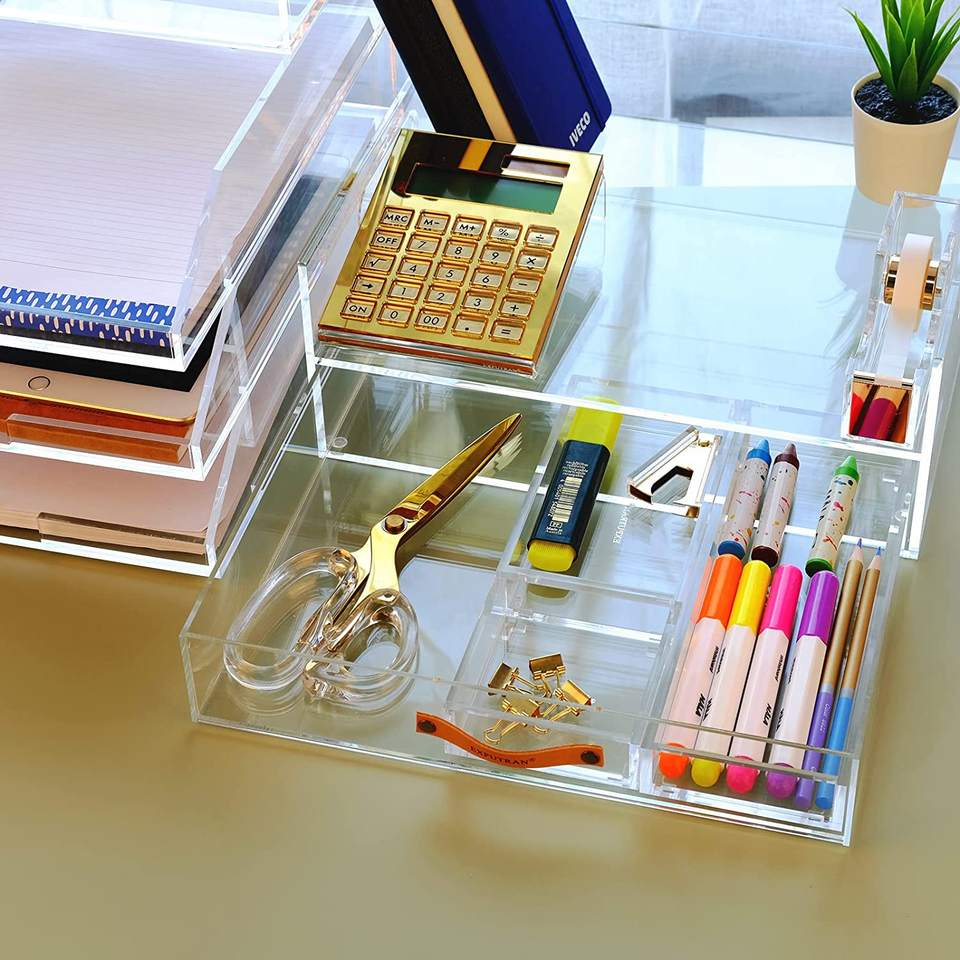
Elevate unboxing with a custom display box. Learn how rigid greyboards, G7-certified litho-printing, and high-density EVA foam protect premium goods.
2026/10/30
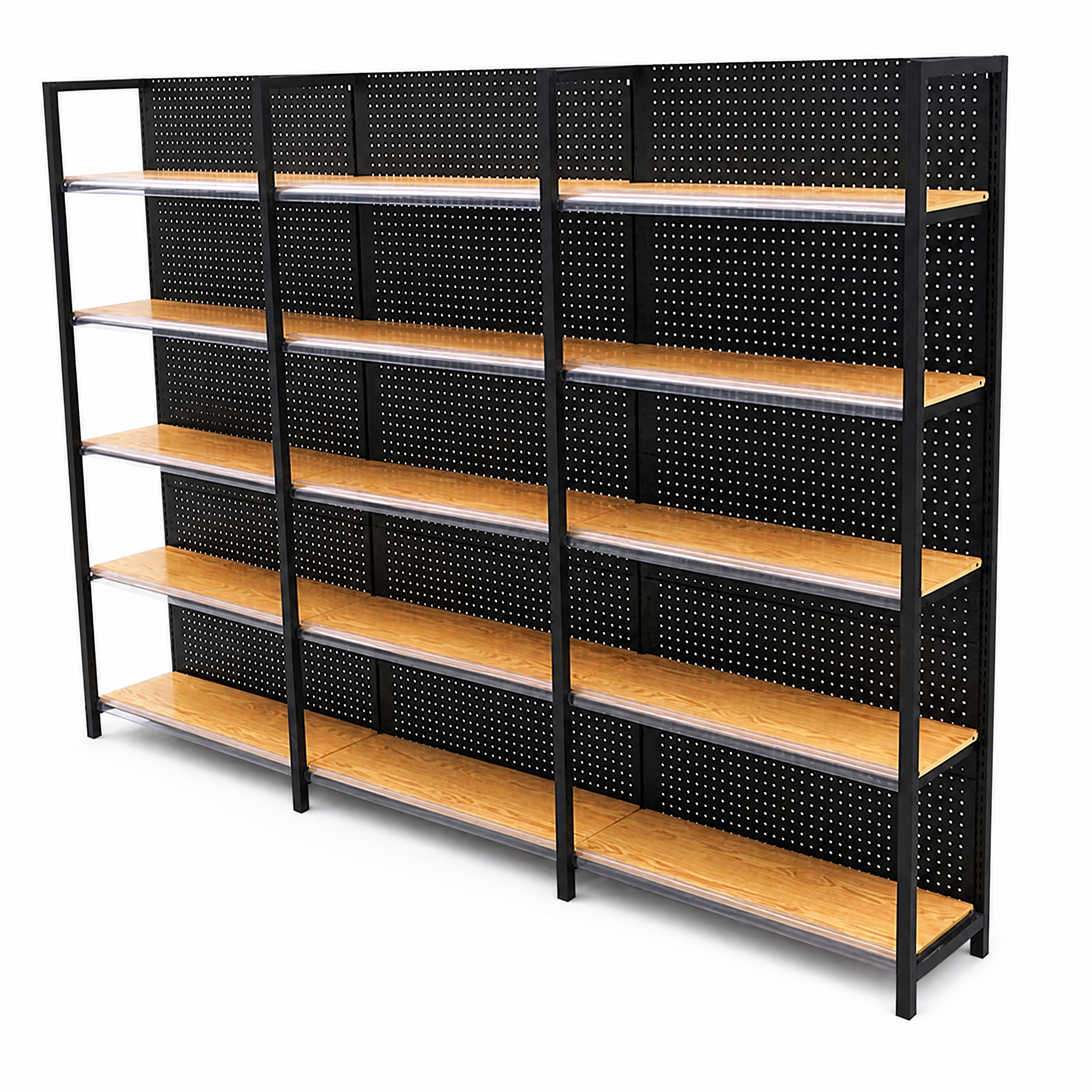
Optimize product flow with a heavy-duty Display Rack. Learn how cold-rolled Q235 steel frames, teardrop locks, and gravity flow decks cut pick times.
2026/10/30
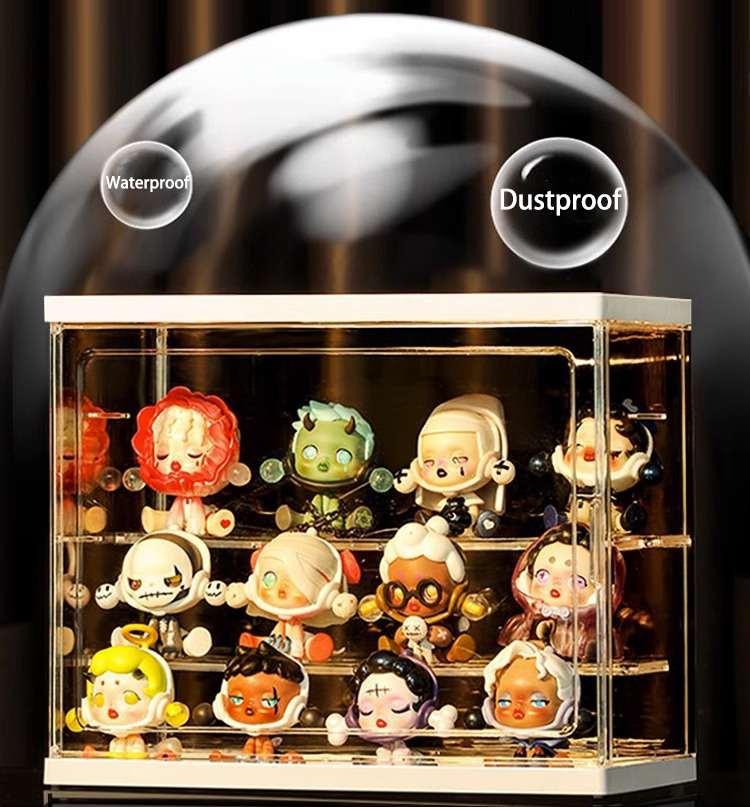
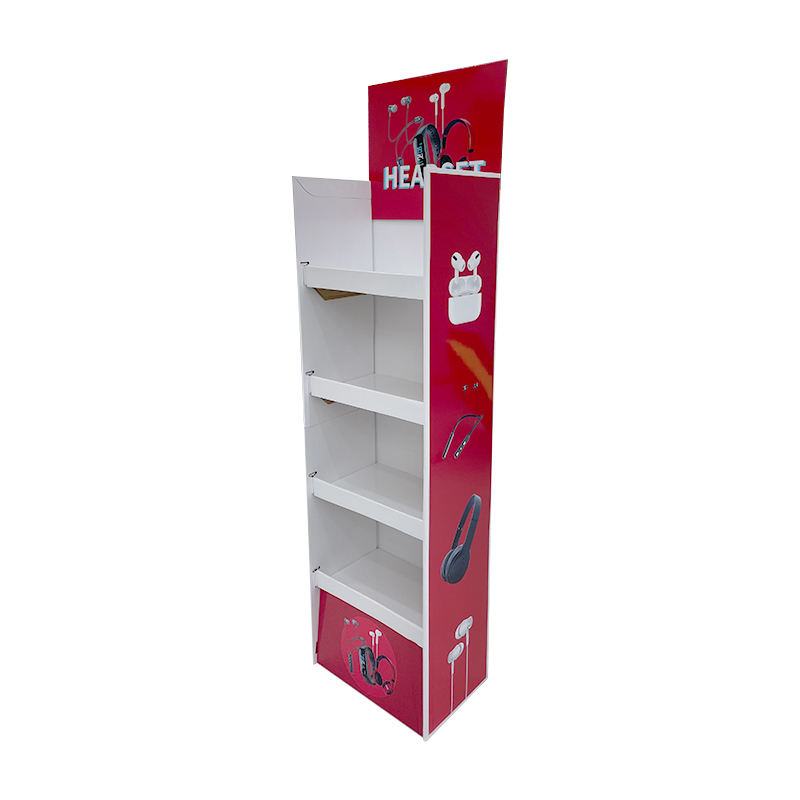
Secure premium micro-goods with countertop display case units. See how diamond-polished cast acrylic and magnetic lock latches boost impulse sales.
2026/10/30
Boost retail sales with sustainable carton displays. Learn how FSC corrugated boards and eco-friendly soy inks cut carbon footprints and waste fees.
Follow our brand-latest updates, including key-client cooperation, trade-fair activities and daily-life snapshots of our factory-team.

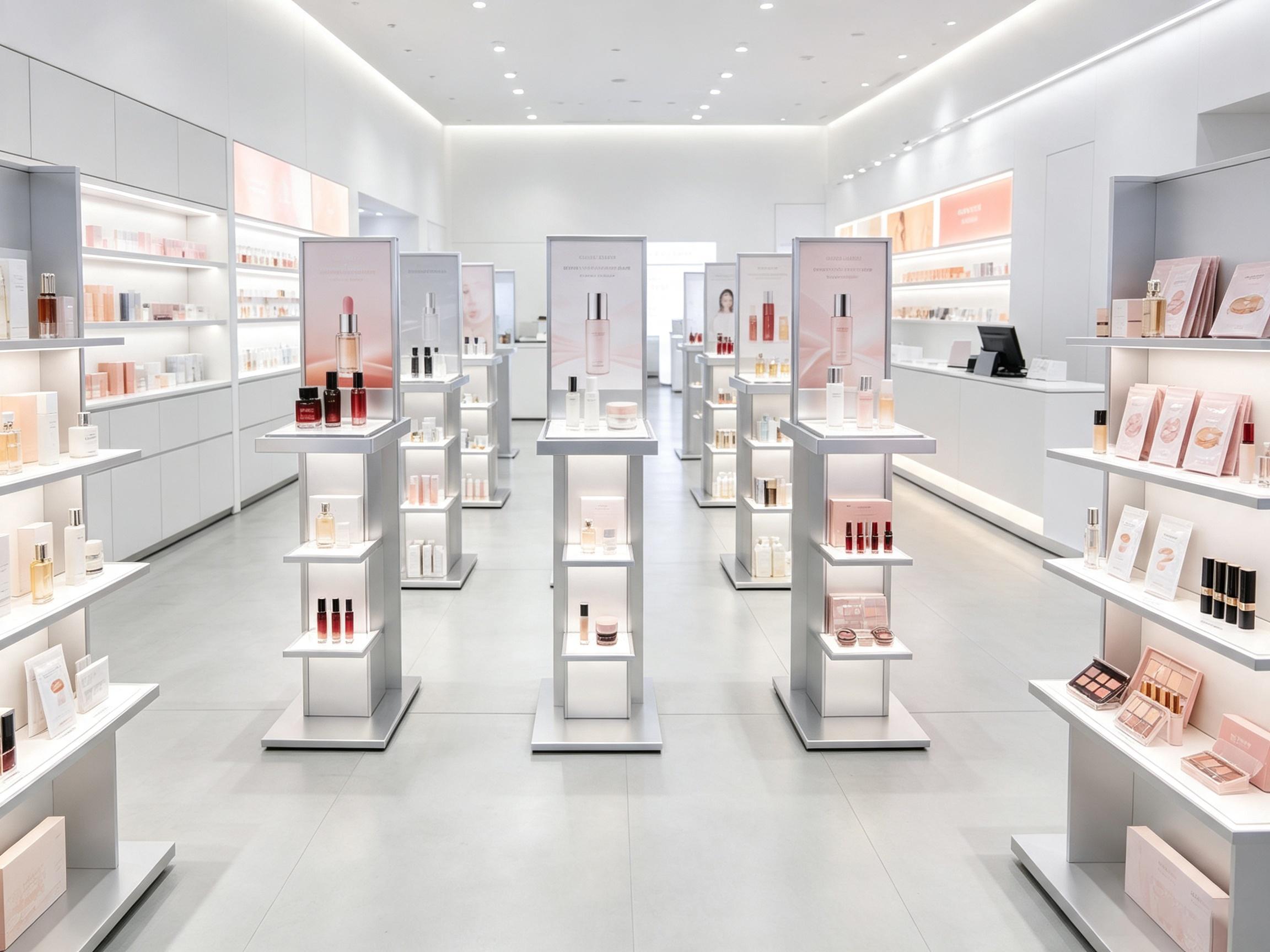
Enhance the retail experience with custom makeup display stands, providing both functionality and modern aesthetics for cosmetic brands.

Upgrade your products’ shelf appeal and protection with innovative gift box packaging designed for cosmetics, electronics, and accessories.

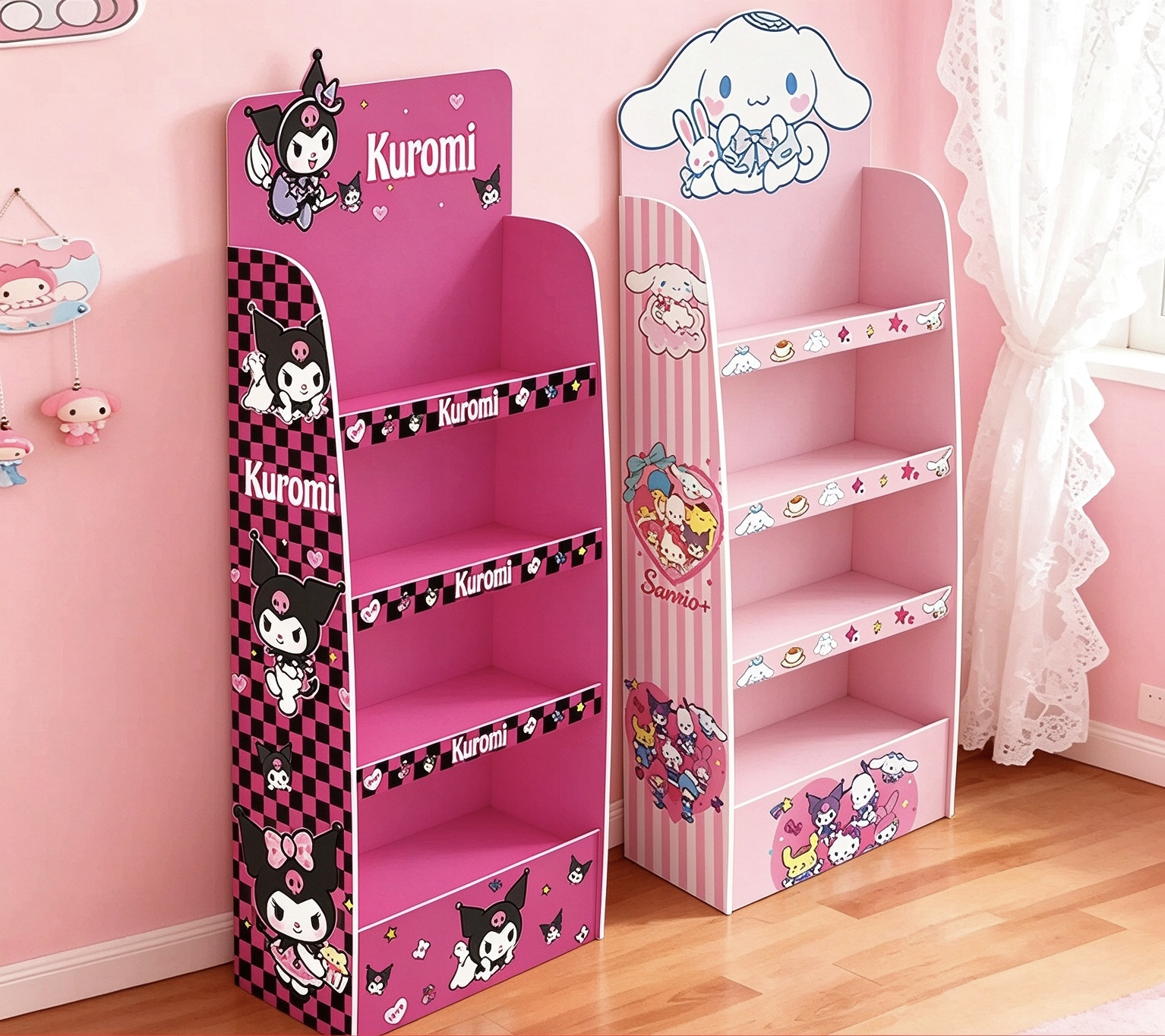
Promote your brand with advertising display racks, featuring flexible configurations for showrooms, events, and point-of-sale promotions.
Comprehensive design, prototyping, and logistics for global custom display stand demands

Communicate your display size, material, structure, brand logo and store-scene requirements.
Produce renderings and structural drawings, optimize shelf layout, dooropening style and detailstructure.

Make physical prototype, test stability, appearance and assembly effect, modify details as your feedback.
Start formal mass-production after sample approval, strictly control quality, packaging and delivery cycle.