EN
Requirement Consultation
Communicate your display size, material, structure, brand logo and store-scene requirements.

2026/10/30
Museum curators and gallery registrars hold a dual responsibility that defines their entire profession: they must preserve priceless archaeological artifacts for future generations while displaying them beautifully to thousands of daily visitors. Whenever rare gold coins, ancient silk manuscripts, oil paintings, or delicate dinosaur bones sit in public exhibition halls, they are exposed to a hostile environment. Airborne dust, moisture from visitors breathing, curious fingers, and light radiation constantly threaten to degrade organic materials. Opaque wood frames or heavy aluminum stanchions provide physical security but block sightlines, forcing children and wheelchair users to struggle to see the artifact. Placing irreplaceable antiquities inside frameless clear acrylic cases resolves this delicate preservation challenge. A modern acrylic artifact vitrine wraps three-hundred-sixty degrees of seamless, glass-like protection around the relic, letting visitors examine microscopic details from inches away while keeping the item sealed inside a stable micro-environment.
The scientific preference for using polymer vitrines inside national galleries and botanical displays is driven by strict photochemical preservation metrics. Standard ambient daylight coming through skylights and intense museum track lighting generate massive amounts of electromagnetic radiation. Ultraviolet wavelengths below four hundred nanometers are highly energetic, breaking chemical bonds in organic dyes, yellowing ancient sheepskin scrolls, and making historic textiles brittle within months. Specifying museum grade clear acrylic cases built from specialized UV-absorbing monomers filters out ninety-nine percent of damaging ultraviolet light. Furthermore, these closed cases comply with ISO 18916 photography and preservation materials testing, ensuring that the casing material itself does not release chemical plasticizers or acidic outgassing that could tarnish historical metal armor or corrode antique paper fibers over decades of sealed display.
Many gallery visitors assume they are looking through standard tempered glass when admiring a classical sculpture, but mineral glass holds several optical disadvantages that detract from curatorial excellence. Standard architectural glass contains natural iron oxide impurities that cast a heavy green tint along the edges, distorting the pristine white hues of classical marble statues and altering the color values of Renaissance paintings. Even extra-clear low-iron glass cannot match the refractive index of virgin cell-cast polymethyl methacrylate. With a visible light transmission rating of ninety-two percent, a professional acrylic display vitrine exhibits almost identical light refraction to air. This optical matching eliminates the mirror-like surface reflections and double-image ghosting that plague glass cases, creating a floating illusion where the physical enclosure disappears completely under professional gallery spotlights.
Real-world museum installations prove how advanced acrylic fabrication protects valuable collections while traveling on tour. An international exhibition displaying royal gold artifacts and medieval hand-written bibles faced severe risk when moving across twelve European host cities. Traditional glass vitrines were prone to micro-cracking from shipping vibrations, posing a constant threat to the delicate gold foil and silk covers inside. The conservation team replaced all showcase hoods with custom ten-millimeter clear acrylic cases featuring diamond-polished joints and chemical museum locks. The polymer cabinets completed the eighteen-month tour with zero transport breakage, while the frameless visual design boosted public visitor satisfaction scores by thirty-eight percent. In the natural history sector, an American paleontology department housed fragile fossil feathers inside custom-slotted acrylic display vitrines equipped with integrated carbon-fiber support rods, letting researchers inspect the underside of the specimen safely without open handling.
A professional museum display case is much more than a five-sided plastic cover; it is a highly secure mechanical system. To facilitate weekly preservation checks and routine artifact rotations, monumental display cases require easy access. Engineers integrate heavy-duty gas spring struts and concealed hinge systems, letting a single gallery staff member lift a sixty-kilogram clear acrylic hood with one hand. To stop tiny dust particles from drifting inside the case, CNC machines route a stepped rabbet seal around the base plate, forming a tight labyrinth path that blocks atmospheric air currents. Hidden desiccant storage chambers are tucked inside the sub-base, letting curators maintain an exact forty-five percent relative humidity level inside the case using passive silica gel packs. Continuous stainless steel lock rods run inside the bottom frame, securing the museum grade clear acrylic cases against tampering without showing ugly screws.
Fabricating oversized exhibition vitrines that meet international curatorial standards requires a manufacturer with advanced precision routing and flawless molecular bonding capabilities. YSY Display engineers museum grade clear acrylic cases using premium cell-cast sheets ranging from eight millimeters up to thirty millimeters in thickness. Utilizing large-format five-axis CNC routers, high-precision diamond milling heads, and temperature-controlled cleanroom bonding facilities, YSY Display achieves water-clear seamless joints with zero micro-bubbles or solvent haze. The engineering team at YSY Display specializes in customizing exhibition enclosures with anti-reflective coatings, museum grade UV filters, high-CRI warm LED base illumination, and heavy-duty mechanical security systems. Shipped inside foam-cushioned wooden crates and drop-tested against rigorous export standards, YSY Display delivers pristine acrylic display vitrines that safeguard historical treasures inside premier galleries and cultural institutions worldwide.
2026/10/30
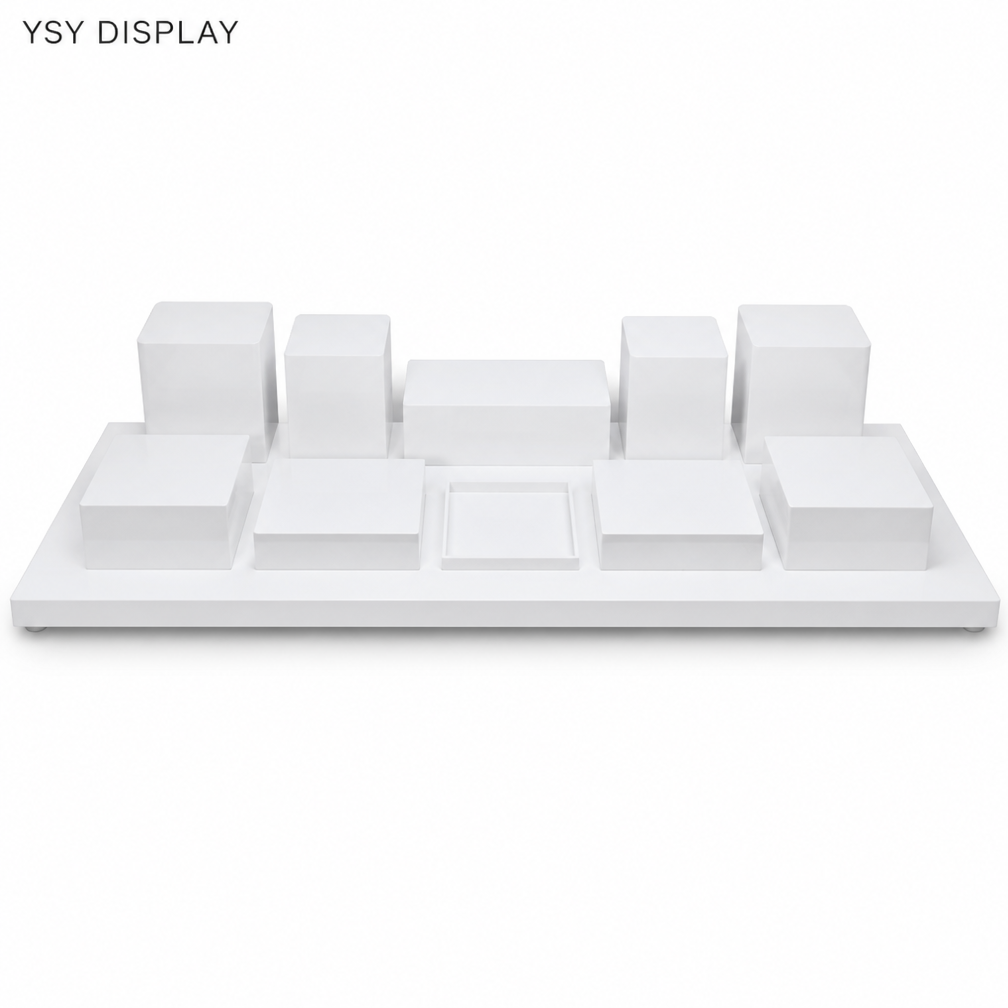
Elevate store environments with custom retail store displays. Learn how hybrid steel, cast acrylic, and wood fixtures build brand image and sales.
2026/10/30
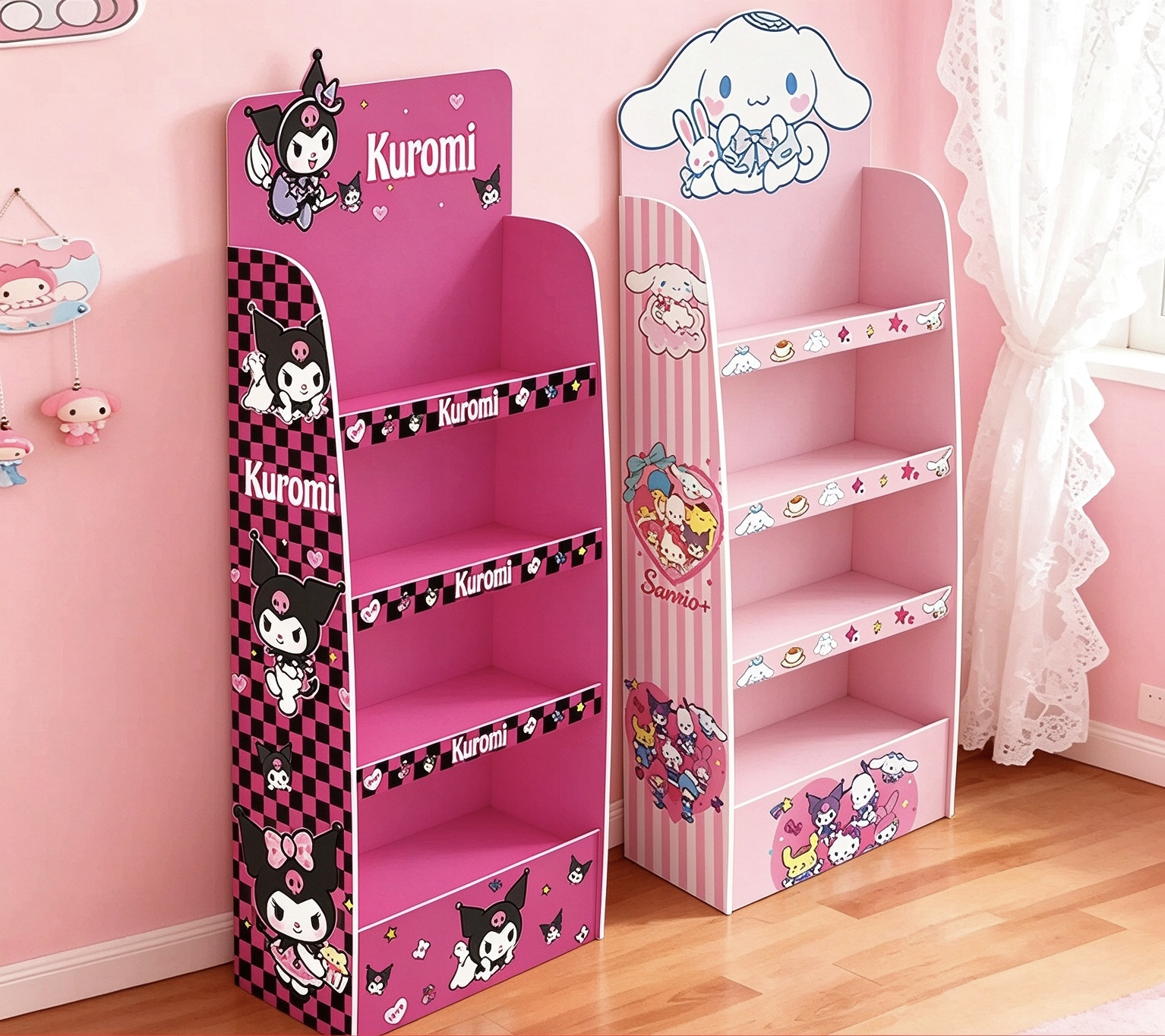
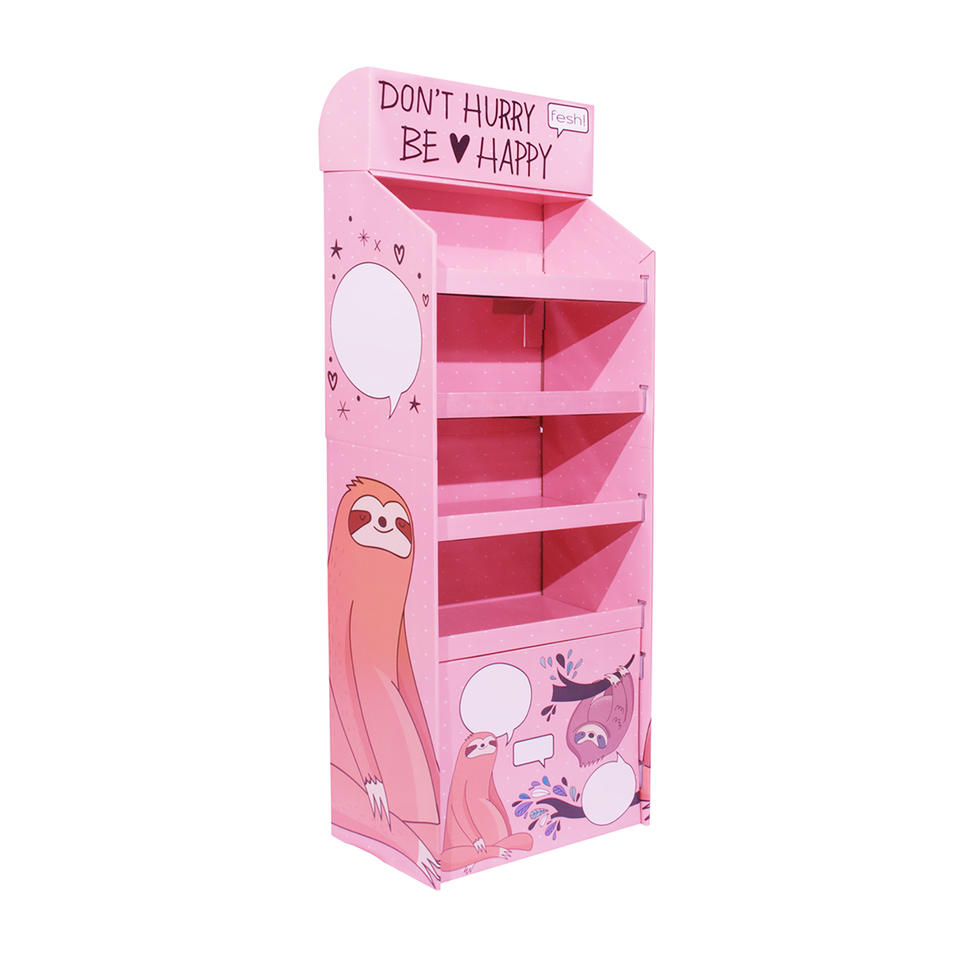
Maximize visual impact with cardboard display stands. See how high-ECT corrugated boards, flat-pack logistics, and rapid lock tabs lower marketing costs.
2026/10/30
Elevate unboxing with a custom display box. Learn how rigid greyboards, G7-certified litho-printing, and high-density EVA foam protect premium goods.
2026/10/30
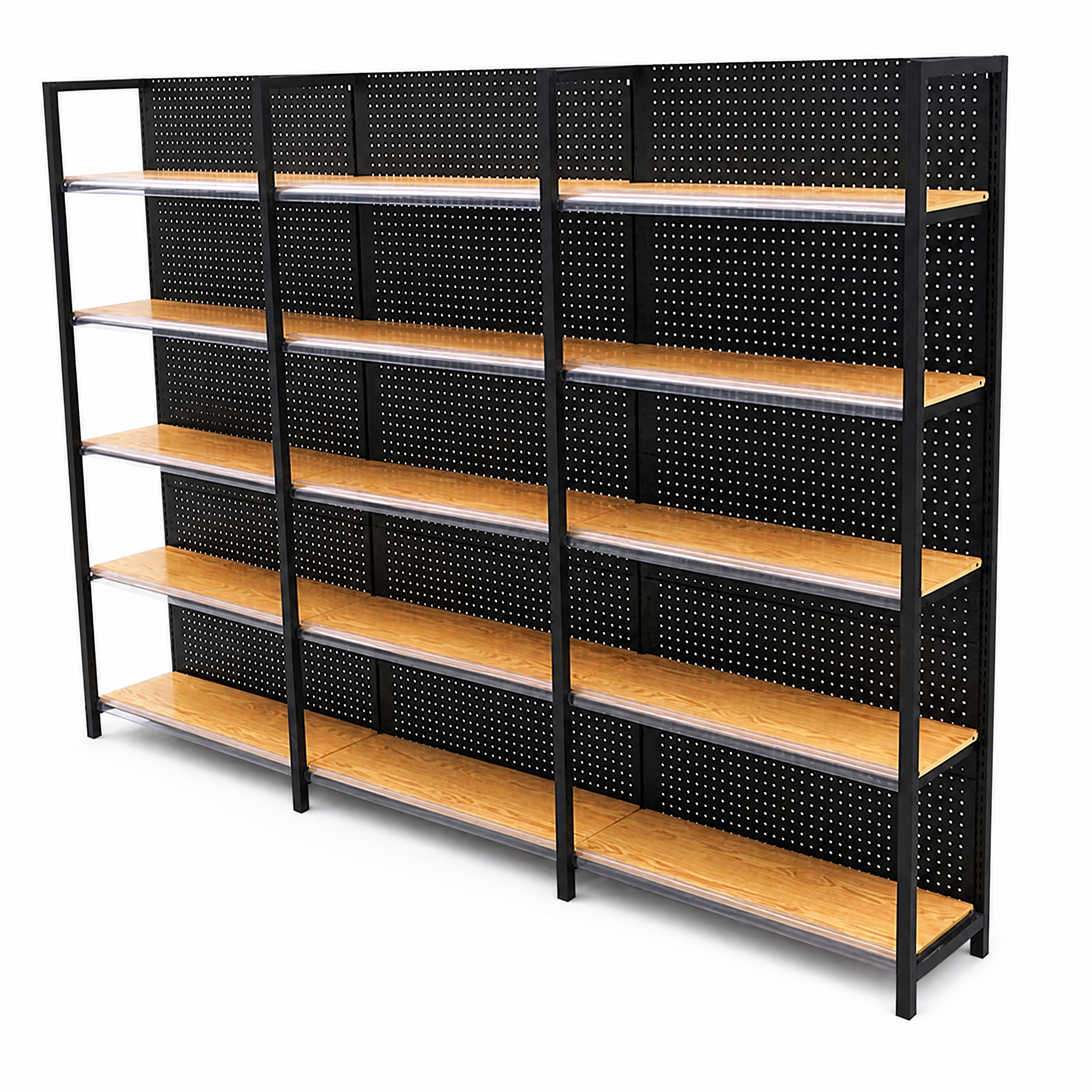
Optimize product flow with a heavy-duty Display Rack. Learn how cold-rolled Q235 steel frames, teardrop locks, and gravity flow decks cut pick times.
2026/10/30
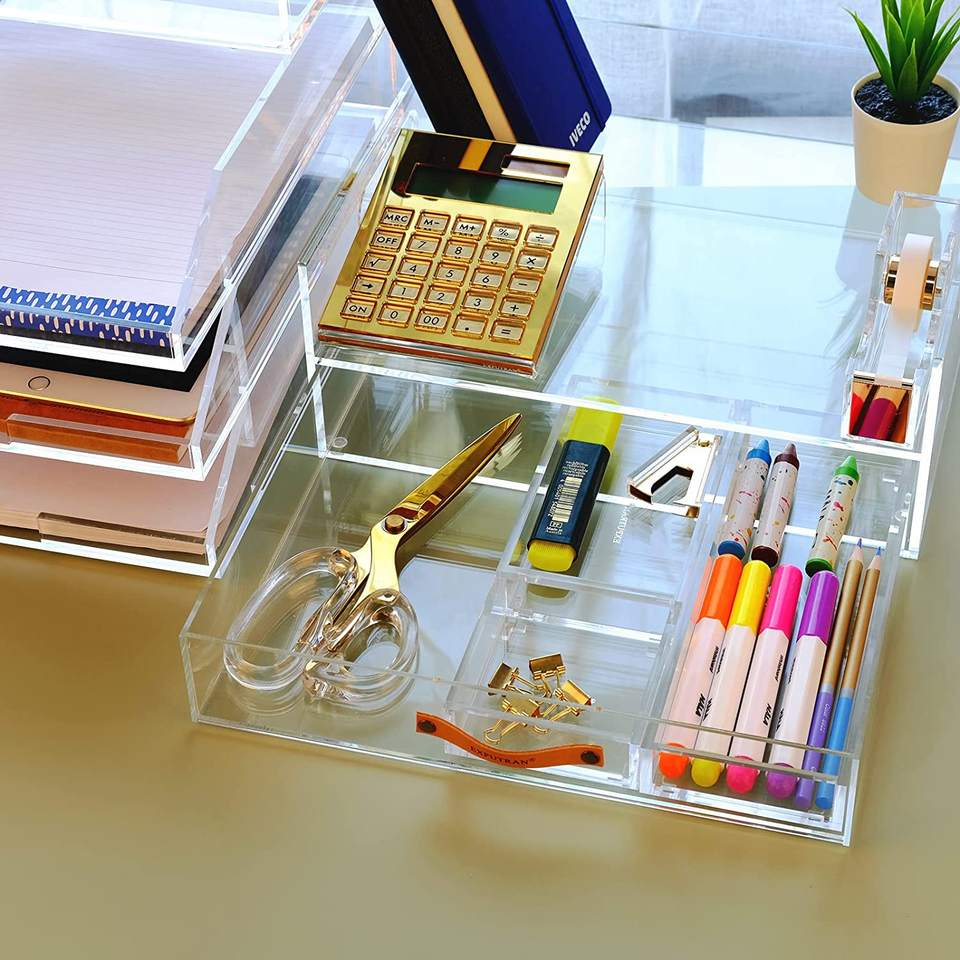
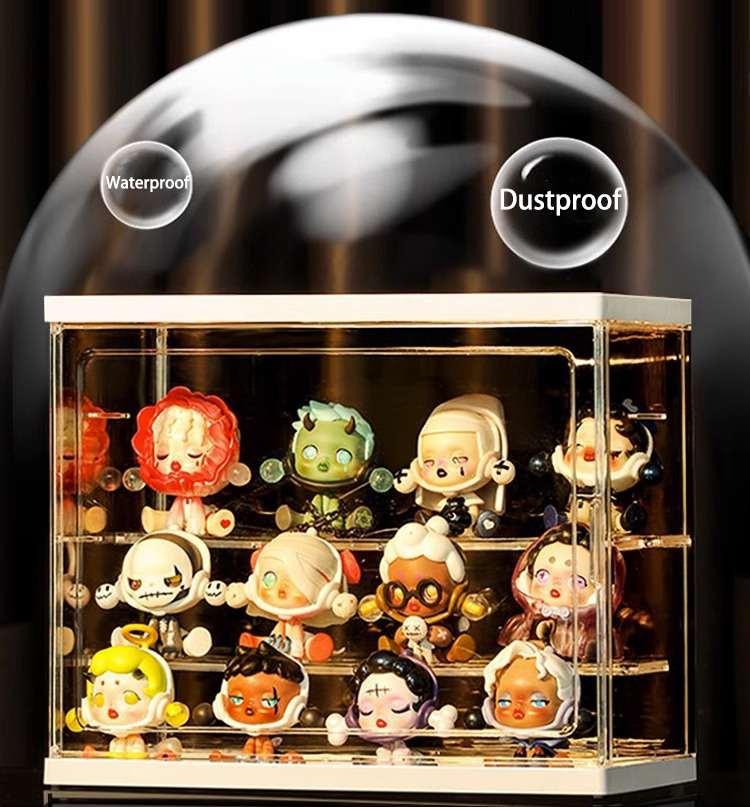
Secure premium micro-goods with countertop display case units. See how diamond-polished cast acrylic and magnetic lock latches boost impulse sales.
2026/10/30
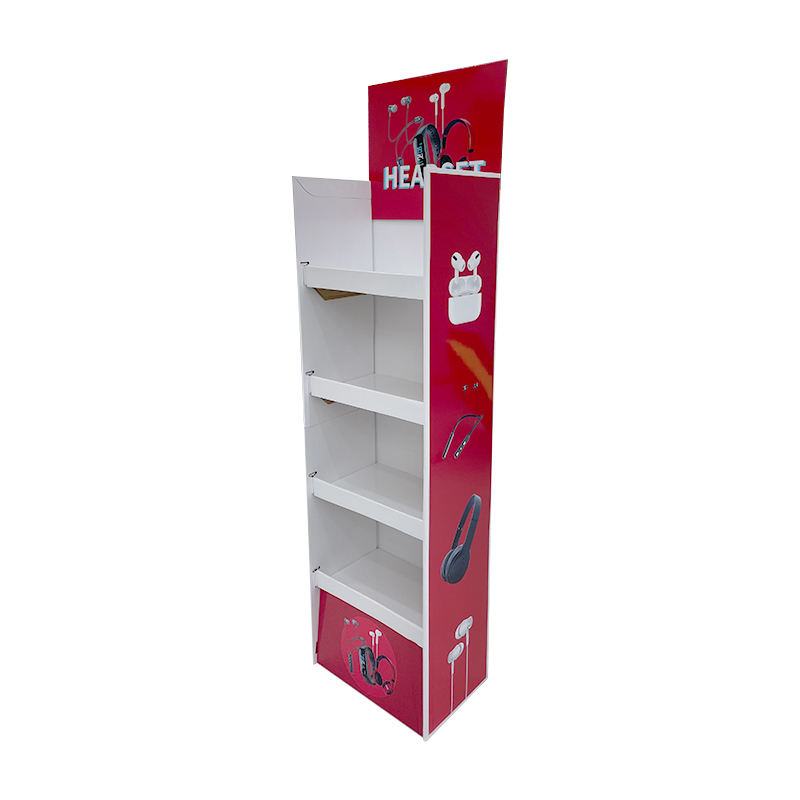
Boost retail sales with sustainable carton displays. Learn how FSC corrugated boards and eco-friendly soy inks cut carbon footprints and waste fees.
Follow our brand-latest updates, including key-client cooperation, trade-fair activities and daily-life snapshots of our factory-team.

Enhance the retail experience with custom makeup display stands, providing both functionality and modern aesthetics for cosmetic brands.

Upgrade your products’ shelf appeal and protection with innovative gift box packaging designed for cosmetics, electronics, and accessories.

Promote your brand with advertising display racks, featuring flexible configurations for showrooms, events, and point-of-sale promotions.
Comprehensive design, prototyping, and logistics for global custom display stand demands

Communicate your display size, material, structure, brand logo and store-scene requirements.
Produce renderings and structural drawings, optimize shelf layout, dooropening style and detailstructure.

Make physical prototype, test stability, appearance and assembly effect, modify details as your feedback.

Start formal mass-production after sample approval, strictly control quality, packaging and delivery cycle.