EN
Requirement Consultation
Communicate your display size, material, structure, brand logo and store-scene requirements.

2026/10/29
Curators, industrial product engineers, and luxury retail planners frequently run into the same frustrating geometry problem: high-value display items rarely come in standard catalog dimensions. Whether a team needs to house a two-meter architectural scale model, an irregularly shaped aerospace turbine blade, a vintage autographed electric guitar, or a towering wedding cake sculpture, off-the-shelf glass cabinets always leave awkward empty space or fail to close around the object altogether. Ordering custom glass tanks to fit unusual footprints results in massive weight penalties and terrifying shatter risks on the showroom floor. Commissioning custom plexiglass display cases eliminates those dimensional roadblocks immediately. Because cell-cast polymethyl methacrylate sheets can be precision-routed, thermally curved, and molecularly fused to any exact millimeter specification, bespoke acrylic vitrines wrap snugly around unique contours while weighing half as much as traditional plate glass.
Public commercial venues—from bustling shopping mall atriums and flagship retail stores to international trade show halls—enforce strict safety liabilities around freestanding display hardware. Standard float glass shatters under sudden side impacts from luggage carts or strollers, scattering razor-sharp shards across pedestrian walkways. Custom plexiglass display cases provide up to seventeen times greater impact resistance than glass of equal wall thickness, absorbing heavy knocks without cracking. Beyond physical safety, optical clarity sets high-grade acrylic apart from mineral glass. Thick architectural glass contains natural iron oxide impurities that cast a dull green shadow along cut edges and distort subtle color gradients inside the cabinet. Tested against ASTM D1003 optical standards, a clear plexiglass showcase transmits ninety-two percent of visible light with zero chromatic tint, allowing museum visitors and luxury buyers to inspect true diamond fire, fine oil paint pigments, or intricate circuit boards without optical distortion.
What truly makes custom plexiglass display cases unique from an engineering standpoint is the ability to form complex three-dimensional curves that would cost a fortune to mold in glass. When heated inside calibrated industrial ovens to approximately one hundred sixty degrees Celsius, cast plexiglass sheets soften into a pliable state that technicians can drape over CNC-milled molds to create seamless hemispherical domes, cylindrical tubes, or sweeping S-curve hoods. For crisp geometric enclosures, master fabricators eschew ugly metal corner brackets and surface glue in favor of forty-five-degree mitered solvent welding. Every panel edge passes through a diamond-blade milling head before being joined with capillary polymerization solvents inside a humidity-controlled room. The solvent temporarily softens the opposing acrylic surfaces so the polymer chains interlock across the seam, curing into a crystal-clear, bubble-free corner joint that looks carved from a single solid block of ice.
Real-world commercial deployments demonstrate how tailored plexiglass fabrication solves high-stakes presentation challenges. A commercial real estate developer in Dubai needed a dustproof enclosure for a two-point-four-meter illuminated master-plan architectural model displayed inside a high-traffic investor sales gallery. Traditional glass panes required thick steel support mullions down the center that blocked sightlines of the miniature skyscrapers. By engineering custom plexiglass display cases using twelve-millimeter thick oversized cast sheets joined via invisible butt-welding, the gallery achieved an unbroken panoramic viewing window while cutting structural hood weight by one hundred ten kilograms. In the automotive retail sector, a German luxury sports car marque outfitted eighty flagship dealerships with curved plexiglass display boxes to showcase bespoke carbon-fiber steering wheels, ceramic brake calipers, and heritage racing helmets. The frameless presentation increased customer dwell time inside the customization lounge by thirty-seven percent.
Standard untreated plastics naturally accumulate static electrical charges when wiped with dry cloths, pulling airborne lint and dust particles straight onto the viewing surface. Premium custom plexiglass display cases overcome this maintenance nuisance through factory-applied anti-static and abrasion-resistant hard coatings. These microscopic surface treatments dissipate surface static charge and raise pencil hardness ratings to resist fine swirl marks during daily store cleaning routines. For priceless historical manuscripts, signed sports jerseys, and dyed textile prototypes, ultraviolet filtration is equally vital. Ambient skylight radiation and intense showroom spotlights break down organic dyes within months. Specifying UV-absorbing custom plexiglass display cases filters out ninety-eight percent of damaging wavelengths below four hundred nanometers. Furthermore, fabricators can pair the clear acrylic hood with contrasting base plinths crafted from matte black acrylic, solid walnut timber, brushed brass, or backlit faux alabaster stone to match any interior design scheme.
Producing museum-quality plexiglass vitrines with zero weld marks, exact dimensional tolerances, and distortion-free curves demands specialized machinery and seasoned fabrication artisans. YSY Display operates as a premier manufacturer of custom plexiglass display cases, utilizing 100 percent virgin cell-cast PMMA sheets ranging from three millimeters up to twenty-five millimeters in thickness. Equipped with large-format five-axis CNC routers, diamond edge polishers, thermal forming ovens, and dust-free solvent bonding chambers, YSY Display builds everything from compact countertop collector cubes to monumental freestanding exhibition hoods. Engineers at YSY Display can integrate concealed security cam locks, recessed labyrinth dust seals, and high-CRI cold LED spotlighting directly into the cabinet base. Packaged inside custom foam-lined export crates tested against international transit standards, YSY Display delivers flawless custom acrylic enclosures that showcase extraordinary objects with unmatched clarity worldwide.
2026/10/30
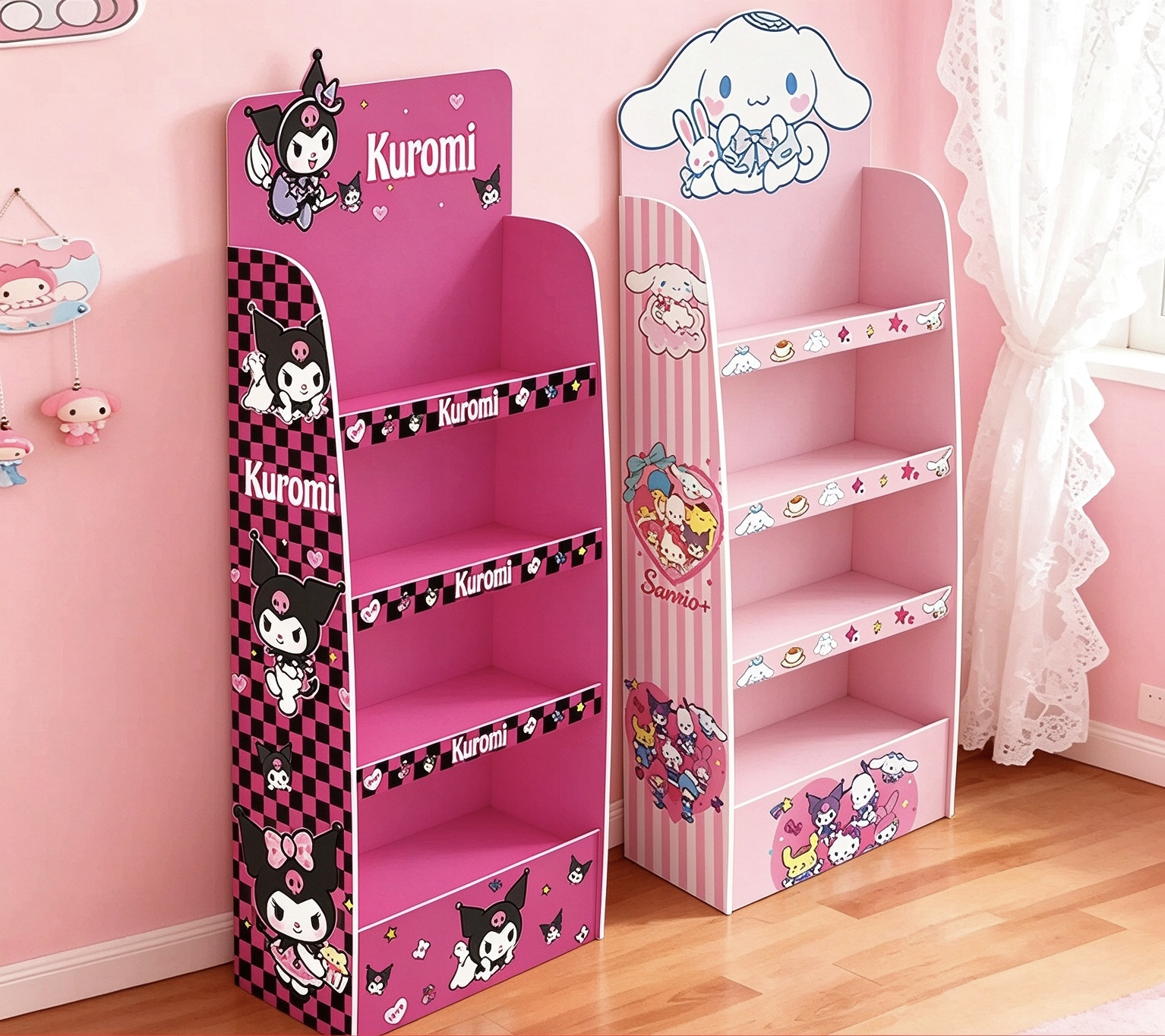
Elevate store environments with custom retail store displays. Learn how hybrid steel, cast acrylic, and wood fixtures build brand image and sales.
2026/10/30
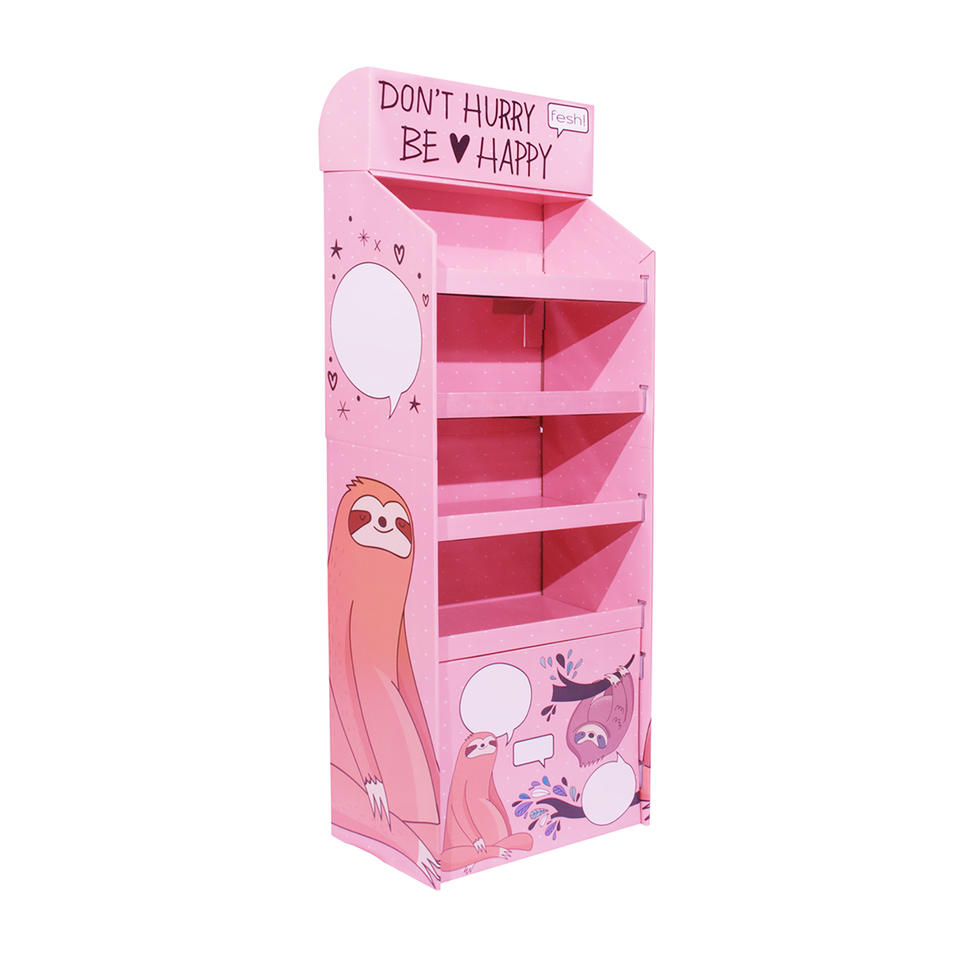
Maximize visual impact with cardboard display stands. See how high-ECT corrugated boards, flat-pack logistics, and rapid lock tabs lower marketing costs.
2026/10/30
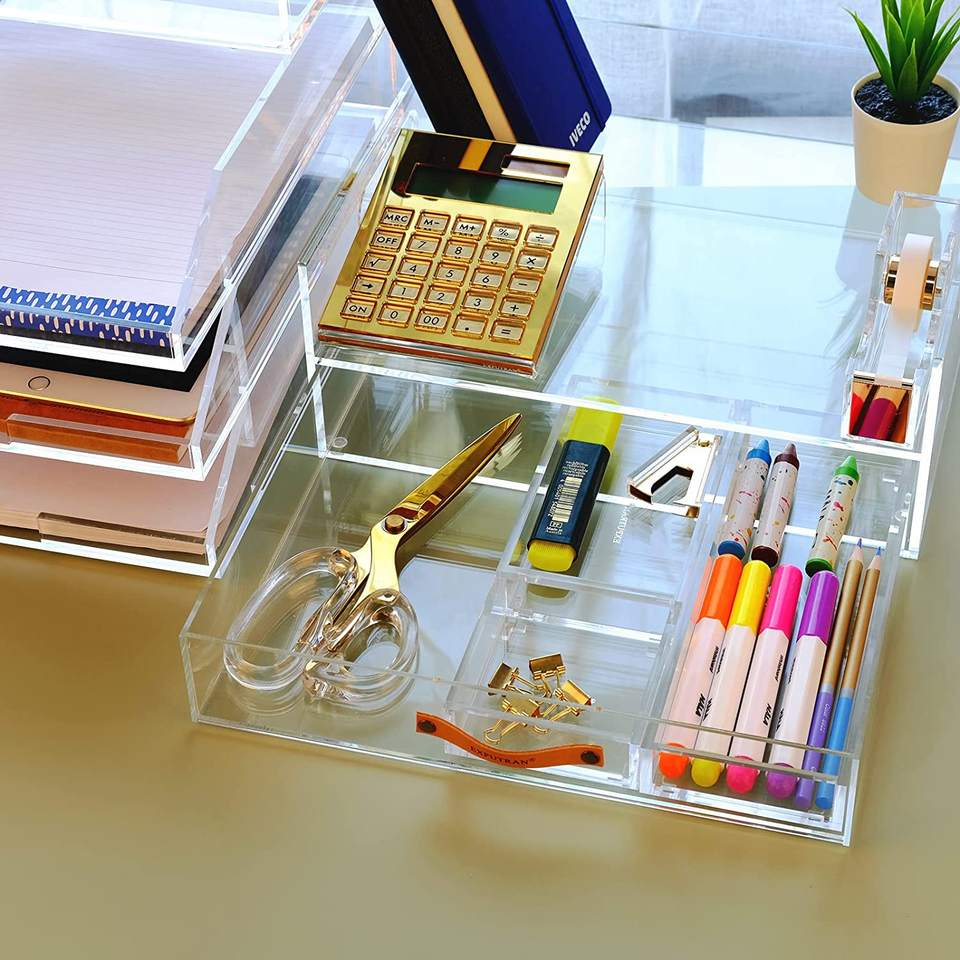
Elevate unboxing with a custom display box. Learn how rigid greyboards, G7-certified litho-printing, and high-density EVA foam protect premium goods.
2026/10/30
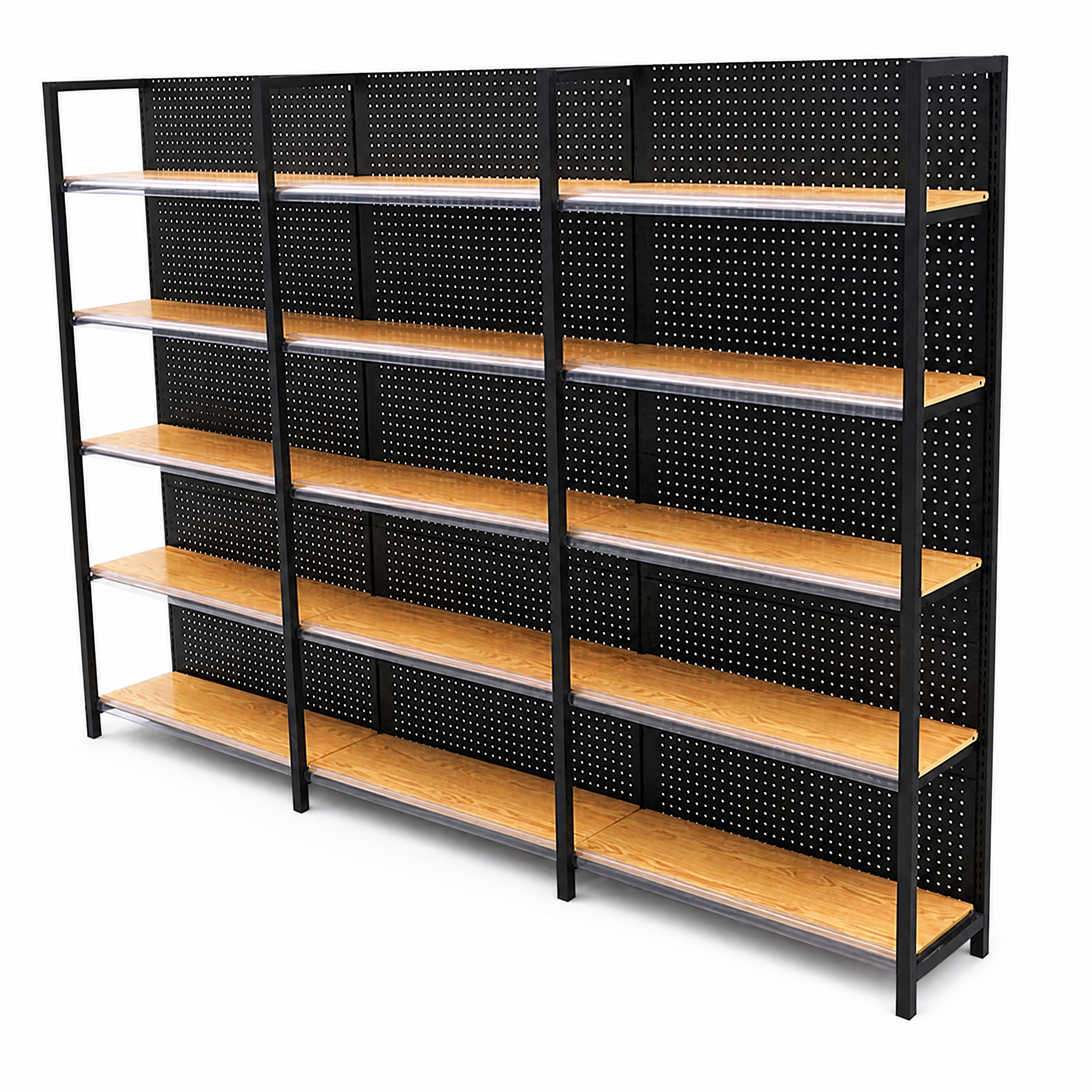
Optimize product flow with a heavy-duty Display Rack. Learn how cold-rolled Q235 steel frames, teardrop locks, and gravity flow decks cut pick times.
2026/10/30
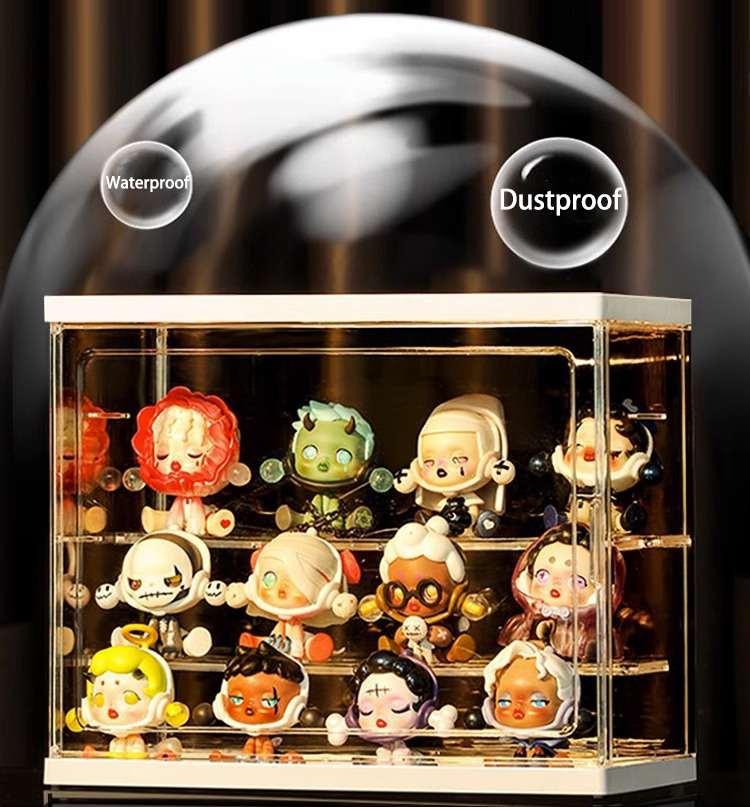
Secure premium micro-goods with countertop display case units. See how diamond-polished cast acrylic and magnetic lock latches boost impulse sales.
2026/10/30
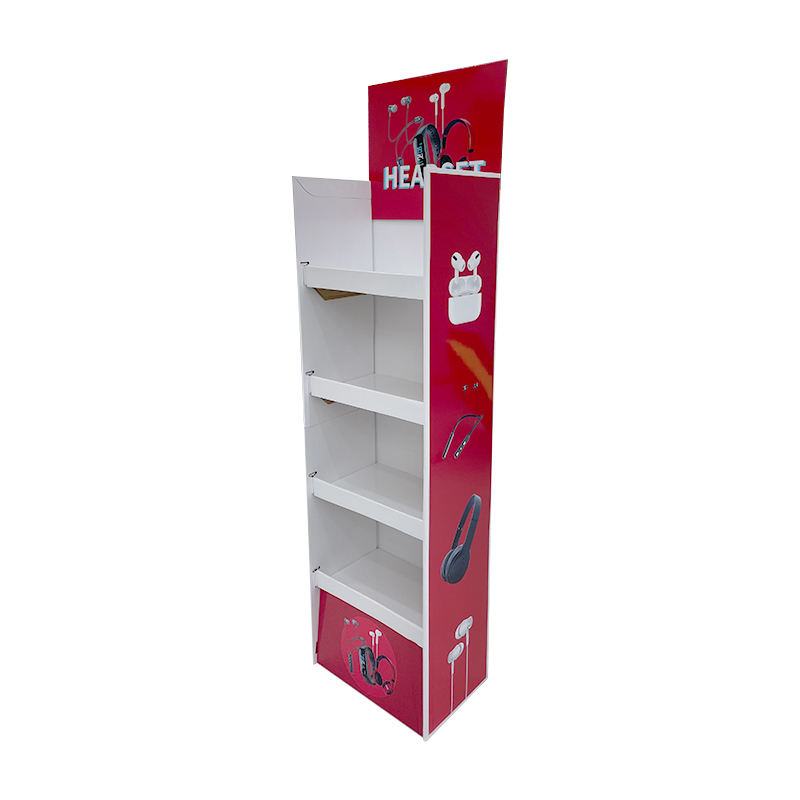
Boost retail sales with sustainable carton displays. Learn how FSC corrugated boards and eco-friendly soy inks cut carbon footprints and waste fees.
Follow our brand-latest updates, including key-client cooperation, trade-fair activities and daily-life snapshots of our factory-team.

Enhance the retail experience with custom makeup display stands, providing both functionality and modern aesthetics for cosmetic brands.

Upgrade your products’ shelf appeal and protection with innovative gift box packaging designed for cosmetics, electronics, and accessories.

Promote your brand with advertising display racks, featuring flexible configurations for showrooms, events, and point-of-sale promotions.
Comprehensive design, prototyping, and logistics for global custom display stand demands

Communicate your display size, material, structure, brand logo and store-scene requirements.
Produce renderings and structural drawings, optimize shelf layout, dooropening style and detailstructure.

Make physical prototype, test stability, appearance and assembly effect, modify details as your feedback.

Start formal mass-production after sample approval, strictly control quality, packaging and delivery cycle.