EN
Requirement Consultation
Communicate your display size, material, structure, brand logo and store-scene requirements.

2026/10/27
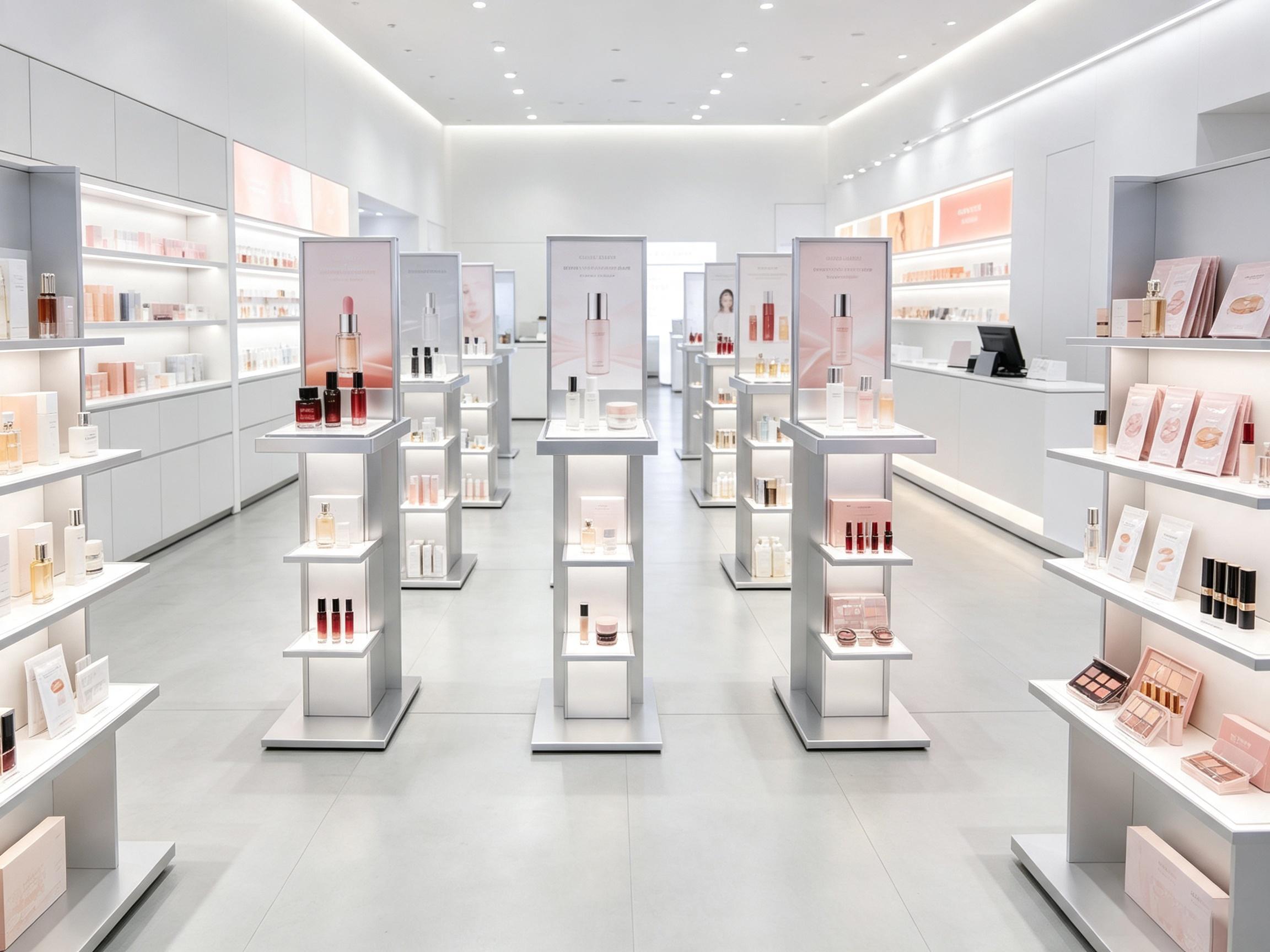
Commercial real estate leases represent one of the heaviest fixed costs for any brick-and-mortar merchant, making sales per square foot the ultimate metric of store survival. When a shop relies on low tables or mismatched cabinets, vast amounts of paid vertical cubic space sit completely empty between waist height and the ceiling. Installing commercial-grade display shelving for retail stores immediately unlocks that wasted air space, allowing merchandisers to stack inventory cleanly from ankle level all the way up to seventy-two or eighty-four inches high. By shifting from makeshift tables to engineered retail store gondola shelving, a typical three-thousand-square-foot neighborhood market can expand its active stock keeping unit capacity by up to sixty percent without knocking down a single wall. More importantly, structured display shelving for retail stores separates competing product families into clear visual zones, preventing the claustrophobic warehouse feel that drives high-value shoppers out the door before they finish their shopping list.
Beyond holding inventory, heavy-duty fixtures act as the silent traffic police of the sales floor. Store layout architects use continuous runs of display shelving for retail stores to build predictable customer pathways—such as the classic grid layout used in pharmacies or the loop racetrack layout favored by specialty grocers. Double-sided retail store gondola shelving creates clean center aisles that guide buyers past high-margin impulse categories on their way to daily essentials like dairy or household paper goods. At the end of each aisle run, specialized retail shelving units known as endcaps capture maximum visual exposure from cross-aisle foot traffic. Retail merchandising audits consistently show that promotional products moved from a mid-aisle shelf to a well-lit endcap on display shelving for retail stores experience an immediate sales lift averaging thirty-eight percent. Furthermore, calibrating aisle shelf heights to fifty-four inches in lifestyle boutiques preserves storewide sightlines, letting shoppers spot departmental signage across the room while allowing staff to monitor security blind spots effortlessly.
The structural difference between bargain fixtures and industrial display shelving for retail stores lies inside the metallurgy and stamping precision. Commercial shelving uprights are roll-formed from high-tensile cold-rolled steel—typically SPCC grade ranging from 1.5 millimeters to 2.5 millimeters in wall thickness—while deck panels incorporate welded box-channel stiffeners underneath. When a grocery aisle holds hundreds of glass pasta sauce jars or liquid detergent jugs, inferior thin-gauge metal sags in the center and causes price channels to pop loose. High-capacity heavy duty store shelves utilize precision-slotted upright columns punched at exact one-inch intervals, paired with multi-tooth steel cantilever brackets that lock into place under gravity load. This interlocking geometry allows a single ninety-centimeter shelf deck on display shelving for retail stores to support between eighty and one hundred twenty kilograms of static weight without deflecting more than two millimeters. Electrostatic epoxy-polyester powder coating cured at two hundred degrees Celsius then seals the steel against shopping cart collisions, floor scrubbing chemicals, and coastal humidity.
Examining field deployments highlights why structural reliability directly impacts bottom-line profitability. A fast-growing Australian pet supply chain operating forty-five superstores faced chronic fixture failures in their bulk dry kibble department. Standard light-duty racks buckled under twenty-kilogram feed bags, creating safety hazards and forcing staff to stack excess bags on wooden pallets in the aisles. Upgrading the entire chain to reinforced display shelving for retail stores featuring 2.0-millimeter steel uprights and double-ribbed base decks increased per-bay load capacity to five hundred kilograms. Removing the ugly floor pallets widened the shopping aisles by forty centimeters and lifted bulk pet food revenue by twenty-two percent over six months. Meanwhile, an organic specialty grocer in California wanted to ditch sterile supermarket metal without losing modular shelving strength. By deploying hybrid retail shelving units that paired matte black steel frames with solid oak bullnose shelf edges and integrated under-shelf LED warm lighting, the grocer elevated perceived brand value and grew high-margin gourmet wine and olive oil sales by twenty-nine percent.
Consumer demand shifts rapidly between back-to-school season, Halloween, holiday gifting, and summer outdoor promotions. If store fixtures are bolted permanently together, resetting a departmental planogram requires hiring outside contractors and shutting down aisles during business hours. Modern display shelving for retail stores eliminates that downtime through tool-free modular engineering. Store associates can unhook a steel shelf deck, reposition its inclination angle from flat to fifteen or thirty degrees for gravity-fed boxed goods, and snap it back into the upright column in less than fifteen seconds. Furthermore, interchangeable back panels allow merchandisers to swap between perforated metal pegboard, heavy-duty slatwall channels, and solid decorative laminates on the exact same retail store gondola shelving frame. When winter coat season ends, staff simply pull out the slatwall hanging bars and drop in flat heavy duty store shelves for spring gardening supplies, allowing a five-person night crew to reconfigure an entire seasonal aisle in under two hours.
Opening new retail locations on schedule or renovating a national franchise requires a fixture manufacturer capable of delivering consistent dimensional tolerances across thousands of bays. When upright slots vary by even half a millimeter between production batches, store installers struggle with jammed brackets and crooked shelf lines. YSY Display eliminates installation headaches by manufacturing precision display shelving for retail stores on automated CNC roll-forming and laser-punching lines, guaranteeing one hundred percent part interchangeability across multi-year store rollouts. Prior to powder coating, every steel component at YSY Display undergoes a multi-stage acid pickling and zinc phosphating pretreatment bath that prevents under-film rust for over a decade of commercial use. Whether a retail chain requires classic supermarket gondolas, wood-and-metal lifestyle racks, or custom-branded endcap retail shelving units packed cleanly for maximum sea container density, YSY Display provides end-to-end structural CAD engineering and dependable global delivery.
2026/10/30
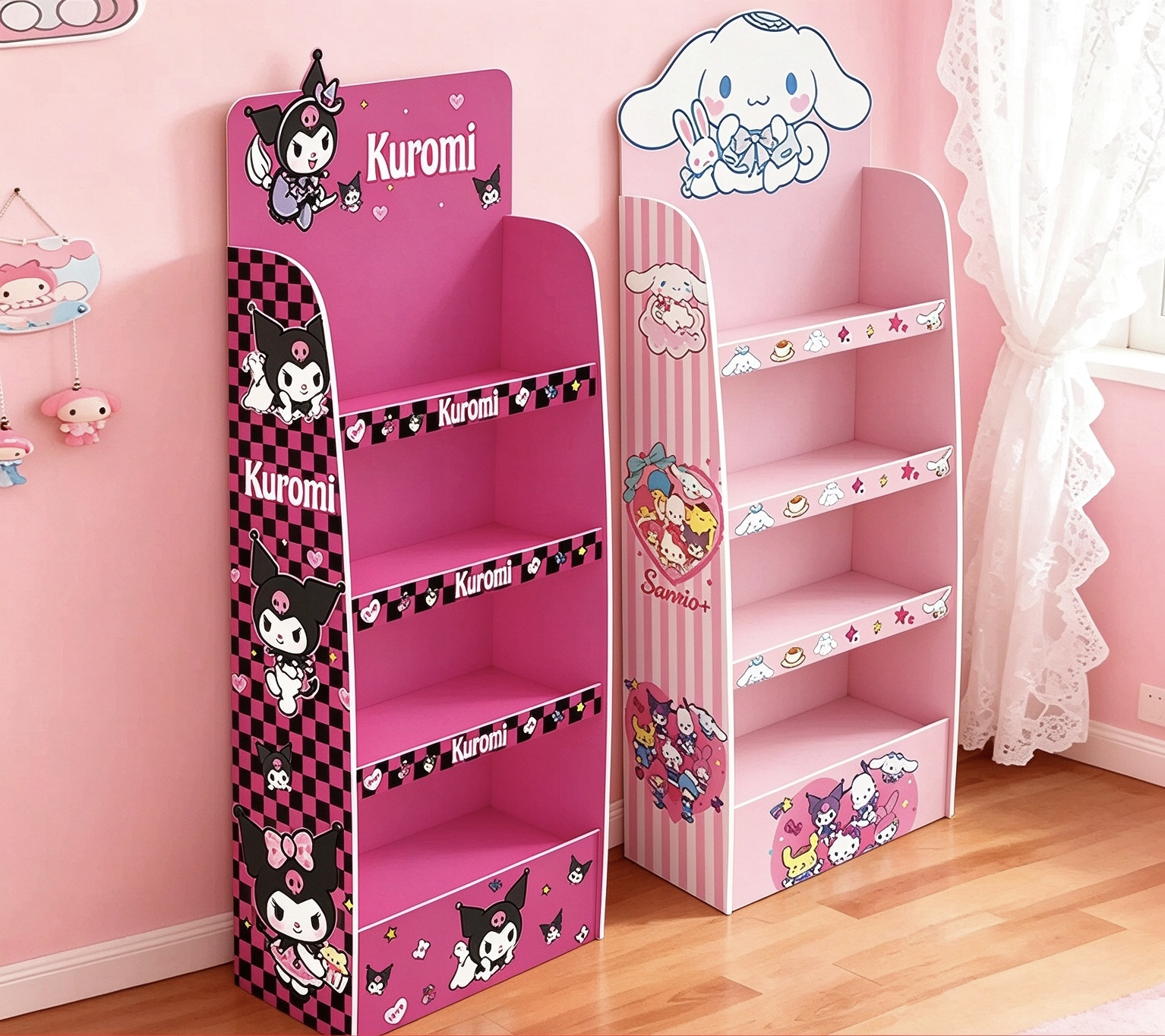
Elevate store environments with custom retail store displays. Learn how hybrid steel, cast acrylic, and wood fixtures build brand image and sales.
2026/10/30
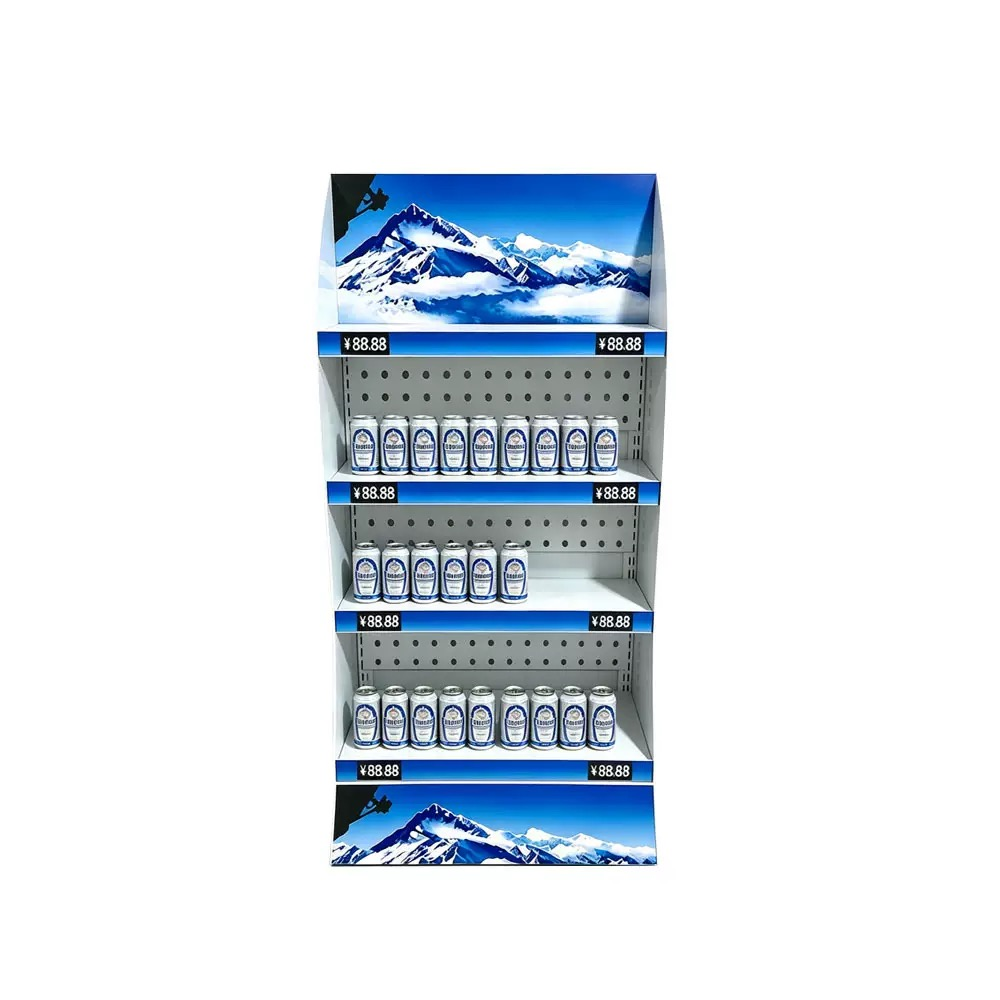
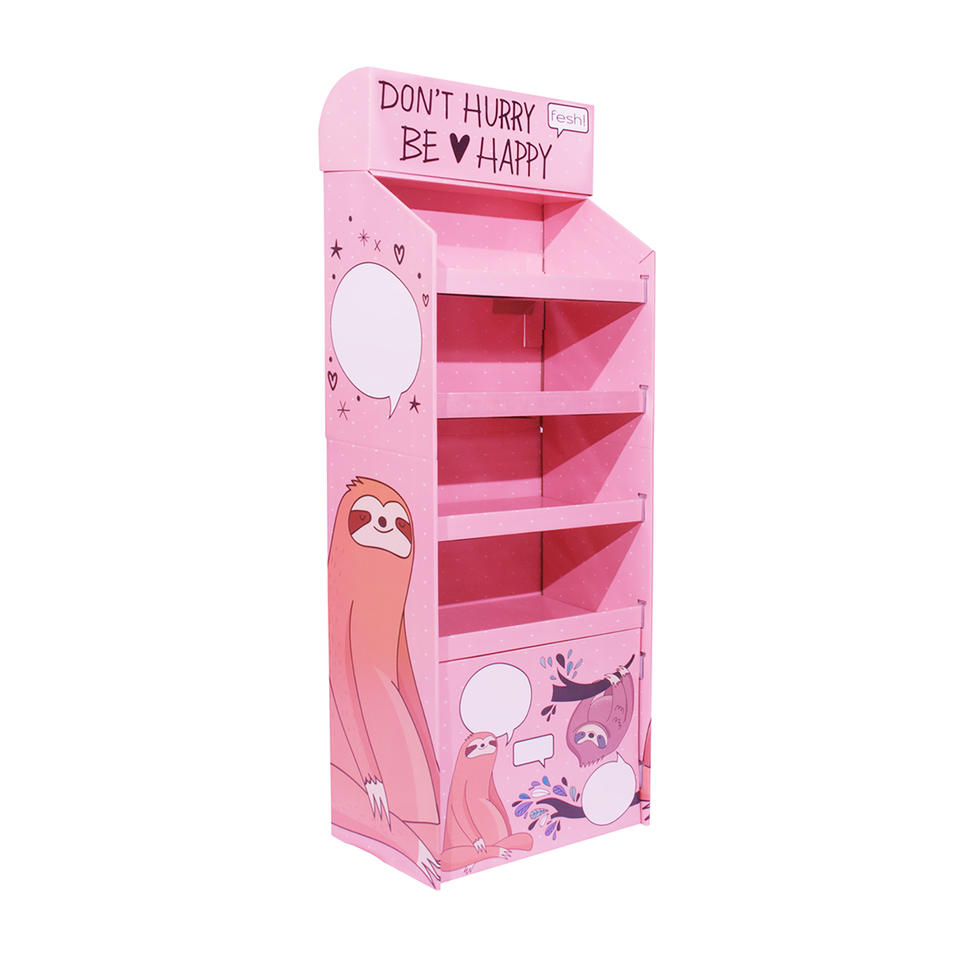
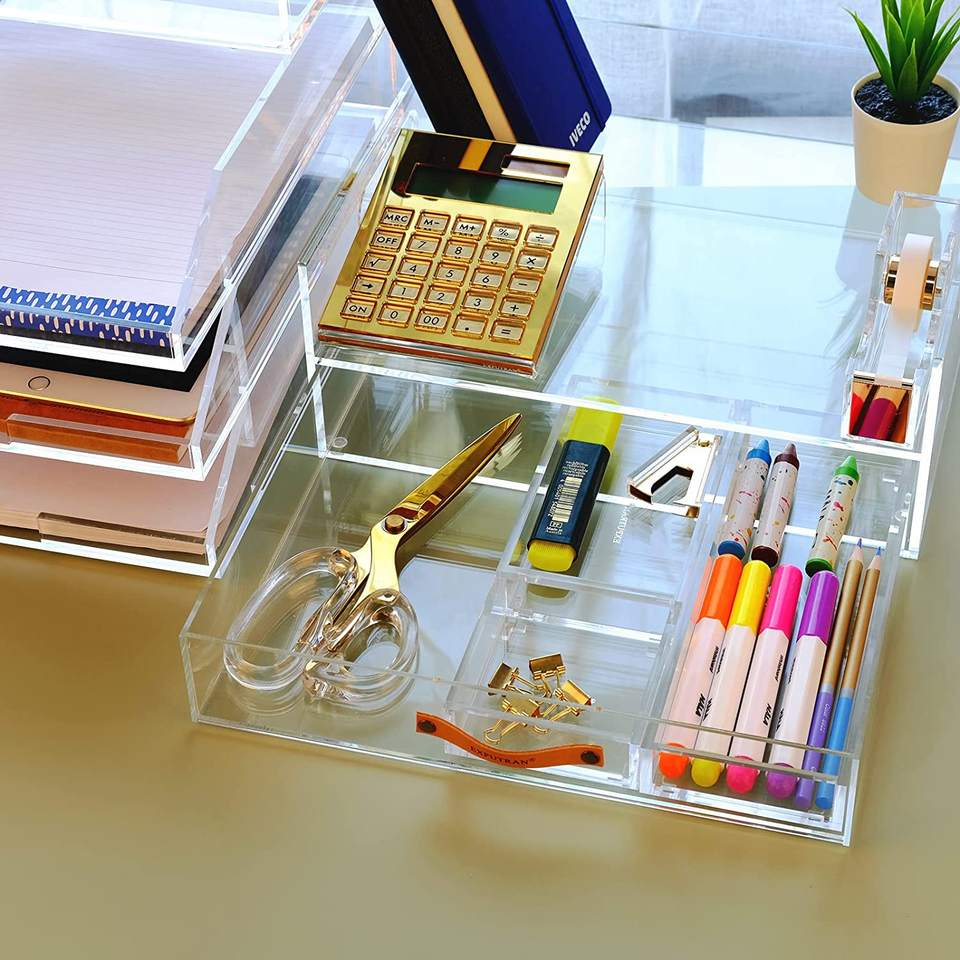
Maximize visual impact with cardboard display stands. See how high-ECT corrugated boards, flat-pack logistics, and rapid lock tabs lower marketing costs.
2026/10/30
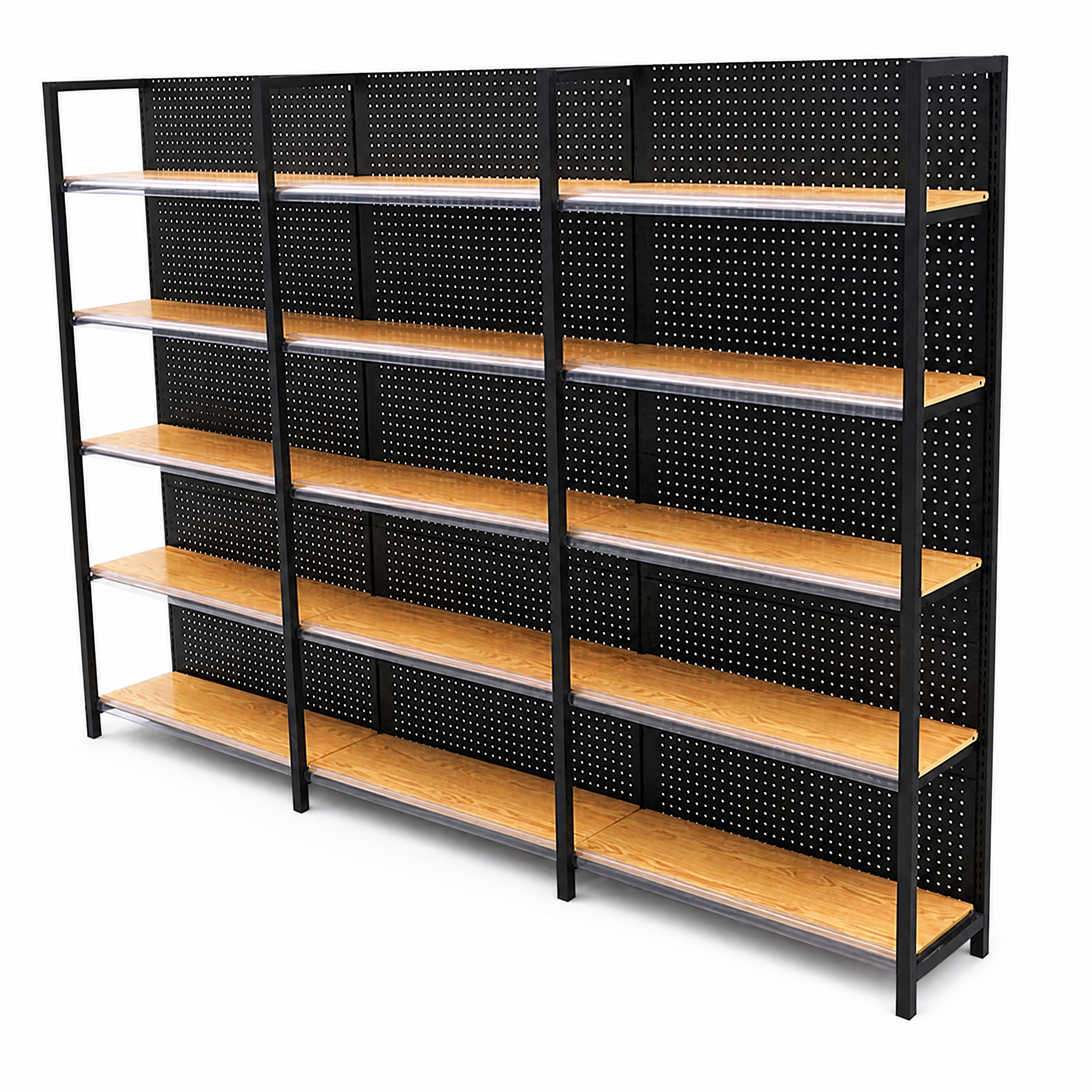
Elevate unboxing with a custom display box. Learn how rigid greyboards, G7-certified litho-printing, and high-density EVA foam protect premium goods.
2026/10/30
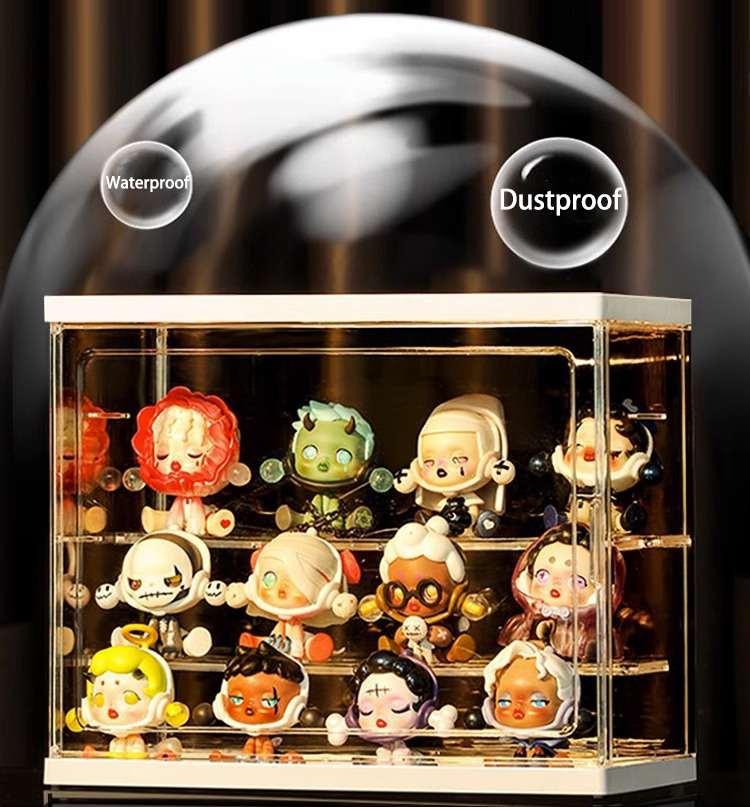
Optimize product flow with a heavy-duty Display Rack. Learn how cold-rolled Q235 steel frames, teardrop locks, and gravity flow decks cut pick times.
2026/10/30
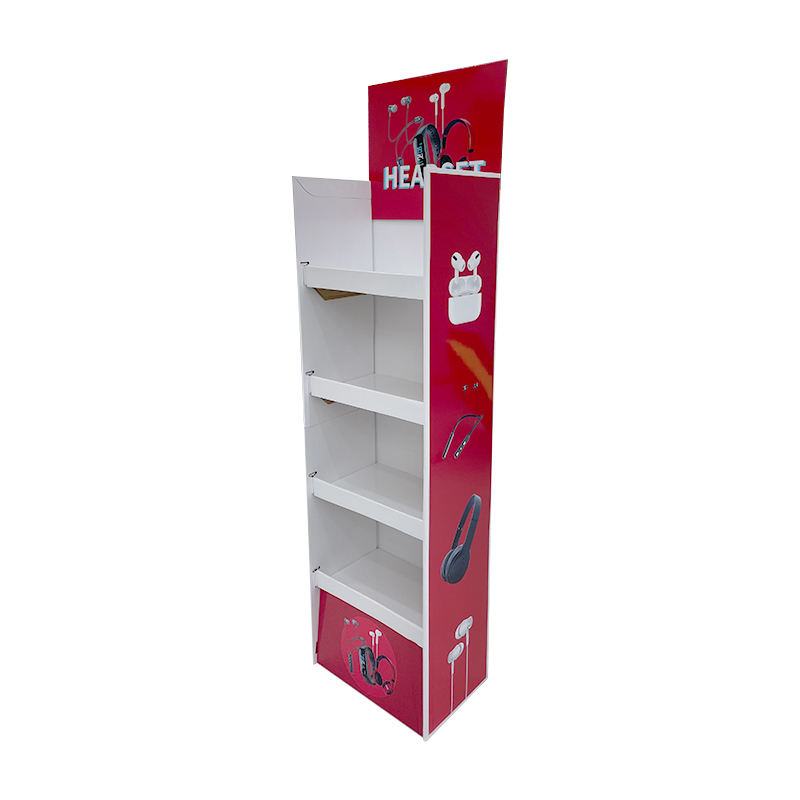
Secure premium micro-goods with countertop display case units. See how diamond-polished cast acrylic and magnetic lock latches boost impulse sales.
2026/10/30
Boost retail sales with sustainable carton displays. Learn how FSC corrugated boards and eco-friendly soy inks cut carbon footprints and waste fees.
Follow our brand-latest updates, including key-client cooperation, trade-fair activities and daily-life snapshots of our factory-team.

Enhance the retail experience with custom makeup display stands, providing both functionality and modern aesthetics for cosmetic brands.

Upgrade your products’ shelf appeal and protection with innovative gift box packaging designed for cosmetics, electronics, and accessories.

Promote your brand with advertising display racks, featuring flexible configurations for showrooms, events, and point-of-sale promotions.
Comprehensive design, prototyping, and logistics for global custom display stand demands

Communicate your display size, material, structure, brand logo and store-scene requirements.
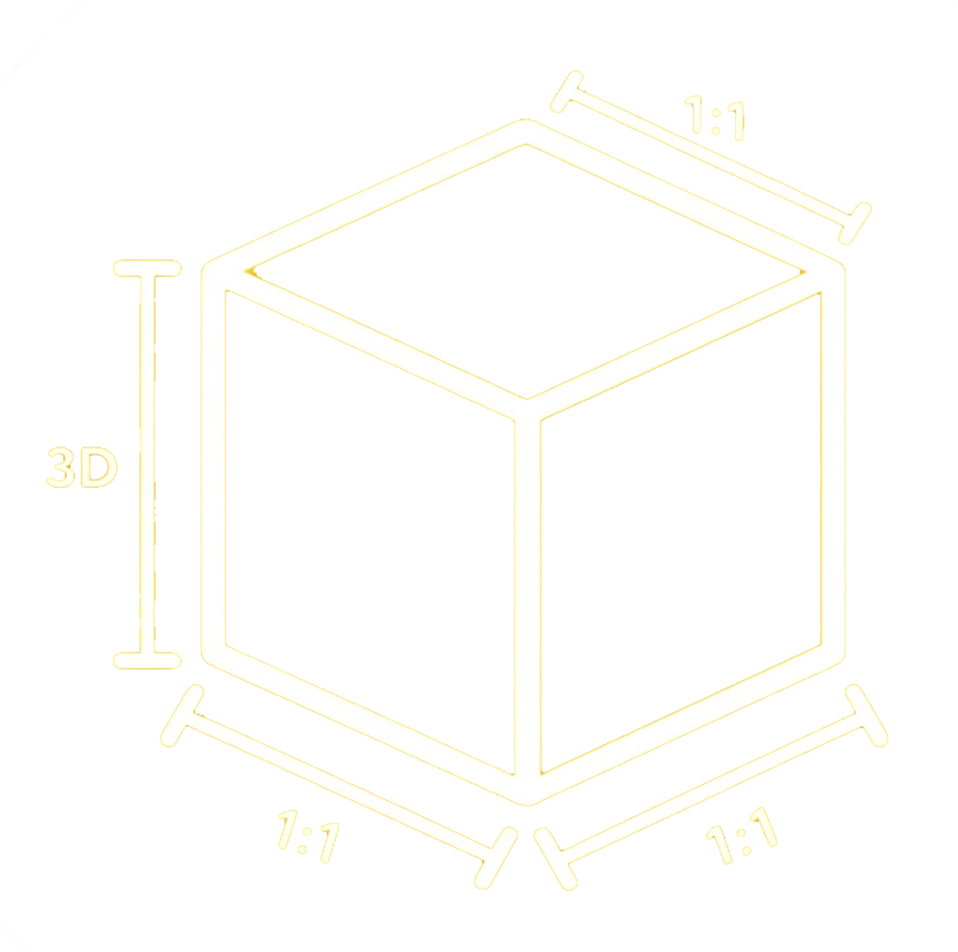
Produce renderings and structural drawings, optimize shelf layout, dooropening style and detailstructure.

Make physical prototype, test stability, appearance and assembly effect, modify details as your feedback.

Start formal mass-production after sample approval, strictly control quality, packaging and delivery cycle.