EN
Requirement Consultation
Communicate your display size, material, structure, brand logo and store-scene requirements.

2026/10/24
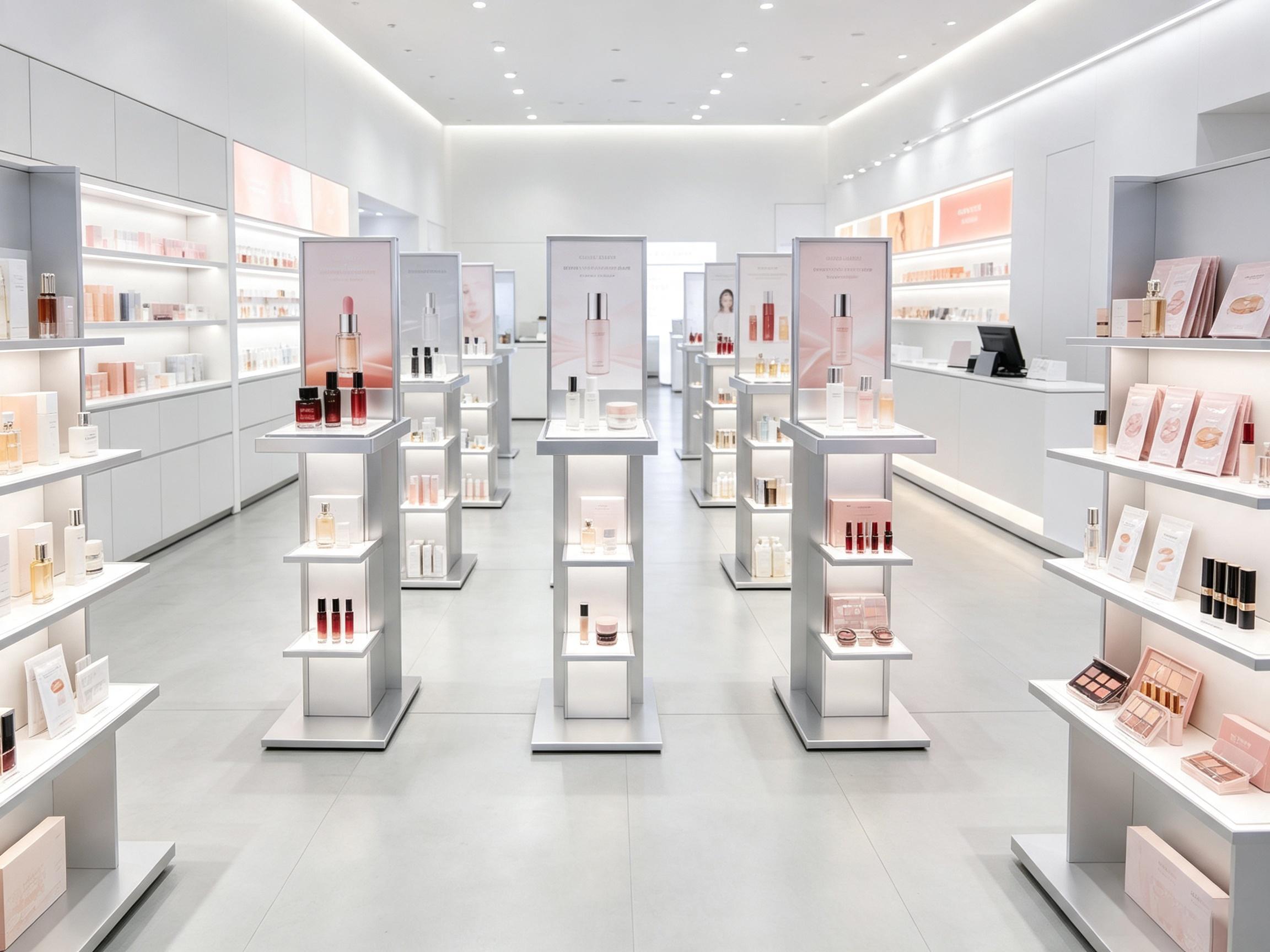
Retail environments represent high-stakes visual battlegrounds where merchandising hardware directly impacts inventory velocity and shopper perception. Developing successful custom display stands begins with selecting structural substrates capable of handling physical retail abuse while communicating premium brand equity. Retail display fixtures frequently encounter intense daily foot traffic, unpredictable shelf-loading weights, and demanding cleaning regimens. When procurement teams make compromises on core display stand materials, store installations often suffer from sagging shelves, cloudy plastic surfaces, and edge-chipping within mere months of store rollout. Selecting the appropriate display stand materials requires balancing structural integrity, visual aesthetic criteria, manufacturing costs, and long-term durability. A fragile fixture damages brand reputation at the point of purchase, whereas an over-engineered unit inflates international freight costs and creates unnecessary assembly hurdles for store associates. Experienced visual merchandisers understand that every commercial venue, whether a boutique department store or a high-volume warehouse outlet, requires a deliberate match between product weight, ambient store humidity, lighting conditions, and structural substrates. Evaluating material properties through an engineering lens ensures custom display stands withstand real-world retail demands while delivering consistent commercial returns across multi-year promotional cycles. This structural calculation defines the fundamental return on investment for physical retail campaigns, preventing costly mid-campaign replacements and protecting physical inventory.
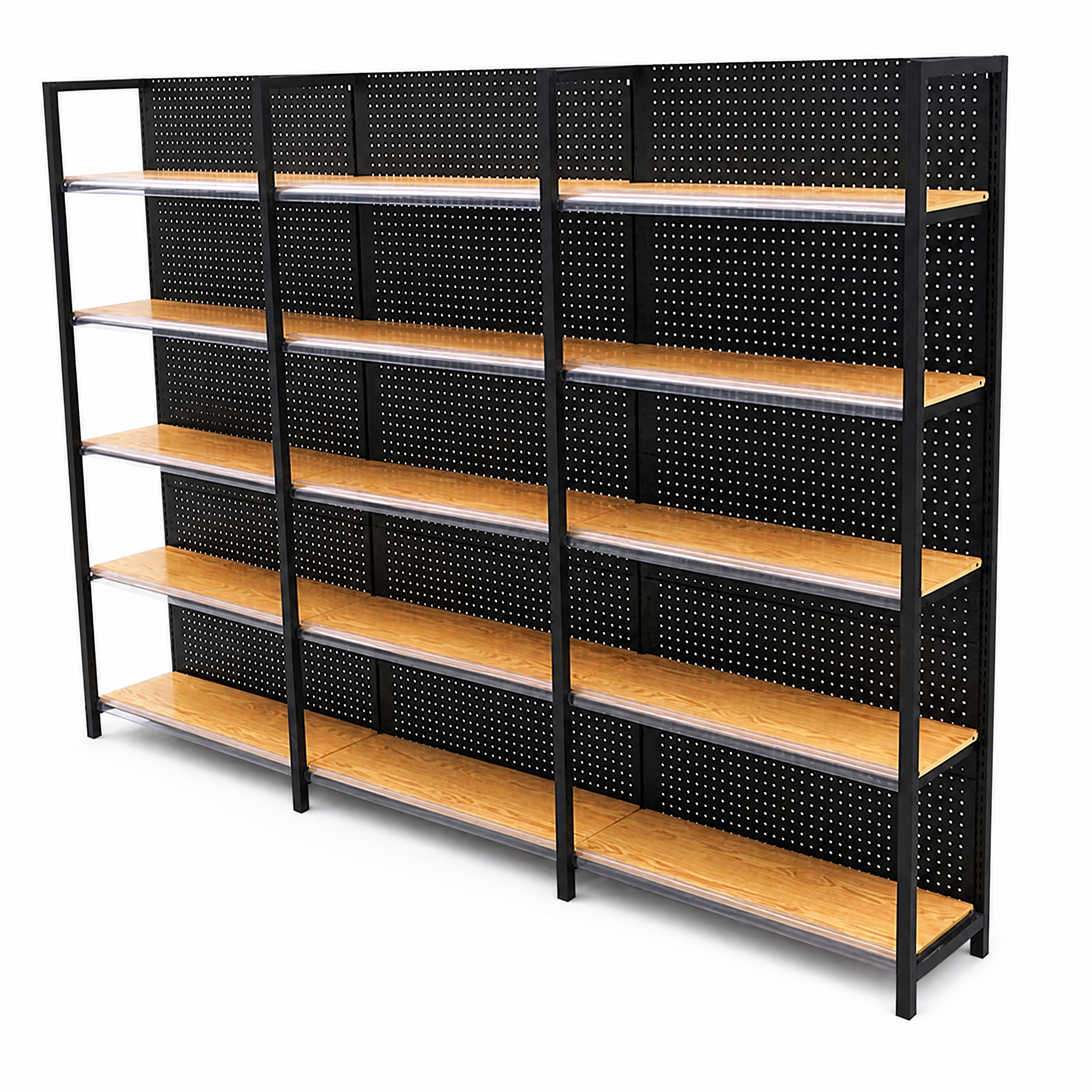
When store fixtures require superior structural endurance and dependable weight capacity, industrial metal alloys remain the benchmark standard across modern commercial engineering. Fabricating metal display racks typically involves cold-rolled steel sheets, structural tubular steel, or precision aluminum extrusions. Cold-rolled steel offers exceptional yield and tensile strength exceeding 370 MPa, allowing slim-profile uprights to support substantial merchandise loads from 50 kg to more than 100 kg per tier without catastrophic structural deflection. For beverage promotions, automotive maintenance fluids, and heavy power tools, custom display stands built from welded steel provide structural safety that polymer alternatives cannot achieve. Finishing technology plays an essential role in preserving metal retail display fixtures. Industrial electrostatic powder coating creates an impact-resistant polymer barrier that cures under heat to withstand abrasions, cleaning solvents, and moisture. Commercial coatings tested under ASTM B117 salt spray standards deliver robust corrosion protection, preventing oxidation even in humid tropical retail zones. For applications demanding lightweight portability and rapid store reconfiguration, architectural aluminum extrusions provide an optimal strength-to-weight ratio with refined anodized surfaces. Metal display racks provide long lifecycle performance, high modular flexibility, and excellent recyclability for sustainability-conscious global retail brands.
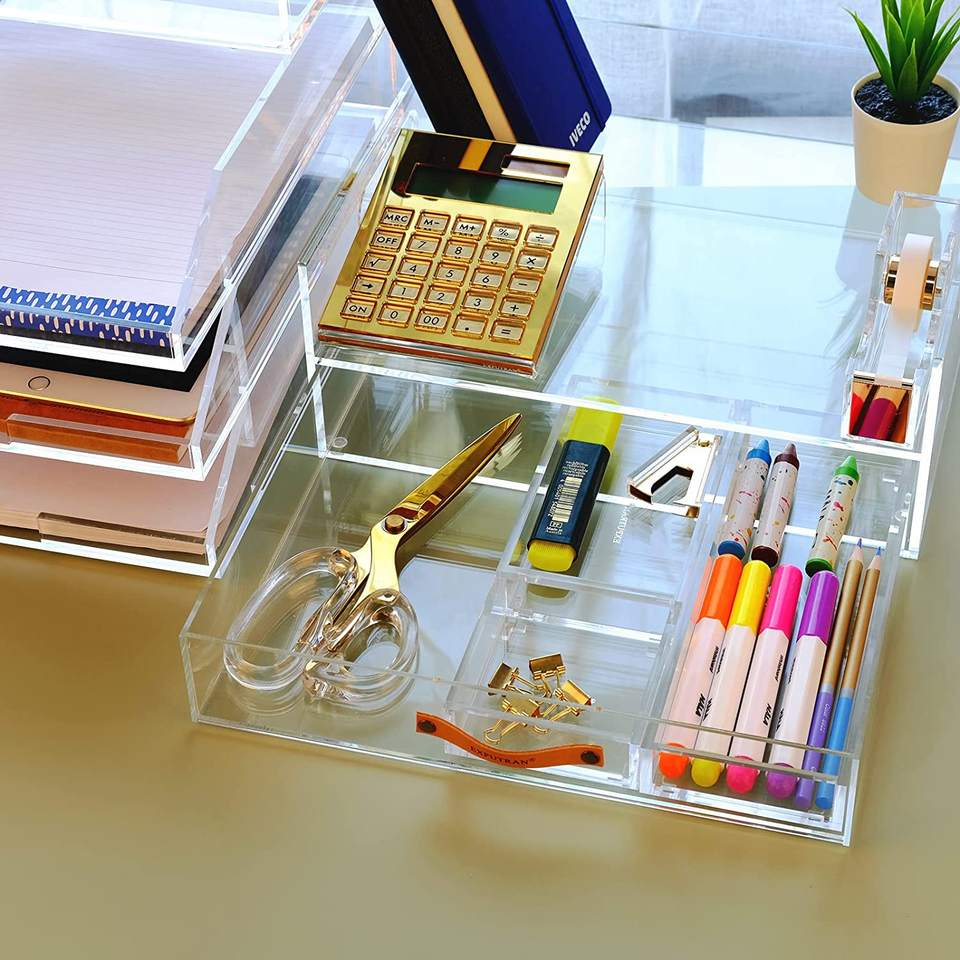
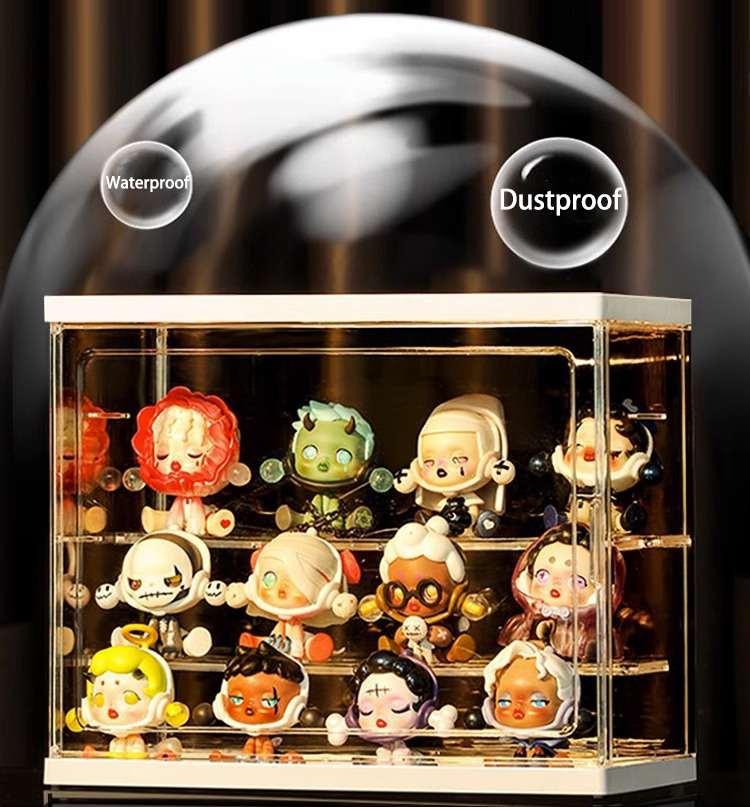
Luxury cosmetic counters, optical boutiques, and consumer electronics showcases rely heavily on acrylic display stand units to elevate small, high-value merchandise. Cast polymethyl methacrylate provides an exceptional 92% optical light transmittance, outperforming standard silica float glass while weighing less than half as much. This transparency allows focused store track lighting to illuminate merchandise without color distortion or greenish tinting. Fabricating a pristine acrylic display stand requires precision CNC routing, laser diamond edge polishing, and thermoforming techniques that generate clean, seamless structural curves. While acrylic provides visual clarity, retail designers must specify appropriate polymer grades to prevent surface degradation. Standard extruded acrylic works well for cost-effective tabletop card holders, but cast acrylic offers superior molecular weight, chemical resistance, and scratch resistance against routine store cleanings. For impact-heavy retail environments, engineers frequently specify PETG or polycarbonate components to prevent cracking. UV-stabilized formulations ensure custom display stands placed near sunny storefront windows maintain crystal-clear transparency without hazing or brittleness. When applied to countertop showcases, an acrylic display stand isolates premium items, draws consumer focus, and drives impulse conversions.
Engineered timber products and composite wood panels introduce tactile warmth and lifestyle appeal that raw metallic structures cannot replicate alone. Medium Density Fiberboard, high-density fiberboard, and structural plywood serve as the backbone for architectural retail display fixtures in apparel boutiques, artisanal food markets, and luxury department stores. Medium Density Fiberboard offers homogeneous structural density free from natural grain knots, making it an ideal substrate for high-precision CNC multi-axis routing, intricate decorative detailing, and direct polyurethane lacquer applications. Specifying wood-based display stand materials requires strict compliance with international indoor air quality regulations, including CARB Phase 2 and European E1 formaldehyde emission certifications. Commercial store environments demand moisture-resistant fiberboard formulations combined with industrial high-pressure laminates or thermal-fused melamine. Precision PVC or ABS edge banding applied with hot-melt polyurethane adhesives seals panel cores against moisture infiltration and physical corner impacts from shopping carts. Engineered wood fixtures provide sophisticated visual warmth, extensive surface texturing possibilities, and dependable structural stability across expansive retail footprints. This organic material layer bridges the gap between mechanical utility and human emotional connection in architectural retail spaces.
Modern international supply chains demand that custom display stands minimize bulk freight volume while retaining maximum structural strength upon arrival. Achieving this balance requires transitional engineering where diverse display stand materials connect seamlessly via modular interlocking hardware. Standard structural steel tubes form the heavy load-bearing chassis, while lightweight aluminum slide-in brackets secure the outer shelving profiles. Lightweight polymer panels and clear acrylic display stand components drop into place without complex tool requirements, dramatically reducing local installation labor costs. By using a modular engineering approach, global retailers avoid shipping hollow, fully assembled display units across oceans, saving substantial container shipping costs. Instead, flat-packed shipments utilizing composite wood panels, metal display racks with knock-down configurations, and nesting acrylic pieces arrive at regional distribution centers ready for rapid deployment. Furthermore, implementing high-durability polymer bumpers along high-impact metal base zones prevents cosmetic shipping damage and ensures that the final store setup retains its pristine design aesthetic through multiple busy holiday shopping seasons. This integrated material strategy shifts the focus from simply building static shelves to creating highly adaptable, easily transportable marketing assets.
Modern retail spaces rarely rely on single-material construction; competitive brands achieve retail differentiation through hybrid custom display stands that integrate metal structural chassis, precision acrylic accents, warm architectural wood laminates, and low-voltage LED illumination. This integrated approach leverages the structural rigidity of steel, the optical brilliance of acrylic, and the natural warmth of wood within a unified retail footprint. As an experienced custom display manufacturer with decades of fabrication expertise, YSY Display delivers comprehensive engineering and mass production solutions for global commercial clients. The manufacturing facilities at YSY Display house advanced fiber laser cutting systems, multi-axis CNC tube benders, robotic welding cells, dust-free electrostatic powder coating lines, and precision acrylic fabrication workshops. By executing value engineering during initial 3D CAD design, YSY Display assists retailers in optimizing material utilization, minimizing international shipping volumes through knock-down modular designs, and ensuring structural compliance with international standards. Partnering with YSY Display gives retail brands the manufacturing precision, technical capacity, and turnkey supply chain reliability needed to transform retail concepts into high-performing commercial store fixtures. This robust manufacturing ecosystem ensures that multi-material engineering specifications translate smoothly into retail success.
2026/10/30
Elevate store environments with custom retail store displays. Learn how hybrid steel, cast acrylic, and wood fixtures build brand image and sales.
2026/10/30
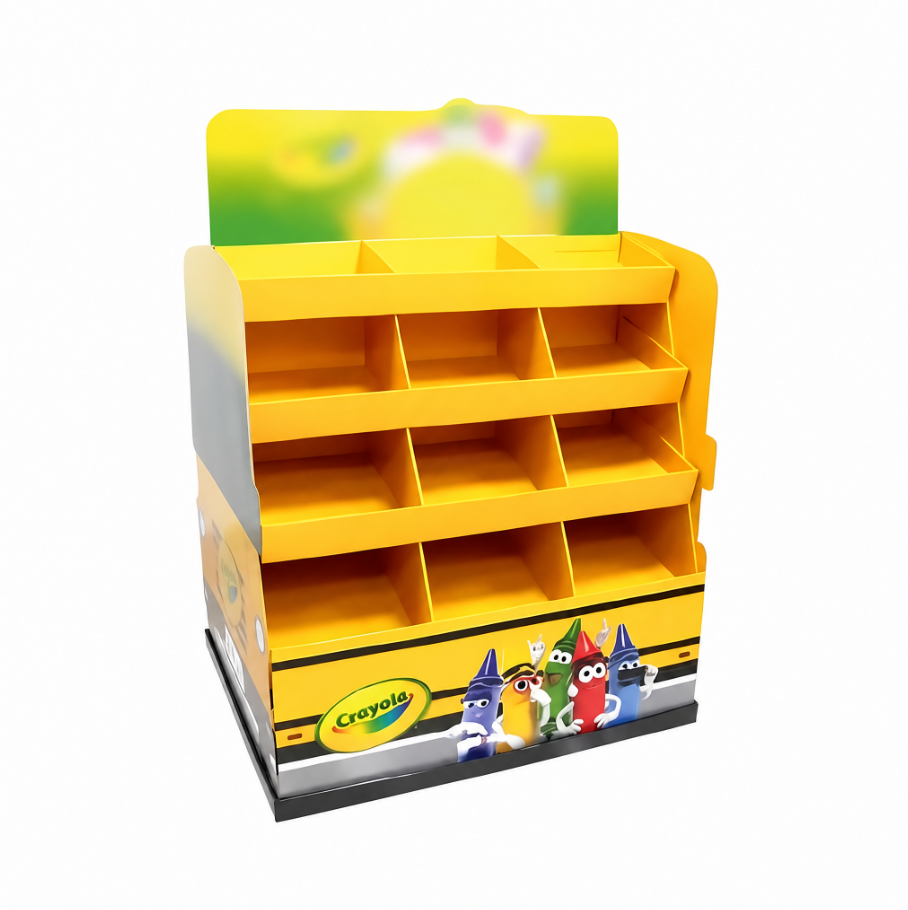
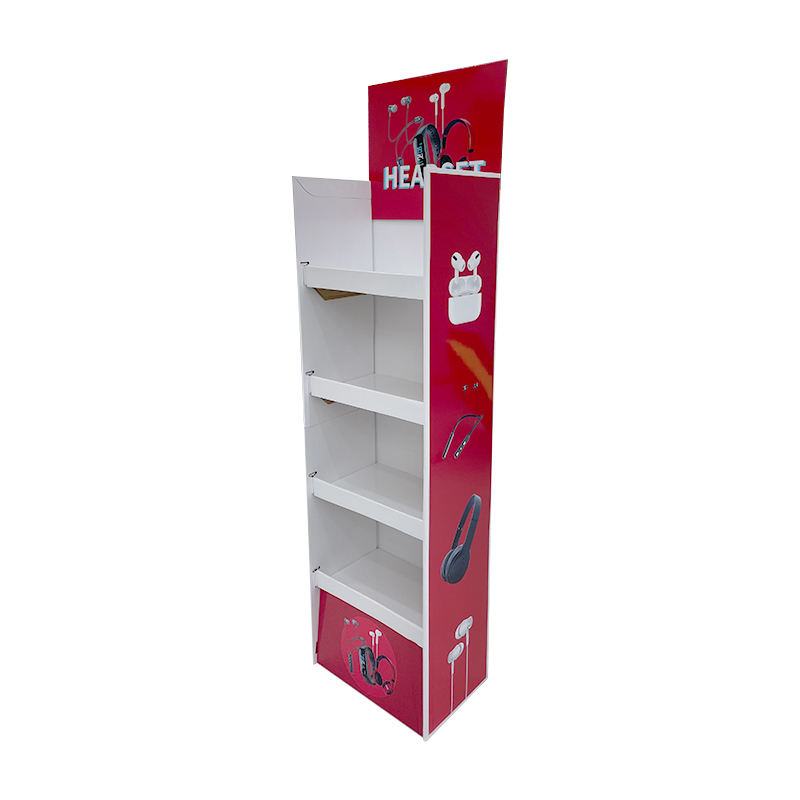
Maximize visual impact with cardboard display stands. See how high-ECT corrugated boards, flat-pack logistics, and rapid lock tabs lower marketing costs.
2026/10/30
Elevate unboxing with a custom display box. Learn how rigid greyboards, G7-certified litho-printing, and high-density EVA foam protect premium goods.
2026/10/30
Optimize product flow with a heavy-duty Display Rack. Learn how cold-rolled Q235 steel frames, teardrop locks, and gravity flow decks cut pick times.
2026/10/30
Secure premium micro-goods with countertop display case units. See how diamond-polished cast acrylic and magnetic lock latches boost impulse sales.
2026/10/30
Boost retail sales with sustainable carton displays. Learn how FSC corrugated boards and eco-friendly soy inks cut carbon footprints and waste fees.
Follow our brand-latest updates, including key-client cooperation, trade-fair activities and daily-life snapshots of our factory-team.

Enhance the retail experience with custom makeup display stands, providing both functionality and modern aesthetics for cosmetic brands.

Upgrade your products’ shelf appeal and protection with innovative gift box packaging designed for cosmetics, electronics, and accessories.

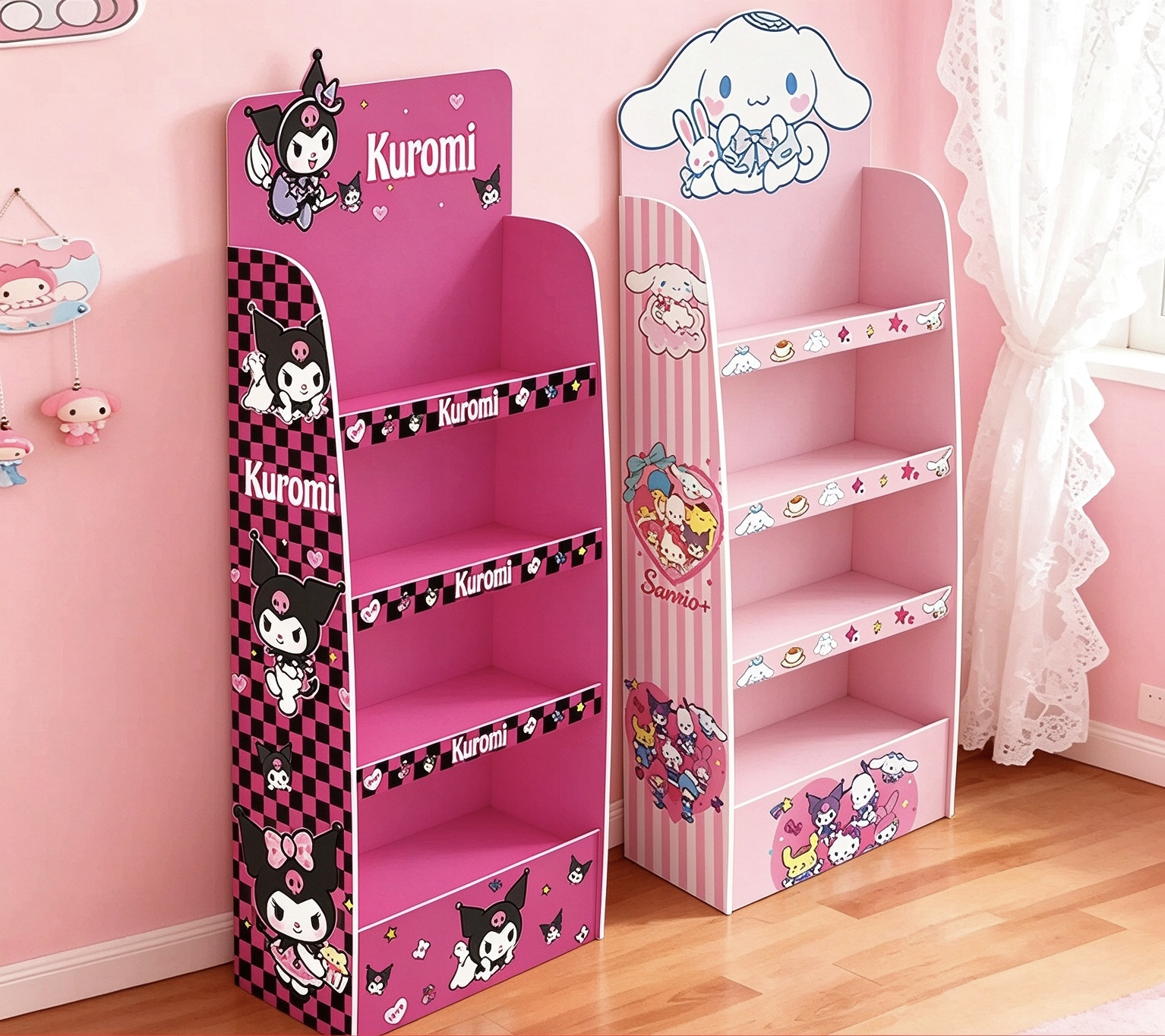
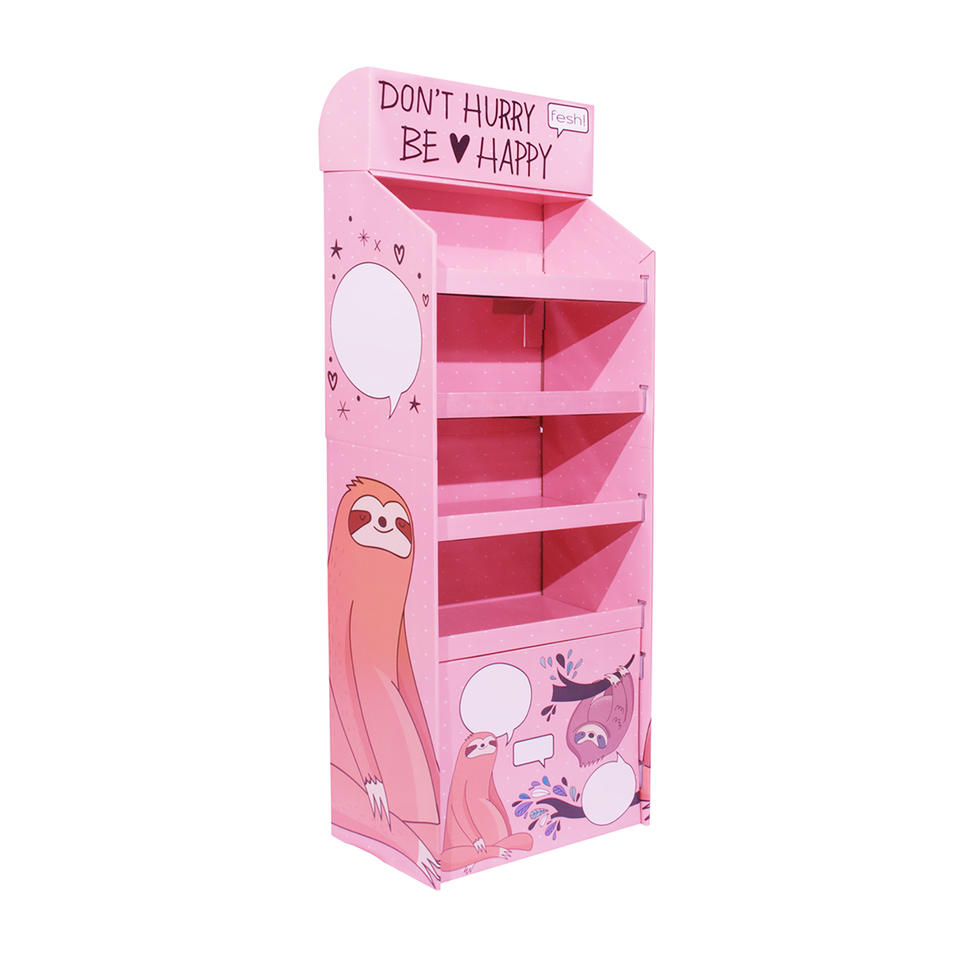
Promote your brand with advertising display racks, featuring flexible configurations for showrooms, events, and point-of-sale promotions.
Comprehensive design, prototyping, and logistics for global custom display stand demands

Communicate your display size, material, structure, brand logo and store-scene requirements.
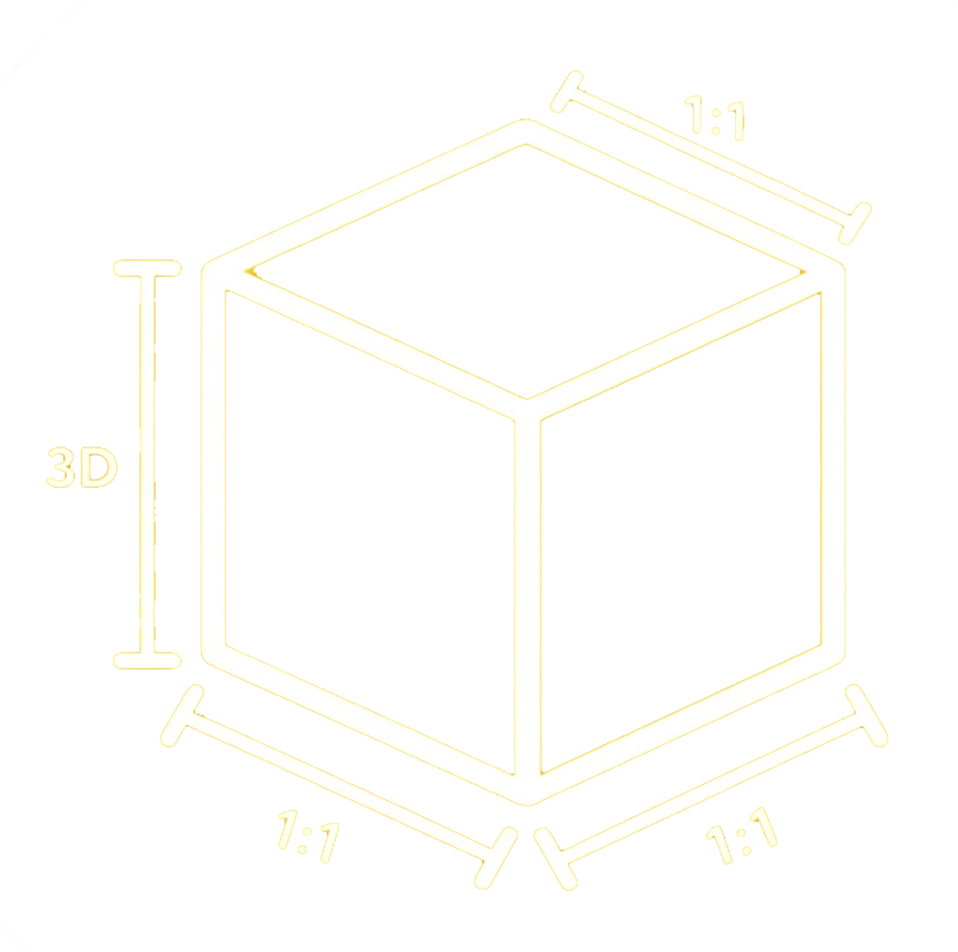
Produce renderings and structural drawings, optimize shelf layout, dooropening style and detailstructure.

Make physical prototype, test stability, appearance and assembly effect, modify details as your feedback.

Start formal mass-production after sample approval, strictly control quality, packaging and delivery cycle.