EN
Requirement Consultation
Communicate your display size, material, structure, brand logo and store-scene requirements.

2026/09/29
Enclosing dense merchandise within clear display vitrines presents severe structural challenges that require careful engineering. Retailers displaying heavy bronze sculptures, mineral geodes, or industrial machinery prototypes frequently experience catastrophic joint failures when relying on generic plastic boxes. Sourcing an under-engineered acrylic display box causes progressive horizontal deflection along side panels, resulting in visible bowing. Integrating a properly calculated thick acrylic display box prevents visual distortion while maintaining rigid structural integrity under continuous load. When merchandise weight exceeds normal retail thresholds, deploying an industrial-grade heavy duty display box eliminates material fatigue and prevents accidental breakage. Specifying a tailored custom acrylic showcase ensures that protective enclosures maintain optical brilliance without risking expensive inventory.
Evaluating physical stress points requires understanding how gravitational load exerts continuous lateral pressure on acrylic seams. A thin-walled acrylic display box bows outwards when subjected to point loads, creating micro-gaps along bonded corner joints. Purchasing a reinforced thick acrylic display box resolves deflection vulnerabilities by distributing internal shear forces across heavier cross-sections. Commercial gallery curators depend on a robust heavy duty display box to shield irreplaceable artifacts against external retail impacts. Implementing an engineered custom acrylic showcase guarantees that transparent enclosures maintain perfect geometric alignment over multi-year exhibition periods.
Determining proper material thickness begins with calculating inventory mass and physical display dimensions. For lightweight items under two kilograms, a four-millimeter acrylic display box provides adequate vertical support without excessive weight. Medium-weight goods ranging between three and eight kilograms require a six-millimeter thick acrylic display box to eliminate perimeter flexing. When product weight reaches eight to twenty-five kilograms, curators mandate an eight to ten-millimeter heavy duty display box to maintain rigid vertical planes. For extreme loads exceeding twenty-five kilograms, constructing an advanced custom acrylic showcase utilizing twelve to fifteen-millimeter sheets becomes mandatory to guarantee structural equilibrium.
Beyond sheet thickness, selecting cell-cast polymethyl methacrylate over lower-grade extruded acrylic dictates long-term performance. Cell-cast sheets used in a premium acrylic display box possess superior molecular weight, providing enhanced flexural modulus under ASTM D790 testing standards. Fabricating a high-capacity thick acrylic display box with cast acrylic ensures that vertical panels withstand compressive loading without micro-crazing. A well-engineered heavy duty display box resists chemical cleaning reagents far better than extruded alternatives. Furthermore, commissioning a precision-milled custom acrylic showcase provides pristine optical transmission exceeding ninety-two percent alongside exceptional physical resilience.
Enclosing substantial mass safely depends entirely on corner seam chemistry and bottom plate engineering. Conventional solvent-welded joints in an ordinary acrylic display box fail under continuous tensile shear stress, causing sudden joint separation. High-capacity fabrication of a thick acrylic display box utilizes two-component reactive polymerizing adhesives that create seamless molecular bonds matching raw material strength. Structuring a reinforced heavy duty display box involves incorporating rebated step joints and internal triangular acrylic gusset supports. Securing heavy items inside an engineered custom acrylic showcase protects structural joints against sudden dynamic shocks during retail cleaning routines.
Base plate configuration determines how effectively display hardware disperses downward pressure across display pedestals. An unsupported acrylic display box bottom plate sags under heavy loads, scratching tabletop surfaces and destabilizing internal merchandise. Fabricating a heavy-load thick acrylic display box requires an elevated sub-base reinforced with internal stiffener ribs. When outfitting a museum-grade heavy duty display box, fabricators integrate recessed acrylic plinths to channel downward forces toward outer load-bearing edges. Selecting a purpose-built custom acrylic showcase ensures uniform weight dispersion across large commercial footprints.
A compelling demonstration of load-bearing display engineering occurred when an international natural history gallery addressed recurring showcase failures. The gallery exhibited thirty-eight-kilogram amethyst geodes using generic five-millimeter vitrines, resulting in cracked adhesive seams and severe base plate sagging. Engineering specialists replaced vulnerable enclosures with a customized acrylic display box system built from premium ten-millimeter cell-cast panels. Each specimen received an engineered thick acrylic display box featuring a fifteen-millimeter reinforced black acrylic pedestal base. Upgrading to this heavy duty display box network eliminated panel deflection and restored museum-grade optical presentation.
The operational results confirmed complete structural dependability across two years of public gallery operation. Deploying the heavy-gauge custom acrylic showcase completely eliminated joint separation while supporting forty kilograms of continuous static downward weight. Curators reported zero optical distortion, enabling visitors to photograph subtle crystalline facets without distracting panel waviness. Furthermore, the specialized thick acrylic display box prevented surface scratching during routine maintenance. The verified performance of this heavy duty display box system proved the vital commercial value of matching material thickness to merchandise mass.
Achieving long-term structural resilience requires relieving internal material stress generated during cutting and milling. An unannealed acrylic display box develops stress crazing when subjected to continuous weight loads and commercial sanitizers. Subjecting a fabricated thick acrylic display box to computer-controlled thermal annealing cycles stabilizes polymer chains, maximizing tensile yield strength. Quality control technicians inspect each finished heavy duty display box using polarized light filters to identify localized stress concentrations. Mandating these stringent verification standards ensures that an industrial custom acrylic showcase maintains structural durability throughout demanding retail display campaigns.
Comprehensive factory testing validates that display enclosures withstand continuous commercial floor exposure. Technicians measure wall thickness tolerances across each acrylic display box using ultrasonic thickness gauges to ensure uniformity. A reliable thick acrylic display box must pass rigorous static deflection tests before container loading commences. Fabricating an export-grade heavy duty display box requires strict adherence to international safety guidelines and ISO-certified manufacturing protocols. Procuring a thoroughly tested custom acrylic showcase protects retail enterprises against costly field fractures and product liability risks.
Executing high-capacity display rollouts across international retail networks requires a seasoned manufacturing ally. Sourcing an export-ready acrylic display box from a dedicated fabricator ensures rigorous material traceability and tight machining tolerances. Factory engineers refine each thick acrylic display box through value engineering, eliminating unnecessary material bulk while reinforcing critical load-bearing joints. Installing a dependable heavy duty display box elevates retail authority and safeguards high-value merchandise. Sourcing a production-grade custom acrylic showcase provides retail enterprises with reusable visual assets that deliver lasting commercial returns.
Backed by over 26 years of specialized manufacturing craftsmanship and engineering expertise, YSY Display delivers comprehensive OEM and ODM fixture solutions for world-class commercial brands. Operating an ISO-certified, RoHS-compliant modern manufacturing campus equipped with multi-axis CNC routers, high-precision laser cutters, and dust-free UV bonding workshops, YSY Display exports commercial displays to more than 50 countries worldwide. As an established global manufacturer, YSY Display provides structural value engineering, strict multi-stage quality assurance, and protective export packaging designed for international transit. Commercial retail networks searching for an impact-resistant acrylic display box, a precision-milled thick acrylic display box, a durable heavy duty display box, or a bespoke custom acrylic showcase gain dependable production capacity and dependable export execution with YSY Display.
2026/10/30
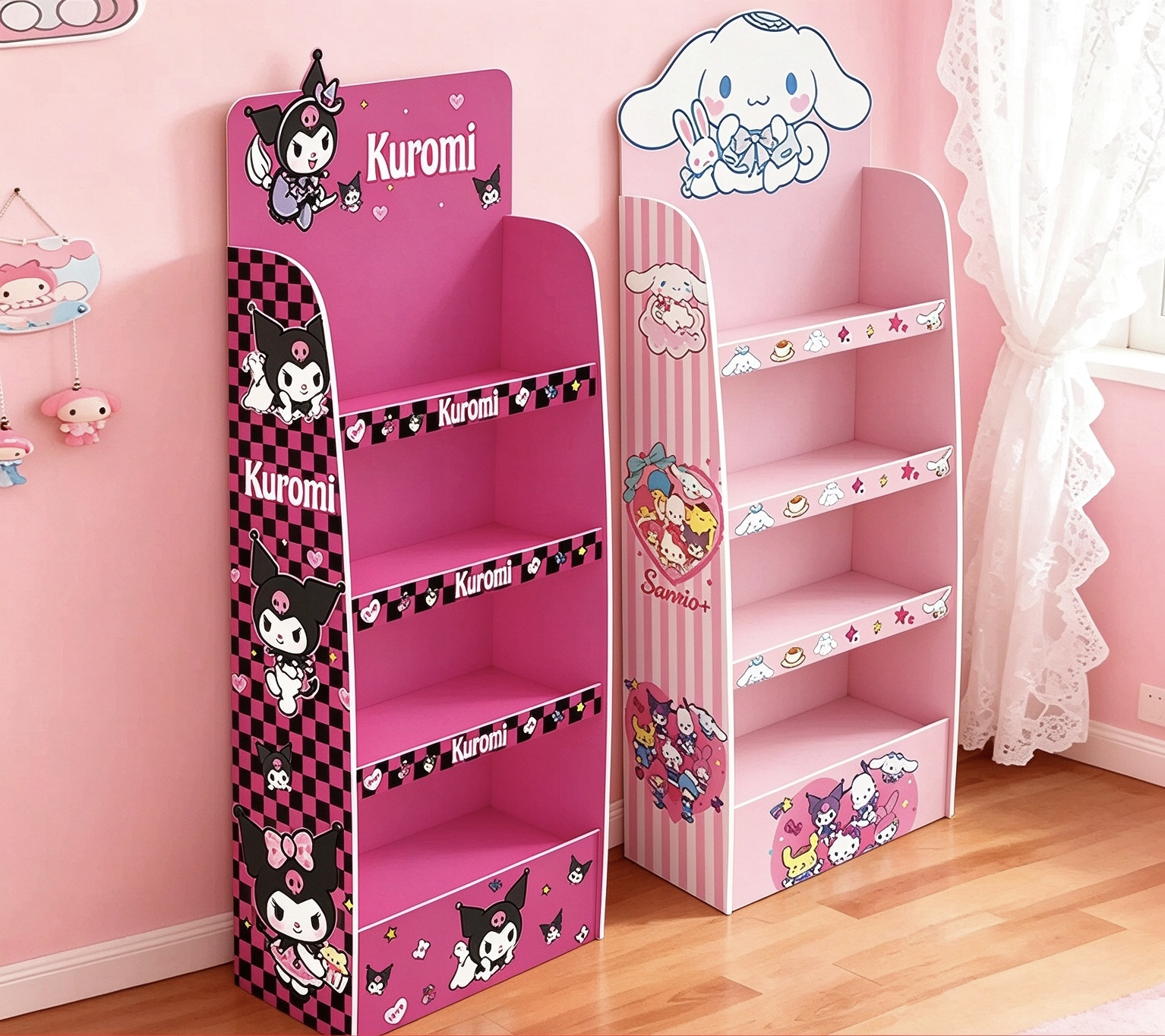
Elevate store environments with custom retail store displays. Learn how hybrid steel, cast acrylic, and wood fixtures build brand image and sales.
2026/10/30
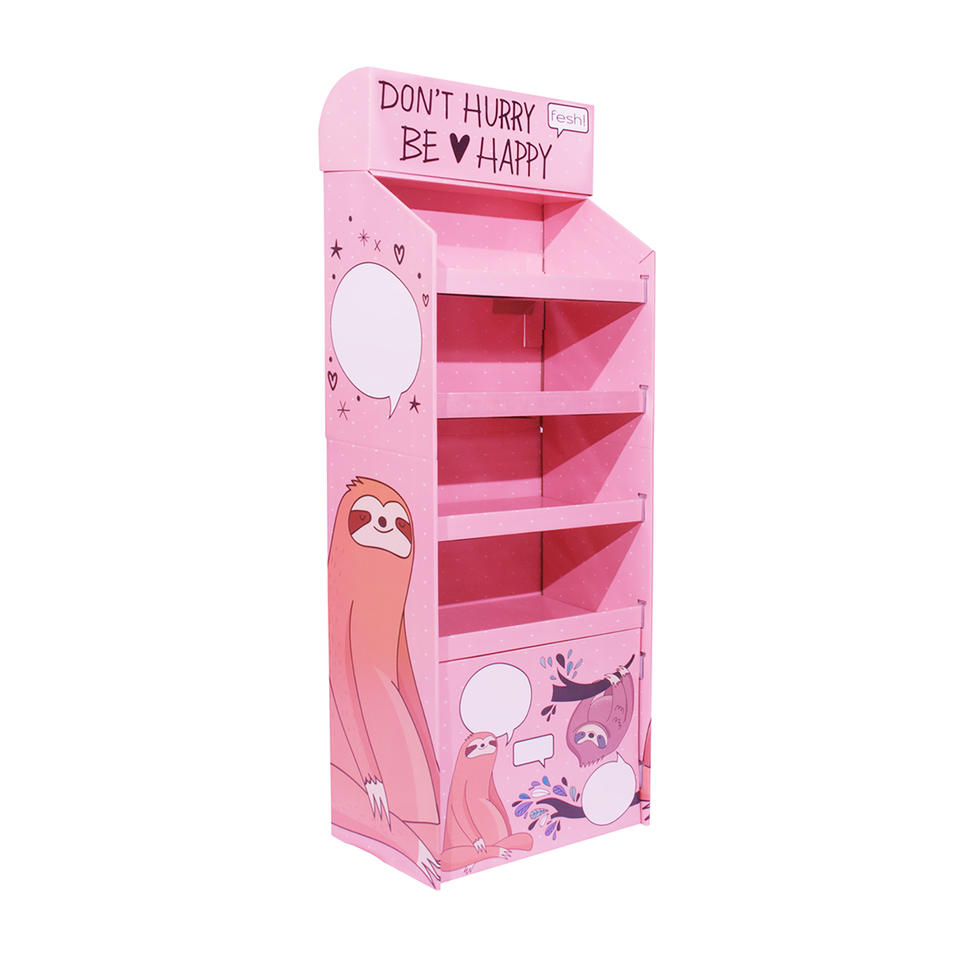
Maximize visual impact with cardboard display stands. See how high-ECT corrugated boards, flat-pack logistics, and rapid lock tabs lower marketing costs.
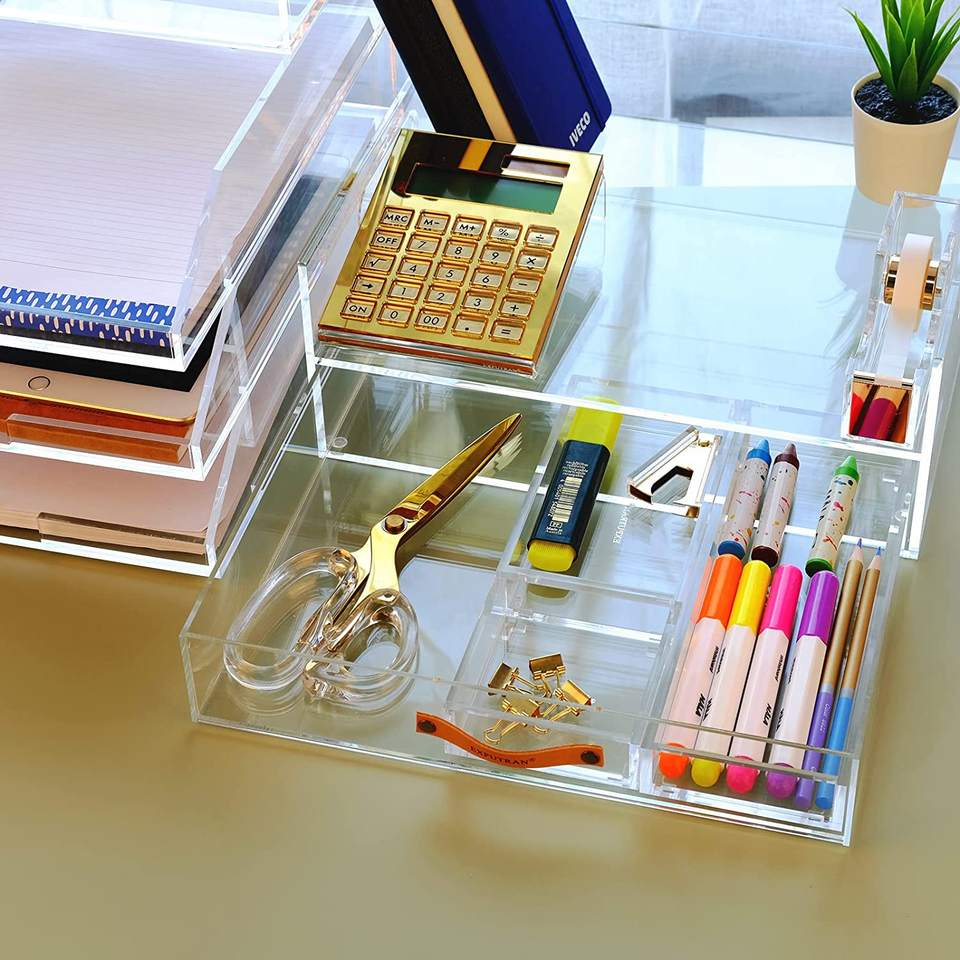
2026/10/30
Elevate unboxing with a custom display box. Learn how rigid greyboards, G7-certified litho-printing, and high-density EVA foam protect premium goods.
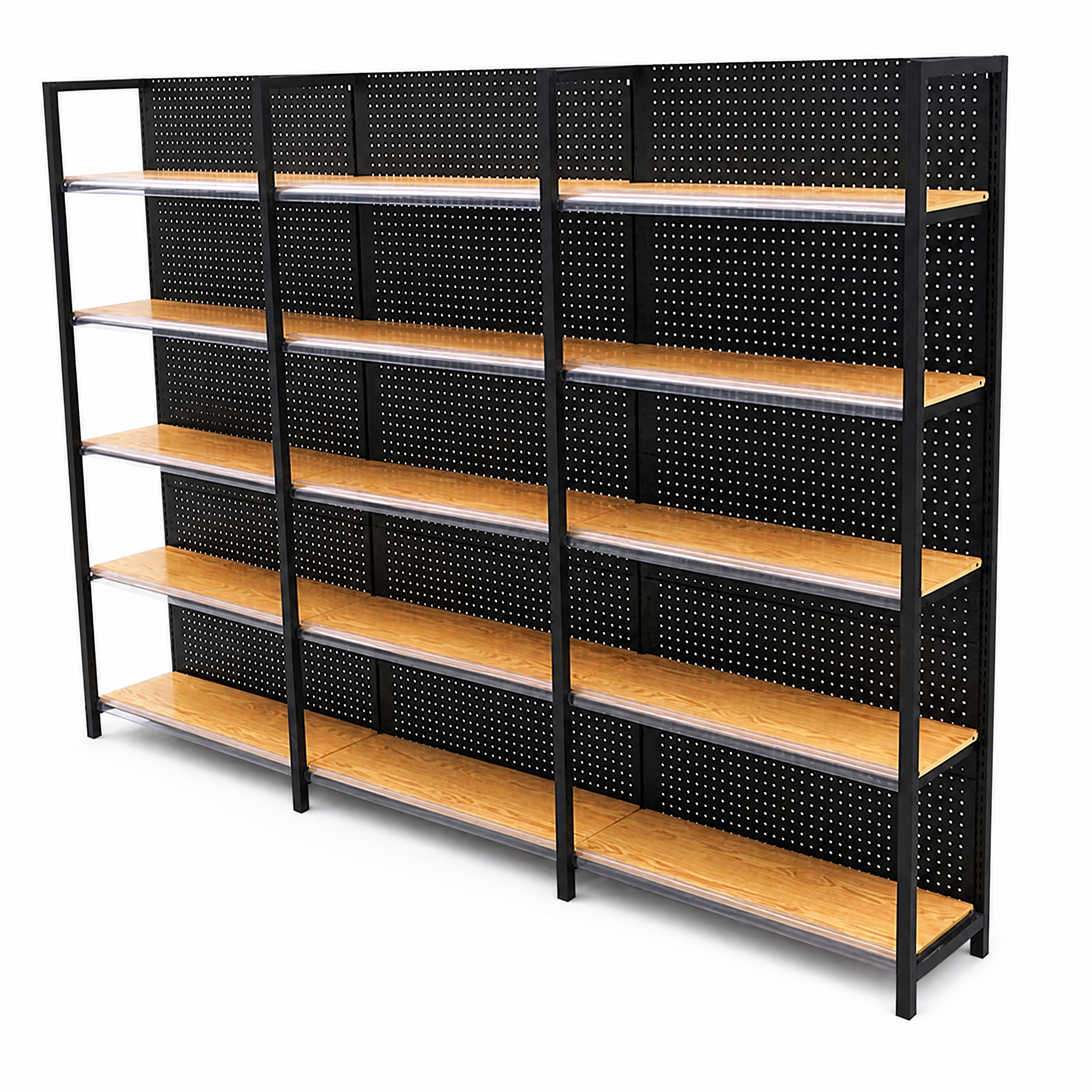
2026/10/30
Optimize product flow with a heavy-duty Display Rack. Learn how cold-rolled Q235 steel frames, teardrop locks, and gravity flow decks cut pick times.
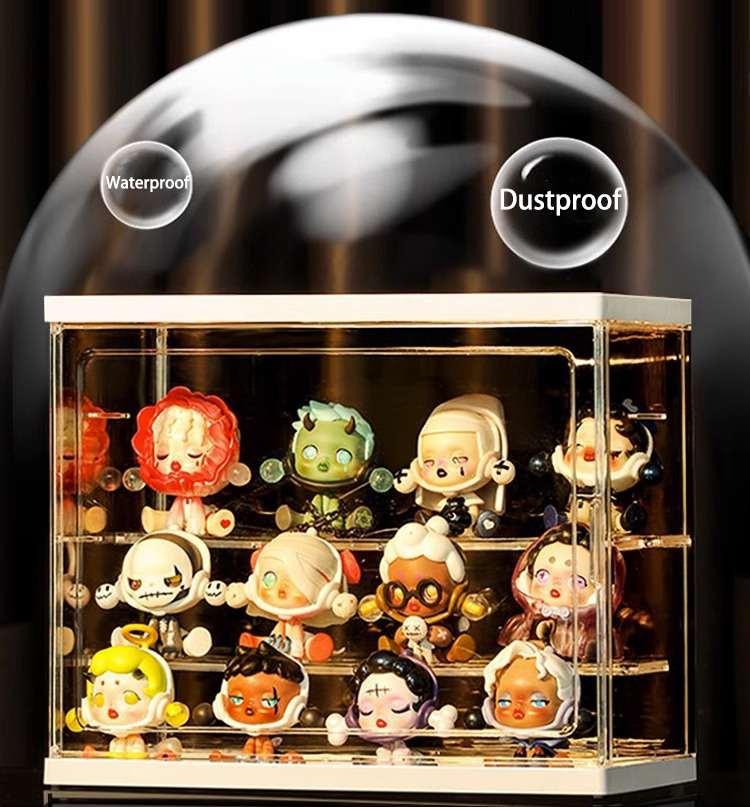
2026/10/30
Secure premium micro-goods with countertop display case units. See how diamond-polished cast acrylic and magnetic lock latches boost impulse sales.
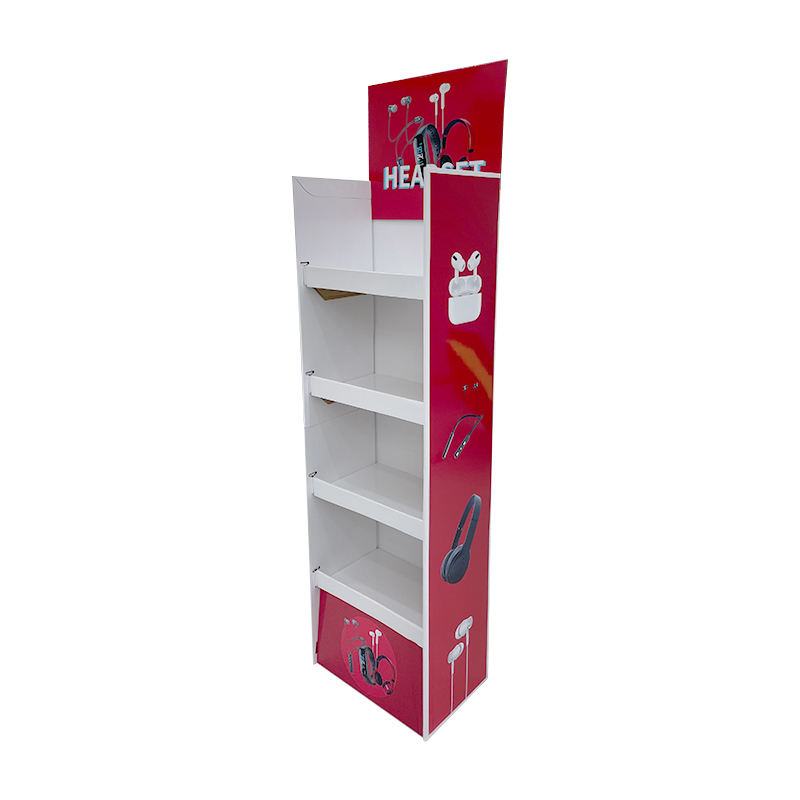
2026/10/30
Boost retail sales with sustainable carton displays. Learn how FSC corrugated boards and eco-friendly soy inks cut carbon footprints and waste fees.
Follow our brand-latest updates, including key-client cooperation, trade-fair activities and daily-life snapshots of our factory-team.

Enhance the retail experience with custom makeup display stands, providing both functionality and modern aesthetics for cosmetic brands.

Upgrade your products’ shelf appeal and protection with innovative gift box packaging designed for cosmetics, electronics, and accessories.

Promote your brand with advertising display racks, featuring flexible configurations for showrooms, events, and point-of-sale promotions.
Comprehensive design, prototyping, and logistics for global custom display stand demands

Communicate your display size, material, structure, brand logo and store-scene requirements.
Produce renderings and structural drawings, optimize shelf layout, dooropening style and detailstructure.

Make physical prototype, test stability, appearance and assembly effect, modify details as your feedback.

Start formal mass-production after sample approval, strictly control quality, packaging and delivery cycle.