EN
Requirement Consultation
Communicate your display size, material, structure, brand logo and store-scene requirements.

2026/10/26
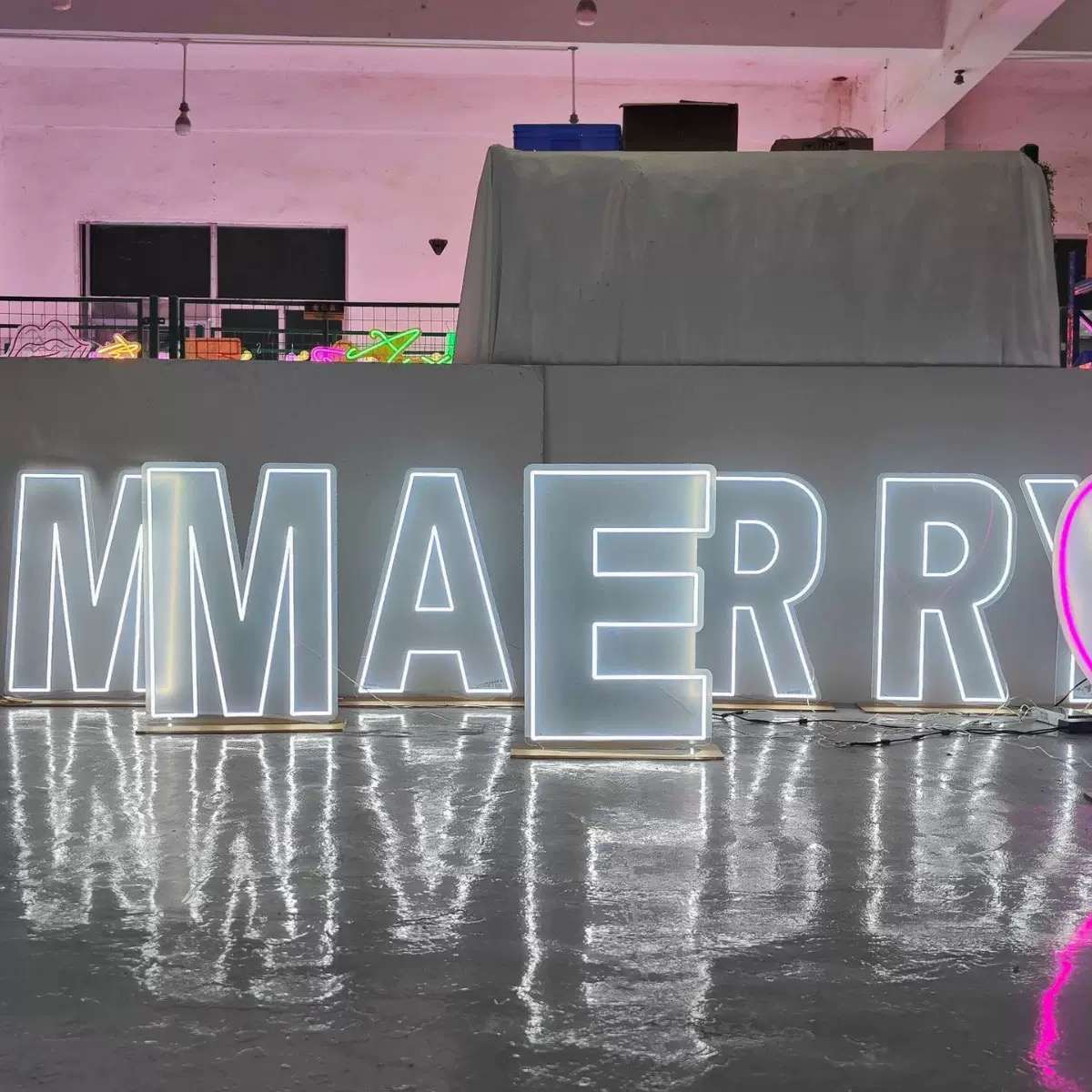
Commercial procurement managers and corporate physical planners managing multi-store rollouts frequently struggle with the technical limitations of legacy architectural illumination. When senior developers evaluate why buyers choose Custom Neon Sign for commercial decoration over traditional mercury-gas discharge glass tubes, they prioritize electrical safety, silent operation, and minimized operational expenses. Traditional hand-blown glass neon requires highly dangerous high-voltage transformers operating between three thousand and fifteen thousand volts to ionize inert gases. This massive electrical load generates substantial electromagnetic interference, creating visual screen flickering across store payment terminals and constant audible high-frequency buzzing that degrades customer dining comfort. Furthermore, fragile glass envelopes easily rupture under minor physical impacts, releasing toxic mercury vapor and creating immediate physical hazards in public retail corridors. Choosing an engineered custom neon sign resolves these legacy liabilities by replacing high-voltage glass tubes with low-voltage solid-state technology. Modern LED neon flex signs for business eliminate high-voltage shock risks and acoustic hums, providing retail buyers with an energy-efficient, safe alternative that reduces store utility expenses and ensures safe long-term operation.
The primary technical foundation of superior low-voltage illumination lies in the material science of the protective light diffusing sleeve. Understanding why buyers choose Custom Neon Sign for commercial decoration requires comparing medical-grade cast organic silicone extrutions with cheap polyvinyl chloride alternatives. Inferior PVC-based neon flex tubes quickly degrade, crack, and turn a hazy yellowish-brown when exposed to commercial heat and continuous ultraviolet store spotlights. Premium LED neon flex signs for business utilize pure UV-stabilized organic silicone sleeves that retain high flexibility and complete color purity under temperatures ranging from minus forty to sixty degrees Celsius. Chemically infused with advanced titanium dioxide diffusing particles, these silicone sleeves disperse point-source light-emitting diode hot spots into a continuous, dot-free glowing line. Furthermore, raw silicone polymer achieves UL 94-V0 flammability ratings, self-extinguishing immediately during accidental electrical short-circuits. Specifying high-purity silicone illuminated commercial neon branding ensures that storefront signage meets strict public building safety codes while retaining vibrant color saturation across years of daily continuous service.
Operating illuminated signs safely in commercial environments requires precise mechanical engineering of the structural acrylic backplates. Exploring why buyers choose Custom Neon Sign for commercial decoration involves analyzing the physical tolerances of the backing substrates that carry the flexible silicone tubing. Flimsy backing boards bend easily under thermal expansion, misaligning silicone channels and causing permanent structural distortion that damages fine brand typography. High-performance custom neon sign assemblies utilize premium cast virgin polymethyl methacrylate backplates with thicknesses between six and eight millimeters to provide maximum structural rigidity. Computer numerical control multi-axis routers carve precise contoured channels directly into these optical PMMA panels with dimensional tolerances under 0.05 millimeters, ensuring perfect alignment for commercial neon sign decoration layouts. Industrial buyers specify flame-polished clear backing boards that disappear against interior masonry, or solid matte black backplates that absorb ambient glare to maximize logo contrast. Integrating aircraft-grade stainless steel wire suspenders and pre-drilled standoff mounting hardware guarantees that heavy signage remains safely anchored to structural ceiling grids, eliminating physical liability risks.
Continuous commercial operation requires rigorous thermal management and active heat dissipation to prevent premature luminous decay. Behind every application of commercial neon sign decoration lies an engineered heat-sink strategy that protects the delicate internal semiconductor layers. Enclosing high-output light-emitting diodes inside tight, sealed silicone chambers generates substantial heat that degrades diode phosphor layers if unmanaged, leading to severe color shifts and dimming. Modern LED neon flex signs for business utilize dual-layer copper flexible printed circuit boards with high thermal conductivity, directing heat away from individual diode junctions toward the heavy acrylic backplate. This thermal design keeps diode junction temperatures well below sixty-five degrees Celsius, preventing localized heat pockets and maintaining optical consistency. Sourcing custom neon sign fixtures engineered with certified constant-current drivers prevents voltage spikes across long structural letter runs. Adhering to these strict thermal standards ensures that illuminated commercial neon branding maintains high Color Rendering Indexes exceeding eighty-five across fifty thousand continuous operating hours, delivering consistent chromatic performance throughout multi-year campaigns.
The business value of transitioning to low-voltage solid-state signage is demonstrated by measurable utility savings and reduced insurance liabilities. A prominent casual dining and entertainment group operating thirty-five metropolitan locations conducted a comprehensive operational cost audit after replacing broken gas-discharge glass neon with custom LED neon flex signs for business. Over the twelve months following the rollout, participating locations recorded a sixty-eight percent reduction in signage-related electricity consumption, lowering overall store operating costs. Because the low-voltage custom neon sign units operated on safe twenty-four-volt direct current power supplies, the brand’s commercial property underwriters lowered fire insurance premiums by fifteen percent across all thirty-five locations. Furthermore, the robust silicone construction eliminated breakage-related maintenance calls entirely, saving significant capital in contractor emergency repairs compared to previous glass installations. This real-world commercial deployment confirms that choosing advanced illuminated commercial neon branding directly improves store operational efficiency, safety compliance, and business profitability.
Producing durable commercial illuminated signage requires advanced CNC machining, certified electrical assembly cleanrooms, and strict quality control standards. YSY Display delivers custom architectural signage manufacturing solutions for global retail chains, hospitality brands, and commercial interior design agencies worldwide. The manufacturing facilities at YSY Display house automated laser cutting machinery, multi-axis CNC routers, silicone extrusion cutting tables, and dust-controlled electrical assembly cleanrooms. The engineering team at YSY Display focuses on why buyers choose Custom Neon Sign for commercial decoration, optimizing silicone tubing flexibility, diode color consistency, and durable acrylic backplate architectures to ensure visual alignment. Every custom neon sign manufactured by YSY Display undergoes strict quality inspections, including forty-eight-hour continuous burn-in testing, power supply voltage verification, and transit drop testing. Sourcing through YSY Display provides retail brands with direct manufacturing precision, transparent project management, and global delivery reliability, making YSY Display the trusted partner for commercial illuminated commercial neon branding rollouts worldwide.
2026/10/30
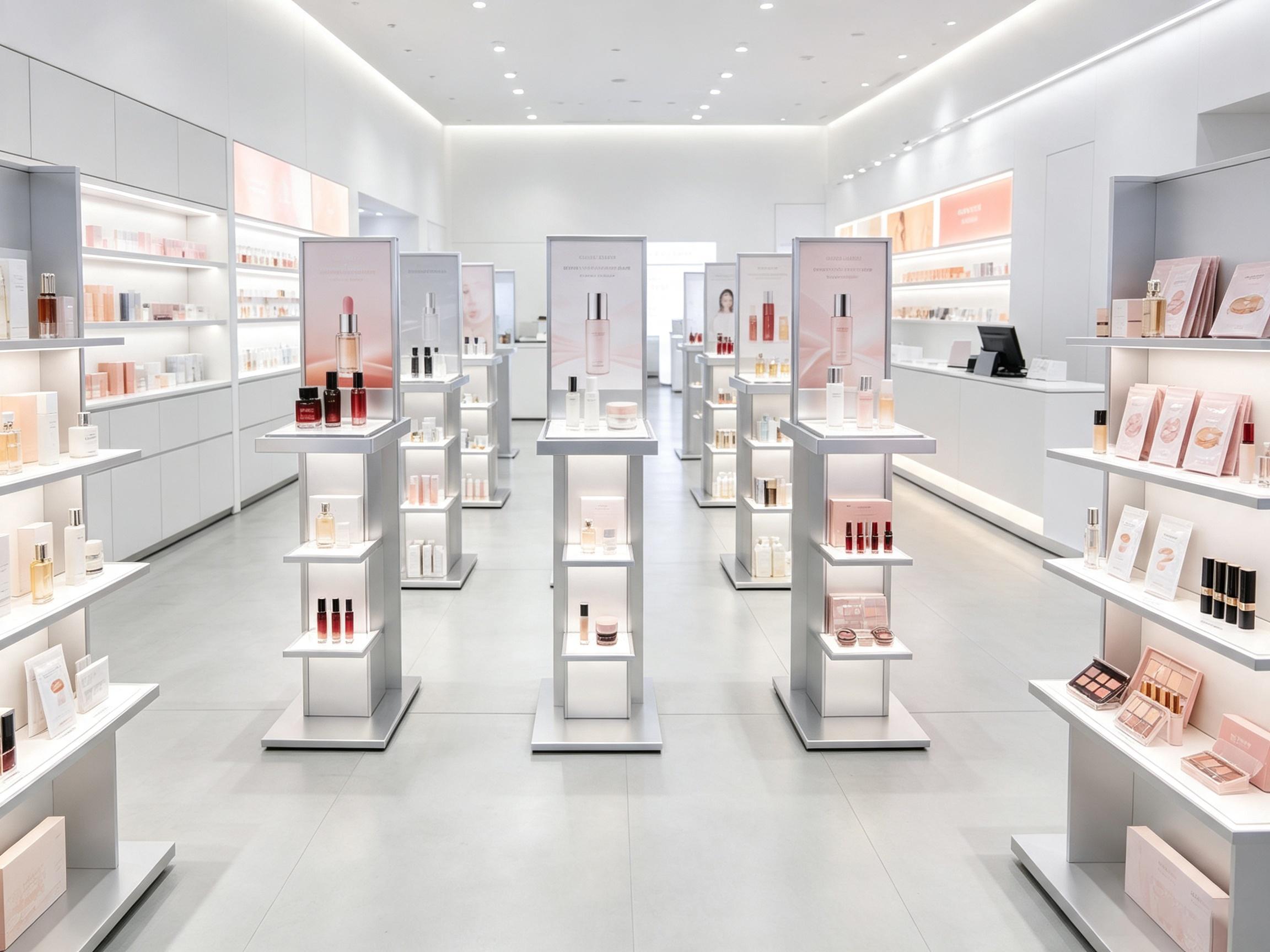
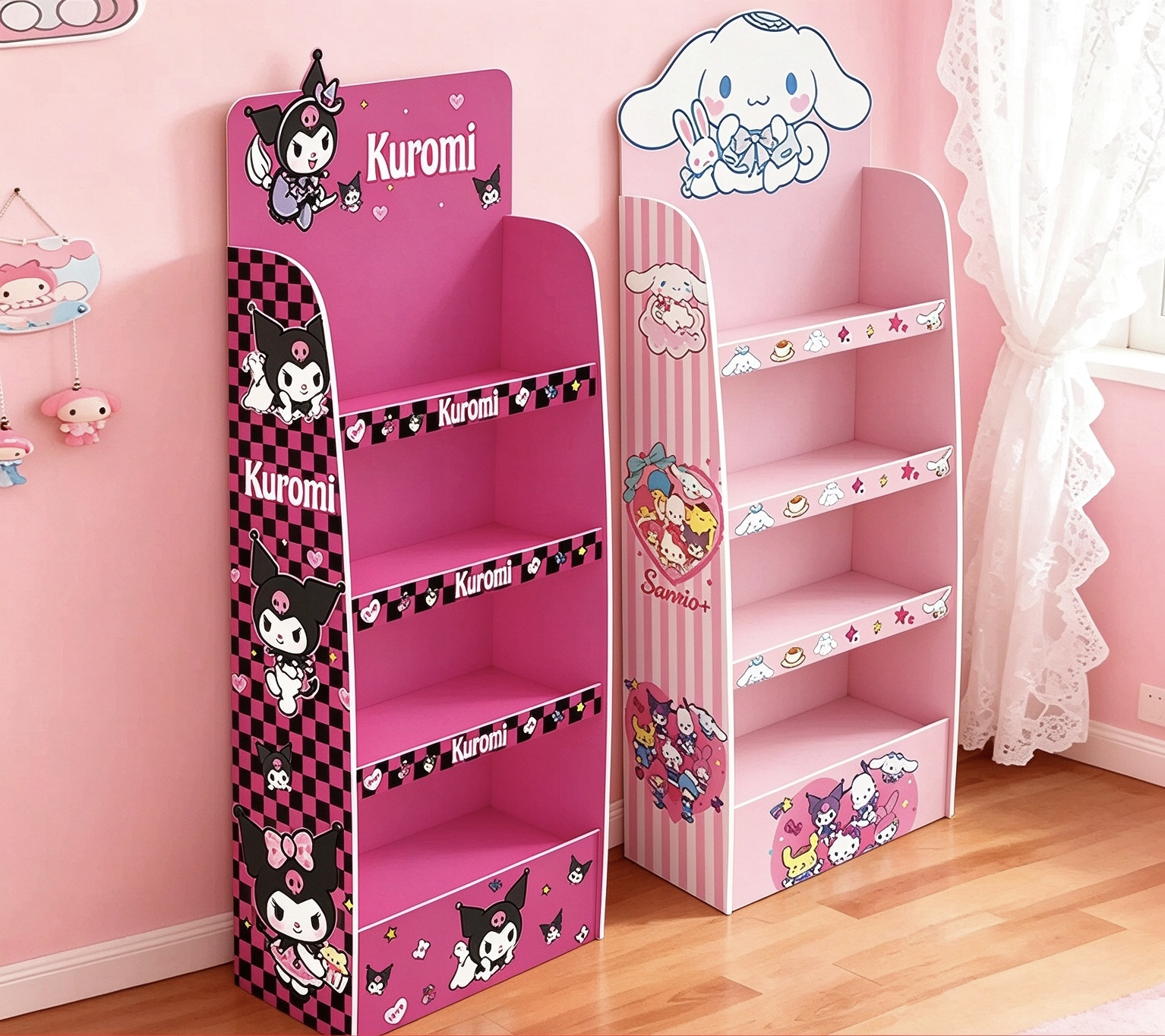
Elevate store environments with custom retail store displays. Learn how hybrid steel, cast acrylic, and wood fixtures build brand image and sales.
2026/10/30
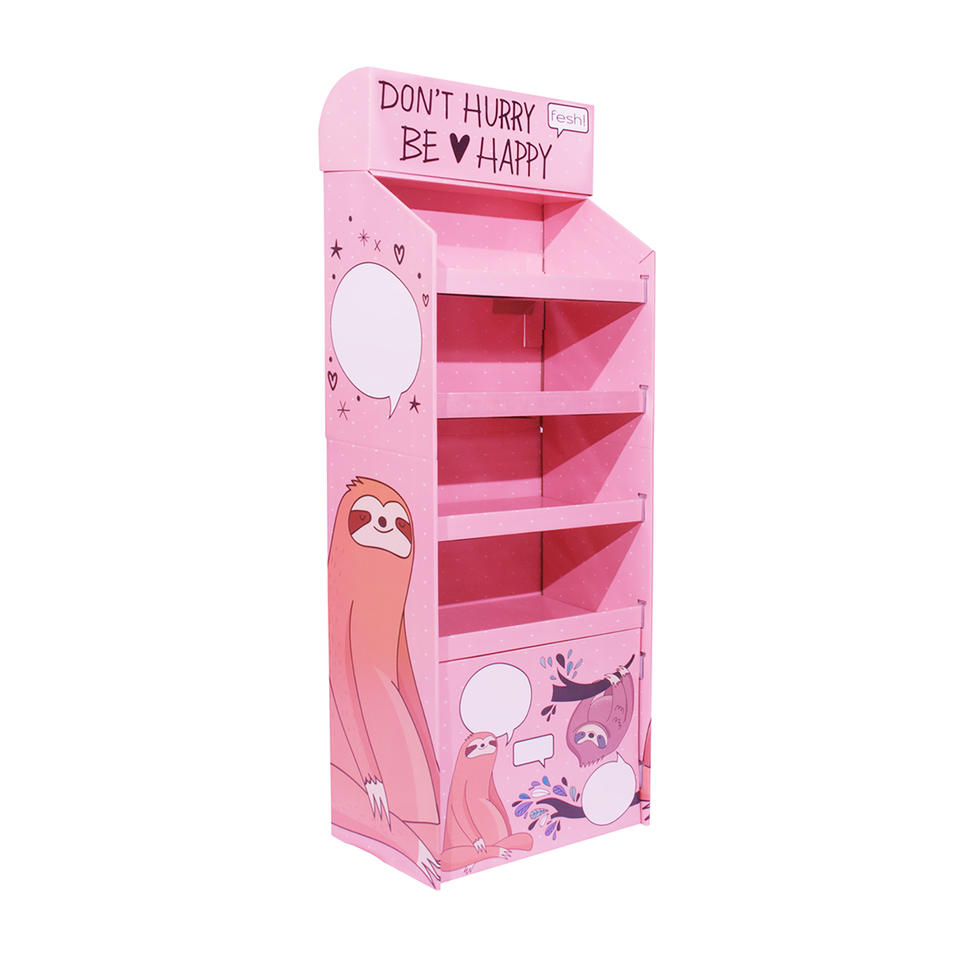
Maximize visual impact with cardboard display stands. See how high-ECT corrugated boards, flat-pack logistics, and rapid lock tabs lower marketing costs.
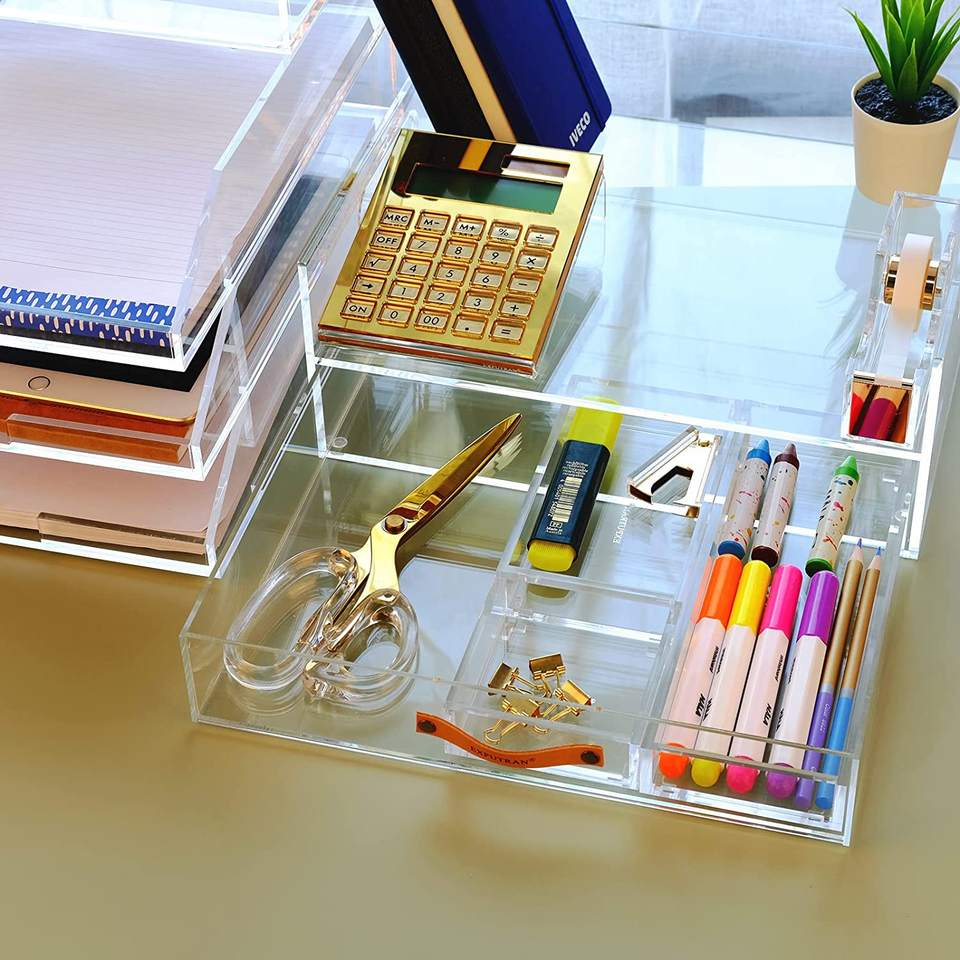
2026/10/30
Elevate unboxing with a custom display box. Learn how rigid greyboards, G7-certified litho-printing, and high-density EVA foam protect premium goods.
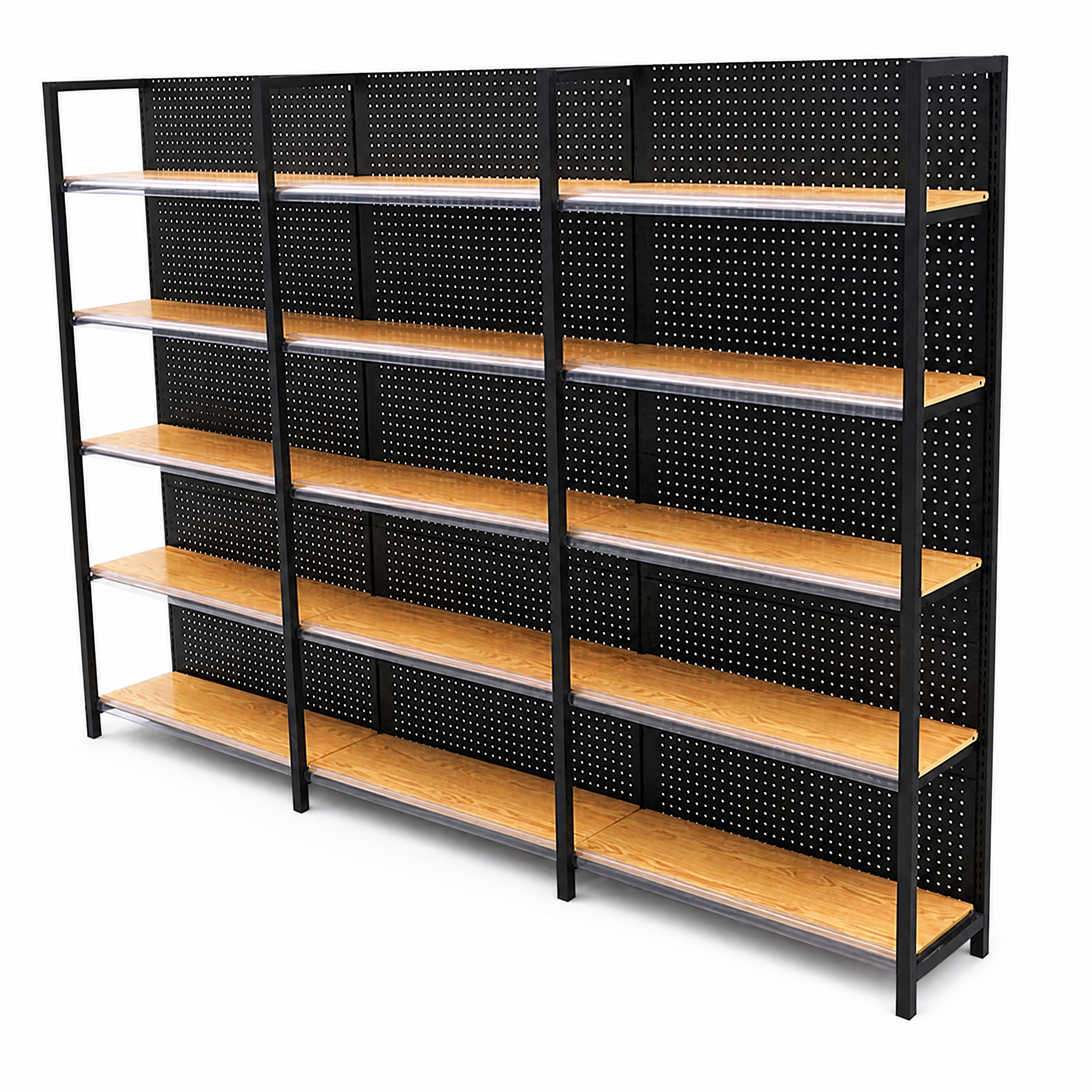
2026/10/30
Optimize product flow with a heavy-duty Display Rack. Learn how cold-rolled Q235 steel frames, teardrop locks, and gravity flow decks cut pick times.
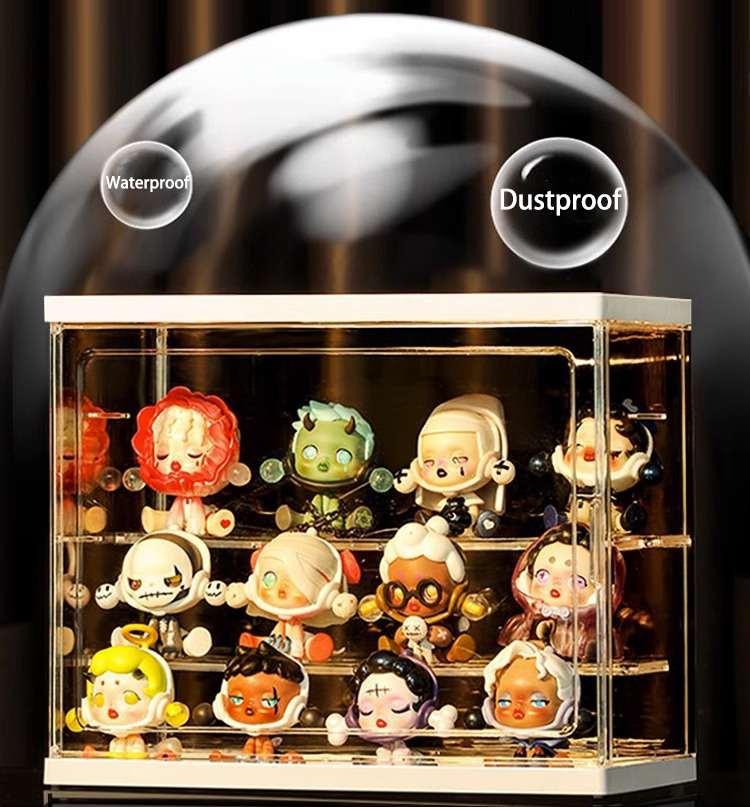
2026/10/30
Secure premium micro-goods with countertop display case units. See how diamond-polished cast acrylic and magnetic lock latches boost impulse sales.
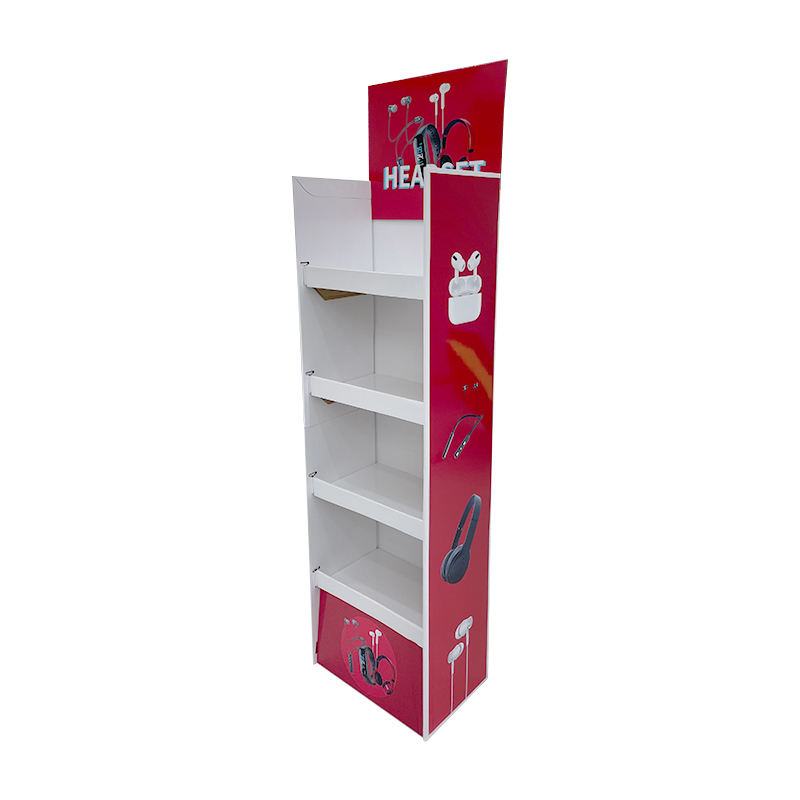
2026/10/30
Boost retail sales with sustainable carton displays. Learn how FSC corrugated boards and eco-friendly soy inks cut carbon footprints and waste fees.
Follow our brand-latest updates, including key-client cooperation, trade-fair activities and daily-life snapshots of our factory-team.

Enhance the retail experience with custom makeup display stands, providing both functionality and modern aesthetics for cosmetic brands.

Upgrade your products’ shelf appeal and protection with innovative gift box packaging designed for cosmetics, electronics, and accessories.

Promote your brand with advertising display racks, featuring flexible configurations for showrooms, events, and point-of-sale promotions.
Comprehensive design, prototyping, and logistics for global custom display stand demands

Communicate your display size, material, structure, brand logo and store-scene requirements.
Produce renderings and structural drawings, optimize shelf layout, dooropening style and detailstructure.

Make physical prototype, test stability, appearance and assembly effect, modify details as your feedback.

Start formal mass-production after sample approval, strictly control quality, packaging and delivery cycle.