EN
Requirement Consultation
Communicate your display size, material, structure, brand logo and store-scene requirements.

2026/10/27

Exhibition curators, trade show directors, and luxury retail managers constantly walk a tightrope between maximum public visibility and total asset security. Whenever rare coins, prototype microchips, autographed sports jerseys, or fine watches sit out in the open, airborne dust, curious human fingers, and skin oils immediately begin degrading the surface. Worse still, unguarded high-value prototypes can vanish into a crowd in seconds. Traditional metal-framed glass cabinets offer physical protection, yet their thick aluminum corner posts and heavy iron brackets chop up the viewer's line of sight from almost every angle. Placing prized artifacts inside a frameless clear acrylic display case eliminates that compromise completely. Engineered with transparent five-sided hoods that drop cleanly onto a recessed base plinth, an acrylic exhibit enclosure wraps three hundred sixty degrees of crystal-clear protection around the object without a single opaque corner rail getting in the way. Visitors can lean within inches of a delicate architectural scale model inside a clear acrylic display case while the artifact stays sealed inside its own clean micro-environment.
Professional museum registrars and gallery lighting designers favor polymethyl methacrylate enclosures over ordinary float glass for two scientific reasons: true color rendering and ultraviolet radiation blocking. Standard quarter-inch plate glass contains natural iron oxides that cast a noticeable green or blue tint across white manuscripts, diamonds, and fine porcelain, especially when viewed through angled cabinet corners. A museum-grade clear acrylic display case manufactured from virgin cell-cast sheet transmits ninety-two percent of visible light with zero chromatic distortion, showing every brushstroke and gemstone facet in its exact natural hue. Just as critical is long-term photochemical preservation. Intense halogen exhibition spotlights and ambient skylight windows pump out ultraviolet wavelengths that bleach autographed ink, yellow vintage paper, and crack antique leather within months. Specifying a UV-filtering transparent showcase box blocks up to ninety-eight percent of harmful radiation below four hundred nanometers, allowing a clear acrylic display case to act as invisible sunscreen for irreplaceable historical and commercial exhibits.
Running a traveling exhibition or shipping trade show booths across continents exposes display hardware to brutal logistical hazards. Forklift vibrations, air freight turbulence, and crowded convention hall setup crews regularly shatter heavy glass vitrines, risking catastrophic damage to the priceless items sitting inside. Switching to a clear acrylic display case slashes both freight bills and breakage liabilities in half. Acrylic carries a specific gravity of 1.19, meaning a large transparent showcase box weighs roughly fifty percent less than a glass hood of identical wall thickness while delivering up to seventeen times greater impact resistance. Two exhibition staffers can safely lift a one-meter acrylic exhibit enclosure into position without hiring specialized rigging cranes. Furthermore, advanced forty-five-degree mitered edges fused via capillary solvent polymerization create molecular bonds stronger than the surrounding sheet itself, ensuring a clear acrylic display case survives multi-city roadshows without cracking along the corners.
Real-world exhibition deployments illustrate why curators and luxury brands overwhelmingly choose polymer vitrines over legacy glass cases. A European luxury watchmaker exhibiting at five international trade fairs per year previously suffered a fourteen percent breakage rate on crated glass display cubes, often scrambling to find local glass cutters hours before doors opened. After replacing fifty booth pedestals with custom ten-millimeter clear acrylic display case hoods featuring diamond-polished beveled joints, transit breakage dropped to zero across twelve consecutive global events while air cargo weight charges fell by thirty-eight percent. In the collectibles market, a North American sports memorabilia auction house upgraded its traveling roadshow to UV-stabilized dustproof acrylic case units with laser-engraved authentication plaques on the black acrylic risers. Bidders could inspect championship rings and signed baseballs from every angle under bright arena lights, contributing to an eighteen percent increase in average lot hammer prices compared to items shown inside dark framed cabinets.
A professional clear acrylic display case does much more than simply cover an object; it actively controls security and illumination around the centerpiece. High-precision CNC routing carves a stepped rabbet groove around the perimeter of the solid base plate, trapping the bottom edge of the clear acrylic display case hood inside a tight mechanical labyrinth seal. This tight tolerance stops convention hall HVAC dust from drifting inside and prevents anyone from sliding a thin blade under the cover. For high-theft-risk trade shows, discreet chrome cam locks or hidden magnetic security latches mount flush into the bottom skirt of the dustproof acrylic case, securing the hood to the base without spoiling the upper viewing window. Combined with high-color-rendering CRI 95+ cold LED micro-spotlights embedded inside the base riser, an acrylic exhibit enclosure illuminates intricate product details without generating internal heat buildup that could warp wax figures or delicate electronics.
Fabricating a large-format clear acrylic display case without optical weld bubbles, solvent craze marks, or bowing side walls demands specialized climate-controlled workshop capabilities. Standard plastic shops often use thin extruded sheets that flex inward and distort reflections like a funhouse mirror. YSY Display manufactures exhibition-grade transparent showcase box solutions using strictly calibrated cast acrylic panels ranging from five millimeters up to twenty-five millimeters in thickness for monumental museum vitrines. Every mitered edge at YSY Display passes through precision CNC diamond milling and temperature-controlled solvent bonding rooms, yielding seamless water-clear joints that meet international gallery inspection standards. Whether a project calls for anti-reflective coated panels, custom velvet-lined jewelry bases, laser-etched corporate branding, or stackable modular cases for global product tours, YSY Display provides custom structural engineering and foam-lined export crating that safeguard high-value exhibits anywhere in the world.
2026/10/30
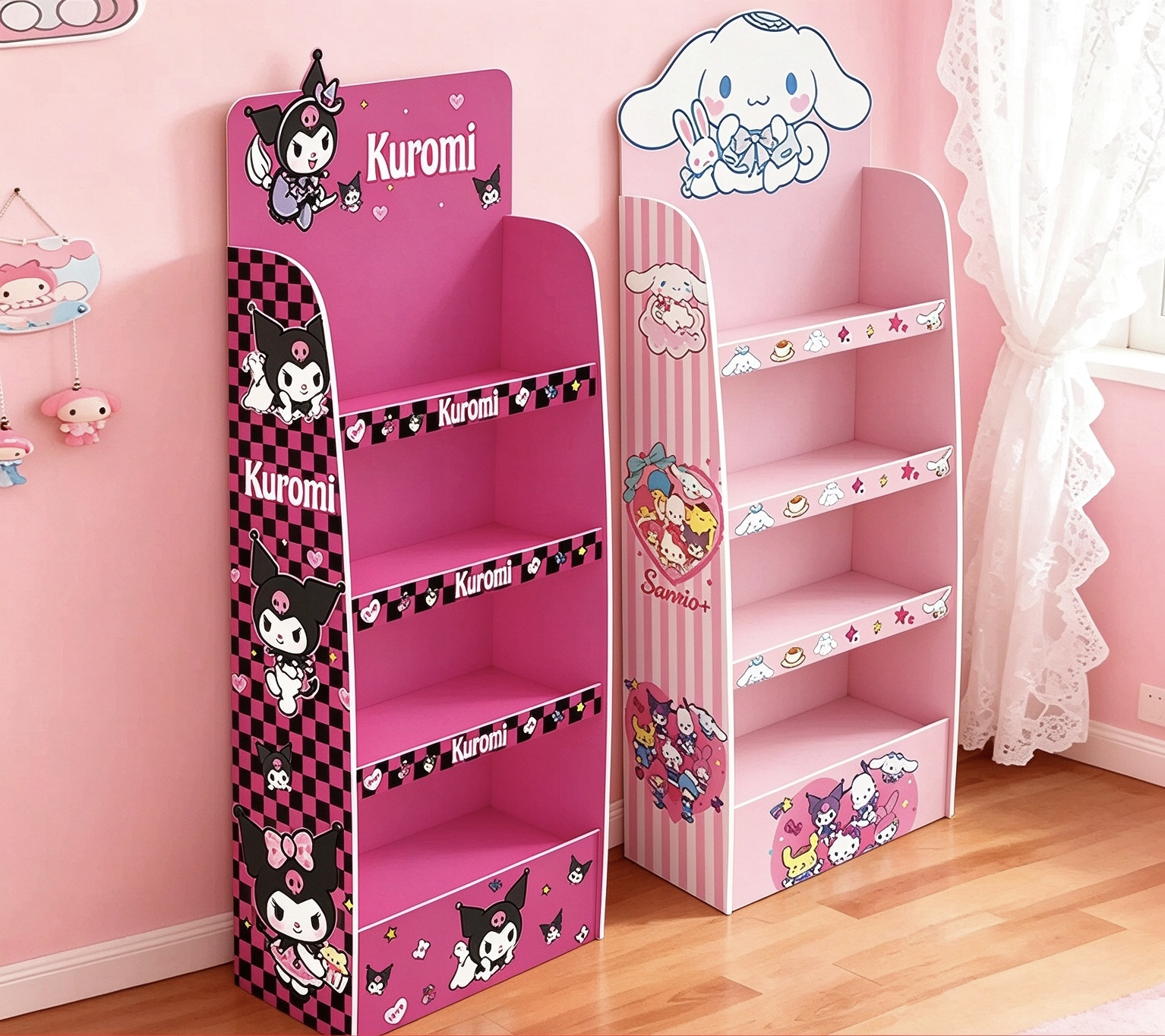
Elevate store environments with custom retail store displays. Learn how hybrid steel, cast acrylic, and wood fixtures build brand image and sales.
2026/10/30
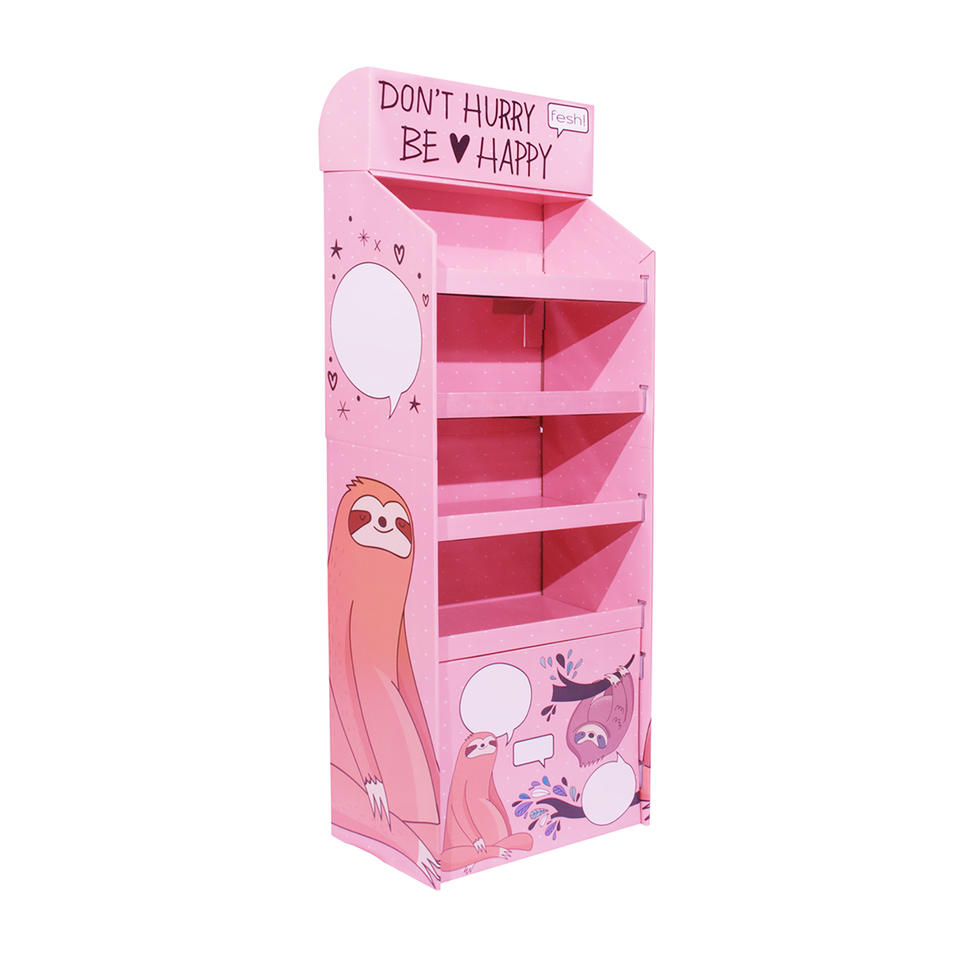
Maximize visual impact with cardboard display stands. See how high-ECT corrugated boards, flat-pack logistics, and rapid lock tabs lower marketing costs.
2026/10/30
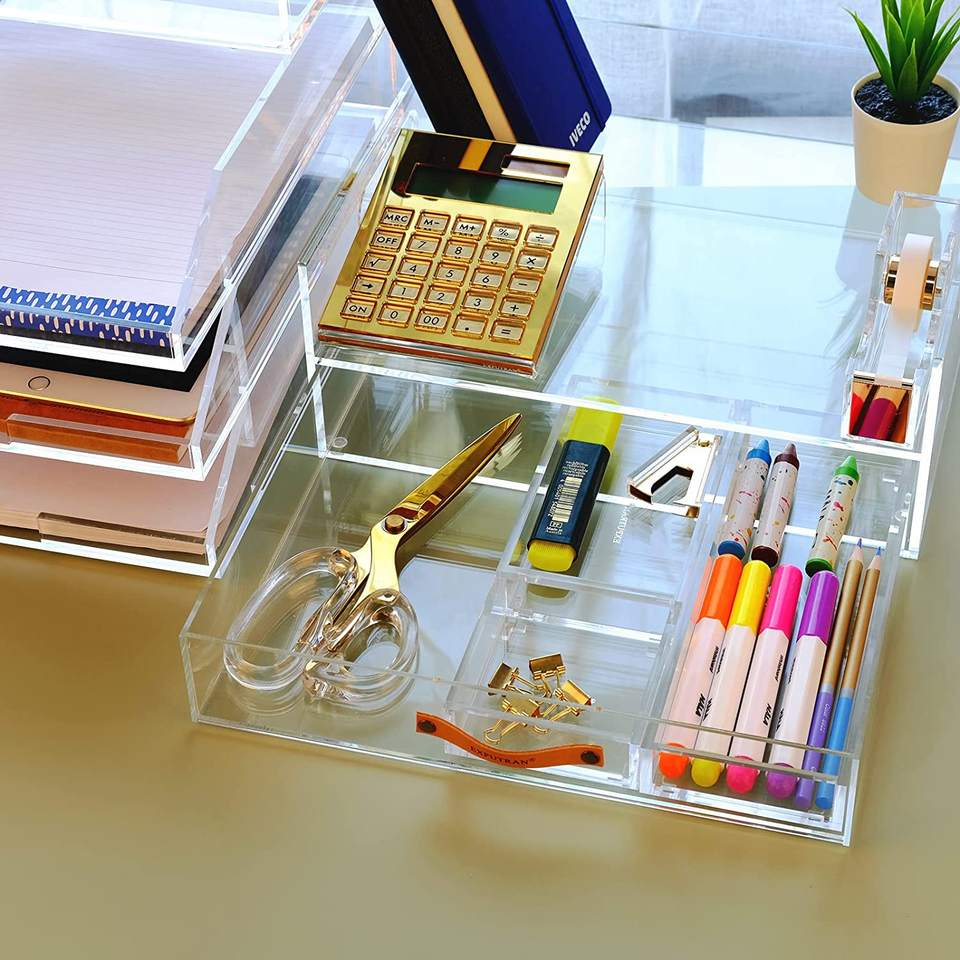
Elevate unboxing with a custom display box. Learn how rigid greyboards, G7-certified litho-printing, and high-density EVA foam protect premium goods.
2026/10/30
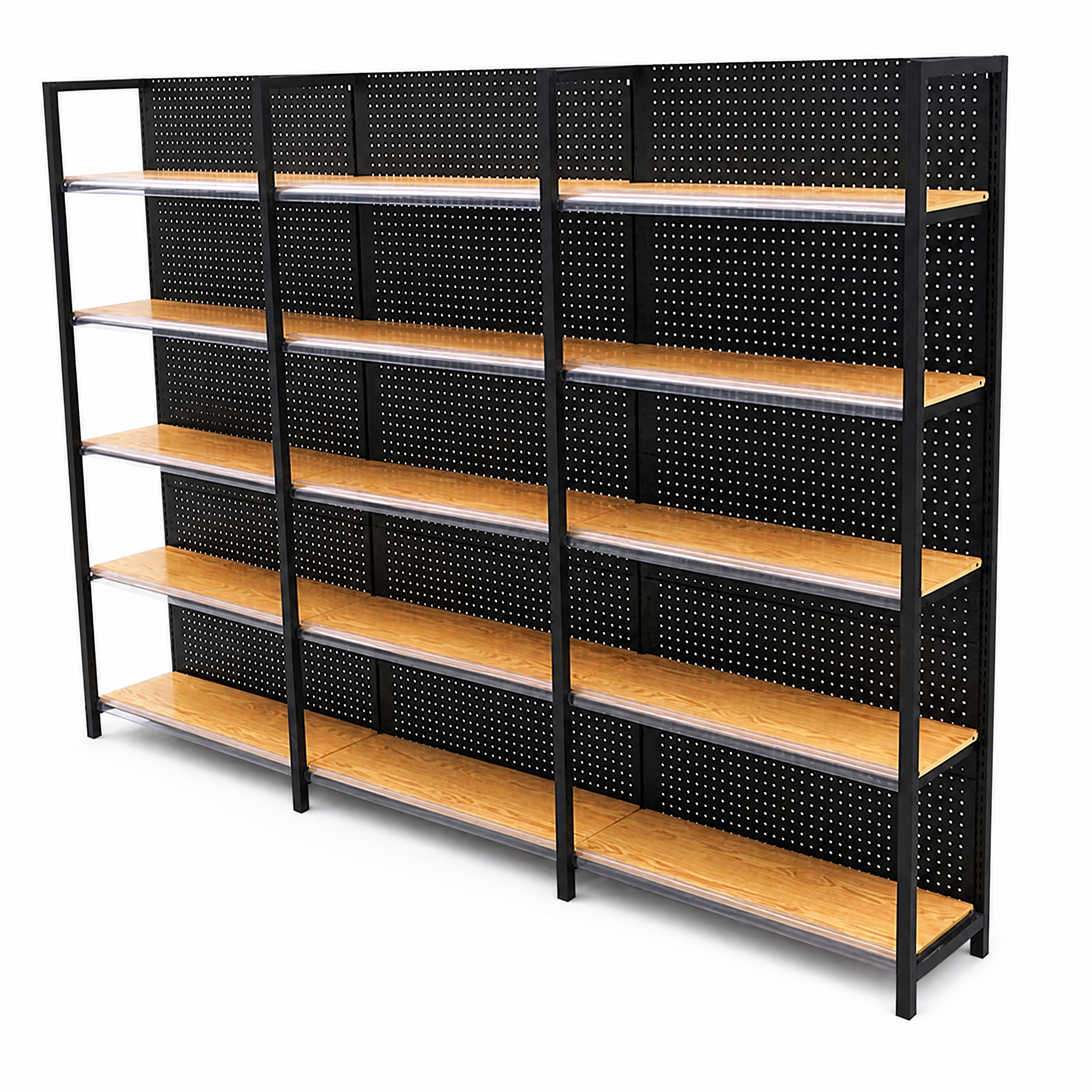
Optimize product flow with a heavy-duty Display Rack. Learn how cold-rolled Q235 steel frames, teardrop locks, and gravity flow decks cut pick times.
2026/10/30
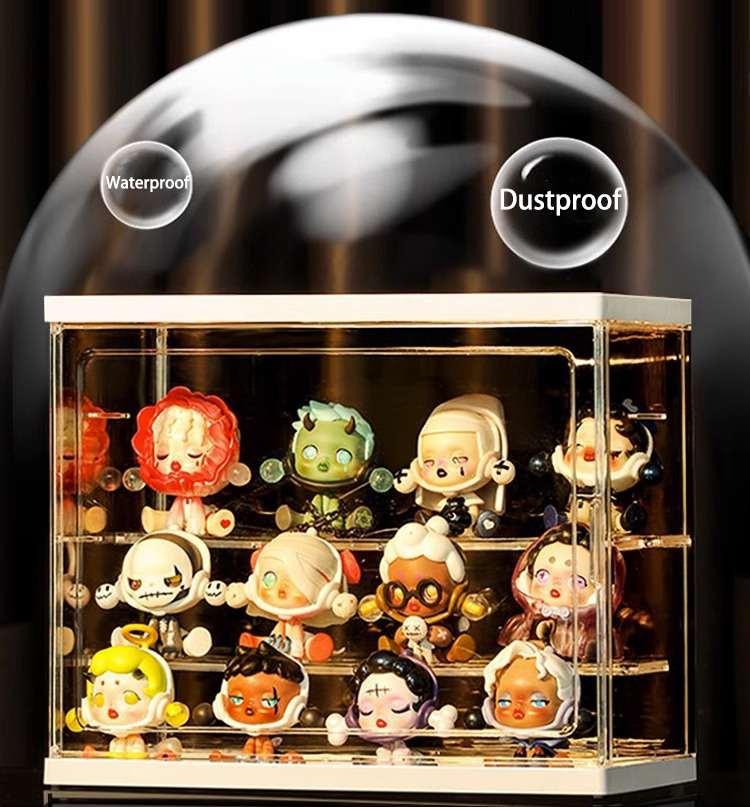
Secure premium micro-goods with countertop display case units. See how diamond-polished cast acrylic and magnetic lock latches boost impulse sales.
2026/10/30
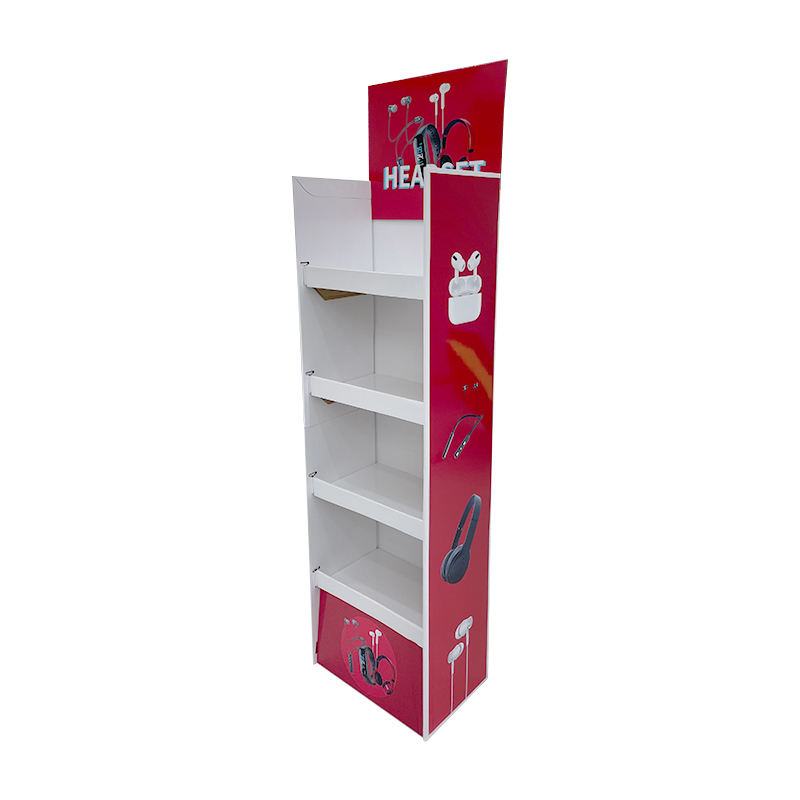
Boost retail sales with sustainable carton displays. Learn how FSC corrugated boards and eco-friendly soy inks cut carbon footprints and waste fees.
Follow our brand-latest updates, including key-client cooperation, trade-fair activities and daily-life snapshots of our factory-team.

Enhance the retail experience with custom makeup display stands, providing both functionality and modern aesthetics for cosmetic brands.

Upgrade your products’ shelf appeal and protection with innovative gift box packaging designed for cosmetics, electronics, and accessories.

Promote your brand with advertising display racks, featuring flexible configurations for showrooms, events, and point-of-sale promotions.
Comprehensive design, prototyping, and logistics for global custom display stand demands

Communicate your display size, material, structure, brand logo and store-scene requirements.
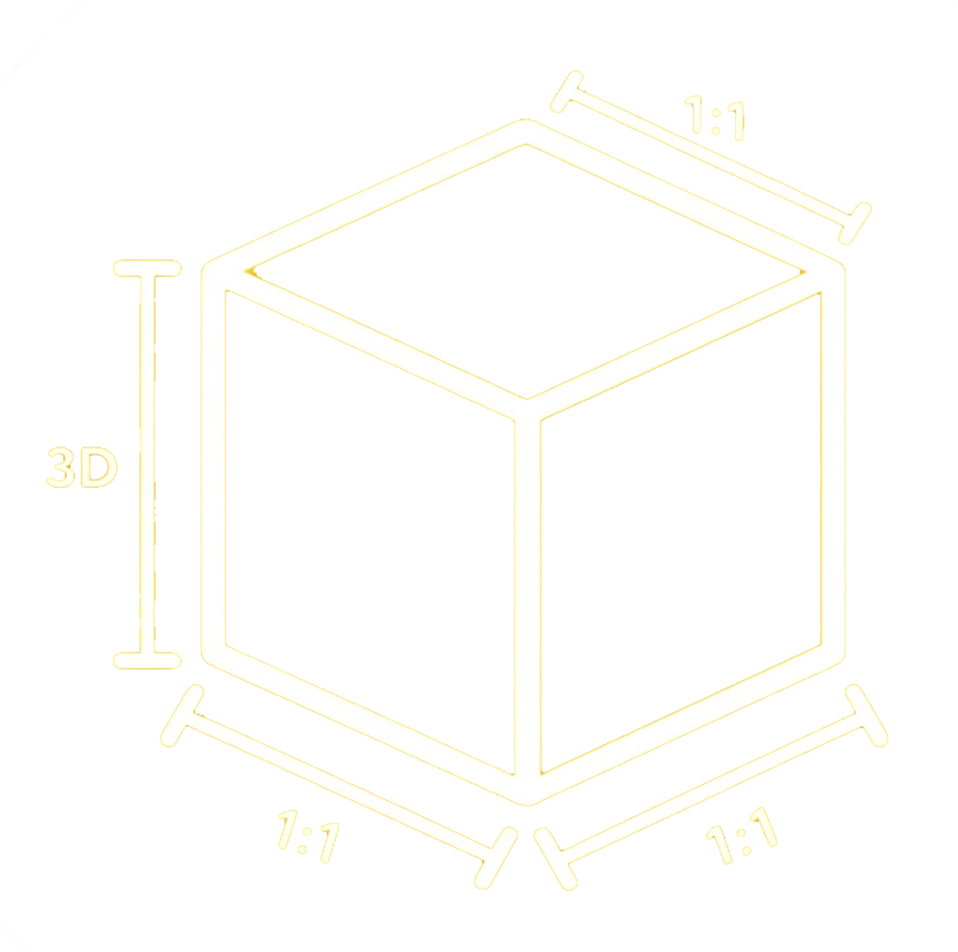
Produce renderings and structural drawings, optimize shelf layout, dooropening style and detailstructure.

Make physical prototype, test stability, appearance and assembly effect, modify details as your feedback.

Start formal mass-production after sample approval, strictly control quality, packaging and delivery cycle.