EN
Requirement Consultation
Communicate your display size, material, structure, brand logo and store-scene requirements.

2026/10/29
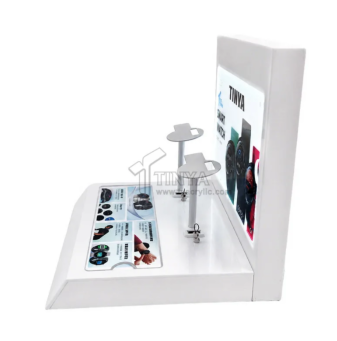
Consumer brands invest hundreds of thousands of dollars into industrial product design, embossed glass bottles, metallic foil labels, and celebrity advertising campaigns. Yet that entire branding investment falls flat at the final hurdle when the product arrives at a retail store and gets shoved onto a scratched wire shelf or a generic white plastic tray next to five cheaper competitors. Shoppers judge product prestige by the environment framing it; if the fixture looks disposable, buyers hesitate to pay a premium price. Deploying a purpose-built custom acrylic stand bridges the gap between digital brand storytelling and physical point-of-sale execution. Crafted from high-clarity polymethyl methacrylate shaped specifically around the product silhouette, a branded acrylic display acts as a dedicated pedestal that isolates the hero item from shelf clutter and signals unmistakable brand authority.
One major reason marketing directors favor a custom acrylic stand over metal or wood is the unmatched chromatic and optical versatility of cast polymer sheets. While clear acrylic delivers ninety-two percent light transmission for an invisible floating effect, cell-cast manufacturing also allows pigments and light diffusers to be polymerized directly inside the liquid monomer before curing. Designers can specify deep piano-black slabs for luxury masculine grooming lines, soft pastel frosted finishes for clinical skincare, or neon fluorescent edge-glow sheets that turn ambient room light into a bright glowing border for youth streetwear brands. Because the color runs uniformly through the entire thickness of the personalized acrylic holder, surface scratches never expose raw grey metal or splintered wood underneath, preserving a spotless corporate color identity across years of heavy customer handling.
Modern fabrication technology allows a custom acrylic stand to carry razor-sharp brand graphics that never peel, fade, or bubble like cheap vinyl stickers. Industrial multi-axis ultraviolet flatbed printers jet microscopic droplets of CMYK ink—backed by opaque white layers and clear tactile embossing varnish—directly onto the rear surface of a clear acrylic panel. Viewing that reverse-printed graphic through eight millimeters of diamond-polished acrylic creates a deep, three-dimensional glass-enamel effect while shielding the ink from fingernails and cleaning sprays. Even more captivating is pairing precision CNC laser engraving with edge-lit LED engineering. When a hidden low-voltage LED strip fires light sideways into the polished edge of a logo acrylic display stand, the light travels invisibly through the clear sheet until it hits the laser-etched brand crest, making the logo appear to float and glow in midair.
Examining global brand activations demonstrates how bespoke acrylic engineering translates into higher retail engagement and premium pricing power. A heritage Swiss watchmaker supplying authorized multi-brand jewelers noticed that its timepieces blended into crowded glass counter cases alongside rival labels. By equipping three hundred partner boutiques with a multi-tiered custom acrylic stand combining matte charcoal cast acrylic, brushed brass inlay plaques, and forty-five-degree angled C-clip watch cuffs, the brand created a miniature flagship boutique inside every shared showcase, lifting customer try-on requests by thirty-five percent. In the hospitality sector, a Scottish single-malt whisky distillery launched an edge-lit acrylic bottle glorifier across five hundred upscale cocktail lounges. The amber-lit bespoke acrylic riser illuminated the whisky bottle from underneath the punt, increasing back-bar visual recognition and boosting neat pour orders by forty-three percent over six months.
A persistent headache for national brand managers is losing control over how busy store clerks restock shelves; crooked bottles, backward-facing labels, and mixed-up tester tubes dilute visual impact instantly. A custom acrylic stand solves compliance failures through poka-yoke—mistake-proof—mechanical geometry. Using 3D CAD files of the actual bottle or box, CNC routers carve recessed contour cradles and laser-cut locator slots into the base deck of the branded acrylic display. A perfume flacon or wireless earbud case can only sit inside that custom pocket in one exact orientation, guaranteeing that the front brand emblem faces approaching shoppers at the intended angle every single time. Furthermore, magnetic double-layer acrylic header frames allow store staff to swap out seasonal campaign taglines or celebrity endorsement cards in five seconds while keeping the permanent acrylic base structure on the counter for years.
Turning a distinctive brand guideline book into thousands of flawless point-of-purchase fixtures requires a factory partner that masters every decorative and structural acrylic discipline. YSY Display collaborates with international consumer brands, advertising agencies, and retail distributors to engineer custom acrylic stand collections that command attention at checkout counters and flagship windows. Operating in-house CNC laser routing, diamond bevel polishing, thermal forming, high-definition UV flatbed printing, hot foil stamping, and LED assembly lines, YSY Display controls color accuracy and dimensional tolerances under one roof. Engineers at YSY Display build rapid 3D prototypes to test light refraction and product cradle fit before scaling into mass production. Wrapped in non-marring protective films and shipped inside drop-tested export packaging, YSY Display delivers bespoke acrylic riser and glorifier solutions that turn everyday shelves into unforgettable brand stages worldwide.
2026/10/30
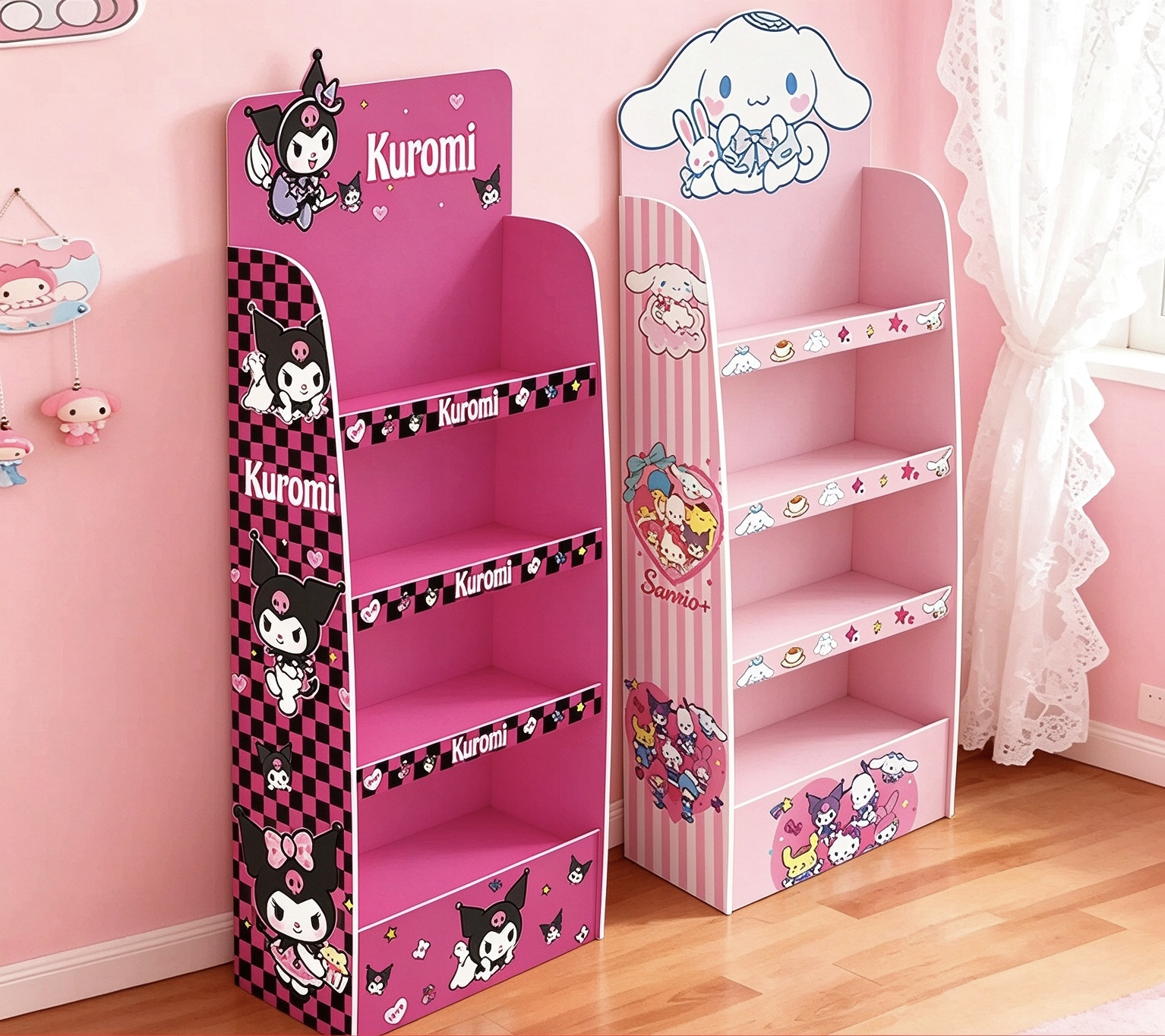
Elevate store environments with custom retail store displays. Learn how hybrid steel, cast acrylic, and wood fixtures build brand image and sales.
2026/10/30
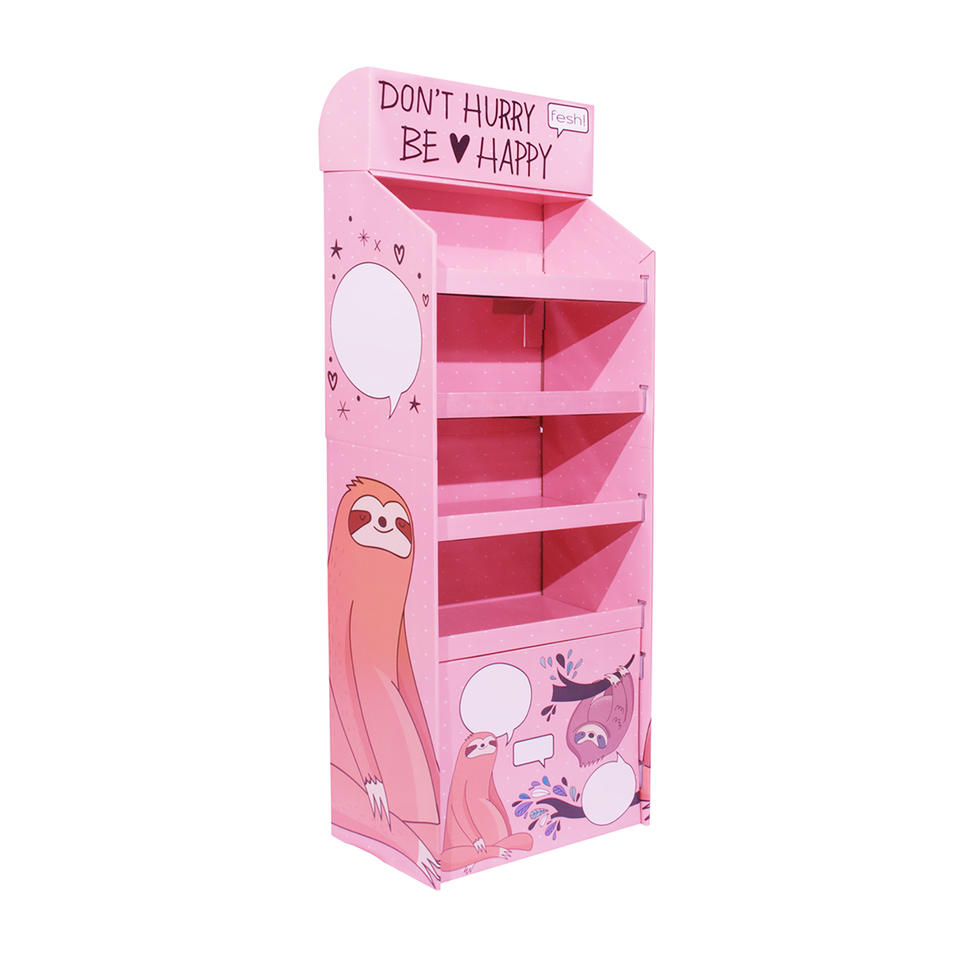
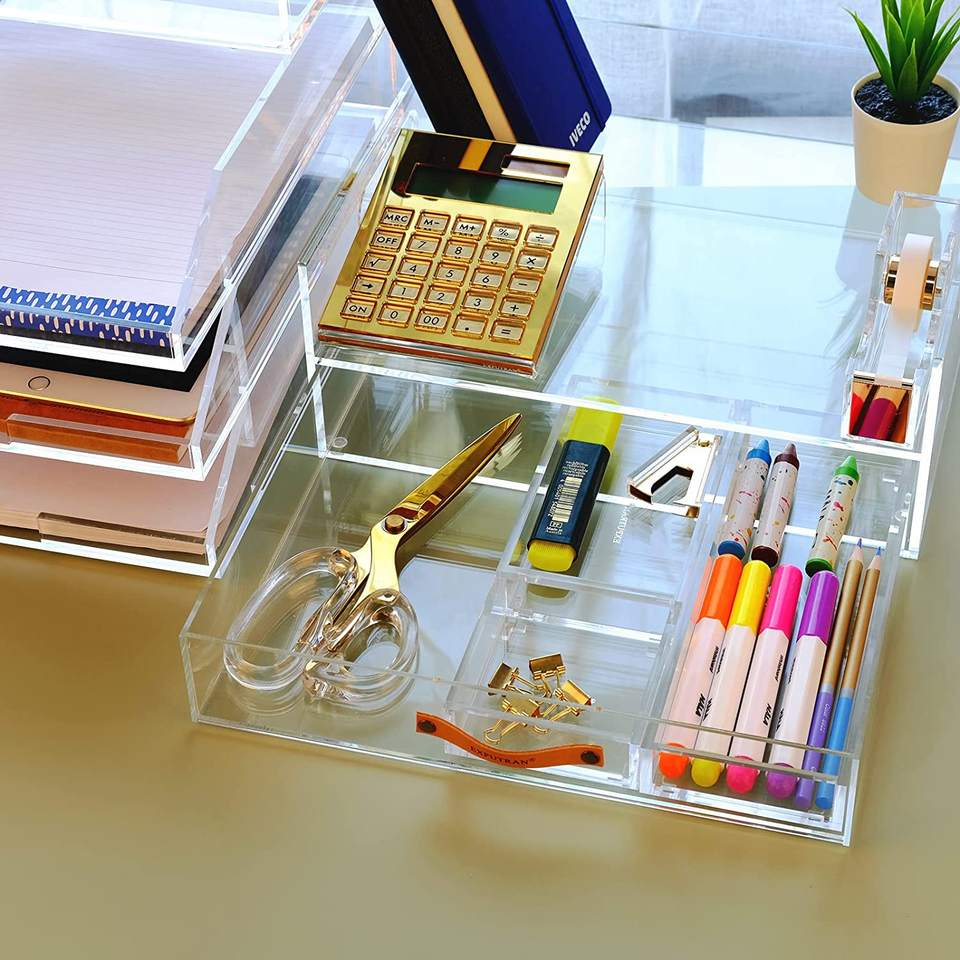
Maximize visual impact with cardboard display stands. See how high-ECT corrugated boards, flat-pack logistics, and rapid lock tabs lower marketing costs.
2026/10/30
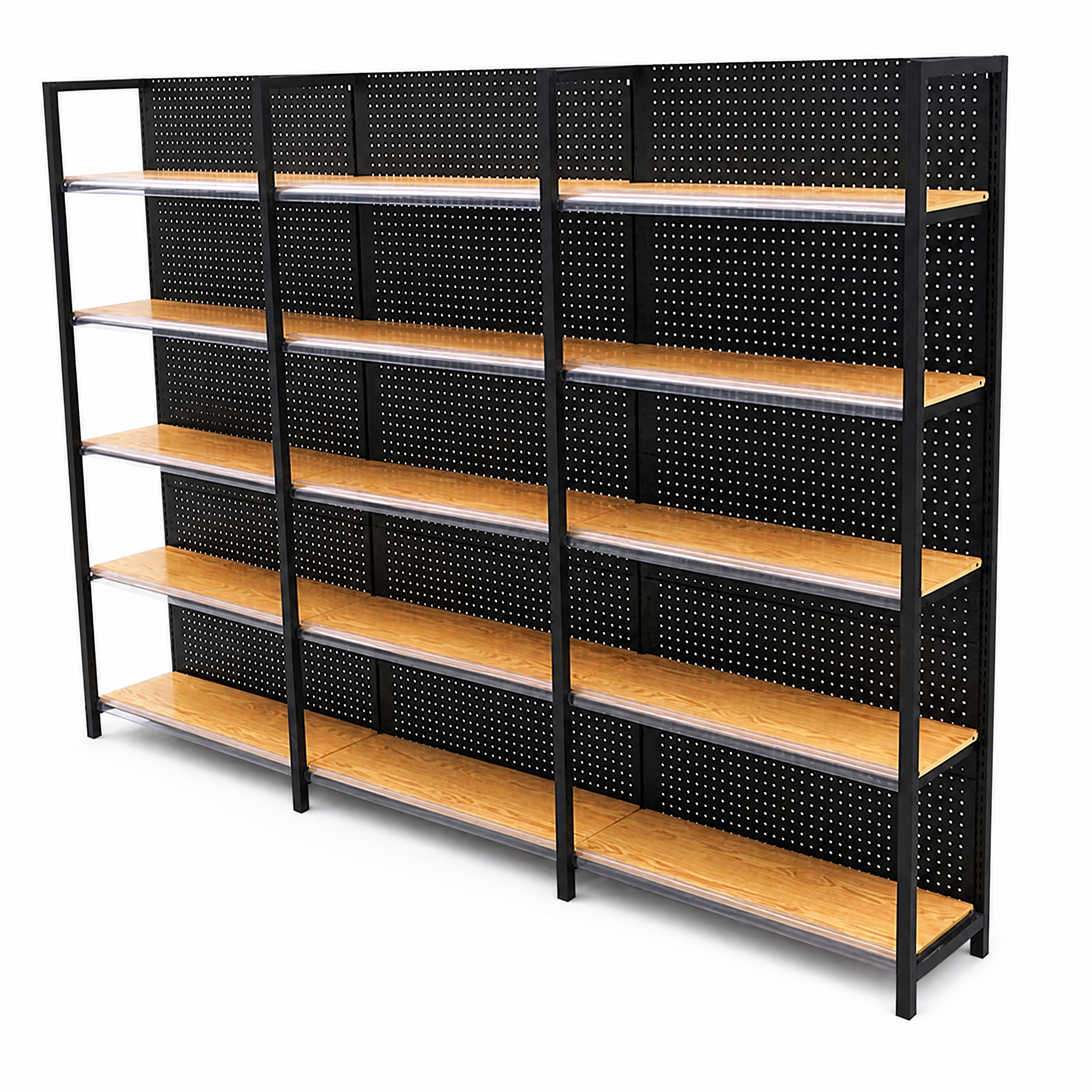
Elevate unboxing with a custom display box. Learn how rigid greyboards, G7-certified litho-printing, and high-density EVA foam protect premium goods.
2026/10/30
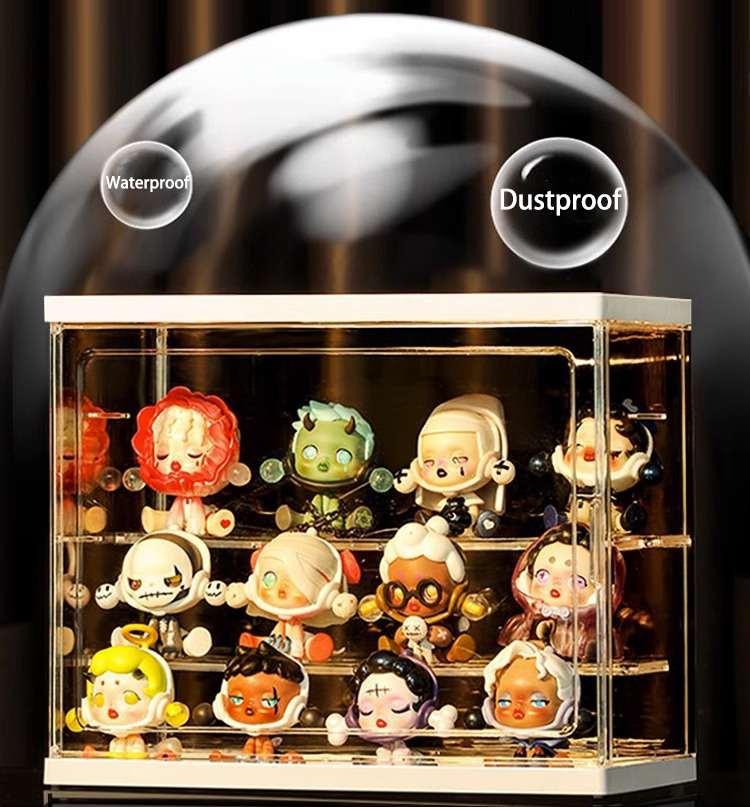
Optimize product flow with a heavy-duty Display Rack. Learn how cold-rolled Q235 steel frames, teardrop locks, and gravity flow decks cut pick times.
2026/10/30
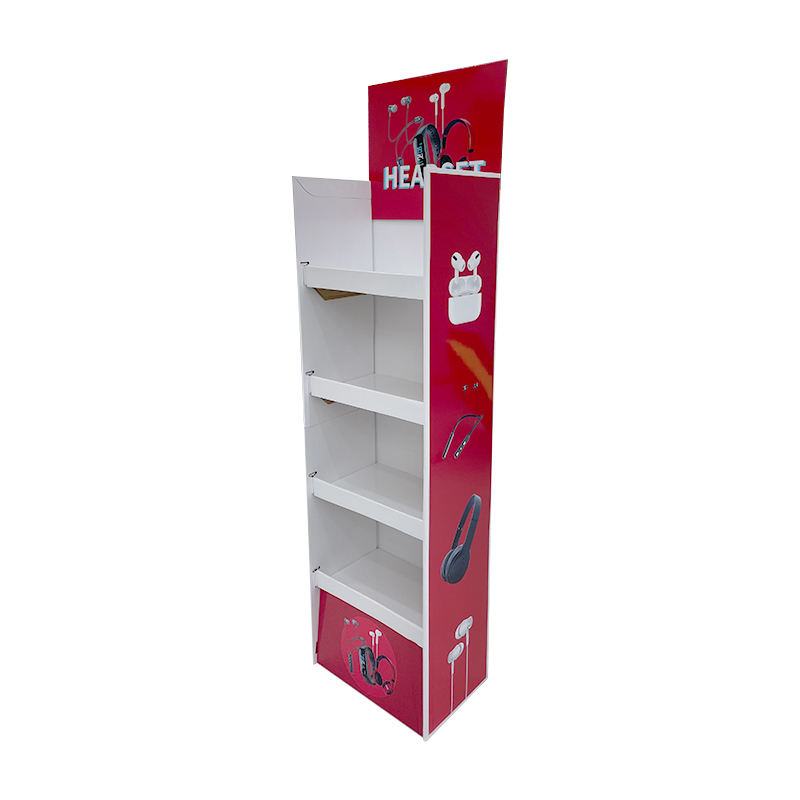
Secure premium micro-goods with countertop display case units. See how diamond-polished cast acrylic and magnetic lock latches boost impulse sales.
2026/10/30
Boost retail sales with sustainable carton displays. Learn how FSC corrugated boards and eco-friendly soy inks cut carbon footprints and waste fees.
Follow our brand-latest updates, including key-client cooperation, trade-fair activities and daily-life snapshots of our factory-team.

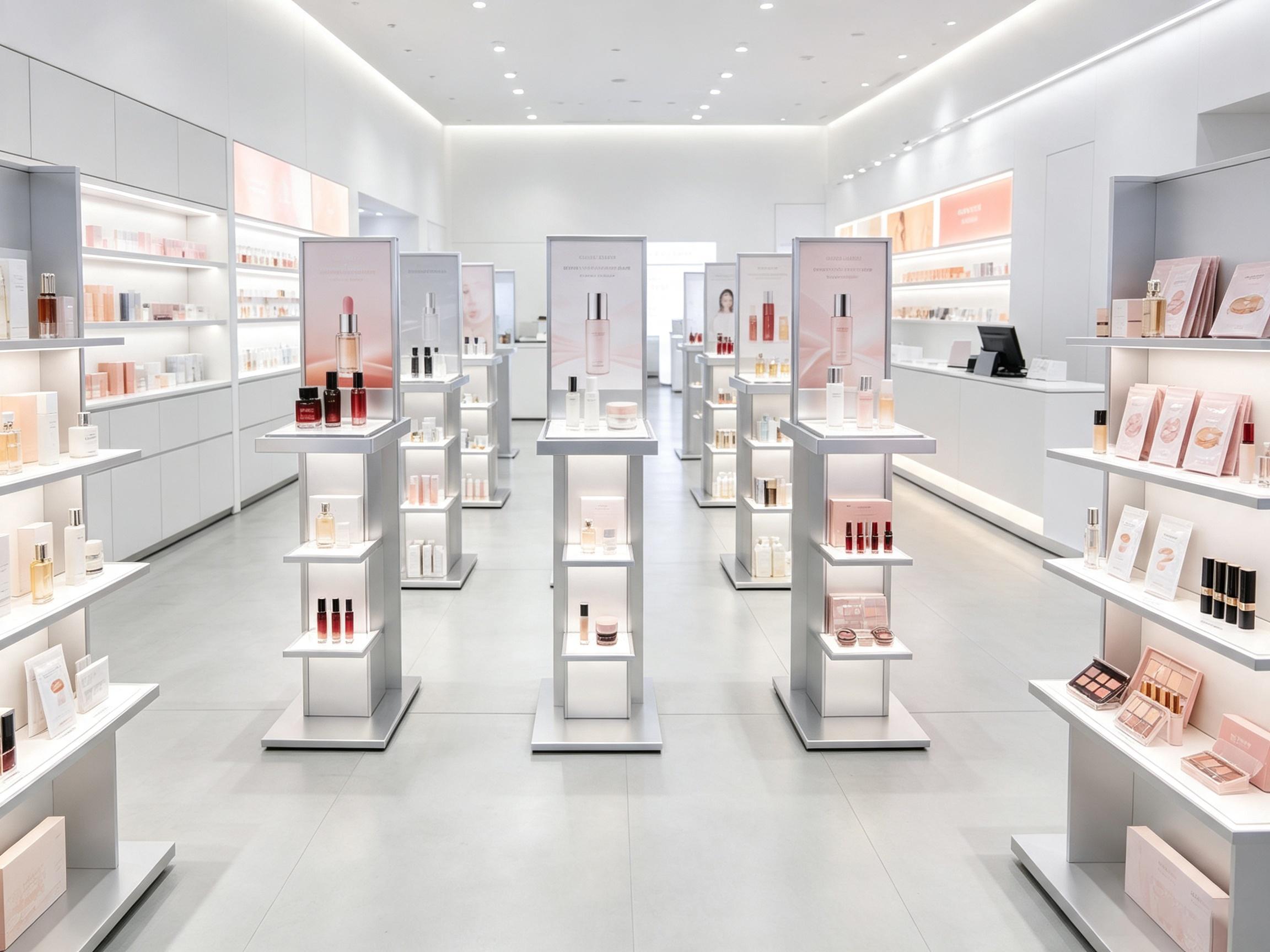
Enhance the retail experience with custom makeup display stands, providing both functionality and modern aesthetics for cosmetic brands.

Upgrade your products’ shelf appeal and protection with innovative gift box packaging designed for cosmetics, electronics, and accessories.

Promote your brand with advertising display racks, featuring flexible configurations for showrooms, events, and point-of-sale promotions.
Comprehensive design, prototyping, and logistics for global custom display stand demands

Communicate your display size, material, structure, brand logo and store-scene requirements.
Produce renderings and structural drawings, optimize shelf layout, dooropening style and detailstructure.

Make physical prototype, test stability, appearance and assembly effect, modify details as your feedback.

Start formal mass-production after sample approval, strictly control quality, packaging and delivery cycle.