EN
Requirement Consultation
Communicate your display size, material, structure, brand logo and store-scene requirements.

2026/10/26
High-value bespoke artifacts, artisanal creations, historical heirlooms, and luxury prototypes present unique visual merchandising challenges within commercial and private galleries. Standard catalog showcases are manufactured for uniform product dimensions, failing to provide the exact proportions required for irregular sculptural geometries. When curators and private collectors analyze why custom display cases are vital for unique items, they focus on how tailored enclosures balance physical security with visual presentation. Placing an irreplaceable item inside a generic glass cabinet often results in awkward spatial voids, unbalanced sightlines, and inadequate physical stabilization. An engineered set of custom display cases provides structural framing that matches the exact physical contours of rare artifacts. Furthermore, deploying tailored display cases for unique items eliminates distracting visual gaps, creating an intentional presentation that commands viewer attention. High performance bespoke retail display cases isolate fragile items from environmental dust and accidental handling. Utilizing protective specialty display showcases ensures that unique artifacts remain completely secure while communicating their full historical or artistic value.
The primary engineering requirement for displaying unique artifacts is providing tailored structural support that distributes physical weight evenly. Understanding why custom display cases are vital for unique items begins with examining how bespoke internal cradles prevent structural fatigue across delicate materials. Mass-produced display cases feature flat glass shelves that force asymmetrical objects to rest on vulnerable focal points, risking fractures over time. In contrast, an engineered set of custom display cases can incorporate custom-milled acrylic pedestals, contour-matched brass armatures, and anti-vibration silicone pads tailored to specific artifact geometries. By designing display cases for unique items through precision 3D laser scanning, fabricators construct internal supports that relieve stress along fragile joint assemblies. High-end bespoke retail display cases utilize CNC routing to create recessed cavities that hold circular or irregular bases securely without mechanical adhesives. Sourcing engineered protective specialty display showcases ensures that heavy mineral specimens or delicate blown glass sculptures remain upright and secure. Precise contour engineering protects rare items from physical deformation during long exhibition periods.
Presenting unique artifacts effectively requires balanced illumination that highlights intricate textures without causing thermal or photochemical degradation. Exploring why custom display cases are vital for unique items highlights the integration of specialized optical materials and thermal management. Standard display glass often contains subtle iron impurities that create a greenish hue, distorting natural colors and fine surface patinas. A premium suite of custom display cases utilizes ultra-clear low-iron float glass or museum-grade cast polymethyl methacrylate, delivering optical light transmittance exceeding 92 percent. This transparency ensures that viewers perceive true pigment saturations across historical textiles and painted artifacts. Furthermore, dedicated display cases for unique items incorporate low-voltage LED micro-spotlights engineered with Color Rendering Indexes exceeding 95. Placing power drivers outside bespoke retail display cases channels heat away from sensitive internal chambers, keeping operating temperatures stable. Premium protective specialty display showcases can also incorporate active silica gel compartments, maintaining relative humidity within narrow historical tolerances. Controlled lighting and temperature management protect unique items from light-induced aging.
Bespoke artifacts and luxury prototypes frequently represent significant financial and cultural value, making them prime targets for theft and accidental handling. Analyzing why custom display cases are vital for unique items involves examining physical security engineering and access control mechanisms. Basic display cabinets with simple cam locks provide minimal protection against forced entry attempts. In contrast, high security custom display cases feature multi-point locking bars, drill-resistant lock cylinders, and concealed tamper-evident hinges integrated into structural steel or aluminum frames. These display cases for unique items can be fitted with laminated anti-bandit glass that resists hammer impacts, delaying unauthorized access until security personnel arrive. Furthermore, advanced bespoke retail display cases can integrate silent contact sensors, vibration detectors, and concealed electronic RFID latches that create verifiable access audit trails. Enclosing high-value jewelry pieces or historical artifacts inside protective specialty display showcases deters retail shrinkage and protects valuable inventory. Reliable security hardware ensures that rare collections remain protected during public exhibition hours and overnight facility closures.
The institutional and financial value of investing in custom display enclosures is demonstrated by museum exhibition performance metrics. A private heritage museum housing a collection of ancient bronze artifacts and ceramic vessels conducted an exhibition upgrade across its historical galleries. The curator replaced outdated wooden cabinets with custom display cases engineered with anti-reflective glass, concealed climate compartments, and tailored brass mountings. Across twelve months of post-rollout tracking, visitor engagement and dwell times within the upgraded display cases for unique items galleries increased by 33 percent. Conservators reported zero atmospheric corrosion or patina degradation across the bronze artifacts, verifying the airtight performance of the bespoke retail display cases. Furthermore, the tailored internal cradles eliminated specimen shifting during building vibrations, preserving delicate ancient ceramic joints. Independent insurance underwriters lowered annual artifact coverage premiums by 18 percent due to the upgraded protective specialty display showcases. This case confirms that custom display enclosures protect valuable artifacts while elevating the visitor viewing experience.
Crafting museum-grade display cases requires specialized engineering capabilities, metal fabrication expertise, and strict quality control standards. YSY Display delivers custom showcase manufacturing solutions for international museums, luxury jewelry brands, and private collectors worldwide. The production facilities at YSY Display house automated fiber laser cutters, multi-axis CNC routers, precision glass bonding cleanrooms, and architectural metal finishing lines. The engineering team at YSY Display focuses on why custom display cases are vital for unique items, tailoring internal mountings, optical glazing specifications, and security hardware to match bespoke collections. Every set of custom display cases manufactured by YSY Display undergoes strict quality inspections, including airtightness verification, structural load testing, and lock mechanism reliability checks. Whether your project requires modular display cases for unique items, high-security bespoke retail display cases, or climate-controlled protective specialty display showcases, YSY Display provides the engineering precision, manufacturing scale, and global delivery reliability needed to protect and showcase unique artifacts worldwide.
2026/10/30
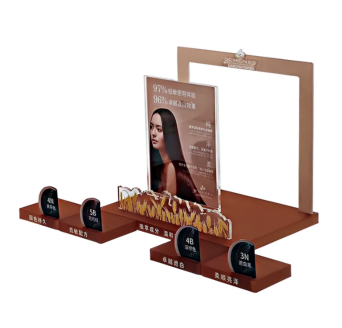
Elevate store environments with custom retail store displays. Learn how hybrid steel, cast acrylic, and wood fixtures build brand image and sales.
2026/10/30
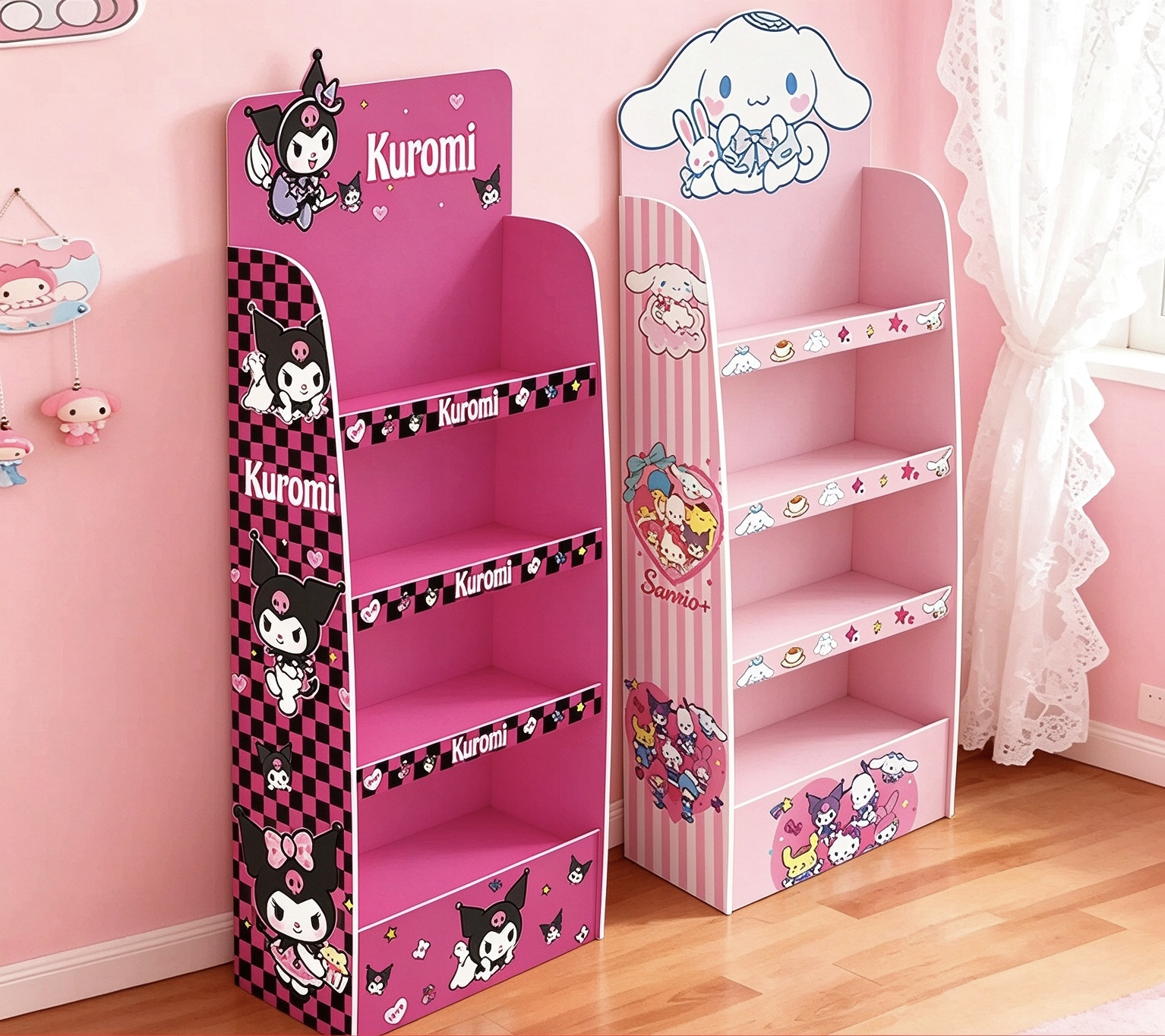
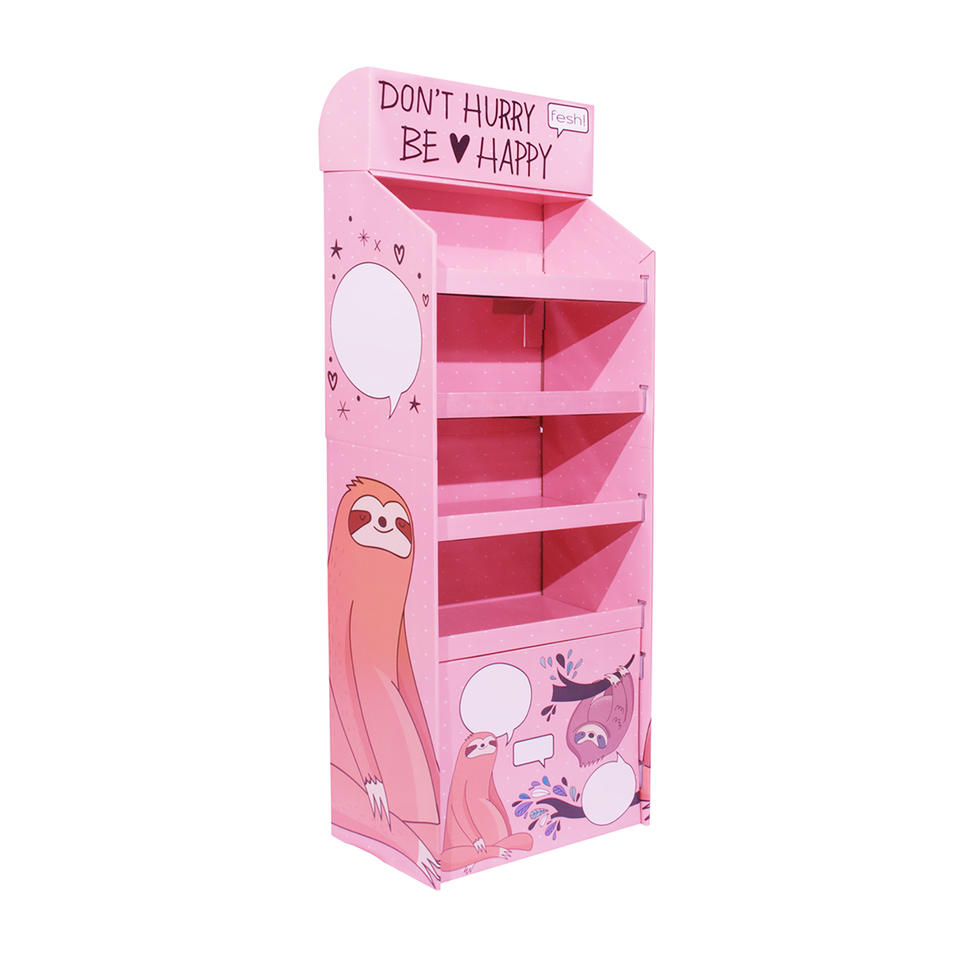
Maximize visual impact with cardboard display stands. See how high-ECT corrugated boards, flat-pack logistics, and rapid lock tabs lower marketing costs.
2026/10/30
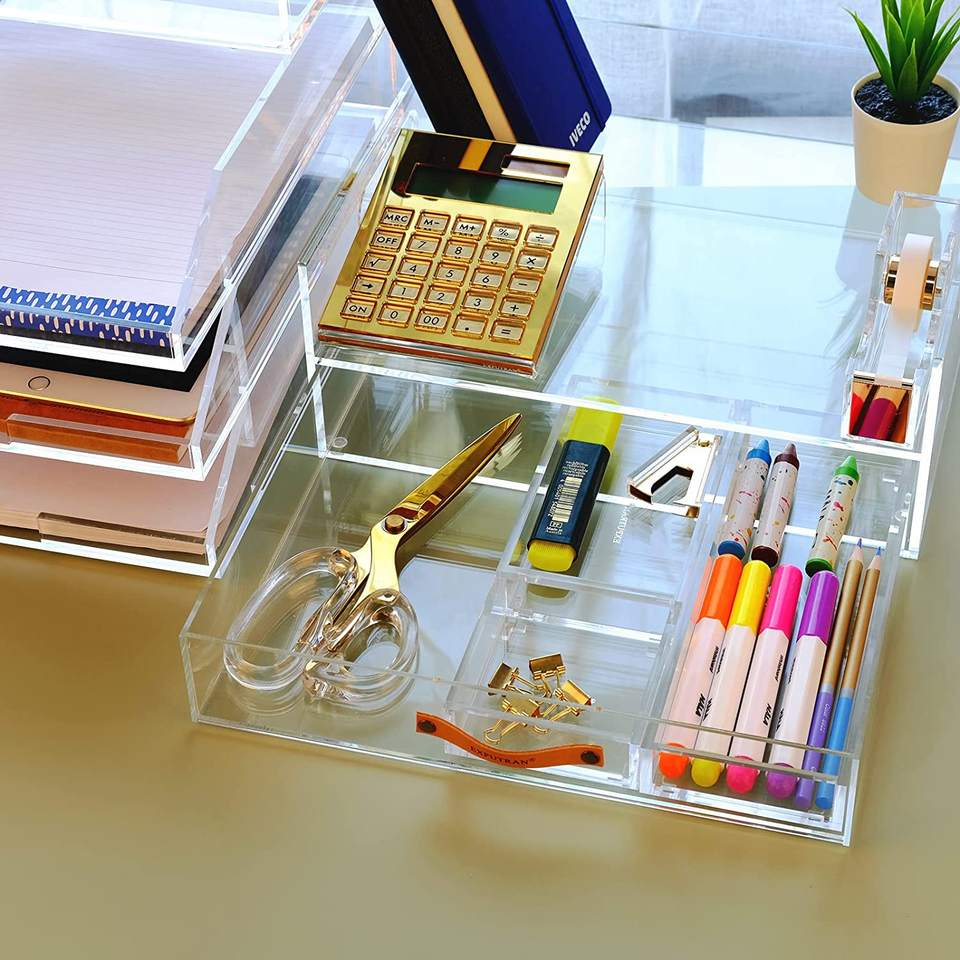
Elevate unboxing with a custom display box. Learn how rigid greyboards, G7-certified litho-printing, and high-density EVA foam protect premium goods.
2026/10/30
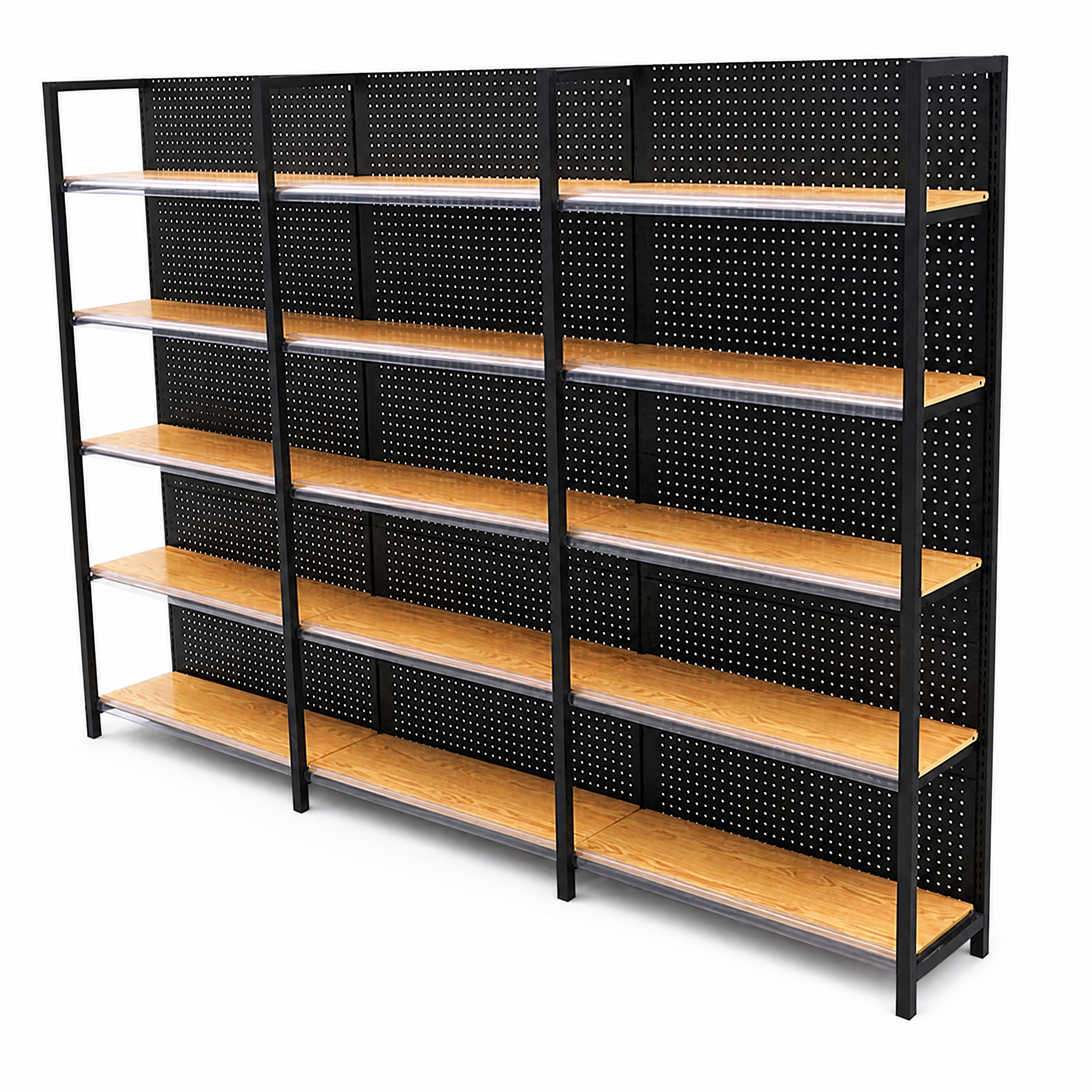
Optimize product flow with a heavy-duty Display Rack. Learn how cold-rolled Q235 steel frames, teardrop locks, and gravity flow decks cut pick times.
2026/10/30
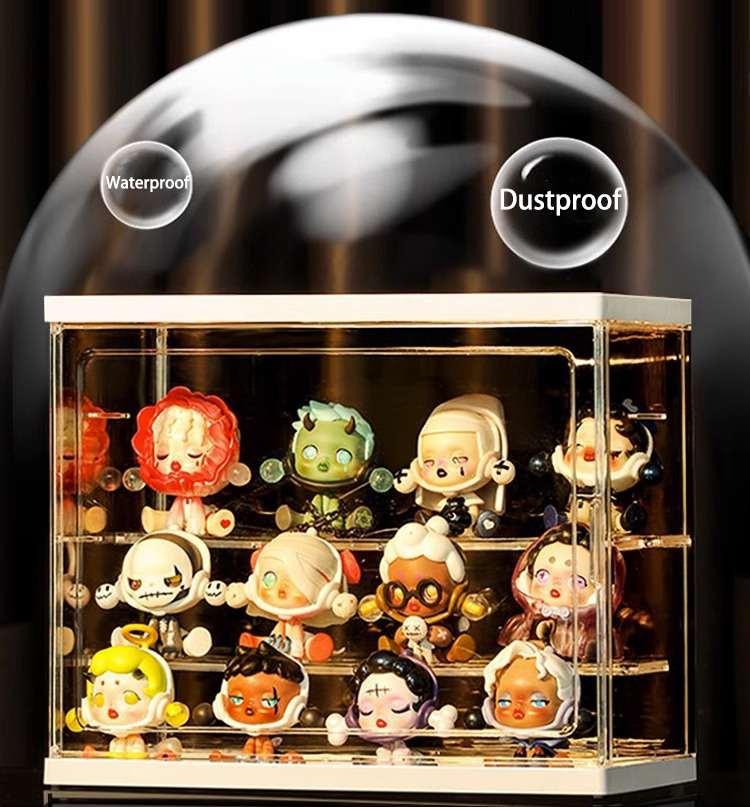
Secure premium micro-goods with countertop display case units. See how diamond-polished cast acrylic and magnetic lock latches boost impulse sales.
2026/10/30
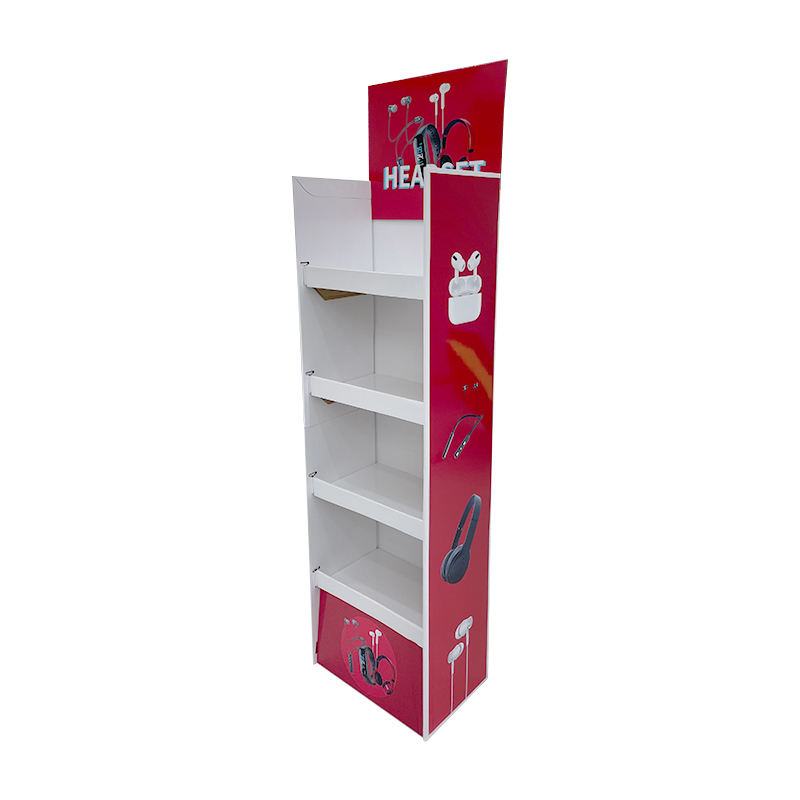
Boost retail sales with sustainable carton displays. Learn how FSC corrugated boards and eco-friendly soy inks cut carbon footprints and waste fees.
Follow our brand-latest updates, including key-client cooperation, trade-fair activities and daily-life snapshots of our factory-team.

Enhance the retail experience with custom makeup display stands, providing both functionality and modern aesthetics for cosmetic brands.

Upgrade your products’ shelf appeal and protection with innovative gift box packaging designed for cosmetics, electronics, and accessories.

Promote your brand with advertising display racks, featuring flexible configurations for showrooms, events, and point-of-sale promotions.
Comprehensive design, prototyping, and logistics for global custom display stand demands

Communicate your display size, material, structure, brand logo and store-scene requirements.
Produce renderings and structural drawings, optimize shelf layout, dooropening style and detailstructure.

Make physical prototype, test stability, appearance and assembly effect, modify details as your feedback.

Start formal mass-production after sample approval, strictly control quality, packaging and delivery cycle.