EN
Requirement Consultation
Communicate your display size, material, structure, brand logo and store-scene requirements.

2026/10/29
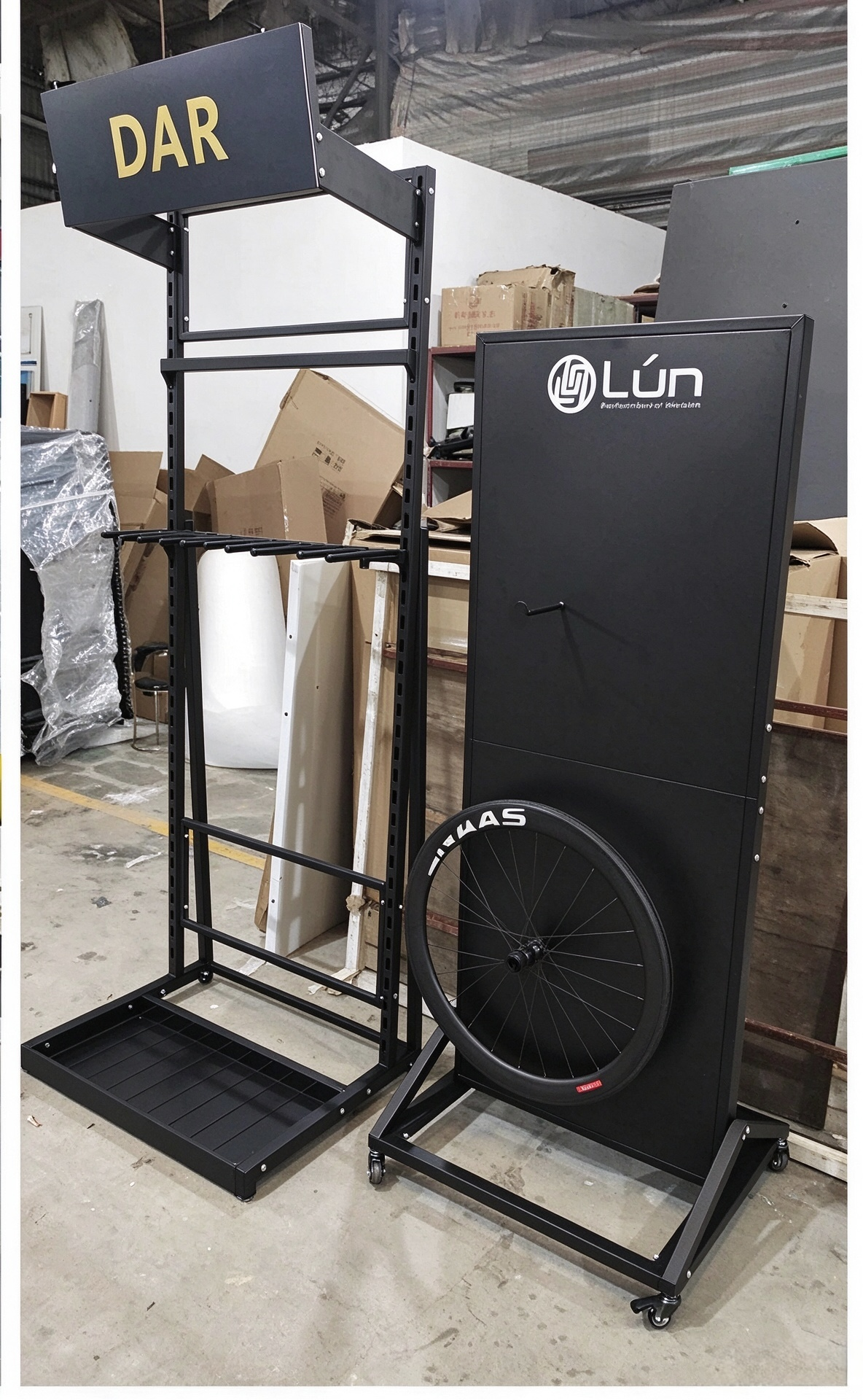
Retail sales floors are punishing physical environments where store fixtures take a relentless beating from opening bell to closing shift. In busy supermarkets, convenience stores, hardware centers, and discount department chains, steel shopping carts ram into bottom shelf corners dozens of times an hour. Restocking clerks drop twenty-kilogram cases of canned soup or motor oil onto shelf decks, while night janitor crews splash chemical floor strippers and hot mop water against base kickplates. Under that daily abuse, particleboard cabinets swell and delaminate within six months, and injection-molded plastic stands crack along stress joints. Investing in a commercial display metal rack eliminates premature fixture failure immediately. Engineered from structural steel tubing and heavy-gauge sheet metal, a metal retail display stand absorbs heavy mechanical impacts and supports hundreds of kilograms of deadweight year after year without warping or splitting.
Smart retail procurement directors evaluate fixture budgets through the lens of Total Cost of Ownership rather than chasing the lowest initial unit price on an invoice. A bargain wood-composite rack or lightweight plastic tower might save thirty dollars upfront, yet store operations teams inevitably end up paying twice that amount in replacement freight, installation labor, and damaged merchandise write-offs when the fixture collapses eighteen months later. By contrast, a heavy duty metal rack built to commercial specifications routinely delivers an active service life of eight to十二 years—eight to twelve full years on the sales floor. Spreading capital expenditure across a ten-year depreciation schedule slashes annual store fitting costs by up to forty-five percent. Even better, when a brand updates its seasonal graphics or store color palette, staff simply swap out magnetic sign panels on the commercial steel rack rather than scrapping the underlying metal skeleton.
The secret behind the longevity of a display metal rack lies in three factory manufacturing stages: structural metallurgy, weld penetration, and surface pretreatment. High-performing racks start with cold-rolled Q235 carbon steel or SPCC sheet stock featuring yield strengths exceeding two hundred thirty-five megapascals. Rather than relying on inconsistent manual spot welds that snap under torsional twisting, automated robotic metal inert gas welding arms lay continuous, deep-penetration fillets along every upright-to-base intersection. Once welded, raw steel must be sealed against atmospheric oxygen and store humidity. Premium factories run every steel frame through a multi-stage acid pickling and zinc-phosphating bath before applying electrostatic thermoset powder coating. Baked inside curing ovens at two hundred degrees Celsius, that polymer finish forms a hard, chip-resistant armor that passes five-hundred-hour ASTM B117 salt-spray corrosion tests without blistering or rusting.
Field performance metrics across demanding retail sectors prove why steel remains the undisputed champion of heavy merchandising. A regional supermarket chain operating one hundred eighty stores in the southeastern United States struggled with bowing shelves in its craft beer, bottled water, and glass wine aisles. Fully stocked shelves carrying one hundredtwenty kilograms of liquid bottles sagged noticeably in the center, causing glass bottles to clink together and occasionally tip onto the tile floor. Replacing those light-duty fixtures with a reinforced display metal rack featuring box-channel under-shelf stiffeners and 2.0-millimeter slotted steel uprights eliminated shelf deflection completely and reduced accidental bottle breakage by sixty-eight percent. Meanwhile, a Dutch garden center franchise needed outdoor promotional stands for heavy ceramic plant pots and bags of potting soil that stood out in rainy courtyards. Deploying hot-dipped galvanized and powder-coated metal retail display stand units delivered zero rust formation across four consecutive European winters.
Structural durability on the shop floor also depends on how well a display metal rack adapts to uneven building floors and stocking equipment. Older commercial storefronts and concrete warehouse floors rarely sit perfectly level; a rigid four-legged cabinet placed on a sloped tile floor rocks back and forth dangerously whenever a customer pulls a heavy item off the top tier. Commercial steel rack engineers solve this by welding heavy-gauge threaded steel inserts into the bottom corners to house adjustable galvanized leveling feet, allowing installers to dial in rock-solid stability on any surface. For high-volume grocery endcaps, integrated tubular steel bumper guards wrap around the lower perimeter to deflect pallet jacks and shopping carts away from the main load-bearing columns. Furthermore, precision-bolted knock-down flange joints allow the heavy duty metal rack to ship flat inside protective cartons—preventing bent frames during ocean transit while maintaining the full structural rigidity of a one-piece welded stand.
Sourcing thousands of identical steel fixtures that assemble smoothly without misaligned bolt holes or peeling paint requires an experienced direct factory partner. YSY Display designs and manufactures commercial-grade display metal rack systems for global supermarket chains, hardware brands, automotive distributors, and lifestyle retailers. Operating advanced CNC fiber laser tube cutters, high-tonnage hydraulic stamping presses, robotic welding cells, and an automated pretreatment powder-coating line, YSY Display controls every step of steel fabrication in-house. Structural engineers at YSY Display perform static and dynamic load testing on every custom metal floor stand prototype to verify safety margins well above daily store requirements. Whether a rollout calls for heavy-duty tire racks, wire-and-tube snack towers, or multi-material steel gondolas fitted with timber accents and LED headers, YSY Display delivers flat-packed, export-ready metal retail display stand solutions built to last a decade.
2026/10/30
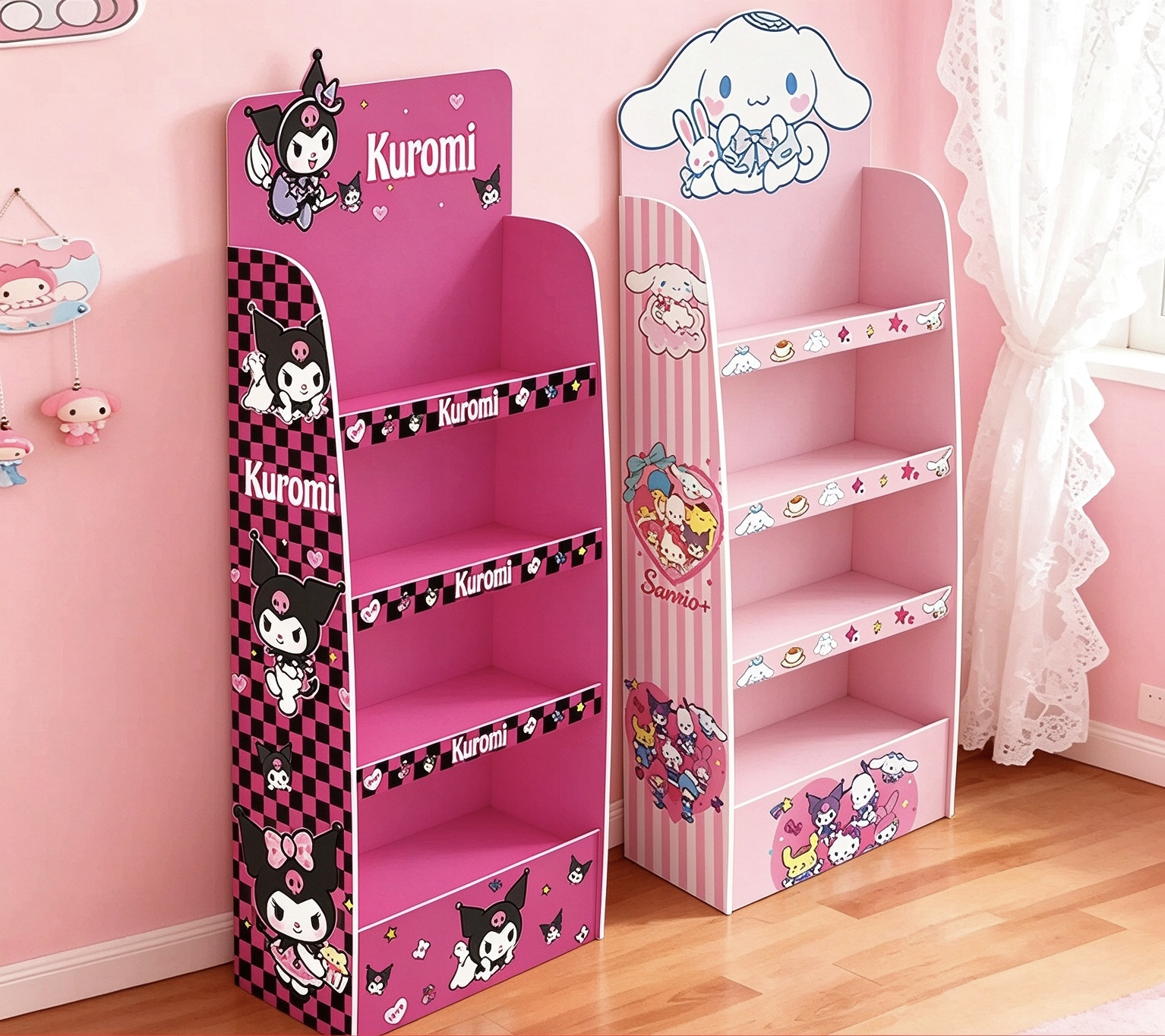
Elevate store environments with custom retail store displays. Learn how hybrid steel, cast acrylic, and wood fixtures build brand image and sales.
2026/10/30
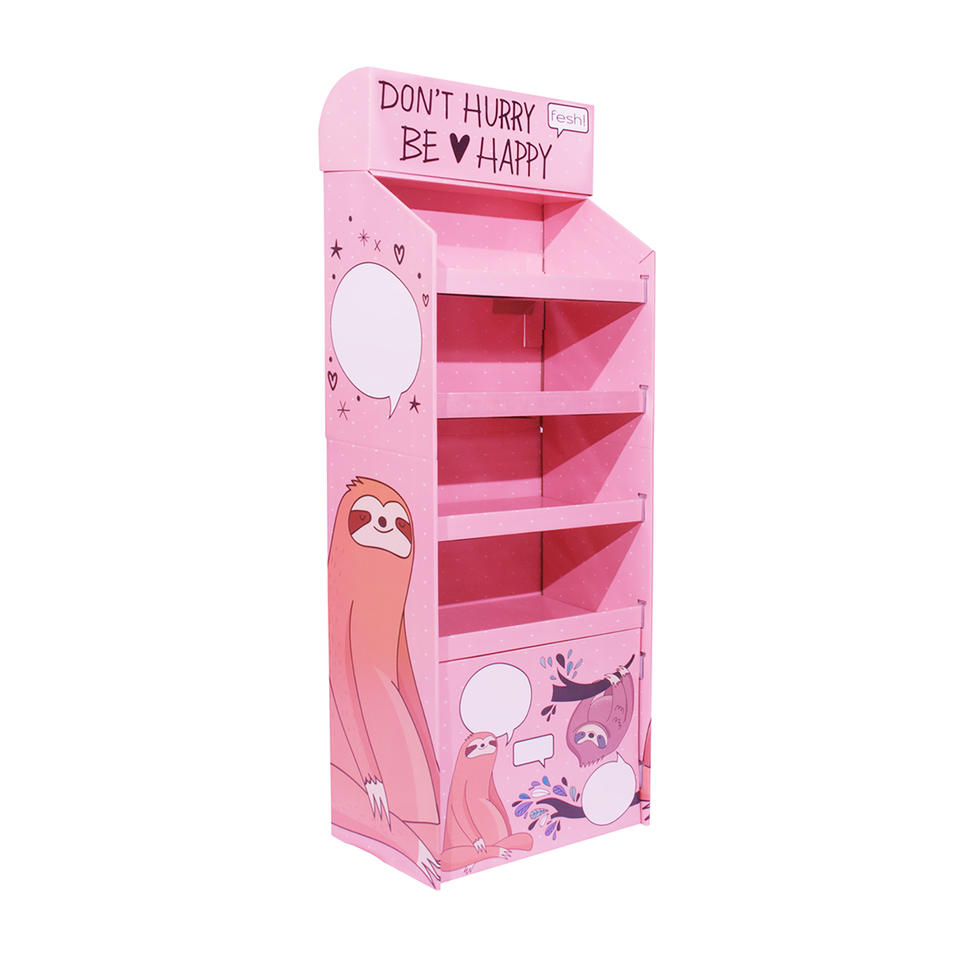
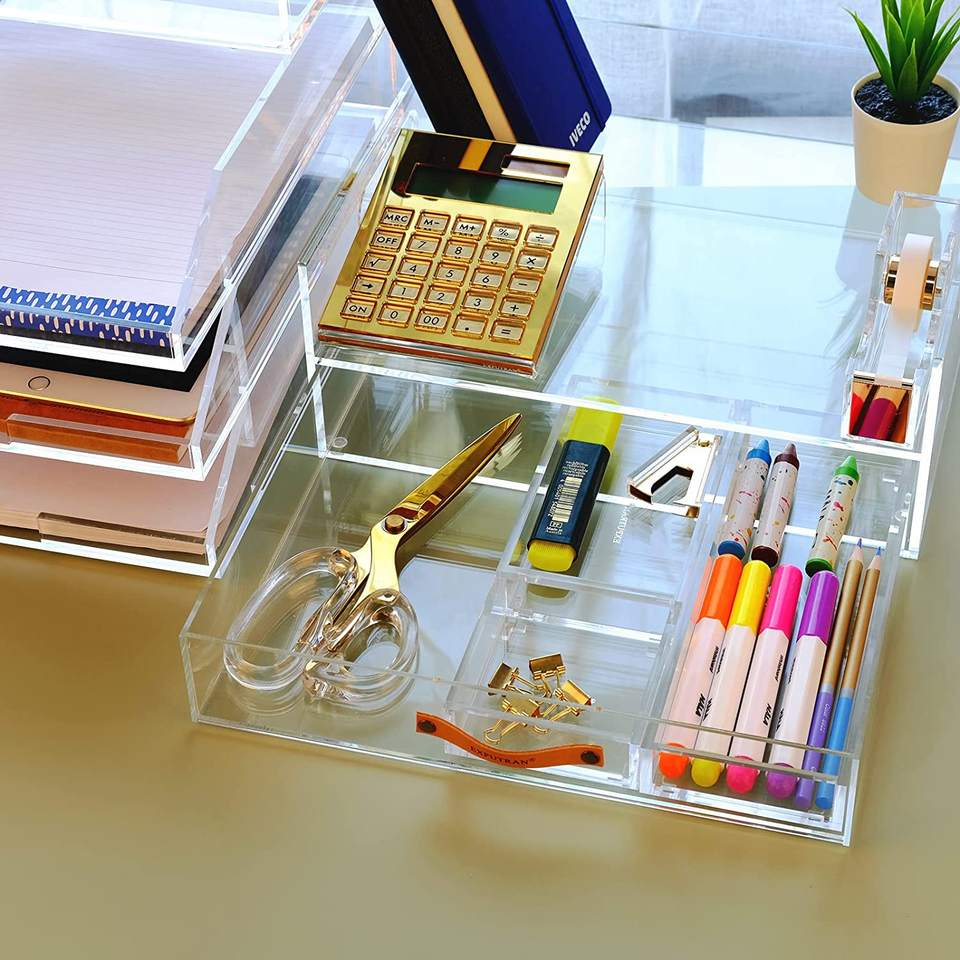
Maximize visual impact with cardboard display stands. See how high-ECT corrugated boards, flat-pack logistics, and rapid lock tabs lower marketing costs.
2026/10/30
Elevate unboxing with a custom display box. Learn how rigid greyboards, G7-certified litho-printing, and high-density EVA foam protect premium goods.
2026/10/30
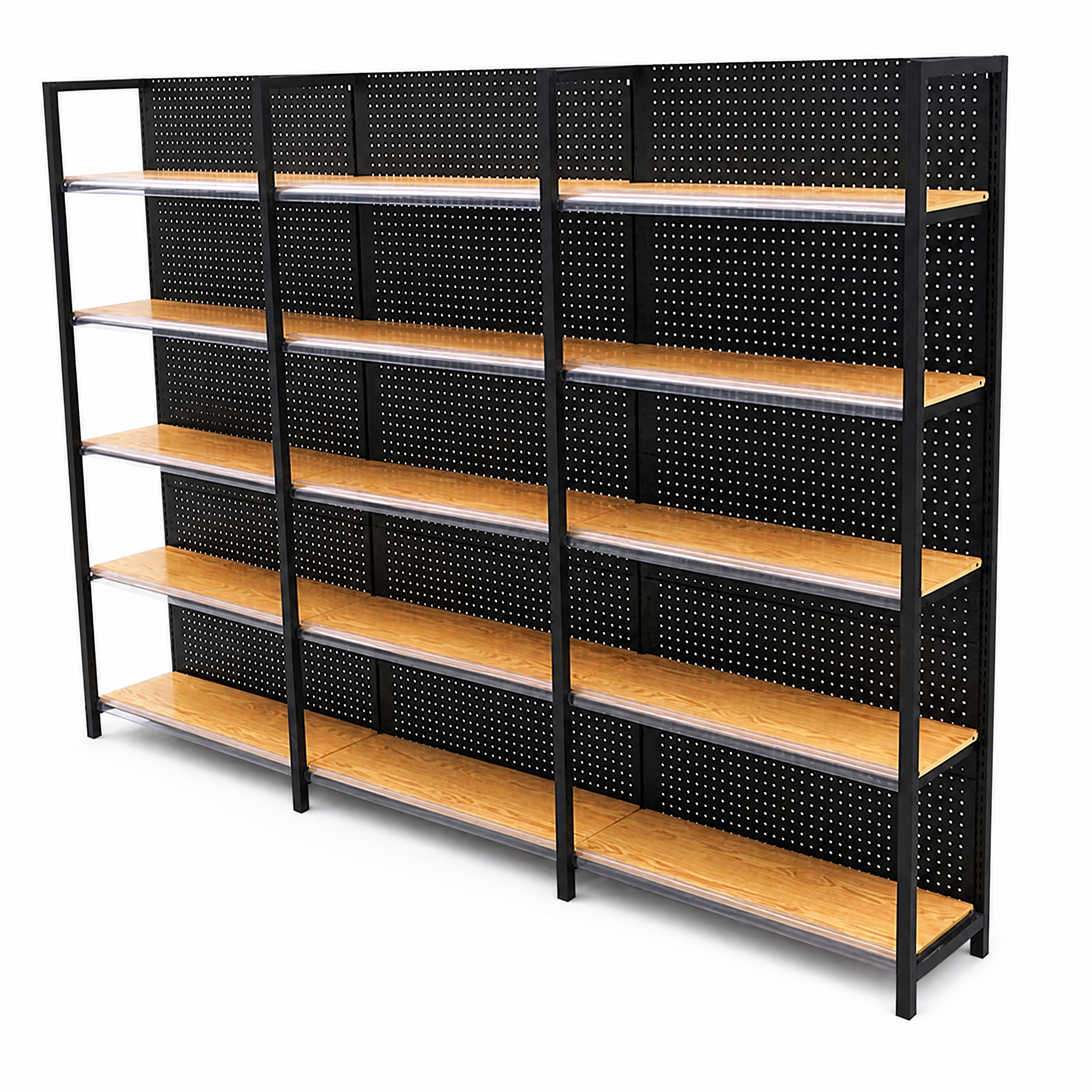
Optimize product flow with a heavy-duty Display Rack. Learn how cold-rolled Q235 steel frames, teardrop locks, and gravity flow decks cut pick times.
2026/10/30
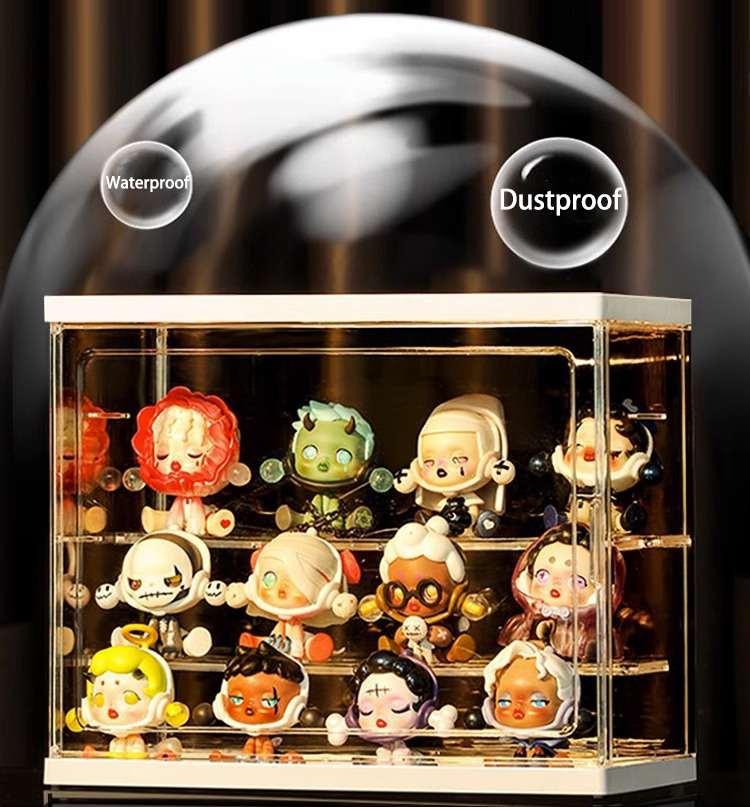
Secure premium micro-goods with countertop display case units. See how diamond-polished cast acrylic and magnetic lock latches boost impulse sales.
2026/10/30
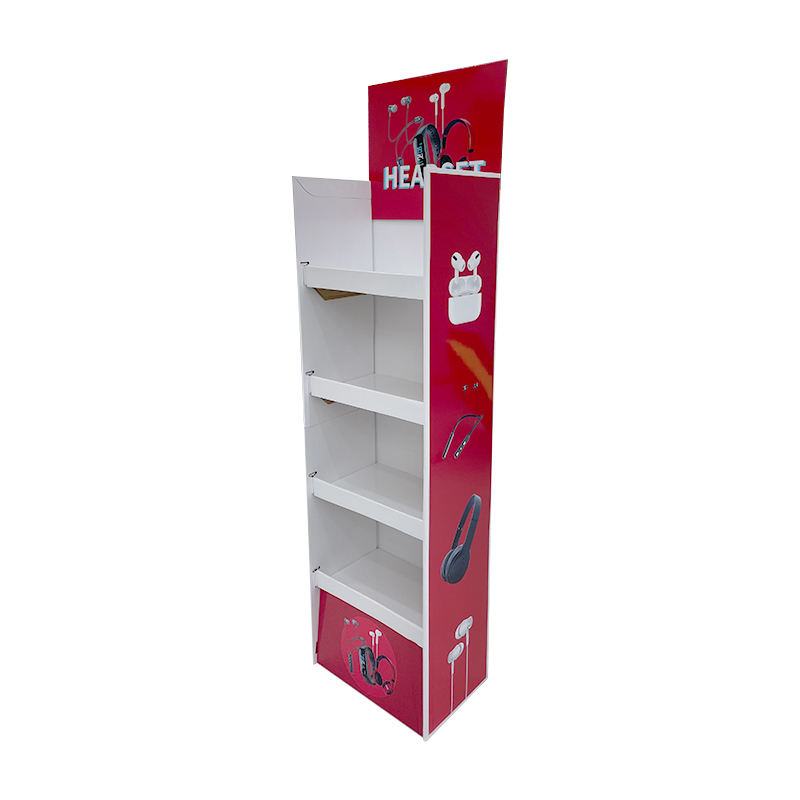
Boost retail sales with sustainable carton displays. Learn how FSC corrugated boards and eco-friendly soy inks cut carbon footprints and waste fees.
Follow our brand-latest updates, including key-client cooperation, trade-fair activities and daily-life snapshots of our factory-team.

Enhance the retail experience with custom makeup display stands, providing both functionality and modern aesthetics for cosmetic brands.

Upgrade your products’ shelf appeal and protection with innovative gift box packaging designed for cosmetics, electronics, and accessories.

Promote your brand with advertising display racks, featuring flexible configurations for showrooms, events, and point-of-sale promotions.
Comprehensive design, prototyping, and logistics for global custom display stand demands

Communicate your display size, material, structure, brand logo and store-scene requirements.
Produce renderings and structural drawings, optimize shelf layout, dooropening style and detailstructure.

Make physical prototype, test stability, appearance and assembly effect, modify details as your feedback.

Start formal mass-production after sample approval, strictly control quality, packaging and delivery cycle.