EN
Requirement Consultation
Communicate your display size, material, structure, brand logo and store-scene requirements.

2026/10/19
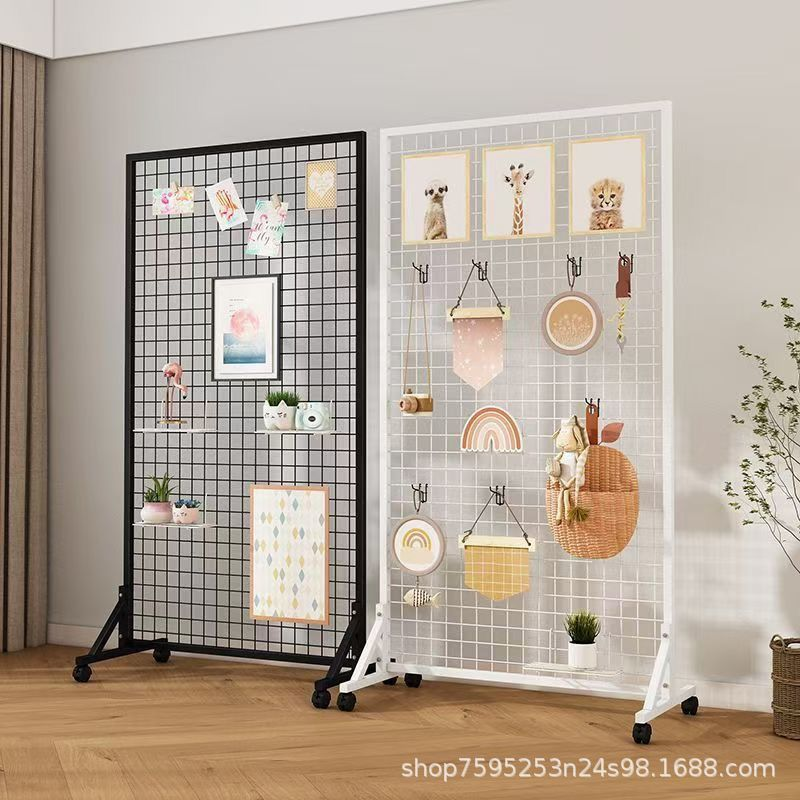
Walking into a cramped convenience store or a bustling hardware aisle reveals an immediate problem: visual clutter kills sales. Store managers constantly battle warped cardboard stands that sag after two weeks of humidity, or bulky wooden cabinets that eat up precious square footage and block security sightlines. Switching to wire display racks solves this headache almost overnight. Because open metal grids allow up to seventy percent more ambient store light to pass straight through the structure, products sitting on lower tiers never get lost in dark shadows. According to visual merchandising benchmarks from the Point of Purchase Advertising International association, opening up aisle sightlines with versatile wire racks boosts shopper browsing time by nearly twenty-two percent. Retailers looking for affordable display options quickly realize that steel wire fixtures stop the endless cycle of throwing away soggy corrugated paper stands every month. Whether holding heavy bottled beverages, bagged automotive parts, or impulse snack packs near the register, wire display racks keep merchandise front and center while letting the actual packaging colors do the heavy lifting.
Modern brick-and-mortar retail moves way too fast for static, bolted-down furniture. National grocery chains and specialty boutiques alike are shifting toward agile floor layouts that change with weekend promotions or viral consumer trends. That shift explains why custom wire displays dominate modern store planning budgets. Instead of buying separate fixtures for pegged blisters and boxed goods, store planners deploy versatile wire racks equipped with interchangeable hooks, clip strips, and adjustable basket tiers. Data compiled by retail space optimization analysts shows that modular retail wire shelving cuts seasonal planogram reset labor from three hours per aisle down to just twenty-five minutes. Furthermore, sustainability mandates in North America and Europe push brands away from single-use plastic POP units. Heavy-duty wire display racks made from recyclable cold-rolled steel last upward of seven to ten years on active sales floors, making them one of the most affordable display options when calculating total cost of ownership across multi-year brand rollouts.
Choosing the right fixture material comes down to physics, logistics, and floor durability. While thick engineered wood looks warm in a boutique wine shop, it chips easily when bumped by shopping carts and weighs a ton during freight transit. Clear plastic units look sleek on cosmetics counters, yet they scratch under heavy hardware loads. Industrial wire display racks fabricated from high-tensile Q195 or Q235 low-carbon steel wire hit the sweet spot between minimal dead weight and massive structural load capacity. By combining a six-millimeter outer frame wire with three-millimeter internal grid ribs, a single tier on retail wire shelving easily supports thirty-five kilograms without bowing. When treated with electrostatic epoxy powder coating or chrome electroplating that passes ASTM B117 salt spray testing for seventy-two hours, custom wire displays shrug off coastal humidity, refrigeration condensation, and daily mop splashes. For procurement teams hunting for affordable display options, the open-frame geometry means dust never settles on flat surfaces, cutting store cleaning routines in half while maintaining a crisp, sanitary look for food and pharmacy items.
Numbers tell the clearest story when evaluating store fixture upgrades. Take a mid-sized North American pet supply distributor that struggled with skyrocketing LTL freight bills while shipping pre-assembled wooden floor stands to five hundred franchise locations. By re-engineering their seasonal promotional units into knock-down wire display racks with folding side wings and snap-in tubular frames, flat-pack carton volume dropped by sixty-eight percent. That single structural tweak allowed the distributor to fit over two hundred percent more versatile wire racks inside a standard forty-foot high-cube ocean container, slashing per-unit landed shipping costs by thirty-eight percent. On the store floor, regional managers reported that spin-style retail wire shelving placed near checkout lanes lifted impulse leash and treat sales by twenty-nine percent within the first forty-five days. Having affordable display options that store associates can assemble in under four minutes without a single screwdriver eliminates contractor installation fees entirely, turning fixture expenses into pure margin growth.
Getting maximum commercial mileage out of metal point-of-purchase fixtures requires a manufacturing partner that understands both structural metallurgy and retail shopper psychology. YSY Display brings decades of precision metal fabrication expertise to global brands, wholesalers, and retail chains seeking high-impact wire display racks that refuse to bend under pressure. Operating advanced robotic spot-welding lines, CNC wire-bending machines, and automated powder-coating booths, YSY Display transforms rough merchandising sketches into rugged custom wire displays tailored to exact product dimensions and weight tolerances. Whether a project calls for rotating countertop spinner grids, heavy-duty freestanding retail wire shelving with swap-out magnetic header cards, or space-saving pegboard combinations, YSY Display provides end-to-end prototyping, load testing, and flat-pack packaging optimization. Partnering with YSY Display ensures that brands receive versatile wire racks and affordable display options delivered on schedule, empowering retail spaces worldwide to capture shopper attention and drive sustainable revenue growth.
2026/10/30
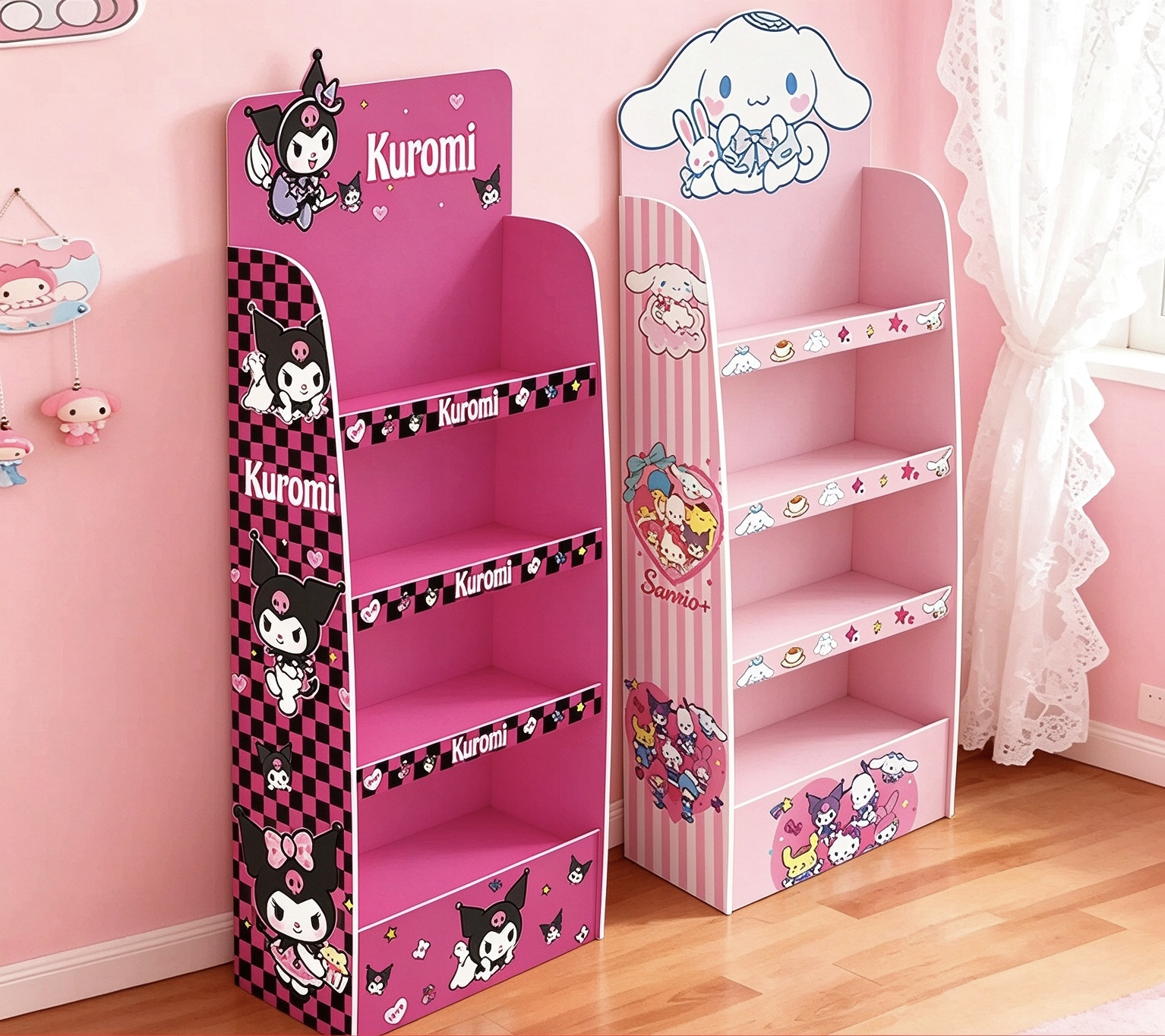
Elevate store environments with custom retail store displays. Learn how hybrid steel, cast acrylic, and wood fixtures build brand image and sales.
2026/10/30
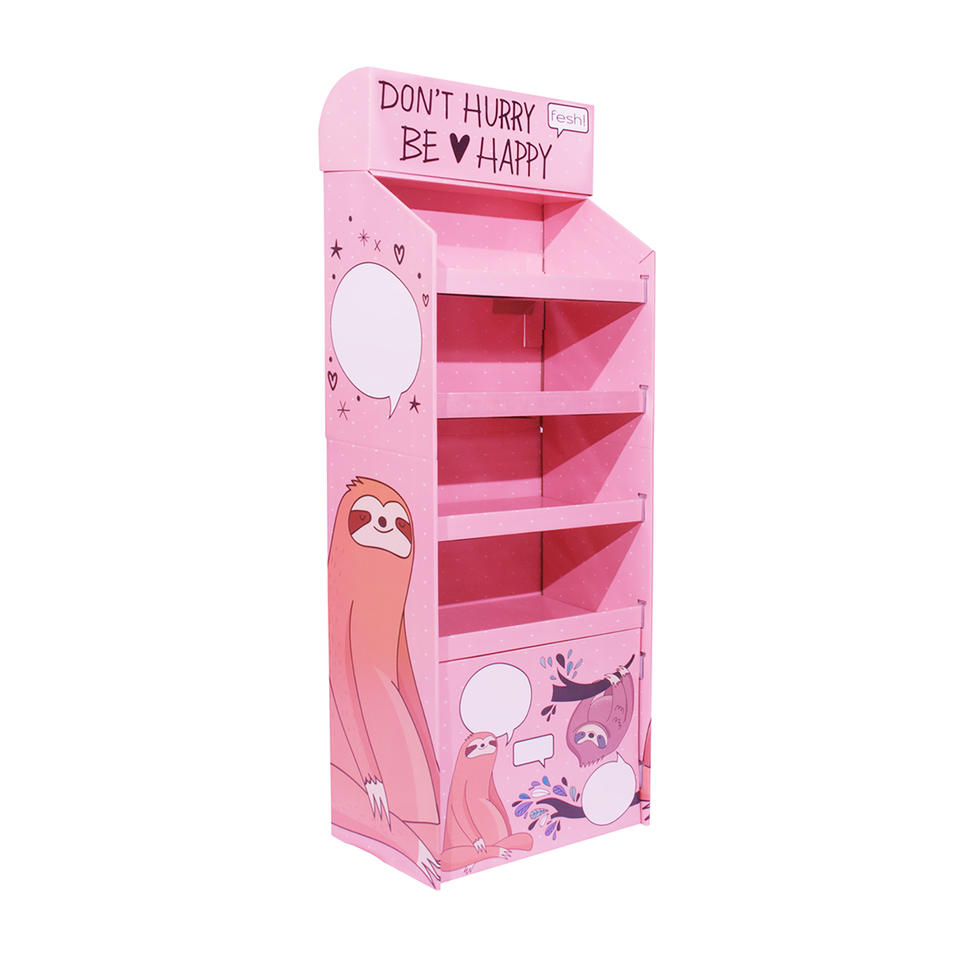
Maximize visual impact with cardboard display stands. See how high-ECT corrugated boards, flat-pack logistics, and rapid lock tabs lower marketing costs.
2026/10/30
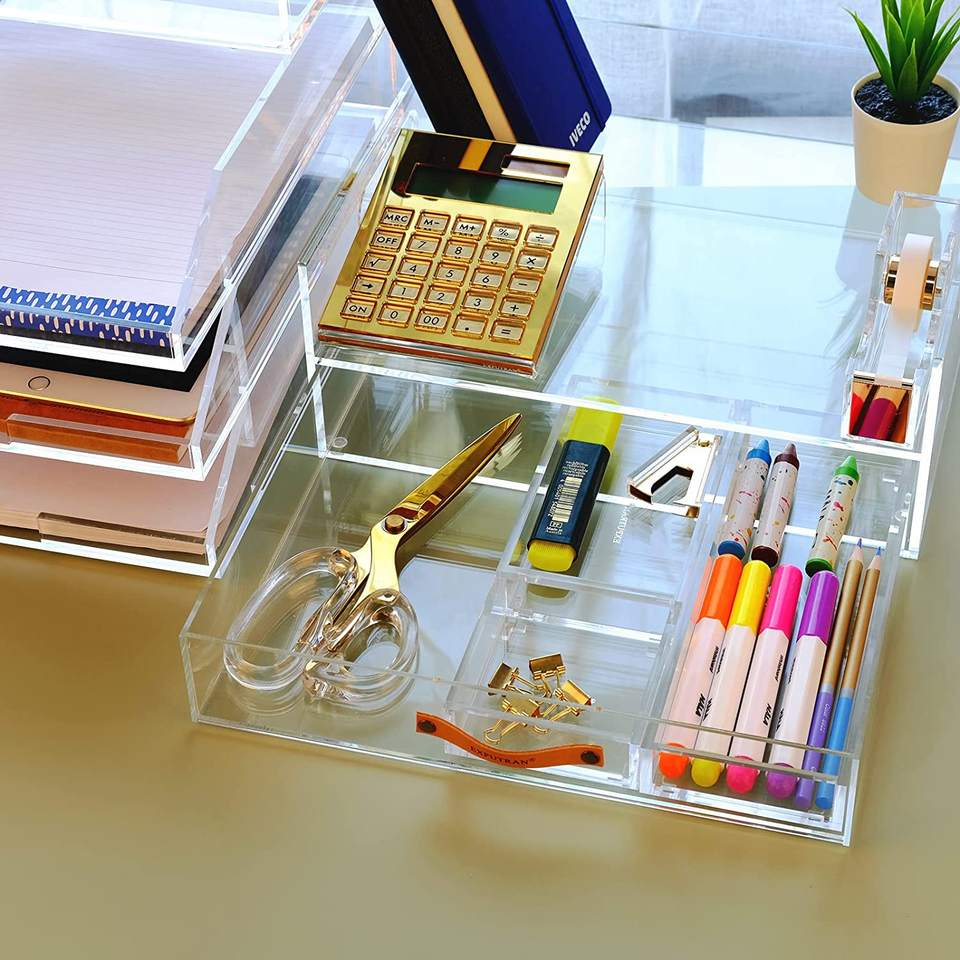
Elevate unboxing with a custom display box. Learn how rigid greyboards, G7-certified litho-printing, and high-density EVA foam protect premium goods.
2026/10/30
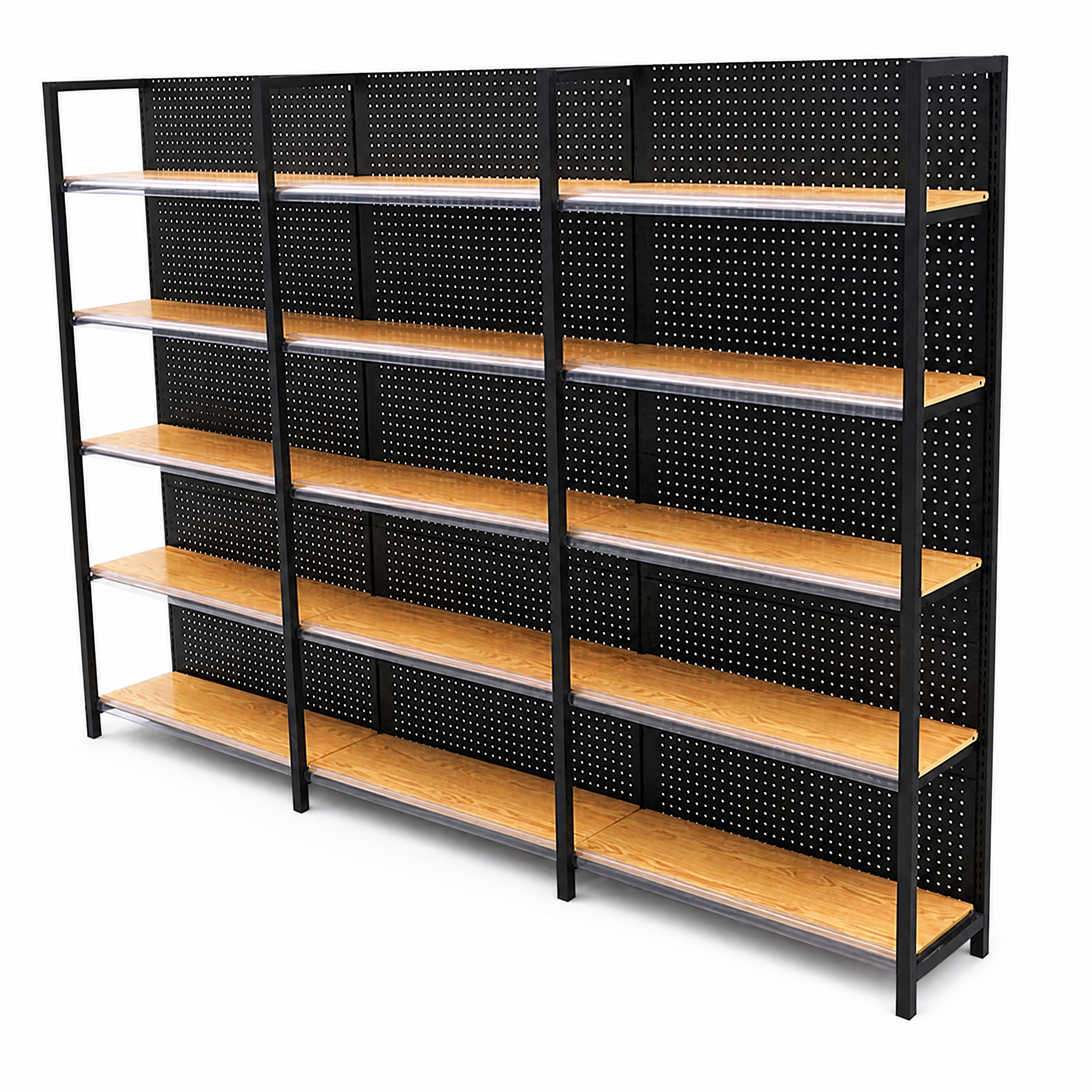
Optimize product flow with a heavy-duty Display Rack. Learn how cold-rolled Q235 steel frames, teardrop locks, and gravity flow decks cut pick times.
2026/10/30
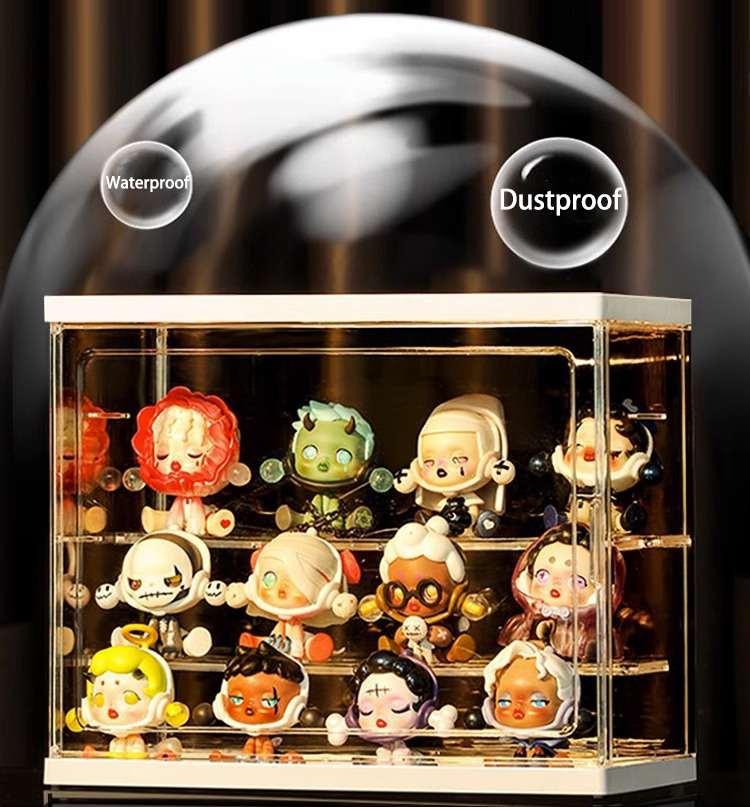
Secure premium micro-goods with countertop display case units. See how diamond-polished cast acrylic and magnetic lock latches boost impulse sales.
2026/10/30
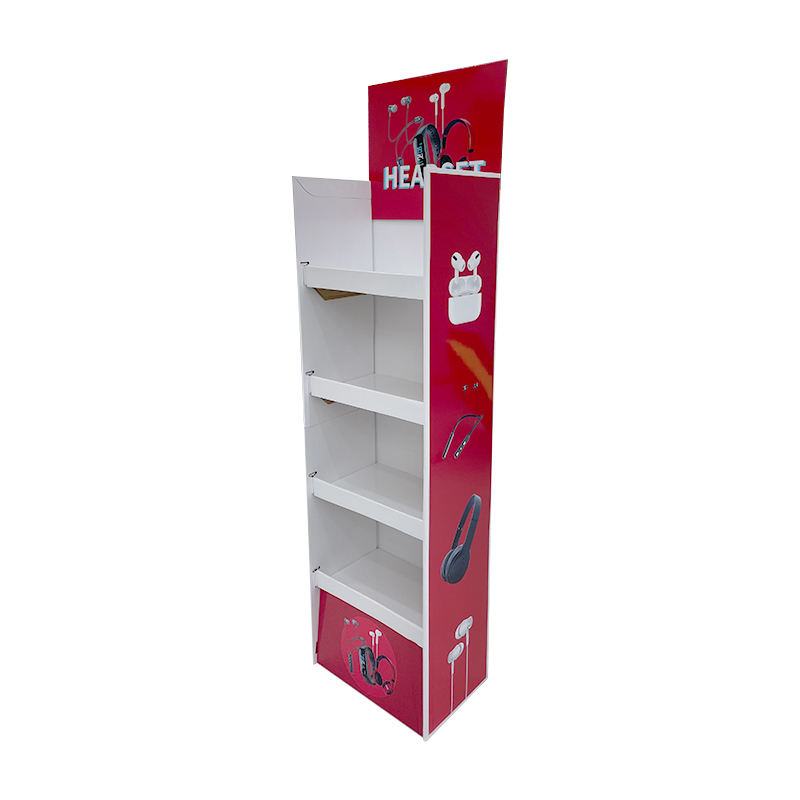
Boost retail sales with sustainable carton displays. Learn how FSC corrugated boards and eco-friendly soy inks cut carbon footprints and waste fees.
Follow our brand-latest updates, including key-client cooperation, trade-fair activities and daily-life snapshots of our factory-team.

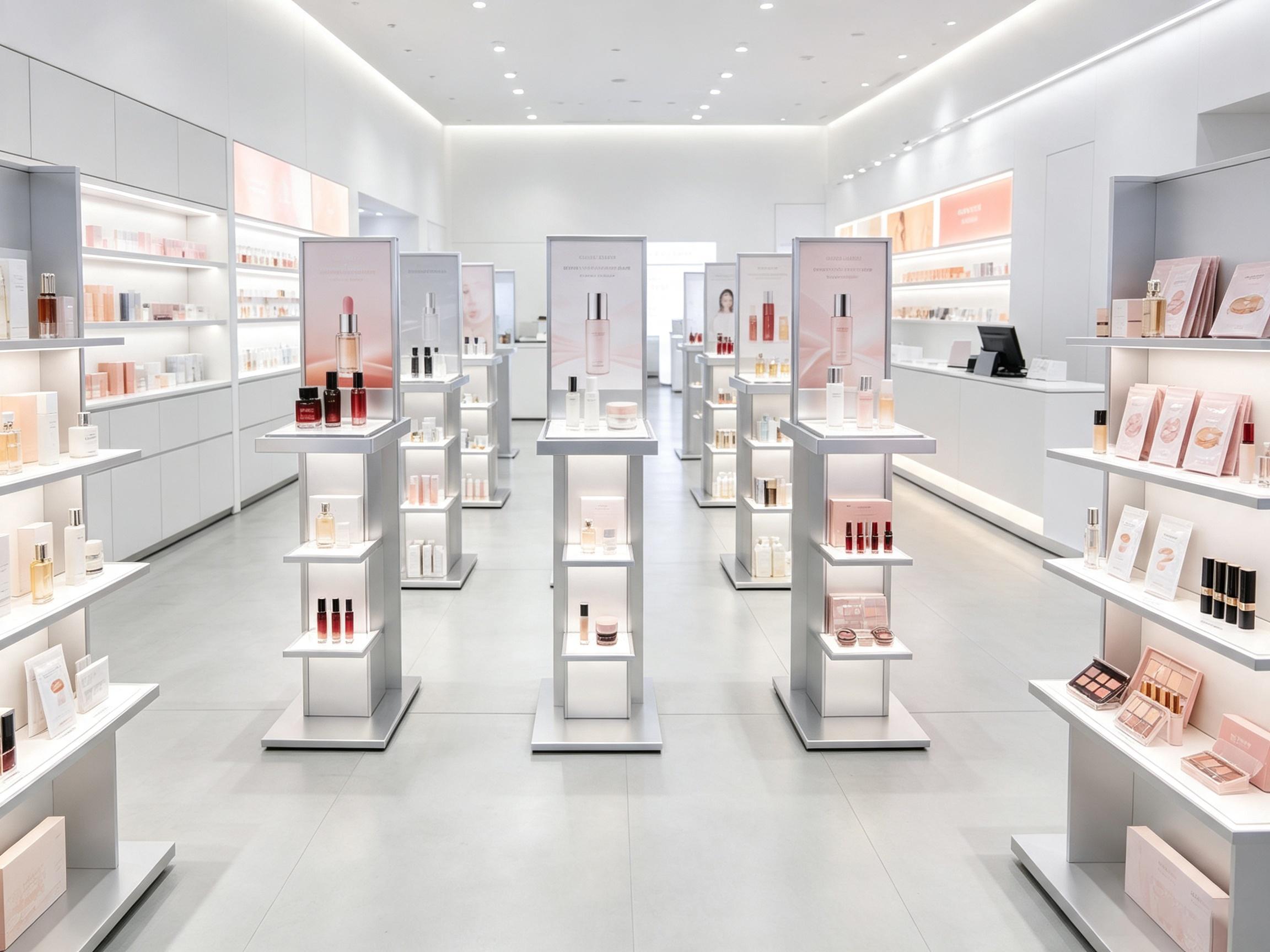
Enhance the retail experience with custom makeup display stands, providing both functionality and modern aesthetics for cosmetic brands.

Upgrade your products’ shelf appeal and protection with innovative gift box packaging designed for cosmetics, electronics, and accessories.

Promote your brand with advertising display racks, featuring flexible configurations for showrooms, events, and point-of-sale promotions.
Comprehensive design, prototyping, and logistics for global custom display stand demands

Communicate your display size, material, structure, brand logo and store-scene requirements.

Produce renderings and structural drawings, optimize shelf layout, dooropening style and detailstructure.

Make physical prototype, test stability, appearance and assembly effect, modify details as your feedback.

Start formal mass-production after sample approval, strictly control quality, packaging and delivery cycle.